
Introduction
Find The Right CNC Router For You
By Configuration
Match your routing tasks with ATC, 3 Axis, 4 Axis, 5 Axis, Rotary Axis, or Multi Head options.
By Material
Select CNC routers for wood, foam, plastic, metal, or stone to match your material processing needs.
By Level
Find hobby, home, mini, small, commercial, or industrial CNC routers for your production scale.
By Worktable Size
Choose 6090, 6012, 1212, 1325, 1530, 2030, or 2040 CNC routers for your materials.
Applicable Materials
Applicable Industries
How to Choose CNC Routers

Processing Materials
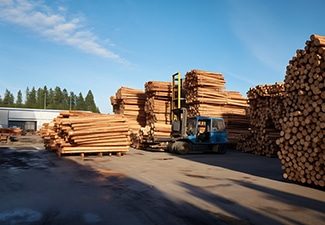
Choose CNC routers based on the materials you process most often, such as wood, MDF, acrylic, plastics, foam, or composites. Different materials have different hardness, density, and cutting resistance. These factors affect machine structure, spindle power, cutting speed, tooling selection, and dust control requirements, so material compatibility should be the first consideration.
Working Area
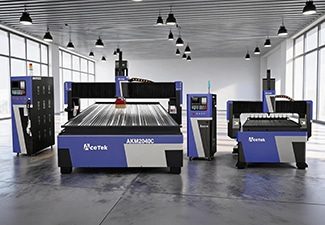
The working area should match your common sheet size, product dimensions, and production workflow. Small CNC routers are suitable for custom parts, samples, signs, and workshops with limited space, while large-format routers are better for furniture panels, doors, cabinets, full-size sheets, and batch production that requires higher efficiency.
Production Volume
For occasional use, prototyping, or small custom jobs, a basic CNC router may be enough. For daily production or industrial manufacturing, choose a machine with stronger components, faster processing speed, automatic functions, better cooling, and higher structural stability to support continuous operation and maintain consistent machining quality.

Software Compatibility
Check whether the CNC router supports your design software, CAM software, and common file formats. Good software compatibility makes drawing import, toolpath generation, parameter setting, and production management easier. It also helps connect design, programming, and machining more smoothly, reducing communication errors and improving overall production efficiency.

Spindle Power
Spindle power affects cutting depth, processing speed, cutting stability, and tool performance. Light engraving or thin material cutting may only require a lower-power spindle, while thick boards, hardwood, dense plastics, and continuous production need a stronger spindle to maintain efficiency, reduce tool stress, and achieve cleaner cutting results.
Machine Structure
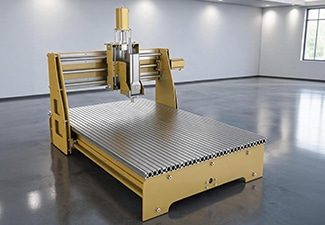
A strong and stable machine structure helps reduce vibration, maintain accuracy, and improve long-term reliability. For heavy cutting, large-format processing, or high-speed production, choose a CNC router with a rigid welded frame, high-quality guide rails, a reliable transmission system, and durable components that can support stable machining over time.
Worktable Type
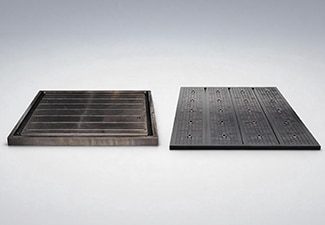
Choose the worktable type according to your material size, clamping method, and production needs. T-slot worktables are flexible for fixing small parts, irregular workpieces, and custom jobs, while vacuum tables are better for holding large sheets quickly and firmly, helping reduce loading time and improve production efficiency.
Tool Configuration
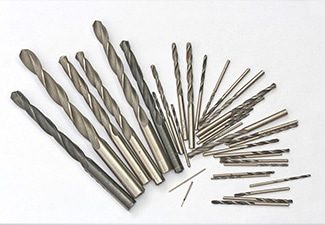
Different applications require different router bits, engraving tools, drill bits, carving tools, and cutting tools. Proper tool configuration improves cutting quality, reduces edge chipping, extends tool life, and allows the machine to complete more types of processing. Matching the right tools to the material helps achieve more accurate and consistent results.
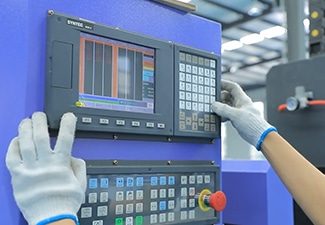
Control System
The control system affects operation convenience, file compatibility, machining accuracy, and production stability. A user-friendly controller allows operators to set parameters, load programs, manage toolpaths, monitor machine status, and reduce operating errors more easily. A reliable control system can also improve workflow efficiency and support smoother daily production.
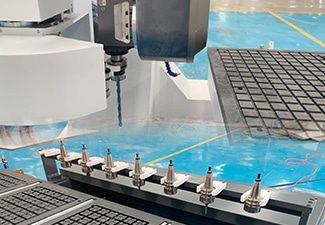
Automatic Tool Changer
An automatic tool changer is useful when one job requires multiple operations, such as cutting, engraving, drilling, grooving, and edge trimming. It reduces manual tool changes, saves labor time, improves machining continuity, and increases efficiency for complex designs, customized products, cabinet production, furniture manufacturing, and batch processing.
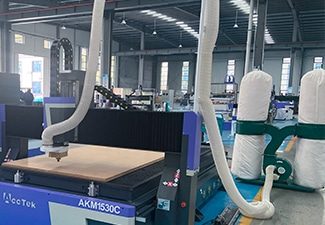
Dust Collection System
CNC routing often produces dust, chips, shavings, and fine particles during cutting or engraving. A good dust collection system helps keep the workshop cleaner, protects guide rails and machine components, improves operator visibility, reduces cleanup time, and creates a safer and more comfortable working environment for long-term production.
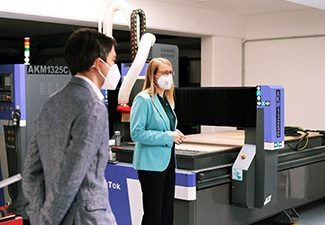
Supplier Support
Reliable supplier support is important for machine installation, operator training, troubleshooting, spare parts supply, software guidance, and long-term maintenance. A professional supplier can help you choose the right configuration, solve technical problems faster, reduce downtime, and make the CNC router easier to operate throughout its service life.
Comparison With Other Machines
| Comparison Item | CNC Routers | CNC Milling Machines | Laser Cutting Machines | 3D Printers |
|---|---|---|---|---|
| Processing Method | Uses a rotating cutting tool to cut, engrave, drill, groove, and carve materials. | Uses rigid cutting tools to remove material with higher force and precision. | Uses a focused laser beam to cut, engrave, or mark materials without direct contact. | Builds objects layer by layer from digital 3D models. |
| Manufacturing Type | Subtractive manufacturing; removes material from a workpiece. | Subtractive manufacturing; removes material from a solid block or part. | Thermal processing; cuts or engraves by melting, burning, or vaporizing material. | Additive manufacturing creates parts by adding material layer by layer. |
| Main Applications | Woodworking, furniture, signage, decoration, crafts, molds, plastics, foam, and panel processing. | Precision parts, molds, dies, mechanical components, and industrial machining. | Sheet cutting, engraving, marking, signs, packaging, textiles, and decorative products. | Prototypes, models, customized parts, design testing, education, and small-batch production. |
| Suitable Materials | Wood, MDF, plywood, acrylic, PVC, plastics, foam, rubber, leather, composites, and some soft metals. | Metals, engineering plastics, hard materials, and precision industrial materials. | Wood, acrylic, paper, fabric, leather, plastic, glass, and metals depending on laser type. | Plastics, resins, nylon, composites, wax, and some metal powders depending on printer type. |
| Cutting Speed | Fast for boards, panels, signs, and furniture parts. | Slower for large sheets but strong for precision machining. | Very fast for thin sheets and fine contour cutting. | Usually slower because parts are built layer by layer. |
| Processing Accuracy | Offers good accuracy for woodworking, advertising, and general fabrication. | Provides higher accuracy for precision mechanical parts. | Provides high accuracy for thin materials and detailed patterns. | Accuracy depends on printer type, layer height, material, and calibration. |
| Surface Finish | Can produce smooth edges and carved surfaces with proper tools and parameters. | Can achieve fine surface finishes through precision tooling and machining strategies. | May leave heat marks, discoloration, or slightly burnt edges on some materials. | Often leaves visible layer lines and may require post-processing. |
| 3D Processing Ability | Suitable for 2D cutting, 2.5D relief carving, and some 3D carving. | Excellent for complex 3D machining and high-precision shapes. | Mainly used for 2D cutting and surface engraving; limited in true 3D shaping. | Excellent for complex 3D shapes, hollow structures, and internal geometries. |
| Production Efficiency | Efficient for batch production of furniture parts, signs, panels, and decorative products. | Efficient for precision parts but usually needs more setup time. | Highly efficient for rapid cutting and engraving of flat materials. | Better for prototypes and small batches than mass production. |
| Tooling Requirements | Requires router bits, drill bits, engraving tools, collets, and fixtures. | Requires milling cutters, tool holders, fixtures, coolant, and measuring tools. | Requires lenses, mirrors, nozzles, assist gas, and fume extraction systems. | Requires filament, resin, powder, nozzles, build plates, and support materials. |
| Setup Complexity | Moderate; needs toolpath programming, material fixing, tool selection, and dust control. | Higher; needs precise clamping, tool setting, machining strategy, and coolant control. | Moderate; needs focus setting, parameter adjustment, ventilation, and safety control. | Moderate; needs slicing, material preparation, bed leveling, and print calibration. |
| Workspace Requirements | Needs enough space for machine operation, sheet loading, dust collection, and finished parts. | Usually requires a rigid foundation and a more controlled machining environment. | Requires ventilation, smoke extraction, fire protection, and laser safety measures. | Usually needs less floor space, depending on printer size and material system. |
| Safety Considerations | Main risks include rotating tools, flying chips, dust, noise, and workpiece movement. | Main risks include sharp tools, chips, coolant, high cutting force, and machine movement. | Main risks include laser radiation, smoke, fumes, fire, and high temperatures. | Main risks include hot nozzles, heated beds, resin exposure, fumes, and moving parts. |
| Cost Position | Often cost-effective for woodworking, signage, and panel-processing businesses. | Usually more expensive due to stronger structure, precision components, and tooling needs. | Cost varies greatly according to laser type, power, work area, and safety system. | Entry-level cost can be low, but industrial systems and materials can be expensive. |
| Main Advantage | Offers a strong balance of versatility, productivity, and cost for cutting and engraving many materials. | Provides high rigidity, precision, and strength for demanding machining work. | Offers fast, clean, non-contact cutting and fine engraving. | Creates complex 3D parts without molds or traditional cutting tools. |
Why To Choose AccTek CNC
High Precision & Efficiency
Our CNC routers are designed to deliver accurate cutting, engraving, drilling, and carving results. With stable motion systems and reliable control, our machines help reduce errors, improve processing speed, and maintain consistent quality during custom and batch production.
Robust And Durable Design
Our CNC routers use strong machine frames, quality guide rails, and reliable transmission components to support long-term operation. The solid structure helps reduce vibration, improve cutting stability, and keep the machine performing well during high-speed and continuous production.
Intelligent Control Systems
Our CNC routers are equipped with user-friendly control systems that make operation easier for both new and experienced users. The machines support smooth toolpath control, stable movement, convenient parameter settings, and compatibility with commonly used design and CAM software.
Flexible Customization
We offer flexible CNC router configurations according to different materials, working sizes, cutting thicknesses, and production needs. Customers can choose suitable spindle power, table type, rotary device, automatic tool changer, drilling unit, dust collection system, and other optional accessories.
Wide Application Range
Our CNC routers can be used in furniture making, advertising signs, woodworking, acrylic processing, foam modeling, crafts, decoration, packaging, and product development. One machine can support many processing tasks, helping customers expand production possibilities and accept more orders.
Complete Technical Support
Our company provides professional support before and after purchase, including machine selection, configuration advice, installation guidance, operation training, and troubleshooting. Our technical team helps customers use the machine correctly, optimize processing parameters, and reduce unnecessary downtime.
Reliable After-Sales Service
We focus on long-term customer use, not only machine delivery. Our company provides spare parts support, maintenance advice, remote assistance, and practical solutions when problems occur, helping customers keep their CNC routers running smoothly and efficiently.
Cost-Effective Production Solution
Choosing Our means investing in a CNC router that balances performance, durability, and value. Our machines help reduce labor costs, improve material use, increase output consistency, and support stable business growth for workshops and production factories.
Customer Reviews
Why To Choose AccTek CNC
Related Resources
How to Improve Efficiency and Precision with Stone CNC Routers
How to Deal with Dust and Debris Generated During CNC Routing?
CNC Routing Techniques for Wood: Hardwood vs Softwood
Maximizing ROI with Small CNC Routers: Tips for Small Businesses
Frequently Asked Questions
How Do Wood CNC Routers Work?
- Digital Design: The process starts with a design created in CAD software. This design defines the shape, size, pattern, holes, grooves, or 3D details that need to be processed. Once the design is complete, CAM software converts it into toolpaths that the CNC router can understand.
- Toolpath Programming: The toolpath tells the machine where to move, how deep to cut, how fast to feed, and what cutting tool to use. Different operations may require different bits, such as straight bits for cutting, V-bits for engraving, ball nose bits for 3D carving, and compression bits for clean plywood edges.
- Machine Movement: Wood CNC routers usually move along three axes: X, Y, and Z. The X and Y axes control movement across the worktable, while the Z axis controls the up-and-down movement of the spindle. Some machines also have rotary or 4-axis functions for processing round or curved workpieces.
- Spindle Cutting: The spindle rotates the cutting bit at high speed. As the bit contacts the wood, it removes material layer by layer according to the programmed path. The cutting result depends on spindle speed, feed rate, bit type, cutting depth, and material hardness.
- Workpiece Fixing: Before cutting begins, the wood must be firmly fixed to the table. Vacuum tables, T-slot clamps, or mechanical fixtures are commonly used. Stable holding prevents movement, improves accuracy, and reduces the risk of rough edges or tool breakage.
- Dust Collection: Wood routing produces a large amount of chips and dust, so most CNC routers are equipped with dust collection systems. Proper dust removal keeps the cutting area clean, protects the machine parts, and helps maintain better cutting quality.
- Finished Output: After machining, the finished parts may need sanding, edge finishing, assembly, or coating. Because CNC routers follow programmed paths, they can produce consistent parts in batches with less manual labor.
What Is The Price Of Wood CNC Routers?
- Entry-Level CNC Routers: Entry-level wood CNC routers usually cost about $3,500-$4,500. These machines are suitable for beginners, small workshops, hobby users, and light woodworking tasks. They can process simple cutting, engraving, and carving jobs, but their speed, rigidity, and automation level are usually limited.
- 3-Axis CNC Routers: Standard 3-axis CNC routers generally cost about $5,000-$8,000. They are widely used for furniture panels, cabinet doors, signs, decorations, wooden crafts, and flat-board processing. This type is one of the most common choices for woodworking businesses because it offers a good balance between price, accuracy, and productivity.
- 4-Axis CNC Routers: 4-axis CNC routers usually cost about $12,000-$20,000. Compared with 3-axis machines, they can process more complex curved surfaces, side grooves, and three-dimensional designs. They are suitable for decorative furniture parts, stair components, artistic wood carving, and irregular-shaped workpieces.
- 5-Axis CNC Routers: 5-axis CNC routers are more advanced and usually cost about $58,000-$98,000. These machines can cut and carve from multiple angles, making them suitable for complex 3D woodworking, mold making, high-end furniture parts, and special custom production. Their higher price comes from advanced control systems, stronger structures, and more precise motion control.
- ATC CNC Routers: ATC CNC routers usually cost about $8,000-$30,000. The automatic tool changer allows the machine to switch tools without manual operation, improving efficiency for jobs that require cutting, drilling, engraving, grooving, and edge processing in one workflow.
- Rotary Axis CNC Routers: Rotary axis CNC routers usually cost about $6,000-$15,000. They are designed for cylindrical or round workpieces such as table legs, stair columns, wooden posts, and decorative pillars.
- Multi-Head CNC Routers: Multi-head CNC routers usually cost about $9,000-$12,000. They use multiple spindles to process several parts at the same time, making them useful for batch production and repeated designs.
What Are The Disadvantages Of Wood CNC Routers?
- High Initial Investment: Wood CNC routers usually cost more than manual woodworking tools. Even a basic machine requires investment in the machine body, spindle, controller, software, tooling, dust collector, vacuum pump, and installation. Advanced models with automatic tool changers, rotary axes, or multiple heads can cost much more.
- Learning Curve: Although CNC routers are automated, they still require skilled operation. Users need to understand CAD design, CAM programming, toolpath settings, cutting parameters, machine calibration, and basic maintenance. Incorrect settings may cause poor cutting quality, broken tools, or material waste.
- Dust and Noise: Wood routing produces a large amount of dust, chips, and noise. Without an effective dust collection system, the workshop can become dirty and unsafe. Fine wood dust may also affect machine components, operator health, and long-term cutting accuracy.
- Tool Wear: Cutting bits wear out over time, especially when processing hardwood, plywood, MDF, or laminated boards. Dull tools can cause rough edges, burning marks, higher cutting resistance, and lower accuracy. Regular tool inspection and replacement are necessary.
- Material Fixing Requirements: The workpiece must be firmly fixed before machining. If the material moves during cutting, the final result may be inaccurate or damaged. Thin boards, small parts, warped wood, or uneven surfaces may require extra clamping or vacuum holding.
- Maintenance Needs: Wood CNC routers need regular cleaning, lubrication, alignment checks, spindle inspection, rail maintenance, and electrical system care. Poor maintenance can lead to reduced precision, machine vibration, increased downtime, and higher repair costs.
- Space and Power Requirements: Larger wood CNC routers require enough workshop space for the machine, material loading, dust collection, and operator movement. Some models also need a stable power supply, compressed air, and proper ventilation.
- Limited Flexibility For Small Custom Jobs: For one-off simple tasks, setup and programming time may be longer than manual work. CNC routers are most efficient when used for repeatable designs, batch production, or complex shapes.
What Problems Might Occur When Operating Wood CNC Routers?
- Poor Cutting Quality: Rough edges, burrs, chipped surfaces, or uneven cuts may appear when the cutting bit is dull, the feed rate is too fast, the spindle speed is incorrect, or the toolpath is not suitable for the material. Plywood, MDF, hardwood, and laminated boards may require different tools and cutting parameters.
- Burn Marks On Wood: Burn marks often happen when the spindle speed is too high, the feed speed is too slow, the tool is dull, or chips are not removed efficiently. Proper tool selection, sharp bits, correct feed settings, and good dust extraction can help reduce burning.
- Tool Breakage: Cutting tools may break if the cutting depth is too large, the feed rate is too aggressive, the bit is not installed correctly, or the material contains knots or hard sections. Operators should choose the correct bit size and avoid overloading the tool.
- Workpiece Movement: If the wood is not firmly fixed, it may shift during machining and cause inaccurate cuts, damaged parts, or broken tools. Vacuum tables, clamps, fixtures, and proper material support are important for stable processing.
- Machine Vibration: Vibration can reduce accuracy and leave visible marks on the workpiece. Common causes include loose machine parts, worn bearings, unstable flooring, incorrect cutting parameters, or poor tool balance. Regular inspection and maintenance are necessary.
- Software or Programming Errors: Wrong toolpaths, incorrect zero points, wrong cutting depth, or unsuitable file settings may cause the machine to cut in the wrong position or damage the material. Operators should always preview the toolpath before starting production.
- Dust Collection Problems: Wood CNC routing produces large amounts of dust and chips. If dust is not removed properly, it can affect cutting quality, block moving parts, reduce machine life, and create an unsafe working environment.
- Spindle or Electrical Faults: Long-term use, poor cooling, unstable voltage, or lack of maintenance may lead to spindle overheating, controller alarms, sensor errors, or motor faults.
What Kind Of Dust Removal System Is Needed For Wood CNC Routers?
- Dust Collector: The main dust removal equipment for wood CNC routers is usually an industrial dust collector. It creates strong suction to remove dust and chips from the cutting area. For small CNC routers, a single-bag or compact dust collector may be enough. For larger machines or continuous production, a more powerful dual-bag or industrial dust collector is recommended.
- Dust Shoe: A dust shoe is installed around the spindle and cutting bit. It helps collect dust directly at the cutting point before it spreads across the worktable. A good dust shoe should have flexible brushes, enough clearance for the tool, and a secure connection to the dust hose.
- Dust Collection Hose: The hose connects the dust shoe to the dust collector. It should be large enough to maintain airflow and flexible enough to move with the spindle. If the hose is too narrow, too long, or poorly arranged, suction power may decrease, and dust removal performance will be reduced.
- Filter System: Fine wood dust can be harmful if it is released back into the workshop air. A dust collector with a good filter bag or cartridge filter is important, especially when processing MDF, plywood, hardwood, and composite wood boards. High-efficiency filters help capture smaller particles and improve air quality.
- Cyclone Separator: A cyclone separator can be added before the dust collector. It separates larger chips and heavier particles before they reach the filter, reducing filter blockage and improving suction stability. This is useful for workshops with frequent or heavy CNC routing work.
- Workshop Ventilation: Dust collection should be supported by proper ventilation. Good airflow helps remove remaining airborne dust and keeps the working environment safer. Enclosed workshops may require additional air filtration units.
- Regular Cleaning and Maintenance: The dust removal system must be cleaned regularly. Full dust bags, blocked filters, leaking hoses, or damaged brushes can reduce suction performance. Operators should check the system before long cutting jobs.
What Kind Of Working Environment Is Required For Wood CNC Routers?
- Enough Workshop Space: Wood CNC routers need sufficient space for the machine body, control cabinet, vacuum pump, dust collector, material loading, finished part unloading, and operator movement. Large-format machines also require extra space around the table so boards can be moved safely and smoothly.
- Stable Foundation: The machine should be placed on a flat, solid, and vibration-resistant floor. An uneven or weak floor may affect machine leveling, cutting accuracy, and long-term stability. For heavy-duty CNC routers, a concrete floor is usually recommended.
- Clean and Dry Conditions: The working area should be kept clean and dry. Excessive dust, moisture, or water exposure can damage electrical components, guide rails, ball screws, sensors, and control systems. Wood materials should also be stored in a dry area to reduce warping and processing errors.
- Good Dust Collection: Wood CNC routing creates a large amount of chips and fine dust. A dust collector, dust shoe, proper hoses, and regular cleaning are necessary. Good dust control helps protect operators, keeps the machine clean, and improves cutting quality.
- Proper Ventilation: The workshop should have good airflow to remove airborne dust and improve air quality. When processing MDF, plywood, or laminated boards, ventilation is especially important because these materials may release more fine particles during cutting.
- Stable Power Supply: Wood CNC routers need a reliable power source that matches the machine’s voltage and power requirements. Unstable voltage may cause controller alarms, spindle problems, motor faults, or unexpected machine stops. Grounding and electrical protection should also be properly installed.
- Temperature and Humidity Control: Extreme temperature or high humidity may affect machine electronics, wood stability, and cutting accuracy. A moderate indoor environment is better for both the CNC router and the materials being processed.
- Safety Management: The workshop should have clear walkways, emergency stop access, fire prevention equipment, proper lighting, and trained operators. Loose clothing, unnecessary tools, and flammable materials should be kept away from the cutting area.
What PPE Is Needed To Operate Wood CNC Routers?
- Safety Glasses or Face Shield: Eye protection is one of the most important requirements. Wood chips, broken tool fragments, and dust may fly from the cutting area, especially during high-speed routing. Safety glasses with side protection are commonly used, while a face shield can provide extra protection for heavy cutting or tool-changing work.
- Dust Mask or Respirator: Wood CNC routing produces fine dust, especially when processing MDF, plywood, hardwood, and composite boards. Operators should wear a suitable dust mask or respirator to reduce inhalation of airborne particles. For long production runs or dusty materials, a higher-grade respirator is recommended.
- Hearing Protection: CNC routers can generate high noise levels from the spindle, cutting bit, vacuum pump, dust collector, and material vibration. Earplugs or earmuffs help protect hearing during long operating hours, especially in enclosed workshops or high-speed cutting environments.
- Work Gloves: Gloves can protect hands when loading wood boards, handling rough material edges, replacing tools, or cleaning chips. However, gloves should not be worn too close to rotating bits or moving parts, because loose gloves may be caught by the machine. Operators should use gloves mainly during setup and cleanup, not during direct spindle operation.
- Protective Clothing: Operators should wear fitted work clothes that do not hang loosely. Loose sleeves, scarves, jewelry, ties, or long hair can become dangerous near moving parts. Long hair should be tied back, and unnecessary accessories should be removed before the operation.
- Safety Shoes: Safety shoes with anti-slip soles help protect feet when handling heavy wood panels, tools, fixtures, or machine accessories. They also improve stability when working around the CNC table and material storage area.
- Respiratory and Skin Protection for Special Materials: Some treated wood, laminated boards, or adhesive-based panels may release more dust or irritating particles during cutting. In these cases, better filtration, gloves, and careful cleanup are needed.
How To Maintain Wood CNC Routers?
- Daily Cleaning: After each working day, clean wood chips and dust from the worktable, guide rails, ball screws, rack and pinion system, spindle area, and control cabinet surface. Fine wood dust can enter moving parts and electrical components, causing wear, overheating, or poor machine performance.
- Lubrication: Moving parts such as guide rails, ball screws, bearings, and transmission systems should be lubricated regularly according to the manufacturer’s instructions. Proper lubrication reduces friction, prevents rust, improves motion smoothness, and helps maintain cutting precision.
- Spindle Inspection: The spindle is one of the most important parts of wood CNC routers. Operators should check whether it runs smoothly, produces abnormal noise, overheats, or vibrates during cutting. For water-cooled spindles, cooling water should be clean and properly circulated. For air-cooled spindles, cooling fans and air passages should be kept clear.
- Tool Maintenance: Cutting bits should be checked before and after machining. Dull, damaged, or dirty tools may cause rough edges, burn marks, tool breakage, and lower accuracy. Tools should be cleaned, stored properly, and replaced when necessary.
- Dust Collection Maintenance: The dust collector, dust shoe, hoses, filters, and dust bags should be inspected regularly. Blocked filters, leaking hoses, or full dust bags can reduce suction power and allow dust to spread around the workshop.
- Electrical System Check: Operators should inspect cables, connectors, switches, sensors, grounding, and the control cabinet. Loose wires, unstable voltage, or dust buildup inside electrical parts may cause alarms, signal errors, or unexpected machine stops.
- Machine Calibration: The CNC router should be checked for machine leveling, axis movement, tool zero position, limit switches, and cutting accuracy. If there is a deviation, recalibration may be needed to avoid repeated production errors.
- Vacuum Table and Fixtures: Vacuum pumps, sealing strips, clamps, and fixtures should be kept clean and in good condition. Poor holding force may cause workpiece movement and inaccurate cutting.