
Introduction
Machine Evaluation and Retrofit Planning
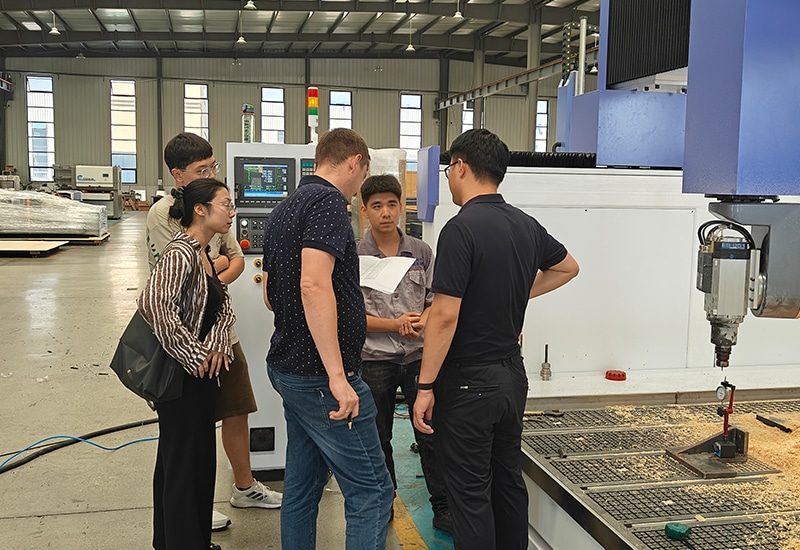
Not every machine or component is suitable for upgrading. Before a retrofit project begins, the condition of the CNC router must be evaluated to determine whether the machine structure and existing systems can support the proposed changes. AccTek CNC reviews the customer’s production objectives together with the machine’s age, configuration, operating history, and current condition. This helps determine whether an individual component upgrade, a phased retrofit, or a more comprehensive modernization project is appropriate. Machine evaluation and planning may include:
- Confirming the CNC router model and serial number
- Reviewing the original machine configuration
- Inspecting the machine frame, gantry, and worktable
- Evaluating the condition of guide rails and transmission components
- Reviewing the controller, drives, motors, and electrical system
- Checking spindle power, speed, cooling method, and mounting dimensions
- Evaluating tool-changing and work-holding systems
- Reviewing existing software and programming workflows
- Identifying discontinued or difficult-to-source components
- Analyzing current production limitations
- Defining the required performance and functional improvements
- Assessing technical compatibility between old and new systems
- Estimating installation, commissioning, and training requirements
CNC Controller and Electrical System Upgrades
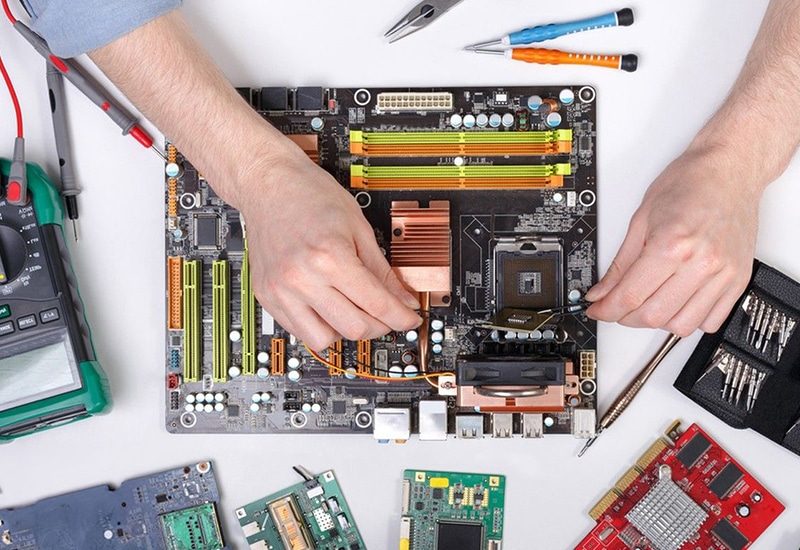
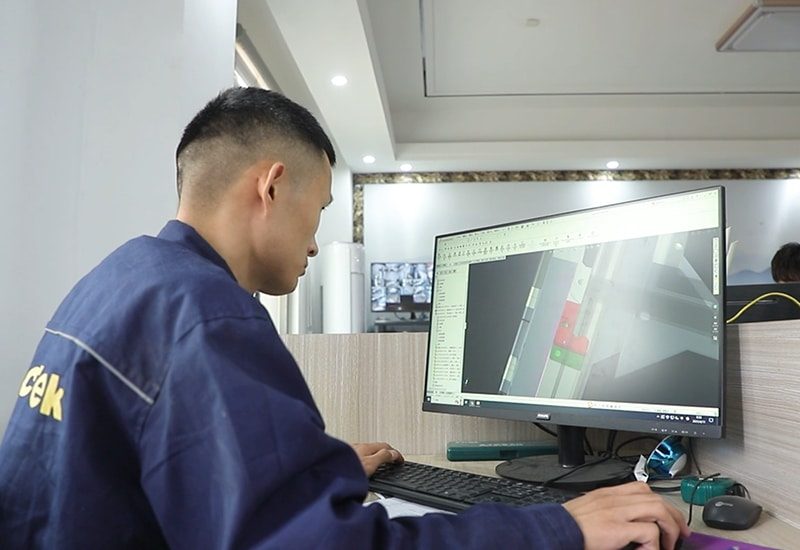
Older control systems may limit program capacity, software compatibility, communication options, motion performance, or spare-parts availability. Upgrading the controller can modernize machine operation and provide a more practical foundation for future service and production. Controller upgrades often require changes to related drives, motors, electrical wiring, input and output modules, operator interfaces, or safety circuits. AccTek CNC evaluates the complete control architecture before recommending a solution. Controller and electrical upgrades may include:
- Replacement of outdated CNC controllers
- Installation of updated operator interfaces
- Upgrading industrial computers or control panels
- Replacement of discontinued control boards
- Installation of compatible input and output modules
- Modernization of electrical cabinets
- Replacement of aging contactors, relays, and power supplies
- Reorganization and labeling of electrical wiring
- Upgrading communication and file-transfer functions
- Installation of new sensors and limit switches
- Parameter configuration and controller backup
- Integration of emergency-stop and protective circuits
- Updating wiring diagrams and technical records
Motor, Drive, and Motion System Upgrades
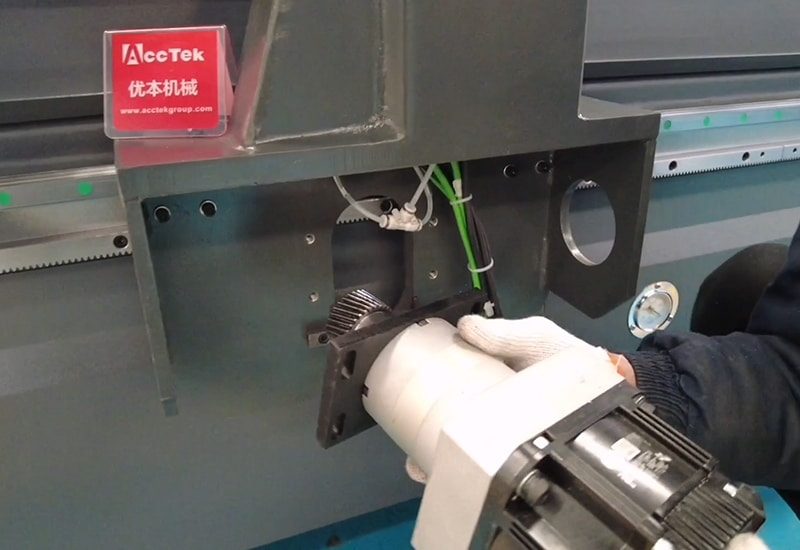
The drive and motion systems determine CNC router speed, positioning stability, acceleration, and repeatability. Aging motors, drives, gearboxes, racks, ball screws, or guide components can reduce performance or limit the benefits of other upgrades. AccTek CNC evaluates the complete motion system to determine whether individual components should be replaced or whether coordinated upgrades are required. Motion system upgrades may include:
- Replacing stepper motors with compatible higher-performance systems
- Upgrading servo motors and servo drives
- Replacing outdated or unsupported motor drives
- Installing suitable gearboxes or speed reducers
- Replacing worn racks and pinions
- Upgrading ball screws and ball screw nuts
- Replacing linear guide rails and bearing blocks
- Installing new couplings, belts, or pulleys
- Improving cable carriers and moving cable assemblies
- Updating axis sensors and reference switches
- Optimizing acceleration and motion-control parameters
- Recalibrating axis movement after installation
Spindle and Tooling System Upgrades
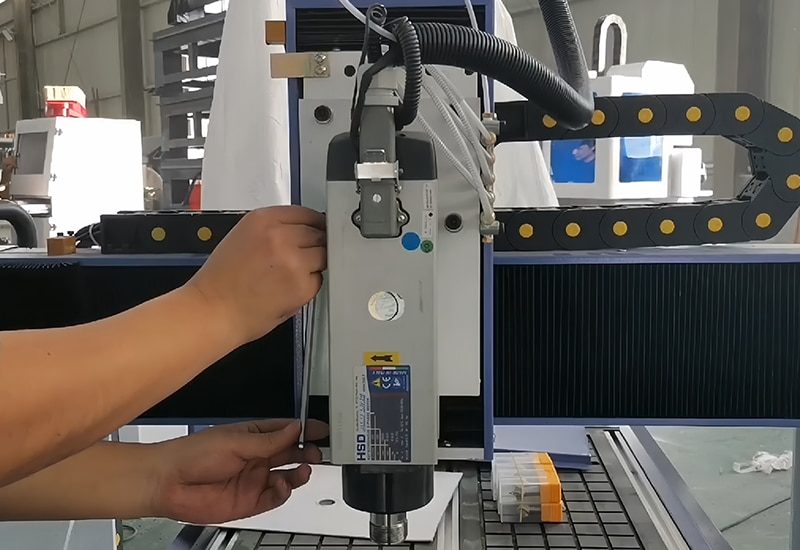
The spindle upgrade may allow a CNC router to process different materials, use new tooling, improve production efficiency, or achieve more stable machining under demanding workloads. However, spindle power alone does not determine performance. The machine structure, electrical supply, drive system, cooling capacity, tool interface, and application must also be considered. AccTek CNC evaluates these factors before recommending a spindle or tooling-system upgrade. Spindle and tooling upgrades may include:
- Replacing an aging or damaged spindle
- Increasing spindle power where technically suitable
- Changing between supported cooling configurations
- Installing an updated variable-frequency drive
- Upgrading spindle cables and electrical protection
- Changing collet or tool-holder systems
- Installing tool-length measurement devices
- Improving spindle-cooling components
- Adding suitable cutting tools for new applications
- Upgrading dust shoes or spindle-mounted extraction components
- Configuring spindle speed and control parameters
- Testing tool runout and operating stability
Automatic Tool Change Retrofits
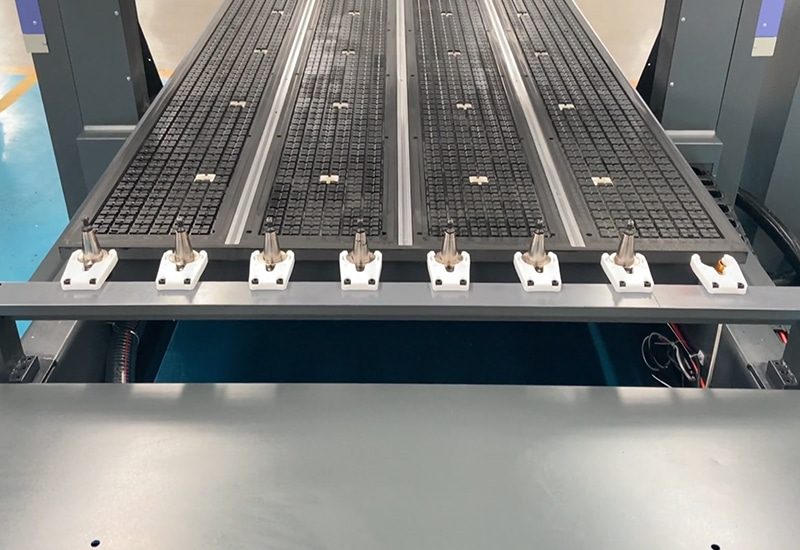
Adding or upgrading an automatic tool change system can reduce manual tool changes and improve the efficiency of jobs that require multiple routing, drilling, engraving, or finishing operations. The automatic tool change retrofit involves more than replacing the spindle. It may require a compatible ATC spindle, tool magazine, tool holders, sensors, pneumatic components, controller functions, electrical signals, and software commands. Automatic tool change retrofits may include:
- Installation of a compatible ATC spindle
- Addition or expansion of a tool magazine
- Installation of linear or carousel tool storage
- Addition of tool forks and mounting structures
- Configuration of tool numbers and magazine positions
- Installation of pneumatic filters, regulators, and valves
- Addition of tool-release and clamping controls
- Integration of tool-change sensors
- Installation of automatic tool-length measurement
- Controller and post-processor configuration
- Tool-change sequence programming
- Collision and clearance verification
- Controlled tool-change testing
Rotary Axis and Additional Processing Function Retrofits
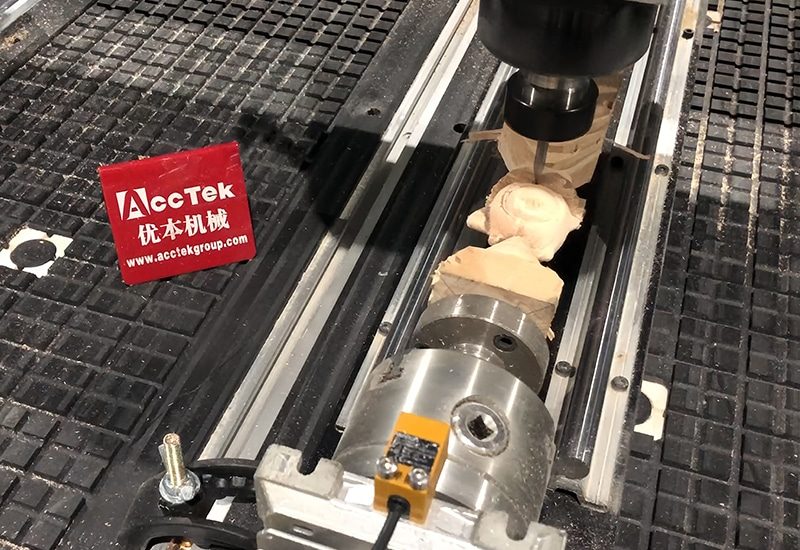
Some customers need to expand an existing CNC router beyond standard flat-sheet processing. Depending on the machine structure and controller capability, a rotary axis or other application-specific function may be added. Additional processing retrofits may include:
- Installation of a rotary device for cylindrical workpieces
- Addition of a compatible rotary axis and drive
- Controller configuration for rotary movement
- Development of suitable mounting and support structures
- Integration of specialized clamps or fixtures
- Addition of multiple spindle heads where technically suitable
- Installation of aggregate heads for specific operations
- Addition of drilling or boring units
- Integration of oscillating tools for supported applications
- Modification of software and post-processor settings
- Calibration of new axes or processing heads
- Application testing with representative workpieces
Vacuum Table and Work-Holding Upgrades
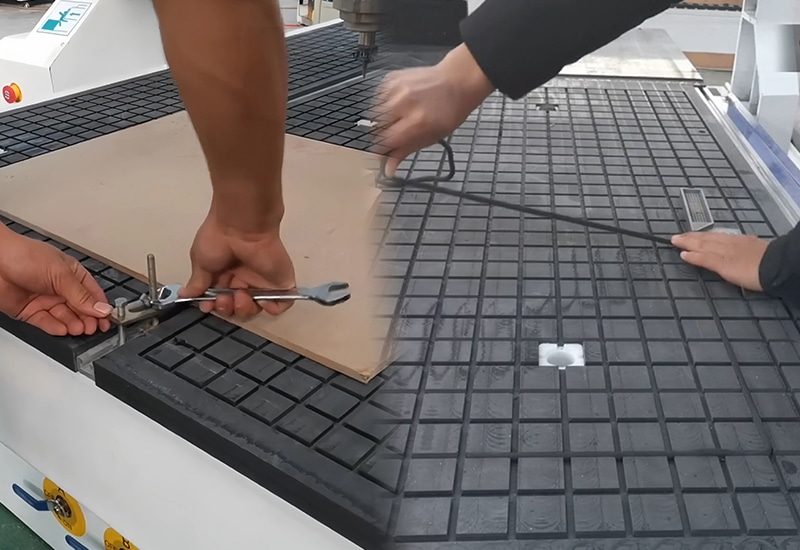
Reliable workpiece holding is essential for machining accuracy, edge quality, and operator safety. Customers processing different sheet sizes, smaller components, or more demanding materials may benefit from an improved vacuum table or a revised work-holding system. Work-holding upgrades may include:
- Adding or modifying vacuum table zones
- Replacing damaged table surfaces
- Improving vacuum distribution lines
- Upgrading vacuum pumps
- Installing new valves, gauges, or control switches
- Replacing worn seals and connection fittings
- Adding dedicated fixtures or positioning stops
- Integrating pneumatic clamping devices
- Developing application-specific holding solutions
- Adding reference pins or positioning systems
- Improving spoilboard preparation and vacuum flow
- Configuring auxiliary controls for work-holding devices
Software and Digital Workflow Upgrades

Software and control technology continue to develop during the life of a CNC router. Older workflows may depend on unsupported operating systems, obsolete programs, manual file conversion, or limited data-transfer methods. AccTek CNC helps customers modernize supported software and digital workflows while maintaining compatibility with the machine controller and production requirements. Software upgrades may include:
- Updating supported machine-control software
- Replacing obsolete controller software
- Installing compatible CAD/CAM or nesting solutions
- Configuring new post-processors
- Improving file-import and export workflows
- Upgrading program-transfer methods
- Organizing tool libraries and machining databases
- Adding toolpath simulation functions
- Configuring automatic tool change commands
- Supporting rotary-axis programming
- Backing up existing parameters and program files
- Testing legacy programs after software changes
- Providing operator guidance for the updated workflow
Dust Collection and Auxiliary Equipment Upgrades
Dust extraction, compressed air, lubrication, and spindle cooling contribute directly to CNC router reliability and production quality. An upgrade may be required when the customer changes materials, increases operating hours, installs a more powerful spindle, or adds an automatic tool changer. Auxiliary equipment upgrades may include:
- Installing or upgrading dust-collection equipment
- Increasing extraction capacity where required
- Replacing dust hoses, connectors, brushes, and dust shoes
- Upgrading vacuum pumps and distribution components
- Improving compressed-air filtration and regulation
- Adding pneumatic valves, cylinders, or monitoring devices
- Upgrading automatic lubrication systems
- Improving water-cooling circulation for supported spindles
- Adding temperature, pressure, or flow monitoring
- Upgrading electrical cabinet ventilation
- Integrating auxiliary equipment with machine controls
- Adding alarms for abnormal auxiliary conditions
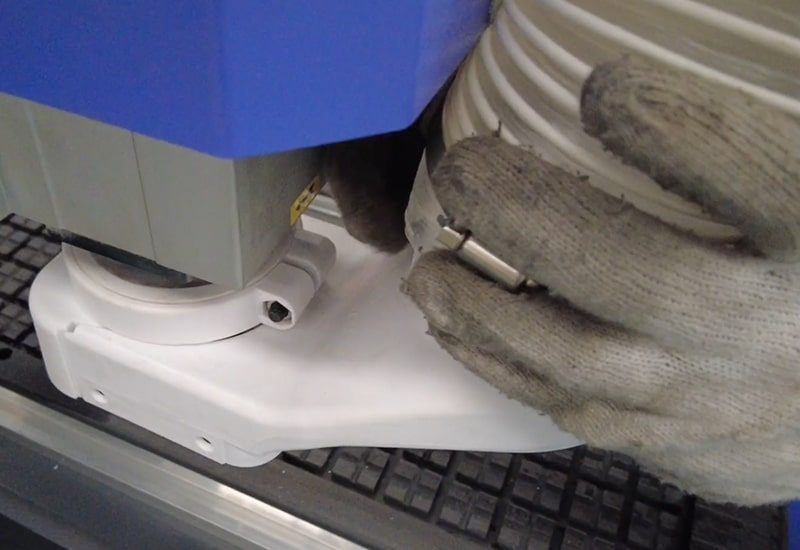
Safety System Upgrades
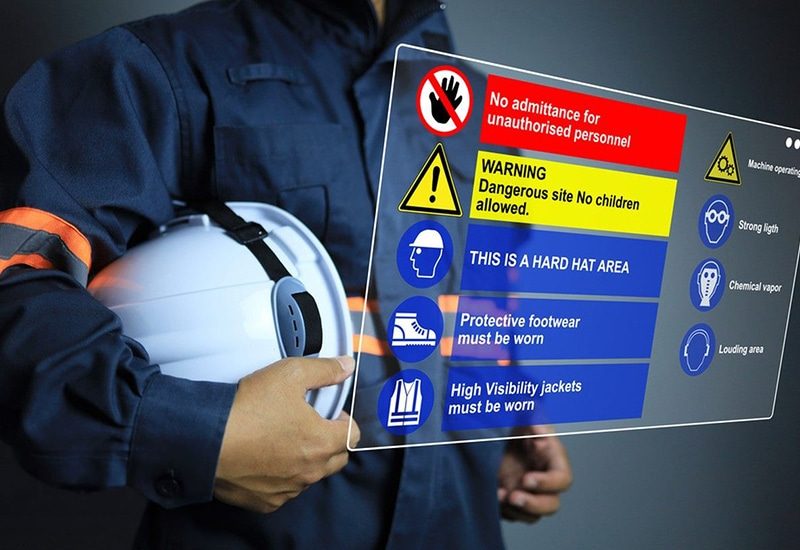
When new components or functions are added, the machine’s safety systems should be reviewed. Changes to speed, power, automation, or the working area may create new operating conditions that require additional protective measures. Safety upgrades may include:
- Replacing damaged or outdated emergency-stop devices
- Installing additional emergency-stop locations
- Upgrading limit switches and protective sensors
- Adding interlocks to supported protective devices
- Improving electrical grounding and circuit protection
- Installing protective covers or guards
- Improving warning labels and machine identification
- Adding status indicators or audible warnings
- Reviewing safe access around automated equipment
- Updating shutdown and isolation procedures
- Testing safety circuits after electrical modifications
- Updating relevant operating and maintenance instructions
Retrofit Installation and System Integration
The successful retrofit requires careful coordination between mechanical, electrical, software, pneumatic, and control-system changes. Components must not only fit individually; they must also function together as a complete system. AccTek CNC develops an installation and integration plan based on the approved retrofit scope. Retrofit implementation may include:
- Removing outdated or damaged components
- Preparing mechanical mounting positions
- Installing new hardware and electrical equipment
- Modifying wiring and control connections
- Integrating sensors and auxiliary signals
- Configuring controller, drive, and spindle parameters
- Updating software and post-processors
- Restoring approved machine settings
- Checking mechanical clearances and travel limits
- Performing alignment and calibration
- Updating technical documentation
- Preparing the system for functional testing
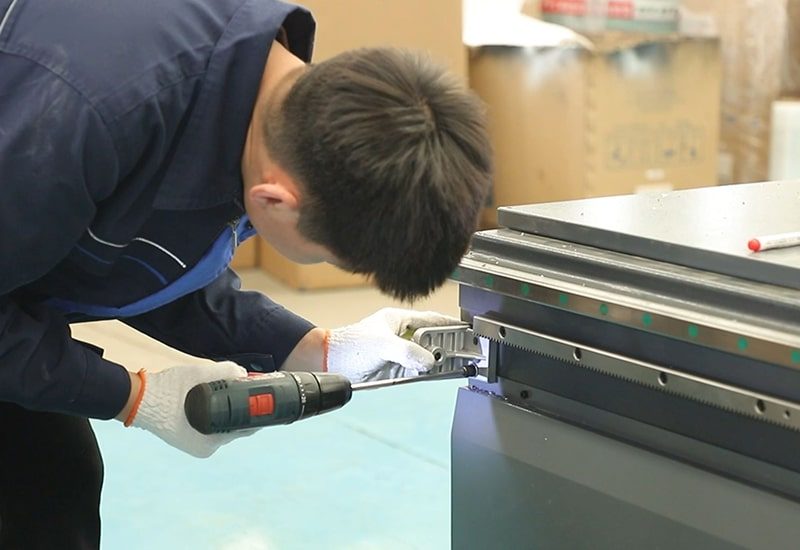
Testing, Calibration, and Performance Validation
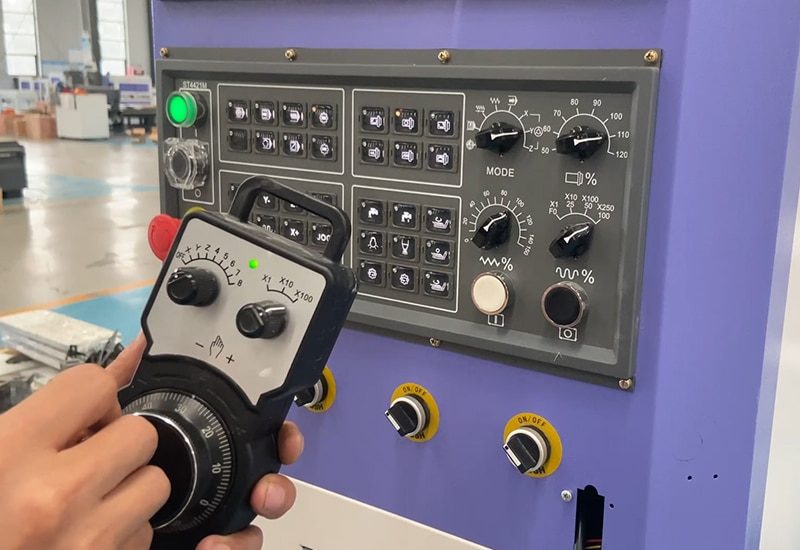
Every retrofit should be tested before the CNC router returns to normal production. Validation confirms that the upgraded components operate correctly and that the complete machine performs safely and consistently. Testing and validation may include:
- Checking electrical and communication connections
- Testing controller inputs and outputs
- Verifying axis direction and travel limits
- Testing homing and reference functions
- Checking spindle operation and speed control
- Verifying automatic tool-changing sequences
- Testing vacuum, dust collection, and auxiliary equipment
- Checking positioning and repeatability
- Verifying gantry alignment and axis squareness
- Performing dry runs and controlled movements
- Completing representative trial machining
- Measuring finished workpieces
- Reviewing surface quality and cutting stability
- Recording final parameters and configuration backups
Operator Training and Post-Retrofit Support
Upgraded controls, software, tooling systems, or automation may change the way operators prepare and run machining jobs. AccTek CNC provides guidance to help personnel understand the new functions and operating procedures. Post-retrofit training and support may include:
- Introduction to new components and functions
- Updated startup and shutdown procedures
- Controller and software operation
- Tool-changing and tool-management procedures
- Work-holding and auxiliary equipment operation
- Updated maintenance requirements
- Review of alarms and basic troubleshooting
- Safe operation of newly installed systems
- Parameter and configuration backup procedures
- Follow-up support during initial production