

- 30-40 Min Read
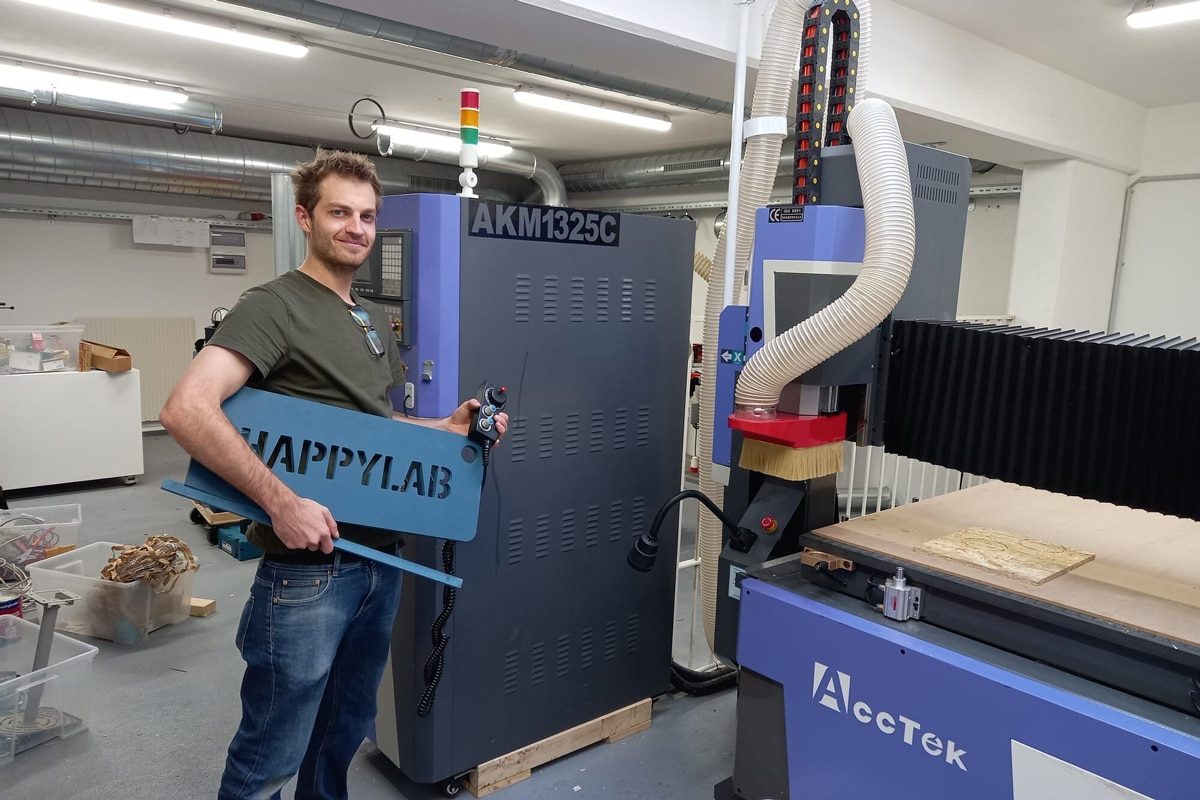
CNC routers have become essential tools in modern manufacturing, widely used across industries including woodworking, furniture production, advertising signage, plastics processing, and light metal fabrication. With their ability to perform complex cutting, engraving, drilling, and milling tasks with high precision, CNC routers greatly improve production efficiency and product consistency. However, achieving the full potential of these machines depends not only on advanced equipment but also on the operator’s skill. As manufacturing processes become more sophisticated and production demands continue to increase, the role of a CNC router operator is evolving from basic machine operation to a more technical and specialized position.
An advanced CNC router operator must possess a comprehensive skill set that goes beyond simply loading materials and starting machining programs. This article explores the key skills that advanced CNC router operators should learn, including CNC fundamentals, CAD/CAM programming, material and tooling knowledge, machine setup and troubleshooting techniques, maintenance practices, and production management capabilities. By mastering these competencies, operators can significantly improve machining performance, enhance production efficiency, and contribute to the overall success of modern CNC manufacturing operations.
Strong Understanding of CNC Fundamentals
For an advanced CNC router operator, a strong understanding of CNC fundamentals can ensure accurate machining, efficient operation, and effective problem-solving. While basic operators may focus mainly on running pre-written programs, advanced operators must understand how the machine works and how different parameters influence the machining process. This foundational knowledge allows operators to interpret machining programs, adjust settings when necessary, and quickly identify the causes of machining errors or performance issues. A solid grasp of CNC fundamentals also helps operators maximize machine capabilities while maintaining precision and reliability during production.
Machine Structure and Components
A CNC router is made up of multiple integrated systems that work together to perform precise cutting, engraving, drilling, and milling operations. When operators are familiar with these components and their functions, they can better monitor machine performance, perform accurate setups, and quickly identify potential problems during machining.
- Spindle: The core cutting component of a CNC router. It rotates the cutting tool at high speeds to remove material from the workpiece. The power and speed range of the spindle determine the types of materials the machine can process and the efficiency of the cutting process.
- Machine Frame and Gantry: They provide the structural foundation and rigidity of the CNC router. These components support the entire machine and maintain stability during operation. A strong and well-designed frame reduces vibration and deformation during cutting.
- Motion System: It controls the movement of the machine along the X, Y, and Z axes. It typically consists of guide rails, ball screws or rack-and-pinion mechanisms, and servo or stepper motors. These components work together to ensure smooth, precise, and repeatable motion during machining.
- Worktable and Workholding System: The worktable is the surface where the workpiece is placed during machining. It may include clamping systems or a vacuum table to securely hold the material in position.
- CNC Control System: It interprets the machining program and sends commands to the motors and other components to control tool movement, spindle speed, and cutting operations. Modern CNC controllers also provide user interfaces for program input, machine monitoring, and parameter adjustments, making it easier for operators to manage machining processes.
- Tool Holding and Tool Change System: Tool holders secure the cutting tools in the spindle and ensure stable tool rotation during machining. Some CNC routers are equipped with automatic tool changers (ATC), which allow the machine to switch between multiple tools automatically during complex machining tasks.
Coordinate Systems and Machine Axes
CNC routers rely on precise positioning to guide the cutting tool along programmed paths, and this positioning is controlled through coordinate systems. By understanding how these systems work, operators can correctly set reference points, align the toolpath with the workpiece, and ensure accurate machining results.
- Machine Axes: Most CNC routers operate using three primary linear axes: X, Y, and Z. The X-axis controls the left-to-right movement of the machine, while the Y-axis controls the forward and backward movement across the worktable. The Z-axis controls the vertical movement of the spindle, allowing the cutting tool to move up and down to control the cutting depth. Advanced CNC routers may also include additional axes, such as rotary axes or multi-axis systems, which allow for more complex machining operations.
- Machine Coordinate System: It is a fixed reference system established by the CNC machine manufacturer. Its origin point is typically located at a specific position on the machine and is used as the reference for all machine movements. When the machine is powered on and returned to its home position, it resets to this coordinate system. Operators must understand the machine coordinate system in order to properly calibrate the machine and ensure that all movements are accurately referenced.
- Work Coordinate System: Unlike the machine coordinate system, the work coordinate system is defined by the operator and is based on the position of the workpiece. The operator sets a work zero point on the material, which becomes the reference point for the machining program. This allows the toolpath to be aligned precisely with the workpiece.
- Tool Offsets and Positioning: Since different cutting tools may have varying dimensions, operators must measure and input the correct tool offsets so that the CNC router can position the tool accurately relative to the workpiece. Properly managing tool offsets ensures consistent cutting depth and smooth transitions when multiple tools are used in the same machining process.
Basic CNC Programming Knowledge
Advanced CNC router operators should possess a solid understanding of basic CNC programming concepts. This knowledge allows operators to read, interpret, and modify programs when necessary, helping ensure that machining processes run smoothly and efficiently.
- Understanding G-Code and M-Code: G-codes are responsible for defining tool movements, such as linear cutting, circular interpolation, and positioning commands. M-codes, on the other hand, control auxiliary machine functions, including spindle start and stop, coolant activation, and program pauses. Advanced operators should be familiar with commonly used codes so they can understand how the machine executes a program and make small modifications when necessary.
- Program Structure and Logic: A CNC machining program typically follows a logical structure that includes program initialization, tool selection, positioning commands, cutting operations, and program completion. Understanding this structure helps operators read and analyze CNC programs more effectively.
- Editing and Optimizing Programs: In some production environments, operators may need to make quick adjustments to existing CNC programs to improve machining performance or adapt to specific material conditions. This may include modifying feed rates, spindle speeds, cutting depths, or tool change sequences.
Developing a strong understanding of CNC fundamentals is the first step for any operator aiming to reach an advanced level of expertise. Knowledge of machine components, coordinate systems, and basic programming principles allows operators to better control the machining process and maintain consistent accuracy. With this solid foundation, operators can perform more efficient setups, troubleshoot problems more effectively, and maximize the performance of CNC equipment. Ultimately, mastering these fundamental skills helps ensure reliable operation and supports the successful completion of complex machining tasks.
Proficiency in CAD/CAM Software
In modern CNC operations, the ability to work proficiently with CAD (Computer-Aided Design) and CAM (Computer-Aided Manufacturing) software is a defining skill for advanced operators. While the CNC router physically performs the cutting, the precision, efficiency, and quality of the final product depend largely on how well the designs and machining programs are prepared. Advanced operators must not only understand CAD models and technical drawings but also generate, modify, and optimize toolpaths in CAM software. This capability allows them to translate design concepts into precise machining instructions, reduce programming errors, and improve overall production efficiency.
CAD Design Skills
For advanced CNC router operators, strong CAD skills are essential for translating technical drawings into accurate digital models that can be machined efficiently. While some operators may rely solely on pre-prepared designs, advanced operators often need to interpret, modify, or even create designs themselves.
- Reading and Interpreting Technical Drawings: Operators must be able to understand dimensions, tolerances, and symbols used in technical drawings. This skill ensures that the digital model accurately reflects the intended design and that machining will produce parts that meet specifications.
- Creating and Modifying Designs: Advanced operators should be capable of creating new designs or modifying existing ones directly within CAD software. This may involve adjusting dimensions, changing features, or preparing customized parts to suit specific production requirements.
- Managing File Formats: Understanding different CAD file formats, such as DXF, DWG, or STL, is beneficial for ensuring compatibility with CAM software. Proper file management helps prevent errors during toolpath generation and ensures a smooth workflow from design to machining.
- Basic 3D Modeling Knowledge: For parts that require complex shapes or multi-axis machining, knowledge of 3D modeling principles is important. Operators should understand how to create and manipulate 3D geometries to generate accurate toolpaths and ensure high-quality machining outcomes.
CAM Toolpath Programming
CAM toolpath programming is a critical skill for advanced CNC router operators, as it directly determines how the machine will cut, engrave, or mill the workpiece. Operators with strong CAM skills can optimize cutting strategies, improve production efficiency, and ensure high-quality results while minimizing tool wear and material waste.
- Defining Toolpaths: Operators must be able to create and adjust toolpaths that guide the cutting tool along the correct trajectory. This includes selecting the appropriate type of toolpath—such as profiling, pocketing, drilling, or engraving—based on the geometry of the part and the material being machined. Properly defined toolpaths ensure accurate shapes, smooth surfaces, and efficient cutting.
- Selecting Cutting Tools: Operators must consider tool type, size, material, and geometry to achieve the desired finish and maintain machining efficiency. The right tool selection also helps extend tool life and reduce the risk of breakage.
- Setting Machining Parameters: Advanced operators set critical machining parameters such as spindle speed, feed rate, cutting depth, and step-over distance. These parameters must be optimized according to the material type, tool selection, and desired surface finish. Proper parameter selection balances efficiency with precision and helps prevent tool wear or material damage.
- Multi-Step and Complex Operations: In projects requiring multiple tools or operations, operators should be able to program sequential toolpaths efficiently. This includes coordinating tool changes, adjusting offsets, and planning machining orders to minimize idle time while maintaining accuracy.
Simulation and Program Verification
Before running a program on the actual CNC router, operators can use simulation tools to visualize how the cutting tool will move along the programmed paths. This allows them to detect potential issues, optimize machining strategies, and reduce the risk of collisions or material waste.
- Program Simulation: Simulation tools allow operators to preview the machining process in a virtual environment. Operators can observe the movement of the tool along the programmed paths, monitor cutting sequences, and check for potential collisions between the tool, workpiece, or fixtures. This step helps identify errors that may not be obvious in the CAM toolpath alone.
- Error Detection: Through simulation, operators can detect common problems such as incorrect toolpaths, excessive cutting depths, tool collisions, or misaligned workpieces. Identifying these issues before production helps prevent machine damage, material waste, and production delays.
- Optimizing Machining Strategies: Simulation also allows operators to evaluate the efficiency of different toolpaths and cutting parameters. Adjustments to feed rates, spindle speeds, or toolpaths can be made in the simulation to optimize cycle time, improve surface finish, and extend tool life.
- Verification for Multi-Tool Operations: For complex projects involving multiple tools or multi-step machining, simulation ensures that tool changes, offsets, and sequences are correctly planned. This helps avoid errors during real machining and ensures smooth transitions between operations.
Proficiency in CAD/CAM software is essential for advanced CNC router operators seeking to bridge the gap between design and production. By mastering CAD design, operators can accurately interpret and modify digital models, while CAM skills allow them to generate precise and efficient toolpaths. Simulation and program verification further ensure that machining programs are error-free and optimized before actual production begins. Together, these skills empower operators to improve machining accuracy, reduce material waste, and enhance overall productivity, making CAD/CAM expertise a cornerstone of advanced CNC operation.
Material Knowledge and Machining Parameters
For advanced CNC router operators, understanding material characteristics and machining parameters is essential for achieving precise and efficient cutting results. Different materials respond differently to cutting forces, tool geometry, and machining speeds, which means operators must carefully adjust their machining strategies to match the material being processed. Without proper knowledge of material behavior and cutting parameters, machining operations may lead to poor surface finishes, excessive tool wear, or even damage to the workpiece. Advanced operators must be able to select the right tools, adjust cutting speeds and feed rates, and optimize machining strategies based on material characteristics to maintain consistent results.
Understanding Different Material Properties
A critical skill for advanced CNC router operators is knowing how different materials behave during machining. Each material has unique characteristics that affect cutting efficiency, surface finish, and tool life. Understanding these properties allows operators to select the right tools, adjust cutting parameters, and plan machining strategies to achieve high-quality results while minimizing errors and material waste.
- Hardness and Density: The hardness and density of a material determine how easily it can be cut and how much force is required. Harder or denser materials, such as certain hardwoods or metals, require slower feed rates and more durable cutting tools, whereas softer materials can be machined at higher speeds with less wear on the tools.
- Grain Structure or Fiber Orientation: For wood and composite materials, the direction of the grain or fibers significantly impacts cutting quality. Cutting with the grain generally produces smoother edges and reduces the risk of tear-out, while cutting against the grain may require slower feeds and sharper tools to maintain a clean finish.
- Thermal Behaviour: Materials such as metals and some plastics can generate heat during machining, which may lead to warping, tool wear, or surface imperfections. Understanding a material’s thermal properties allows operators to select appropriate spindle speeds, feed rates, and cooling techniques to prevent overheating.
- Brittleness or Flexibility: Brittle materials, such as MDF or acrylic, are prone to chipping or cracking, while flexible materials may shift or vibrate during cutting. Operators must adjust fixturing methods, tool selection, and machining strategies to handle these characteristics and maintain dimensional accuracy.
Selecting Proper Cutting Tools
Different materials, machining operations, and design requirements demand specific types of cutting tools with appropriate geometries and materials. By understanding how various tools perform under different conditions, operators can ensure smoother cutting, reduce tool wear, and achieve more accurate machining results.
- Tool Type and Function: Different machining tasks require different types of cutting tools. For example, straight bits are commonly used for general cutting, while spiral bits are preferred for smoother edges and better chip removal. Ball nose end mills are often used for 3D carving and contouring, while V-bits are suitable for engraving and decorative lettering. Choosing the correct tool type ensures that the machining operation is performed efficiently and produces the desired result.
- Tool Material and Coating: Cutting tools are made from various materials, such as high-speed steel (HSS) and carbide. Carbide tools are widely used in CNC routing because they offer higher hardness, longer tool life, and better performance when cutting harder materials. Some tools also feature special coatings that improve heat resistance, reduce friction, and extend tool durability during high-speed machining.
- Tool Diameter and Geometry: The diameter and geometry of a cutting tool influence both machining accuracy and cutting efficiency. Smaller tools allow for finer details and tighter corners, while larger tools remove material more quickly in roughing operations. Tool geometry also affects chip removal, cutting smoothness, and overall machining performance.
- Matching Tools to Materials: Advanced operators must select tools that are appropriate for the specific material being machined. For example, wood and plastics may require different flute designs compared to aluminum or composite materials. Using the correct tool for the material helps achieve better surface finishes, prevents tool damage, and ensures stable machining conditions.
Optimizing Cutting Parameters
Even with the correct tools and materials, improper cutting parameters can lead to poor finishes, excessive tool wear, or damage to the workpiece. Advanced operators must understand how to adjust parameters such as spindle speed, feed rate, and cutting depth based on the material being processed and the type of machining operation. Proper optimization ensures stable cutting conditions, improves productivity, and maintains consistent machining results.
- Spindle Speed: Spindle speed refers to how fast the cutting tool rotates during machining. Different materials require different spindle speeds to achieve optimal cutting performance. Softer materials typically allow higher spindle speeds, while harder materials often require slower speeds to prevent excessive heat and tool wear. Selecting the correct spindle speed helps ensure smooth cutting and longer tool life.
- Feed Rate: Feed rate describes how quickly the cutting tool moves across the workpiece. If the feed rate is too slow, it may cause excessive heat buildup and tool wear; if it is too fast, it can result in rough surfaces or tool breakage. Advanced operators must balance feed rate with spindle speed to maintain efficient material removal and stable machining conditions.
- Cutting Depth and Step-Over: Cutting depth refers to how deep the tool cuts into the material during each pass, while step-over indicates the horizontal distance between adjacent toolpaths. Adjusting these parameters helps control the amount of material removed at each stage of machining. Proper settings allow operators to maintain machining stability while achieving the desired surface finish and dimensional accuracy.
- Balancing Efficiency and Tool Life: Advanced operators must consider both productivity and tool durability when setting cutting parameters. Aggressive settings may increase production speed but can shorten tool life, while conservative settings may extend tool life but reduce efficiency. Finding the optimal balance helps maximize productivity while maintaining consistent machining quality and minimizing operational costs.
Mastering material knowledge and machining parameters allows advanced CNC router operators to achieve consistent and efficient machining outcomes across a wide range of materials. By understanding how materials behave during cutting, selecting the proper tools, and optimizing parameters such as spindle speed, feed rate, and cutting depth, operators can significantly improve machining quality and productivity. This expertise not only helps extend tool life and reduce material waste but also ensures that CNC machines operate at their full potential, delivering reliable and high-precision results in modern manufacturing environments.
Machine Setup and Calibration Skills
Proper machine setup and calibration are essential skills for advanced CNC router operators, as they directly affect machining accuracy, production efficiency, and overall equipment reliability. Even the most advanced CNC router cannot deliver precise results if the machine is not correctly prepared before machining begins. Advanced operators must ensure that the workpiece is securely positioned, the cutting tools are accurately installed and measured, and the machine is properly calibrated to maintain consistent precision. Careful setup and calibration help prevent machining errors, reduce material waste, and ensure that production runs smoothly and safely.
Workpiece Positioning and Fixturing
Proper workpiece positioning and fixturing are critical steps in CNC router operation because they directly affect machining accuracy, stability, and safety. Advanced CNC router operators must ensure that the workpiece is firmly secured and accurately aligned with the machine’s coordinate system before machining begins. This careful preparation helps guarantee consistent cutting results and prevents costly production mistakes.
- Accurate Workpiece Alignment: Before starting the machining process, operators must align the workpiece with the machine’s coordinate system and the programmed toolpath. This typically involves setting the workpiece zero point and ensuring the material is positioned squarely on the worktable.
- Proper Clamping Methods: Mechanical clamps are commonly used to secure materials on the CNC router table. Operators must position clamps in a way that holds the material firmly while avoiding interference with the cutting path. Advanced operators carefully plan clamping positions based on the machining strategy.
- Vacuum Table Systems: Many modern CNC routers use vacuum tables to hold flat materials such as wood panels, plastics, or composite boards. A vacuum system creates suction that keeps the material firmly pressed against the table surface, providing stable workholding without the need for multiple clamps. This method is especially useful in high-speed production environments because it allows faster loading and unloading of materials.
- Specialized Fixtures for Complex Parts: For irregularly shaped or complex parts, operators may need to use custom fixtures or jigs to hold the workpiece securely. These fixtures are designed to support the material from specific angles or positions to prevent movement during machining. Advanced operators often design or select appropriate fixtures to ensure both stability and precision when processing non-standard components.
Tool Installation and Tool Length Measurement
Correct tool installation and accurate tool length measurement are essential steps in CNC router setup. These procedures ensure that cutting tools operate smoothly, maintain the correct cutting depth, and follow the programmed toolpaths accurately. Advanced CNC router operators must therefore follow precise procedures when installing tools and setting tool offsets to maintain consistent machining performance.
- Proper Tool Installation: Installing cutting tools correctly is the first step in ensuring stable machining. Operators must securely mount the tool into the collet or tool holder and tighten it properly to prevent movement during high-speed rotation. The tool should be aligned correctly to minimize runout. Advanced operators also inspect tools for wear or damage before installation to avoid unexpected failures during machining.
- Tool Length Measurement: This determines the exact distance from the spindle reference point to the tip of the cutting tool. Operators may measure tool length manually or use automatic tool measurement systems available on some CNC routers. Accurate measurement ensures that the tool reaches the correct machining depth without cutting too deeply or too shallowly.
- Setting Tool Offsets: After measuring the tool length, operators input the measurement into the CNC controller as a tool offset. This is particularly important for machines equipped with multiple tools or automatic tool changers, where precise offsets ensure smooth transitions between tools and maintain consistent machining accuracy.
Machine Calibration
Machine calibration ensures a CNC router maintains accurate positioning and consistent machining performance. Over time, factors such as mechanical wear, vibration, temperature changes, and prolonged operation can affect the accuracy of the machine’s movement. Advanced CNC router operators must regularly check and calibrate the machine to ensure that its axes move precisely according to programmed commands.
- Axis Accuracy Verification: One important aspect of calibration is verifying the accuracy of the machine’s X, Y, and Z axes. Operators may use measuring tools or test cuts to confirm that the machine moves the exact distance specified in the program. If discrepancies are detected, adjustments can be made in the control system or mechanical components to restore accurate positioning.
- Spindle Alignment: If the spindle is not properly aligned with the machine axes or worktable, it can lead to uneven cutting depths or inconsistent finishes. Advanced operators should periodically check spindle alignment and make necessary adjustments to ensure stable and precise cutting performance.
- Checking Guide Rails and Drive Systems: Guide rails, ball screws, or rack-and-pinion systems are responsible for guiding the machine’s movement. Over time, these components may experience wear or looseness that affects motion accuracy. Regular inspection and calibration help ensure smooth movement, minimize vibration, and maintain consistent machining precision.
- Controller Parameter Adjustment: The CNC controller contains parameters that regulate machine movement, acceleration, and positioning accuracy. During calibration, operators may need to adjust these settings to compensate for mechanical changes or to optimize machine performance. Correct parameter configuration ensures that the machine responds accurately to programmed commands.
Mastering machine setup and calibration skills enables advanced CNC router operators to maintain high levels of precision and reliability during machining operations. Proper workpiece positioning, accurate tool installation, and regular machine calibration ensure that the CNC router performs according to programmed specifications. These practices not only improve machining accuracy and surface quality but also reduce the risk of machine damage and production delays. By consistently applying proper setup and calibration procedures, operators can ensure stable machine performance and achieve efficient, high-quality manufacturing results.
Advanced Troubleshooting Skills
Even in well-managed CNC machining environments, problems can occasionally occur during operation. Advanced CNC router operators must therefore develop strong troubleshooting skills to quickly identify, diagnose, and resolve issues that may affect machining quality or machine performance. Effective troubleshooting helps minimize downtime, reduce material waste, and maintain consistent production efficiency. Instead of simply stopping the machine when problems arise, experienced operators analyze machining conditions, tool behavior, and machine feedback to determine the root cause of the issue and implement appropriate solutions.
Identifying Machining Problems
Recognizing when a machining issue occurs is the first and most critical step in effective troubleshooting for advanced CNC router operators. Early detection allows operators to address problems before they escalate, preventing wasted materials, damaged tools, or machine downtime.
- Surface Finish Issues: Surface finish problems, such as roughness, burn marks, or uneven textures, often indicate improper cutting parameters, dull tools, or vibration during machining. Operators must observe the quality of the finished surfaces to detect these issues early.
- Unusual Tool Marks or Chatter: Chatter marks, inconsistent cutting patterns, or visible tool marks can indicate instability in the machine setup, improper feed rates, or unsuitable cutting parameters. Recognizing these signs helps operators address the root cause of the vibration or movement.
- Excessive Tool Wear or Breakage: Rapid tool wear or unexpected tool breakage often points to incorrect cutting speeds, feeds, or inappropriate tool selection for the material. Monitoring the condition helps maintain consistent machining quality.
- Noise or Vibration Changes: Changes in machine sound or excessive vibration can signal mechanical issues with the spindle, guide rails, or drive systems. Operators should be attentive to abnormal noises or movements during operation.
Diagnosing Machine Errors
Once a machining problem has been identified, the next critical step is diagnosing the underlying cause. Advanced CNC router operators must be able to interpret machine behavior, error messages, and system feedback to pinpoint the source of the issue. Effective diagnosis requires a combination of technical knowledge, observation skills, and familiarity with the machine’s mechanical, electrical, and software systems.
- Interpreting Error Messages: Modern CNC routers provide error codes or alarm messages when mechanical, electrical, or programming issues occur. Operators must understand what these codes signify and how they relate to potential problems.
- Checking Mechanical Components: Mechanical issues, such as worn guide rails, loose belts, or misaligned spindles, can lead to positioning errors, vibrations, or poor surface finishes. Operators should inspect these components carefully when diagnosing problems to ensure smooth and precise machine movement.
- Verifying Electrical and Sensor Systems: Electrical faults or malfunctioning sensors can affect axis movement, spindle control, or tool changes. Diagnosing these problems involves checking wiring, connections, and sensor signals to confirm proper operation and detect faults.
- Reviewing Program and Toolpath Errors: Sometimes, machining problems arise from the CNC program itself, including incorrect toolpaths, missing commands, or improper parameter settings. Advanced operators review the program logic and toolpath sequences to identify errors that could cause machine malfunctions or poor part quality.
Process Optimization
Process optimization is a key aspect of advanced CNC router operation, allowing operators to improve machining efficiency, product quality, and tool longevity. Beyond simply fixing problems, advanced operators analyze machining performance to identify areas for improvement and make adjustments to cutting strategies, toolpaths, and machine parameters.
- Adjusting Cutting Parameters: Optimizing spindle speed, feed rate, cutting depth, and step-over distances can significantly enhance machining performance. Advanced operators balance these parameters to maximize material removal rates while maintaining surface quality and preventing tool wear or breakage.
- Toolpath Optimization: Efficient toolpath planning reduces unnecessary movements and ensures smooth cutting transitions. Operators may adjust the order of operations, use adaptive cutting strategies, or select different toolpath patterns to improve machining speed and accuracy.
- Reducing Vibration and Deflection: Excessive vibration or deflection can affect surface finish and dimensional accuracy. Operators optimize cutting strategies, select appropriate tools, and improve workpiece fixturing to minimize these effects during machining.
- Extending Tool Life: Process optimization also involves managing tool usage to maximize life and reduce costs. This includes selecting the right tools, applying appropriate cutting parameters, and scheduling tool changes strategically to maintain consistent performance throughout production.
Mastering advanced troubleshooting skills allows CNC router operators to address problems proactively and efficiently, reducing material waste, preventing tool or machine damage, and maintaining consistent production quality. By accurately identifying machining problems, diagnosing machine errors, optimizing processes, and implementing preventive strategies, operators can ensure the CNC router performs at its full potential. These skills not only help resolve immediate issues but also contribute to a more stable, productive, and high-quality manufacturing environment.
Preventive Maintenance Knowledge
Preventive maintenance is a cornerstone skill for advanced CNC router operators, ensuring that machines remain reliable, accurate, and efficient over time. Regular maintenance helps prevent unexpected breakdowns, reduces downtime, and extends the lifespan of critical components such as spindles, drive systems, and guide rails. Advanced operators not only perform routine inspections and lubrication but also monitor tool condition, detect early signs of wear, and follow manufacturer-recommended maintenance schedules. Developing strong preventive maintenance knowledge allows operators to maintain consistent machining quality and optimize production performance.
Routine Machine Maintenance
Routine machine maintenance is a fundamental aspect of preventive care for CNC routers. Performing regular maintenance tasks ensures that the machine continues to operate accurately, efficiently, and safely, reducing the likelihood of unexpected breakdowns and costly downtime. Advanced CNC operators incorporate routine maintenance into their daily or weekly workflows to keep all components in optimal condition and maintain consistent machining quality.
- Daily Inspections and Cleaning: Operators should perform daily inspections to check for dust, debris, or material buildup on the machine bed, guide rails, and spindle. Cleaning these areas prevents interference with machine movement, reduces wear on mechanical parts, and maintains accurate positioning. Wiping down surfaces, removing chips, and checking lubrication points are key daily tasks.
- Checking Moving Components: Routine maintenance includes inspecting critical moving parts such as ball screws, linear guides, and drive belts. Operators check for smooth motion, unusual noises, or signs of wear that could impact precision. Ensuring that all moving components are in good condition helps prevent machining errors and prolongs machine lifespan.
- Lubrication: Regular lubrication of guide rails, bearings, and ball screws reduces friction and wear. Advanced operators follow manufacturer guidelines to apply the correct type and amount of lubricant at recommended intervals. Proper lubrication ensures smooth, precise motion and prevents premature component failure.
- Verifying Safety and Control Systems: Daily checks of safety devices, limit switches, emergency stops, and electrical connections can ensure the machine operates safely. Ensuring that all control systems are functioning correctly helps prevent accidents and machine damage during operation.
Tool Maintenance and Replacement
Cutting tools experience wear over time, and dull or damaged tools can lead to poor surface finishes, dimensional inaccuracies, and excessive strain on the machine. Advanced CNC operators must monitor tool condition, perform regular maintenance, and replace tools when necessary to ensure consistent production quality and prevent machining errors.
- Inspecting Tool Condition: Operators should routinely inspect tools for signs of wear, chipping, or breakage. Visual checks, as well as monitoring machining results such as surface finish and cutting noise, help detect tools that are no longer performing optimally. Early detection of worn tools prevents damage to the workpiece and machine.
- Cleaning and Sharpening: Keeping tools clean helps ensure effective cutting. Material buildup, resin, or dust on the tool can affect performance and surface finish. Where applicable, operators may sharpen reusable tools to restore cutting efficiency and extend tool life.
- Correct Storage and Handling: Proper storage and careful handling of tools prevent damage and maintain their cutting performance. Tools should be stored in designated holders or protective cases to avoid chipping, bending, or contamination. Handling tools carefully during installation and removal minimizes the risk of accidental damage.
- Timely Replacement: Once a tool reaches the end of its effective life—due to wear, breakage, or inability to maintain tolerances—it must be replaced. Advanced operators keep track of tool usage and replacement schedules to ensure that tools are changed proactively, reducing downtime and maintaining consistent machining quality.
Maintaining Machine Accuracy
Maintaining machine accuracy is a critical responsibility for advanced CNC router operators. Accuracy depends on properly calibrated components, well-maintained tools, and careful attention to machine condition during operation. By consistently monitoring and maintaining the machine, operators can ensure that every part meets design specifications and reduce the risk of costly errors or rework.
- Regular Calibration: Routine calibration of the machine’s axes, spindle alignment, and drive systems ensures that movement corresponds accurately to programmed commands. Advanced operators verify axis positioning, adjust offsets, and check alignment periodically to maintain precise cutting performance.
- Monitoring Mechanical Wear: Guide rails, ball screws, bearings, and other mechanical components can wear over time, leading to backlash, vibration, or dimensional errors. Operators monitor these components for signs of wear and perform maintenance or replacements as needed to preserve machine accuracy.
- Tool and Fixture Verification: The condition of cutting tools and workpiece fixtures also impacts accuracy. Operators must ensure that tools are properly installed, measured, and replaced when worn, and that workpieces are securely fixtured without shifting during machining. Proper tool and fixture management minimizes deviations during production.
- Environmental Considerations: Temperature changes, dust, and humidity can affect machine performance and material behavior. Operators maintain a clean working environment and, when necessary, account for environmental factors in machine setup and operation to prevent accuracy loss.
Mastering preventive maintenance enables CNC router operators to keep machines in optimal condition, reducing the risk of unexpected failures and production interruptions. By performing routine inspections, maintaining tools, lubricating moving components, and monitoring wear, operators can ensure consistent machining accuracy and reliability. Preventive maintenance not only extends the life of the machine and cutting tools but also supports efficient, high-quality production, making it an essential aspect of advanced CNC operation.
Production Efficiency and Workflow Management
In modern CNC routing operations, production efficiency and workflow management are critical for ensuring that manufacturing processes are streamlined, cost-effective, and capable of meeting demanding production schedules. Advanced CNC router operators must be able to optimize machining processes, streamline operations, and manage resources effectively to ensure smooth and efficient production. By balancing the demands of quality, speed, and cost, operators can improve throughput, reduce lead times, and contribute to the overall success of manufacturing operations.
Reducing Machining Time
Advanced CNC router operators must utilize a combination of optimized cutting strategies, machine settings, and tool management practices to minimize machining time while maintaining part quality and precision. Efficient machining not only improves throughput but also maximizes the use of available equipment and resources.
- Efficient Toolpath Planning: Advanced operators focus on designing efficient toolpaths that minimize unnecessary movements and excessive tool changes. Using strategies like adaptive machining, constant step-over paths, and strategic tool engagement allows the CNC router to remove material more efficiently. Toolpath optimization also involves selecting the right balance of roughing and finishing passes to reduce the need for multiple setups.
- Tool Selection and Management: Choosing the right cutting tool for each operation. Ensuring tools are sharp, properly installed, and suitable for the material being machined helps maintain consistent performance throughout the operation. Additionally, advanced operators also minimize tool changes by using versatile tools capable of handling multiple operations.
- Reducing Setup Time: By ensuring that workpieces are correctly fixtured and the machine is set up properly for each job, operators can reduce the time spent on adjustments. Automated tool changers and preset tools can speed up the setup process, while well-organized workspaces and pre-prepared materials help keep the workflow efficient.
Batch Production Optimization
Batch production optimization is a crucial skill for advanced CNC router operators in environments where high volumes of identical or similar parts are produced. Effective batch production optimization helps manufacturers reduce lead times, lower costs, and increase throughput while maintaining precision and minimizing material waste. Below are some strategies that advanced operators can apply to optimize batch production processes.
- Job Nesting and Material Utilization: Efficient job nesting is one of the most effective ways to optimize batch production. By arranging parts on the material sheet in a way that minimizes unused space, operators can reduce material waste and maximize the number of parts per sheet. Advanced operators can use software tools for automatic nesting to improve the layout, ensuring that the parts are efficiently placed for the CNC router to process in the least amount of time.
- Batch Programming and Toolpath Optimization: Programming for batch production should focus on efficiency. Advanced operators optimize the toolpath to reduce unnecessary movements and minimize idle time. By using adaptive toolpaths or multi-part programming, operators can reduce cycle time while maintaining high-quality output. Grouping similar operations together (such as drilling, cutting, or engraving) reduces the need to change tools frequently, resulting in faster processing.
- Optimizing Machine Settings for Repetitive Tasks: For batch production runs, operators should optimize machine settings to account for repetitive tasks. This includes adjusting feed rates, spindle speeds, cutting depths, and step-over distances for the specific material being used in the batch. Operators can fine-tune these settings to maximize material removal while reducing cutting time, ensuring consistent results across all parts in the batch.
Quality Control During Production
Quality control during production can ensure that every part meets the required specifications and maintains high standards of accuracy, finish, and durability. For advanced CNC router operators, it’s not enough to rely on post-production inspections. Continuous monitoring and in-process quality checks allow for early detection of potential issues, reducing the risk of faulty parts, material waste, and rework.
- In-Process Measurement and Inspection: Advanced operators use in-process measurement techniques to monitor critical dimensions during production. Tools such as touch probes, laser scanners, and vision systems allow operators to check part geometry in real time. These systems can automatically detect deviations from the programmed design and alert operators before defective parts are produced. This proactive approach ensures that machining remains within tolerance throughout the production run.
- Surface Finish Inspection: Operators inspect finished surfaces for roughness, tool marks, or any visible imperfections. Real-time monitoring of surface finish can be done by visually inspecting parts, using tactile methods, or employing advanced tools like surface roughness testers. Adjustments to cutting speeds, feed rates, and tool selection can be made as needed to achieve the desired finish.
- Real-Time Feedback and Adjustments: Many CNC routers are equipped with systems that allow real-time feedback during production. These systems can detect issues like cutting force fluctuations, temperature increases, or vibrations, which can indicate potential problems with machining accuracy. Operators can make adjustments to feed rates, spindle speeds, or cutting depths based on the real-time data, preventing quality issues before they occur.
Mastering production efficiency and workflow management allows advanced CNC router operators to achieve faster turnaround times, reduce costs, and increase overall production capacity. By creating an organized, efficient workflow, operators not only meet tight production deadlines but also contribute to a more sustainable, cost-effective manufacturing environment. With continuous attention to these factors, manufacturers can achieve higher productivity, lower costs, and greater overall competitiveness in the market.
Safety Awareness and Risk Prevention
Safety is a paramount concern in CNC routing operations, as the machinery involved can pose significant risks if not handled correctly. Advanced CNC router operators must be deeply familiar with safety protocols to prevent accidents, protect themselves and their colleagues, and ensure a safe working environment. Beyond understanding general safety guidelines, operators must be aware of specific hazards associated with CNC operations and take proactive measures to minimize those risks. Proper safety practices not only help prevent accidents but also improve overall machine efficiency and reduce the likelihood of downtime caused by injuries.
Understanding Machine Safety Protocols
Machine safety protocols help ensure safe operation, prevent accidents, and safeguard both the operator and the equipment. Advanced CNC operators must be familiar with specific machine safety protocols, including safety features, operational procedures, and emergency response strategies.
- Emergency Stop Functionality: Operators should familiarize themselves with the location and function of the E-Stop on their specific machine. In case of a malfunction or emergency, activating the E-Stop will immediately shut down the machine, halting all movement. Ensuring that the E-Stop mechanism is functional and easy to reach during operation.
- Lockout/Tagout (LOTO) Procedures: Advanced operators must be trained in LOTO procedures to safely isolate power sources before working on a CNC router. This involves using locks or tags to prevent the machine from being turned on until the maintenance or adjustment is complete. Proper LOTO procedures prevent accidental startup, which could result in serious injury.
- Proper Loading and Fixturing Techniques: Operators must ensure that the material is securely positioned and that clamps, fixtures, or vacuum systems are properly engaged before starting the machine. Loose or improperly mounted workpieces can shift during cutting, causing potential tool collisions, vibration, or part misalignment.
Use of Personal Protective Equipment (PPE)
PPE helps protect operators from a variety of hazards, including flying debris, sharp tools, loud noises, hot surfaces, and exposure to hazardous materials. Advanced CNC router operators must be fully aware of the different types of PPE required for their specific tasks and always use them during machine operation.
- Eye and Face Protection: Safety goggles or face shields can protect the eyes and face from flying debris, dust, and sparks that can be generated during machining. In environments with higher risks of flying material, full-face protection is recommended to guard against potential impact injuries or chemical splashes.
- Hearing Protection: CNC routers operate at high speeds, generating significant noise levels, especially during heavy cutting operations. Advanced operators should always use hearing protection when working with CNC machines to prevent long-term hearing loss.
- Hand Protection: CNC router operators should wear gloves to protect their hands from sharp edges, hot surfaces, and accidental cuts when handling materials, tools, or workpieces. Thick gloves may limit the operator’s ability to handle tools and workpieces effectively. Gloves made from materials such as cut-resistant fibers provide extra protection without sacrificing mobility.
- Respiratory Protection: In some CNC routing operations, particularly when working with materials like metal, plastic, or wood, fine dust and fumes can be released into the air. Extended exposure to these particles can cause respiratory issues. In such cases, operators should wear dust masks or respirators to protect their lungs.
Preventing Accidents and Machine Damage
Accidents not only pose risks to operator safety but can also result in costly downtime, repairs, and the loss of production. Advanced CNC router operators play a key role in mitigating these risks through proper machine setup, operation, and maintenance practices.
- Proper Machine Setup and Calibration: Accidents often occur due to improper machine setup or miscalibration, which can lead to tool collisions, workpiece misalignment, or excessive cutting forces. Ensuring that the machine is calibrated correctly and all components are aligned and functional is the first step in preventing accidents. A well-set machine is less likely to experience malfunctions or cause errors during operation.
- Adhering to Correct Cutting Parameters: Operators should always follow the manufacturer’s recommended parameters for cutting tools, materials, and operations. Additionally, adjusting feed rates and spindle speeds to match the material and tool type ensures that the machine operates efficiently while reducing wear and tear.
- Operator Awareness and Vigilance: Advanced operators must maintain a high level of awareness and vigilance during machine operation. Constantly monitoring the machine’s performance, listening for abnormal sounds, and observing the cutting process can help detect potential issues before they escalate. Operators should be familiar with the machine’s limits and avoid pushing it beyond its designed capabilities, which can cause overheating, mechanical failure, or accidents.
Safety awareness and risk prevention are fundamental components of effective CNC router operation. By adhering to safety protocols, consistently using PPE, maintaining machine integrity, and staying proactive in identifying potential risks, operators can create a safer work environment, reduce the likelihood of accidents, and ensure the continuous, smooth operation of the CNC router. Prioritizing safety not only protects operators but also contributes to long-term machine reliability, higher productivity, and a culture of responsibility within the workplace. When safety is prioritized, the entire operation runs more efficiently, benefiting both the workforce and the overall manufacturing process.
Continuous Learning and Technology Adaptation
In the rapidly evolving world of CNC routing, continuous learning and the ability to adapt to new technologies are beneficial for maintaining both efficiency and competitiveness. Advances in machine automation, CAD/CAM software, multi-axis machining, and other emerging technologies require operators to update their skills regularly. Advanced CNC router operators must embrace lifelong learning to stay current with industry developments, enhance their technical capabilities, and optimize production processes.
Learning New CNC Technologies
The CNC industry is rapidly evolving, with advancements in automation, Automatic Tool Change (ATC) systems, and multi-axis machining offering new opportunities for increased productivity, precision, and flexibility. For advanced CNC router operators, understanding and mastering these technologies is essential to staying competitive and keeping up with industry demands.
- Automation: Automated systems, such as robotic arms and material handling conveyors, work alongside CNC machines to handle tasks like loading and unloading parts, reducing human error and downtime. For advanced CNC router operators, mastering the integration of these systems with CNC machines helps optimize workflows, troubleshoot issues, and ensure smoother, faster production with minimal labor input.
- Automatic Tool Change (ATC) Systems: ATC systems enable CNC routers to automatically switch tools during machining, eliminating the need for manual tool changes and minimizing downtime. Advanced operators must understand how to program tool change sequences, troubleshoot potential malfunctions, and optimize the ATC process.
- Multi-Axis Machining: Multi-axis machining allows CNC routers to move in more than three directions, enabling complex geometries and intricate cuts in fewer setups. Advanced operators must master programming multi-axis movements and optimize toolpaths to achieve high-quality parts efficiently.
Professional Skill Development
As the CNC industry continues to evolve with new technologies, tools, and techniques, operators must commit to enhancing both their technical and soft skills to stay competitive. Continuous skill development not only improves productivity and machine performance but also helps operators handle more complex tasks, troubleshoot effectively, and contribute to process improvements.
- Formal Training and Education: Formal training programs are one of the most structured and comprehensive ways for CNC router operators to develop their skills. These programs can include both in-person and online courses and often cover a wide range of topics.
- On-the-Job Training: This is an invaluable way for CNC router operators to gain hands-on experience and improve their skills while working directly with the machines. By learning directly on the job, operators can develop a deep understanding of machine mechanics, troubleshooting techniques, and software integration.
- Industry-Specific Certifications: The National Institute for Metalworking Skills (NIMS) or the Manufacturing Skills Standards Council (MSSC) offer certifications in areas like CNC programming, machine operation, and manufacturing technology. These certifications can validate an operator’s expertise and improve career prospects.
- Online Learning and Webinars: Websites like Coursera, LinkedIn Learning, and Udemy offer courses on CNC programming, machine maintenance, CAD/CAM software, and more. These webinars can be an excellent way for operators to stay informed about the latest trends and acquire new technical knowledge without leaving the workplace.
- Participation in Professional Forums and Communities: Platforms like Reddit, LinkedIn, and specialized CNC forums host discussions on common challenges, best practices, troubleshooting techniques, and emerging technologies. By participating in these forums, operators can stay informed about industry trends, ask questions, solve problems, and network with other professionals.
Continuous learning and technology adaptation are essential for advanced CNC router operators to remain effective and competitive in a rapidly changing industry. By actively updating their skills and mastering new software and machinery, operators can improve efficiency, maintain high-quality production, and reduce errors. This commitment to learning not only enhances personal expertise but also contributes to the overall productivity and success of the manufacturing team.
Summarize
Advanced CNC router operators need a balanced mix of technical expertise, practical experience, and continuous learning. Key skills include mastery of CNC fundamentals, CAD/CAM proficiency, material knowledge, machine setup, troubleshooting, maintenance, efficiency optimization, and safety awareness. Staying updated with industry trends and embracing new technologies ensures operators remain adaptable and competitive. By developing these skills, operators enhance both their performance and the overall productivity and quality of their manufacturing operations. If you are operating a CNC router for the first time, the article “From Setup to Operation: A Beginner’s Journey with CNC Routers” is better suited for novice users.
AccTek CNC is a highly reliable and professional manufacturer of CNC routers, offering a wide range of machines to meet diverse production needs, including 3-axis, 4-axis, 5-axis, and rotary-axis systems. Their routers are known for precision, durability, and efficiency, making them ideal for industries ranging from woodworking to metal fabrication. Beyond high-quality machines, AccTek CNC provides excellent pre-sales guidance and professional after-sales technical support, ensuring that customers can operate their equipment with confidence and achieve optimal results. Whether for standard production or customized solutions, AccTek CNC is a trusted partner for anyone seeking advanced, dependable CNC router technology.