

- 10-15 Min Read
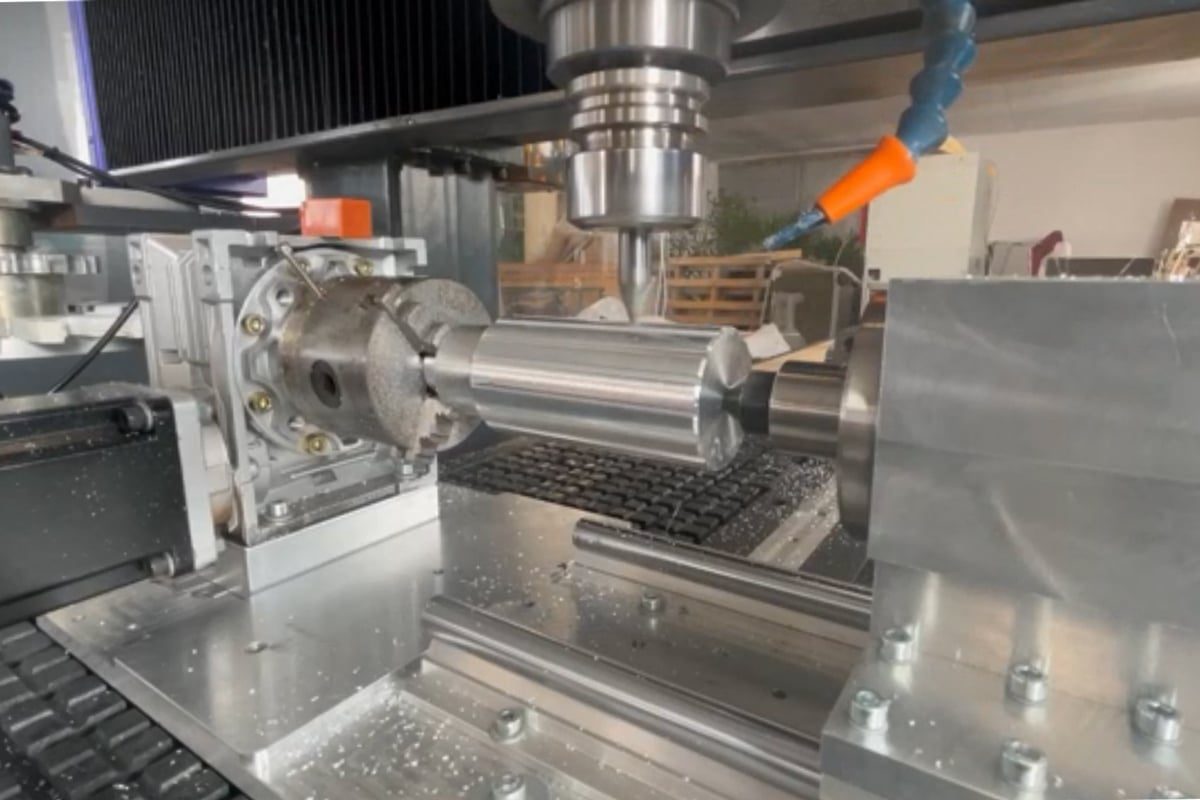
CNC routing metal requires precision, power, and the right strategies to ensure efficient machining without damaging the material or equipment. One of the most common and costly challenges faced during this process is overheating. Unlike routing wood or plastic, cutting metals generates significantly more friction and heat. If not properly managed, this heat buildup can compromise machining accuracy and reduce productivity.
To avoid overheating, it’s essential to understand the root causes and adopt a combination of strategies tailored to your specific material and setup. In this article, we’ll explore the key reasons overheating occurs during CNC metal routing and provide practical, step-by-step strategies to avoid it. Understanding the causes of overheating and implementing effective prevention techniques will help you achieve cleaner cuts, better finishes, and longer tool life.
Understanding Overheating in Metal CNC Routing
Overheating during CNC metal routing is a critical issue that can compromise machining quality and equipment integrity. To effectively prevent overheating, it’s necessary to understand its root causes and how to identify the warning signs early.
What Causes Overheating?
It occurs when the heat generated by the cutting process exceeds the rate at which it can be dissipated, leading to rising temperatures at the tool-workpiece interface. Several factors contribute to overheating when CNC routing metal:
- Friction from Cutting Action: Metals are harder and denser than materials like wood or plastic. When the cutting tool contacts the metal surface, intense friction is generated, especially if the cutting edge isn’t sharp or if the tool material isn’t suitable for metalworking. This friction rapidly raises the temperature at the cutting zone, and if not controlled, it leads to overheating.
- Incorrect Cutting Parameters: Using a spindle speed that is too high or a feed rate that is too low can result in excessive heat. Too deep cuts overload the tool, generating more heat than the system can dissipate.
- Inadequate Cooling or Lubrication: Many CNC routers lack integrated cooling systems for metal cutting. Without proper cooling or lubrication, the cutting area absorbs all the heat, causing it to build up rapidly.
- Poor Chip Evacuation: Metal chips are excellent heat conductors, and if not removed from the cutting area promptly, they trap heat around the tool and workpiece. Re-cutting hot chips compounds friction and heat, accelerating tool wear and material damage.
Signs of Overheating
Overheating rarely occurs without symptoms—recognizing these indicators allows operators to make real-time adjustments and avoid escalating problems.
- Discoloration of the Workpiece: One of the most visible signs is a color change on the metal surface. Metals like steel may show blue, purple, or brown hues when overheated, indicating that the temperature has surpassed safe thresholds. This heat tint often corresponds to changes in the material’s hardness or mechanical properties.
- Burn Marks or Smoke: Burnt edges, scorched surfaces, or smoke during cutting are clear signs of excessive heat. These typically result from a combination of high friction, low feed rates, or insufficient cooling. Persistent burning may also release harmful fumes, posing health and safety risks.
- Rapid Tool Wear or Breakage: Cutting tools may lose sharpness quickly or even break if they are consistently exposed to high heat. Heat weakens tool material, softens the cutting edge, and accelerates abrasive wear, especially in uncoated or non-carbide tools.
- Dimensional Inaccuracy: When metal heats unevenly, it expands unpredictably. This can cause warping of thin materials or dimensional drift in the final product.
- Unusual Sounds or Vibrations: Squealing, high-pitched noises, or increased chatter during cutting can indicate that the tool is overheating and losing its sharpness. This often coincides with poor surface finish and should prompt immediate inspection.
Understanding these causes and symptoms is the first step in formulating an effective strategy to manage heat and maintain control over your metal CNC router operations. With this understanding in place, you’ll be better prepared to make smart choices in tooling, machine setup, and cooling methods in the next stages of the process.
Choose the Right Cutting Tools for Metal CNC Router
The cutting tool is one of the most critical components in a metal CNC router, and its selection directly affects heat generation, machining performance, and tool longevity. Choosing the appropriate tool is the first line of defense against excessive heat during metal routing.
Select the Right Tool Material
Not all cutting tools are suitable for metal. Common tool materials include:
- Carbide Tools: Known for high hardness and heat resistance, carbide tools are the go-to option for most metals. They perform well under higher speeds and are less prone to softening from heat compared to HSS (high-speed steel).
- Coated Tools: Coatings such as TiN (Titanium Nitride), TiAlN (Titanium Aluminum Nitride), or DLC (Diamond-Like Carbon) reduce friction, improve heat resistance, and extend tool life. These coatings act as thermal barriers and reduce the need for aggressive cooling in some cases.
Avoid using tools designed for wood or plastic, as they lack the strength and thermal resistance needed for cutting metal.
Consider Tool Geometry
The geometry of the cutting tool plays a vital role in heat control and chip evacuation:
- Sharp Cutting Edges: Dull tools cause more friction and require more force to cut, both of which lead to heat buildup. Always use sharp, well-maintained bits for clean shearing action.
- Flute Design: For metals, two-flute or three-flute end mills are common. These allow for proper chip clearance and reduce the chance of re-cutting chips, which generates heat. Deep flutes also help improve airflow and heat dissipation.
- Helix Angle: A moderate helix angle improves chip evacuation and reduces heat accumulation at the cutting edge. For aluminum, a high-helix bit may be more effective.
Use Tools Designed for the Specific Metal
Different metals have different cutting characteristics. For example:
- Aluminum: Requires tools with polished flutes and high rake angles to prevent chip sticking and heat buildup.
- Stainless Steel: Demands robust, low-helix tools with durable coatings due to its toughness and poor thermal conductivity.
- Brass and Copper: Benefit from sharp tools and light cuts to minimize friction and heat.
Using application-specific tools ensures you get the best performance and the lowest heat generation for that material.
Maintain Tools Regularly
Even the best tool will overheat if it’s worn out. Regular inspection and maintenance will help keep your tools in top condition.
- Before and after each routing session, inspect your tools carefully for signs of wear, chipping, or buildup.
- Clean tools properly to remove debris or material deposits. Use soft brushes or specialized tool cleaners. Avoid wire brushes or harsh abrasives that could damage tool coatings.
- No tool lasts forever. Replace tools before they become dull enough to increase heat during operation.
Choosing the right cutting tools is a foundational step in controlling heat buildup during metal CNC routing. By selecting heat-resistant tool materials, using optimized geometries for chip evacuation, and maintaining tools in top condition, you can significantly reduce friction and prevent thermal stress.
Optimize Cutting Parameters
Even with the right tools, poor cutting parameters can lead to excessive heat buildup and damage during CNC metal routing. Spindle speed, feed rate, depth of cut, and step-over must all work in harmony with the material type and tool geometry to maintain a balanced, heat-efficient process. By optimizing these variables, you can reduce friction, improve chip formation, and significantly lower the risk of overheating.
Spindle Speed (RPM)
The spindle speed determines how fast the tool rotates. When cutting metal, too high a speed causes friction and heat to rise rapidly, while too low a speed can cause poor chip formation and increase tool pressure.
Each metal type has an ideal surface speed. For example, aluminum often tolerates higher RPMs, while stainless steel requires much slower speeds to avoid thermal damage. Always refer to manufacturer guidelines or use machining calculators to determine the correct speed based on tool diameter and material.
Feed Rate (IPM or mm/min)
Feed rate controls how fast the tool moves through the material. A feed rate that’s too low allows the tool to rub rather than cut, increasing friction and heat. On the other hand, an excessively high feed rate can overload the tool and lead to deflection or breakage.
Rule of thumb: Increase feed rate slightly while maintaining proper chip load to reduce heat. This helps evacuate heat with the chips instead of letting it build up on the tool or workpiece.
Depth of Cut and Step-Over
Depth of cut refers to how deeply the tool penetrates the material per pass. Deep cuts can overload the tool and cause it to heat quickly. It’s safer to take multiple shallow passes, especially when cutting hard metals, as this distributes the cutting load and allows heat to dissipate between passes. Shallow depths also allow for better cooling and chip evacuation.
Step-over is how far the tool moves sideways between each pass. High step-over values increase contact area and heat. A smaller step-over reduces radial engagement and can significantly decrease heat accumulation, especially when slotting or contouring metal. Adjusting the step-over also helps maintain smoother cuts and minimizes tool vibration.
Chip Load Management
Chip load is the amount of material removed per tooth per revolution. If the chip load is too low, heat stays in the workpiece and tool; if it’s too high, tool stress increases. Maintaining the proper chip load ensures the tool is actually cutting and not just rubbing against the material. Proper chip thickness allows heat to be carried away efficiently by the chip itself, preventing it from staying in the cutting zone.
Cutting parameters are not fixed values—they must be carefully tailored to the material, tool, and machine being used. Optimizing spindle speed, feed rate, depth of cut, and step-over can dramatically reduce heat generation and protect your metal CNC router from thermal wear and damage.
Use Proper Cooling and Lubrication
Cooling and lubrication systems play a key role in reducing friction, dissipating heat, and maintaining consistent machining conditions. Whether you’re working with aluminum, stainless steel, or other metals, using the right cooling and lubrication strategy is beneficial for preventing overheating.
Common Cooling and Lubrication Methods
Cooling prevents heat buildup inside the tool and workpiece by removing heat from the cutting zone. Lubrication reduces initial heat generation and protects the cutting edge by reducing friction between the tool and the material. Both are often used together to maximize thermal control during metal CNC machining. Here are the common cooling and lubrication methods:
- Flood Coolant: Flooding the cutting area with a steady stream of coolant (typically water-based with additives) is highly effective for heat removal. It ensures consistent temperature control and excellent chip evacuation but requires a closed-loop system and proper disposal methods.
- Mist Cooling: Mist coolant systems spray a fine mist of coolant and air directly onto the tool and workpiece. It’s ideal for CNC routers not equipped for flood cooling and offers a good balance between lubrication and cooling with minimal mess.
- Air Blast: Compressed air directed at the cutting area helps clear chips and reduce heat buildup, especially when cutting non-ferrous metals like aluminum. While not as effective as liquid cooling, air blast is useful when fluid-based systems are impractical.
Benefits of Proper Cooling and Lubrication
Implementing effective cooling and lubrication practices during CNC metal routing offers significant advantages that go beyond just temperature control. Below are the key benefits:
- Extended Tool Life: By keeping the cutting zone cool and reducing friction, protect cutting edges from thermal degradation and premature dulling. This reduces the frequency of tool replacement and lowers long-term operating costs.
- Improved Surface Finish: Proper lubrication ensures smoother contact between the tool and material, while cooling prevents thermal discoloration and scoring. This results in cleaner, more precise surface finishes.
- Greater Dimensional Accuracy: Cooling maintains a stable temperature throughout the cutting process, minimizing expansion and helping the machine hold tight tolerances.
Coolant and Lubricant Maintenance
Using coolant or lubricant is only effective if the system delivering it is properly maintained. Here is how to keep it:
- Use test strips to regularly check coolant concentration levels and adjust as needed to match the manufacturer’s specifications.
- Clean or replace filters, pumps, and nozzles regularly to maintain proper flow and prevent chip recirculation.
- Dispose of old or contaminated coolant as specified and refill with fresh, properly mixed coolant or lubricant.
In metal CNC routing, proper cooling and lubrication help control friction, carry away heat, and ensure smooth chip removal, all of which directly affect your machining efficiency and output quality. Investing in cooling and lubrication isn’t just about temperature—it’s about long-term performance and productivity.
Enhance Chip Evacuation
As the CNC cutting tool removes metal, it generates chips that carry a significant amount of heat away from the cutting zone. If those chips aren’t quickly and efficiently cleared, they can re-enter the cutting area, increase friction, and cause the tool and workpiece to overheat. Here are the methods for improving chip evacuation:
- Compressed Air: Using a steady stream of compressed air helps blow chips away from the cutting area and keeps the tool path clear. It’s especially effective for lighter metals like aluminum and is often combined with mist cooling for enhanced performance.
- Vacuum or Dust Extraction Systems: High-powered vacuum systems designed for metal chips can quickly remove debris from the cutting zone. These systems also help keep the workspace clean and safe by reducing airborne particles.
- Chip Flutes and Tool Design: Choosing tools with deep, wide flutes allows chips to flow out of the cutting zone more easily. This is especially important when routing softer or more ductile metals that produce long, stringy chips. For harder materials, tools with shorter, broken-chip geometries are often more effective.
- Coolant Flow Direction: When using flood or mist cooling, positioning the nozzles correctly ensures that coolant pushes chips away from the tool rather than allowing them to accumulate. Adjustable coolant lines can target specific areas for optimal flushing.
- Adaptive Feed and Toolpath Strategies: Toolpaths that allow chips to clear between passes, such as climb milling or high-efficiency milling (HEM), reduce chip load per pass and promote cleaner cuts. Adaptive strategies can also adjust feed rates in real time to avoid chip buildup.
Chip evacuation plays a more important role in heat management than many realize. By clearing chips quickly and consistently, you minimize friction, reduce the chance of recutting, and keep both your tools and materials at safe operating temperatures.
Monitor Machine and Environmental Factors
While tooling, parameters, and cooling systems play the most direct roles in managing heat, the condition of your CNC router and the surrounding environment also significantly affect thermal behavior. By keeping a close eye on machine health and environmental conditions, you can avoid hidden causes of heat buildup.
Maintain Spindle and Motor Health
A well-maintained spindle runs more efficiently, reduces friction, and supports cooler cutting conditions.
- Check spindle bearings regularly for noise, vibration, or wear.
- Inspect cooling fans or liquid cooling systems on motors for proper function.
- Monitor spindle temperature during long jobs—use thermal sensors or infrared thermometers if needed.
Ensure Machine Rigidity and Calibration
Poor rigidity or misalignment causes vibration and inconsistent tool engagement, which leads to friction and thermal spikes.
- Tighten frame bolts, rails, and gantry structures.
- Level the machine bed and ensure flatness.
- Check tool alignment and concentricity with dial indicators or runout gauges.
Control Ambient Temperature and Airflow
External environmental factors like workshop temperature and airflow can influence heat accumulation, especially during long machining cycles.
- Keep the room temperature stable, ideally between 18–25°C (64–77°F).
- Avoid placing machines near heat sources or in direct sunlight.
- Ensure proper workshop ventilation, especially when using mist coolants or air blast systems.
A stable, well-maintained machine and environment form the foundation for consistent, heat-controlled CNC metal routing. Monitoring both the machine and its surroundings, you ensure long-term performance, protect your investment, and minimize the risk of overheating across every machining session.
Material-Specific Strategies
Not all metals behave the same under CNC routing conditions. Each type of metal has unique thermal properties, hardness, chip formation tendencies, and cooling requirements. To effectively prevent overheating, you need to tailor your approach to the specific metal you’re working with.
Aluminum
Aluminum is lightweight and relatively soft, but its low melting point makes it prone to heat-related deformation and chip welding. Here are the best practices:
- Use high-helix, polished flute tools designed for aluminum.
- Run at high spindle speeds and fast feed rates to create thick, cool chips.
- Apply mist coolant or an air blast to prevent chip accumulation and cool the cutting zone.
- Avoid using flood coolant unless you have excellent chip management and enclosure systems.
Stainless Steel
Stainless steel is known for its strength and corrosion resistance, but High hardness accelerates tool wear and generates significant friction. Here are the best practices:
- Use carbide tools with wear-resistant coatings like TiAlN.
- Opt for lower spindle speeds and moderate feed rates to minimize heat.
- Apply flood coolant for aggressive heat dissipation.
- Use rigid fixturing to minimize vibration and maximize precision.
Copper
Copper’s ductility makes it prone to smearing and chip sticking. Here are the best practices:
- Use sharp tools with high rake angles.
- Choose non-coated or specialized tools to reduce chip adhesion on copper.
- Run moderate to high feed rates with sharp tools to shear chips cleanly.
- Use mist coolant or light lubrication to minimize chip sticking.
Mild and Carbon Steel
These steels are common and easier to cut than stainless, but they still require attention carbon content affects hardness and heat resistance. Here are the best practices:
- Use coated carbide tools for long tool life and stable heat control.
- Apply flood or mist coolant for extended runs or deeper cuts.
- Run moderate spindle speeds and appropriate feed rates to avoid heat buildup.
Each metal responds differently to CNC routing, and there is no one-size-fits-all approach when it comes to avoiding overheating. By understanding the specific thermal and mechanical behavior of your material, you can select the right tools, optimize your cutting parameters, and choose the most effective cooling method.
Summarize
Overheating is a common challenge in CNC metal routing, but it can be effectively managed with the right approach. By selecting appropriate cutting tools, fine-tuning spindle speeds and feed rates, applying proper cooling and lubrication, ensuring efficient chip evacuation, and maintaining both the machine and workspace, you can significantly reduce heat buildup and its negative effects. Continue reading “What Metals Can CNC Routers Cut?” to learn about the properties of each metal as well as the proper cutting techniques, tools, and settings.
If you’re looking to avoid overheating and achieve high-quality results when CNC routing metal, choosing the right machine is just as important as using the right techniques. AccTek CNC, a professional CNC router manufacturer based in China, offers a wide range of CNC router models designed for precision cutting across various materials. Our machines are built with robust frames, powerful spindles, and efficient cooling systems that help maintain temperature stability during high-demand operations. AccTek is your ideal partner for users seeking consistent performance and long-term value.