

- 12-17 Min Read
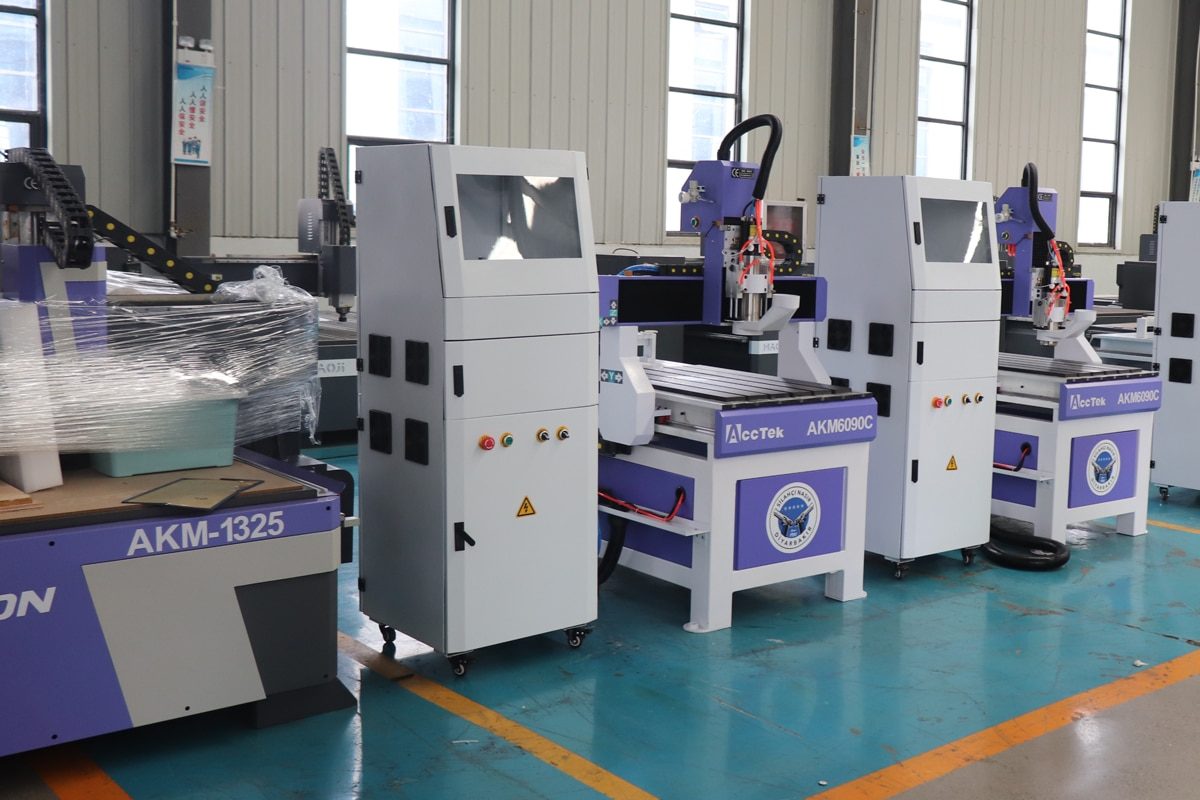
Choosing a CNC router is a major investment, and the quality of the machine you select will have a direct impact on your productivity, accuracy, and long-term operating costs. With so many models and manufacturers on the market, it can be challenging for buyers to distinguish between a well-engineered machine and one that will lead to constant maintenance issues, reduced precision, or early failure. Whether you are a small workshop purchasing your first CNC router or an industrial manufacturer upgrading to a larger system, you need to understand how to evaluate machine quality.
To help you make an informed decision, this guide presents a practical buyer’s checklist covering the most important factors to evaluate before purchasing a CNC router. From machine structure and spindle performance to control systems, cutting accuracy, safety features, and manufacturer support, each section outlines what to look for and why it matters. By following this checklist, you’ll be equipped to assess CNC router quality with confidence and choose a machine that truly meets your production needs.
Frame and Build Quality
The frame is the foundation of any CNC router, and its construction directly determines the machine’s stability, durability, and long-term accuracy. A high-quality frame minimizes vibration, absorbs cutting forces, and maintains structural integrity even during high-speed or heavy-duty operations. When evaluating a CNC router, start by inspecting the materials, engineering design, and overall build quality.
Machine Structure and Materials
The structure of a CNC router is the backbone of its overall performance, and the materials used in its construction determine how well it can handle stress, vibration, and continuous operation.
- Material Quality: High-end CNC routers typically use heavy-duty steel for the main frame because of its superior rigidity and resistance to deformation. In contrast, lighter aluminum frames may be suitable for small hobby machines.
- Welded vs. Bolted Construction: Welded frames tend to be stronger and more stable, offering a single-piece structure that resists loosening over time. Bolted frames are easier to assemble and transport, but can loosen under vibration.
- Structural Design Considerations: Look for a frame with thick structural beams, well-distributed support points, and internal reinforcement to reduce twist or sag.
Gantry Strength and Stability
The gantry is one of the most critical structural components of a CNC router, as it carries the spindle and moves along the machine’s axes to deliver precise cutting paths.
- Material and Construction: A strong gantry is typically made from reinforced steel or thick-walled aluminum alloy that provides a balance between strength and weight. Pay attention to whether the gantry is made from steel or aluminum alloy and ask about its wall thickness.
- Stiffness and Flex Resistance: The gantry must resist bending or twisting when moving across the worktable and when the spindle applies cutting force. Look for gantries with internal ribs or reinforcements that prevent deflection during high-speed or deep cuts.
- Impact on Cutting Precision: A stable gantry allows the machine to maintain accuracy even when operating at faster feed rates. Machines with unstable gantries often produce waviness on straight cuts, chatter marks on edges, and poor repeatability over time.
Worktable Type
The type of worktable a CNC router uses determines how securely materials are held during machining and how easily setups can be adjusted for different projects.
- Vacuum Table: This uses suction to hold sheet materials firmly in place across the entire surface. This system is ideal for high-volume production, panel cutting, cabinet manufacturing, and processing thin or flexible materials that are difficult to clamp manually.
- T-Slot Table: It allows mechanical clamps, fixtures, and jigs to be attached directly to the table using T-shaped channels. This type is best suited for thick, heavy, or irregularly shaped materials.
- Hybrid Table: A hybrid table combines vacuum zones with T-slots, offering the advantages of both systems. This design is ideal for workshops that handle a wide variety of materials and project types.
A CNC router’s frame and build quality provide the foundation for precision, stability, and long-term reliability. A strong, well-engineered frame minimizes vibration, maintains alignment, and ensures the machine can handle heavy workloads without compromising accuracy. With a solid frame in place, the next step in evaluating CNC router quality is to carefully examine spindle performance and specifications, which directly determine cutting capability, precision, and efficiency.
Spindle Performance and Specifications
The spindle is the heart of a CNC router, directly determining cutting capability, precision, and efficiency. Even with a robust frame and stable gantry, a low-quality or improperly matched spindle can compromise performance, produce rough edges, and shorten tool life. Evaluating spindle performance requires careful attention to key specifications, including power, speed, torque, and cooling method.
Spindle Power Rating
The spindle’s power rating directly affects the machine’s ability to cut through different materials efficiently. Measured in horsepower (HP) or kilowatts (kW), spindle power determines how much force the cutting tool can apply and how smoothly it can maintain speed under load.
- Matching Power to Material: Wood and plastics typically require lower spindle power, while dense materials like stone or metals demand higher wattage or horsepower. Buyers should match spindle power to their intended applications to ensure smooth, efficient cutting without overloading the motor.
- Practical Considerations: When assessing spindle power, consider your typical workload and the variety of materials you plan to process. While higher power offers versatility and the ability to handle tougher jobs, it may also increase energy consumption and cost. Choosing a spindle with the right balance of power and efficiency ensures optimal performance for your applications.
Spindle Speed and Torque
Spindle speed (RPM) and torque affect both cutting quality and efficiency. Both elements must work together: speed controls the cutting rate, while torque ensures the spindle can maintain consistent performance under load.
- Spindle Speed: A wide RPM range allows the machine to handle a variety of materials and tooling. High-speed cutting is ideal for soft materials like wood, acrylic, and plastics. Low-speed cutting is needed for dense materials such as metals or stone.
- Torque: Torque is the rotational force that enables the spindle to maintain its speed under cutting load. Sufficient torque ensures that the spindle doesn’t stall or slow down when cutting thick or hard materials.
- Balancing Speed and Torque: When evaluating a CNC router, it’s important to ensure the spindle delivers both adequate speed and consistent torque across the entire operating range. The ideal spindle provides a balance that matches the types of materials and cutting tasks you plan to handle.
Air-Cooled vs. Water-Cooled Spindles
CNC routers generally use either air-cooled or water-cooled spindles, each with distinct advantages and considerations depending on your application.
- Air-Cooled Spindles: These use fans to dissipate the heat generated during operation. Their simple design, low initial cost, light weight, and ease of maintenance make air-cooled spindles suitable for small-sized CNC routers or light-duty applications where the spindle is not continuously under heavy load.
- Water-Cooled Spindles: This type circulates coolant through a closed system to remove heat more efficiently. Superior heat management allows longer continuous operation, maintains spindle stability and precision under heavy cutting loads. They are suitable for industrial CNC routers that work with require long cutting sessions.
A CNC router’s spindle defines the machine’s cutting potential and overall versatility. By examining its power rating, speed, torque characteristics, and cooling method, buyers can assess whether a spindle is capable of meeting their production demands. A well-chosen spindle not only improves cutting efficiency and precision but also extends tool life and reduces downtime.
Motion System and Hardware Components
The motion system is responsible for how smoothly, accurately, and efficiently a CNC router moves along its axes. While the frame provides stability and the spindle delivers cutting power, the motion components ensure precise positioning, fast movement, and reliable performance over long production cycles. High-quality motion hardware reduces vibration, minimizes backlash, and supports accurate tool paths. Evaluating these components closely is necessary when assessing the overall quality of a CNC router.
Linear Guide Rails
Linear guide rails determine how smoothly and accurately the machine gantry and spindle move. Cheap or misaligned rails can cause vibration, premature wear, and reduced accuracy.
- HIWIN, THK, or similar branded rails offer high precision and long wear life.
- Look for square (profile) rails instead of round rails—square rails provide better rigidity, load capacity, and stability.
- Inspect the rail installation: well-aligned, sealed, and lubricated rails ensure smooth motion and reduce dust-related wear.
Ball Screws vs. Rack and Pinion Drives
Different CNC routers use different drive mechanisms depending on size and cutting requirements. Choosing the correct drive type for each axis ensures optimal performance based on your machine size and workload.
- Ball Screws: They have excellent accuracy with minimal backlash, making them best suited for small-format CNC routers or Z-axis movement on larger machines.
- Rack and Pinion: High-quality helical racks reduce vibration and improve smoothness, providing fast movement and stable performance over wide areas. They are better for large-format machines where long travel distances are required.
Motor Types: Stepper vs. Servo Motors
Motors determine how precisely and powerfully the machine can position the spindle:
- Stepper Motors: They are affordable, simple, and reliable, but they have limited speed and low torque at high speeds. Therefore, stepper motors are best suited for small to medium-sized CNC routers or less demanding tasks.
- Servo Motors: Featuring high speed, high torque, and precise closed-loop control, they provide faster acceleration, smoother motion, and better accuracy. Servo motors are ideal for industrial CNC routers, heavy materials, and high-volume production.
Couplings, Bearings, and Other Components
Small hardware components also contribute significantly to machine performance:
- Flexible couplings reduce vibration and compensate for slight misalignment.
- High-quality bearings support smooth, durable motion and reduce friction.
- Reinforced brackets and mounts prevent mechanical play or loosening over time.
High-quality motion hardware reduces maintenance, minimizes errors, and enhances cutting performance across a wide range of materials. By examining the quality of linear guide rails, drive mechanisms, motors, and supporting elements such as bearings and couplings, buyers can determine whether a machine is engineered for long-term reliability or merely built to meet minimum specifications. With the motion system thoroughly evaluated, the next step is to consider the CNC router’s control system and software, which ultimately dictate how effectively you can manage, automate, and optimize the machine’s capabilities.
Controller and Software Evaluation
The controller and software ecosystem is the operational brain of any CNC router, directly influencing precision, usability, workflow efficiency, and long-term adaptability. Evaluating the type of controller, software compatibility, user interface, and long-term support ensures that the CNC router integrates seamlessly with your design tools and production processes. By understanding how these elements work together, buyers can make more informed decisions and choose a system that supports their present needs while remaining scalable for future upgrades.
Control System Type
Understanding the differences between control system categories helps buyers choose the right solution based on their application, budget, and skill level.
- Industrial Controller: Such as Syntec, FANUC, OSAI, and Siemens are hardware-based systems engineered specifically for high-precision CNC automation. They provide exceptional stability, fast data processing, and superior motion control, making them ideal for long hours of continuous production.
- PC-Based Controller: They operate through a standard computer running control software such as Mach3, Mach4, or UCCNC, making them a flexible and cost-effective choice for general CNC use.
- DSP Handheld Controller: DSP handheld controllers are standalone units that operate independently from a computer, offering a simple, reliable solution for everyday cutting and engraving tasks.
Software Compatibility
The right software ecosystem of a CNC router ensures a smooth workflow from design to toolpath generation and final machining.
- Supported CAD/CAM Software: A reliable CNC router should support widely used CAD/CAM software programs such as AutoCAD, Fusion 360, SolidWorks, VCarve, Aspire, and ArtCAM to ensure smooth transitions from design to machining.
- File Type Compatibility: The CNC router should accept common formats such as G-code, DXF, STL, and NC files, along with any industry-specific formats required for your workflow.
- Updates and Long-Term Support: Choosing a CNC router from a manufacturer or software vendor with strong, long-term update policies protects your investment and ensures the machine remains useful for many years.
User Interface and Ease of Operation
The usability of a CNC router depends greatly on how intuitive and efficient its interface is for everyday operation.
- Touchscreen Features: Modern touch panels with intuitive menus boost operator efficiency. When evaluating touchscreen features, consider how easy the display is to read, how logically the menu is organized, and whether the controls support the tasks you perform most often.
- Workflow Simplicity: Choosing a CNC router with a simple, well-structured workflow ensures higher productivity and fewer interruptions caused by operator confusion.
- Training Requirements: When assessing a CNC router, consider whether the interface matches the skill level of your team and whether operators can confidently manage tasks such as tool changes, file loading, and error handling without extensive instruction.
Choosing the right controller and software can get the most value and performance from a CNC router. A stable, capable control system combined with broad software compatibility and an intuitive user interface ensures smoother operation, reduced errors, and greater efficiency across all skill levels. With a solid understanding of these factors, buyers can confidently evaluate whether a CNC router’s digital ecosystem aligns with their workflow.
After-Sales Support and Warranty
After-sales support and warranty coverage are critical factors in assessing the overall quality and reliability of a CNC router. Even the best-built machines can encounter issues over time, and responsive support ensures that problems are resolved quickly to minimize downtime. Evaluating the manufacturer’s support services and warranty terms not only reflects their confidence in the product but also helps protect your investment and reduce long-term maintenance costs.
- Technical Support Availability: Reliable technical support is fundamental to troubleshooting machine issues, resolving software or hardware problems, and maintaining production continuity. Manufacturers that provide multiple support channels—phone, email, live chat, and remote diagnostics—allow users to address problems promptly without costly delays. Quick response times and knowledgeable support staff can prevent small issues from escalating into major production disruptions.
- Training and Installation Assistance: Proper training and installation are the first steps to getting the most out of a CNC router. Many manufacturers offer on-site or remote installation services, along with training sessions for operators and technicians. Comprehensive manuals, instructional videos, and tutorials help reduce the learning curve, ensure correct operation, and prevent operator errors that could lead to damage or downtime.
- Warranty Terms: Warranty coverage provides peace of mind by protecting your investment against manufacturing defects or early failures. Buyers should carefully review what the warranty includes, such as coverage for the spindle, electronics, motors, and mechanical components, as well as the duration of coverage. Some manufacturers also offer extended warranty options or service contracts, which can reduce maintenance costs and extend the machine’s usable life.
- Spare Parts Availability: A reliable CNC router manufacturer should maintain a ready supply of replacement parts for key components, such as spindles, motors, drivers, and bearings. Easy access to spare parts ensures minimal downtime when repairs are needed and reduces the risk of long production delays.
Strong after-sales support and comprehensive warranty coverage are essential components of a high-quality CNC router package. A manufacturer that offers responsive technical support, thorough training, readily available spare parts, and clear warranty terms provides peace of mind and ensures uninterrupted production. By prioritizing these factors alongside machine performance and features, buyers can make a confident, informed decision and select a CNC router that delivers both reliability and long-term value.
Manufacturer Reputation and Customer Feedback
When evaluating CNC router quality, the reputation of the manufacturer and feedback from previous customers are invaluable indicators of reliability, performance, and service. A reputable manufacturer demonstrates consistent product quality, industry experience, and a commitment to supporting their customers over the long term. Meanwhile, customer reviews and testimonials provide practical insights into real-world machine performance, maintenance issues, and the responsiveness of technical support. Together, these factors help buyers separate reputable manufacturers from those that may prioritize short-term sales over consistent quality.
- Manufacturer Experience and Track Record: The length of time a company has been producing CNC routers and its track record in the industry can reveal its expertise and reliability. Established manufacturers often have refined production processes, quality control systems, and tested designs that reduce the risk of defects or early failures. Buyers should consider factors such as the number of machines sold, global presence, and recognition in professional forums or industry awards.
- Customer Reviews and Case Studies: Customer feedback provides firsthand insights into the performance and durability of machines under actual working conditions. Positive reviews, repeat orders, and detailed case studies highlight successful applications, while negative feedback can alert buyers to recurring issues, maintenance challenges, or inadequate support. Checking reviews on forums, social media, and the manufacturer’s website helps create a realistic picture of what to expect from the machine.
- Industry Reputation and Certifications: A strong reputation in the CNC industry often comes with recognized certifications for quality, safety, and environmental compliance. ISO certifications, CE marks, or other relevant industry approvals indicate that the manufacturer adheres to high production standards. A respected industry presence can also mean better support networks, more readily available spare parts, and confidence in long-term investment value.
- Word-of-Mouth and Peer Recommendations: Recommendations from peers, colleagues, or industry contacts can be an excellent source of unbiased information. Networking with other CNC router users can provide insights into machine reliability, operational efficiency, and manufacturer responsiveness that may not appear in official marketing materials.
A strong manufacturer reputation and positive customer feedback offer confidence that a CNC router will perform as promised and remain supported throughout its operational life. By considering industry experience, certifications, customer reviews, and peer recommendations, buyers can make informed decisions and reduce the risk of purchasing a machine prone to defects, poor performance, or inadequate support. Prioritizing manufacturer credibility ensures not only high-quality machines but also reliable service, spare parts availability, and long-term peace of mind.
Cost vs. Value Analysis
When purchasing a CNC router, price is often the first factor that catches a buyer’s attention. However, cost alone does not reflect the overall value of the machine. A machine’s cost must be weighed against the value it provides in terms of performance, durability, features, support, and long-term reliability. Understanding the balance between upfront expense and overall return on investment helps buyers avoid short-term savings that could lead to higher operational costs, frequent repairs, or reduced productivity over time.
- Upfront Cost vs. Long-Term Investment: Consider not only the initial purchase price but also the total cost of ownership, including installation, training, tooling, maintenance, electricity consumption, and replacement parts. A slightly higher upfront investment in a well-built machine can pay off over time by minimizing downtime, reducing waste, and delivering consistent quality.
- Performance and Features: Evaluate the features offered relative to the price. High-quality components, such as precision spindles, rigid frames, reliable motion systems, and advanced controllers, contribute to superior performance and better cutting results. Machines with lower specifications may be cheaper but can compromise accuracy, cutting speed, or material versatility.
- Warranty and Support Value: After-sales support, warranty coverage, and spare parts availability add tangible value to a CNC router. A machine backed by responsive support and robust warranty protection reduces risk and ensures smoother long-term operation, often outweighing the cost difference compared to cheaper alternatives.
- Return on Investment (ROI): The best value is determined by how efficiently a CNC router meets production needs while maintaining quality and minimizing costs over time. By analyzing cost relative to machine durability, performance, support, and productivity, buyers can make an informed decision that maximizes ROI rather than simply opting for the lowest price.
Assessing cost versus value allows buyers to make informed decisions that prioritize long-term performance and reliability over merely the lowest price. By considering factors such as build quality, spindle capability, motion system precision, software support, warranty coverage, and after-sales service, buyers can select a CNC router that delivers consistent results, minimizes downtime, and maximizes return on investment. Ultimately, investing in quality upfront often saves time, money, and frustration in the long run.
Summarize
Choosing the right CNC router comes down to understanding what truly defines quality—from structural strength and spindle performance to motion precision, intuitive controls, reliable software, and dependable after-sales support. By considering cost in the context of long-term value rather than just the upfront price, buyers can make informed decisions and select a CNC router that delivers accuracy, efficiency, and reliability for years to come. Continue reading “How Do I Set Up My CNC Router for the First Time?” to get your machine up and running smoothly.
AccTek CNC is a reliable and professional CNC router manufacturer offering a wide range of high-quality machines designed for precision, durability, and versatility. Equally important, AccTek provides responsive customer service, detailed training resources, and dependable technical assistance, giving buyers confidence and peace of mind throughout the machine’s lifecycle. For businesses seeking a trusted partner and a CNC router that combines quality, versatility, and professional support, AccTek CNC is a standout choice.