

- 12-17 Min Read
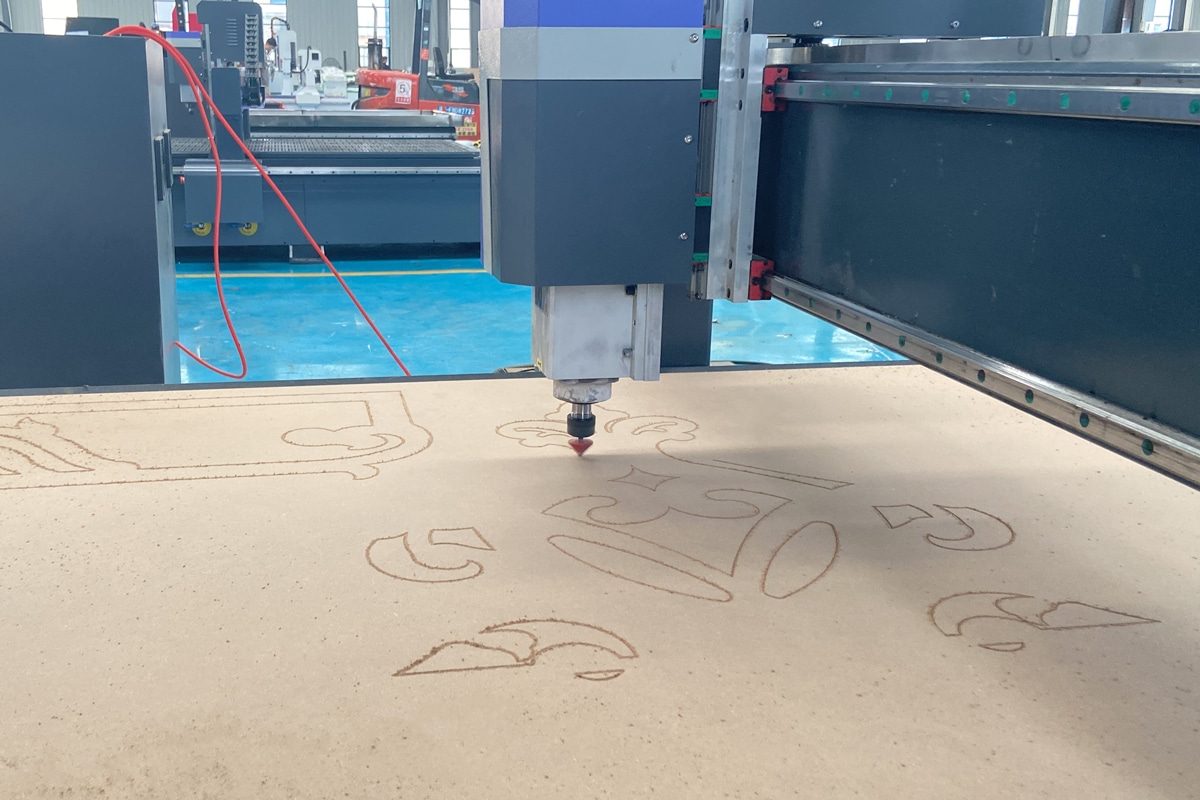
Woodworking has evolved dramatically with the introduction of CNC routing technology, transforming traditional craftsmanship into a precise, efficient, and highly repeatable manufacturing process. Whether producing cabinetry, custom furniture, decorative panels, or intricate carvings, CNC routers allow woodworkers to move seamlessly from large-scale material removal to refined surface finishing. However, achieving a smooth, professional-quality result demands a clear understanding of each stage in the routing process, from rough cutting to final finishing.
The journey from rough cut to smooth surface involves strategic tool selection, optimized cutting parameters, proper toolpath planning, and effective workholding techniques. Each step plays a critical role in minimizing tear-out, reducing tool marks, and improving overall surface quality. In this article, we will explore the key CNC routing techniques that help transform raw wood material into finely finished projects, ensuring accuracy, efficiency, and outstanding results in every woodworking application.
Understanding the CNC Routing Workflow
Achieving high-quality wood projects with a CNC router requires more than simply pressing “start” on the machine. A successful workflow involves a series of carefully planned steps, each building on the previous one to ensure precision, efficiency, and a smooth final surface. From initial project planning and material selection to toolpath programming and machining, understanding the overall workflow helps operators avoid errors, optimize cutting strategies, and maintain consistent results across different wood types and designs.
Project Planning and Design
Every successful CNC wood project begins with careful planning and thoughtful design. Before any material is cut, operators must clearly define the project’s dimensions, structure, and finishing requirements to ensure accuracy and efficiency throughout the machining process.
- Creating or Importing CAD Designs: Using CAD software, operators can create detailed 2D drawings or complex 3D models that define every contour, pocket, groove, and decorative element of the final product. For standardized components, designs may be imported from existing libraries or client-provided files, ensuring consistency and saving time.
- Material Selection: Choosing the right wood material directly impacts machining performance and surface finish quality. Hardwood species provide strength and durability but require careful parameter adjustments due to higher density. Softwoods are easier to cut but may be more prone to splintering. Engineered materials such as plywood and MDF provide a uniform structure and stability, making them ideal for cabinetry and panel processing.
- Considering Grain Direction and Material Stability: Grain direction, thickness, moisture content, and internal consistency should always be evaluated before machining to avoid warping or surface defects. Aligning toolpaths strategically helps reduce chipping and produces cleaner surfaces.
Toolpath Programming
After completing the project design, the next critical step is toolpath programming, which transforms your CAD model into actionable instructions for the CNC router. This stage determines how the cutting tool moves across the material, affecting efficiency, precision, and surface quality.
- CAM Software Setup: The first step in toolpath programming is setting up the CAM software. This involves importing the CAD design, defining the stock material size, and selecting the correct machine configuration.
- Select Toolpath: Roughing toolpaths remove large amounts of material quickly, while semi-finishing passes refine dimensions and prepare the surface for finishing. Finishing toolpaths focus on producing a smooth surface and capturing fine details, including contours, pockets, and decorative features.
- Set Cutting Parameters: Feed rate, spindle speed, step-down depth, and step-over distance must be carefully adjusted based on the material, bit type, and project complexity. Additional considerations, such as climb vs. conventional cutting and entry/exit strategies, further enhance cutting performance and minimize tool marks.
Mastering the CNC routing workflow helps transform raw wood into polished, professional-quality projects. Careful planning, accurate design, and thoughtful toolpath programming work together to minimize errors, reduce material waste, and improve surface finish. A well-structured workflow not only enhances the quality of each project but also helps build reliable, repeatable processes for future woodworking endeavors.
Rough Cutting Techniques
Rough cutting is the first active stage in the CNC routing process, where large amounts of material are removed to establish the basic shape and dimensions of a wood project. This step focuses on efficiency rather than surface finish, preparing the workpiece for subsequent semi-finishing and finishing passes. Proper rough cutting techniques save time, reduce tool wear, and minimize stress on both the material and the machine.
Selecting the Right Roughing Bits
Choosing the appropriate cutting tool is a critical part of the rough cutting stage, as it directly affects material removal efficiency, surface quality, and tool life.
- Flat End Mills: Ideal for removing large volumes of material quickly and efficiently. They create flat-bottomed cuts, making them suitable for shaping panels, pockets, and basic contours.
- Upcut Spiral Bits: Designed to lift chips away from the cut, improving chip evacuation and reducing clogging during heavy material removal. This makes them particularly effective for deeper cuts or thicker stock.
- Compression Bits: Compression bits combine upcut and downcut designs to minimize tear-out on laminated or veneered materials. The upward and downward cutting action compresses wood fibers at both the top and bottom surfaces, producing smoother cuts during roughing.
Optimizing Roughing Parameters
Optimizing roughing parameters helps achieve efficient material removal while protecting the workpiece, tooling, and CNC router.
- Step-Down Depth and Step-Over: Larger step-downs and wider step-overs increase material removal rates but may cause vibration, tool deflection, or surface damage if too aggressive. Balancing these settings based on the material type and bit size ensures stable, efficient cutting.
- Feed Rate and Spindle Speed: Feed rate determines how quickly the tool moves through the material, and spindle speed controls how fast the bit rotates. Matching these parameters to the material and tool type helps to prevent burning, chip buildup, or tear-out.
- Chip Load Considerations: Calculating chip load based on tool diameter, number of flutes, and material hardness ensures that each roughing pass removes material effectively without damaging the bit or workpiece.
Reducing Tear-Out During Roughing
Tear-out is a common challenge in CNC wood routing, especially during rough cutting when large amounts of material are removed quickly. How to solve:
- Cutting Direction: Climb cutting often produces cleaner top edges, while conventional cutting can reduce stress on the bit but may increase fiber lifting. Selecting the appropriate cutting method based on material type and grain orientation helps maintain edge quality.
- Workpiece Stability: Securing the workpiece firmly prevents vibration, shifting, or lifting during roughing. Using clamps, vacuum tables, or spoil boards ensures the material stays in place, which reduces tear-out and supports accurate cuts.
Rough cutting is more than just a preliminary step; it is a critical stage that determines the efficiency and quality of the entire CNC routing process. By selecting the right bits, optimizing cutting parameters, and minimizing tear-out through proper workholding and grain consideration, operators can remove bulk material quickly while preserving the integrity of the workpiece. Mastering these techniques lays a strong foundation for semi-finishing and finishing operations, ensuring that the final surfaces are smooth, accurate, and professionally finished.
Semi-Finishing Strategies
Semi-finishing is the transitional stage between rough cutting and final finishing. Its primary goal is to refine the workpiece’s shape and dimensions while removing the small material allowances left during roughing. This stage balances efficiency with precision, preparing the surface for the finishing passes that produce smooth, high-quality results. Proper semi-finishing techniques reduce stress on finishing tools, improve surface consistency, and ensure that final cuts capture intricate details accurately.
Light Pass Techniques
Light pass techniques are a key component of semi-finishing in CNC routing, designed to refine the workpiece after rough cutting while minimizing stress on tools and material.
- Reduced Cutting Depth and Step-Over: During light passes, the depth of cut (step-down) and the horizontal distance between adjacent passes (step-over) are decreased. This allows the tool to engage the material gently, reducing vibration, tool deflection, and the risk of surface imperfections.
- Gradual Material Removal: Multiple light passes may be used to gradually remove the remaining stock, especially on complex shapes or uneven surfaces. This controlled approach ensures that each layer is evenly machined, maintaining dimensional accuracy and reducing the likelihood of tear-out or surface damage.
Optimizing Semi-Finishing Toolpaths
Optimizing semi-finishing toolpaths is beneficial for achieving accurate dimensions, smooth surfaces, and efficient material removal before the final finishing stage.
- Choosing the Right Toolpath Pattern: The toolpath pattern should match the geometry of the part. Contour passes are ideal for edges and pockets, while raster or adaptive clearing strategies work well for flat or gently curved surfaces.
- Minimizing Tool Marks: Properly optimized toolpaths limit the appearance of tool marks by ensuring smooth transitions between passes and avoiding abrupt changes in direction.
- Balancing Efficiency and Quality: Planning passes to remove material evenly while minimizing unnecessary travel reduces machining time and wear on tools.
Semi-finishing bridges the gap between rough cutting and final finishing, refining the workpiece for precision and surface quality. Through careful light passes, appropriate tool selection, and optimized toolpaths, operators can correct minor dimensional inaccuracies, evenly remove remaining material, and prepare the surface for finishing. Mastering semi-finishing techniques not only improves the efficiency of the CNC workflow but also ensures that the final finishing stage produces smooth, accurate, and visually polished results.
Finishing Techniques for Smooth Surfaces
Finishing is the final stage in the CNC routing process, where the focus shifts from shaping the workpiece to achieving precise, smooth, and professional-quality surfaces. This stage builds upon the foundation established during rough cutting and semi-finishing, using carefully selected tools, optimized parameters, and precise toolpaths to remove remaining material, eliminate tool marks, and capture fine details. Proper finishing techniques are beneficial for producing a visually appealing and dimensionally accurate final product.
Selecting Finishing Bits
Unlike roughing or semi-finishing, the finishing stage of CNC routing focuses on precision, detail, and surface quality, so the bit selection must match both the material and the geometry of the workpiece.
- Ball Nose Bits: Ideal for 3D contours and curved surfaces, such as sculpted panels or decorative carvings. Their rounded tip allows for smooth transitions along complex curves, minimizing visible tool marks and producing a clean, continuous surface.
- Downcut Bits: Downcut bits rotate in a direction that pushes wood fibers downward, resulting in clean top edges and minimal tear-out. They are especially effective on laminated or veneered surfaces.
- V-Bits: V-bits are perfect for engraving, chamfering, or creating decorative details. Their angled tip allows for precise, sharp cuts and can produce fine lines or intricate patterns without damaging surrounding material.
Fine-Tuning Finishing Parameters
At this stage, proper parameter tuning ensures that the finishing tool can capture every detail accurately while maintaining a consistent surface texture.
- Feed Rate and Spindle Speed: Finishing passes require slower feed rates compared to roughing or semi-finishing to allow the tool to remove material delicately. Higher spindle speeds help produce cleaner cuts and reduce the risk of burning or chipping the wood surface. The combination of feed rate and spindle speed must be matched to both the bit type and material hardness for optimal results.
- Step-Over and Step-Down: Smaller step-over distances ensure that the finishing tool engages the material more gradually, creating a smoother surface with minimal ridges. Similarly, reducing step-down depth allows for controlled material removal, preventing excessive stress on the tool and avoiding imperfections on delicate surfaces.
Surface Smoothing Strategies
Surface smoothing is the final step in CNC finishing that ensures the workpiece has a consistent, professional-quality appearance.
- Optimized Toolpath Patterns: Raster passes, contouring, or cross-hatching techniques help distribute the cut evenly across the material, minimizing ridges and preventing visible tool marks. Proper sequencing of passes ensures uniform material removal and a consistent surface texture.
- Overlap and Step-Over Control: Slightly overlapping passes ensure that no uncut areas remain between toolpaths, reducing the appearance of fine ridges. Smaller step-over distances during finishing allow the tool to glide gently over the surface, producing a smooth and even finish.
Finishing techniques are what transform a semi-finished workpiece into a smooth, precise, and professional-quality product. By selecting the right bits, adjusting feed rates, spindle speeds, and step-over distances, and employing effective surface smoothing strategies, operators can achieve clean edges, consistent surfaces, and detailed contours. Mastering these techniques ensures that the final CNC-routed wood project not only meets dimensional accuracy but also delivers a polished appearance ready for assembly, coating, or display.
Edge Profiling and Detail Work
Edge profiling and detail work represent the precision-focused stage of CNC routing, where functional shapes and aesthetic features are refined to enhance both appearance and performance. After finishing passes have smoothed the primary surfaces, attention shifts to edges, corners, and decorative elements. Proper profiling not only improves visual appeal but also enhances safety, fit, and structural integrity in woodworking projects such as cabinetry, furniture, and signage.
Chamfering and Rounding
Chamfering and rounding are essential edge-finishing techniques in CNC routing that enhance both the appearance and functionality of wood projects. By applying chamfer or round-over operations, operators can create smoother transitions, improve safety, and add a refined, professional touch to the final product.
- Chamfering: Chamfering creates a straight, angled edge along the corner of a workpiece. Using a chamfer bit, the CNC router removes material at a specified angle to produce a clean, beveled edge.
- Rounding: Or creating a round-over edge, uses a round-over bit to form a smooth, curved profile along the edge of the material. This technique softens sharp corners, making the piece safer to handle and less prone to splintering.
Decorative Edge Profiles
Decorative edge profiles enhance the visual appeal and craftsmanship of CNC-routed wood projects by adding distinctive contours and stylistic details to edges. Beyond basic chamfers and round-overs, these profiles introduce character and depth, making them especially popular in furniture, cabinetry, doors, and architectural trim.
- Common Decorative Profiles: Include ogee, cove, bead, and custom contour designs. An ogee profile combines concave and convex curves for an elegant, classic look, while a cove creates a smooth inward curve for subtle detailing. Bead profiles add a small rounded ridge that enhances decorative framing elements. CNC routers allow for consistent reproduction of these complex shapes with high precision.
- Controlling Tear-Out and Vibration: Because decorative profiles often involve deeper cuts along exposed edges, controlling feed rate and spindle speed is needed. Slower feeds and consistent tool engagement help prevent chipping, especially in hardwoods or veneered materials.
Engraving and Decorative Carving
Engraving and decorative carving add precision detail and artistic value to CNC-routed wood projects. Unlike structural cutting operations, this stage focuses on fine lines, intricate patterns, textures, and three-dimensional reliefs that enhance visual appeal.
- V-Carving Techniques: V-bits are commonly used for engraving text, logos, and decorative line work. Their angled cutting edges allow the width of the cut to vary with depth, creating crisp, elegant lettering and patterns.
- Relief and 3D Carving: For three-dimensional decorative elements, ball nose bits are typically used. These tools create smooth contours and gradual transitions, making them ideal for sculpted surfaces and relief carvings.
Edge profiling and detail work transform a well-machined part into a polished, professional-quality product. Through techniques such as chamfering, rounding, decorative edge profiling, and fine engraving, operators can elevate both the aesthetic and functional value of their projects. By carefully controlling cutting parameters and using appropriate tooling, CNC routers can produce crisp details and consistent profiles that enhance craftsmanship and ensure a high-quality finished result.
Workholding and Stability
Workholding and stability are critical factors in achieving accurate cuts and smooth surface finishes in CNC routing. Even with precise toolpaths and optimized cutting parameters, poor material fixation can lead to vibration, shifting, dimensional inaccuracies, and surface defects. Therefore, selecting the appropriate workholding method and ensuring consistent material stability are essential steps in achieving smooth surfaces and accurate results throughout roughing, semi-finishing, and finishing stages.
- Vacuum Tables: Vacuum tables provide a uniform hold-down force across the surface of sheet materials such as plywood or MDF. They are especially effective for large panels and high-production environments where quick loading and unloading are required. By minimizing clamps and obstructions, vacuum systems allow full access to the work area while maintaining consistent stability.
- T-Slot Clamping Systems: T-slot tables use mechanical clamps to secure solid wood or irregularly shaped workpieces. This method offers strong, adjustable fixation and is ideal for smaller parts or thicker materials. Proper clamp placement is important to prevent movement while avoiding interference with toolpaths.
- Preventing Vibration and Movement: Vibration can negatively impact surface quality, especially during semi-finishing and finishing stages. Using a flat spoil board, ensuring even material support, and confirming that the workpiece is properly aligned help maintain stability. Secure fixation reduces chatter, prevents tear-out, and improves overall dimensional accuracy.
- Importance of Dust Extraction: Effective dust collection not only improves workplace safety but also contributes to machining stability. Excess debris can interfere with tool engagement and surface quality. Maintaining a clean cutting area ensures consistent tool performance and protects fine details during finishing operations.
Effective workholding and stable machining conditions are fundamental to producing consistent, professional-quality wood projects. Whether using vacuum tables, T-slot clamping systems, or other fixation methods, securing the workpiece properly minimizes vibration, improves cutting accuracy, and enhances surface finish. Combined with proper material support and dust management, stable workholding ensures that each stage of the CNC routing process performs reliably, ultimately contributing to smoother surfaces and higher overall machining quality.
Best Practices for Consistent Results
Achieving consistently smooth and accurate CNC wood projects requires more than mastering individual cutting stages. It involves maintaining disciplined operating habits, machine upkeep, and process control throughout the entire workflow. Establishing best practices ensures that every stage of the CNC routing workflow performs reliably, helping operators achieve repeatable results across different materials and production batches.
- Regular Tool Inspection and Maintenance: Sharp, well-maintained cutting tools are essential for clean cuts and smooth surfaces. Dull bits can cause burning, tear-out, and excessive tool marks. Regularly inspecting tools for wear, cleaning resin buildup, and replacing worn bits at the right time helps maintain cutting precision and surface quality.
- Machine Calibration and Alignment: Periodic calibration ensures that the CNC router maintains dimensional accuracy. Checking spindle alignment, axis movement, and table flatness prevents errors that can accumulate over time. Proper calibration guarantees that toolpaths are executed exactly as programmed, especially important for detailed finishing and edge profiling.
- Test Cuts on Scrap Material: Before machining the final workpiece, performing test cuts on scrap material allows operators to verify toolpaths, feed rates, and spindle speeds. This step reduces the risk of costly mistakes and provides an opportunity to fine-tune parameters for optimal surface finish and accuracy.
- Consistent Material Preparation: Ensuring materials are properly acclimatized, flat, and free from defects improves machining consistency. Variations in moisture content or thickness can affect cutting performance and surface smoothness. Careful material inspection and preparation reduce unexpected issues during routing.
- Optimized Workflow and Documentation: Standardizing machining procedures and documenting successful parameter settings helps maintain consistency across production runs. Recording feed rates, spindle speeds, and tool selections for different materials creates a reliable reference for future projects, improving efficiency and repeatability.
Consistency is the key to transforming CNC routing from a capable machining process into a dependable production system. By maintaining tools, calibrating equipment, testing settings, preparing materials properly, and standardizing workflows, operators can significantly reduce variability and improve overall quality. Implementing these best practices not only enhances surface smoothness and dimensional accuracy but also increases efficiency, reduces waste, and builds long-term reliability in CNC wood machining operations.
Summarize
In CNC woodworking, achieving a smooth, professional-quality surface requires careful attention at every stage, from project planning and toolpath programming to rough cutting, semi-finishing, and precise finishing techniques. Mastering the key technologies mentioned in this article ensures that each wood project transitions efficiently from a rough cut to a polished final product, combining both aesthetic appeal and functional precision. Continue reading “A Technical Guide to Wood CNC Router Components and Performance“, users can make informed decisions when selecting equipment, optimizing operation, and planning maintenance.
AccTek CNC is a trusted professional CNC router manufacturer, offering a wide range of machine models designed to meet diverse user requirements. Whether you need a CNC router for woodworking, signage, or intricate 3D carving, AccTek CNC provides reliable, high-precision machines that combine efficiency, durability, and ease of use. With customizable options, strong technical support, and a focus on quality, AccTek CNC is an ideal choice for both small workshops and large-scale production facilities looking to achieve consistent, professional results.