

- 12-16 Min Read
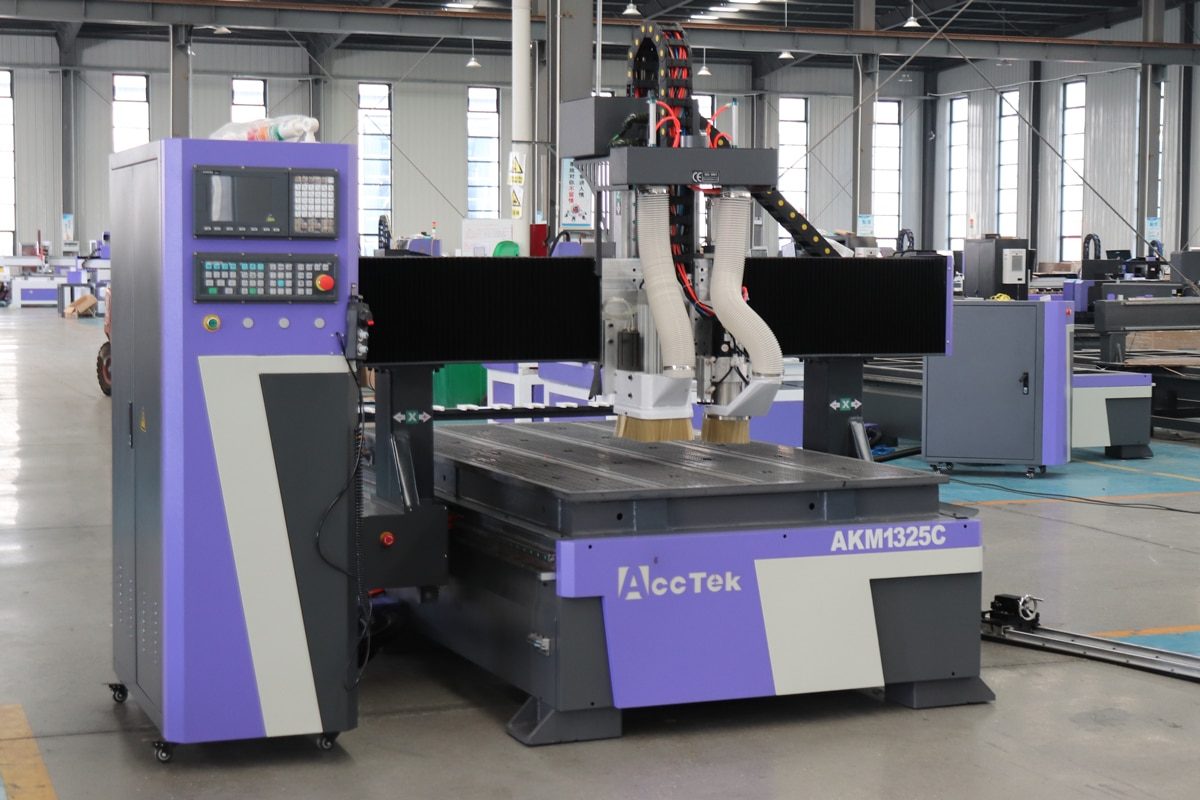
Starting a business with a CNC router offers a practical path for turning creative ideas into marketable products. With the ability to cut, carve, and engrave a wide range of materials, CNC routers are ideal for producing furniture, signage, decor, and custom parts. Whether you’re a hobbyist looking to go professional or an entrepreneur exploring manufacturing opportunities, launching a CNC router business can be both rewarding and profitable.
However, success doesn’t come from owning the machine alone—it comes from smart planning, the right choice, and a clear business strategy. This guide will walk you through everything you need to know to start a CNC router business, from choosing the right machine and identifying a profitable niche to marketing your services and scaling your operation. This article will help you lay a strong foundation for long-term success.
Understanding CNC Router Capabilities
Before starting a business with a CNC router, it’s essential to understand what the machine can do and how its capabilities align with your goals. A solid grasp of the fundamentals will help you choose the right equipment, plan your offerings, and avoid costly mistakes in the early stages.
What Is a CNC Router?
A CNC router is an automated cutting machine that uses computer-controlled movements to carve, cut, drill, or engrave materials with high precision. Unlike manual tools, a CNC router follows digital design files to execute complex shapes and patterns accurately and consistently. The machine operates along multiple axes, allowing it to move a spindle-mounted cutting tool in three dimensions. This makes CNC routers ideal for both 2D and 3D machining tasks.
Types of CNC Routers
CNC routers come in various configurations, each designed to meet different production needs and complexity levels. Understanding the differences can help you choose the right machine for your business goals. Below are the most common types:
- 3-Axis CNC Router: This is the most basic and widely used type of CNC router. It moves the cutting tool along three axes—X (left to right), Y (front to back), and Z (up and down). Ideal for cutting, engraving, and drilling flat materials.
- 4-Axis and 5-Axis CNC Routers: Advanced machines that allow for rotation and multi-directional cutting, perfect for creating intricate, curved furniture designs. They offer even more flexibility for detailed and multi-angle machining. However, they come with a higher cost and steeper learning curve.
- Rotary-Axis CNC Router: In addition to the standard X, Y, and Z movements, it includes an A-axis (rotational movement). This allows the machine to rotate the workpiece, making it possible to carve cylindrical or complex shapes. It’s ideal for creating table legs, statues, and other rounded or spiraled components.
- ATC CNC Router: It is equipped with a tool magazine that allows the machine to automatically change tools during the machining process. This drastically reduces downtime and increases production efficiency, especially for jobs that require multiple bit types. ATC systems are commonly used in high-volume production and complex projects.
Materials That Can Be Processed
CNC routers are versatile machines capable of cutting, carving, and engraving a wide range of materials. This versatility allows you to serve multiple markets and create a diverse range of products. Below are the most common categories:
- Wood: hardwood, softwood, MDF, plywood
- Plastics: acrylic, polycarbonate, PVC (with caution)
- Metals: aluminum, brass (with appropriate tools and settings)
- Foam, composites, and more, depending on spindle power and tooling
Understanding the full capabilities of a CNC router is the first step toward building a successful business. With the right knowledge of machine types and supported materials, you can confidently move forward in selecting equipment and defining your niche.
Identifying Your Niche
Choosing the right niche is one of the most important steps when starting a CNC router business. A well-defined niche helps you focus your resources, target the right customers, and stand out in a competitive market.
Market Research: Identify What People Want
Start by analyzing real market demand. Use online marketplaces like Etsy and Amazon to see which CNC-made products are trending. Pay attention to:
- Product categories with high sales and positive reviews
- Price ranges that customers are willing to pay and customization trends
- Materials used and production complexity
Also, explore local demand by visiting craft fairs, speaking with small business owners, and surveying potential customers. This helps you understand what people are buying, what gaps exist, and what products could be improved or localized. The goal is to find a niche where your skills and equipment can meet a clear, profitable need.
Example Niches to Explore
Once you’ve identified demand, narrow it down by exploring specific product categories. Popular CNC router niches include:
- Custom Furniture and Cabinetry: Design and manufacture personalized tables, chairs, shelving units, doors, and cabinets. CNC routers are ideal for custom home projects or boutique furniture businesses.
- Signage and Branding Products: Create indoor and outdoor signs for businesses, events, and personal use. This includes carved wooden signs, acrylic logo cutouts, backlit signs, and engraved nameplates.
- Personalized Gifts and Home Décor: Offer engraved name plaques, family signs, wall art, and monogrammed items. These products are popular for weddings, holidays, housewarmings, and online gift marketplaces like Etsy.
- Architectural and Interior Design Elements: Produce decorative wall panels, ceiling tiles, and room dividers with intricate patterns. Interior designers often look for custom design features to enhance modern and traditional spaces.
- Educational Toys and Games: Design wooden puzzles, learning boards, and alphabet sets. These products are popular with parents and educators looking for durable and educational materials.
Choose a niche that aligns with your production capabilities and interests, and ensure there’s enough demand in your target market.
B2B vs. B2C: Who Will You Sell To?
Deciding whether to focus on business-to-business (B2B) or business-to-consumer (B2C) will shape your pricing, marketing, and production strategy.
- B2B customers (e.g., interior designers, signage companies, furniture brands) tend to order in larger volumes and expect consistency, fast turnaround, and technical reliability. This model can lead to stable, long-term contracts but may require higher upfront investment in quality and efficiency.
- B2C customers (e.g., homeowners, gift buyers, online shoppers) typically seek unique, customized products. This market rewards creativity and personal connection, and it’s easier to enter with smaller equipment and marketing budgets.
Choose the model that aligns best with your production capacity, customer service capabilities, and long-term business vision.
By carefully identifying your niche, you can target a specific audience, reduce wasted effort, and build a strong reputation for quality and reliability. Focus on what you do best, assess market potential, and start small—then refine your offering as your CNC business grows.
Choosing the Right CNC Router
The type of CNC router you choose will directly impact the materials you can work with, the complexity of your designs, your production speed, and ultimately, your profitability. To make an informed decision, consider the following key factors:
Key Factors to Consider
When evaluating CNC routers, focus on the following core aspects:
- Worktable Size and Material Compatibility: The size of the CNC router’s worktable determines the maximum dimensions of the material you can process. Smaller machines are suitable for signage and small custom pieces. Larger machines are better for full-size furniture and cabinetry. Also, ensure the machine supports the materials you plan to work with, such as wood, acrylic, aluminum, foam, or composites.
- Spindle Power and Speed: The spindle is the motor that drives the cutting tool, affecting cutting speed and material compatibility. 1.5–2.2kW spindles are sufficient for light materials and hobby-level production. 3–6kW spindles are ideal for woodworking, plastic, and occasional aluminum cutting. 9kW and higher allow smoother cuts and shorter cycle times for industrial applications.
- Software Compatibility and Ease of Use: Ensure the machine works with accessible, reliable design and CAM software like VCarve, Fusion 360, or Aspire. Look for systems with user-friendly interfaces and strong community support, especially if you are new to CNC operations.
- Automation Features: If you plan to handle multiple tool changes in a single project or produce in high volumes, an ATC (Automatic Tool Changer) can save significant time. Other automation features, such as vacuum tables, dust collection systems, and servo-driven axes, can enhance precision and reduce manual effort.
Budget and Expansion Potential
Your budget should cover not only the machine but also tooling, software, setup, and initial materials. When starting a CNC router business, it’s important to align your machine purchase with both your immediate needs and long-term goals.
- Entry-Level CNC Routers: Typically priced between $2,000 and $4,000, they are ideal for hobbyists or small startups focusing on lightweight tasks such as custom signage, gifts, and small décor items. These machines often come with smaller worktables, lower spindle power (1.5–2.2kW), and stepper motors. While they offer a low barrier to entry, they may be limited in speed, material compatibility, and production volume.
- Industrial-Grade CNC Routers: The range from $20,000 to over $50,000, are built for high-volume, high-precision production. These machines feature large worktables (e.g., 1300×2500mm or more), powerful spindles (3–9kW), servo motors, automatic tool changers (ATC), and advanced motion control systems. They are suitable for furniture manufacturing, cabinetry, and industrial prototyping, offering superior efficiency, accuracy, and scalability.
- Mid-Range CNC Routers: The ones priced between $4,000 and $20,000 provide a balance of capability and cost, making them a strong option for growing small businesses that need more power and size but are not yet ready for full industrial automation.
Choose a machine that meets your current needs but also has room to grow with your business.
Choosing the right CNC router requires balancing performance, ease of use, and budget. Think carefully about what you want to make, how often you’ll be producing, and what level of precision and efficiency you need. A well-matched machine will not only improve your workflow but also set the foundation for long-term success.
Business Planning and Costs
A solid business plan and a clear understanding of startup and operational costs are beneficial for launching a successful CNC router business. By carefully estimating expenses, setting pricing strategies, and projecting profitability, you can build a financially sustainable operation and avoid common pitfalls.
Startup Costs
Your initial investment will vary depending on the scale of your business, but key startup costs typically include:
- CNC Router Machine: $2,000–$50,000+, depending on size, spindle power, and features (e.g., ATC, servo motors)
- Tooling and Accessories: End mills, bits, clamps, collets, and a dust collection system
- Software Licenses: CAD/CAM software like VCarve, Fusion 360, or Aspire
- Workspace Setup: Rent or renovation costs, electrical upgrades, ventilation, and workbenches
- Material Inventory: Wood, acrylic, aluminum, foam, and other materials for your target products
- Business Registration and Legal Fees: Business license, insurance, accounting setup
These costs can range from $5,000 to $30,000+ for a small to medium-sized operation.
Recurring Operating Costs
Once you’re up and running, you’ll need to cover monthly and ongoing expenses such as:
- Electricity: CNC routers and dust collectors can be power-intensive
- Tool Wear and Replacement: Cutting tools and bits wear out and must be replaced regularly
- Software Subscriptions and Updates
- Material Restocking: Keeping enough inventory to meet demand
- Maintenance and Repairs: Preventive maintenance helps reduce costly breakdowns
- Labor and Marketing: If you hire staff or advertise online
Effective budgeting ensures you maintain cash flow and avoid production interruptions.
Pricing Your Products and Services
To set profitable prices, factor in:
- Material and labor costs per unit
- Machine operating time and energy consumption
- Design and setup time for custom work
- Market pricing trends and customer willingness to pay
Don’t race to the bottom on price, emphasize quality, customization, and turnaround speed as value drivers.
Break-Even Point and ROI
Calculate how many units or service hours you need to sell to cover your initial investment. A simple formula is:
Break-even point = Total startup cost ÷ (Average profit per unit)
This helps you set sales targets and understand how long it will take to become profitable. For most small-scale CNC businesses, the break-even point can be reached within 6 to 18 months with steady sales.
Proper business planning and cost analysis are key to turning your CNC router into a profitable venture. By understanding your financial commitments upfront, managing ongoing expenses, and pricing strategically, you can build a stable foundation for growth and long-term success.
Marketing Your CNC Router Business
Once your CNC router business is set up, the next critical step is attracting customers. Effective marketing helps you build brand awareness, generate leads, and establish a steady flow of orders. Whether you’re targeting consumers (B2C) or businesses (B2B), a well-rounded marketing strategy should combine online presence, local outreach, and portfolio building. Here’s how to get started:
Build a Professional Online Presence
Your website is your digital storefront—make it count.
- Create a clean, mobile-friendly website showcasing your products, services, and contact information.
- Add a product gallery with high-quality photos and descriptions.
- Include customer testimonials and pricing estimates if possible.
- Enable online orders or quote requests through forms or integrated e-commerce tools.
Leverage Social Media Marketing
Use social platforms to connect with your audience and showcase your work.
- Post on Instagram, Facebook, Pinterest, and TikTok—visual platforms are ideal for CNC projects.
- Share process flows, product videos, and before-and-after shots.
- Use relevant hashtags like #customwoodwork, #CNCsigns, or #lasercutdecor to expand reach.
- Run promotions or giveaways to increase engagement and followers.
Sell on Online Marketplaces
Reach ready-to-buy customers through platforms like:
- Etsy: It is a platform for handmade, custom, and creative goods—perfect for CNC products like personalized signs, home décor, engraved gifts, and wooden toys.
- Amazon Handmade: It is ideal for scaling a CNC product line while leveraging Amazon’s global fulfillment and customer trust.
- eBay: It works well for both standard products and custom orders, particularly if you want to target a broader or international audience.
- Alibaba: Selling on Alibaba opens up vast opportunities for reaching international B2B customers and growing your CNC router business.
Promote Locally
Don’t overlook your local market.
- Visit businesses, interior designers, or event planners who may need signage, décor, or branding items.
- Join craft fairs, trade shows, and farmers’markets to showcase your work and build customer relationships.
- Leave samples or flyers in community centers, coffee shops, and co-working spaces.
- Network through local business groups or chambers of commerce.
Develop a Strong Portfolio
Prospective customers want to see what you can do. Your portfolio builds trust and demonstrates your capabilities clearly and visually.
- Document each project with before-and-after photos, project specs, and customer reviews.
- Create case studies for complex or high-value jobs.
- Keep both physical and digital versions of your portfolio for presentations and client meetings.
Use Paid Advertising (Optional)
If your budget allows, consider:
- Google Ads for keyword-based targeting (e.g., “custom wood signs near me”)
- Facebook/Instagram Ads for promoting specific products to targeted audiences
- Retargeting campaigns to remind visitors who didn’t convert
Marketing your CNC router business requires a multi-channel approach that builds visibility and trust. Combine online efforts with local outreach and showcase your expertise through a strong portfolio. By staying active, engaging with your audience, and consistently promoting your work, you’ll generate leads and grow your customer base.
Scaling Up and Diversifying
Once your CNC router business is running smoothly and generating consistent income, the next step is to scale up and diversify. This not only boosts your revenue potential but also helps reduce risk by expanding your customer base, offerings, and capabilities. Here’s how you can approach growth strategically:
Increase Production Capacity
As demand grows, upgrading your equipment or workspace becomes necessary.
- Invest in additional or larger CNC routers to handle more orders simultaneously.
- Add automation features like Automatic Tool Changers (ATC), vacuum beds, or material loaders to increase efficiency.
- Hire skilled operators or designers to manage the workload and maintain quality.
- Improve workflow layout to minimize material handling time and maximize throughput.
Scaling production allows you to fulfill more orders and reduce lead times, which is a key advantage for attracting larger clients.
Expand Your Product Line
Offering a wider variety of products can help you serve new markets and increase average order value.
- If you started with signs, add related items like wall décor, business plaques, or branded displays.
- Move into new material categories such as acrylic, foam, or aluminum for industrial parts or packaging prototypes.
- Add value-added services like painting, staining, UV printing, or assembly.
This strategy helps keep current customers engaged while reaching new buyers with different needs.
Explore New Market Segments
Look beyond your initial target audience to discover new opportunities:
- Shift from B2C to B2B, offering wholesale pricing, white-label manufacturing, or contract services.
- Sell to corporate clients needing branding materials, trade show booths, or custom installations.
- Target industries like education, hospitality, or real estate with products tailored to their environments.
Adapting your offerings for new verticals can provide more stable and recurring income.
Build Strategic Partnerships
Collaborating with other businesses can help you grow faster with less risk:
- Work with interior designers, sign companies, or furniture stores as a supplier.
- Partner with online retailers or influencers to promote and distribute your products.
- Join co-manufacturing networks to share equipment, materials, or contracts.
These partnerships can help you reach broader audiences and access larger orders without doing everything in-house.
Establish Your Own Brand or Storefront
As your reputation grows, consider launching your own brand:
- Create a branded product line and sell via your website, Shopify, or Amazon.
- Use packaging, logos, and consistent design language to build brand recognition.
- Leverage customer reviews and social proof to build trust.
Branding allows you to charge premium prices and build long-term customer loyalty.
Scaling up and diversifying your CNC router business is about working smarter, not just harder. By increasing production, expanding product lines, entering new markets, and building strategic relationships, you can grow beyond the limitations of a one-person operation and turn your business into a robust, multi-channel enterprise.
Summarize
Starting a business with a CNC router is a rewarding journey that blends creativity with precision manufacturing. Whether you’re creating personalized gifts, custom furniture, signage, or industrial prototypes, a CNC router offers the flexibility to serve diverse markets. With thoughtful planning, smart investment, and a willingness to adapt and grow, you can turn your CNC router into a powerful tool for sustainable business growth and long-term profitability. To find the right machine for you, read “Reviewing a CNC Router: Key Questions to Ask the Manufacturer” for more advice.
If you’re looking to start or grow your CNC router business, AccTek CNC is a trusted partner worth considering. As a professional CNC router manufacturer in China, we offer a wide range of machines tailored to different business needs, from entry-level models for custom signage and décor to advanced ATC CNC routers for high-volume furniture and industrial production. With comprehensive support, customizable configurations, and competitive pricing, AccTek CNC provides the tools and expertise you need to build a successful CNC router business from the ground up.