

- 20-30 Min Read
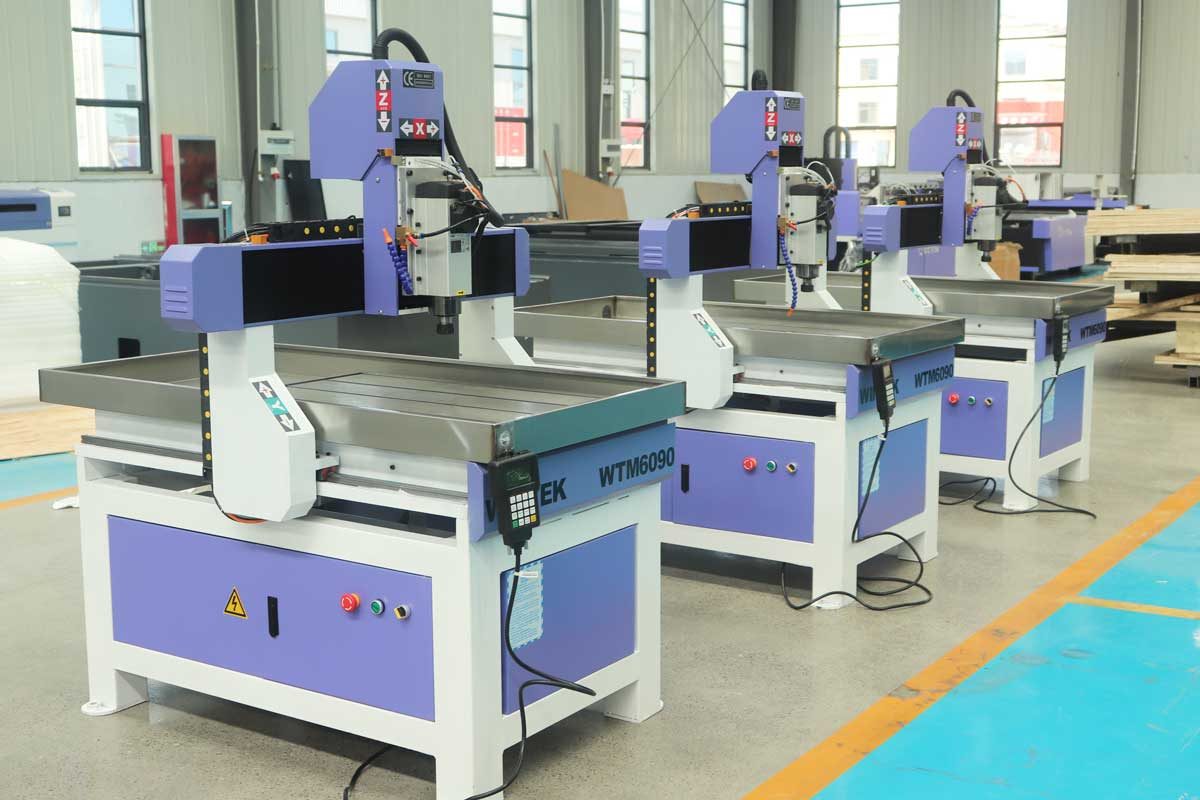
Small CNC routers have become powerful tools for small businesses seeking to improve efficiency and expand production capabilities. Once considered equipment primarily for large-scale factories, CNC routing technology is now more accessible and affordable than ever, allowing startups, workshops, and growing companies to automate cutting, engraving, carving, and fabrication processes with remarkable precision. From woodworking and sign making to plastics and light metal processing, small CNC routers enable businesses to produce high-quality products faster, reduce manual labor, and offer customized solutions that meet modern customer demands.
However, purchasing a CNC router alone does not automatically guarantee profitability. To truly maximize return on investment (ROI), small businesses must carefully evaluate machine selection, workflow optimization, material utilization, tooling strategies, maintenance practices, and operator training. Even compact CNC systems can generate substantial financial returns when integrated effectively into daily production operations. This article explores practical strategies that help small businesses increase productivity, minimize operating costs, reduce waste, and unlock new revenue opportunities through the smart use of small CNC routers.
Understanding ROI in CNC Router Investments
Understanding return on investment (ROI) is the first step when evaluating a CNC router purchase, especially for small businesses with limited budgets and high efficiency demands. ROI goes beyond the initial purchase price and reflects how effectively a machine contributes to profitability, productivity, and long-term operational performance. By analyzing both costs and benefits in a structured way, businesses can make informed decisions that ensure their CNC router becomes a value-generating asset rather than just an equipment expense.
What ROI Means for Small Businesses
For small businesses, return on investment (ROI) in a CNC router is not limited to the amount of revenue generated after purchasing the machine. ROI also reflects how effectively the equipment improves overall business operations, increases efficiency, reduces production costs, and supports long-term growth.
- Financial Return Versus Operational Efficiency: ROI for small businesses includes both financial gains and operational improvements. A CNC router can increase profits through higher productivity and lower labor costs while also improving workflow efficiency, precision, and production consistency.
- Short-Term and Long-Term Profitability: Small CNC routers can deliver short-term benefits through faster production and reduced operating costs, while long-term profitability comes from business growth, expanded capabilities, and improved customer satisfaction over time.
- Measuring Production Value and Cost Savings: Measuring ROI involves tracking both increased production value and operational savings. Factors such as higher output, reduced waste, lower labor costs, and improved efficiency help businesses evaluate the true value of their CNC router investment.
Key Factors That Influence ROI
The return on investment of a small CNC router depends on several financial and operational factors that affect overall productivity and profitability. Understanding how these factors influence performance helps small businesses make smarter investment decisions and maximize the long-term value of their CNC equipment.
- Initial Machine Investment: One of the most important factors affecting ROI. Small businesses must consider not only the purchase price of the CNC router but also additional costs such as software, tooling, installation, and training. Choosing a machine that matches production needs without overspending helps maximize long-term value.
- Operating Costs: Directly impact overall profitability and include expenses such as electricity consumption, tooling replacement, software updates, and daily machine operation. Lower operating costs allow businesses to maintain healthier profit margins and recover their investment more quickly.
- Production Speed: Faster machining allows businesses to complete more orders in less time. Efficient CNC routers reduce production cycles, improve workflow efficiency, and increase overall output capacity without sacrificing accuracy.
- Material Utilization: Efficient material utilization helps reduce waste and lower production expenses. CNC routers with precise cutting capabilities and optimized nesting software allow businesses to maximize raw material usage, improving cost efficiency and overall profitability.
- Labor Efficiency: CNC routers improve labor efficiency by automating repetitive and time-consuming tasks. This reduces manual labor requirements, minimizes human error, and allows operators to manage production more effectively, leading to higher productivity and lower labor costs.
- Maintenance Expenses: Influence both machine performance and long-term operating costs. Regular preventive maintenance helps avoid costly repairs and unexpected downtime, ensuring the CNC router continues operating efficiently and maintains a strong return on investment.
- Product Quality and Consistency: CNC routers provide precise and repeatable machining results, helping businesses reduce defects, minimize rework, and maintain a professional reputation in competitive markets.
Why Small CNC Routers Can Deliver High ROI
Small CNC routers offer a strong return on investment because they combine affordability with efficiency and versatility. For small businesses, they provide an accessible entry point into automated manufacturing while still delivering meaningful gains in productivity, cost control, and production flexibility.
- Lower Upfront Investment: Small CNC routers require a significantly lower initial investment compared to large industrial machines, making them more accessible for startups and small businesses. This reduced entry cost allows companies to begin production automation sooner while minimizing financial risk and improving ROI potential.
- Reduced Space Requirements: Their compact size makes small CNC routers ideal for workshops with limited floor space. Lower space requirements reduce facility costs and allow businesses to optimize layout efficiency, often eliminating the need for expensive factory expansion.
- Lower Power Consumption: Small CNC routers typically consume less electricity than larger systems, helping businesses reduce ongoing operating expenses. Lower energy usage contributes directly to cost savings, especially in high-volume production environments.
- Easier Operation and Training: These machines are generally easier to learn and operate, which reduces training time and labor costs. Faster operator onboarding also minimizes production delays and allows businesses to become productive more quickly.
- Flexibility for Diverse Applications: Small CNC routers are highly versatile and can handle a wide range of materials and applications, from woodworking and signage to prototyping and engraving. This flexibility enables businesses to diversify their services and increase revenue streams, strengthening overall ROI.
A clear understanding of ROI helps small businesses evaluate the true impact of a CNC router investment from multiple perspectives, including financial returns, operational efficiency, and long-term growth potential. By considering both immediate gains and ongoing benefits such as improved productivity, reduced waste, and lower labor costs, businesses can better assess the real value of their equipment. Ultimately, a well-planned CNC investment not only supports cost recovery but also strengthens competitiveness and sustainable profitability over time.
Choosing the Right Small CNC Router
Selecting the right small CNC router is a critical step in maximizing return on investment and ensuring long-term production success. The ideal machine should align closely with a business’s specific needs, including material types, production volume, required precision, and future growth plans. Since different models offer varying levels of power, speed, and functionality, making a well-informed choice helps avoid both overinvestment and underperformance. A carefully selected CNC router not only improves efficiency and product quality but also lays a strong foundation for scalable and profitable manufacturing operations.
Defining Business Needs
This step ensures that the investment aligns with real production goals rather than assumptions, helping avoid both over-specification and underperformance.
- Production Volume: It determines the machine’s required speed, durability, and level of automation. Businesses with higher output demands need a CNC router capable of continuous operation and efficient batch processing, while lower-volume users may prioritize flexibility and cost efficiency.
- Types of Materials: They directly influence machine configuration. Wood, plastics, acrylic, and soft metals each require different spindle power, cutting tools, and machine rigidity. Choosing a CNC router that matches material requirements ensures stable performance and reduces tool wear and production issues.
- Product Dimensions: Product size determines the required working area of the CNC router. Larger materials or oversized components need a bigger cutting bed, while smaller products can be produced efficiently on compact machines.
- Required Precision: Different applications demand different levels of accuracy. Industries such as signage, furniture detailing, and prototyping often require high precision to ensure product quality and consistency. A CNC router must provide stable repeatability and fine control to meet these expectations.
- Future Scalability: Businesses should evaluate whether the CNC router can support increased production, additional features, or upgraded components. A scalable solution helps avoid early replacement costs and supports long-term business expansion.
Selecting the Appropriate Machine Configuration
After defining business needs, the next step is choosing a CNC router configuration that can effectively support those requirements in daily production.
- Working Area Considerations: The working area determines the maximum size of material a CNC router can process. Choosing the right bed size ensures efficient production without wasting space or limiting project capability. Businesses should match the working area to their typical product dimensions and potential future demand.
- Spindle Power Selection: Spindle power affects cutting performance, speed, and material compatibility. Higher spindle power is better suited for dense materials or heavy-duty machining, while lower power may be sufficient for lighter materials and smaller-scale production.
- Auto Tool Changer Options: The ATC system improves workflow efficiency by allowing automatic switching between different cutting tools. This reduces downtime, increases production speed, and is especially beneficial for complex jobs that require multiple tools in a single process.
- Vacuum Table vs. Clamp Systems: Vacuum tables provide fast setup and strong material holding for sheet processing, while clamp systems offer flexibility for irregular or small workpieces. The right choice depends on production type and material handling needs.
- Dust Collection Compatibility: A compatible dust extraction system helps improve cutting quality, reduce maintenance needs, and ensure safer and more efficient operation.
Evaluating Software Compatibility
Evaluating software compatibility helps ensure smooth design-to-production workflows, easier programming, and better automation support, all of which directly contribute to productivity and ROI.
- CAD/CAM Software Integration: This determines how smoothly design files are converted into machining instructions. Strong compatibility between software and CNC controller ensures accurate toolpaths, reduces errors, and improves overall production efficiency.
- Ease of Programming: This affects how quickly operators can set up and run jobs. User-friendly interfaces and simplified toolpath creation reduce training time, minimize mistakes, and help small businesses achieve faster production turnaround.
- Automation Features: Such as automatic nesting, toolpath optimization, and job scheduling, improve productivity by reducing manual input. These functions help streamline workflows and allow operators to focus on higher-value tasks.
- File Compatibility: This ensures the CNC router can work with common design formats used in the industry. Broad support for file types like DXF, DWG, and G-code improves flexibility and allows seamless collaboration between different design and production systems.
Balancing Cost and Performance
A well-balanced decision ensures that the CNC router is powerful enough to meet production demands without unnecessary overspending on unused capabilities.
- Avoiding Overinvestment: Overinvestment occurs when a business purchases a CNC router with capabilities that exceed its actual production needs. While high-end machines may offer advanced features, they can unnecessarily increase upfront costs and reduce overall ROI if those features are not fully utilized.
- Avoiding Underpowered Machines: Selecting a machine that is underpowered or underspecified can limit production capacity and lead to inefficiencies such as slower processing speeds, frequent breakdowns, or poor machining quality. This can ultimately increase operating costs and reduce competitiveness.
- Assessing Long-Term Value Instead of Purchase Price Alone: Focusing only on the initial purchase price can be misleading when evaluating CNC routers. A lower-cost machine may result in higher maintenance expenses, reduced productivity, or shorter lifespan, while a slightly more expensive but reliable system may deliver better long-term returns.
Selecting the right small CNC router requires a balanced assessment of performance, functionality, and cost in relation to real business needs. By considering factors such as production demands, material types, machine configuration, and software compatibility, businesses can avoid costly mismatches and maximize operational efficiency. A carefully chosen CNC router becomes a long-term asset that supports stable growth, improved productivity, and sustainable profitability.
Optimizing Workflow Efficiency
Optimizing workflow efficiency helps maximize the performance and profitability of a small CNC router. Even advanced equipment can lose productivity if production processes are disorganized or inefficient. By improving planning, reducing setup time, streamlining material handling, and integrating CNC operations effectively, small businesses can increase output, reduce downtime, and create a more efficient manufacturing environment that supports stronger ROI.
Improving Production Planning
Effective production planning is the foundation of a productive CNC workflow. By carefully organizing jobs, grouping similar tasks, and minimizing machine downtime, businesses can make the most of their CNC router’s capabilities.
- Organizing Jobs Efficiently: This ensures that the CNC router runs continuously with minimal delays. Prioritizing tasks based on deadlines, material availability, and complexity helps create a smooth workflow, reduces setup errors, and allows operators to manage production more effectively.
- Batch Processing Strategies: Batch processing groups similar jobs together to maximize machine efficiency and reduce setup time. By processing multiple pieces in a single run, businesses can save time on tool changes, material handling, and programming adjustments, increasing overall throughput.
- Reducing Machine Idle Time: Idle machines do not generate value, so planning operations to keep the CNC router consistently active—through overlapping setups, pre-prepared materials, or automated scheduling—helps maximize production capacity and profitability.
Reducing Setup Time
Faster and more organized setups allow machines to spend more time cutting and less time idling, directly increasing productivity and ROI. By implementing strategies, businesses can streamline operations and reduce the time required to switch between jobs.
- Tool Presetting: This involves preparing and measuring cutting tools before starting production. This reduces downtime caused by manual adjustments, ensures consistent cutting performance, and allows operators to focus on machining rather than tool changes.
- Material Preparation: Proper material preparation—cutting stock to size, labeling, and organizing materials—prevents delays during production. Ready-to-use materials help maintain a smooth workflow and reduce interruptions that can slow down machine operations.
- Fixture Standardization: Using standardized fixtures and clamping setups simplifies the positioning and securing of workpieces. Consistent fixturing reduces setup errors, saves time when switching between jobs, and ensures repeatable machining accuracy across multiple pieces.
- Quick-Change Tooling Systems: Quick-change tooling systems allow operators to swap tools rapidly without extensive realignment. These systems further reduce downtime, enable faster transitions between different operations, and enhance overall machine utilization.
Streamlining Material Handling
When materials are well organized, clearly identified, and used efficiently, businesses can reduce delays, prevent mistakes, and improve overall machine utilization. Strong material management practices also help minimize waste and support more cost-effective production.
- Efficient Storage Systems: These ensure that raw materials and finished parts are organized and easily accessible. Proper shelving, stacking, or rack systems reduce time spent searching for materials and help maintain a clean, orderly workspace that supports faster production flow.
- Proper Material Labeling: Clear and consistent labeling helps CNC router operators quickly identify material type, size, and job assignment. This reduces the risk of errors, prevents mix-ups between projects, and ensures that the correct materials are used at the right stage of production.
- Waste Reduction Practices: These focus on maximizing material usage and minimizing scrap. Techniques such as optimized cutting layouts, careful planning, and reuse of offcuts help lower material costs and improve overall production efficiency.
Integrating CNC Routers into Existing Operations
Successfully integrating a CNC router into existing production processes helps businesses improve efficiency, reduce bottlenecks, and create a more connected workflow. When the CNC router works seamlessly with other equipment and operational systems, businesses can increase productivity and maintain smoother day-to-day manufacturing operations.
- Coordinating With Other Machinery: Coordinating the CNC router with other machines such as saws, edge banders, laser cutters, or finishing equipment helps create a continuous production flow. Proper coordination reduces delays between processes and improves overall manufacturing efficiency.
- Workflow Automation Opportunities: Automation opportunities can further streamline operations by reducing manual handling and repetitive tasks. Features such as automated material loading, tool changing, or digital job management systems help increase consistency, reduce labor requirements, and improve production speed.
- Production Scheduling Improvements: Effective production scheduling ensures that jobs are processed in the correct order and that machine time is used efficiently. Improved scheduling helps reduce idle time, balance workloads, and maintain faster turnaround times for customer orders.
Efficient workflows enable small businesses to maximize the value of their CNC router investment by improving productivity, reducing delays, and lowering operational costs. Through better production planning, faster setups, organized material handling, and smoother integration with existing operations, businesses can create a more reliable and scalable manufacturing process. In the long run, workflow optimization not only increases efficiency but also strengthens competitiveness and overall profitability.
Maximizing Material Utilization
Efficient material utilization is an important factor in improving profitability and maximizing the return on investment of a small CNC router. Since raw materials often represent a major portion of production costs, reducing waste and using materials more effectively can significantly increase return on investment. By optimizing cutting layouts, selecting appropriate materials, and improving machining accuracy, small businesses can reduce scrap, lower costs, and make better use of available resources while maintaining high production quality.
Nesting Optimization Techniques
Effective nesting techniques help businesses maximize material utilization and minimize waste during CNC machining. By arranging parts efficiently within a material sheet, companies can lower production costs, improve cutting efficiency, and increase overall profitability. Proper nesting strategies are especially valuable for small businesses working with expensive materials or high-volume production.
- Efficient Sheet Layout Planning: This focuses on arranging parts in a way that uses the largest possible percentage of the material surface while maintaining proper spacing for cutting accuracy and tool movement. Careful layout planning helps businesses produce more components from a single sheet, reducing raw material consumption and lowering overall production costs.
- Reducing Scrap and Offcuts: Scrap is created when unused material sections become too small or irregular for future use, while offcuts are leftover pieces remaining after cutting operations. By optimizing part placement and cutting strategies, businesses can significantly reduce these material losses. Reusing usable offcuts for smaller projects, test cuts, or secondary components can further improve material efficiency.
- Software-Based Nesting Tools: They automate and optimize the layout process using advanced algorithms that calculate the most efficient arrangement of parts on a material sheet. These systems analyze variables such as part size, shape, spacing, material dimensions, and cutting priorities to generate highly efficient layouts that would be difficult and time-consuming to create manually.
Choosing Cost-Effective Materials
Cost-effective material selection is not simply about choosing the cheapest option; it involves finding materials that provide the best balance between performance, durability, appearance, and machining efficiency. By carefully evaluating material properties and processing requirements, small businesses can improve profitability while maintaining consistent production standards.
- Balancing Quality and Affordability: Businesses must evaluate factors such as product application, market positioning, and customer requirements to determine the most practical material choice. In many cases, medium-grade materials provide the best overall value by offering reliable performance at a manageable cost. Proper material selection helps businesses maintain profitability while still delivering products that meet quality standards.
- Material Suitability for CNC Processing: Materials with consistent density, stable structure, and predictable cutting behavior are generally easier to process and produce cleaner machining results. Businesses must also consider factors such as cutting speed, heat generation, dust production, and finishing requirements when selecting materials for CNC processing. Choosing materials that are compatible with the machine’s capabilities helps improve production efficiency, reduce waste, and extend tool life.
Reducing Waste Through Precision Machining
Accurate machining processes help businesses maximize material usage, maintain consistent product quality, and avoid costly production errors. By optimizing cutting accuracy, machining parameters, and workflow control, small businesses can lower material waste while improving profitability and operational reliability.
- Accurate Cutting Paths: The CNC router should follow the most precise and efficient route during machining. Well-designed toolpaths reduce unnecessary movements, maintain dimensional accuracy, and minimize the risk of cutting errors that can damage materials or produce defective parts.
- Proper Feed and Speed Settings: If feed and speed settings are too aggressive, they can cause tool breakage, rough edges, burning, or material damage. Settings that are too slow may reduce productivity and increase unnecessary tool wear. Optimized machining parameters help maintain cutting stability, improve surface quality, and reduce wasted materials caused by machining defects.
- Minimizing Rework: Rework occurs when parts must be corrected or remanufactured due to machining errors, poor surface quality, or dimensional inaccuracies. Consistent machine calibration, proper programming, and careful quality control help ensure parts are produced correctly the first time.
Efficient material utilization helps small businesses reduce costs, improve productivity, and maximize the value of their CNC router investment. By implementing effective nesting techniques, selecting suitable materials, and maintaining precise machining operations, businesses can minimize waste while maintaining high product quality. In the long term, strong material management practices contribute not only to greater profitability but also to more sustainable and competitive manufacturing operations.
Increasing Productivity Through Proper Tooling
Proper tooling is one of the most important factors in improving the productivity and efficiency of a CNC router. The right cutting tools not only improve cutting speed and precision but also reduce machine strain, material waste, and production downtime. By selecting suitable tools, maintaining them correctly, and optimizing machining parameters, small businesses can significantly improve workflow efficiency and maximize the return on their CNC router investment.
Selecting the Right Cutting Tools
Different materials require specific tool designs, cutting geometries, and coatings to ensure clean cuts, longer tool life, and stable operation. Using the right tools helps reduce machining errors, improve productivity, and lower overall production costs.
- Tool Types for Different Materials: Different materials require different cutting tools to achieve optimal machining results. Woodworking applications often use spiral bits, compression bits, or straight cutters, while acrylic and plastics may require polished tools designed to reduce melting and chipping. Soft metals such as aluminum typically need specialized carbide tools capable of handling higher cutting loads and heat generation. Selecting tools specifically designed for the material being processed improves cutting quality, reduces vibration, and extends tool life.
- Importance of Tool Quality: High-quality cutting tools generally provide better sharpness, stronger wear resistance, and more consistent performance over long production runs. Although premium tools may have a higher upfront cost, they often reduce tool replacement frequency, minimize machining defects, and improve overall production efficiency. Investing in reliable tooling helps businesses maintain stable machining performance and achieve better long-term ROI.
Maintaining Cutting Tools
Well-maintained tools deliver cleaner cuts, improve efficiency, and help prevent unexpected downtime. By adopting structured maintenance practices, small businesses can maintain stable production quality and maximize the return on their CNC router investment.
- Regular Inspection Routines: Regular inspection of cutting tools helps identify early signs of wear, chipping, or damage before they affect machining quality. Checking tools before and after use ensures that only properly functioning tools are used in production, reducing the risk of defects, poor surface finishes, and material waste.
- Sharpening and Replacement Schedules: Establishing clear sharpening and replacement schedules ensures that tools are always operating at optimal performance. Dull tools increase cutting resistance, reduce accuracy, and can damage both the material and the machine. Timely sharpening or replacement maintains consistent quality and improves overall productivity.
- Preventing Tool Breakage: This involves using correct cutting parameters, avoiding excessive feed rates, and ensuring proper machine setup. Proper handling and operation reduce sudden tool failure, minimize downtime, and help avoid costly damage to both tools and workpieces.
Optimizing Cutting Parameters
Feed rate, spindle speed, and depth of cut must be carefully balanced according to material type and tool characteristics. When these parameters are correctly set, businesses can significantly improve productivity while reducing waste, tool wear, and production errors.
- Feed Rates: The speed at which the cutting tool moves through the material during machining. It has a direct impact on cutting efficiency, surface finish, and tool durability. The optimal feed rate depends on factors such as material hardness, tool diameter, spindle speed, and machine rigidity. Properly calibrated feed rates ensure smooth cutting action, stable chip removal, and efficient material processing.
- Spindle Speeds: Different materials require different spindle speeds to achieve optimal results. For example, softer materials like wood or plastic typically require higher spindle speeds for clean cuts, while harder materials like aluminum require more controlled speeds to avoid overheating and tool damage. Proper spindle speed selection ensures efficient cutting, improved precision, and longer tool life.
- Depth of Cut: It directly affects machining efficiency, tool load, and surface quality. A deeper cut increases material removal rate and improves productivity, but also places greater stress on the tool and machine. A shallow cut reduces tool load and improves precision but may increase machining time due to additional passes. The optimal depth of cut depends on machine rigidity, tool strength, and material type. Balancing the depth of cut helps ensure stable machining performance and prevents excessive tool wear or breakage.
- Balancing Speed and Surface Quality: While higher speeds can improve productivity, they may negatively affect surface finish if not properly controlled. Conversely, prioritizing surface quality too heavily can slow down production and reduce overall output. The key is to find an optimal balance where cutting parameters work together to produce smooth finishes without sacrificing efficiency. Achieving this balance ensures consistent product quality, reduced rework, and improved overall manufacturing performance.
Increasing productivity through proper tooling requires a combination of smart tool selection, regular maintenance, and well-optimized machining settings. When tools are correctly matched to materials and properly managed throughout their service life, businesses can significantly reduce downtime, improve cutting accuracy, and extend tool lifespan. Strong tooling practices lead to more efficient production processes and greater long-term profitability for CNC operations.
Reducing Operating and Maintenance Costs
Reducing operating and maintenance costs helps improve the long-term profitability of a CNC router investment. While these machines are designed for efficiency, ongoing expenses such as maintenance, repairs, energy consumption, and downtime can significantly affect overall ROI if not properly managed. By adopting preventive maintenance practices, minimizing unexpected breakdowns, and improving energy efficiency, small businesses can keep operating costs under control while ensuring stable and reliable production.
Preventive Maintenance Practices
Regular maintenance helps ensure stable performance, extends CNC router lifespan, and reduces unexpected downtime that can disrupt production. By following structured maintenance routines, small businesses can maintain consistent machining quality while lowering long-term repair and operating costs.
- Daily Cleaning Routines: Involve removing dust, chips, and debris from the machine bed, rails, spindle area, and surrounding workspace. Keeping the machine clean prevents material buildup that can affect accuracy, damage components, or reduce cutting performance. Regular cleaning also helps operators identify potential issues early, ensuring smoother and safer machine operation.
- Lubrication Schedules: Proper lubrication of moving components such as guide rails, ball screws, and bearings helps maintain smooth machine movement. A consistent lubrication schedule reduces friction, minimizes wear, and helps prevent mechanical failure. Well-lubricated systems operate more efficiently and contribute to longer machine life and improved cutting precision.
- Checking Machine Alignment: Regularly checking machine alignment ensures that all axes move accurately and maintain proper calibration. Misalignment can lead to machining errors, poor product quality, and increased tool wear. Routine alignment checks help maintain precision, improve repeatability, and ensure the CNC router continues to produce consistent results over time.
Minimizing Downtime
Unplanned interruptions can slow output, increase costs, and disrupt delivery schedules. By preparing for potential issues in advance and improving operator responsiveness, small businesses can keep CNC routers running efficiently and avoid unnecessary production losses.
- Spare Parts Management: Effective spare parts management ensures that essential components are readily available when needed. Keeping commonly worn items such as cutting tools, belts, bearings, and fuses in stock helps reduce waiting time during repairs. A well-organized inventory system allows quick replacement of parts, minimizing downtime and maintaining consistent production schedules.
- Troubleshooting Common Issues: Problems such as tool wear, software errors, or calibration drift can often be fixed with basic troubleshooting knowledge. Having clear maintenance guides and trained operators helps ensure that minor issues do not escalate into major production delays.
- Operator Awareness: Well-trained operators who understand machine behavior can detect early warning signs of malfunction, such as unusual noise, vibration, or reduced cutting quality. Increased awareness allows for faster intervention, reducing the risk of serious breakdowns and maintaining smooth workflow operations.
Energy Efficiency Strategies
By using CNC routers more effectively and minimizing unnecessary power consumption, small businesses can lower utility expenses while maintaining strong production performance. Energy-efficient practices also contribute to a more sustainable and cost-effective manufacturing process.
- Optimizing Machine Usage: This involves scheduling production in a way that maximizes active machining time while avoiding unnecessary starts and stops. Running jobs in organized batches and ensuring the machine operates at full capacity when active helps improve efficiency and reduce wasted energy.
- Reducing Idle Operation: Idle operation consumes energy without generating productive output. Turning off or placing machines in low-power modes during downtime helps reduce electricity costs. Proper job planning and workflow coordination can significantly decrease idle periods and improve overall energy efficiency.
- Efficient Dust Collection Systems: Dust collection systems help maintain a clean and safe workspace, but they can also consume significant energy if not managed properly. Using efficient, well-maintained systems with appropriate power settings helps balance cleanliness with energy savings. Proper duct design and scheduled operation further reduce unnecessary energy consumption while maintaining a safe working environment.
Effectively managing operating and maintenance costs allows small businesses to maximize the value of their CNC router while maintaining consistent production performance. Through regular maintenance, efficient machine usage, quick troubleshooting, and energy-saving strategies, companies can reduce unnecessary expenses and avoid costly downtime. In the long run, these practices not only improve financial efficiency but also extend machine lifespan and support sustainable business growth.
Training Operators for Better Performance
Training operators effectively helps achieve consistent performance and efficiency in CNC router operations. Even the most advanced machine cannot reach its full potential without skilled operators who understand both the equipment and the production process. Proper training helps reduce errors, improve productivity, and ensure safe machine operation, ultimately contributing to higher output quality and better return on investment for small businesses.
Importance of Skilled Operators
Even with advanced automation and a high-performance CNC router, the quality of output and production speed largely depend on the operator’s knowledge and experience. Well-trained operators ensure smoother workflows, higher precision, and more consistent results, all of which directly contribute to improved productivity and profitability.
- Impact on Productivity and Quality: Experienced operators can significantly enhance productivity by setting up jobs efficiently, selecting appropriate cutting parameters, and quickly resolving minor issues during production. Their understanding of machine capabilities allows them to optimize workflows and reduce unnecessary downtime. In addition, skilled operators ensure higher product quality by maintaining accurate toolpaths, proper machine calibration, and consistent machining standards, resulting in better surface finishes and fewer defects.
- Reducing Human Error: Human error is one of the most common causes of production delays, material waste, and machining defects. Skilled operators are better equipped to avoid mistakes such as incorrect tool selection, improper setup, or inaccurate programming inputs. Through proper training and experience, they develop the ability to identify potential issues early and respond effectively, minimizing costly errors and improving overall operational reliability.
Developing Effective Training Programs
A comprehensive training approach helps reduce errors, improve productivity, and build operator confidence. By covering fundamental machine skills, software knowledge, and safety practices, businesses can develop a skilled workforce capable of maximizing CNC router performance.
- Machine Operation Basics: These provide operators with the foundational knowledge needed to run a CNC router effectively. This includes understanding machine components, setup procedures, tool installation, and basic troubleshooting. A strong grasp of these fundamentals ensures smooth daily operation and reduces the risk of operational mistakes.
- CAD/CAM Training: This teaches operators how to design parts and generate accurate toolpaths for machining. Proficiency in CAD/CAM software allows operators to translate design ideas into precise machining instructions, optimize cutting strategies, and improve production efficiency. This skill helps reduce programming errors and achieve consistent output quality.
- Safety Procedures: This can ensure operators work in a safe and controlled environment. This includes proper machine handling, use of personal protective equipment, and awareness of potential hazards such as moving parts or airborne dust. Strong safety training helps prevent accidents, protect equipment, and maintain uninterrupted production.
Encouraging Continuous Skill Improvement
As technology, software, and production demands continue to evolve, CNC router operators must continually improve their knowledge and capabilities. Continuous training helps businesses increase efficiency, reduce errors, and fully utilize the capabilities of their CNC routers over time.
- Advanced Machining Techniques: Learning advanced machining techniques allows operators to handle more complex projects with greater precision and efficiency. These techniques may include multi-pass cutting strategies, high-speed machining, and optimized toolpath planning. Mastering advanced methods helps improve surface quality, reduce cycle times, and expand production capabilities.
- Software Updates: Keeping CAD/CAM and machine control software up to date ensures access to the latest features, performance improvements, and bug fixes. Software updates often introduce enhanced automation tools and improved compatibility, which can streamline workflows and increase productivity. Staying current with updates helps businesses maintain efficient and reliable operations.
- Process Optimization Training: Process optimization training focuses on improving overall workflow efficiency, from job planning to final production. Operators learn how to reduce setup time, minimize material waste, and improve machine utilization. By continuously refining production processes, businesses can achieve higher output, lower costs, and better long-term ROI.
Investing in operator training is one of the most effective ways to enhance CNC router performance and long-term business success. Skilled operators improve productivity, maintain consistent quality, and reduce costly mistakes, while ongoing skill development ensures the business keeps pace with evolving technology and production demands. The well-trained operators are a key asset that directly strengthens efficiency, reliability, and profitability.
Expanding Revenue Opportunities
Expanding revenue opportunities is a key way for small businesses to maximize the return on investment of a CNC router. Beyond improving production efficiency, CNC technology opens the door to new business models, diverse product offerings, and broader market access. By leveraging the versatility of CNC machining, businesses can move beyond traditional manufacturing and develop multiple income streams that support long-term growth and stability.
Diversifying Product Offerings
Expanding the range of products a business can produce is one of the most effective ways to increase revenue with a CNC router. By leveraging the machine’s versatility, small businesses can serve different industries, attract new customers, and reduce dependence on a single product line. Diversification also helps stabilize income and improve long-term business resilience.
- Custom Furniture: This production allows businesses to create personalized and made-to-order pieces with high precision and consistency. CNC routers enable detailed cutting, carving, and shaping, making it easier to produce unique designs that meet customer specifications. This segment often offers higher profit margins due to customization and craftsmanship value.
- Sign Making: This is a popular CNC application that includes producing business signage, decorative panels, and branding elements. CNC routers provide clean edges, precise lettering, and repeatable results, making them ideal for both indoor and outdoor signage production. This market offers steady demand from commercial and retail clients.
- Engraving Services: These allow businesses to add detailed designs, logos, and text onto a wide range of materials such as wood, acrylic, and metal. CNC engraving is widely used for awards, plaques, personalized gifts, and industrial labeling. This service adds value to products and opens up opportunities for small-batch, high-margin orders.
- Prototype Production: It involves creating early-stage models for product testing and development. CNC routers are well-suited for rapid prototyping due to their precision and flexibility. This service is especially valuable for designers, engineers, and startups who need fast, accurate physical models before mass production.
Offering Customization Services
Customization services allow small businesses to increase profit margins and stand out in competitive markets by providing tailored solutions that meet specific customer needs. With a CNC router, it becomes easier to produce unique, flexible, and on-demand products efficiently, enabling businesses to shift from mass production to value-added, customer-focused manufacturing.
- Personalized Products: These include items customized with names, logos, patterns, or unique designs. CNC routers make it possible to produce highly detailed and consistent personalization on materials such as wood, acrylic, and plastics. These products often command higher prices due to their uniqueness and emotional or branding value.
- Small-Batch Manufacturing: It focuses on producing limited quantities of customized or niche products. This approach reduces inventory risk while allowing businesses to serve specialized markets. CNC routers are ideal for this model because they can quickly switch between designs with minimal setup time.
- Rapid Turnaround Services: It involves delivering custom products in a short time frame to meet urgent customer demands. CNC automation and efficient workflows enable fast production without sacrificing quality. Offering quick delivery options helps businesses attract time-sensitive clients and increase overall order volume.
Entering New Markets
Expanding into new markets allows small businesses to fully leverage the flexibility of CNC routers and significantly increase revenue potential. By exploring different sales channels and collaboration opportunities, companies can reach a wider customer base, reduce dependence on a single market segment, and create more stable and diversified income streams.
- Online Sales Opportunities: Online platforms provide small businesses with access to a global customer base. CNC routers make it possible to produce customized and small-batch products that are well-suited for e-commerce, such as personalized gifts, home décor, and signage. Selling online helps businesses scale beyond their local market and generate consistent orders from a broader audience.
- Local Manufacturing Partnerships: Forming partnerships with local manufacturers, designers, or workshops can create mutually beneficial production opportunities. CNC businesses can act as subcontractors for specialized machining tasks, helping partners complete projects more efficiently. These collaborations improve machine utilization and provide a steady stream of work.
- Contract Production Services: Contract production involves manufacturing parts or products for other companies under agreement. This can include industrial components, prototypes, or branded products. CNC routers are ideal for this type of work due to their precision and repeatability, allowing businesses to secure long-term contracts and stable revenue sources.
By exploring new markets and diversifying services, small businesses can fully unlock the financial potential of their CNC router investment. Opportunities such as online sales, local partnerships, and contract manufacturing help increase machine utilization and reduce reliance on a single revenue source. In the long run, a strategic approach to market expansion strengthens competitiveness, improves profitability, and supports sustainable business growth.
Summarize
Maximizing ROI with a small CNC router depends on making informed investment choices and continuously improving how the machine is used in daily production. By selecting the right equipment, optimizing workflows, reducing material waste, improving tooling practices, training operators effectively, and managing operating costs, small businesses can significantly enhance productivity and profitability. When combined with efforts to diversify products and expand into new markets, a CNC router becomes more than just a piece of equipment—it becomes a strategic asset that supports efficiency, cost control, and long-term business growth. Continue reading “Best Practices for Operating Industrial CNC Routers Safely and Efficiently” to help you achieve smoother, safer, and more reliable machining performance.
AccTek CNC is a professional manufacturer specializing in the design and production of high-performance CNC routers for a wide range of industrial applications. From woodworking and advertising to prototyping and light metal processing, we offer flexible equipment configurations that help businesses improve productivity and achieve consistent machining quality. In addition to high-quality machinery, AccTek CNC also provides expert technical guidance to help customers select the most suitable machine for their business goals. By working closely with a professional manufacturer, users can receive practical advice on configuration and long-term operational planning. This ensures that each investment is well-aligned with production needs, ultimately helping businesses maximize efficiency, reduce costs, and achieve stronger returns on their CNC router investment.