

- 13-18 Min Read
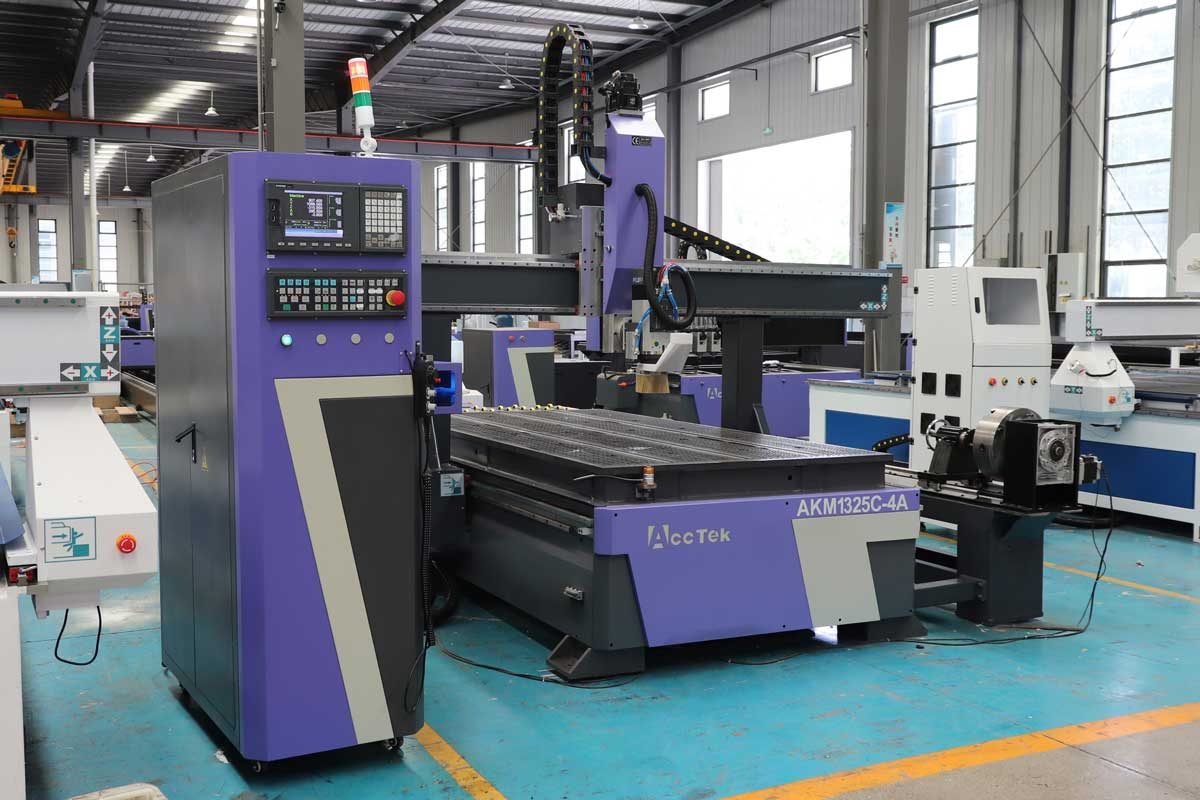
CNC routers have become an essential tool across industries, workshops, and even home studios, thanks to their ability to deliver precise, repeatable cuts on a wide range of materials. From hobbyists crafting personalized projects in their garage to manufacturers running large-scale production lines, the needs of CNC users vary greatly—and so do the machines designed for them. Not all CNC routers are created equal; they are built at different levels to match the budget, skill level, and production requirements of the user.
In this article, we’ll explore the three main levels of CNC routers—entry-level, mid-range, and industrial. By breaking down their features, capabilities, advantages, and limitations, we’ll help you understand how each type fits into the broader landscape of CNC technology. Whether you’re a beginner considering your first machine, a serious maker looking to expand your workshop, or a business owner seeking industrial-grade performance, this guide will give you the clarity needed to choose the CNC router that best aligns with your goals.
Understanding CNC Router Levels
CNC routers come in a wide range of sizes, designs, and capabilities, but at their core, they all perform the same task: cutting, carving, and shaping materials with computer-controlled precision. What separates one machine from another is the level it belongs to—an indication of its power, durability, ease of use, and intended purpose. When we talk about CNC router levels, we generally classify them into three categories: entry-level (home), hobbyist (mid-range), and industrial (professional-grade). Here are the main aspects that separate one level from another:
- Size and Build Quality: The physical dimensions, frame strength, and overall construction determine stability and durability.
- Power and Cutting Capacity: Spindle strength and motor performance influence the types of materials that can be processed and the thickness achievable.
- Software Compatibility: The level of software support, from simple beginner-friendly programs to advanced CAD/CAM integrations, shapes the machine’s usability.
- Cost and Accessibility: Pricing and availability make certain machines more suitable for entry-level users, while others are high-value investments for professionals.
- Intended Applications: Each level is designed with specific uses in mind, ranging from personal projects and prototyping to high-volume industrial production.
Together, these factors form the basis for distinguishing entry-level, hobbyist, and industrial CNC routers, guiding users toward the machine that best matches their skills, budget, and goals. By recognizing these distinctions, you can better evaluate which level of CNC router aligns with your personal or business needs.
Entry-Level/Home CNC Routers
Entry-level CNC routers, often referred to as home CNC routers, are designed for beginners, hobbyists, and small-scale projects. They provide an accessible introduction to CNC technology, allowing users to learn the basics of digital fabrication without a significant financial investment.
Key Features
Entry-level CNC routers are designed to balance affordability, usability, and basic functionality. Key features that define these machines include:
- Compact Size and Lightweight Design: Small footprint suitable for desktops or limited workshop space. Easy to move and store compared to larger machines.
- User-Friendly Software: Simplified control software for beginners. Often compatible with basic CAD/CAM programs for easy design and operation.
- Material Compatibility: Primarily suited for softer materials such as wood, plastics, foam, and thin acrylic. Limited capability with metals or very dense materials.
- Basic Cutting Capability: Limited spindle power and cutting depth, suitable for small or simple projects.
- Learning-Oriented Design: Focused on accessibility and ease of use. Ideal for gaining hands-on experience in CNC operation and digital fabrication.
Advantages
Entry-level CNC routers offer several benefits that make them an ideal choice for beginners and hobbyists:
- Affordability: Lower purchase cost compared to mid-range and industrial machines, making them accessible for personal use and small projects.
- Ease of Use: Simple setup and user-friendly software allow beginners to quickly start creating projects without extensive training.
- Compact and Space-Saving: Small footprint makes them suitable for home workshops, garages, or limited workspaces.
- Learning Opportunity: Provides hands-on experience with CNC operation, design software, and machining techniques, preparing users for more advanced machines in the future.
- Flexibility for Small Projects: Ideal for custom crafts, hobby projects, and prototyping on softer materials like wood, plastic, and foam.
Limitations
While entry-level CNC routers are accessible and beginner-friendly, they do come with certain limitations that users should be aware of:
- Limited Cutting Power: Lower spindle power restricts the thickness and type of materials that can be cut effectively.
- Reduced Precision: May not achieve the high accuracy or tight tolerances required for complex or detailed projects.
- Durability Constraints: Not designed for heavy, continuous use; components may wear out faster under frequent or prolonged operation.
- Limited Advanced Features: Typically lack multi-axis capabilities, automated tool changers, or integration with advanced CAD/CAM software.
- Restricted Production Capacity: Best suited for small, personal projects rather than large-scale or industrial-level production.
While entry-level CNC routers have limitations in power, precision, and durability, they offer significant advantages for those starting their CNC journey. Their affordability, ease of use, and suitability for small-scale projects make them an excellent choice for learning, experimentation, and hobbyist applications. Home CNC routers provide hands-on experience while helping users understand the fundamental principles of design, cutting, and machining, preparing them for more advanced machines in the future.
Mid-Range CNC Routers
Mid-range CNC routers are designed for users who have gained some experience with entry-level machines and want more power, precision, and versatility. These machines strike a balance between affordability and performance, making them ideal for serious makers, small business owners, and workshop enthusiasts.
Key Features
Mid-range CNC routers offer enhanced capabilities compared to entry-level machines, making them suitable for more complex projects and small-scale production. Their key features include:
- Moderate Size and Sturdy Construction: Larger footprint and stronger frame for improved stability and reduced vibration, suitable for a dedicated workshop or small business space.
- Enhanced Cutting Power: Capable of handling hardwoods, plastics, and light metals, with deeper cuts and higher spindle power.
- Improved Precision and Speed: Better accuracy and faster operation for more complex designs and more consistent results.
- Advanced Software Compatibility: Supports professional CAD/CAM programs, allows more intricate toolpaths and multi-step operations.
- Versatile Applications: Suitable for prototyping, small-batch production, and advanced hobby projects. Can handle a wider variety of materials and project types than entry-level machines.
Advantages
Mid-range CNC routers offer several benefits that make them a strong choice for serious makers and small-scale businesses:
- Balanced Performance and Cost: Provides more power, precision, and capabilities than entry-level machines without reaching the high cost of industrial routers.
- Greater Material Flexibility: Can handle hardwoods, plastics, light metals, and composites, allowing for a wider range of projects.
- Improved Precision and Productivity: Higher accuracy and faster cutting speeds enable more complex designs and efficient project completion.
- Supports Advanced Software: Compatible with professional CAD/CAM programs, enabling custom toolpaths, multi-step operations, and detailed designs.
- Suitable for Small Businesses and Serious Hobbyists: Ideal for prototyping, small-batch production, or advanced personal projects, offering both versatility and reliability.
Limitations
While mid-range CNC routers offer greater capabilities than entry-level machines, they still have certain limitations:
- Not Designed for Industrial Production: These machines cannot sustain the heavy-duty, high-volume workloads of industrial-grade routers.
- Space Requirements: Larger footprint compared to entry-level machines, requiring a dedicated workspace.
- Higher Cost than Entry-Level Machines: More expensive than home CNC routers, which may be a consideration for hobbyists on a tight budget.
- Moderate Technical Knowledge Needed: Operation often requires familiarity with CAD/CAM software and understanding of toolpaths, cutting speeds, and materials.
- Limited Advanced Automation: Typically lacks features like multi-axis control, automated tool changers, or industrial-level integration.
While mid-range CNC routers are more advanced than entry-level machines, they still fall short of industrial-grade capabilities. However, they offer significant advantages in terms of cutting power, precision, material versatility, and software compatibility. For hobbyists and small business owners, these routers provide a practical and powerful solution for expanding creative and production capabilities, bridging the gap between beginner-friendly machines and professional industrial equipment.
Industrial CNC Routers
Industrial CNC routers represent the highest tier of CNC technology, designed for heavy-duty, high-volume production and professional-grade precision. Unlike entry-level or hobbyist machines, industrial CNC routers are built to handle complex designs and continuous operation. They are ideal for manufacturing environments, commercial workshops, and large-scale fabrication facilities where reliability, speed, and efficiency are required.
Key Features
Industrial CNC routers are engineered for maximum performance, precision, and durability. Their key features include:
- Large Size and Heavy-Duty Construction: Robust frames and high-quality components designed for stability and continuous operation. Reduces vibration for consistent precision, even during long production runs.
- High Power and Cutting Capacity: Capable of processing a wide variety of materials, including thick hardwoods, metals, plastics, and composites, with deep cuts and high spindle power.
- Advanced Precision and Speed: High accuracy and rapid cutting speeds suitable for intricate designs and mass production.
- Professional Software Compatibility: Integrates with advanced CAD/CAM systems, automation, and multi-axis control for complex operations.
- Automation and Advanced Features: Often includes automatic tool changers, sensors, and other industrial-grade automation for efficiency and consistency.
Advantages
Industrial CNC routers offer a range of benefits that make them the preferred choice for manufacturers and large-scale production facilities:
- High Precision and Consistency: Maintains tight tolerances and consistent results, even during long production runs or complex operations.
- Enhanced Productivity: Faster cutting speeds and advanced automation features increase output and reduce manual labor.
- Durability and Reliability: Built for continuous operation, with heavy-duty frames and industrial-grade components that ensure long-term performance.
- Advanced Software and Automation Integration: Supports multi-axis control, tool changers, and integration with professional CAD/CAM systems, enabling complex and sophisticated projects.
Limitations
Despite their power and versatility, industrial CNC routers have certain limitations that potential users should consider:
- High Cost: These machines require a significant financial investment, which can be a barrier for small businesses or hobbyists.
- Large Footprint: Industrial CNC routers require substantial space and a dedicated workshop or production facility.
- Technical Expertise Required: Operation typically requires trained personnel familiar with advanced CAD/CAM software, toolpaths, and machine maintenance.
- Maintenance and Upkeep: High-performance components may require regular maintenance, specialized parts, and skilled service to ensure consistent performance.
While industrial CNC routers come with higher costs, larger space requirements, and the need for technical expertise, they offer unmatched power, precision, and productivity. These machines are engineered for professional use, making them the ideal choice for businesses and manufacturers who require consistent, high-quality results on a large scale. For users ready to invest in performance and efficiency, industrial CNC routers provide the tools necessary to tackle complex projects and achieve professional-grade outcomes.
Comparing the Levels of CNC Router Side by Side
Understanding the distinctions between different levels of CNC routers becomes clearer when the machines are compared directly across key factors. While each type—entry-level, mid-range, and industrial—has its own strengths and limitations, placing them side by side highlights how they differ in cost, capability, usability, and intended applications. This comparison helps readers quickly identify which level aligns with their needs, whether they are hobbyists exploring creative projects or manufacturers seeking high-volume production solutions.
Cost Range
One of the most obvious distinctions between different levels of CNC routers is cost.
- Entry-level CNC routers are the most affordable option, generally priced between $2,000 and $4,000, making them accessible to beginners and hobbyists.
- Mid-range CNC routers fall into a moderate price range, often costing between $4,000 and $10,000, depending on size, build quality, and features.
- At the top end, industrial CNC routers represent a significant investment, with prices ranging in price from $10,000 to over $100,000. These machines are designed for businesses and manufacturers who require professional-grade performance and high production capacity.
Material Compatibility
The higher the level of the CNC router, the wider the range of materials it can handle.
- Entry-level CNC routers are generally limited to softer materials such as wood, plastics, foam, and thin acrylic sheets, making them suitable for lightweight projects.
- Mid-range CNC routers expand this capability by handling tougher materials like hardwoods, plastics, composites, and even light metals, offering greater flexibility for diverse projects.
- Industrial CNC routers stand at the top, engineered to cut through a wide variety of materials—including thick hardwoods, plastics, advanced composites, and metals—with consistent precision and efficiency, meeting the demands of commercial and large-scale production.
Learning Curve
The learning curve varies greatly depending on the level of the CNC router.
- Entry-level CNC routers are designed with beginners in mind, offering simplified controls, user-friendly software, and easy setup, which makes them approachable for first-time users.
- Mid-range CNC routers introduce more advanced features and require some familiarity with CAD/CAM software and machine operation, making them better suited for users with prior experience or a willingness to learn.
- Industrial CNC routers come with sophisticated software, multi-axis controls, and automation systems that demand a higher level of expertise. Operating these machines often requires professional training and hands-on experience to fully utilize their capabilities.
Production Capacity
Production capability is one of the most defining differences between CNC router levels.
- Entry-level CNC routers are intended for light workloads, making them suitable for personal projects, prototypes, or occasional use. They perform well for small-scale tasks but are not built for long operating hours.
- Mid-range CNC routers step up with stronger builds and higher efficiency, allowing for small-batch production, prototyping, and more frequent use without compromising reliability.
- Industrial CNC routers are engineered for continuous, high-volume production. They can operate around the clock, delivering consistent precision and speed, which makes them indispensable in commercial workshops and large-scale manufacturing environments.
Target Users
Each level of CNC router is tailored to a specific group of users.
- Entry-level CNC routers are best suited for beginners, hobbyists, and DIY enthusiasts who want an affordable way to explore CNC technology and complete small creative projects.
- Mid-range CNC routers appeal to serious hobbyists, small business owners, and workshop operators who need greater precision, versatility, and the ability to produce prototypes or limited product runs.
- Industrial CNC routers are designed for manufacturers, commercial workshops, and production facilities that require maximum efficiency, reliability, and scalability for large-scale or continuous operations.
By evaluating CNC routers across dimensions such as cost, material compatibility, learning curve, production capacity, and target users, it becomes evident that each level serves a unique purpose. Entry-level machines prioritize accessibility, mid-range models balance performance and affordability, and industrial systems deliver unmatched power and scalability. Recognizing these differences allows users to make informed decisions and choose the CNC router that best matches their goals, budget, and long-term vision.
Choosing the Right CNC Router for You
Selecting the right CNC router can significantly impact your productivity, project quality, and overall experience. With options ranging from entry-level home machines to industrial-grade CNC routers, it’s important to consider your current needs, skill level, and long-term goals. Choosing wisely ensures that you invest in a machine that matches your projects, materials, and budget while providing room for growth as your expertise or production demands increase.
Questions to Ask Before Buying
Before making a final decision on a CNC router, it’s important to ask the right questions. These will help clarify your needs and ensure you invest in a machine that delivers long-term value:
- What is my budget, including software, tooling, and maintenance costs?
- Which materials will I work with most often, and does the machine support them?
- What size work area do I need for my typical projects?
- How important are precision and speed for my applications?
- Is the CNC router compatible with my preferred CAD/CAM software?
- How much training or technical support will I need to get started?
- Do I need the machine for personal use, small business production, or continuous manufacturing?
- Will the machine still meet my needs as I grow or take on larger projects?
Asking these questions before buying helps filter out unsuitable options and narrows your search to the CNC router that best fits your skills, budget, and long-term goals.
Tips on When to Upgrade from One Level to the Next
Moving from one CNC router level to another is a natural part of growth, whether in skill, project complexity, or business demand. Knowing when the time is right can help you avoid unnecessary expenses while ensuring your machine continues to support your goals.
From Entry-Level to Mid-Range
- You consistently work on projects larger than your current machine’s capacity.
- You feel limited by slower speeds and lower precision.
- Your skills have grown, and you’re ready for more advanced software and features.
From Mid-Range to Industrial
- Your production volume has increased to the point where downtime or slow cutting affects profitability.
- You need higher precision and faster throughput for professional or commercial contracts.
- You require automation features like tool changers, vacuum tables, or multi-axis capabilities.
General Signs It's Time to Upgrade
Your machine is no longer efficient for the workload you’re handling.
- You’re turning down projects because of equipment limitations.
- Maintenance and repair costs are adding up compared to the benefits of upgrading.
- You’ve outgrown the learning stage and need a machine that matches your new level of expertise.
Upgrading at the right time allows you to keep up with demand, improve quality, and unlock new opportunities, whether that means turning a hobby into a side business or scaling a workshop into full industrial production.
Making the right choice involves assessing factors such as budget, material compatibility, workspace, learning curve, and production goals. Asking the right questions before purchasing and understanding when it may be time to upgrade helps ensure that your CNC router continues to meet your needs over time. By carefully evaluating these considerations, you can select a machine that not only supports your current projects but also positions you for future growth, whether as a hobbyist, small business owner, or professional manufacturer.
The Evolution of CNC Routers and Market Trends
CNC routers have come a long way since their inception, evolving from large, industrial-only machines to versatile tools accessible to hobbyists, small businesses, and professional manufacturers alike. This evolution reflects not only advances in technology but also changing market demands, including the need for affordability, precision, and flexibility. Understanding these trends provides insight into how the market has expanded and where it is heading.
Growth of Affordable Home and Hobby CNC Routers
Over the past decade, technological advancements and mass production have lowered the cost of CNC routers, making them accessible to hobbyists and home users. Entry-level machines are now affordable, compact, and easy to operate, enabling creative individuals and makers to experiment with wood, plastics, and light materials. This democratization of CNC technology has fueled a surge in DIY projects, educational applications, and small-scale fabrication.
Increasing Demand for Mid-Range Machines by Small Businesses
As small businesses and startups look to expand their production capabilities, the demand for mid-range CNC routers has risen. These machines provide a balance of affordability, precision, and material versatility, allowing businesses to produce prototypes, small batches, and custom products without the high costs of industrial-grade equipment. Mid-range routers also support more advanced software and faster production, helping small enterprises compete in specialized markets.
Future of CNC Technology
Looking ahead, CNC routers are expected to become even more versatile and integrated with advanced technologies. Trends include:
- Automation and Robotics: Enhanced efficiency through robotic material handling and automated tool changes.
- Integration with AI and Software: Predictive maintenance, optimized toolpaths, and smarter production planning.
- Sustainability: Development of energy-efficient machines and environmentally friendly materials.
- Customization: Ability to produce highly intricate and personalized products for niche markets.
The evolution of CNC routers demonstrates a clear trend toward accessibility, versatility, and increased automation. Affordable home and hobbyist machines have opened up opportunities for creative experimentation, while mid-range CNC routers are meeting the growing needs of small businesses for prototyping and small-batch production. Looking ahead, the integration of AI, robotics, and sustainable practices promises to make CNC routers even more capable and efficient. Staying aware of these trends allows users and businesses to anticipate the future of CNC technology and invest wisely in the machines that best support their goals.
Summarize
CNC routers are available in a range of levels to suit different users and applications—from entry-level machines that make learning and small projects accessible, to mid-range CNC routers that balance performance and versatility for serious hobbyists and small businesses, and finally to industrial-grade systems built for high-volume, professional production. Understanding the differences in cost, capabilities, precision, and intended use allows users to choose the machine that best meets their current needs and future goals. By choosing wisely and considering opportunities for growth and upgrades, a CNC router can become a reliable tool for creativity, efficiency, and long-term success. Read “What Should a CNC Router Operator Learn?” to learn about the key areas you should focus on before mastering CNC technology.
AccTek CNC is a leading professional CNC router manufacturer based in China, offering a wide range of high-quality machines to meet diverse user needs. Whether you are a hobbyist, a small business, or a large-scale manufacturer, AccTek provides CNC routers that deliver precision, durability, and reliable performance. Our machines come in various configurations, including entry-level, mid-range, and industrial models, allowing users to choose the right equipment for their specific projects and production requirements. In addition to top-notch machinery, AccTek CNC is committed to excellent customer support, ensuring guidance, training, and after-sales service to help you maximize the potential of your CNC router. With AccTek, you can invest in a trusted partner for long-term success in digital fabrication.