

- 25-35 Min Read
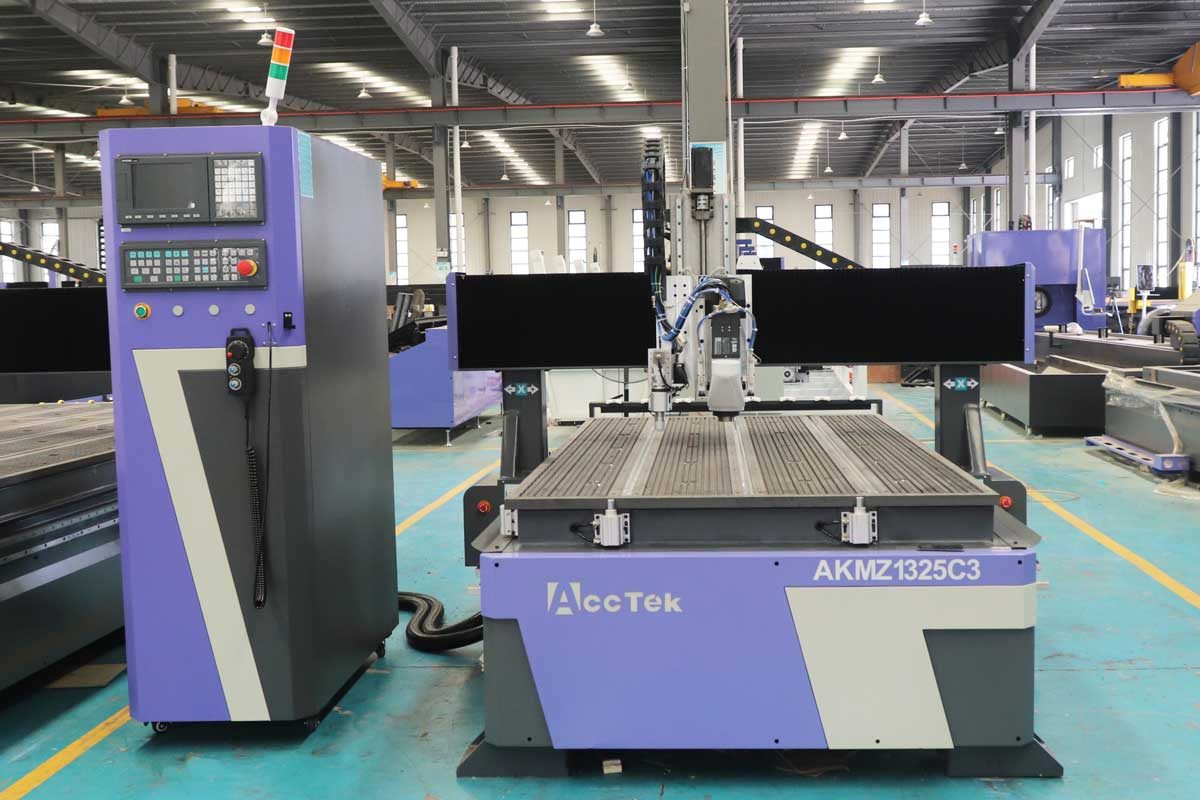
In today’s competitive manufacturing environment, CNC routers have become essential tools for achieving high precision, consistency, and efficiency across a wide range of industries. However, with the rapid advancement of CNC technology and the growing variety of machine configurations available, choosing the right equipment is no longer a straightforward task. Buyers are often faced with a complex mix of technical specifications, performance claims, and pricing options, making it challenging to determine which machine truly meets their operational needs. A machine that appears powerful on paper may not always deliver the expected results in real-world applications if its specifications are not aligned with actual production needs.
Evaluating CNC router performance and specifications requires a comprehensive understanding of how different components work together to influence real-world performance. This article is designed to provide a structured and practical framework for assessing CNC router performance and specifications. By breaking down the key metrics, technical features, and application considerations outlined in this guide, readers will gain the knowledge needed to make informed decisions when selecting a CNC router. Whether you are upgrading existing equipment or investing in your first machine, understanding these critical factors will help you maximize return on investment, reduce operational risks, and ensure that your CNC router delivers consistent, high-quality results over time.
Understanding CNC Router Basics
Before diving into performance metrics and technical specifications, it is important to establish a clear understanding of what a CNC router is and how it functions. Many buyers focus heavily on numbers such as spindle power or cutting speed, but without a solid grasp of the machine’s fundamental principles and core components, these figures can be misleading or difficult to interpret. Understanding the basics allows you to see how different parts of the machine interact and how they collectively influence real-world performance.
What Is a CNC Router?
A CNC (Computer Numerical Control) router is a computer-controlled cutting machine designed to precisely shape, cut, engrave, and mill a wide range of materials using programmed instructions. Instead of being operated manually, the machine follows digital design files—typically created in CAD (Computer-Aided Design) software and converted into machine-readable G-code through CAM (Computer-Aided Manufacturing) software. These instructions guide the movement of the cutting tool along multiple axes (usually X, Y, and Z), enabling highly accurate and repeatable machining processes.
CNC routers are widely used across industries such as woodworking, advertising signage, furniture production, and plastics fabrication. They are capable of handling materials including wood, MDF, acrylic, PVC, aluminum, and composites. Compared to traditional manual tools, CNC routers offer significant advantages in terms of precision, speed, consistency, and automation, allowing businesses to increase productivity while reducing human error.
At their core, CNC routers integrate mechanical systems, electronic controls, and software to perform complex tasks with minimal operator intervention. Once properly programmed, the machine can execute intricate designs and repetitive jobs with consistent quality, making it an essential tool for both small workshops and large-scale industrial manufacturing.
Key Components of a CNC Router
A CNC router’s overall performance, accuracy, and reliability depend on how well its core components are designed and integrated. Understanding these key elements helps you evaluate machine quality and determine whether a specific model can meet your production requirements.
- Machine Frame and Structure: The frame serves as the backbone of the machine, providing stability and rigidity. A robust structure minimizes vibration during operation, ensuring higher accuracy and better surface finish.
- Spindle: The spindle is the primary cutting component responsible for rotating the tool at high speeds. Its power and speed range directly affect cutting capability, material compatibility, and machining quality.
- Drive System: This system controls the movement of the machine along its axes. Common options include ball screws and rack-and-pinion systems, each offering different advantages in terms of speed, precision, and load capacity.
- Motors and Motion Control: Stepper motors or servo motors drive the machine’s motion. Servo motors typically provide higher precision and faster response, while stepper motors are more cost-effective for lighter applications.
- Control System: The control system acts as the “brain”of the CNC router, interpreting G-code instructions and coordinating machine movements. Its compatibility with CAD/CAM software and ease of use are important factors for efficient operation.
- Worktable: The worktable supports and secures the material being processed. Options such as vacuum tables or T-slot tables affect material holding efficiency and overall workflow. A stable worktable enhances machining accuracy and operational convenience.
- Guide Rails and Bearings: Linear guide rails and bearings ensure smooth and precise movement along each axis. High-quality guide systems reduce friction, minimize wear, and maintain accuracy over time.
- Tooling System: This includes the cutting tools (bits, end mills, drills) used for different applications. Some machines also support automatic tool changers for increased efficiency in multi-step operations.
A strong understanding of CNC router fundamentals is the first step toward making an informed and effective purchasing decision. By recognizing how key components work together, you can move beyond surface-level comparisons and assess the true capabilities of a machine. With this foundational knowledge in place, you are now better prepared to explore more advanced performance metrics and technical specifications. This will enable you to evaluate CNC routers more accurately, avoid common misunderstandings, and ultimately select equipment that aligns with your production needs and long-term business goals.
Core Performance Metrics to Evaluate
When choosing a CNC router, it’s essential to go beyond just the machine’s basic specifications and delve into the core performance metrics that directly impact productivity and precision. These key metrics—such as cutting speed, accuracy, spindle power, and machine stability—determine how well the machine will perform in real-world applications. Whether you are processing wood, metal, or composites, understanding how each metric contributes to the router’s overall performance helps ensure that the machine meets your specific operational needs.
Cutting Speed and Efficiency
Cutting speed refers to how fast the machine can process material, typically measured in units such as meters per minute. While technical specifications often emphasize maximum speed values, true operational performance depends on how consistently the machine can maintain stable cutting conditions under load.
- Maximum Cutting Speed vs. Actual Working Speed: Maximum cutting speed refers to the highest movement speed a CNC router can achieve during rapid, no-load positioning. However, actual working speed is the real cutting speed maintained during material processing. In practice, a machine’s productivity should be judged by its stable working speed rather than its theoretical maximum speed.
- Impact on Production Capacity: The actual working speed of a CNC router has a direct influence on overall production capacity, as faster and more stable cutting reduces cycle times and increases daily output. When a machine maintains a reliable cutting speed under continuous operation, it helps eliminate bottlenecks and enhances overall workflow efficiency.
Accuracy and Repeatability
While speed and power often attract attention, it is the machine’s ability to produce precise dimensions and consistently replicate the same results that ultimately defines its value in professional manufacturing. High accuracy and repeatability depend on factors like machine rigidity, drive systems, and motor quality.
- Accuracy vs. Repeatability: Accuracy refers to how closely a CNC router can execute a programmed design and match the intended dimensions of a part, while repeatability describes the machine’s ability to reproduce the same result multiple times under identical conditions. A machine may have high accuracy but poor repeatability if it cannot consistently maintain performance over repeated cycles, or vice versa. In practical applications, both factors must work together to ensure that every finished product meets design specifications reliably and consistently.
- Impact on Production Quality and Consistency: High accuracy and strong repeatability directly improve production quality by reducing dimensional errors, minimizing rework, and ensuring uniformity across batches of parts. A CNC router with stable precision performance enhances customer satisfaction, reduces material waste, and strengthens overall manufacturing efficiency by delivering consistent, high-quality results over long-term operation.
Spindle Power and Speed Range
Spindle power and speed range significantly impact a CNC router’s cutting performance, versatility, and ability to handle various materials. The spindle acts as the primary cutting tool of the machine, and its power and speed determine what types of materials can be processed effectively and at what quality level.
- Matching Spindle Power to Materials: Spindle power, typically measured in kilowatts (kW), determines how effectively a CNC router can cut through different materials. Materials like wood, plastics, and soft metals require less power, making them suitable for machines with lower-powered spindles. In contrast, harder materials such as aluminum, steel, and composites demand higher spindle power to ensure smooth, efficient cutting.
- RPM Range and Its Effect on Cutting Quality: The spindle’s RPM (rotations per minute) range determines the speed at which the cutting tool rotates. A wider RPM range offers greater flexibility, allowing the machine to adjust to various cutting tasks. For fine details or engraving, higher RPM speeds are often required to achieve clean, precise results. However, for deeper cuts or tougher materials, lower RPM speeds are preferable to maintain control and prevent overheating.
Machine Stability and Rigidity
The machine’s frame, its structural integrity, and its ability to resist vibrations directly influence the accuracy of each cut and the overall finish quality of the workpiece. A rigid and stable machine ensures smooth operations, reduces errors, and extends the longevity of both the machine and the tools.
- Frame Construction Materials: Machine frames are commonly made from materials such as steel, cast iron, or aluminum, each offering different advantages. Steel frames are highly durable and resistant to deformation under load, making them ideal for heavy-duty applications. Cast iron frames provide excellent vibration-damping properties, ensuring stable operation during high-speed cuts. Aluminum frames, while lighter and more cost-effective, may not offer the same level of rigidity, potentially impacting accuracy in demanding tasks.
- Vibration Control and Its Impact on Finish Quality: During CNC cutting, the interaction between the tool and material generates forces that can lead to machine vibrations. If not properly controlled, these vibrations can cause tool deflection, dimensional inaccuracies, and rough surface finishes. High-quality CNC routers employ vibration damping systems such as reinforced frames, precision linear guides, and damped motor systems to absorb and reduce these forces. Effective vibration control ensures smoother cutting, better surface finishes, and more precise results.
Load Capacity and Work Area
The table size determines the maximum material dimensions the machine can handle, while the weight-bearing capacity ensures the machine can support heavier materials without compromising its performance or accuracy. Understanding these aspects allows you to choose a machine that matches your production requirements.
- Table Size and Usable Workspace: Larger tables allow for the cutting of bigger sheets or workpieces. However, simply having a large table isn’t enough—it’s also important to consider the usable workspace. This refers to the actual area available for machining, which may be slightly smaller than the overall table size due to the CNC router’s mechanical limits or clamps. Ensuring that the table size and usable workspace align with the materials you plan to process ensures smooth, uninterrupted operations.
- Weight-Bearing Capacity for Heavy Materials: The weight-bearing capacity of a CNC router determines how much material the machine can handle without compromising its performance or structural integrity. Machines designed for heavy-duty cutting must be capable of supporting heavier materials like metal sheets, thick plywood, or stone. Properly matching the CNC router’s load capacity to the material types you intend to work with ensures smooth operation, improves cutting accuracy, and extends the life of the machine.
Thoroughly evaluating the core performance metrics of a CNC router, you can gain a comprehensive understanding of its capabilities and limitations. These metrics go beyond theoretical specifications, offering a realistic view of how the machine will perform in daily operations. Ensuring that the router aligns with your production requirements will help improve both efficiency and quality, allowing you to make a confident and informed investment that will pay off in the long run.
Technical Specifications Breakdown
When evaluating a CNC router, understanding its technical specifications helps make an informed purchasing decision. These specifications go beyond basic machine features and delve into the intricate details that define the router’s capabilities, including its drive system, control mechanisms, and compatibility with various software. A thorough breakdown of these technical components will help you understand how each element impacts machine performance, from precision and speed to ease of operation and long-term durability.
Drive and Motion Systems
The drive and motion systems of a CNC router determine how efficiently and accurately the machine moves along its axes during operation. These systems are essential for achieving precise cuts, smooth motion, and optimized performance.
- Ball Screw vs. Rack and Pinion: Ball screw systems use a ball-bearing mechanism to reduce friction, providing extremely precise motion and superior accuracy. These systems are ideal for applications requiring fine detail and high repeatability, especially in smaller CNC routers. On the other hand, rack and pinion systems use gears to move the machine along its axes, offering faster speeds and higher load-bearing capacities. These systems are better suited for larger machines or applications requiring fast, continuous movement, such as in large-format cutting or heavy-duty material processing.
- Servo Motors vs. Stepper Motors: Stepper motors are widely used in entry-level and mid-range CNC routers due to their simplicity and cost-effectiveness. They are ideal for applications where moderate speed and accuracy are required. Servo motors, on the other hand, offer superior performance in terms of speed, precision, and torque. Unlike stepper motors, servos use closed-loop feedback systems to continuously adjust motor performance, ensuring that the router maintains high torque even at higher speeds. Servo motors are ideal for high-precision, high-speed applications and heavy-duty operations.
Control System and Software Compatibility
The control system is the heart of a CNC router, as it interprets design files and translates them into machine commands. A well-chosen control system ensures smooth operation, high precision, and ease of integration with design software. In addition to the hardware, software compatibility plays a key role in optimizing machine performance.
- Types of Controllers: There are several types of controllers used in CNC routers, each with varying capabilities and features. DSP controllers are common in entry-level and mid-range machines due to their affordability and simplicity. These controllers typically offer basic features like file loading, toolpath execution, and motion control, but may lack advanced options like real-time monitoring. PC-based controllers, such as Mach3 or Mach4, offer greater flexibility and are often used for machines with more complex operations. They allow for easy integration with various CAD/CAM software and can support a wider range of tasks.
- CAD/CAM Software Compatibility: CAD software is used to create the digital model of the part, while CAM software generates the toolpaths and instructions for the CNC machine. The machine’s control system must be compatible with the software you plan to use to ensure smooth data transfer and accurate execution of designs. Machines that support popular software options, like AutoCAD, SolidWorks, or Fusion 360, ensure seamless design-to-production workflows.
- Ease of Operation and Learning Curve: Machines with user-friendly interfaces and intuitive controls allow operators to quickly adapt to the machine, even without extensive training. On the other hand, more advanced machines may require a steeper learning curve but offer greater precision and flexibility for complex tasks. Balancing ease of use with the features you need is crucial for selecting the right machine for your operations.
Tool Changer Options
The tool changer in CNC routers can significantly impact production efficiency, particularly in multi-step or multi-process operations. By automating the process of switching between cutting tools, a tool changer reduces manual intervention, minimizes downtime, and improves overall workflow speed.
- Manual vs. Automatic Tool Changers: Manual tool changers require the operator to physically remove and replace tools by hand during the machining process. While these systems are more affordable and simpler to operate, they can introduce significant delays, especially during jobs that require frequent tool changes. Automatic tool changers (ATC), on the other hand, provide significant improvements in productivity by allowing the CNC router to automatically swap tools during the machining process.
- Benefits for Multi-Process Operations: Automatic tool changers offer significant advantages for multi-process or multi-step machining. In these operations, the ATC can seamlessly switch between different cutting tools without requiring operator intervention. This reduces the need for machine stops and manual tool loading, allowing for longer periods of continuous production. For high-volume tasks or complex parts with various machining needs, ATC systems help streamline workflows and minimize setup times, resulting in faster turnaround and improved overall production efficiency.
Dust Collection and Cooling Systems
Effective dust collection systems help maintain a clean work environment by removing debris, preventing material build-up, and reducing the risk of fire hazards, while cooling systems protect the machine’s components, such as the spindle, from overheating during extended use.
- Dust Collection Systems: Dust collection systems are designed to capture and remove fine dust particles produced during cutting, milling, or engraving operations. In addition to keeping the workspace cleaner, they prevent dust from accumulating on the machine. Many CNC routers come equipped with integrated dust collection systems, while others may require external systems. The choice of dust collection system—whether a centralized vacuum or onboard collection system—depends on the scale of your operations and the type of materials you are working with.
- Cooling Systems: Spindle cooling systems, typically using either air or liquid, prevent the spindle from overheating. Air cooling systems are the most common and cost-effective solution, using fans or blowers to keep the spindle cool. Liquid cooling systems, on the other hand, offer more efficient heat dissipation, especially in high-power spindles or when machining heat-sensitive materials. Proper cooling ensures that the router maintains consistent cutting speeds, minimizes thermal expansion, and prevents premature wear on critical components like the spindle bearings.
Thoroughly reviewing and understanding the technical specifications of a CNC router, you can gain a deeper insight into how each system contributes to the machine’s overall performance. By carefully evaluating components such as the drive system, control software, tool changers, and cooling systems, you can ensure the machine will operate efficiently, deliver high precision, and integrate smoothly into your workflow. With this knowledge, you can make a more informed decision, selecting a CNC router that offers the right balance of performance, reliability, and efficiency for your business.
Material Compatibility and Application Suitability
When selecting a CNC router, one of the most crucial factors to consider is its ability to handle the materials you plan to work with and its suitability for the specific applications at hand. Different materials have distinct characteristics that influence the type of router, tooling, and settings needed for optimal performance. Similarly, each application, whether it’s creating intricate signs, manufacturing furniture, or producing industrial parts, has its own set of demands. The machine’s specifications must align with the characteristics of those materials.
Types of Materials Supported
CNC routers are versatile machines capable of processing a wide range of materials, making them essential tools for industries ranging from woodworking and signage to metalworking and prototyping. However, the type of material being processed significantly impacts the performance of the CNC router, affecting factors such as cutting speed, tool selection, and machine configuration.
- Wood and Wood Composites: CNC routers can handle solid wood, plywood, MDF, and laminated panels. These materials typically require moderate spindle power and high cutting speeds, with specialized bits and tools designed for woodworking applications. Dust collection systems are particularly important when working with wood, as they help control wood dust and ensure a clean working environment.
- Plastics and Acrylics: Plastics, including PVC, acrylics (PMMA), polycarbonates, and high-density polyethylene (HDPE), are commonly used in signage, automotive, and packaging industries. CNC routers can cut, engrave, and shape these materials with ease, but the cutting parameters must be adjusted to avoid material melting or warping.
- Metals: CNC routers can also process certain metals, with aluminum and brass being the most common materials for CNC routing. Metalworking requires high spindle power and slower feed rates to ensure clean cuts and minimize wear on tools. Cooling systems and lubricants are essential when cutting metals to prevent heat buildup and tool wear.
- Stone and Marble: CNC routers are also capable of processing certain types of stone, including marble, granite, and ceramic tiles, typically for applications in architecture, countertops, and decorative stone work. However, these materials require special consideration when it comes to tool selection and spindle power. Diamond-tipped tools are often used to cut stone, as they are highly effective at handling the abrasiveness of these materials.
Matching Machine Specs to Applications
The specifications of a CNC router must be carefully aligned with the demands of the application to ensure optimal performance, quality, and efficiency. Whether you’re involved in sign-making, furniture production, mold making, or industrial manufacturing, each application has its own unique requirements for precision, material handling, and production speed.
- Sign-Making: The CNC router needs to provide high precision for cutting detailed letters, logos, and intricate designs, especially for 3D sign carving. A machine with high-speed spindles (typically around 3-5 kW) is ideal for cutting and engraving signs in a range of materials. ATC is highly beneficial for switching between tools to streamline the process. Vacuum hold-down systems help secure thinner materials during cutting. The CNC router should also have a large cutting area, such as 4′ x 8′, to accommodate standard sign sizes.
- Furniture Production: The CNC router must be capable of handling large panels and providing precision for cutting intricate shapes, joints, and detailed edges. High-power spindles (around 5-7 kW) help cut dense materials while maintaining accuracy. A large cutting area, such as 5′ x 10′, is needed to process larger sheets of wood and laminate. Auto tool changers allow operators to switch between various tools for different operations, such as drilling holes, cutting profiles, or engraving details. The machine should also have repeatability to ensure that each piece of furniture matches design specifications over multiple production runs.
- Musical Instrument Manufacturing: For this application, CNC routers should have high-precision spindles with the ability to achieve fine details. A medium to large cutting area (typically around 4′ x 8′) is sufficient for instrument bodies, necks, and parts. The machine must be capable of working with various wood types while offering smooth cutting speeds to avoid material damage. Automatic tool changers are beneficial for transitioning between different cutting and finishing tools. Rigid frames are necessary to maintain accuracy during intricate cuts and prevent deflection.
- Mold Making: Molds often require fine detailing and complex geometry, which calls for a CNC router with a high-precision spindle and tight tolerance control. Servo motors and ball screw drive systems ensure consistent and precise motion. A machine with a high torque spindle is important for working with harder materials such as metals and composites. Coolant systems or liquid cooling are important to prevent heat buildup and tool wear during the cutting of metals.
- Stone Monuments: Require CNC routers that are robust enough to handle the hardness and abrasiveness of materials like granite, marble, and limestone. These materials demand high-power spindles, typically 7 kW or more, to cut through tough stone without overloading the machine. In addition, due to the hard nature of stone, the machine’s cooling system is essential for preventing the tools and machine from overheating during prolonged use.
Aligning your CNC router’s specifications with the materials you intend to process and the applications you plan to use it for is essential for achieving optimal performance and quality. By carefully evaluating factors such as spindle power, material handling, cutting area, and tool compatibility, you can select the right machine to meet both the unique demands of your materials and the specific needs of your applications. A well-chosen CNC router will ensure smooth, efficient operations, improve productivity, and guarantee high-quality results for a wide range of industries and applications. Understanding these factors helps make informed decisions, ultimately leading to enhanced machine longevity and a more profitable production process.
Reliability and Durability Considerations
When investing in a CNC router, ensuring its reliability and durability helps maintain smooth operations, minimize downtime, and maximize return on investment (ROI). A reliable and durable CNC router will consistently perform at a high level, withstand the wear and tear of daily use, and continue to provide excellent results over the long term. Understanding the factors that contribute to a machine’s reliability and durability can help you make a more informed decision.
Build Quality and Components
The build quality and components of a CNC router are integral to its overall performance, durability, and long-term reliability. A CNC router is only as good as the parts that make it up, and the materials used in construction can directly impact the machine’s precision, stability, and maintenance needs.
- Brand and Origin of Key Components: Well-established brands often provide components that are engineered for high precision and long-term reliability, ensuring the machine operates smoothly over extended periods. Choosing a CNC router with high-quality, branded components can prevent issues related to wear, vibration, and breakdowns, offering more stable performance and better service support over the life of the machine.
- Longevity and Wear Resistance: Parts made from hardened steel, ceramic, or tungsten carbide tend to resist wear and tear more effectively, reducing the need for frequent repairs or replacements. Key components like the spindle, ball screws, and linear guides must be durable enough to withstand the mechanical stresses they encounter during operation. A machine with superior wear resistance can maintain its performance and accuracy over many years of use, helping to reduce downtime and long-term maintenance costs.
Maintenance Requirements
Maintaining a CNC router is essential for ensuring its long-term reliability, precision, and consistent performance. Regular maintenance not only helps in preventing breakdowns but also maximizes the machine’s lifespan and minimizes costly repairs.
- Routine Maintenance Tasks: Key tasks typically include lubricating moving parts, such as linear guides and ball screws, to reduce friction and prevent wear. Cleaning the machine regularly helps avoid the buildup of dust and debris that can impair performance. Additionally, regularly checking and calibrating the machine’s precision helps ensure accuracy and prevent errors in the final output. Establishing a set maintenance schedule based on the manufacturer’s guidelines can help operators stay ahead of potential issues and extend the life of the router.
- Ease of Servicing and Spare Parts Availability: A machine that is easy to service will result in less downtime and faster turnaround times. Modular designs with accessible components make repairs quicker and simpler, reducing the need for external technicians and the potential for expensive service calls. Additionally, ensuring that spare parts are readily available helps minimize delays when replacements are necessary. Machines from well-established manufacturers usually have a robust network of suppliers, making it easier to source parts. The ability to obtain spare parts quickly reduces downtime and ensures the machine can be back up and running without long delays.
After-Sales Support
After-sales support is considered when purchasing a CNC router, as it directly impacts the machine’s long-term usability and performance. Whether it’s assistance with troubleshooting, ensuring proper training for operators, or understanding warranty policies, strong after-sales support ensures that you can get the most out of your investment.
- Technical Support: A reliable, responsive support team can assist with troubleshooting issues, resolving software or hardware problems, and guiding installation or setup. Ideally, technical support should be available via multiple channels, such as phone, email, or live chat, and should have quick response times to minimize downtime. In some cases, manufacturers also offer remote diagnostics or on-site visits to address more complex issues.
- Training and Documentation: Comprehensive training and documentation help maximize the potential of your CNC router and ensure that operators can use it safely and effectively. Training programs should cover a variety of topics, such as machine setup, operation, maintenance, software usage, and troubleshooting. Some manufacturers offer on-site training, while others provide online courses or user manuals that are easy to follow.
- Warranty Policies: A robust warranty ensures that the manufacturer will cover the costs of repairs or parts replacement in the event of defects or failures within a specified time frame. Warranty coverage may vary depending on the manufacturer, but it typically includes components such as the spindle, motors, electrical systems, and frame. Extended warranties or service contracts are often available for additional coverage, which can be especially valuable for high-use or industrial-grade machines.
Reliability and durability are essential considerations when choosing a CNC router, as they influence both the machine’s performance over time and your overall return on investment. A reliable CNC router built with high-quality materials, robust components, and designed for minimal wear will reduce maintenance costs and extend the lifespan of the equipment. Regular maintenance and careful attention to the machine’s operational needs can further enhance its durability and reduce downtime. By focusing on these factors, you can ensure that your CNC router remains a dependable asset in your operations, providing long-lasting value and optimal performance for years to come.
Safety and Operational Features
Ensuring that a CNC router is equipped with proper safety and operational features helps protect both operators and the equipment. CNC routers are high-precision machines with powerful motors and fast-moving components, which makes safety a top priority in any production environment. Features such as emergency stop systems, safety enclosures, and user-friendly interfaces not only safeguard operators from accidents but also improve productivity by simplifying machine operation.
Safety Mechanisms
Safety mechanisms of the CNC router ensure that both operators and the machine are protected from accidents, injuries, and potential damage. CNC routers involve high-speed, high-precision movements, making safety a top priority in any industrial or workshop setting.
- Emergency Stop Buttons: The E-stop is one of the most important safety features on any CNC router. It allows operators to immediately stop the machine in the event of an emergency, preventing potential harm and minimizing further damage. Typically, the E-stop button is a large, clearly visible red button located at easy-to-reach points on the machine, ensuring that operators can quickly deactivate the machine when needed.
- Limit Switches: Monitor and control the movement of the CNC router’s various components, particularly the axes and tool heads. These switches are designed to detect when a component reaches its maximum or minimum travel limit, preventing the machine from exceeding its operational range. When the machine reaches a pre-defined limit, the limit switch activates, cutting power to the motors or sending a signal to halt the motion.
- Protective Enclosures: These are physical barriers that help ensure operator safety by preventing direct access to moving parts of the CNC router. These enclosures are typically made from durable materials such as polycarbonate, steel mesh, or tempered glass, providing both visibility and protection. The purpose of the enclosure is to shield operators from flying debris, sparks, or any other potentially harmful particles generated during machine operation.
User-Friendly Features
User-friendly features in CNC routers help maximize productivity, minimize human error, and ensure ease of use. A well-designed CNC router should not only perform highly but should also provide intuitive controls and automation features that streamline operation.
- Interface Design: A clear, easy-to-navigate control panel with a touchscreen interface or button-based controls allows operators to access machine functions quickly and with minimal training. A well-organized interface also minimizes confusion and errors, reducing the time spent on machine setup and maintenance. Many modern CNC routers come with graphic-based software or 3D previews that help operators visualize the final product, further simplifying the process and improving accuracy.
- Automation Level: High-level automation features, such as automatic tool changers (ATC), auto-calibration, and material loading/unloading systems, allow the machine to operate with minimal human input. These systems reduce the likelihood of errors and ensure that processes like tool changes, measurements, and adjustments are performed consistently and accurately. Automated setups for different types of materials or tasks can save operators time, while auto-zeroing systems ensure that the machine is always properly calibrated for precise cuts.
- Remote Monitoring Capabilities: These systems allow operators or managers to monitor machine performance remotely using smart devices such as tablets, smartphones, or computers. Through cloud-based software or built-in monitoring systems, operators can track key metrics such as cutting speed, tool usage, spindle temperature, and job completion status in real time. This capability helps prevent unexpected downtime by allowing operators to receive alerts for potential issues, such as tool wear, overheating, or maintenance needs, from anywhere.
Integrating robust safety and operational features into a CNC router ensures that both the machine and its operators are protected from potential hazards while optimizing productivity. Emergency stops, limit switches, and operator enclosures contribute to a secure working environment. Simultaneously, user-friendly controls, automated features, and real-time monitoring systems enhance operational efficiency, reduce the risk of human error, and streamline machine setup and operation. By selecting a CNC router with comprehensive safety and operational features, businesses can ensure a safer, more efficient production process and maximize the longevity and reliability of their equipment.
Cost vs. Performance Analysis
When investing in a CNC router, businesses must carefully weigh the trade-off between cost and performance to ensure they get the best value for their investment. A machine that offers exceptional performance might come with a hefty price tag, while more budget-friendly options could have limitations in terms of features, speed, and reliability. This cost vs. performance analysis helps businesses make informed decisions that align with their specific needs and budget constraints. By understanding the trade-offs between cost and performance, companies can select a CNC router that provides the best value for their specific application and operational needs.
Initial Investment vs. Long-Term Value
The initial investment in a CNC router is typically one of the most significant costs, and the price can vary greatly depending on the machine’s size, features, and capabilities. Businesses must assess the specific requirements of their production process to determine whether the extra investment in a high-performance machine is justifiable or if a more affordable model will suffice.
- Initial Investment Considerations: High-end machines, designed for precision, speed, and handling a variety of materials, often come with a premium price tag. These machines might include advanced features such as multi-axis cutting, high-speed spindles, automated tool changers, and premium control systems. While the upfront cost for these machines is significant, they can deliver faster production speeds and higher-quality output, making them a good fit for businesses that need to meet high-volume or complex production requirements. For businesses with limited budgets or less demanding tasks, entry-level or mid-range models may offer a more affordable initial investment.
- Long-Term Value Considerations: Long-term value takes into account factors such as maintenance costs, durability, spare parts availability, energy consumption, and the potential for upgrades. A more expensive, higher-quality CNC router may have higher upfront costs but often offers better reliability and lower maintenance needs over time. Longer machine lifespan, fewer breakdowns, and higher precision can translate to a better return on investment by improving overall production efficiency and minimizing downtime.
Operating Costs
When evaluating the total cost of ownership for a CNC router, it needs to consider operating costs beyond the initial purchase price. While a machine’s upfront cost may be a significant factor, ongoing power consumption, tooling, and maintenance expenses contribute to the total operational cost over the lifespan of the equipment. These costs can vary significantly depending on the machine’s features, usage, and efficiency.
- Power Consumption: CNC routers require significant energy to power the spindle, motors, cooling systems, and auxiliary components. High-speed, multi-axis machines typically consume more energy compared to simpler, less powerful models. However, more energy-efficient routers, equipped with advanced servo motors, variable-speed spindles, or energy-saving systems, can help reduce power consumption. When selecting a CNC router, it’s important to evaluate not only the machine’s purchase price but also how much it will cost to operate on a daily or monthly basis.
- Tooling and Maintenance Costs: The wear and tear on tools depends on the materials being processed, the router’s performance, and the quality of the tools themselves. While high-quality tooling may have a higher upfront cost, it often lasts longer and provides better performance, reducing the frequency of tool replacements. Maintenance costs encompass a range of activities necessary to keep the CNC router in optimal working condition, including regular lubrication, calibration, and part replacements. Companies should factor in the cost of maintenance contracts or support services if they plan to outsource this function.
Return on Investment (ROI)
The ROI for a CNC router is a metric to assess its overall value to a business. While the initial and ongoing operating costs are important, the ROI focuses on the financial benefits derived from the machine’s ability to enhance productivity, reduce labor costs, and minimize material waste. A CNC router’s performance in these areas can significantly improve the overall profitability of a business.
- Productivity Gains: CNC routers operate with high precision, speed, and consistency, which enables faster turnaround times on a variety of tasks such as cutting, milling, engraving, and drilling. The ability to process complex designs quickly, with minimal operator intervention, translates to higher throughput and more products being manufactured within the same timeframe. These productivity gains lead to faster delivery times, higher order fulfillment rates, and an increased ability to meet demand, all of which contribute to a higher ROI.
- Reduced Labor Costs: The CNC router’s programmable nature means that the machine can be set up and left to operate autonomously, reducing the need for constant operator supervision. Fewer workers are required to operate the machine, and tasks that once took a team of operators can often be handled by a single person. Additionally, training and skill requirements for CNC router operation tend to be lower than those for manual machining, allowing businesses to reduce labor costs while still maintaining a high level of precision and quality in their work.
- Waste Reduction: CNC routers are highly precise machines, and their ability to execute intricate cuts and shapes with minimal material loss is a significant advantage. Unlike traditional manual methods, which can lead to errors, miscalculations, and excessive scrap, CNC routers can optimize material use through advanced software algorithms that plan the most efficient tool paths. With accurate cutting, less rework, and fewer mistakes, companies can make the most of their materials, improving overall cost efficiency and profitability.
A well-balanced cost vs. performance analysis can ensure the CNC router meets both budgetary constraints and operational needs. Businesses must consider not only the initial investment but also long-term operational costs, maintenance needs, and the overall ROI. By assessing the specific performance requirements of their operations, companies can select a CNC router that provides the best value for money—whether that means opting for a more affordable machine with basic features or investing in a high-performance model with advanced capabilities. The key is to align the machine’s capabilities with production goals while keeping long-term costs in check to maximize overall efficiency and profitability.
Common Mistakes When Evaluating CNC Routers
When purchasing a CNC router, businesses are often faced with numerous options, each offering varying features, performance levels, and costs. In this complex decision-making process, it’s easy to make mistakes that could negatively impact the overall performance and long-term value of the machine. Whether it’s focusing too much on the initial price, overlooking technical specifications, or failing to consider the machine’s future scalability, these common errors can lead to suboptimal choices. Avoiding common mistakes in this evaluation process can help ensure that you select a machine that offers the best value, meets your production requirements, and operates efficiently over time.
- Focusing Only on Price: One of the most prevalent mistakes businesses make when evaluating CNC routers is focusing solely on the initial price. While it’s important to stay within budget, selecting a machine based purely on cost can lead to compromises in quality, performance, and durability. Low-priced machines may appear attractive at first, but could result in higher maintenance costs, downtime, or energy consumption over time. These machines may lack the advanced features, precision, or reliability that more expensive models offer. To avoid this mistake, it’s essential to consider the total cost of ownership (TCO), which includes not just the purchase price but also maintenance, operating costs, and potential upgrades in the future.
- Ignoring Technical Specifications: Another mistake is overlooking technical specifications when assessing CNC routers. Every production process has unique requirements, whether it’s precision, speed, or the ability to work with specific materials. Failing to understand how the machine’s cutting speed, spindle power, number of axes, or tool compatibility matches your operational needs can lead to inefficiencies and poor performance. It’s crucial to evaluate specifications carefully, ensuring the machine meets the required standards for your specific application. Matching the technical capabilities of the router to your business needs will ensure that it delivers optimal performance.
- Overlooking Future Scalability: Focusing on the immediate needs of the business is important, but overlooking future scalability is a mistake that can limit growth potential. CNC routers come with various features that can affect their ability to scale as your business grows, such as expandable tool changers, multi-axis capabilities, or automation integration. A machine that fits your current production volume may not be able to keep up as demand increases or as you diversify into new materials or applications. Choosing a router with limited scalability might necessitate another purchase in a few years, leading to higher costs in the long term. Investing in a router with scalability features can help you avoid the need for costly replacements as your business grows.
- Neglecting Supplier Reputation and Support: Many businesses make the mistake of neglecting the supplier’s reputation and after-sales support when evaluating CNC routers. A low price or enticing features can be appealing, but if the manufacturer has poor customer support, a lack of reliable spare parts, or offers limited technical assistance, it can lead to serious problems down the line. CNC routers are complex machines, and it’s essential to have technical support readily available when needed, whether it’s for installation, troubleshooting, or maintenance. A reputable supplier who provides training, detailed manuals, and easy access to spare parts can help ensure the machine runs smoothly over its lifetime. When evaluating a CNC router, always consider the supplier’s history, customer feedback, and the level of post-sale support they offer.
Making the right decision when purchasing a CNC router requires careful consideration of more than just the initial price. Ignoring technical specifications, overlooking future scalability, and neglecting supplier reputation and support are common mistakes that can lead to poor performance, unnecessary costs, and missed growth opportunities. By taking a comprehensive approach—evaluating the long-term value of the machine, understanding your future needs, and choosing a trusted supplier—you can avoid these pitfalls and select a CNC router that provides the best return on investment. Properly evaluating these factors will help ensure that your CNC router meets both your current and future business needs, maximizing productivity and minimizing operational costs.
Summarize
We outlined key considerations for evaluating CNC router performance and specifications. To make an informed decision, businesses should assess factors such as cutting speed, accuracy, spindle power, and machine stability to ensure the router meets operational requirements. To consider both initial investment and long-term costs, including maintenance, operating costs, and support. Additionally, businesses should evaluate scalability and material compatibility to ensure the CNC router can handle future production needs. By balancing performance, cost, and future-proofing, businesses can select a CNC router that maximizes productivity, minimizes downtime, and provides long-term value. Continue reading “How Do I Set Up My CNC Router for the First Time?” to get your machine up and running smoothly.
AccTek CNC is a leading manufacturer of high-quality CNC routers, offering a diverse range of machine models designed to meet the unique needs of various industries. With a focus on precision, durability, and customization, AccTek’s CNC routers deliver exceptional performance, whether for woodworking, sign-making, furniture production, or industrial manufacturing. Our machines are built with cutting-edge technology, ensuring high efficiency, minimal maintenance, and long-lasting reliability. Whether you’re scaling your operations or optimizing production, AccTek provides cost-effective, high-performance solutions that maximize productivity and deliver excellent value for your investment.