

- 12-17 Min Read
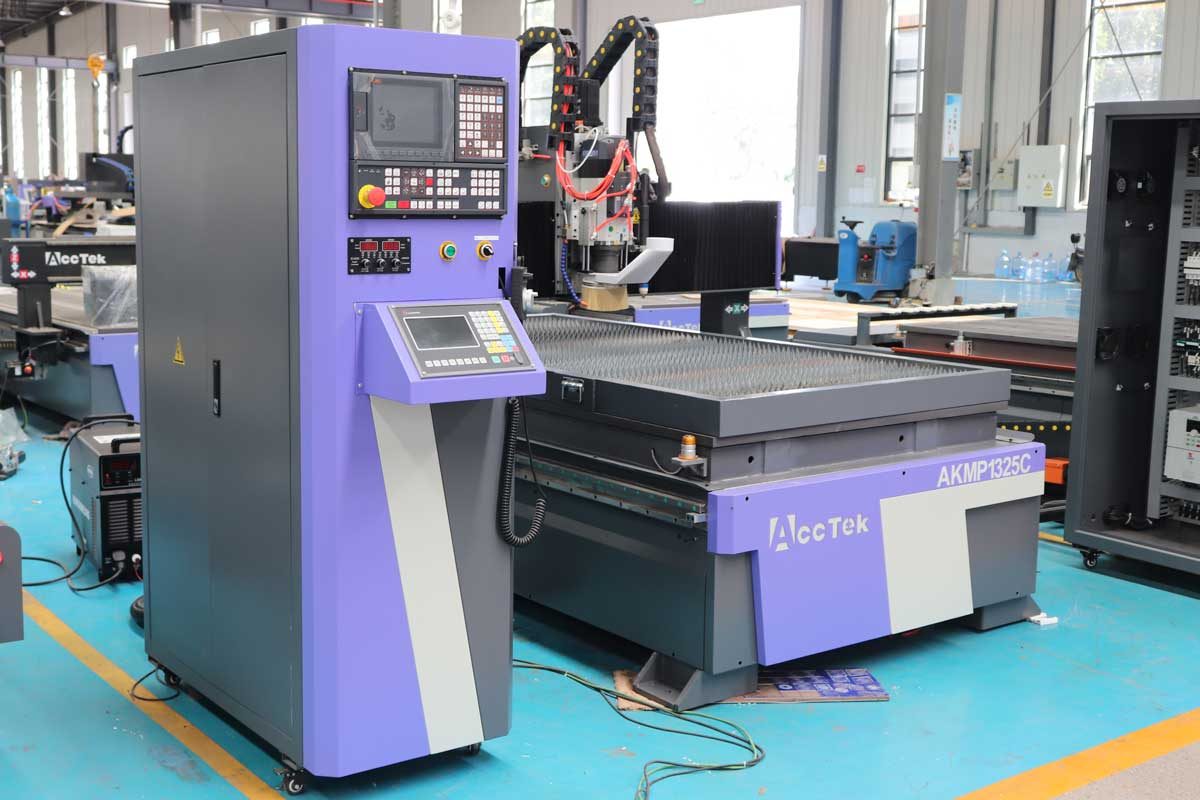
CNC routers have become indispensable tools in modern manufacturing, offering precision and efficiency across industries. However, as production needs grow more specialized, standard machines often cannot fully meet the demands of unique applications. This is where custom CNC routers come into play. Designed and built to match specific workflows, materials, and performance needs, these machines transform ideas into practical solutions that drive productivity and innovation.
Building a custom CNC router is a collaborative journey that moves from identifying requirements and designing technical specifications to manufacturing, testing, and real-world implementation, with attention at each stage to ensure the final machine combines reliability and performance. In this article, we’ll take a step-by-step look at the entire process—from concept to creation—showing how custom CNC routers are designed, built, and brought into operation. By understanding this process, businesses can better evaluate when customization is the right choice and how it can drive efficiency, flexibility, and long-term success.
Understanding the Need for Custom CNC Routers
While standard CNC routers are versatile and widely used, they are not always the perfect fit for every manufacturing challenge. Different industries face unique requirements, whether it’s processing oversized materials, achieving ultra-fine precision, or integrating specialized tooling. In these cases, a one-size-fits-all machine may create bottlenecks rather than solutions. Custom CNC routers address this gap by being specifically designed to meet the exact demands of a business.
Factors Driving Customization
The decision to build a custom CNC router is often influenced by a combination of technical requirements and business goals. Several key factors drive the need for customization:
- Material Diversity: Different industries work with a wide range of materials—from soft woods and plastics to metals, composites, and stone. Each material requires specific spindle power, tooling, and feed rates, making customization for consistent quality.
- Workpiece Size and Complexity: Standard CNC routers may not accommodate oversized sheets, thick blocks, or intricate 3D shapes. Custom machines can be designed with larger working areas, extended Z-axis travel, or multi-axis configurations to handle these demands.
- Production Volume and Speed: High-volume manufacturers often require faster cutting speeds, tool changers, or multi-spindle systems to maximize throughput. Customization ensures the machine matches the pace of production without compromising accuracy.
Benefits of Custom Machines
Choosing a custom CNC router is more than just tailoring a machine to fit unique specifications—it’s an investment in long-term efficiency, flexibility, and competitiveness. Some of the most significant benefits include:
- Optimized Performance: Custom CNC routers are engineered to match the exact materials, dimensions, and tolerances required. This ensures smoother workflows, higher cutting accuracy, and reduced machine downtime compared to standard models.
- Increased Productivity: By integrating features like automatic tool changers, multi-spindle systems, or enhanced cutting speeds, custom machines can significantly reduce cycle times and boost overall production output.
- Cost Efficiency Over Time: While the initial investment may be higher, customization minimizes wasted material, reduces operator intervention, and lowers maintenance needs—all of which contribute to long-term cost savings.
- Enhanced Flexibility: Businesses can adapt their CNC routers to handle multiple applications, from engraving and milling to complex 3D shaping. This versatility makes it easier to diversify product lines and respond to market changes.
- Competitive Advantage: With equipment tailored to their specific strengths, companies can deliver higher-quality products faster and more reliably—helping them stand out in highly competitive markets.
By recognizing the limitations of off-the-shelf machines and the advantages of tailored solutions, businesses can better evaluate when a custom CNC router is the right choice. Understanding these needs is the first step toward building a machine that enhances precision, productivity, and long-term success—laying the foundation for the design and engineering process that follows.
Concept and Design Phase
The journey of building a custom CNC router begins with a clear concept and thoughtful design. At this stage, ideas are transformed into practical blueprints that define the machine’s size, structure, capabilities, and integration. Every decision—ranging from spindle power to software compatibility—is made with the client’s unique requirements in mind. A well-planned design ensures that the final machine not only meets immediate production goals but also provides flexibility for future demands.
Needs Assessment
The needs assessment is the first and arguably most critical step in designing a custom CNC router. It establishes a clear understanding of what the machine must achieve and ensures that all design decisions align with the client’s operational goals.
- Material Requirements: Determine the types of materials the machine will process—wood, metal, stone, plastics, or composites. Evaluate any specialized materials that may require unique tooling or cooling systems.
- Production Goals: Assessing whether the machine will run small batches, large-scale production, or continuous operations. Identify any specific cutting, engraving, or milling tasks that the machine must perform.
- Precision and Tolerances: Establishing accuracy requirements based on the complexity and industry standards of the products.
- Automation and Integration: Defining needs for tool changers, multi-spindle setups, or connectivity with other automated systems.
- Budget and ROI: Align design ambitions with financial feasibility to ensure the investment is justified.
Preliminary Design
Once the needs assessment is complete, the next step is to translate those requirements into a preliminary design. This stage provides a structured framework for the custom CNC router, ensuring that every feature supports the client’s production goals.
- Machine Dimensions and Work Area: Select bed dimensions that accommodate the largest expected workpieces, whether small precision components or oversized panels.
- Axis Configuration: 3-Axis CNC routers are suitable for straightforward cutting, carving, and engraving. Rotary axis CNC routers allow rotation for complex profiles and cylindrical work. 4-Axis and 5-axis machines enable advanced machining with freedom of movement, ideal for intricate 3D designs.
- Spindle Selection: Choose spindle power, speed range, and cooling methods based on material hardness and cutting requirements.
- Structural Design: Ensure the frame and gantry provide the necessary rigidity and stability for precision machining.
Software and Control System Integration
A custom CNC router’s performance is not determined by mechanical design alone. The software and control system are equally vital, serving as the bridge between digital designs and precise physical execution. Proper integration ensures that the machine operates smoothly, efficiently, and in harmony with the client’s production workflow.
- CAD/CAM Compatibility: The custom CNC router must be compatible with widely used CAD/CAM programs or configured to support specialized industry software.
- CNC Control System: Ensure control systems allow smooth operation, easy parameter adjustments, and user-friendly interfaces.
- Automation and Workflow Integration: Plan for optional automation, such as tool changers or multi-axis operations.
Customization Options
One of the greatest advantages of building a custom CNC router is the ability to tailor its features to the exact needs of the user. Customization ensures that the machine not only meets current production requirements but also adapts to future challenges.
- Tooling and Accessories: Decide on specialized attachments like rotary tables, vacuum tables, or dust collection systems.
- Safety Features: Incorporate enclosures, emergency stops, and sensors as needed.
- Future Upgrades: Design modular components that can be upgraded as production needs evolve.
The concept and design phase sets the direction for the entire build process. This stage ensures that every detail is aligned with the client’s operational objectives, creating a roadmap for engineering and manufacturing. In essence, a thoughtfully executed design phase transforms client requirements into a clear vision, laying the groundwork for a CNC router that is both efficient and future-ready.
Engineering and Planning
After the concept and design phase establishes the blueprint, the next step is engineering and planning. This stage translates preliminary designs into precise technical specifications, ensuring that the custom CNC router can be manufactured and assembled with accuracy and reliability. It is here that theory meets practicality, balancing innovation with structural integrity and long-term performance.
Structural Engineering
The structural engineering phase is one of the most critical steps in building a custom CNC router. A machine’s frame and supporting components determine not only its durability but also its accuracy, stability, and long-term performance.
- Frame Design: Engineers select materials such as steel or aluminum to provide the rigidity needed for high-precision machining.
- Load Capacity: The frame and gantry are engineered to handle the weight and stress of large or heavy materials without distortion.
- Vibration Control: Reinforcement methods and damping systems are incorporated to maintain accuracy during high-speed cutting.
Mechanical Systems Planning
Once the structural framework is defined, attention shifts to the mechanical systems that bring the custom CNC router to life. These systems—responsible for motion, power transmission, and tool handling—determine how efficiently and accurately the machine can perform.
- Drive Mechanisms: Choosing between ball screws, rack-and-pinion systems, or linear motors depending on accuracy and speed requirements.
- Spindle Mounting: Ensuring stability and compatibility with the selected spindle type.
- Axis Movement: Engineering smooth, precise travel across all axes to support multi-dimensional machining.
Electrical and Motion Systems
Beyond the mechanical framework, the electrical and motion systems are the core drivers of a CNC router’s precision and efficiency. These systems control how the machine moves, responds to commands, and delivers consistent results.
- Motor Selection: Servo motors for precision and feedback control, or stepper motors for cost efficiency.
- Power Distribution: Designing safe and efficient electrical layouts to handle machine load.
- Sensors and Feedback Loops: Integrating limit switches, encoders, and monitoring systems for accuracy and error prevention.
Workflow Integration and Automation
In modern manufacturing, efficiency comes not only from the machine itself but also from how seamlessly it integrates into a company’s broader workflow. For custom CNC routers, this often means incorporating automation features and connectivity that align with production lines, digital systems, and long-term growth strategies.
- Designing systems that align with the client’s production flow, including robotic integration or conveyor systems.
- Planning automation features such as tool changers or smart monitoring to reduce downtime and labor.
- Ensuring compatibility with CAD/CAM workflows and software.
Simulation and Prototyping
Before a custom CNC router moves into full-scale production, its design must be validated to ensure accuracy, efficiency, and reliability. Simulation and prototyping provide a critical checkpoint in the development process, allowing engineers to test the machine virtually and physically before committing to final manufacturing.
- Performance Testing: Using digital simulations to test toolpaths, stress loads, and performance before physical manufacturing.
- Error and Collision Detection: Identifying potential design weaknesses and making adjustments early.
- Prototype Development: Creating small-scale prototypes or virtual models for client approval.
Through engineering and planning, every component of the CNC router is fine-tuned for accuracy, durability, and efficiency. This stage ensures the design is not only functional on paper but also practical and dependable in real-world operation. Thorough engineering and planning provide the foundation for a reliable, high-performing machine that meets both current and future production needs.
Manufacturing and Assembly
Once the engineering and planning phase is complete, the custom CNC router moves into the manufacturing and assembly stage. This is where design plans are transformed into a tangible, high-precision machine. Every component is carefully fabricated, integrated, and tested to ensure that the final product meets the specifications outlined in the planning phase.
Fabrication of Components
The fabrication of components is the first step in bringing a custom CNC router from design to reality. High-precision manufacturing of structural and mechanical parts ensures stability, accuracy, and long-term reliability of the machine.
- Frames: Frames are typically fabricated from steel, aluminum, or cast iron to provide rigidity and reduce vibrations during operation. Processes such as cutting, welding, and stress-relief treatment are used to ensure dimensional accuracy and structural stability.
- Gantry Systems: They are fabricated with precision-machined surfaces and reinforced structures to maintain rigidity, minimize deflection, and ensure smooth motion across the work area.
- Spindles: Fabrication includes machining the housing, balancing the rotor, and integrating cooling systems to maintain performance during high-speed operation.
- Drive Systems: Each component is machined and assembled to tight tolerances to ensure smooth, accurate, and repeatable movement.
Integration of Electronics
Electrical systems control the movement, precision, and safety of the machine, linking mechanical components with digital commands. Proper installation and connection of these systems ensure smooth, reliable operation.
- Motors: Stepper or servo motors are installed to drive the machine’s axes. Proper mounting, alignment, and coupling to drive mechanisms.
- Controllers: CNC controllers and motor drivers are connected to coordinate the motion of the machine according to the programmed commands. This includes setting up communication protocols, motion parameters, and safety limits.
- Wiring: Power and signal cables are routed systematically to avoid interference, reduce wear, and maintain organization.
- Sensors: Encoders, limit switches, and safety interlocks are installed to monitor position, detect collisions, and ensure safe operation.
Assembly Process
The assembly process is where all fabricated components and integrated electronics come together to form a fully operational CNC router.
- Mechanical Assembly: Installing the frame, gantries, drive systems, and spindle. Each component is carefully aligned and secured to maintain rigidity and minimize vibration during operation.
- Electronic Installation: Connecting motors, controllers, wiring, and sensors into the assembled mechanical structure. Ensuring proper routing, secure connections, and compatibility with the machine’s control system.
- Tooling and Auxiliary Systems: Mounting tool changers, dust collection systems, and other automation or auxiliary components according to the machine’s design specifications.
Quality Assurance Checks
Quality assurance is the final step in the manufacturing and assembly phase, ensuring that the custom CNC router meets all design specifications and operates reliably under real-world conditions.
- Dimensional Verification: Measuring frames, gantries, and axes to confirm that all components meet the required tolerances and alignments.
- Mechanical Testing: Checking the smoothness, rigidity, and repeatability of all moving parts.
- Electrical Testing: Verifying proper wiring, motor functionality, sensor feedback, and controller operation to ensure accurate communication between all electronic systems.
- Safety Inspection: Ensuring all interlocks, emergency stops, and protective features are installed correctly and function reliably to meet safety standards.
The manufacturing and assembly phase brings the custom CNC router to life, turning detailed plans into a functional machine. By carefully assembling each component and conducting thorough quality checks, manufacturers ensure the machine will deliver precision, reliability, and longevity. A well-executed manufacturing and assembly process is key to delivering a machine that meets the client’s unique operational needs and long-term performance expectations.
Software Integration and Testing
After the mechanical and electrical assembly of a custom CNC router is complete, software integration and testing ensure that the machine operates precisely according to the client’s specifications. This stage bridges the gap between hardware and production, turning the assembled components into a fully functional manufacturing tool. Proper integration and rigorous testing guarantee precision, reliability, and efficiency, allowing the CNC router to execute complex designs accurately and consistently in real-world production scenarios.
Installation of CNC Software
The installation of CNC software is a critical step that transforms a custom-built machine into a fully operational tool. Proper setup ensures seamless communication between the machine’s hardware components and the design files generated by CAD/CAM programs.
- Control System Configuration: Installing the CNC controller software and ensuring compatibility with the machine’s motors, sensors, and spindles.
- CAD/CAM Integration: Loading design files, defining toolpaths, and configuring machine parameters to execute complex operations.
- User Interface Setup: Customizing screens, shortcut commands, and operational modes for ease of use by operators.
Calibration and Motion Testing
The calibration and motion testing phase verifies that all mechanical and electronic components respond correctly to software commands, producing accurate and repeatable results.
- Axis Movement Verification: Ensuring X, Y, and Z axes (and additional rotary axes if applicable) move smoothly and accurately.
- Spindle Speed and Feed Rate Testing: Adjusting parameters to achieve optimal cutting quality for various materials.
- Closed-Loop System Checks: Confirming that feedback from encoders and sensors maintains precise positioning.
Test Runs with Sample Materials
Conducting thorough test runs ensures that the custom CNC router delivers high-quality, precise results and can handle the full range of materials and operations required by the client. It is the final verification step before full-scale production begins.
- Performing initial cuts, carvings, or milling operations on representative materials.
- Observing the machine’s response to different toolpaths, speeds, and depths.
- Identifying any mechanical, electrical, or software inconsistencies and making necessary adjustments.
Troubleshooting and Optimization
After test runs with sample materials, the next step is troubleshooting and optimization. This phase ensures that any issues are identified and corrected, and that the CNC router operates at peak efficiency, accuracy, and reliability.
- Fine-tuning motion parameters, spindle performance, and cutting strategies.
- Updating software settings for optimal efficiency and accuracy.
- Ensuring smooth communication between CAD/CAM software and the CNC controller.
Through careful software installation, calibration, motion testing, sample material runs, and troubleshooting, the CNC router is fine-tuned for optimal performance. This stage ensures that the machine not only functions correctly but also meets the client’s specific production requirements. By completing thorough software integration and testing, manufacturers deliver a CNC router that is precise, reliable, and ready to handle the full range of tasks it was designed for, providing long-term value and operational efficiency.
Final Delivery and Training
The journey of building a custom CNC router does not end with its assembly and testing. To ensure clients can fully benefit from their investment, the final stage focuses on delivery, installation, and training. This phase bridges the gap between machine readiness and real-world operation, ensuring the CNC router is properly set up in the client’s facility and that operators are confident in using it. By combining careful installation with hands-on instruction and supporting resources, manufacturers equip clients with the tools and knowledge needed for long-term success.
Machine Delivery and Installation
Proper delivery and installation not only protect the machine from damage but also ensure that it operates reliably from the moment it is powered on. Careful planning and execution at this stage help avoid delays and provide a smooth transition to the training and operational phases.
- Transportation Considerations: Transport the CNC router to the client’s facility with care to prevent damage.
- Positioning the Machine: Position the machine in the designated workspace, ensuring proper clearance, ventilation, and access to power supplies.
- Electrical and System Connections: Connect all electrical, pneumatic, and auxiliary systems according to engineering specifications.
Initial Setup and Verification
After the CNC router has been delivered and installed, the initial setup and verification process ensures that the machine operates correctly in its new environment. This step confirms that all mechanical, electrical, and software systems are functioning as intended before production begins.
- Mechanical Alignment Checks: Perform a final check of mechanical alignment, axis calibration, and spindle performance.
- Software and Control System Verification: Verify software integration, toolpath execution, and automated features in the client’s environment.
- Trial Run with Sample Material: Conduct a short trial run with sample materials to confirm the machine is ready for production.
Operator Training
Operator training is an essential part of delivering a custom CNC router. Proper training ensures that the client’s staff can safely and efficiently use the machine while maintaining precision and extending its operational lifespan.
- Basic Training: Train operators on machine controls, software interface, and workflow processes.
- Safety Procedures: Explain safety protocols, emergency procedures, and best practices for maintenance.
- Maintenance and Best Practices: Provide hands-on demonstrations for common operations, troubleshooting, and tool changes.
Documentation and Resources
Providing thorough documentation and resources empowers operators and maintenance staff to manage the CNC router confidently and efficiently. It ensures that the machine continues to perform at its best, supports safe operation, and allows the client to maximize their return on investment.
- Supply user manuals, maintenance guides, and recommended operating procedures.
- Offer technical support, contacts, and guidance for software updates.
- Provide training materials or videos for future reference and staff onboarding.
Remote and On-Site Technical Support
Offering both remote and on-site support helps clients address issues quickly, minimize downtime, and maintain confidence in their investment.
- Remote Support: Connect via video calls or remote desktop software to diagnose and resolve operational issues or provide guidance.
- On-Site Support: Send trained technicians to provide additional hands-on training for new operators or updated workflows.
Through structured delivery, meticulous setup, operator training, and comprehensive documentation, the final stage guarantees that the CNC router integrates smoothly into the client’s production workflow. By also providing reassurance through ongoing support and demonstrations, manufacturers instill confidence that the machine will deliver consistent, high-quality results. This stage not only marks the handover of equipment but also establishes a foundation of knowledge and trust—ensuring that clients can operate their CNC router safely, efficiently, and profitably for years to come.
Summarize
Building a custom CNC router is a carefully orchestrated process. From concept and design, through engineering, manufacturing, software integration, and finally delivery and training, each stage contributes to transforming an idea into a reliable production solution. By addressing specific requirements and incorporating customization at every step, manufacturers ensure that the final machine is not only accurate and efficient but also future-ready. Ultimately, the creation of a custom CNC router is more than just building a machine—it’s about delivering long-term value, innovation, and trust.
If you are looking for a reliable partner in CNC technology, AccTek CNC is an excellent choice. As a professional CNC router manufacturer, AccTek offers both standard models and fully customized solutions designed to meet the specific needs of different industries. With a focus on durability and advanced technology, our machines are built to deliver consistent performance and long-term value. Whether you require a versatile standard CNC router or a tailored design for unique production demands, AccTek provides the expertise, flexibility, and support to help you achieve efficient and high-quality results.