

- 12-17 Min Read
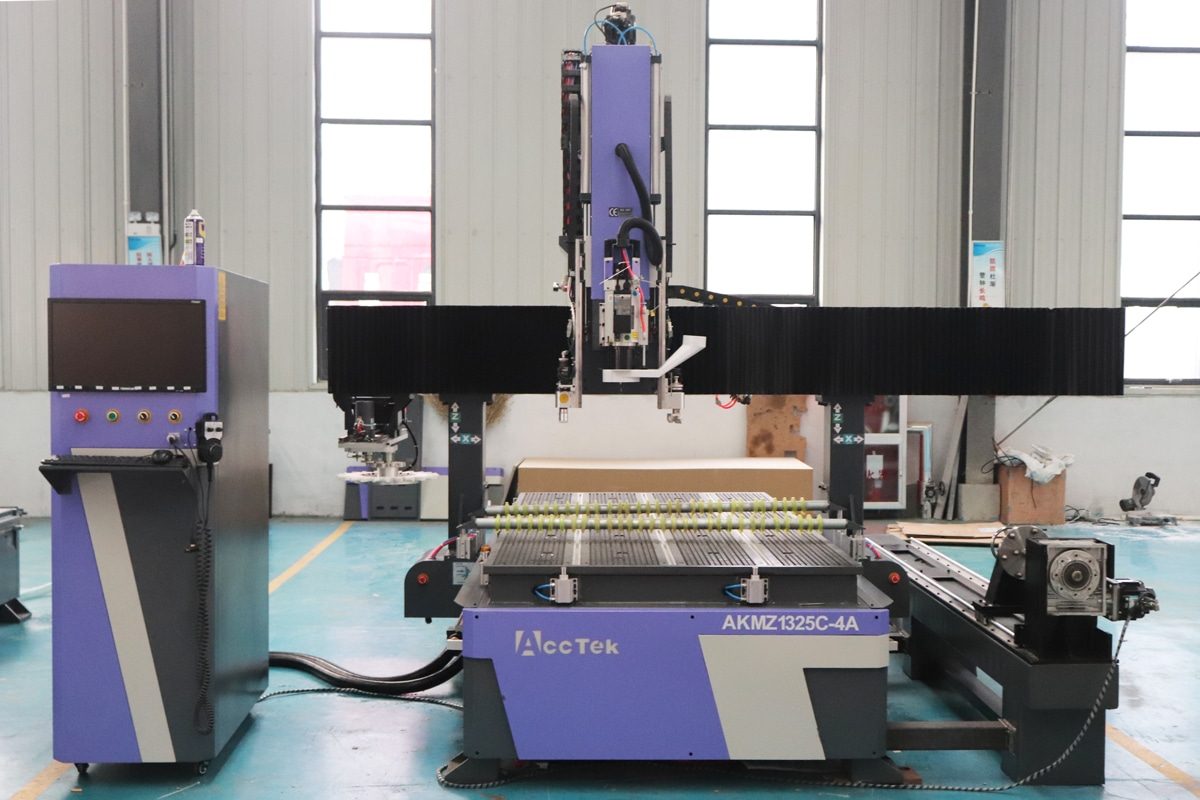
In today’s competitive manufacturing landscape, precision, efficiency, and flexibility are more important than ever. For many businesses, CNC routers have become essential tools for cutting, shaping, and engraving a wide range of materials with speed and accuracy. While standard CNC routers offer reliable performance for common applications, some businesses face unique production requirements that off-the-shelf machines can’t fully meet. This is where custom CNC routers come into play.
Designed and built to match specific workflows, materials, and project demands, these custom CNC routers promise tailored solutions that can boost productivity and deliver long-term value. But with greater customization comes a higher price tag and potential challenges. So the critical question arises: Is a custom CNC router truly worth the investment? This article explores the benefits, drawbacks, costs, and real-world considerations to help you decide whether a custom machine is the right choice for your business.
Understanding Custom CNC Routers
A custom CNC router is a computer-controlled cutting machine that has been specifically designed or modified to meet the unique needs of a business or application. Unlike standard models, which are manufactured with fixed dimensions and general-purpose capabilities, custom routers are built around the operator’s workflow, material requirements, and production goals. Before weighing the costs and benefits of investing in a custom CNC router, it’s important to first understand how these machines differ from standard models and their unique features.
How Custom CNC Routers Differ from Standard Machines
Before deciding whether a custom CNC router is worth the investment, it’s important to understand what sets it apart from a standard machine. While both standard and custom CNC routers perform the same core function, their design philosophy are very different.
- Standard CNC Routers are built for versatility and broad usability. They come in fixed sizes and configurations designed to serve a wide range of users, from small workshops to industrial facilities. These machines are generally easier to source, quicker to install, and more affordable up front. However, they may not fully meet the demands of businesses with specialized projects or high-volume production needs.
- Custom CNC Routers, on the other hand, are tailored to the exact requirements of the user. Every aspect—from table size and spindle power to automation features and software—is configured to match specific workflows. This makes them ideal for businesses that process unique materials, produce large or complex designs, or require faster throughput than a standard machine can provide.
Features of Custom CNC Routers
The defining characteristic of a custom CNC router is its ability to be engineered around the user’s specific production needs, offering greater flexibility and functionality compared to standard off-the-shelf machines. Key features of custom CNC routers often include:
- Tailored Machine Size: Custom bed dimensions to handle oversized panels or compact spaces.
- Spindle Options: Variable spindle power and speed ranges designed for specific materials such as wood, metal, stone, or composites.
- Multi-Axis Capabilities: Expanded movement (4-axis, 5-axis, or multi-head) for complex shapes and advanced machining.
- Automated Enhancements: Options like automatic tool changers (ATC), vacuum tables, or dust collection systems for greater efficiency.
- Material-Specific Adaptations: Reinforced structures, cooling systems, or specialized tooling to handle heavy-duty materials like steel, glass, or marble.
- Custom Software Integration: User-friendly control systems or specialized CAD/CAM compatibility tailored to industry workflows.
Custom CNC routers go beyond the limitations of standard machines by offering targeted solutions for businesses with unique demands. From tailored dimensions and spindle options to advanced automation and material-specific enhancements, they are built to deliver precision and efficiency where it matters most. Understanding these distinctions lays the foundation for evaluating whether such an investment is the right fit for your operation.
The Benefits of a Custom CNC Router
When evaluating whether a custom CNC router is worth the investment, one of the most compelling considerations lies in the advantages it offers. Unlike standard machines that are designed to cover a wide range of general applications, custom CNC routers are purpose-built to meet the exact demands of a business. This means every component can be engineered to enhance productivity and align with specific workflows. These tailored benefits not only improve day-to-day operations but also create long-term value, helping businesses achieve greater precision, efficiency, and competitiveness in their markets.
- Tailored Design for Specific Needs: One of the most significant benefits is the ability to customize every aspect of the machine. Whether it’s expanding the cutting bed for oversized panels, adjusting spindle power for tougher materials, or integrating specialized attachments, a custom CNC router is designed to match the unique workflow of your operation. This ensures the machine works seamlessly within your production environment instead of forcing you to adapt to its limitations.
- Enhanced Efficiency and Productivity: Custom routers often include advanced automation features such as automatic tool changers, multi-spindle configurations, or vacuum tables. These upgrades reduce manual labor, minimize downtime between jobs, and enable faster production cycles. The result is a smoother workflow that allows businesses to meet higher output demands without sacrificing quality.
- Improved Precision and Quality: With configurations optimized for specific materials and applications, custom CNC routers deliver tighter tolerances and more consistent results. This precision ensures that products not only meet but often exceed industry standards.
- Long-Term Cost Savings and ROI: While the initial purchase price is higher, custom CNC routers can lower long-term costs through greater efficiency, reduced material waste, and fewer production errors. Many companies find that these savings, combined with increased output capacity, result in a strong return on investment over the machine’s lifespan.
- Scalability and Growth Support: Customization ensures the machine is capable of handling not just current projects but also future demands. Businesses can plan for growth by incorporating features that support expanding product lines or new materials, reducing the need for frequent equipment upgrades.
- Competitive Advantage in the Market: By offering capabilities that standard machines cannot, a custom CNC router allows companies to take on more complex projects, deliver faster turnaround times, and differentiate themselves from competitors. This competitive edge can lead to new business opportunities and stronger customer relationships.
The advantages of a custom CNC router extend far beyond simple convenience. By providing solutions that address unique production requirements, these machines can reduce inefficiencies, improve product quality, and deliver a return on investment that standard routers often cannot match. For companies with specialized needs or ambitions to expand their capabilities, the benefits of customization can be the deciding factor in achieving both immediate gains and sustained growth.
The Drawbacks and Challenges
While custom CNC routers offer tailored solutions and impressive capabilities, they are not without their drawbacks. The specialized design and advanced features that make these machines appealing can also introduce higher costs, longer lead times, and operational complexities. Understanding these drawbacks ensures a realistic evaluation of whether a custom solution aligns with your operational and financial goals.
- Higher Initial Investment: Custom CNC routers generally come with a substantially higher price tag compared to standard models. The increased cost reflects specialized components, tailored engineering, and advanced automation features. The upfront cost can be a significant barrier for small shops or businesses with limited capital, and it requires careful budgeting and financial planning.
- Extended Lead Time: Because these machines are built to order, they often require longer design, manufacturing, and delivery periods. Unlike off-the-shelf models that can be purchased and deployed quickly, custom routers may delay production timelines, which can be a challenge for businesses needing immediate operational capacity.
- Maintenance and Support Complexity: Custom machines often use specialized components or configurations, which can make maintenance more complicated. Replacement parts may not be as readily available as those for standard models, and servicing might require specialized technicians, potentially increasing downtime and service costs.
- Risk of Over-Customization: There’s a possibility of over-investing in features that aren’t fully utilized. Adding too many specialized capabilities can drive up costs without delivering proportional benefits, making it necessary to carefully evaluate which customizations are truly necessary for your production needs.
- Learning Curve for Operators: Custom machines may involve specialized software, unique controls, or complex automation systems. Training staff to operate the machine effectively can take time and temporarily impact productivity, particularly if the features are significantly different from standard CNC setups.
The drawbacks of custom CNC routers—ranging from higher initial investment and maintenance complexity to potential over-customization and learning curves—highlight the importance of careful planning and evaluation. By weighing these challenges against the potential benefits, businesses can make an informed decision and ensure that a custom CNC router truly adds value rather than unnecessary expense or complication.
When Is It Reasonable to Customize a CNC Router?
Not every business needs a custom CNC router. Many standard machines are sufficient for common tasks and general production needs. However, there are situations where customization becomes not just beneficial, but essential. Understanding the scenarios in which a tailored CNC router adds real value can help businesses make informed decisions about whether the investment aligns with their operational goals and growth plans. There are several scenarios in which investing in a custom CNC router makes practical and financial sense:
- Unique Production Requirements: If your projects involve oversized materials, unconventional shapes, or specialized tooling, a standard CNC router may not meet your needs. Customization ensures the machine can handle these requirements efficiently, without compromising quality or workflow.
- High-Volume or Specialized Production: Businesses that produce large quantities or highly intricate designs can benefit from custom features like multi-spindle setups, automatic tool changers, or advanced material handling systems. These features increase throughput and reduce production bottlenecks.
- Material-Specific Needs: Certain materials, such as metal, stone, composites, or glass, may require reinforced frames, specialized spindles, or cooling systems. A custom CNC router can be configured to process these materials safely and effectively.
- Integration with Existing Workflows: If your operation has unique software, automation, or workflow requirements, a custom CNC router can be designed to integrate seamlessly. This minimizes disruption, improves efficiency, and leverages your current production systems.
- Future Growth and Scalability: Businesses planning to expand operations or diversify product lines may benefit from a custom machine that can accommodate evolving needs. This forward-looking approach reduces the likelihood of needing frequent upgrades or replacements.
- Competitive Advantage: Companies looking to differentiate themselves through precision, speed, or capabilities unavailable to competitors can justify the investment in customization. A tailor-made CNC router can enable unique products, faster turnaround, or higher quality standards that set a business apart.
Customizing a CNC router is most reasonable when standard machines cannot meet specific production requirements, handle specialized materials, or integrate efficiently with existing workflows. For businesses with unique needs, high-volume production, or plans for future growth, a custom CNC router can deliver measurable benefits in efficiency, precision, and competitiveness—making the investment both practical and strategic.
When Is a Standard CNC Router Sufficient?
While custom CNC routers provide tailored solutions for specialized needs, many businesses can achieve excellent results with standard machines. Standard CNC routers are versatile, cost-effective, and widely available, making them a practical choice for a broad range of applications. Here are scenarios where a standard CNC router is typically sufficient:
- Common Material Processing: For businesses working primarily with wood, plastics, or soft metals, standard CNC routers usually provide adequate spindle power, speed, and precision. There’s often no need for specialized customization for these materials.
- Small to Medium Production Volumes: Shops with moderate output or occasional complex jobs often benefit from the flexibility of a standard machine without incurring the higher costs of customization.
- Limited Budget or Capital Constraints: Standard CNC routers are significantly less expensive upfront than custom machines, making them a practical choice for startups, small workshops, or businesses testing CNC capabilities before committing to a larger investment.
- Basic Design and Workflow Needs: If production involves simple shapes, standard sizes, and conventional tooling, a standard CNC router can handle these tasks efficiently without requiring tailored features.
- Shorter Lead Time Requirements: Standard machines are typically ready to ship or install quickly, enabling businesses to start production sooner without waiting for a custom design and build process.
- Training and Maintenance Simplicity: Standard CNC routers often have widespread support, easier maintenance, and lower training requirements, which is beneficial for teams without extensive CNC experience.
A standard CNC router is often sufficient for businesses with straightforward production requirements, common materials, and moderate output volumes. With lower upfront costs, shorter lead times, and simpler maintenance, standard machines provide reliable performance for many workshops and manufacturers. Understanding when a standard model meets your needs ensures that resources are allocated efficiently without unnecessary investment in customization.
Industries and Applications That Benefit Most
Custom CNC routers are particularly beneficial for industries and applications where standard machines cannot meet specific production demands. Whether it’s handling specialized materials, producing intricate designs, or achieving high-precision results, custom machines provide the flexibility and power needed to elevate production capabilities. Below are some of the industries that benefit most from custom CNC solutions:
Woodworking and Furniture Production
Standard machines may handle basic cuts and engraving, but furniture manufacturing that produces complex designs or large panels often requires tailored solutions. Here are the key benefits of customizing a CNC router:
- Larger Bed Sizes: Many furniture pieces involve oversized panels or multi-component assemblies. Custom CNC routers can be designed with extended beds to accommodate these materials without cutting them into smaller, less efficient pieces.
- Intricate Carving and Joinery: Multi-axis CNC routers and high-speed spindles allow for detailed carvings, decorative patterns, and precise joinery that enhance both aesthetics and structural integrity.
- Enhanced Workflow Integration: Custom features such as automated tool changers, vacuum tables, and dust collection systems streamline production, reduce manual labor, and maintain a clean, safe work environment.
Sign Making and Engraving
Standard CNC routers can handle basic cuts, but businesses producing intricate designs, layered signs, or high-volume orders often benefit from custom machines tailored to their specific needs. Here are the key benefits of customizing a CNC router:
- High-Speed Spindles: Faster spindles allow for detailed engraving and fine lettering on materials such as wood, acrylic, aluminum, or plastic, improving both quality and production speed.
- Multi-Spindle Configurations: Custom CNC routers can be equipped with multiple spindles to work on several pieces simultaneously, increasing throughput for large orders.
- Automated Tool Changers: Switching between different cutting or engraving tools can be automated, saving time and reducing manual intervention.
Metalworking
While entry-level routers may handle softer metals like aluminum, businesses working with tougher materials often turn to custom solutions. Here are the key benefits of customizing a CNC router:
- Reinforced Machine Structure: A stronger frame and gantry reduce vibrations during cutting, ensuring smoother finishes and higher accuracy.
- High-Powered Spindles: Custom machines can be equipped with more powerful spindles capable of cutting through harder metals with speed and precision.
- Advanced Cooling and Lubrication Systems: These features extend tool life and prevent overheating.
- Specialized Tooling Options: Custom CNC routers can integrate tooling systems designed for specific metals, enhancing efficiency and versatility.
Stone Processing
While standard CNC routers can handle wood and plastics, stone requires a machine that is durable, precise, and capable of managing the unique challenges that stone presents. Here are the key benefits of customizing a CNC router:
- Reinforced Frames and Structures: Custom routers can be built with heavier, sturdier frames to support the weight of stone and reduce vibrations, ensuring smoother cuts and longer tool life.
- High Torque Spindles: Stone cutting demands high torque to maintain consistent performance when cutting through dense, abrasive materials.
- Advanced Dust Collection Systems: Stone cutting produces large amounts of dust, which can damage machinery and create hazardous working conditions. Custom CNC routers can include integrated dust collection systems to maintain cleanliness, protect the machine, and improve worker safety.
- Specialized Tooling for Stone: Custom machines can be fitted with tools designed for stone cutting, polishing, and engraving, allowing for more intricate detailing and smoother finishes.
Custom CNC routers offer substantial advantages to industries that require specialized features, high performance, and flexibility beyond what standard machines can provide. From woodworking and furniture production to metalworking and stone processing, these tailored machines enable businesses to meet the unique challenges of their respective fields. By investing in a custom CNC router, companies can improve their production capabilities, increase precision, and differentiate themselves in competitive markets.
Key Considerations Before Investing
Investing in a custom CNC router is a significant decision that involves both careful evaluation and long-term planning. While these machines offer many benefits, they also require substantial investment, commitment, and the right conditions for success. Before committing to a custom CNC router, businesses should carefully consider the following factors to ensure that the investment aligns with their goals and operational needs.
Production Requirements
- Complexity of Tasks: Assess whether your production involves intricate designs, high precision, or specialized materials. Custom CNC routers are ideal for these needs, but businesses handling simpler tasks may find that standard models suffice.
- Volume and Speed: If your business operates in high-volume production or needs to handle large numbers of custom orders efficiently, a custom CNC router can improve productivity. However, consider whether your production volume justifies the investment.
Budget and Financial Planning
- Initial Investment vs. ROI: Custom machines come with a higher upfront cost. It’s important to calculate the expected return on investment (ROI) by estimating how the machine’s capabilities will increase productivity, reduce waste, or improve quality.
- Ongoing Costs: Beyond the initial price, businesses must factor in maintenance, energy consumption, replacement parts, and training costs. A custom CNC router may have higher ongoing expenses than a standard model, so it’s necessary to budget for these.
Long-Term Scalability and Flexibility
- Future Growth: A custom CNC router can be designed to accommodate future production needs, whether that means handling new materials, larger workpieces, or more complex designs. Businesses planning to scale their operations may find that a custom machine offers long-term value and flexibility.
- Adaptability: Custom machines can be modified or upgraded in the future to meet evolving demands. However, businesses should ensure that the customization aligns with their long-term goals and growth trajectory.
Skillset and Training Requirements
- Operator Expertise: Custom CNC routers often come with specialized features, controls, and software that may require additional training. Ensure that your team has the necessary skills or is prepared to learn how to operate the machine efficiently.
- Maintenance and Support: Specialized components may require technicians with specific expertise for servicing and repair. Consider whether your business can handle this level of maintenance or if external support will be needed regularly.
Market and Industry Needs
- Demand for Customization: Businesses in industries such as metalworking, sign-making, and furniture production may find that the ability to handle unique requests and produce specialized products is a competitive advantage. If the market demands higher quality or more complex designs, a custom CNC router can help fulfill these needs.
- Competitive Edge: Assess whether having a custom CNC router will provide a significant edge in your market. If customization allows you to take on high-value projects, produce unique products, or differentiate yourself from competitors, the investment may be worthwhile.
Before investing in a custom CNC router, businesses should evaluate their production needs, budget, scalability plans, and the level of expertise required to maximize the machine’s potential. By carefully considering these factors, businesses can determine whether a custom solution offers the right balance of cost, functionality, and long-term value.
Summarize
A custom CNC router can be a highly valuable investment for businesses with specialized production needs, offering enhanced precision, speed, and efficiency. While the upfront costs may be higher, the long-term benefits can make it a worthwhile choice for industries requiring tailored solutions. However, for businesses with simpler needs or tighter budgets, a standard CNC router may provide sufficient performance. Ultimately, the decision comes down to evaluating your specific requirements, budget, and future growth potential to determine if the benefits of customization outweigh the costs.
AccTek CNC is a leading manufacturer of high-quality CNC routers based in China, specializing in both standard and custom-designed machines. With years of industry expertise, we offer a comprehensive range of CNC routers tailored to meet the needs of businesses across various sectors. Whether you require a versatile, cost-effective standard CNC router or a fully customized solution for specific production demands, AccTek CNC is committed to delivering cutting-edge technology, exceptional precision, and reliable performance. Our machines are built to enhance productivity, reduce costs, and elevate the quality of your production processes.