

- 15-20 Min Read
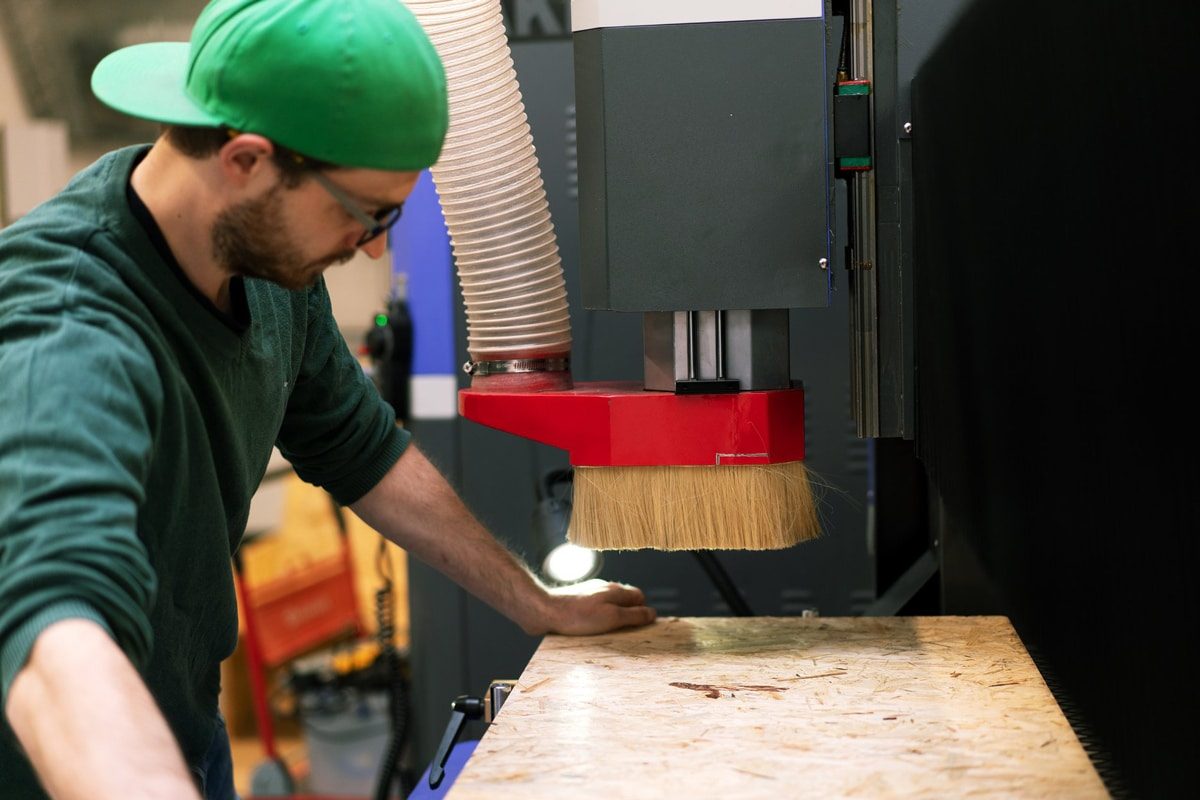
CNC routers are powerful and precise tools that have revolutionized woodworking, enabling professionals and hobbyists alike to achieve intricate designs and accurate cuts with ease. However, one common challenge that many woodworkers face is determining how thick of wood their CNC router can effectively cut. The maximum wood thickness a CNC router can handle isn’t just determined by the machine’s capabilities, but also by various factors such as the type of wood, the cutting tools, and the setup of the CNC router itself.
In this article, we’ll explore these key factors, examining how different specifications and techniques influence the thickness of wood that can be cut, providing you with insights to make the most of your equipment and optimize your projects. Whether you’re working with softwoods or hardwoods, understanding these limits will help you make more informed decisions, optimize your workflow, and ensure successful cuts on your CNC router.
What is a CNC Router?
A CNC router is a versatile, automated cutting machine used in woodworking, metalworking, plastics, and other materials. It operates by following precise instructions provided by a computer program, allowing it to perform complex tasks with high precision. CNC routers are typically equipped with a rotating spindle that holds a cutting tool and can move along multiple axes to cut, carve, or engrave material into specific shapes.
Key Features of CNC Router
The CNC router is a cornerstone of modern fabrication, combining digital accuracy with mechanical power to handle a wide range of creative and industrial tasks. Here are its key features:
- Automation and Precision: The computer-controlled aspect of CNC routers ensures consistent, repeatable cuts, making them ideal for both high-volume production and intricate, detailed work.
- Multi-Axis Movement: CNC routers often feature 3, 4, or even 5-axis movement, allowing for complex cuts, carvings, and 3D shaping.
- Versatility: While commonly used in woodworking, CNC routers can also be used for cutting and engraving a wide range of materials, including plastics, metals, and foam.
- High Efficiency and Speed: CNC routers can produce parts much faster with minimal human intervention. Once a digital design is loaded, the machine can perform repetitive cuts with consistent quality, greatly improving productivity.
- User-Friendly Operation: Modern CNC routers feature intuitive control panels or computer interfaces, making them accessible even for beginners.
Types of CNC Routers Used in Woodworking
CNC routers come in various configurations and sizes, each designed for specific woodworking tasks. Here are the most common types used in the woodworking industry:
- Desktop CNC Router: This is a compact and cost-effective machine designed for light-duty tasks. Ideal for hobbyists or small businesses, these routers typically feature a compact work area, making them perfect for smaller-scale projects, such as custom carvings and signage. Their affordability and smaller footprint make them accessible to those with limited space, though they are not suited for large, heavy-duty projects.
- Gantry CNC Router: This is the most widely used type of machine in commercial woodworking shops. These machines feature a robust gantry frame where the cutting toolhead moves across the X, Y, and Z axes to carve and shape larger pieces of wood. With work areas that can range from 1300 x 2500mm to 1500 x 3000mm or more, gantry routers are ideal for high-production environments where large panels, doors, furniture, or custom designs need to be cut with high precision.
- Rotary Axis CNC Router: This is designed to provide advanced cutting capabilities by adding a rotational axis to the standard three-axis configuration. This allows the toolhead to rotate around the material, enabling the router to cut complex geometries and cylindrical parts with ease. These machines are ideal for tasks such as sculptural woodworking, sign making, and custom carvings that require intricate and multi-dimensional cuts.
- 4-Axis and 5-Axis CNC Routers: They are the most advanced type of router, allowing the tool to cut from virtually any angle. This makes them capable of producing extremely detailed and complex 3D carvings, intricate joints, and sculptural designs. While these routers are more expensive and require more expertise to operate, they provide unmatched precision and creativity, making them a popular choice for high-end woodworking shops and artistic projects.
A CNC router is an advanced piece of equipment that automates the process of cutting, shaping, and engraving materials with high precision and repeatability. Its ability to work with a wide range of materials, from wood and plastics to metals and composites, makes it a crucial tool for many industries. From compact, entry-level desktop models to advanced multi-axis industrial machines, the different types of CNC routers cater to various scales of production and complexity. Understanding the characteristics and capabilities of these routers is key to selecting the right tool for any project, ensuring optimal results and efficiency in the manufacturing process.
Key Factors That Influence Wood Cutting Thickness
While CNC routers are known for their precision and versatility, the maximum thickness of wood that can be effectively cut depends on a variety of factors. These include the specifications of the router itself, the type of wood, the cutting techniques used, and the overall setup of the machine. Understanding these factors will help you optimize the cutting process and achieve the best results for your project.
CNC Router Specifications
The capabilities of the CNC router itself are one of the most significant influences on the maximum thickness of wood it can cut. Key specifications include:
- Motor Power: The power of the CNC router’s motor determines how easily it can cut through different wood densities. Higher motor power allows the machine to handle thicker and harder wood.
- Spindle Speed: Faster spindle speeds can improve cutting efficiency, but they also generate more heat, which can affect the cutting depth and quality, especially with thicker materials.
- Cutting Tool Size: Larger cutting bits can handle deeper cuts in thicker wood, while smaller bits are better for finer detail work but may struggle with thicker materials.
Type of Wood
Different wood species have varying densities, hardness, and grain structures, all of which affect how easily the CNC router can cut through them.
- Softwoods: Woods like pine, cedar, and fir are easier to cut through due to their relatively low density and softer texture. These materials allow for deeper cuts without overloading the CNC router.
- Hardwoods: Woods such as oak, maple, and walnut are much denser and harder, making them more difficult to cut. As a result, cutting through hardwoods requires more power, slower feed rates, and smaller cutting passes.
- Grain Structure: The grain of the wood can impact cutting efficiency. Straight-grain woods are easier to cut, while woods with complex grain patterns, knots, or irregularities may require additional care, and the machine may need to adjust its cutting parameters.
Cutting Depth and Passes
When working with thicker pieces of wood, it’s often not feasible or efficient to cut the full depth in a single pass. The cutting process is typically done in multiple passes to avoid overstressing the CNC router and ensure a cleaner finish.
- Depth per Pass: Most CNC routers are limited by how deep they can cut in a single pass. For thicker materials, the depth of each pass may need to be reduced to ensure that the tool isn’t bogged down, which can lead to poor cuts or tool damage.
- Multi-Pass Strategy: For cutting very thick wood, a multi-pass strategy is often employed. This involves gradually reducing the thickness over several passes, allowing the CNC router to cut deeper with each pass without compromising performance or quality.
CNC Router Setup
The overall setup and rigidity of the CNC router influence how effectively it can handle thick wood:
- Machine Size and Rigidity: Larger, industrial-grade CNC routers tend to be more stable and capable of cutting through thicker materials. Smaller, less rigid machines may struggle with the vibrations and stresses of cutting thick wood, limiting their cutting depth.
- Workholding: For thicker pieces, more robust clamping or vacuum systems are needed to prevent movement that could affect the cut quality.
- Tool Path Strategy: The tool path, which is the programmed route the cutting tool takes, must be carefully planned. An inefficient tool path could result in excess heat, poor cut quality, or overworking the machine. Optimizing the path ensures smoother, deeper cuts in thicker materials.
The thickness of wood a CNC router can cut is determined by a combination of factors, including the machine’s capabilities, the material’s properties, and the cutting strategy employed. By carefully considering these factors, woodworkers can better understand how thick wood their CNC router can effectively cut and take the necessary steps to optimize performance and cut quality. Adjusting machine settings and techniques based on material and project requirements is key to achieving the best results.
Maximum Wood Thickness a CNC Router Can Cut
The maximum cutting depth depends on a variety of factors, including the type of CNC router, as well as the material being cut. While there’s no one-size-fits-all answer, understanding these variables will help determine the practical limits of your machine. Here we’ll break down the maximum wood thickness a CNC router can cut, considering both the machine’s specifications and the characteristics of different wood types.
General Limits for Different CNC Router Models
Entry-Level CNC Routers: Smaller or desktop CNC routers typically have limited cutting depth, often ranging between 1″ to 2″ for softwoods, with hardwoods typically limited to around 1″. These machines are designed for smaller projects, such as signage, light carvings, or smaller furniture components.
- Mid-Range CNC Routers: These machines, which are commonly found in small to medium-sized woodworking shops, can typically handle thicker cuts, with the ability to cut wood up to about 3″ to 4″ in depth, depending on the router’s motor power, rigidity, and the wood’s hardness.
- Industrial-Grade CNC Routers: High-end, industrial CNC routers can handle cutting depths of 5″ to 10″ or even more for certain types of wood. These machines are typically built to withstand the stresses of cutting large, thick wood panels and are used for large-scale production, such as cabinetry, furniture manufacturing, and architectural elements.
Differences Based on Wood Species
What components does the CNC Router consist of?
Softwoods: Woods like pine, cedar, and fir are easier to cut and allow for deeper cuts. Softwoods are generally easier on the machine, enabling CNC routers to cut deeper, often reaching 3″ to 4″ with ease.
- Hardwoods: Hardwoods such as oak, walnut, and maple are denser and more difficult to cut. While many CNC routers can cut through these woods, the cutting depth is usually reduced to 2″ to 3″ for hardwoods. In some cases, industrial-grade machines may still manage cuts as deep as 4″ to 5″, but these deeper cuts require more careful planning, slower feed rates, and additional passes.
- Exotic Woods and Composites: Exotic hardwoods and dense composites like plywood or MDF can also be challenging due to their density or layering. These materials may require specialized tools and a more controlled cutting approach.
Cutting Tool and Technique
Cutting Tools: Larger bits, such as those with a longer cutting edge or a spiral design, can cut deeper into the wood. However, longer bits can also place more stress on the machine, especially in deeper cuts. Choosing the appropriate bit is beneficial for maintaining quality and reducing tool wear.
- Cutting Depth per Pass: The depth of each pass is another critical factor. In most cases, CNC routers don’t cut the full thickness in a single pass; rather, the cutting depth is divided into multiple, shallower passes. A common practice is to cut around 0.25″ to 0.5″ per pass for deeper cuts, gradually increasing the depth until the desired thickness is reached.
- Multiple Passes: When cutting thick wood, the CNC router may perform several passes to gradually reduce the material thickness. This technique reduces strain on the machine, prevents excessive heat buildup, and improves cut quality.
The maximum wood thickness a CNC router can cut depends on a combination of machine specifications, wood type, cutting tools, and setup. While entry-level CNC routers are limited to shallow cuts, mid-range and industrial models can cut much deeper, especially with softwoods and well-chosen tools and techniques. By understanding these factors, you can optimize your CNC router settings and choose the right machine for the thickness and type of wood you’re working with, ensuring both precision and efficiency in your cutting tasks.
Techniques to Cut Thicker Wood
Cutting thick wood with a CNC router presents unique challenges that require careful planning and the right techniques. Unlike thinner materials, thick wood demands more power, precision, and a strategic approach to achieve clean, accurate cuts while ensuring the longevity of your tools and machine. There are several effective strategies that can help you achieve clean, precise cuts on thicker pieces of wood while ensuring the longevity of your machine and tools. Below are key techniques to follow when cutting thicker wood.
- Step-Down Cuts (Multi-Pass Strategy): One of the most common techniques for cutting through thicker wood is to make step-down cuts, also known as multi-pass cuts. Instead of trying to cut the full depth in a single pass, this method breaks the cut into smaller, more manageable layers. In step-down cutting, the router moves down a certain depth incrementally with each pass. The depth per pass can vary, but typically ranges from 0.25″ to 0.5″ depending on the material and the router’s capability.
- Use of Larger, More Robust Cutting Tools: Larger, more robust router bits can handle deeper cuts. Tools such as spiral downcut bits, longer straight bits, or carbide-tipped tools are ideal for cutting through thick wood. Larger bits are designed to carry more load and clear more material per pass, while carbide tips provide the durability needed for cutting dense or thick materials. Choosing the correct tool reduces the need for multiple tool changes and can speed up the cutting process.
- Slow Feed Rate and RPM Adjustments: When cutting thicker wood, it’s essential to adjust both the feed rate (the speed at which the router moves through the material) and the spindle RPM (the speed of the cutting tool). For thicker cuts, reduce the feed rate and use a slower spindle speed. A slower feed rate ensures that the router bit is removing material at a manageable pace, preventing the bit from overloading. Slower speeds also minimize heat buildup, which can cause burns or tool wear.
- Cooling and Lubrication: Thicker cuts generate more heat, which can lead to tool wear, burning of the wood, or a rough cut surface. Cooling and lubrication are essential techniques for maintaining quality while cutting deep into thicker wood. Some CNC routers are equipped with air blast systems that use compressed air to cool the cutting area and remove wood chips, which helps reduce friction and heat buildup. Additionally, lubrication can help when cutting particularly dense or composite woods.
- Proper Workholding and Material Positioning: Proper workholding ensures that the material does not shift or move during cutting, preventing misalignments and inconsistent results. Use clamps, vacuum tables, or custom fixtures to securely hold the wood in place. For larger pieces, ensure the material is fully supported to prevent it from flexing or shifting.
- Toolpath Optimization: Toolpath optimization ensures that the CNC router makes the most efficient cuts while maintaining accuracy. Use climb milling for deeper cuts, which reduces the risk of tear-out and provides a cleaner finish. Also, avoid unnecessary toolpath retractions and overlaps to reduce the number of passes the router makes, which improves efficiency.
- Multiple Tool Changes: When cutting particularly thick or complex wood, it may be necessary to use multiple tools for different tasks, such as rough cutting and finish cutting. Start with a larger, more robust tool for the rough cuts, and then switch to a finer tool for finishing the edges and achieving a smooth surface.
Cutting thicker wood with a CNC router requires a strategic approach, utilizing a combination of techniques to ensure clean, accurate cuts. Step-down cuts, the use of larger, robust cutting tools, adjusting feed rates, cooling, proper workholding, and toolpath optimization are all essential strategies for successfully cutting through thick materials. With these techniques in place, you can confidently take on thicker wood projects, ensuring high-quality, accurate results every time.
How to Determine the Right Thickness for Your CNC Router
Determining the right thickness for your CNC router is an essential step in ensuring both the efficiency of your machine and the quality of your work. While CNC routers offer impressive versatility, their ability to cut through wood and other materials depends on various factors, including the machine’s specifications, the material being used, and the techniques employed. Here’s a guide on how to assess and determine the ideal thickness for your CNC router:
Check Your CNC Router's Specifications
The first step in determining the right cutting thickness is to review the technical specifications of your CNC router. Key specifications to focus on include:
- Z-Axis Travel: This refers to the vertical distance the CNC router’s tool can move. The Z-axis limits how deep the machine can cut. If your router has limited Z-axis travel, you may only be able to cut thinner materials or need to adjust your approach for thicker cuts.
- Motor Power: A router with a more powerful motor will be able to cut thicker materials more efficiently. CNC routers with motors over 3.5 kW are typically better suited for cutting thick wood or composite materials, while smaller motors are better for lighter materials.
- Spindle Speed: Higher spindle speeds allow for faster cuts but may not be suitable for thicker materials. Slower speeds and a more powerful motor are needed for deeper cuts.
Consider the Material Type
Different materials have varying degrees of density, which significantly affects how thick they can be cut. Consider the following:
- Softwoods: Materials like pine, cedar, and fir are easier to cut and can generally be cut to greater depths. A mid-range CNC router can easily handle cuts in softwoods up to 3″ to 4″ thick, depending on the motor and tool size.
- Hardwoods: Denser woods such as oak, maple, and walnut require more power to cut and may need a more industrial CNC router for depths of 2″ to 3″. High-quality tools and slower cutting speeds are needed for harder woods.
- Composites and MDF: These materials are dense but not as hard as hardwoods, so they may be cut to similar depths as softwoods. However, their density can wear out tools faster, so tool longevity must be considered.
Review the Cutting Tool's Capacity
The cutting tool you use also dictates how deep you can cut. Some key factors to consider:
- Tool Length: Longer bits allow deeper cuts but also create more stress on the tool. It needs to balance tool length with the machine’s power and cutting strategy.
- Tool Type: Different tools are suited for different tasks. Spiral bits, straight bits, and ball-nose bits can cut deeper, but some are more suited for roughing cuts, while others are better for finish cuts.
- Tool Wear: As the tool wears down, its cutting ability diminishes. If you are cutting thicker wood, ensure the tool remains sharp and replace it as needed to maintain accuracy.
Testing and Trial Runs
Before committing to a full project, always conduct test cuts on scrap material to see how the CNC router handles a particular thickness. This allows you to:
- Evaluate Performance: Testing will help you determine if the machine is cutting at the right speed, depth, and quality. If the CNC router is straining or the cut is rough, you may need to reduce the thickness or adjust the feed rate.
- Adjust Settings: If necessary, adjust your router settings, including feed rates, RPM, or cutting depth per pass, to optimize performance for the material you are working with.
To determine the right thickness for your CNC router, it’s essential to consider a combination of machine specifications, material properties, cutting tool capacity, and proper cutting techniques. By understanding your machine’s capabilities and the nature of the material you’re working with, you can choose an optimal cutting depth that ensures both high-quality results and machine longevity.
Common Issues When Cutting Thick Wood with a CNC Router
Cutting thick wood with a CNC router can present several challenges, even for experienced users. While CNC routers are powerful machines, the process of cutting dense or thick materials requires special considerations to ensure quality results and prevent damage to both the machine and the workpiece. Below are some of the most common issues that arise when cutting thick wood, along with possible solutions to address them.
Overheating and Tool Wear
Cutting through thick wood generates a significant amount of heat, which can cause the cutting tools to dull quickly and lead to overheating issues. Here is the solution:
Use a slower feed rate and lower spindle speed to minimize heat generation. Opt for tools made of heat-resistant materials, such as carbide-tipped bits, which offer better durability in high-heat situations. Additionally, consider using a cooling system to help dissipate the heat and maintain tool sharpness.
Inconsistent Cuts or Rough Edges
One of the most frustrating problems when cutting thick wood is inconsistent cuts or rough edges, which can result from several factors. Here is the solution:
Use step-down cuts to make multiple shallow passes rather than attempting to cut all at once. This approach will give you a smoother cut, reduce tool strain, and minimize vibrations that can cause rough edges. Make sure the wood is adequately supported and clamped to prevent any shifting during the cutting process.
Tool Deflection or Vibration
When cutting thicker wood, especially dense materials, tool deflection and vibration can become more pronounced, which can lead to inaccurate cuts or damage to the workpiece. Here is the solution:
Choose shorter, stiffer bits for deeper cuts to reduce the risk of deflection. Ensure that your CNC router is securely fastened to a rigid workbench or surface to minimize vibrations. Adjusting the feed rate and using a more controlled cutting speed can also help reduce vibrations and improve cut accuracy.
Wood Shifting or Movement
When cutting thicker or larger pieces of wood, it is necessary to ensure that the material stays securely in place during the process. Inadequate clamping or support can cause the material to shift during cutting, particularly when making deeper cuts. Here is the solution:
Use strong, reliable clamps or a vacuum table to hold the wood securely in place. Additionally, consider using custom workholding fixtures for larger or irregularly shaped pieces. Ensuring the material is properly supported and evenly clamped will help maintain precision and reduce the risk of movement.
Inadequate Dust and Chip Removal
Cutting thick wood produces a significant amount of sawdust and wood chips, which can accumulate around the cutting area and obstruct the router’s path. This can affect cut quality and potentially cause the machine to overheat. Here is the solution:
Use an efficient dust collection system to remove chips and sawdust from the work area. Additionally, consider using air blast systems to clear the cutting path as you work, ensuring a clean cut and preventing debris from affecting the CNC router’s performance.
Limited Cutting Depth
CNC routers have a fixed range of vertical motion, and this can be a limiting factor when cutting thicker materials. Many machines, especially smaller or desktop models, may not be capable of cutting very thick wood in a single pass. Here is the solution:
Use the multi-pass cutting technique to gradually remove material in smaller increments. Set your router to cut in incremental steps (typically between 0.25″ to 0.5″ per pass), depending on the material and tool, to work through thicker wood without exceeding the router’s cutting depth.
Cutting thick wood with a CNC router presents various challenges, from overheating and tool wear to vibrations and wood shifting. By understanding the root causes of these common issues and applying the right solutions, you can improve both the quality and efficiency of your cuts. With the right techniques and precautions, you can confidently tackle even the thickest wood materials while keeping your CNC router in top condition.
Summarize
The thickness of wood a CNC router can cut depends on a variety of factors, including the machine’s specifications, the type of wood, and the cutting techniques employed. Smaller, entry-level CNC routers are typically limited to cutting through thinner materials, while mid-range and industrial-grade models are capable of handling much thicker wood with ease. By understanding the machine’s capabilities, selecting the appropriate tools, and adjusting cutting parameters like feed rate and depth of cut, you can optimize your CNC router for the task at hand. With the right preparation and knowledge, you can confidently take on projects that require deeper cuts, making the most of your CNC router’s potential. Continue reading “How to Prevent Tearing or Burning When CNC Routing Wood?” to learn more about wood processing techniques.
If you’re looking for a reliable and high-quality CNC router for your business or personal projects, AccTek Group is an excellent choice. As a professional CNC router manufacturer, AccTek provides a broad range of machines designed to handle a variety of materials, from wood and plastics to metals and composites. Additionally, our dedication to customer service ensures that you receive full support for installation, training, and ongoing maintenance. For any business or project requiring high-quality, versatile CNC routing capabilities, AccTek Group is a trusted partner. Our machines will provide you with precision, reliability, and efficiency—ensuring your success in every cutting project.