

- 12-17 Min Read
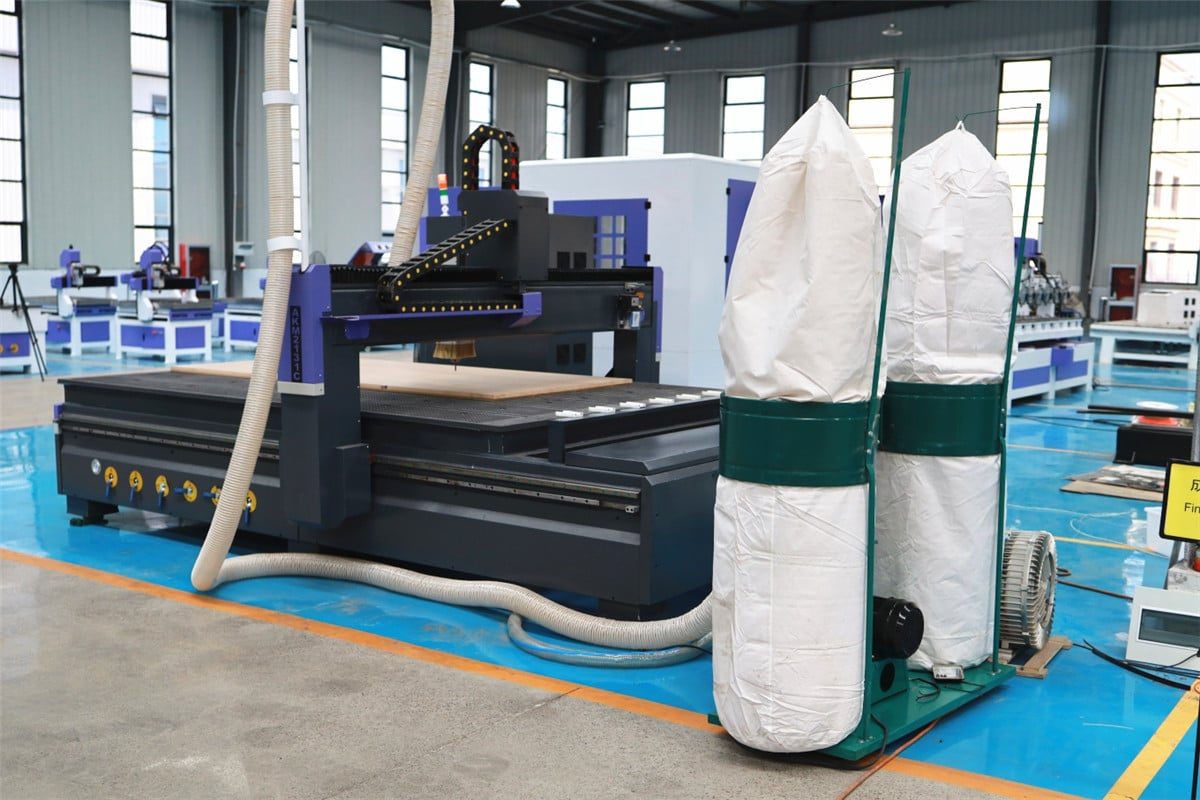
CNC routers are essential tools in modern manufacturing, widely used for cutting and shaping materials like wood, plastics, foam, and composites. However, one major byproduct of CNC routing is dust, fine particles that can accumulate quickly and pose serious challenges in any workshop or industrial setting. From impairing visibility and damaging sensitive machine components to creating hazardous conditions for operators, unmanaged dust can severely impact productivity, safety, and equipment longevity.
To address these issues, CNC router dust removal systems have become an integral part of production environments. These systems are designed to extract dust and debris directly from the cutting area, improving air quality and reducing cleanup time. In this comprehensive guide, we’ll explore the different types of dust removal systems, their components, how to choose the right setup for your needs, and the best practices for maintenance and optimization. Whether you’re setting up your first CNC router or upgrading an existing system, understanding dust control is key to running a clean, efficient, and safe operation.
Types of CNC Router Dust Removal Systems
CNC router dust removal systems come in various configurations, each suited to different workshop sizes, materials, and production volumes. Understanding the major types will help you choose the most effective solution for your specific needs. Below, we explore the most commonly used systems in CNC routing environments.
Vacuum Systems
Vacuum systems use strong suction to remove debris directly from the cutting surface or worktable. It works by generating negative air pressure through a vacuum pump connected to a network of ducts or a specially designed vacuum table. A vacuum system in CNC routing uses suction to serve two main purposes:
- Material Hold-Down: One of the primary functions of a vacuum system is to securely hold the material in place on the CNC router table during machining. The system creates negative pressure beneath the workpiece using a vacuum pump connected to a perforated or grooved vacuum bed. This suction force presses the material firmly against the table, preventing movement, lifting, or vibration while cutting or engraving.
- Debris Removal: The vacuum system also plays a key role in debris removal, especially when integrated with dust extraction components. As the CNC router cuts into the material, it generates chips, fine dust, and particles. The vacuum system captures these at the point of generation and transports them away from the work surface, either through the vacuum bed or through separate suction attachments mounted near the spindle.
Dust Collection Systems
Dust collectors are among the most common systems used in CNC routing environments. They function by drawing contaminated air through hoses and filters, separating the solid particles from the air stream, and collecting them in a container or bag for disposal.
- Single-Stage Dust Collectors: These systems draw dust and debris directly into a filter bag or cartridge, where the air is filtered and recirculated or vented. They are typically compact and affordable, making them ideal for small workshops or hobbyist CNC routers. However, their filtration efficiency is lower, and they tend to clog more quickly with fine dust.
- Two-Stage (Cyclonic) Dust Collectors: These systems separate larger debris from fine particles before filtration. The first stage uses a cyclone chamber to spin air and force heavier particles into a collection drum. The second stage then filters the remaining fine dust. Two-stage collectors offer higher performance, extended filter life, and better air quality control, making them suitable for industrial CNC router operations.
- Baghouse Systems: Used in large-scale manufacturing environments, baghouse dust collectors use multiple fabric filter bags to clean high volumes of air continuously. These systems are typically installed as centralized units connected to multiple CNC machines and other dust-producing equipment.
- Cartridge Filter Systems: Instead of fabric bags, these use pleated cartridge filters that offer a larger surface area in a smaller footprint. They are efficient at filtering fine dust and are easier to clean and maintain, often using automated filter-shaking or reverse airflow systems.
Cyclone Separators
Cyclone separators are often used as pre-filters for dust collection systems. They spin air in a conical chamber to force heavy particles down into a collection bin while cleaner air exits upward. This setup reduces the burden on filters, making the system more efficient and easier to maintain. This process effectively isolates larger wood chips, shavings, and heavy debris without relying on filter media, which makes it ideal for reducing filter load and maintenance.
Downdraft Tables
Downdraft tables are specialized work surfaces equipped with built-in suction that pulls dust, smoke, and debris downward through a perforated tabletop. Unlike traditional dust collection methods that rely on overhead or tool-mounted systems, downdraft tables use negative pressure from below the workpiece to capture contaminants as they are generated, making them highly effective for localized dust control. These are particularly effective when cutting small parts or working with lightweight materials. They also offer ergonomic benefits, doubling as workbenches.
Integrated Spindle or Gantry-Mounted Dust Shoes
Dust shoes are enclosures or brush-ring attachments that mount directly to the spindle or gantry. Connected to a vacuum or dust collector, they capture dust right at the cutting point. Dust shoes are among the most efficient and widely used tools in CNC router dust removal systems because they target the dust at its source before it can spread across the work area or into the air. Some advanced dust shoes are designed to automatically raise or lower with the spindle (Z-axis movement) or include magnetic or quick-release mounting systems for easy tool changes.
Choosing the right dust removal system depends on several factors, including material type, production volume, shop layout, and budget. While some setups may benefit from a simple spindle-mounted dust shoe, others may require a combination of cyclone separation and centralized dust collection. By understanding the strengths and limitations of each system, CNC router operators can create a tailored solution that enhances air quality, protects equipment, and boosts overall productivity.
Key Components of a Dust Removal System
An effective CNC router dust collection system relies on a combination of well-designed components that work together to capture, transport, filter, and store dust and debris. Each element plays a specific role in ensuring clean air, machine protection, and operator safety. Understanding each part helps in designing a system that is effective, reliable, and easy to maintain.
- Dust Shoe (or Dust Boot): Mounted directly on the spindle or gantry, the dust shoe encloses the cutting area and captures dust at the source. It usually features brush skirts or rubber flaps to contain debris and connects to a vacuum hose that leads to the dust collector.
- Flexible Hoses and Ductwork: Flexible hoses transport the extracted dust from the cutting area to the main dust collection unit. Ductwork, often made of plastic or metal, may be used for fixed routing in larger systems. Proper sizing and layout ensure minimal pressure loss and strong suction.
- Blast Gates: Blast gates are manually or automatically controlled valves installed in duct lines to open or close airflow to specific machines. They allow users to direct suction power where it’s needed, improving system efficiency and reducing wasted airflow.
- Vacuum Pump or Dust Collector Motor: This is the heart of the system, generating the negative pressure required to draw in dust and debris. Dust collectors can range from small single-stage units to large multi-stage cyclone systems with industrial-grade motors.
- Filter Media: Filters trap fine particles and prevent them from being released back into the air. They come in various types, each suited to different levels of filtration efficiency. Bag filters are typically used in larger dust collectors for capturing coarse particles, while cartridge filters, with their pleated design, offer greater surface area and are effective at trapping finer dust. HEPA (High-Efficiency Particulate Air) filters are used when extremely fine or hazardous particles must be removed.
- Collection Bin or Drum: This is where the separated dust and debris accumulate for disposal. Some systems use simple collection bags, while others feature steel drums or plastic bins that are easy to remove and empty.
A well-planned setup not only ensures cleaner working conditions but also reduces maintenance costs and enhances the precision and lifespan of your CNC router. Proper selection, sizing, and maintenance of these elements will greatly improve dust collection performance over time.
Factors to Consider When Choosing a Dust Removal System
Selecting the right dust removal system for your CNC router setup requires careful evaluation of multiple variables. The effectiveness, cost-efficiency, and long-term reliability of the system will depend on how well it matches your operational needs. Below are the key factors to consider:
Machine Size and Spindle Power
The physical dimensions and cutting capacity of your CNC router directly influence the amount of dust and chips produced. Larger machines with expansive work areas and more powerful spindles generate higher volumes of debris at faster rates.
- Small CNC routers (e.g., desktop or hobby models) may function adequately with compact shop vacuums or portable dust collectors.
- Mid-size routers benefit from single-stage or entry-level cyclone systems with 600–1200 CFM capacity.
- Large industrial CNC routers often require multi-stage, high-power systems (2000+ CFM) with zoned ducting to maintain consistent suction across multiple cutting heads or work zones.
Type of Material Being Processed
Different materials produce different types of debris, which can affect the choice of a dust collection system.
- Wood: Produces coarse chips and fine sawdust; most systems can handle this with standard filtration, though hardwood dust is finer and may benefit from cartridge filters.
- MDF, Particle Board, and Plywood: These engineered woods release fine, potentially hazardous dust and often include resins; they require high-efficiency cartridge filters or HEPA filters to prevent airborne contamination.
- Plastics and Acrylics: Create static-charged, lightweight chips and dust. Systems processing these materials should use anti-static hoses and properly grounded ductwork to prevent static buildup or fire risk.
- Aluminum and Non-Ferrous Metals: These materials create heavier chips but also pose a fire hazard if not collected and stored properly. Specialized collectors with spark arrestors or explosion vents may be needed.
Usage Volume and Frequency
How often and how intensely the CNC router is used affects not only the size of the dust collection system but also its durability, filter life, and ease of maintenance.
- Low-Volume / Occasional Use: For hobbyists or light users, a smaller, less expensive dust collector may suffice. Manual filter cleaning and bag emptying are manageable at this level.
- Moderate Use: Small businesses with daily CNC routing operations need systems that balance power and maintainability. Semi-automatic filter cleaning and mid-sized collection bins are ideal here.
- High-Volume / Industrial Use: Continuous operation over multiple shifts requires a heavy-duty dust collection system with large-capacity bins or drums, automated filter cleaning, and durable components built for constant load.
Shop Layout and Space Constraints
Your workshop’s physical configuration greatly impacts the type and size of dust collection system you can install. Consider the following:
- Available Floor Space: Large cyclone collectors or multi-stage systems require ample room for placement and service access. In tight workshops, wall-mounted or portable units may be more practical.
- Ceiling Height and Vertical Clearance: Systems with tall cyclone separators, baghouses, or overhead ducting need sufficient clearance. If your ceiling is low, opt for horizontally oriented or low-profile collectors.
- Machine Positioning and Duct Routing: The distance between your CNC router and dust collector affects suction power. Longer duct runs increase static pressure loss, requiring more powerful motors or optimized duct layouts with minimal bends.
Filtration Requirements
Filtration performance directly affects air quality, regulatory compliance, and operator health, especially when dealing with fine or hazardous dust.
- Basic Filtration (Bag Filters): Suitable for larger particles like wood chips or coarse sawdust in general woodworking applications.
- Medium-Efficiency Filtration (Cartridge Filters): Ideal for fine dust from hardwoods, MDF, and plywood. Cartridge filters offer a high surface area in a compact space, capturing smaller particles efficiently.
- High-Efficiency Filtration (HEPA Filters): Required when working with toxic materials or in enclosed environments. HEPA filters can remove 99.97% of particles ≥3 microns, ensuring clean air output.
- Regulatory Compliance: In commercial settings, you may need to comply with OSHA, EPA, or local air quality regulations. This can dictate minimum filtration levels, exhaust management, and indoor air recycling standards.
Budget and Maintenance Needs
The initial equipment cost is only part of the equation, you also need to evaluate the long-term expenses.
- Initial Cost vs. Long-Term Value: Lower-cost systems may be attractive upfront but often have limited power, smaller capacity, and shorter filter life. Investing more initially in a high-efficiency, durable system can save money over time.
- Energy Consumption: Larger systems with high-CFM motors consume more electricity. Look for systems with energy-efficient motors or automatic start/stop features.
- Filter Replacement and Cleaning: Cartridge and HEPA filters need regular cleaning or replacement. Choose systems with easy-access filter compartments, automatic filter shakers, or pulse-cleaning features to reduce manual labor.
- Spare Parts and Support: Factor in the availability of replacement parts, manufacturer support, and ease of servicing.
A well-matched dust collection system can significantly enhance your CNC operations by improving air quality, reducing maintenance, and ensuring regulatory compliance. By thoroughly evaluating these factors, you can select a dust removal system that not only matches your current needs but also scales with your production growth.
Best Practices for Installation and Optimization
Proper installation and optimization of a dust collection system ensure consistent performance, safe operation, and long-term cost savings. Even the best equipment can underperform if poorly installed or maintained. The following best practices will help you get the most out of your dust removal setup, both in day-to-day use and over the long term.
Use Proper Duct Sizing and Layout
One of the most important aspects of an efficient dust collection system is correctly sizing and laying out the ductwork.
- Ensure that ducts and hoses are appropriately sized for the airflow required by your system. Undersized ducts restrict airflow, while oversized ones reduce suction at the source.
- Use smooth-walled ducting (preferably metal) to reduce turbulence.
- Minimize sharp bends and long runs, which increase static pressure loss.
- Keep hose lengths as short and direct as possible between the machine and the dust collector.
Seal All Connections
Even small air leaks can drastically reduce system efficiency.
- Use proper clamps, gaskets, and sealants to secure joints between hoses, ducts, and fittings.
- Inspect regularly for gaps, cracks, or loose connections, especially at high-vibration points like the spindle mount.
Anti-Static Hoses and Grounding Techniques
Static electricity can build up in dust systems, especially when collecting fine particles or working with plastic materials, posing a fire or shock risk.
- Use specially designed anti-static or conductive hoses, which can effectively discharge static charges.
- Run a bare copper wire through or along flexible hoses and ductwork, connecting it to the dust collector’s metal housing and earth ground.
- Ensure metal ducts are electrically bonded using screws or grounding clamps.
- Ground all components, including blast gates, metal fittings, and cyclone bodies.
Noise Reduction Strategies
Dust collection systems can produce significant noise that affects operator comfort and productivity.
- Position the dust collector in a separate room or enclosure to isolate noise.
- Line the dust collector chamber with acoustic panels or foam to dampen sound.
- On exhaust ports or fan housings to reduce high-frequency noise.
- Between the machine and the rigid ducting to reduce vibration transmission.
Plan for Easy Maintenance Access
Ensure filters, collection bins, and motor components are easy to access.
- Use quick-release latches, slide-out bins, or swing doors for tool-free service.
- Schedule regular inspections for filter cleaning/replacement and debris removal.
A well-installed and optimized dust collection system does more than control dust—it protects your equipment, improves air quality, reduces noise, and supports regulatory compliance. Adopting these practices from the start will not only extend the life of your system but also ensure consistent performance that grows with your operational needs.
Maintenance and Troubleshooting
Even the most advanced dust removal systems require regular maintenance and occasional troubleshooting to ensure optimal performance. Neglecting upkeep can lead to reduced suction power, clogged filters, overheating motors, or even safety hazards like dust buildup and fire risk. By implementing a proactive maintenance schedule and knowing how to diagnose common problems, you can extend the life of your system and avoid costly downtime.
Filter Maintenance
Filters can capture fine dust particles, but their performance will degrade over time.
- Cleaning: Depending on filter type, clean periodically with compressed air (for cartridge filters) or gently shake (for fabric bags). Do this in a well-ventilated area or outdoors.
- Replacement: Replace filters when suction drops significantly or when visible damage, excessive clogging, or high differential pressure is detected.
- Inspection Frequency: Check filters weekly in high-use environments and monthly in low-volume setups.
Emptying Collection Bins or Bags
A full dust bin can choke airflow and reduce system performance.
- Monitor Fill Levels: Empty bins or bags when they reach 75–80% capacity to avoid backpressure.
- Avoid Overfilling: Overfilled bins can cause recirculation of dust into the air or filters, shortening filter life.
- Sealed Disposal: For fine or hazardous dust (like MDF), use sealed disposal containers and wear appropriate PPE during handling.
Checking and Maintaining Hoses and Ductwork
Leaks, clogs, or wear in hoses and ducts can drastically reduce airflow.
- Leak Detection: Perform regular checks by feeling for suction inconsistencies or using smoke tests.
- Clog Removal: Remove blockages manually or use reverse airflow (where safe) to clear debris.
- Inspect for Cracks and Holes: Replace any worn or cracked sections of hose or ducting immediately.
Monitoring Motor and Fan Performance
The suction motor is the heart of the system and should be kept in top condition.
- Listen for Unusual Noises: Rattling, whining, or vibration may indicate bearing wear or impeller imbalance.
- Overheating: If the motor becomes unusually hot, check for blockages, dirty filters, or restricted airflow.
- Lubrication: Some motors and fan assemblies require periodic lubrication—follow manufacturer guidelines.
Scheduled Maintenance Checklist
Create and follow a consistent schedule:
- Daily: Check bin levels, inspect dust shoes, ensure proper airflow.
- Weekly: Clean filters, check hose connections, and inspect motor temperature.
- Monthly: Inspect ductwork for wear or blockages, test suction power.
- Quarterly: Deep clean entire system, service motor if needed, check electrical connections.
Routine maintenance and prompt troubleshooting are beneficial for keeping your dust removal system working effectively. By implementing the above maintenance strategies, you can avoid unexpected breakdowns, maintain high air quality, and ensure your CNC operations run smoothly and safely. A little attention now can save you significant time, money, and headaches in the long run.
Summarize
An effective dust removal system is not just a luxury—it’s a necessity for any CNC routing operation. From protecting the health of operators and maintaining a clean workspace to ensuring the precision and longevity of your equipment, proper dust collection impacts every aspect of your workflow. By understanding the different types of systems available, the key components involved, and the critical factors to consider during selection, you can make informed decisions that align with your production needs, shop layout, and budget.
If you’re looking for a reliable and professional CNC router supplier, AccTek CNC is an excellent choice. As a trusted CNC router manufacturer based in China, AccTek offers a wide range of high-performance machines tailored to meet the needs of woodworking, plastics, metalworking, and more. With years of industry experience, we provide not only advanced equipment but also full technical support, customization options, and responsive after-sales service. Get professional CNC solutions with AccTek and take your machining capabilities to the next level.