

- 12-17 Min Read
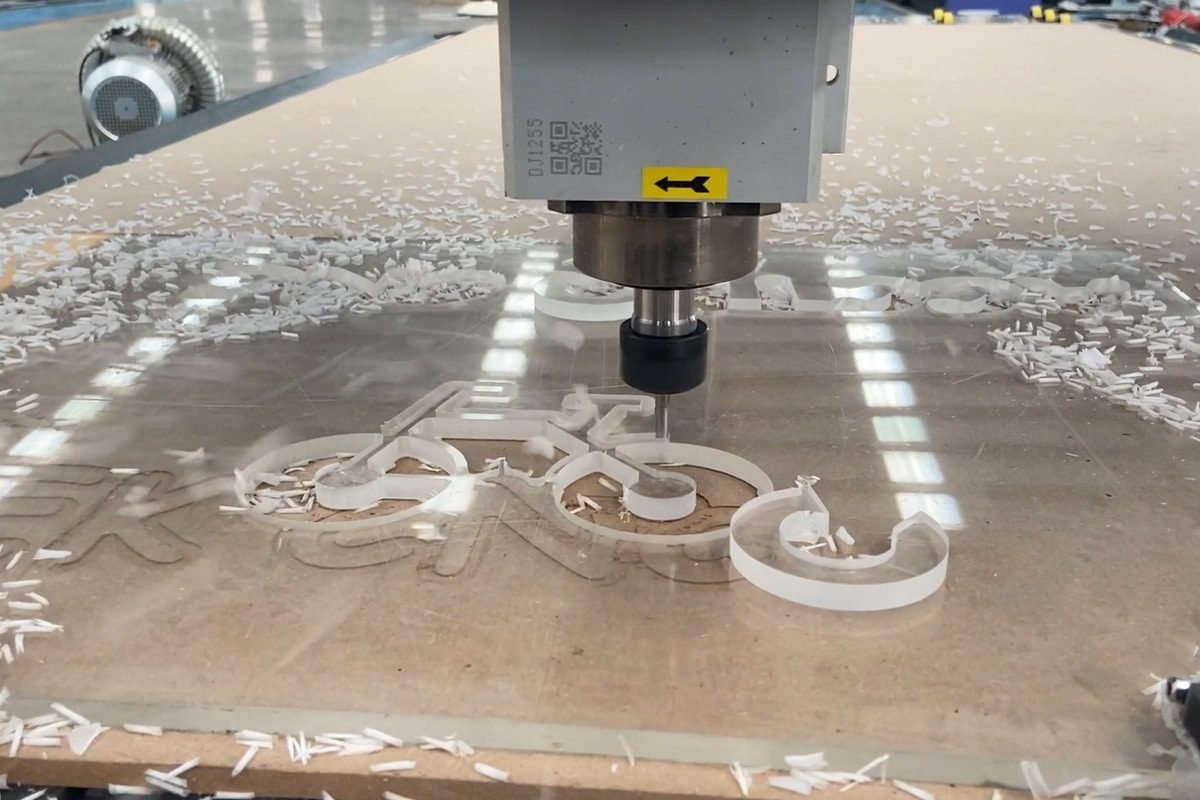
A CNC router is a powerful tool for shaping plastic materials with precision and efficiency. However, when working with plastics, two common issues—deformation and melting—can severely affect the quality of the final product. Deformation occurs when excessive heat or pressure alters the shape of the plastic, while melting leads to the material losing its structural integrity, resulting in a poor finish and compromised functionality. These challenges are particularly prevalent when machining heat-sensitive plastics, where even minor errors in technique can lead to significant defects.
In this article, we will explore the key factors contributing to deformation and melting during plastic CNC routing, providing insights into the underlying causes and offering practical solutions to mitigate these risks. By understanding how cutting speed, tool selection, cooling techniques, and plastic material properties impact the routing process, you can ensure smoother, more precise results. Whether you’re a seasoned operator or new to plastic CNC routing, this guide will help you navigate these challenges and achieve the best possible outcome for your plastic machining projects.
Understanding Deformation and Melting in Plastic CNC Routing
When CNC routing plastics, two of the most critical issues that operators must be aware of are deformation and melting. Both of these issues can significantly impact the accuracy, appearance, and functionality of the final product. These are not only frustrating but can also lead to wasted material and time. To prevent them, it’s essential to understand the causes and how they affect different plastics during the routing process.
Deformation
Deformation occurs when the shape of the plastic material changes due to excessive heat, pressure, or mechanical forces during the CNC routing process. This can happen in a number of ways:
- Thermal deformation: When heat generated by the cutting process exceeds the plastic’s tolerance, the material softens or warps, causing the part to lose its intended shape.
- Mechanical deformation: High cutting forces or improper tool selection can stress the plastic, causing it to bend, stretch, or crack.
Deformation can result in dimensional inaccuracies, uneven surfaces, and weakened material properties, making the part unsuitable for its intended application.
Melting
Melting occurs when the plastic heats up to the point where it loses its structural integrity and transitions from a solid to a liquid state. This is typically caused by an excessive buildup of heat at the cutting interface. When the tool speed or feed rate is not properly optimized, or when inadequate cooling is used, the temperature of the plastic can rise beyond its melting point, causing:
- Localized melting: The area around the tool edge begins to melt, creating rough, irregular surfaces and potentially clogging the tool with molten material.
- Excessive heat: When a large portion of the workpiece heats up, it can result in the entire piece becoming softer and more prone to deformation during further processing.
Different plastics have varying melting points and thermal conductivities, meaning some materials are more prone to these issues than others. For example, ABS and PVC have lower melting points and may require more precise temperature control during machining, while more heat-resistant plastics like polycarbonate and acrylic are better at withstanding heat but still susceptible to deformation under poor routing conditions.
Common Causes of Deformation and Melting
To effectively prevent deformation and melting during plastic CNC routing, it’s essential to understand the common causes behind these issues. Several factors can contribute to the overheating and distortion of plastic materials, including improper cutting parameters, tool selection, and inadequate cooling. Once these factors are understood, operators can better address the challenges of working with plastic materials and set the stage for more effective preventive measures.
Cutting Speed and Feed Rate
- Cutting Speed: If the cutting speed is too high, it generates excessive heat at the cutting interface. The faster the tool moves, the more friction is created, which can lead to localised heating of the plastic. When the heat exceeds the material’s melting point, melting or deformation occurs.
- Feed Rate: Similarly, an inappropriate feed rate can cause the tool to either dwell too long in one spot or fail to maintain a consistent flow, leading to heat buildup. A slow feed rate may cause excessive heat concentration, while a fast feed rate can result in inadequate cutting and rough finishes.
Tool Selection
- Tool Material: The choice of tool material affects how much heat is generated during cutting. Tools that retain heat, like high-speed steel, can transfer excessive heat to the material, causing melting. Carbide tools, on the other hand, generally perform better at higher speeds and temperatures and are less likely to cause heat buildup.
- Tool Geometry: The geometry of the tool, such as the number of flutes, the angle of the cutting edge, and the rake angle, plays a significant role in heat generation. Tools with more flutes or a dull cutting edge tend to trap heat, while tools with fewer flutes are better for heat dissipation and can reduce the risk of melting and deformation.
Inadequate Cooling and Lubrication
- Lack of Cooling: Plastics are especially sensitive to heat, and without proper cooling, the material may soften, warp, or melt. Inadequate cooling can cause localised heat spots around the tool, which can deform the workpiece or cause it to melt.
- Improper Coolant Application: Even if cooling is used, improper application (e.g., using the wrong type of coolant or misdirected coolant flow) can still allow excessive heat to build up, particularly in areas around the tool tip.
Plastic Material Properties
- Melting Point: Different plastics have different melting points, and some are more heat-sensitive than others. For instance, materials like ABS or PVC have lower melting points and are more prone to deformation under heat, while polycarbonate and acrylic have higher resistance but can still melt if improperly machined.
- Thermal Conductivity: Plastics with low thermal conductivity retain heat more easily, making them more prone to melting and deformation under high-speed cutting conditions.
- Heat-Resistant Plastics: Some plastics, such as nylon or PEEK, are designed to withstand high temperatures, but even these materials can deform or melt if the CNC settings are not optimised.
Tool Wear and Dulling
- Dull Tools: As tools wear out, they lose their sharpness and ability to cut efficiently. A dull tool generates more friction, which increases heat production during machining. This added heat can cause the plastic to soften, deform, or melt in localised areas.
- Chipping or Dulling: If tools chip or become significantly worn during use, they may create rough cuts that increase the likelihood of plastic deformation, as the material isn’t being cut cleanly.
Poor Machine Calibration and Vibration
- Improper Calibration: CNC machines that are not properly calibrated can cause excessive pressure or vibrations during cutting, which in turn can cause material deformation. Misalignment between the tool and the workpiece can also lead to uneven cuts and overheating in certain areas.
- Vibration: Vibration during machining can cause uneven cutting and add additional heat stress to the plastic. Vibrations can also lead to tool chatter, which not only affects the finish but can contribute to deformation and melting due to the erratic cutting force.
Understanding the common causes of deformation and melting is the first critical step in ensuring successful plastic CNC routing. With the right knowledge of how cutting speed, tool selection, and cooling systems affect the routing process, operators can take proactive steps to minimize the risk of these issues. The next step is to implement specific preventive measures designed to optimize machine settings, select the right tools, and ensure proper cooling. Let’s now explore these preventive measures in detail to further enhance your CNC routing results.
Preventive Measures
To avoid deformation and melting during plastic CNC routing, it’s crucial to implement effective preventive measures that address the root causes discussed earlier. By carefully adjusting machine settings, selecting the right tools, and using proper cooling techniques, operators can significantly improve the quality of their work and minimize issues. Below are key preventive measures to consider:
Optimizing Cutting Speed and Feed Rate
- Adjust Cutting Speed: One of the most effective ways to reduce heat buildup is by optimizing the cutting speed for the specific plastic being worked with. Lowering the cutting speed allows for slower material removal, which generates less heat. However, cutting too slowly can also cause material buildup on the tool and result in poor finishes, so it’s needed to find a balance.
- Control Feed Rate: A too-high feed rate can lead to insufficient tool engagement, and a too-low feed rate can cause excessive dwell time at certain points. Adjusting the feed rate based on material thickness and tool size can help avoid these issues. Start with slower speeds and feed rates and gradually increase them to find the optimal combination for your material and machine setup.
Selecting the Right Tools for Plastic CNC Routing
- Tool Material: Carbide tools are recommended for CNC routing plastics because they retain their sharpness longer and can handle higher cutting speeds without causing excessive heat buildup. High-speed steel (HSS) tools, while cheaper, are less effective in high-speed, high-precision applications and can generate more heat.
- Tool Geometry: For plastics, tools with fewer flutes (e.g., single-flute end mills) are often preferable because they reduce heat accumulation by allowing for better chip removal. The rake angle should be optimized to ensure smooth cutting and reduce friction.
- Sharpness: Ensure that the tools are sharp and well-maintained. Dull tools create more friction and heat, leading to higher risks of deformation and melting.
Using Proper Cooling Systems
- Coolant Type and Application: Depending on the plastic being cut, a mist cooling system, air blast, or even liquid cooling may be necessary. Misting systems apply a fine spray of coolant to the cutting area, reducing heat without over-wetting the material. Liquid cooling systems, which use a steady flow of coolant, are effective for higher volume cuts and thicker plastics.
- Targeted Cooling: Directing the coolant precisely at the cutting zone helps to dissipate heat effectively and prevent overheating of the material. Ensure that the coolant jet is positioned correctly to target both the tool and the workpiece.
Considering Material-Specific Properties
- Pre-Heating: For certain plastics, especially those that are more prone to cracking or deformation under heat (e.g., acrylic), pre-heating the material before cutting can help reduce internal stresses and prevent cracking. This allows for smoother machining and reduces the risk of thermal distortion.
- Material Thickness: Thicker plastic materials require more time to cut, which can increase heat buildup. For thick pieces, consider using multiple shallow passes instead of a single deep cut. This reduces the chances of overheating and helps maintain better control over the cutting process.
- Choosing Low-Melting Plastics: If high-speed CNC routing is required, opting for plastics with higher melting points, such as polycarbonate or nylon, can help reduce the risks of melting. However, even these materials should be routed carefully with proper heat management.
Implementing Toolpath Strategies
- Climb Milling: When machining plastics, climb milling is often preferred over conventional milling because it reduces friction, heat buildup, and material deformation. Climb milling ensures that the tool engages the material more efficiently and helps minimize the risk of melting or warping.
- Step-Over and Depth of Cut: Use a larger step-over and shallower depth of cut to reduce heat concentration in one area. By spreading the cutting action over a larger surface, heat is dissipated more evenly, reducing the likelihood of localized melting.
Regular Maintenance and Calibration
- Machine Calibration: Ensure that the CNC router is calibrated regularly for accuracy and precision. Proper calibration ensures smooth and consistent cuts.
- Tool Inspection: Regularly inspect the tools for wear and replace them as needed.
- Check for Vibration: Use vibration-damping equipment and ensure that the machine is properly supported to minimize vibration during the cutting process.
Carefully applying these preventive measures, operators can significantly reduce the risk of deformation and melting in plastic CNC routing. These strategies not only improve the quality of the final product but also enhance the overall efficiency and longevity of the CNC router. With a comprehensive approach to prevention, operators can confidently tackle the challenges of plastic machining and achieve consistently excellent results.
Advanced Tips for Preventing Melting and Deformation
While the basic preventive measures outlined earlier can help mitigate the risks of melting and deformation during plastic CNC routing, there are advanced techniques that can further enhance the quality of your cuts, reduce material stress, and optimize the machining process. These tips go beyond the fundamentals and offer additional precision and control for experienced operators working with more challenging materials or complex applications.
- Air Assist Systems: For certain plastics, using an air assist system (an air blast directed at the cutting zone) can help clear away heat and chips more efficiently. This reduces the chance of the material softening or becoming tacky during the machining process. Air assist also helps improve surface finishes by preventing plastic buildup on the tool.
- Precision Temperature Monitoring: Monitoring the temperature of the workpiece and cutting zone in real-time can help detect potential overheating issues before they lead to deformation or melting. Infrared thermometers or thermal cameras provide a non-invasive way to measure surface temperatures, allowing operators to adjust cutting speeds, feed rates, or cooling systems as needed. Once temperature monitoring is in place, cooling systems can be adjusted dynamically based on the heat levels detected at the cutting zone.
- Material Post-Cut Cooling: Once the cut is complete, controlling the cooling process is just as important as during machining. For heat-sensitive plastics, using a controlled post-cut cooling system (e.g., a gradual cooling process or ambient air cooling) can help prevent the material from deforming as it cools down. Sudden temperature changes can lead to stress cracks or warping, so gradual cooling ensures better material stability.
- Minimize Tool Chatter: Tool chatter not only results in a poor surface finish but can also generate localized heat spots that increase the likelihood of material deformation. Keeping the tool sharp, properly balanced, and at the correct speed can help minimize chatter during cutting.
- Use of Specialized Plastic Cutting Tools: There are tools designed specifically for cutting plastics, such as those with modified flute shapes and coatings that reduce heat generation and improve chip evacuation.
Incorporating these advanced tips, you can gain even greater precision and control when CNC routing plastics. These strategies not only prevent melting and deformation but also enhance the overall surface finish, extend tool life, and improve machining efficiency. With these techniques in place, you can confidently tackle more challenging plastic CNC routing tasks, ensuring that your work meets the highest standards of quality and precision.
How to Identify Other Problems in Early CNC Routing of Plastic?
CNC routing of plastics is a precise and efficient process, but even the most experienced operators can encounter a variety of problems that impact the quality and accuracy of their work. While common problems like melting, warping, and poor surface finishes are often easy to spot, other issues can be more subtle and require careful attention to detail. Here are several common signs and techniques to help you spot potential issues before they escalate:
Monitoring Temperature Changes
- Signs of Trouble: Excessive heat buildup is one of the most common causes of plastic deformation and melting during CNC routing. If the material begins to soften or becomes sticky, this is a clear sign that the temperature is too high. This can also cause localized discoloration or burnt edges on the plastic.
- How to Identify Early: Use a non-contact infrared thermometer or thermal camera to monitor the temperature of the cutting zone. If the temperature is approaching or exceeding the plastic’s melting point, take immediate action, such as reducing the cutting speed, feed rate, or activating the cooling system.
- What to Do: If temperatures exceed the material’s tolerance, adjust the cutting speed, apply more cooling (such as mist or air assist), and reduce the depth of cut by switching to multi-pass routing.
Visual Inspection for Surface Defects
- Signs of Trouble: Surface defects such as rough edges, pitting, or a discolored surface can indicate a problem early on. If you see a rough or uneven surface as soon as the cut is made, it’s a sign that heat or tool wear is affecting the material quality.
- How to Identify Early: Look for inconsistencies in the surface finish while the machine is running. If a rough cut is apparent, pause the process to inspect the material. Check the tool’s sharpness and cleanliness, as a dull or worn tool can cause these issues.
- What to Do: If you notice surface imperfections, check the tool’s sharpness and replace it if necessary. Also, review the feed rate, cutting speed, and cooling system. Too fast a feed rate or inadequate cooling may be causing the rough finish.
Excessive Material Build-Up on the Tool
- Signs of Trouble: If material begins to stick to the tool during the cutting process, this can cause a variety of issues, including uneven cuts, poor surface finishes, and excess friction. For soft plastics like polyethylene, buildup is especially common.
- How to Identify Early: Check the tool regularly for any signs of material buildup. You may notice a sticky or glossy film forming on the tool or an inability to cut effectively.
- What to Do: Regularly clean the tool and ensure proper cooling. If material buildup occurs frequently, adjust the cutting speed, feed rate, or use a tool with an anti-stick coating. Using an air assist or mist cooling system can also help to clear material from the tool and prevent build-up.
Frequent Tool Wear or Chipping
- Signs of Trouble: If you notice frequent tool wear or chipping during the cutting process, it can signal that the tool is not suitable for the plastic being used or that cutting parameters are incorrect. Worn or damaged tools will lead to poor cut quality, increased friction, and heat buildup.
- How to Identify Early: Inspect the tool regularly for signs of wear, including dullness, chipping, or pitting. Pay close attention to the quality of the cut and the consistency of the material being routed.
- What to Do: Replace worn tools immediately and ensure you are using the correct tool material and geometry for the plastic you are working with. Carbide tools, for instance, are often better for plastics than high-speed steel (HSS) tools, as they maintain sharper edges longer. Ensure proper coolant is applied to reduce wear.
Unsteady Cutting Motion or Inconsistent Material Removal
- Signs of Trouble: If the cutting motion appears jerky or inconsistent, it could signal issues with the machine’s calibration, misalignment, or tool wear. This can result in uneven material removal, poor surface finishes, and possible deformation.
- How to Identify Early: Observe the cutting motion as the machine runs. If the cutting tool hesitates or jerks, or if material is being removed unevenly, pause the process and inspect the machine.
- What to Do: Check the machine’s calibration, ensuring the spindle and tool are properly aligned. Verify that the workpiece is properly secured and that the CNC settings are optimized for the material. Reducing the depth of cut and feed rate can also improve consistency.
Identifying problems early in the CNC routing process of plastics can save time, prevent damage, and ensure high-quality results. By staying vigilant and applying the right troubleshooting techniques, you can prevent costly rework, reduce scrap, and optimize your workflow for maximum efficiency. Early detection not only helps improve the final product but also enhances overall production reliability, making it an indispensable practice for any CNC routing operation.
Summarize
Successfully avoiding deformation and melting during plastic CNC routing requires a careful balance of technique, equipment, and material understanding. By controlling cutting parameters, selecting the right tools, and implementing effective cooling strategies, operators can significantly reduce the risks of heat-related issues. Regular inspection and maintenance, along with the use of multi-pass cutting and proper material handling, ensure the final product remains precise and free from defects. By applying these best practices, operators can optimize their CNC routing process, minimize material waste, and produce high-quality plastic parts with greater consistency and efficiency.
If you’re looking for reliable, high-performance CNC routers, AccTek CNC is an ideal choice. As a professional manufacturer, AccTek offers a wide range of machines designed to handle a variety of materials, including wood, plastic, and metal, making them a versatile solution for businesses across different industries. Our CNC routers are known for their precision, durability, and advanced features, ensuring high-quality results and efficient production. With a commitment to innovation and customer satisfaction, AccTek CNC provides robust solutions that can help streamline your operations, improve productivity, and deliver exceptional end products.