

- 12-17 Min Read
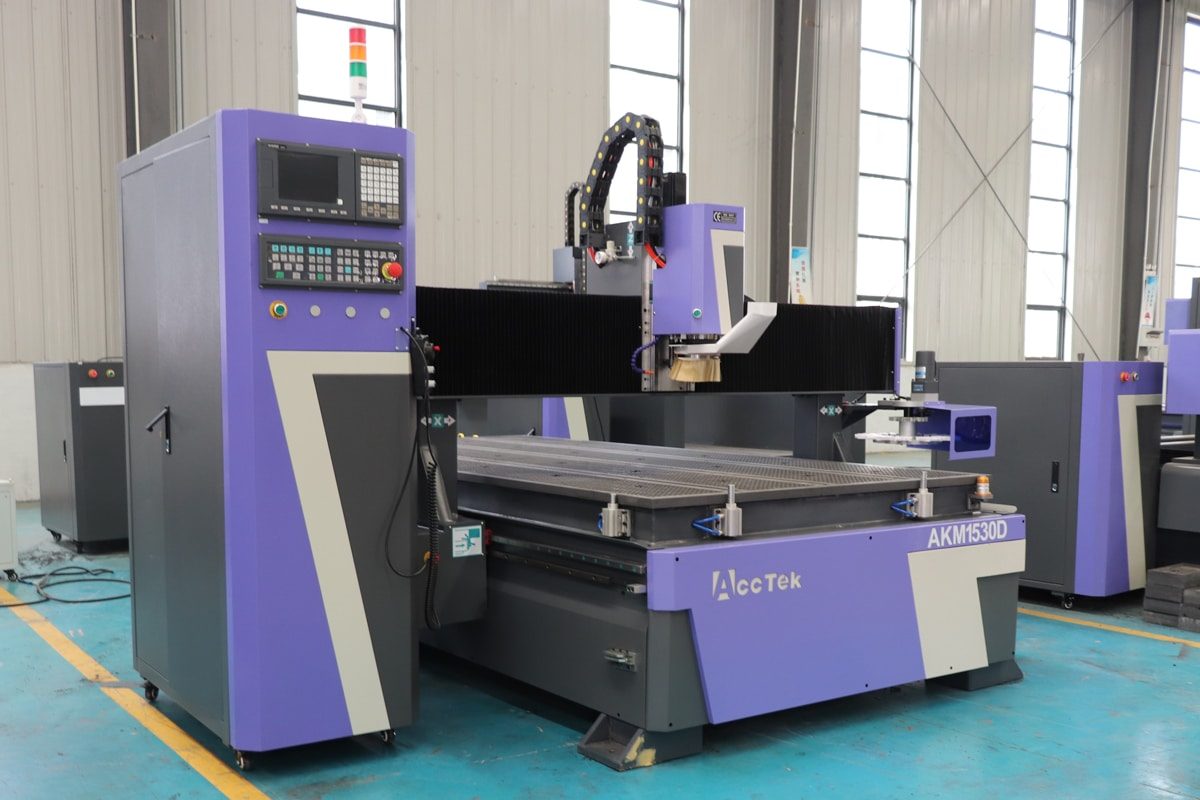
In today’s competitive manufacturing and woodworking industries, CNC routers have become essential tools for improving precision, efficiency, and design flexibility. Whether you are producing furniture, signage, or custom components, the right CNC router can make a significant difference in both productivity and profitability. Among the many options available, two of the most common choices are the standard CNC router and the Automatic Tool Changer CNC router. While both machines share the same fundamental purpose in automating cutting, carving, and shaping, they differ greatly in their capabilities, efficiency, and cost.
For small businesses, hobbyists, or those with simpler projects, a standard CNC router may provide everything needed at a lower investment. On the other hand, manufacturers handling complex designs, high production volumes, or frequent tool changes often find the ATC CNC router to be a game-changer. This article explores the key differences between these two machine types, weighing their strengths and limitations across performance, cost, and applications, to help you determine which one is best suited for your needs.
What is a Standard CNC Router?
Before comparing different types of CNC router, it is important to first understand the standard CNC router, which forms the foundation of operations in most small and medium-sized factories. Understanding how a standard CNC router works, its capabilities, and its limitations provides the context needed to evaluate whether more advanced options are necessary for a particular workshop or production scenario.
Definition and Basic Functionality
A Standard CNC Router is a computer-controlled machine used for cutting, carving, engraving, and shaping materials such as wood, plastic, composites, and soft metals. It operates by following pre-programmed toolpaths generated through CAD/CAM software, which precisely guides the spindle along the X, Y, and Z axes to create accurate and repeatable designs. The basic functionality involves:
- Design Preparation: The operator creates or imports a digital design file.
- Machine Setup: The material is securely fixed to the worktable, and the appropriate cutting tool (bit) is installed in the spindle.
- Execution: The CNC router reads the program and moves the spindle along the programmed paths to cut or carve the material.
- Finishing: The process may include multiple passes for depth, contouring, or engraving, depending on the design complexity.
Standard CNC routers do not have an automatic tool changer, so whenever a project requires a different bit, the operator must manually stop the machine and install the new tool, which can slow down the workflow during multi-step jobs.
Advantages
- Lower Cost: Standard CNC routers are generally more affordable than ATC models, making them ideal for small workshops, hobbyists, or businesses with limited budgets.
- Simplicity and Ease of Use: With fewer moving parts and no automatic tool-changing system, these machines are easier to operate and maintain. Beginners can quickly learn the basics without complex training.
- Lower Maintenance Requirements: Fewer components mean there’s less to maintain or repair, reducing downtime and overall maintenance costs.
- Compact Footprint: Many standard CNC routers have a smaller size compared to ATC models, making them suitable for limited workshop spaces.
- Reliability for Simple Tasks: For projects requiring only a single tool or minimal tool changes, standard CNC routers provide consistent, precise, and repeatable results.
Limitations
- Time-Consuming Tool Changes: Since standard CNC routers require manual tool changes, projects that need multiple bits can take significantly longer to complete. This reduces overall production efficiency.
- Lower Productivity for Complex Jobs: Multi-step projects that require frequent tool swaps or intricate operations are less efficient on standard CNC routers, making them less suitable for high-volume manufacturing.
- Limited Automation: Without features like an Automatic Tool Changer (ATC), these machines rely heavily on operator intervention, which can increase labor costs and the potential for human error.
- Less Ideal for Large-Scale Production: For businesses aiming to scale operations or handle complex designs at speed, standard CNC routers may become a bottleneck due to slower workflows.
- Potential for Increased Downtime: Frequent stops for tool changes or setup adjustments can lead to more downtime compared to automated systems.
A standard CNC router is a reliable and versatile machine that provides precise cutting, carving, and engraving. Its simplicity, affordability, and ease of use make it ideal for small workshops, hobbyists, and businesses with straightforward production needs. However, its reliance on manual tool changes and limited automation can slow down projects that require multiple tools or high-volume output. Understanding both its strengths and limitations, users can determine whether a standard CNC router aligns with their workflow and production goals before considering more advanced alternatives.
What is an ATC CNC Router?
That we’ve explored the features, advantages, and limitations of standard CNC routers, it’s time to look at a more advanced option: the ATC (Automatic Tool Changer) CNC router. Unlike standard models, ATC routers can automatically switch between multiple cutting tools during a single operation, allowing for faster, more efficient production. Understanding how ATC CNC routers work and the benefits they provide will help determine whether this investment is the right choice for your production needs.
Definition and Basic Functionality
An ATC CNC Router is a computer-controlled machine that can automatically swap cutting tools during operation, allowing it to perform multiple machining tasks in a single run. Like a standard CNC router, it follows pre-programmed toolpaths generated from CAD/CAM software to cut, carve, or engrave materials such as wood, plastics, composites, and soft metals. The basic functionality involves:
- Design Preparation: The operator creates or imports a digital design file specifying the tools and machining steps required.
- Machine Setup: Materials are secured on the worktable, and all necessary cutting tools are loaded into the ATC carousel or linear tool magazine.
- Automated Tool Changing: During operation, the machine automatically selects and changes tools as needed, without manual intervention.
- Execution: The router follows the programmed paths for each tool, completing complex multi-step projects efficiently and accurately.
By combining automation, precision, and versatility, ATC CNC routers are particularly suited for high-volume production or projects requiring multiple tools, saving both time and labor compared to standard CNC routers.
Advantages
- Automatic Tool Changing: The primary advantage is its automatic tool changer, which allows the machine to switch between multiple tools during a single operation without manual intervention. This significantly reduces downtime and improves workflow efficiency.
- Higher Productivity: By eliminating manual tool changes, ATC CNC routers can complete complex, multi-step projects much faster than standard CNC routers, making them ideal for medium- to large-scale production.
- Improved Accuracy and Consistency: Automated tool changes reduce the chance of human error during tool swaps, ensuring consistent precision across multiple parts and complex designs.
- Versatility for Complex Projects: ATC routers can handle projects requiring numerous tools, such as drilling, cutting, engraving, and finishing, all in one continuous operation.
- Reduced Labor Requirements: Since the machine handles tool changes automatically, operators can focus on setup, monitoring, or other tasks, reducing labor costs and workload.
Limitations
- Higher Initial Cost: ATC CNC routers are more expensive than standard models due to their automatic tool-changing systems and advanced features, which may be a barrier for small workshops or hobbyists.
- Increased Complexity: The addition of an ATC mechanism makes the machine more complex to operate and maintain. Operators may require additional training to handle setup, troubleshooting, and maintenance.
- Maintenance Requirements: With more moving parts and a tool-changing mechanism, ATC CNC routers generally require more frequent maintenance to ensure reliable performance.
- Potential for Downtime if ATC Malfunctions: If the automatic tool changer experiences issues, it can halt production until repairs are made, potentially affecting workflow more than on a simpler standard CNC router.
- Larger Footprint: Many ATC routers are physically larger than standard models due to the tool magazine or carousel, requiring more workspace in the shop.
An ATC CNC router is an advanced, automated machine designed to handle complex, multi-tool projects with efficiency and precision. Its automatic tool-changing system allows for faster production, reduced labor input, and improved consistency compared to standard CNC routers. While it comes with a higher initial cost, increased complexity, and more maintenance requirements, the benefits in productivity and versatility make it an ideal choice for medium- to large-scale workshops and businesses aiming to expand their operations.
Key Differences Between ATC and Standard CNC Routers
While both ATC and standard CNC routers perform the same core tasks, they differ greatly in how they handle tool changes, productivity, precision, and ease of use. These differences directly impact workflow efficiency, learning requirements, and overall suitability for different production scales. Understanding these distinctions is key to choosing the right machine for your needs.
Performance and Productivity
- Tool Changing: One of the biggest performance differences lies in tool changing. A standard CNC router requires manual tool changes, meaning the operator must stop the machine, replace the tool, and recalibrate before resuming work. This process is simple but slows production. In contrast, an ATC CNC router performs these changes automatically within seconds, keeping the workflow continuous and uninterrupted.
- Cycle Time: The speed of tool changes directly affects cycle time. On a standard CNC router, each manual change can add several minutes to a job, which quickly accumulates in multi-step projects. With an ATC router, cycle time is reduced because tool changes happen almost instantly, allowing for much faster completion of complex jobs.
- Complex Projects: When a project requires multiple tools, a standard CNC router demands frequent stops, making the workflow less efficient. An ATC CNC router, however, can complete all operations in sequence without manual intervention, making it far more effective for complex or multi-tool projects.
- Downtime Reduction: In large-scale production, downtime is a critical factor. Manual tool changes on standard routers introduce unavoidable interruptions that slow output and increase labor costs. ATC routers minimize downtime by automating these steps, which helps maintain a steady pace of production and improves overall productivity.
Precision and Consistency
- Accuracy in Repetitive Jobs: When handling repetitive production tasks, ATC CNC routers maintain high accuracy across multiple tool operations. Because tool changes are automated and precisely calibrated, the machine ensures consistent results throughout long production runs. In contrast, standard CNC routers may experience minor variations due to manual tool changes, which can affect accuracy over time.
- Human Error Factor: Manual tool changes on a standard CNC router introduce the possibility of human error. ATC CNC routers remove this risk by automatically changing tools with exact positioning, ensuring greater reliability in complex jobs.
- Quality Control: By minimizing operator involvement during tool changes, ATC systems reduce the chances of defects and maintain tighter tolerances. This leads to better quality control and fewer rejected parts.
Ease of Use and Learning Curve
- Standard CNC Routers: Standard CNC routers are generally simpler to operate, with a straightforward interface and basic functions. Because tool changes are performed manually, operators don’t need to learn complex automation features, making these machines more beginner-friendly. This simplicity makes them an attractive choice for hobbyists, small workshops, and businesses just starting with CNC technology.
- ATC CNC Routers: ATC CNC routers, while more efficient, involve a steeper learning curve. Operators must understand how to program and manage automatic tool changes, as well as how to properly configure tool libraries and toolpath sequences in CAM software. This added complexity means ATC machines are better suited for trained operators or businesses with experienced staff.
- Training and Support: Standard machines require less formal training, but ATC routers often demand specialized training to ensure proper use and maintenance of the automatic tool changer system. Choose a manufacturer that offers reliable after-sales service and technical support, especially for ATC routers, to help operators overcome the learning curve and keep production running smoothly.
The main differences between ATC and standard CNC routers center on tool changing, productivity, precision, and ease of use. Standard CNC routers rely on manual tool changes, resulting in slower workflows but offering simpler operation and lower maintenance needs. ATC CNC routers, by contrast, feature automatic tool changing, enabling faster production, greater consistency in multi-tool projects, and reduced downtime, though with added complexity and higher investment. These distinctions define how each machine performs in different production environments.
Cost Analysis: Initial Investment vs. Long-Term Value
Choosing between a standard CNC router and an ATC CNC router involves more than just comparing purchase prices. This section examines both the upfront investment and the long-term value, including operating costs, efficiency, and return on investment, to help determine which machine makes the most financial sense for different production needs.
Upfront Investment
- Standard CNC routers are generally much more affordable, making them attractive to beginners, hobbyists, and small workshops with limited budgets. Their simpler design and lack of automated systems also keep setup costs low, allowing new users to get started quickly.
- ATC CNC routers require a significantly higher upfront investment. The addition of an automatic tool changer, a larger tool magazine, and advanced control systems contributes to the higher price. While this can be a barrier for small buyers, the extra cost reflects the machine’s greater efficiency, time savings, and ability to handle complex, multi-tool projects without interruption.
Operating Costs
- Labor: Standard CNC routers require manual tool changes, which means operators must stop the machine multiple times during a project. This increases labor input and can slow down production, especially for multi-tool jobs. ATC CNC routers automate tool changes, reducing the need for constant operator intervention and allowing staff to focus on monitoring multiple machines or other tasks.
- Downtime: Frequent stops for manual tool changes and recalibration on standard CNC routers contribute to higher downtime, limiting throughput and efficiency. ATC CNC routers minimize interruptions, maintaining continuous operation and improving overall productivity.
- Tool Wear: Manual handling of tools can sometimes lead to improper installation or uneven use, accelerating tool wear on standard CNC routers. ATC CNC routers maintain precise, automated tool handling, which not only extends tool life but also ensures consistent machining quality over long production runs.
Long-Term ROI
While ATC CNC routers involve a higher initial investment, their automation and efficiency often result in a stronger return on investment (ROI) over time. By eliminating manual tool changes, ATC routers reduce labor costs, minimize downtime, and maintain consistent production speed, allowing more parts to be completed in less time.
In high-volume production environments, these efficiency gains translate into significant cost savings. Fewer production interruptions and reduced errors mean fewer defective parts, lower scrap rates, and extended tool life. Over months and years of operation, these factors combine to offset the higher upfront cost, making ATC CNC routers a financially advantageous choice for businesses focused on growth and productivity.
Even though standard CNC routers are cheaper initially, their slower workflow and higher labor requirements can limit ROI, particularly for multi-tool or large-scale projects.
Standard CNC routers provide a lower upfront cost and simpler operation, making them ideal for beginners or low-volume projects. ATC CNC routers require a higher initial investment but can deliver significant long-term value through increased productivity, efficiency, and reduced labor costs. By considering both the immediate financial outlay and the potential return on investment, businesses and individuals can choose the machine that best aligns with their workflow, production scale, and growth goals.
Applications and Suitability
Choosing the right CNC router depends on the type of projects, production scale, and material requirements. Standard CNC routers excel in small workshops, DIY projects, and educational settings, while ATC CNC routers are designed for high-volume, multi-tool operations across woodworking, signage, and metal or composite industries. Understanding these applications helps match the machine to specific business or personal needs.
Standard CNC Router Use Cases
- Small Workshops and DIY Projects: Standard CNC routers are ideal for small workshops or home-based setups where production volume is limited. Their affordability and simplicity allow hobbyists and small business owners to complete custom projects efficiently without a large investment.
- Furniture Making with Limited Tool Changes: For furniture production that involves relatively simple designs or a small number of tools, standard CNC routers provide reliable performance. Manual tool changes are manageable in these scenarios, making them suitable for low- to medium-complexity woodworking projects.
- Educational and Training Purposes: Standard CNC routers are also widely used in educational settings and training programs. Their straightforward operation and lower cost make them an excellent tool for teaching CNC fundamentals, allowing students and beginners to learn machining techniques without the complexity of automated systems.
ATC CNC Router Use Cases
- High-Volume Woodworking: ATC CNC routers are ideal for large-scale woodworking operations, such as furniture and cabinet manufacturing. Their automatic tool-changing system allows for continuous, multi-step operations, significantly boosting production efficiency and output.
- Signage Industry: For the signage industry, which often requires multiple tools for cutting, engraving, and finishing, ATC CNC routers provide the precision and speed necessary to handle complex designs without frequent manual intervention.
- Businesses Requiring Fast Turnaround: Companies that handle custom or short-run orders can take advantage of ATC CNC routers’automated workflow to reduce cycle times and deliver products faster, making them well-suited for clients with tight deadlines or complex specifications.
Standard CNC routers are best suited for simple, low-volume tasks where affordability and ease of use are priorities. ATC CNC routers, with their automation and efficiency, are ideal for complex, multi-step projects and high-volume production, delivering faster turnaround and consistent quality. Selecting the right CNC machine depends on balancing project complexity, production demands, and workflow efficiency.
Choosing the Right CNC Router for Your Needs
Choosing the right CNC router begins by asking the right questions about your production needs and business goals. By raising key questions, you can better understand your workflow requirements and make informed decisions and recommendations that guide you toward either a standard CNC router or an ATC CNC router.
Key Questions to Consider
Before purchasing a CNC router, it’s essential to evaluate your workflow, production needs, and long-term goals. Consider the following questions:
Are your projects simple or complex?
For single-tool or straightforward designs, standard CNC routers are sufficient. For multi-tool, multi-step projects, ATC CNC routers offer greater efficiency.
How many tool changes per project are typical?
Projects with frequent tool changes benefit from the automated capabilities of an ATC CNC router, while simpler projects may manage well with a standard machine.
What is your budget?
Standard CNC routers are more affordable upfront, ideal for small businesses and hobbyists. ATC routers require a higher initial investment but can offer better long-term value.
Do you prioritize speed and efficiency?
If reducing downtime and maximizing productivity are necessary, ATC CNC routers provide automation and faster cycle times.
What is my growth plan in the next 3–5 years?
Consider your business expansion and production scaling needs. Investing in an ATC CNC router may be worthwhile if you anticipate higher volume or more complex projects in the near future.
Decision Recommendations
When choosing a CNC router, the first consideration is your current operational needs and budget. If you are a beginner, running a small workshop, or primarily handling simple projects with few tool changes, a standard CNC router is often the best choice. Its lower upfront cost, straightforward operation, and minimal training requirements make it ideal for users who prioritize affordability and ease of use over automation and speed. This path allows you to gain experience and complete smaller-scale projects efficiently without a significant financial commitment.
For businesses or individuals with more complex workflows, higher production demands, or multi-tool projects, an ATC CNC router is the preferred option. Its automatic tool-changing system, faster cycle times, and consistent precision make it well-suited for high-volume production, intricate designs, and large-scale operations. While the initial investment is higher and the learning curve steeper, the long-term benefits in efficiency, reduced downtime, and quality consistency often outweigh the upfront costs, making ATC routers a strategic choice for growth-oriented operations.
Summarize
Both ATC CNC routers and standard CNC routers bring unique advantages to the table, and the right choice ultimately depends on your specific needs and goals. A standard CNC router is a practical entry point for smaller workshops and simpler projects, while an ATC CNC router excels in demanding, high-volume, and precision-driven environments. By aligning the machine’s capabilities with your business requirements, you can invest in a CNC router that not only meets your current demands but also supports long-term success. Continue reading “What Should I Consider When Buying a CNC Router from an Overseas Supplier?” so you can choose a partner you can trust.
AccTek CNC, a professional CNC router manufacturer in China, offers a wide range of high-quality machines designed to meet diverse needs—from entry-level solutions for small workshops to advanced ATC systems for large-scale, high-precision production. With a strong focus on innovation, reliability, and professional after-sales support, AccTek CNC ensures that every customer finds the right machine for their specific applications. Whether you are a hobbyist, a growing business, or a large manufacturer, AccTek CNC provides the expertise and equipment to help you achieve efficiency, precision, and long-term success.