

- 14-19 Min Read
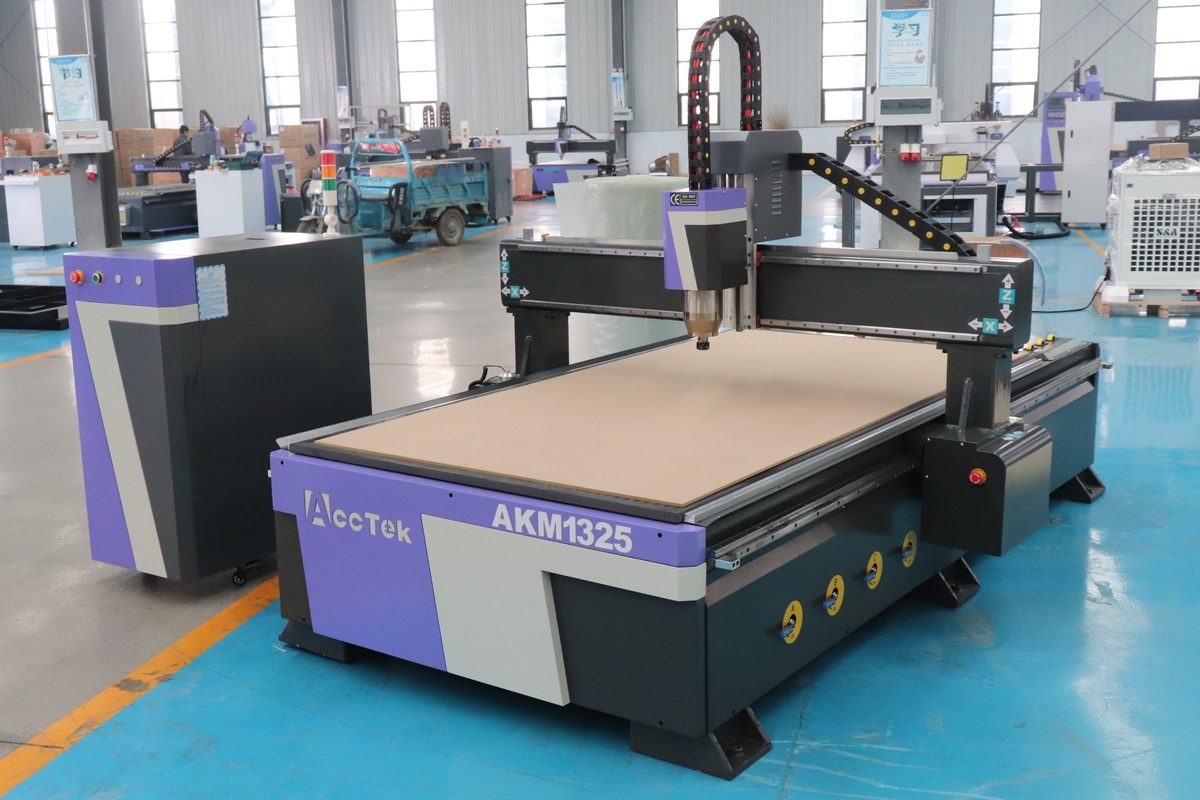
CNC routers have become essential tools in modern woodworking, enabling manufacturers and workshops to achieve high levels of precision, efficiency, and repeatability. From furniture and cabinetry to decorative panels and signage, the performance of a wood CNC router directly determines product quality and production consistency. However, achieving reliable results is not solely a matter of software or cutting tools—the true foundation of machining performance lies in the machine’s internal components and how well they work together.
Based on a structured, component-level approach, this technical guide examines the key systems that determine wood CNC router performance, including the machine frame, motion system, spindle assembly, drive motors, control system, and supporting electrical and dust management components. By linking each part to its influence on accuracy, speed, durability, and machining quality, this article provides a clear framework for evaluating CNC router design, optimizing performance, and making informed decisions in machine selection, operation, and maintenance.
Machine Frame and Structural Design
The machine frame and structural design form the foundation of a wood CNC router’s overall performance. All cutting forces, motion loads, and vibrations are transmitted through the machine structure, making rigidity and stability required for maintaining accuracy and surface quality. A well-engineered frame not only supports high-speed machining but also ensures long-term dimensional stability, allowing the CNC router to perform consistently under demanding woodworking conditions.
Frame Materials and Construction
The frame is the core load-bearing structure of a wood CNC router, and its material selection and construction quality directly determine the machine’s rigidity, vibration resistance, and long-term dimensional stability. Here are the common frame materials:
- Welded steel frames are widely used due to their excellent rigidity and cost-effectiveness, especially when stress-relieved to minimize deformation over time.
- Cast iron structures offer superior vibration damping and thermal stability, but are typically found in high-end or heavy-duty machines due to their higher cost and weight.
- Aluminum frames or profiles are lightweight and corrosion-resistant, and are generally reserved for smaller or lower-load applications where extreme rigidity is not required.
Gantry Design and Structural Stability
The gantry supports the spindle assembly and enables movement along the machining area. Its design directly affects machine rigidity, dynamic performance, and cutting accuracy.
- Gantry Structure Types: Wood CNC routers typically employ either a moving gantry or fixed gantry design. Moving gantry designs are popular in woodworking due to their compact footprint and flexibility, while fixed gantry designs offer higher rigidity for heavy cutting applications.
- Gantry Beam Design and Rigidity: Key factors, such as gantry beam thickness, cross-sectional design, and reinforcement, directly influence the resistance to bending and torsional deformation. A rigid gantry minimizes vibration during high-speed cutting, resulting in improved dimensional accuracy and surface finish.
Worktable Structure and Support
The worktable provides the mounting surface for the workpiece and plays a crucial role in maintaining flatness and consistency during machining. Wood CNC routers commonly use T-slot tables and vacuum tables, each suited to different production needs.
- T-slot tables allow mechanical clamping with fixtures or clamps, offering flexibility for irregularly shaped workpieces or small-batch jobs.
- Vacuum tables are widely used in panel processing and mass production, as they provide fast loading, uniform holding force, and unobstructed tool paths.
- Hybrid tables that combine T-slots with vacuum zones are also common, offering versatility across multiple applications.
In wood CNC routing, machine accuracy and reliability begin with a strong structural foundation. From frame materials and construction to gantry design and worktable support, every structural element plays a role in controlling vibration, maintaining alignment, and resisting deformation. A robust and precisely engineered machine frame enhances cutting performance, extends service life, and reduces maintenance demands, making it a key factor when evaluating the quality and capability of a wood CNC router.
Motion System Components
The motion system is a core functional unit of a wood CNC router, responsible for translating control commands into precise and repeatable mechanical movement. Its design and component quality directly influence positioning accuracy, cutting speed, and overall machining stability. A well-engineered motion system ensures smooth axis travel, minimizes vibration and backlash, and enables the machine to maintain consistent performance under varying cutting loads.
Linear Guide Rails
Linear guide rails support and guide the movement of the gantry and spindle along each axis. They directly influence machining accuracy, load-bearing capacity, and motion smoothness.
- Types of Linear Guide Rails: Square linear guide rails are commonly used in professional wood CNC routers due to their high load capacity, rigidity, and resistance to wear. Compared to round rails, square rails provide better stability and accuracy, especially during high-speed operation and heavy cutting.
- Load Capacity and Precision Grades: Linear guide rails are manufactured in different load ratings and precision grades. Higher load capacities allow the machine to handle heavier components and aggressive cutting without deformation. Precision grades determine the straightness and positional accuracy of the rail system, directly affecting repeatability and surface quality.
Drive Mechanisms
Drive mechanisms convert the rotational motion of the motors into precise linear movement along each axis of a wood CNC router. Their design and quality have a direct impact on positioning accuracy, travel speed, load capacity, and long-term reliability.
- Ball Screw Drive Systems: Ball screws provide excellent repeatability and smooth movement, making them suitable for shorter travel axes, detailed engraving, and precision woodworking tasks.
- Rack and Pinion Drive Systems: This system offers strong load capacity and fast acceleration, making it ideal for panel processing and high-production environments. Rack and pinion drives are commonly used on large-format wood CNC routers due to their ability to support long travel distances and high-speed operation.
Bearings and Couplings
Bearings and couplings are critical transmission components that ensure smooth, accurate, and efficient motion within a wood CNC router.
- Bearings and Motion Stability: Bearings support rotating and linear components, reducing friction and enabling smooth movement under load. In the motion system, high-precision bearings are used in motor assemblies, ball screws, and gearboxes to maintain alignment and absorb cutting forces.
- Couplings and Power Transmission: Couplings connect motors to drive components, transmitting torque while compensating for minor misalignment. Flexible couplings help absorb shock and reduce vibration, protecting both the motor and mechanical transmission system. Rigid couplings, while offering high torsional stiffness, require precise alignment to avoid increased wear or mechanical stress.
The motion system is a critical determinant of how accurately and efficiently a wood CNC router operates. A well-matched combination of guide rails, drive mechanisms, and transmission components enables stable motion control, supports higher cutting speeds, and ensures reliable long-term performance. A robust motion system not only improves machining precision and surface quality but also supports higher productivity and extended service life in wood CNC routing applications.
Spindle System
The spindle system is the primary cutting power source of a wood CNC router and plays a decisive role in determining cutting capability, surface finish, and overall machining efficiency. It directly drives the cutting tool and must deliver stable speed, sufficient torque, and minimal vibration to meet the demands of various woodworking operations.
Spindle Types
Spindle type selection is a key factor in determining the cutting capability, stability, and application range of a wood CNC router. Different spindle designs offer varying advantages in terms of cooling efficiency, noise level, power output, and suitability for continuous operation.
- Air-Cooled Spindles: Their simple structure makes them easy to install and maintain, and they are commonly used in entry-level and mid-range CNC routers. Air-cooled spindles are suitable for intermittent cutting and light to medium-duty woodworking tasks. However, they tend to produce higher noise levels and may experience reduced cooling efficiency during long, continuous operations.
- Water-Cooled Spindles: They provide more stable temperature control, lower operating noise, and improved reliability during extended machining cycles. Water-cooled spindles are widely used in professional and industrial CNC routers where high-speed, long-duration cutting is required. Regular monitoring of the cooling system is necessary to ensure consistent performance.
Spindle Power and Speed
Spindle power and speed are key performance parameters that determine a wood CNC router’s cutting capability, efficiency, and surface quality. These factors must be properly matched to the material type, tool size, and machining requirements to achieve stable and productive operation.
- Spindle Power and Cutting Capacity: Spindle power ratings are selected based on material type, cutting depth, and production requirements. Higher-power spindles provide greater torque, enabling deeper cuts and faster feed rates without stalling.
- Spindle Speed and Material Compatibility: Spindle speed, typically controlled by a variable frequency drive (VFD), must be properly matched with tool diameter and material properties to achieve optimal cutting performance and surface quality. High spindle speeds are ideal for woodworking, as they produce cleaner cuts and finer surface finishes.
Tool Holding Systems
The tool holding system is the direct connection between the spindle and the cutting tool, making it a critical factor in machining accuracy, stability, and surface finish. A reliable tool holding system ensures secure clamping, minimal runout, and consistent cutting performance during high-speed wood CNC routing.
- Common Tool Holding Types: Wood CNC routers most commonly use ER collet systems, such as ER20, ER25, and ER32, due to their versatility and wide tool compatibility. ER collets provide uniform clamping force around the tool shank, helping to maintain balance and reduce vibration.
- Runout Control and Cutting Accuracy: Tool runout directly affects edge quality, tool life, and dimensional accuracy. High-quality collets, precision-ground tool shanks, and well-maintained spindle tapers help minimize runout.
The spindle system is a key determinant of a wood CNC router’s cutting performance and reliability. A well-matched spindle with stable cooling, adequate power, and precise tool holding ensures efficient material removal, high-quality finishes, and long-term operational stability.
Drive Motors and Control Accuracy
Drive motors and control accuracy form the backbone of a wood CNC router’s motion system, converting electrical energy into precise mechanical movement along each axis. Together with the control system, they determine the machine’s positioning accuracy, repeatability, and overall performance. The choice and configuration of motors directly affect speed, load capacity, contouring precision, and stability during woodworking operations.
Stepper Motors
Stepper motors are widely used in entry-level and mid-range wood CNC routers due to their simplicity, reliability, and ease of control. They operate by moving in discrete steps, allowing the CNC controller to precisely control the position of each axis without the need for complex feedback systems.
- Advantages: Stepper motors are generally less expensive than servo motors and do not require closed-loop control, making them ideal for smaller or budget-conscious machines. They can be driven directly by standard stepper drivers, reducing system complexity.
- Limitations: Stepper motors lose torque as speed increases, which can limit feed rates and the ability to perform heavy cuts. If overloaded or improperly tuned, stepper motors may skip steps, resulting in positioning errors and reduced accuracy.
Servo Motors
Servo motors are a high-performance option for drive systems in wood CNC routers, particularly in professional or industrial-grade machines. Unlike stepper motors, servo motors operate in a closed-loop system, using feedback from encoders to continuously monitor and correct position, speed, and torque. This allows for precise, smooth, and responsive motion, even under heavy loads or high-speed operations.
- Advantages: Servo motors maintain consistent torque across a wide speed range, enabling faster feed rates and deeper cuts without stalling. Continuous feedback ensures accurate positioning and minimizes errors caused by backlash or load variations.
- Limitations: Servo systems require more sophisticated controllers and tuning, increasing initial investment. While reducing mechanical vibration during motion, high-speed operation still requires a rigid machine structure to fully leverage its benefits.
Motor Matching and Load Considerations
Proper selection and matching of drive motors to a wood CNC router’s mechanical components and cutting requirements help achieve stable motion, precise positioning, and reliable operation. Mismatched motors—whether underpowered or oversized—can lead to reduced accuracy, increased wear, or inefficient operation.
- Calculating Torque and Load Requirements: Each axis of a CNC router experiences varying loads based on spindle weight, gantry size, cutting forces, and acceleration demands. Accurately calculating the required torque for each axis ensures that the motor can move the load without skipping steps, stalling, or inducing vibration. Factors such as feed rate, acceleration, workpiece weight, and tool size must all be considered when sizing the motor.
- Balancing Motor Capacity and Machine Performance: Oversized motors may provide more torque than necessary but can increase energy consumption, heat, and mechanical stress on couplings and transmission components. Undersized motors risk stalling, vibration, or missed steps, reducing accuracy and potentially damaging mechanical components. Proper motor matching balances torque, speed, and precision requirements, ensuring smooth operation and optimal machine performance.
In wood CNC routers, drive motors and control accuracy work together to ensure smooth, precise, and repeatable motion. Selecting the right motor type, properly matching it to axis loads, and tuning the control system minimizes backlash, vibration, and positioning errors. When these elements are optimized, the machine can achieve consistent cutting performance, superior surface quality, and long-term reliability.
CNC Control System
The CNC control system is the “brain” of a wood CNC router, translating design files and operator commands into precise movements of the machine’s axes and spindle. It coordinates all components of the router, ensuring accurate, repeatable, and efficient machining. A high-performance control system helps maintain precision, optimize cutting speed, and support complex toolpaths in woodworking applications.
Types of CNC Controllers
The type of controller used affects machine performance, ease of operation, and the ability to handle complex cutting tasks. Wood CNC routers typically employ one of the following controller types:
- DSP (Digital Signal Processor) Controllers: Compact, embedded systems commonly used in entry-level to mid-range machines. DSP controllers offer simple operation, direct control of the axes, and real-time motion processing.
- PC-Based Controllers: These systems run on a standard computer or industrial PC, offering flexible software interfaces, advanced programming options, and integration with design tools. PC-based controllers are often preferred for high-end or production-grade routers.
- Industrial CNC Controllers: Based on professional-grade industrial hardware, these controllers provide robust motion control, enhanced reliability, and compatibility with advanced automation systems. They are commonly used in large-scale woodworking operations.
Control Software and User Interface
The control system interprets G-code or proprietary file formats and converts them into precise motor commands. A well-designed user interface allows operators to set parameters, adjust toolpaths, and monitor machine status efficiently. Advanced control software can also support simulation, automatic tool compensation, and error correction, further improving machining accuracy and productivity.
System Integration and Stability
The effectiveness of a CNC control system depends on its integration with the machine’s mechanical and electrical components. Signal transmission quality, electromagnetic interference (EMI) protection, and robust feedback loops from encoders or sensors all contribute to stable and precise motion. Properly integrated control systems ensure consistent performance even under complex cutting operations or long-duration production runs.
In wood CNC routing, the CNC control system determines how effectively a machine translates design into reality. By integrating advanced controllers, intuitive software, and reliable feedback systems, it ensures precise motion, accurate positioning, and smooth operation. A high-quality control system not only enhances machining accuracy and productivity but also allows operators to tackle complex tasks and maintain consistent performance over time.
Electrical and Electronic Components
Electrical and electronic components are the backbone of a wood CNC router’s operational reliability and safety. They provide power distribution, motion control, spindle operation, and feedback processing, ensuring that all mechanical and motion systems work harmoniously. From power distribution and spindle control to signal transmission and safety protection, these systems directly influence machining accuracy, reliability, and uptime. A well-designed electrical system allows the CNC router to operate smoothly under varying loads while maintaining precise coordination between mechanical and control components.
- Electrical Cabinet Design: The electrical cabinet houses the router’s control boards, drives, power supplies, and wiring. Proper cabinet design ensures efficient heat dissipation, protects components from dust and moisture, and organizes wiring for easy maintenance. A well-ventilated and thoughtfully arranged cabinet contributes to stable operation and reduces the risk of electrical failures.
- Inverters and Power Supplies: Variable frequency drives (VFDs) control spindle speed and torque by adjusting voltage and frequency. Reliable power supplies deliver stable energy to motors, controllers, and sensors, minimizing voltage fluctuations that could impact accuracy. High-quality inverters and power management components help maintain consistent spindle performance and smooth motion under varying loads.
- Sensors and Safety Devices: Limit switches, homing sensors, and proximity sensors provide positional feedback, prevent overtravel, and ensure accurate axis calibration. Emergency stop systems, fuses, and overload protection devices safeguard both the machine and the operator, helping prevent damage or accidents. Integrating these components into the electrical system ensures operational safety without compromising performance.
- Signal Integrity and System Stability: Proper wiring, shielding, and grounding are beneficial to prevent electromagnetic interference (EMI) and signal loss, which can lead to erratic motion or control errors. High-quality connectors, cables, and protective circuits ensure that all electronic signals—from motor drives to spindle controllers—are transmitted reliably.
In wood CNC routing, reliable electrical and electronic systems help ensure consistent performance and long-term durability. Proper cabinet design, stable power supplies, effective signal management, and comprehensive safety devices work together to protect the machine and the operator while supporting accurate motion control. When these components are carefully selected, integrated, and maintained, they provide the foundation for stable operation, reduced downtime, and dependable machining quality throughout the CNC router’s service life.
Tooling and Tool Management
Tooling and tool management directly affect cutting efficiency, surface quality, and overall productivity in wood CNC routing. Even with a rigid machine structure and an advanced control system, poor tool selection or improper tool handling can significantly reduce machining performance. Effective tooling strategies ensure stable cutting, longer tool life, and consistent machining results across different woodworking applications.
Cutting Tools for Wood CNC Routers
Cutting tools are the primary interface between the wood CNC router and the material, directly influencing cutting efficiency, surface finish, and tool life.
- Common Tool Types: Wood CNC routers typically use a variety of cutting tools, including straight end mills, spiral end mills, engraving bits, compression cutters, and profile tools. Up-cut tools efficiently evacuate chips and are suitable for roughing operations, while down-cut tools produce cleaner top edges and are often used for finishing. Compression tools combine both up-cut and down-cut geometries, making them ideal for laminated panels and plywood.
- Tool Materials and Coatings: Carbide tools are the most commonly used in wood CNC routing due to their hardness, wear resistance, and ability to maintain sharp cutting edges at high speeds. In some cases, coated tools further enhance wear resistance and reduce heat buildup, thereby extending tool life when machining abrasive materials such as MDF or particleboard.
Automatic Tool Changer (ATC) Systems
Automatic Tool Changer (ATC) systems are designed to improve productivity and machining efficiency in wood CNC routers by eliminating manual tool changes.
- Types of ATC Systems: Wood CNC routers commonly use linear ATC and carousel (rotary) ATC systems. Linear ATC systems store tools in a straight tool rack, offering a simple structure and fast tool access, making them suitable for small to mid-sized machines. Carousel ATC systems use a rotating magazine to hold more tools, allowing greater flexibility for complex jobs that require multiple tool types.
- Productivity and Workflow Benefits: ATC systems significantly reduce setup time and improve consistency by ensuring accurate and repeatable tool changes. They allow the machine to perform roughing, finishing, drilling, and engraving operations in a single program, increasing production efficiency and reducing the risk of human error.
In wood CNC routing, well-organized tooling and effective tool management are key to achieving high efficiency, consistent accuracy, and reliable long-term production performance. By selecting the right cutting tools and utilizing automatic tool changer systems where appropriate, operators can reduce downtime, extend tool life, and achieve consistent machining results. A systematic approach to tooling not only improves surface quality but also enhances overall machine reliability and long-term production efficiency.
Maintenance and Component Longevity
Maintenance and component longevity are critical considerations in the long-term performance of a wood CNC router. Each mechanical, electrical, and control component is subject to wear over time, especially in high-speed woodworking environments where dust, vibration, and continuous operation are common. A structured maintenance approach helps prevent unexpected failures, maintains machining quality, and protects long-term equipment investment.
- Routine Mechanical Maintenance: Regular inspection and lubrication of linear guide rails, ball screws, rack and pinion systems, bearings, and couplings ensure smooth motion and accuracy. Removing dust and debris from moving parts prevents abrasive wear and reduces friction. Periodic checks for loosened fasteners, misalignment, or abnormal noise help identify issues before they affect machining performance.
- Electrical and Control System Maintenance: Electrical components such as drives, inverters, power supplies, and control boards should be inspected for overheating, loose connections, or damaged wiring. Cleaning the electrical cabinet and ensuring proper ventilation helps maintain stable operation. Backing up control parameters and software settings is also recommended to avoid data loss and ensure quick recovery in case of system faults.
- Spindle and Tooling Care: The spindle requires regular monitoring of noise, temperature, and vibration to detect bearing wear or imbalance. Proper cooling system maintenance, collet inspection, and timely tool replacement help protect spindle bearings and maintain cutting quality. Using sharp, balanced tools reduces cutting forces and extends the life of both tools and machine components.
- Preventive Maintenance and Long-Term Benefits: Implementing a preventive maintenance schedule reduces downtime, improves operational safety, and ensures consistent machining accuracy. Keeping maintenance records allows operators to track wear trends and plan component replacement proactively. Over time, proper maintenance not only extends component longevity but also stabilizes production quality and lowers overall operating costs.
In wood CNC routing, maintenance is not just a support task—it is a key strategy for ensuring long-term performance, reliability, and return on investment. Regular inspection, proper lubrication, timely replacement of worn parts, and careful monitoring of electrical and spindle systems all contribute to sustained accuracy and efficiency. By prioritizing maintenance and component care, users can protect their investment, reduce operating costs, and ensure long-term, high-quality production.
Summarize
The performance of a wood CNC router is the result of how well its core components are designed, selected, and integrated into a balanced system. From the machine frame and motion system to the spindle, drive motors, control architecture, tooling, and maintenance practices, each element contributes directly to machining quality and production efficiency. By understanding these components from a technical perspective, users can make informed decisions when selecting equipment, optimizing operation, and planning maintenance. Continue reading “Maximizing Your CNC Router Performance: Tips and Tricks for Beginners” to help you better unlock the full potential of your machine.
AccTek CNC is a professional CNC router manufacturer dedicated to providing customers with reliable, high-quality machines for a wide range of woodworking and industrial applications. With a strong focus on machine structure, component quality, and performance stability, we offer solutions ranging from standard CNC routers to customized configurations. In addition to robust equipment, AccTek CNC provides comprehensive after-sales technical support, including installation guidance, operation training, and long-term maintenance assistance. This combination of quality manufacturing and professional service makes AccTek CNC a dependable partner for businesses seeking efficient and long-lasting CNC routing solutions.