

- 13-18 Min Read
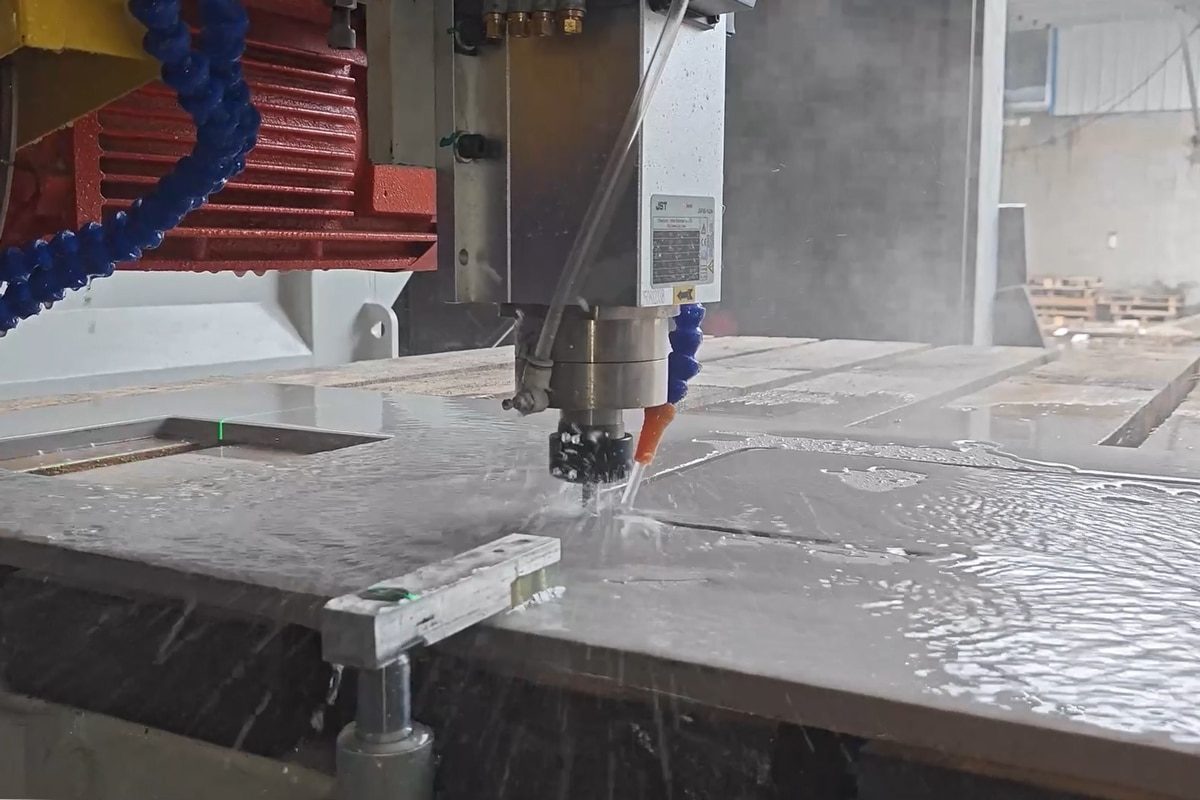
Stone CNC routing has become an essential process in modern manufacturing, architecture, and artistic production. From precision-cut granite countertops to intricately carved marble sculptures, CNC technology allows fabricators to work with stone materials faster, more accurately, and with greater design flexibility than ever before. However, the performance and quality of any stone-processing workflow depend heavily on selecting the right CNC router tools. The hardness, density, and abrasive nature of stone require specialized tool materials, geometries, and cutting strategies to achieve clean edges, detailed engravings, and a smooth final finish.
This guide provides a comprehensive overview of the most important stone CNC router tools—what they are, how they work, and where they are used. You’ll learn the differences between tool types, understand which applications each tool is best suited for, and discover essential criteria to consider when choosing tools for specific stone materials and project needs. Whether you are a beginner exploring stone CNC machining or a professional looking to refine your tool selection, this guide will help you make informed decisions that improve efficiency, extend tool life, and elevate your production quality.
Understanding Stone CNC Router Tools
Stone CNC router tools are the backbone of efficient and precise stone machining. Unlike tools for softer materials, these tools must withstand the hardness, density, and abrasiveness of natural and engineered stones such as granite, marble, and quartz. Choosing the right tool requires understanding not only the type of stone being worked on, but also the tool’s material, shape, grit, and cooling requirements. A clear grasp of these fundamentals ensures cleaner cuts, more detailed engravings, and longer tool life.
What Makes Stone Cutting Different?
Working with stone is a completely different challenge compared to softer materials like wood, plastic, or even some metals. Cutting stone differs significantly from working with softer materials due to several key factors:
- Hardness and Abrasiveness: Stones like granite, quartz, and marble are highly abrasive, quickly wearing down conventional cutting tools.
- Heat Generation: Friction during cutting generates high temperatures, which can reduce tool life and damage the stone if proper water or mist cooling is not applied.
- Brittleness: Stone is prone to chipping, cracking, or edge blowouts, so cutting strategies, feed rates, and tool geometries must be carefully optimized.
- Precision Demands: Achieving smooth finishes, detailed engravings, and exact dimensions requires specialized tool shapes and multi-stage machining approaches.
Tool Materials for Stone CNC Routing
The material of a CNC router tool plays a decisive role in its performance, durability, and efficiency when cutting stone. Stone’s hardness and abrasiveness demand specialized materials capable of withstanding heat, friction, and wear. The most common materials include:
- Diamond-Coated Tools: These tools feature a layer of industrial diamond particles bonded to the cutting edges. They are widely used for profiling, edge finishing, and engraving, offering a good balance of hardness, wear resistance, and cost-effectiveness.
- Polycrystalline Diamond (PCD) Tools: These tools have a polycrystalline diamond layer sintered onto a tungsten carbide substrate. PCD tools excel in high-precision engraving, 3D carving, and fine surface finishing, providing excellent wear resistance and thermal stability. Their higher cost makes them suitable mainly for specialized or high-precision applications.
- Electroplated vs. Sintered Diamond Tools: Electroplated tools have diamond particles bonded to the surface via metal plating, making them ideal for shallow cuts and detailed engraving. Sintered diamond tools, in contrast, have diamond particles fused throughout the tool body, giving them superior durability for aggressive cutting or deep profiling.
By recognizing the unique challenges of stone cutting and selecting tools designed to handle hardness, abrasiveness, and heat, operators can minimize wear, prevent damage, and maintain precision. Mastery of these fundamentals lays the foundation for successful stone machining, whether for architectural, artistic, or industrial applications.
Main Types of Stone CNC Router Tools
Stone CNC routers rely on specialized tools designed to handle the extreme hardness, density, and abrasiveness of natural and engineered stones. Using the right tool not only improves efficiency and accuracy but also ensures the longevity of both the tool and the machine. Understanding the main types of tools available and their characteristics helps operators choose the right tool for the job, reduce wear, and optimize overall machining performance.
Diamond Router Bits
Diamond router bits are among the most versatile and commonly used tools in stone CNC machining. They are primarily designed for edge profiling, decorative shaping, and contour cutting on materials such as granite, marble, limestone, and engineered quartz. Here are the key features:
- Available in a variety of shapes: V-bit, round-nose, bullnose, chamfer, and ogee, allowing for decorative and functional edge profiles.
- Diamond-coated edges provide exceptional wear resistance and maintain cutting precision over time.
- Can be used for both shallow and moderately deep cuts, depending on tool size and spindle power.
Diamond End Mills
Diamond end mills are precision tools designed for deep slotting, engraving, and 3D carving in hard stone materials. Unlike router bits, end mills are often used for detailed volumetric shaping and material removal. Here are the key features:
- Available in straight or tapered forms for varying levels of detail.
- Can handle heavy-duty cutting while maintaining a smooth surface finish.
- Diamond-coated or sintered diamond construction ensures durability under high load and abrasive conditions.
Diamond Engraving Bits
Engraving bits are small, high-precision tools designed for intricate detail work. Their small size and high precision make them perfect for monuments, signage, and artistic carvings. Here are the key features:
- Fine tips allow for lettering, logos, and delicate patterns.
- Diamond coating ensures long-lasting sharpness and consistent engraving quality.
- Available in different tip angles and shapes to accommodate various design requirements.
Core Drill Bits
Core drill bits are hollow, cylindrical tools that are used for drilling precise circular holes in stone slabs. They are particularly useful for plumbing cutouts, decorative openings, or mounting purposes. Here are the key features:
- Diamond-coated for cutting through very hard stone materials.
- Hollow design allows for faster material removal and reduced stress on the stone.
- Typically used with water cooling to prevent overheating and extend tool life.
Polishing and Finishing Tools
Polishing and finishing tools are designed to refine stone surfaces after cutting, engraving, or profiling. They remove tool marks, smooth rough edges, and enhance the stone’s visual appeal. Here are the key features:
- Includes diamond polishing pads, edge wheels, grinding heads, and buffing tools.
- Available in a range of grit levels, from coarse for initial smoothing to ultra-fine for high-gloss finishes.
- It can be used on both flat surfaces and edges.
Specialty Stone Tools
Specialty tools are designed for unique or challenging tasks that standard bits cannot handle. They provide added flexibility for custom stone projects and artistic designs. Here are the key features:
- Bush hammer tools create textured, non-slip surfaces.
- Finger bits are ideal for complex cutouts like sinks or intricate inlays.
- Zero-tolerance wheels allow for extremely precise shaping and fine details.
The main types of stone CNC router tools—including diamond router bits, end mills, engraving bits, core drills, polishing tools, and specialty tools—each serve a unique purpose in the stone machining process. By matching the tool type to the stone material and specific application, operators can achieve cleaner cuts, finer details, and more consistent finishes while maximizing tool life and production efficiency. A thorough understanding of these tools forms the foundation for successful and professional stone CNC routing.
Key Specifications to Consider
When selecting stone CNC router tools, it’s not enough to just choose the type or material of the tool. Various specifications directly impact cutting performance, tool life, and surface quality. Understanding these key factors helps operators match tools to the stone material and application, reduce wear, prevent chipping or surface damage, and achieve professional-quality results.
Tool Shank Size
The shank is the part of the tool that fits into the CNC router’s collet or spindle. Common shank sizes for stone CNC tools include 6mm, 8mm, 12mm, and 12.7mm (½ inch).
- Why it matters: The correct shank size ensures secure mounting, reduces vibration, and prevents tool slippage during cutting.
- Practical tip: Always check that the tool shank matches your CNC router’s collet and that it provides enough rigidity for the intended cut depth and stone hardness.
Tool Diameter and Cutting Length
Tool diameter and cutting length determine how much material can be removed in a single pass and how precise the cut will be.
- Diameter: Larger diameters provide rigidity, reduce vibration, and are ideal for roughing or bulk material removal. Smaller diameters are better for fine detailing, engraving, or intricate profiles where precision is critical.
- Cutting length: Longer cutting lengths allow machining of thick slabs or deep cavities. However, longer tools are more prone to deflection, so spindle speed and feed rates must be carefully adjusted.
Grit Levels (Coarse to Fine)
The diamond grit on a tool determines how aggressively it cuts and the quality of the resulting surface finish.
- Coarse grit: Removes material quickly, suitable for rough shaping or heavy stock removal. Leaves a rough surface that will require subsequent finishing.
- Medium grit: Balances material removal speed with surface smoothness, often used for intermediate cuts.
- Fine or ultra-fine grit: Produces smooth, polished finishes, ideal for final shaping and surface refinement.
Cooling Requirements
Stone cutting generates significant heat due to friction. Without proper cooling, the tool can overheat, lose its cutting edge, or even damage the stone.
- Water cooling: The most common method for stone CNC routing. It reduces heat, removes dust, and prolongs tool life.
- Mist or air cooling: Sometimes used for smaller or delicate cuts. Less effective for hard, abrasive stones like granite.
RPM and Feed Rate Compatibility
The spindle speed (RPM) and feed rate must match the tool type, stone material, and cutting depth to prevent chipping, burning, or excessive wear.
- High RPM with too fast feed: Can cause tool breakage or poor surface finish.
- Low RPM with slow feed: Reduces efficiency and may lead to excessive heat buildup.
- Optimal combination: Varies by stone type, tool diameter, and grit. Manufacturers often provide recommended ranges.
Understanding these key specifications empowers operators to make smarter and more precise tool choices for stone CNC routing. Each specification directly influences cutting performance, surface quality, and tool durability, so selecting the right combination helps achieve efficient, stable, and high-quality results. By evaluating these factors carefully before each project, users can minimize wear, reduce machining errors, and ensure that their tools perform at their highest potential across a wide variety of stone materials and applications.
How to Choose the Right Stone CNC Router Tools
Selecting the right stone CNC router tools is a critical step in achieving accurate, efficient, and high-quality machining results. Because stone materials vary significantly in hardness and brittleness—and because different machining tasks require different tool behaviors—it’s important to match the tool to the stone type, application, production needs, and machine capabilities. The following factors provide a clear, practical framework for selecting the best tool for any stone machining project.
Match the Tool to the Stone Type
The first step in tool selection is understanding the characteristics of the stone being processed. Different stones respond differently to cutting forces, friction, and heat:
- Granite: Extremely hard and abrasive; requires high-quality, coarse-grit diamond tools for roughing and fine-grit for finishing.
- Marble: Softer but prone to edge chipping; benefits from sharper, finer-grit tools and slower feed rates.
- Quartz: Hard, dense, and brittle; needs tools with excellent heat dissipation and controlled cutting speed.
- Sandstone and Limestone: Softer and easier to cut; can use lighter-duty diamond tools but still require proper cooling to avoid excessive wear.
Match the Tool to the Application
Different CNC tasks require specific tool shapes, sizes, and grit levels:
- Roughing / Material Removal: Use aggressive coarse-grit diamond grinding bits or milling cutters designed to remove bulk material quickly.
- Profiling / Edge Shaping: Choose diamond router bits with the correct edge profile (e.g., ogee, bullnose, round-over) to achieve the desired shape.
- Engraving / Fine Detailing: Use small-diameter diamond engraving bits to achieve precision in lettering, patterns, or intricate designs.
- Polishing / Finishing: Use progressively finer diamond polishing pads or fine-grit router bits to achieve smooth and glossy surfaces.
Consider Production Needs
Production requirements can significantly influence tool selection:
- High-Volume Production: Choose industrial-grade tools with high durability, reinforced bodies, and stable diamond bonding to withstand continuous use.
- Single or Custom Projects: Standard-grade tools may be sufficient, especially when precision matters more than speed.
- Long Cutting Cycles: Prioritize tools with excellent heat resistance and designed for wet cutting to prevent overheating.
- Complex Designs: Select tools with smaller diameters, specialized geometries, or variable grit levels for detailed work.
Compatibility with Your CNC Router
Even the best tool will underperform if it is not compatible with your machine:
- Shank Size: Must match the CNC router’s collet size for safe and stable operation.
- Spindle Power: High-power spindles can handle larger-diameter tools; lower-power machines require smaller, lighter tools.
- Maximum RPM: Ensure the tool’s recommended speed range matches your router’s capabilities.
- Tool Length and Rigidity: Long tools should only be used with machines capable of maintaining stability without vibration.
- Cooling System: Stone CNC routing often requires water cooling. Verify your machine and tooling support appropriate cooling methods.
Choosing the right stone CNC router tools involves balancing material characteristics, tooling specifications, workflow requirements, and machine capabilities. By matching the tool to the stone type and machining application, considering production volume, and ensuring compatibility with the CNC router, users can optimize efficiency and minimize tool wear or machining errors. A thoughtful, well-informed approach to tool selection ultimately leads to cleaner finishes, longer tool life, and smoother, more reliable stone processing operations.
Best Practices for Using Stone CNC Router Tools
Using stone CNC router tools effectively involves more than selecting the right tool—it requires proper toolpath planning, optimized machine parameters, and consistent maintenance practices. Stone is a demanding material, and even small operational adjustments can significantly impact tool performance, cutting quality, and overall efficiency. The following best practices help ensure smoother machining, longer tool life, and more consistent results when working with stone.
Toolpath Strategies
Effective toolpath strategies reduce stress on both the tool and the machine while ensuring cleaner and more accurate cuts.
- Use gradual entry methods such as ramping or helical plunges rather than straight plunges to reduce impact on the tool.
- Plan roughing passes first to remove excess material, followed by finishing passes for final accuracy.
- Maintain consistent cutting direction to minimize chipping, especially on brittle stones like marble and quartz.
- Optimize step-over distances to balance efficiency and surface quality; too wide creates rough surfaces, too narrow can overload the tool.
- Avoid sharp internal corners, as they increase friction and tool stress; use slight radius transitions where possible.
Cooling and Lubrication Best Practices
Stone cutting generates significant heat, and proper cooling helps for tool longevity and surface quality.
- Use constant water cooling to reduce temperature, remove slurry, and minimize dust.
- Ensure even water distribution so the tool and work surface remain cool throughout the cut.
- Clean and unclog cooling lines regularly to maintain consistent flow.
- Avoid dry cutting unless using a tool specifically designed for dry applications, as this significantly increases tool wear.
Feed Rate, RPM, and Cutting Depth Tips
Balancing spindle speed (RPM), feed rate, and cutting depth is beneficial for optimal tool performance.
- High RPM + moderate feed works well for fine detailing and engraving.
- Lower RPM + steady feed is more appropriate for roughing and heavy stock removal.
- Shallow passes prevent tool deflection and reduce the risk of breakage, especially on harder stones.
- Adjust cutting depth based on stone hardness; granite requires much shallower passes compared to limestone.
- If the tool begins to vibrate, chatter, or burn, reduce RPM or feed rate immediately.
Maintenance and Tool Care
Proper maintenance extends tool life, reduces operating costs, and ensures consistent machining quality.
- Inspect tools frequently for signs of wear, glazing, or uneven diamond exposure.
- Clean tools after use to remove stone dust and debris that can affect cutting performance.
- Check collets and tool holders for dirt or wear—these can cause runout and reduce cutting accuracy.
- Replace worn tools promptly, as using dull tools increases spindle load and risks damaging both the tool and the stone.
- Perform routine CNC router maintenance, including lubrication, axis calibration, and water system checks.
Implementing best practices in stone CNC routing is key to maintaining performance, protecting tools, and maximizing machining efficiency. By planning appropriate toolpaths, managing cooling effectively, balancing feed rates and cutting depths, and performing regular tool and machine maintenance, operators can reduce errors, prevent premature wear, and achieve smoother, more accurate cuts across a variety of stone materials. Consistent application of these practices not only enhances output quality but also contributes to safer operation and lower long-term production costs.
Troubleshooting Common Issues
Even with the right tools and careful setup, stone CNC routing can present challenges due to the material’s hardness, density, and brittleness. Common issues such as chipping, cracking, poor surface finish, tool wear, vibration, and overheating can affect both productivity and the quality of the finished workpiece. Knowing how to address them is beneficial for maintaining consistent results, extending tool life, and minimizing downtime.
Rapid Tool Wear
Rapid tool wear is one of the most common challenges in stone CNC routing. Excessive tool wear in stone CNC routing typically occurs due to a combination of improper cutting parameters, inadequate cooling, and mismatched tool selection. Here are the prevention and solutions:
- Optimize Feed and Speed Settings: Follow manufacturer recommendations for spindle speed (RPM), feed rate, and surface speed. Adjust parameters based on actual machine performance and material hardness.
- Use Proper Cooling Techniques: Ensure water supply is consistent, clean, and properly directed at the cutting area. Verify that pumps and nozzles are functioning and not clogged.
- Choose the Right Tool for the Stone: Match diamond grit size, bond type, and tool structure to the specific stone being machined. Use tools specifically rated for high-hardness stone when needed.
- Reduce Cutting Depth per Pass: Break deep cuts into multiple shallower passes to reduce tool stress. This improves both performance and accuracy while extending tool life.
Chipping or Cracking of Stone
Chipping or cracking along edges is also a common problem when CNC routing stone. This issue typically occurs when cutting forces exceed the stone’s structural strength or when the material is not properly supported. Here are the prevention and solutions:
- Reduce feed rates and adjust spindle speed to match the stone type and tool diameter.
- Use sharp, high-quality diamond tools suitable for the material’s hardness.
- Ensure consistent water cooling to reduce heat and minimize stress on the stone.
- Employ proper toolpath strategies, including ramped or helical entry and gradual passes, to avoid sudden impact forces.
- Secure the workpiece firmly to prevent movement that can cause fractures.
Poor Surface Finish
A poor or uneven surface finish results in rough textures, visible tool marks, or a dull appearance after machining. This issue can arise from several factors, including using the wrong tool grit, excessive step-over distance, inappropriate feed rates or spindle speeds, worn or damaged tools, and insufficient finishing passes. Here are the prevention and solutions:
- Select the appropriate diamond grit for the stage of machining—coarse for roughing and fine or ultra-fine for finishing.
- Reduce step-over distance during finishing passes to achieve a smoother surface.
- Adjust spindle speed and feed rate to minimize tool vibration and burning.
- Replace or resharpen dull tools to maintain consistent cutting edges.
- Use polishing pads or additional finishing tools for high-gloss surfaces, particularly on marble and engineered stone.
Excessive Noise or Vibration
Excessive noise or vibration during stone CNC routing is a common indication of tool or machine instability, which can negatively affect surface quality, accuracy, and tool life. Here are the prevention and solutions:
- Use a shorter or larger-diameter tool for greater rigidity when cutting hard or thick stones.
- Ensure the collet and tool holder are clean and properly tightened to prevent runout.
- Secure the stone slab firmly with clamps or vacuum tables to minimize movement.
- Adjust feed rates and spindle speed to reduce cutting forces that cause vibration.
- Optimize toolpaths with gradual entry, smooth transitions, and controlled step-overs.
Effectively troubleshooting common stone CNC routing issues ensures smoother operations, higher-quality finishes, and longer-lasting tools. By identifying the root causes of problems and applying targeted solutions, operators can reduce chipping, vibration, excessive wear, and other challenges. Consistent monitoring, maintenance, and adjustment of both tools and machine parameters are key to achieving reliable, precise, and professional stone machining results.
Summarize
Stone CNC routing requires a careful balance of the right tools, proper machine settings, and informed operational practices. By understanding the different types of tools along with their applications, key specifications, and best-use strategies, operators can achieve clean finishes and long tool life. Paying attention to stone characteristics, matching tools to the task, and following best practices for cooling, feed rates, and maintenance ensures efficiency, reduces wear, and minimizes common machining issues like chipping or surface defects. Continue reading “Beginner’s Guide to Using Stone CNC Routers” to quickly master the skills of operating the machine.
AccTek is a professional CNC router manufacturer known for delivering reliable, high-performance machines tailored to a wide range of materials and applications. Whether you are working with wood, stone, metal, or composite materials, AccTek offers a comprehensive lineup of CNC routers designed to meet diverse production needs. With robust machine structures, advanced control systems, and customizable configurations, AccTek ensures stable operation, long-term durability, and superior accuracy. Backed by responsive technical support and extensive industry experience, AccTek is an excellent choice for businesses seeking dependable CNC solutions.