

- 10-14 Min Read
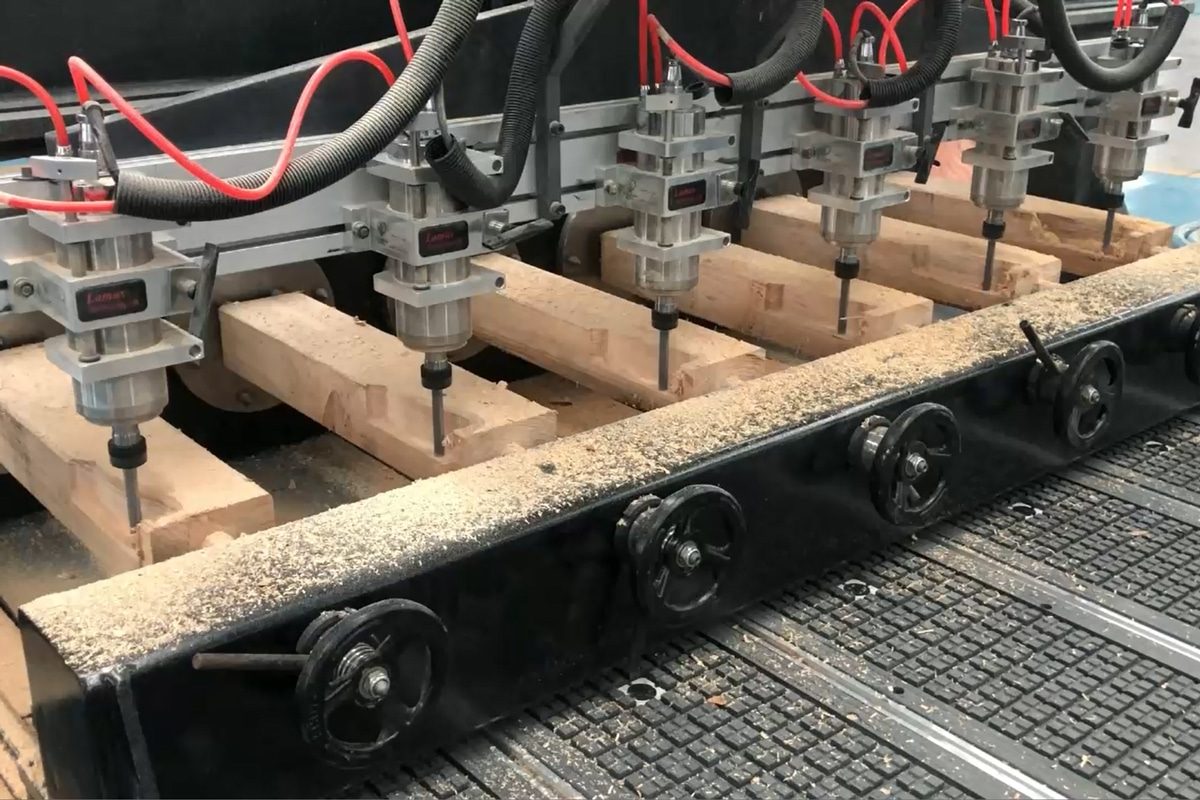
CNC router is widely used in industries such as woodworking, plastics, and light metal fabrication due to its precision and efficiency. However, one unavoidable byproduct of the CNC routing process is the generation of significant amounts of dust and debris. Whether it’s fine wood particles from MDF or larger chips from acrylic and soft metals, this material waste can accumulate quickly and pose serious challenges if not properly managed.
Effective dust and debris control is beneficial for maintaining a clean workspace and your operators’ health. In this article, we’ll explore the sources of dust and practical strategies for capturing and minimizing it. From dust collection systems and air filtration to maintenance practices and safety tips, this guide is designed to help you create a safer and more efficient CNC routing environment.
Sources and Characteristics of Dust and Debris
Understanding where dust and debris come from during CNC routing is the first step to managing them effectively. The volume, type, and behavior of waste material vary greatly depending on what is being machined, how it is machined, and the physical form the waste takes. This section explores the key factors that influence dust and chip generation.
Type of Processed Material
Different materials produce distinct forms of debris. Wood-based materials like MDF, plywood, and particleboard are notorious for creating fine, airborne dust, especially when dry. Natural hardwoods and softwoods tend to generate larger sawdust particles and wood chips. Plastics, such as acrylic and PVC, usually produce lightweight shavings that cling due to static. In contrast, soft metals like aluminum generate dense metallic chips that are heavier but still pose cleanup and safety challenges.
Particle State
The size, shape, and behavior of particles affect how they travel and accumulate. Fine dust can remain suspended in the air and infiltrate machine components or be inhaled by operators, while coarse chips tend to fall quickly and collect near the cutting area. Some particles are dry and powdery, making them difficult to capture, while others are stringy or curled, especially in plastics and metals. These physical states determine whether dust control solutions like vacuums, air filtration, or chip guards are effective.
Cutting Parameters
Dust and chip generation are also heavily influenced by spindle speed, feed rate, and tool design. High spindle speeds and low feed rates usually result in finer dust, as the tool grinds more than it slices. Conversely, higher feed rates and sharper tools create larger, more defined chips that are easier to extract. The number of tool flutes also plays a role. Fewer flutes can clear chips more efficiently, while more flutes may clog and generate heat, breaking material into finer dust.
Why Dust Control Matters
Dust and debris generated during CNC routing are more than just a housekeeping issue—they directly impact the safety, efficiency, and longevity of your operations. Without proper dust control measures, even the most advanced CNC router can suffer from performance degradation and pose risks to both equipment and personnel.
Health and Safety Risks
Dust from materials like MDF, plywood, and certain plastics contains fine particles that can become airborne and easily inhaled. Long-term exposure may lead to respiratory issues, skin irritation, or allergic reactions. In some cases, especially in enclosed spaces, poor air quality also contributes to eye irritation and reduced visibility, raising the chance of operational errors and accidents.
Machine Performance
Dust that infiltrates CNC routers can clog fans, motors, linear rails, and electronic enclosures. Over time, this buildup increases the risk of overheating, signal interference, and mechanical wear. It can also obstruct cooling systems or damage motion control components, resulting in costly downtime, inconsistent movement, or long-term equipment degradation.
Workpiece Quality
When dust is not properly extracted, it can accumulate on the work surface, leading to inaccurate cuts, poor edge finishes, or contamination of the final product. This is especially problematic in operations requiring tight tolerances or clean surfaces for secondary processes like painting, gluing, or welding. Even minor debris left behind can reduce the professional appearance and integrity of the finished part.
Regulatory Compliance
Many industrial environments are subject to strict safety and environmental regulations related to air quality, combustible dust, and occupational exposure limits. Agencies such as OSHA (Occupational Safety and Health Administration) in the U.S. mandate specific dust control measures to protect workers. Non-compliance can lead to fines, shutdowns, or legal liability, making it not only a safety concern but a business issue.
Dust control is not just about keeping the workshop tidy—it’s about safeguarding the health of your team, protecting your investment in machinery, ensuring product quality, and staying compliant with safety standards. A proactive approach to dust management helps create a safer, more productive, and more sustainable CNC routing operation.
Key Dust and Debris Management Methods
Effectively managing dust and debris in CNC routing requires a combination of strategic planning, proper equipment, and consistent practices. Since different materials and cutting parameters generate varying amounts and types of waste, the dust control system must be tailored to match the specific needs of the operation. Below are the most commonly used and effective dust and chip management methods.
Dust Collection Systems
A well-designed dust collection system is the foundation of effective debris management in CNC routing. It works by actively removing chips, shavings, and fine particulate matter from the cutting area using suction, thereby preventing accumulation on the work surface, in the machine, or in the surrounding workspace. These systems not only help maintain cleanliness but also protect the operator’s health and extend the life of the equipment.
Dust collection systems come in several configurations. Single-stage collectors are suitable for small CNC routers, where debris is collected directly into a filter bag or drum. Two-stage or cyclone systems, on the other hand, are ideal for industrial CNC router operations. They separate heavier chips from finer dust using centrifugal force, which reduces filter clogging and maintains strong suction over time. Many industrial setups also connect multiple machines to a centralized dust collection unit, allowing for efficient multi-machine operation.
Choosing the right system involves considering factors like CFM (cubic feet per minute) ratings for airflow, static pressure, and filter efficiency. HEPA or high-MERV filters are recommended, especially when working with fine dust-producing materials such as MDF or plastics. Proper ductwork, hose diameter, and sealed connections are also beneficial to maintaining airflow and preventing leaks. When installed and maintained correctly, a dust collection system significantly improves both safety and productivity in CNC routing environments.
Dust Shoes and Enclosures
Dust shoes, also known as dust boots or hoods, are essential front-line tools in CNC dust management. Mounted directly around the router spindle, they enclose the cutting bit and create a localized vacuum zone that captures dust and chips at the point of generation. Most dust shoes include bristles or a flexible skirt that maintains contact with the material surface, helping to contain debris and direct it toward the connected dust collection hose.
There are different types of dust shoes available, including fixed, magnetic, and floating designs. Floating dust shoes automatically adjust to material thickness and uneven surfaces, ensuring consistent suction and containment. Magnetic shoes offer easy access for tool changes, while fixed shoes provide stable performance on flat workpieces. Choosing the right design depends on your material types, production needs, and desired maintenance convenience.
In addition to dust shoes, CNC router enclosures offer an added layer of protection by containing airborne dust within the cutting area. Full enclosures are especially effective when routing high-dust materials or operating in shared spaces, as they reduce contamination throughout the shop. Transparent panels maintain visibility, while integrated dust ports allow connection to central extraction systems. Together, dust shoes and enclosures form a powerful combination for localized and ambient dust control.
Vacuum Tables and Chip Extraction
Vacuum tables serve a dual purpose in CNC routing: they securely hold the workpiece in place and help minimize the movement of dust and debris. By creating negative pressure through a grid of small holes or channels, vacuum tables prevent material from shifting during cutting. While their primary function is fixturing, they also reduce air turbulence beneath the workpiece, helping to keep dust closer to the surface where it can be more easily collected.
For operations with high chip volume, chip extraction systems provide continuous debris removal. These may include chip augers, conveyors, or dedicated suction ports that move waste away from the cutting zone and into a collection bin or cyclone separator. Some machines integrate dual vacuum and chip extraction systems, separating fine dust from heavier particles to maintain filtration efficiency and airflow.
Compressed Air and Air Nozzles
Compressed air systems and air nozzles are often used in CNC routing to clear chips and dust away from the cutting zone. By directing a focused stream of air at the tool or material surface, these systems help maintain visibility, improve cooling, and prevent debris from accumulating around the bit or obstructing the cutting path. This is mainly used in machining metals or plastics that produce sticky chips, or in projects that require precise edge definition during complex cuts.
However, while air assist systems enhance cutting performance, they must be used with care. Without proper containment or synchronized extraction, compressed air can scatter fine dust into the air, worsening air quality and increasing health risks. To counter this, air nozzles should be used in conjunction with high-efficiency dust collection systems or enclosed workspaces that capture displaced particles. Adjustable or directional nozzles can further improve control by targeting airflow precisely where it’s needed without disturbing nearby material or causing turbulence.
Shop Air Filtration Systems
While dust collection systems and dust shoes capture most debris at the source, shop air filtration systems handle the fine airborne particles that escape local extraction. These systems are designed to continuously clean the ambient air in the workshop, reducing overall dust concentration and improving air quality for operators. These are helpful for environments where materials like MDF or composite woods are frequently machined, as these generate respirable dust that can linger in the air.
Air filtration units are typically mounted on the ceiling or placed on mobile carts and use multi-stage filters to capture dust of varying sizes. A common setup includes a pre-filter for large particles, followed by a HEPA or high-MERV filter to trap microscopic dust. The airflow rate, measured in CFM (cubic feet per minute), should be matched to the room’s volume to ensure adequate air changes per hour (ACH).
Using a combination of these methods ensures comprehensive dust control, protecting both personnel and equipment while maintaining a clean, efficient routing environment. In the next section, we’ll explore routine maintenance and cleaning practices that support these systems and keep your CNC router operation running smoothly.
Routine Maintenance and Clean-Up Procedures
Even the best dust management systems require regular maintenance to function effectively. Implementing a structured maintenance and clean-up schedule helps keep your CNC routing operation running smoothly and your workspace clean and compliant.
- Clean the Worktable and the Surrounding Area: Use a shop vacuum with a HEPA filter to remove dust and chips from the machine bed, T-slots, and vacuum table holes (if applicable). Wipe down flat surfaces around the router to prevent fine dust from settling on electrical components or tooling.
- Empty Dust Collection Bins or Drums: Check the main dust collector bin or drum and empty it before it reaches capacity. For bagged systems, ensure bags are not overly full and filters are not obstructed.
- Inspect and Clean the Dust Shoe: Remove the dust shoe and clean any buildup inside, especially around the bristles or skirt. Make sure the suction port is clear and there’s no blockage in the hose connected to the dust collector.
- Inspect Hoses and Ductwork: Inspect flexible hoses and duct connections for blockages or leaks that could reduce suction performance.
- Vacuum Moving Components: Carefully vacuum around linear rails, ball screws, guide rods, and gantry tracks to remove chips or fine dust that could interfere with motion. Avoid using compressed air unless it’s paired with extraction, as it can push dust deeper into components.
- Check and Wipe Down the Spindle Area: Clean around the spindle collet, tool holder, and motor housing to prevent dust buildup that could affect cooling or tool clamping. Make sure no debris is trapped in or around the cutting bit.
These daily procedures typically take 15–30 minutes, but they greatly reduce long-term maintenance issues and enhance safety. Keeping your machine and workspace clean on a daily basis sets the foundation for consistent performance, higher-quality output, and a healthier working environment. Preventive care is not only good practice—it’s a smart investment in productivity and machine longevity.
Best Practices for Operators
The effectiveness of dust and debris control in CNC routing also depends on operator behavior. Daily habits, safety awareness, and routine checks all contribute to maintaining a clean and safe working environment. By following proven best practices, operators can minimize dust-related issues and protect their health.
- Always Wear Personal Protective Equipment (PPE): Operators should wear dust masks or respirators, especially when working with fine dust-producing materials like MDF or plastics. Safety glasses or goggles are beneficial to protect the eyes from airborne particles, while hearing protection is recommended in noisy environments.
- Use Proper Startup and Shutdown Routines: Begin each session by ensuring all dust collection systems, air filtration units, and enclosures are operational. During shutdown, allow dust collectors and air purifiers to run for a few extra minutes to clear lingering airborne particles before turning them off.
- Pause to Clear Dust Mid-Job: For long cuts or high-dust jobs, pause the machine at logical breakpoints to vacuum excess buildup around the spindle, table, and material edges. This helps maintain cutting accuracy and reduces the chance of tool fouling or overheating.
- Avoid Using Compressed Air Without Extraction: When using air nozzles to clear chips or cool the tool, always ensure an active dust extraction system is in place. Otherwise, blowing dust can worsen air quality and spread debris across the workspace.
- Stay Attentive to Dust Behavior: Watch for signs of poor dust capture, such as visible clouds, suction loss, or dust buildup near the tool. Unusual chip patterns, excessive residue on the workpiece, or a drop in cutting quality may indicate a clogged dust shoe or failing extractor.
- Keep the Work Area Organized: Maintain a clutter-free zone around the machine. Proper cable management, tool storage, and waste bin placement reduce the chance of dust accumulation and improve safety during cleaning tasks.
- Report and Address Equipment Issues Promptly: If you notice reduced vacuum performance, damaged hoses, or worn dust shoes, report or resolve the issue immediately. Early intervention prevents small problems from escalating into costly downtime or safety hazards.
Adopting these best practices empowers CNC router operators to take proactive control of dust and debris management. From wearing proper protective gear to maintaining cleanliness mid-job, every action contributes to a safer, more productive workspace. When equipment and operator discipline work together, the result is a cleaner shop, fewer maintenance issues, and better-quality finished products.
Summarize
Dust and debris are unavoidable byproducts of CNC routing, but with the right strategies, their impact can be effectively minimized. By combining appropriate equipment with regular maintenance and operator best practices, you can significantly reduce airborne particles and chip buildup. This not only extends machine life and improves cutting precision but also safeguards operator health and ensures compliance with workplace safety standards. A clean shop is a productive shop, and proactive dust control is the key to achieving it. Continue reading the “Selecting Ventilation and Dust Collection Systems Comprehensive Guide” so you can make the right choice for your CNC router shop.
AccTek CNC is a professional CNC router manufacturer based in China, known for delivering high-quality and reliable machines to meet a wide range of cutting and engraving needs. With a strong focus on precision, durability, and user-friendly operation, AccTek offers various models tailored for woodworking, plastics, and composite materials. Whether you’re a small workshop or a large-scale manufacturer, AccTek provides customized solutions, comprehensive technical support, and competitive pricing to help you improve productivity and achieve consistent results.