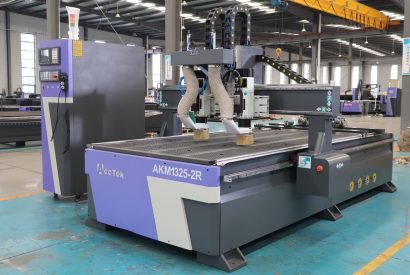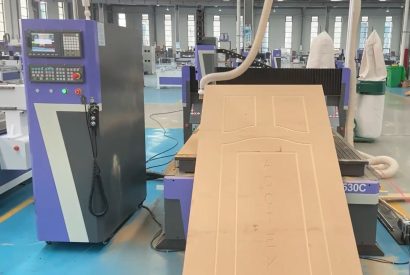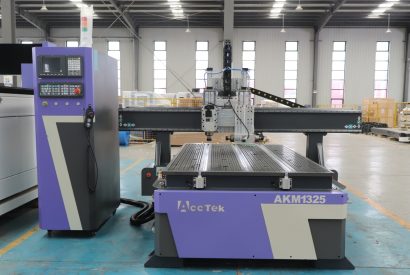

Metal CNC Routers For Precision Soft Metal Cutting & Engraving

Metal CNC routers deliver precise cutting, engraving, drilling, and light milling for aluminum, brass, copper, soft metals, nameplates, signs, molds, prototypes, and custom parts.
Home » CNC Router » Metal CNC Router

Introduction

Metal CNC routers are computer-controlled machines designed for cutting, engraving, drilling, milling, and shaping metal materials with accuracy and repeatability. Compared with standard woodworking CNC routers, metal CNC routers usually require stronger machine frames, more stable motion systems, suitable spindles, proper tooling, and controlled cutting parameters to handle the higher hardness and cutting resistance of metal workpieces. These machines are commonly used for processing soft metals such as aluminum, brass, copper, and other non-ferrous metals. They can produce signs, molds, panels, nameplates, decorative parts, electronic components, prototypes, and custom metal products. With the help of digital design files, metal CNC routers can follow complex tool paths and complete detailed shapes that are difficult to achieve with manual tools.
One of the main advantages of metal CNC routers is their flexibility. They can perform multiple processes, including flat cutting, surface engraving, pocket milling, hole drilling, edge profiling, and 3D relief machining. This makes them useful for both small custom workshops and production environments that need consistent part quality. For users who regularly process aluminum sheets, copper plates, brass parts, or composite metal panels, metal CNC routers can improve efficiency and reduce manual errors. To achieve stable machining results, users should choose the correct router bits, spindle speed, feed rate, cutting depth, cooling method, and material fixing system. Proper setup helps reduce tool wear, vibration, burrs, and heat buildup while improving edge quality and dimensional accuracy. Metal CNC routers are widely used in advertising, mold making, electronics, machinery parts, decoration, automotive accessories, and product prototyping. For businesses that need precise metal processing with flexible design capability, metal CNC routers provides a practical solution for expanding production capacity and improving machining quality.

Find The Right CNC Router For You

By Configuration

Match your routing tasks with ATC, 3 Axis, 4 Axis, 5 Axis, Rotary Axis, or Multi Head options.

By Material

Select CNC routers for wood, foam, plastic, metal, or stone to match your material processing needs.

By Level

Find hobby, home, mini, small, commercial, or industrial CNC routers for your production scale.

By Worktable Size

Choose 6090, 6012, 1212, 1325, 1530, 2030, or 2040 CNC routers for your materials.

Applicable Materials

Metal CNC routers are mainly suitable for light-duty and precision processing of non-ferrous metals. Aluminum is one of the most common materials, including aluminum sheets, aluminum plates, aluminum profiles, and aluminum alloy parts. It is widely used for signs, panels, molds, machine parts, decorative components, and prototypes because it is lightweight, easy to machine, and has good surface quality. Brass and copper can also be processed by metal CNC routers when proper cutting tools, spindle speed, feed rate, and cooling methods are used. These materials are often used for nameplates, electrical parts, decorative pieces, craft products, molds, and custom-engraved components. Some machines can also handle bronze, zinc alloy, magnesium alloy, and other soft metal materials depending on machine rigidity and spindle power.
In addition to solid metals, metal CNC routers can process aluminum composite panels, copper-clad boards, and certain metal-laminated materials used in advertising, electronics, and decoration. However, they are generally not designed for heavy cutting of hard metals such as steel, stainless steel, or titanium unless the machine is specially configured. Material selection should consider hardness, thickness, cutting depth, tool type, cooling method, clamping stability, and required surface finish. Proper setup helps reduce burrs, heat, vibration, and tool wear while improving accuracy and machining quality.
Application of CNC Router on Composite Materials

Composite Materials

Application of CNC Router on Cardboard

Cardboard

Application of CNC Router on Paper

Paper

Application of CNC Router on MDF

MDF

Application of CNC Router on Laminate

Laminate

Application of CNC Router on Rubber

Rubber

Application of CNC Router on Leather

Leather

Application of CNC Router on Ceramics

Ceramics

Application of CNC Router on Glass

Glass

Application of CNC Router on Stone

Stone

Application of CNC Router on Foam

Foam

Application of CNC Router on Metal

Metal

Application of CNC Router on Plastic

Plastic

Application of CNC Router on Wood

Wood

Applicable Industries

Metal CNC routers are used in industries that require accurate cutting, engraving, drilling, and light milling of non-ferrous metals. In the advertising and signage industry, they are commonly used to process aluminum panels, brass nameplates, copper signs, metal letters, logo boards, and decorative display parts. Their ability to create clean shapes and detailed engraving makes them useful for custom visual products. In mold making and prototyping, metal CNC routers can machine aluminum molds, sample parts, test fixtures, patterns, and product prototypes. They help designers and manufacturers turn digital drawings into physical parts quickly and with repeatable accuracy. The electronics industry also uses these machines for copper-clad boards, aluminum panels, heat sink components, instrument panels, and small precision parts.
Metal CNC routers are also applied in machinery parts processing, automotive accessories, craft production, architectural decoration, lighting components, and customized metal products. They can produce engraved panels, decorative plates, small hardware parts, soft metal components, and personalized metal crafts. For workshops and factories that mainly process aluminum, brass, copper, and other soft metals, metal CNC routers provide a flexible and efficient solution. They are especially suitable for small-batch production, customized orders, sample development, and detailed engraving work. With the right tooling, cooling, and machine configuration, they help improve machining accuracy, reduce manual work, and expand metal processing capability.
Application of CNC Router in The Construction Industry

Construction Industry

Application of CNC Router in The Aerospace Industry

Aerospace Industry

Application of CNC Router in The Jewelry Industry

Jewelry Industry

Application of CNC Router in The Stone Carving Industry

Stone Carving Industry

Application of CNC Router in The Woodworking Industry

Woodworking Industry

Application of CNC Router in The Advertising Industry

Advertising Industry

Application of CNC Router in The Bathroom Industry

Bathroom Industry

Application of CNC Router in The Mold Industry

Mold Industry

Application of CNC Router in The Handicraft Industry

Handicraft Industry

Application of CNC Router in The Plastic Fabrication Industry

Plastic Fabrication Industry

Application of CNC Router in Musical Instrument Industry

Musical Instrument Industry

Application of CNC Router in Furniture Manufacturing

Furniture Manufacturing

How to Choose CNC Routers

Processing Materials

Processing Materials

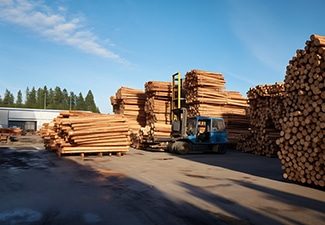
Choose CNC routers based on the materials you process most often, such as wood, MDF, acrylic, plastics, foam, or composites. Different materials have different hardness, density, and cutting resistance. These factors affect machine structure, spindle power, cutting speed, tooling selection, and dust control requirements, so material compatibility should be the first consideration.
Working Area

Working Area

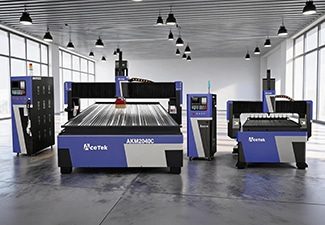
The working area should match your common sheet size, product dimensions, and production workflow. Small CNC routers are suitable for custom parts, samples, signs, and workshops with limited space, while large-format routers are better for furniture panels, doors, cabinets, full-size sheets, and batch production that requires higher efficiency.
Production Volume

Production Volume

For occasional use, prototyping, or small custom jobs, a basic CNC router may be enough. For daily production or industrial manufacturing, choose a machine with stronger components, faster processing speed, automatic functions, better cooling, and higher structural stability to support continuous operation and maintain consistent machining quality.

Software Compatibility

Software Compatibility

Check whether the CNC router supports your design software, CAM software, and common file formats. Good software compatibility makes drawing import, toolpath generation, parameter setting, and production management easier. It also helps connect design, programming, and machining more smoothly, reducing communication errors and improving overall production efficiency.
Spindle Power

Spindle Power

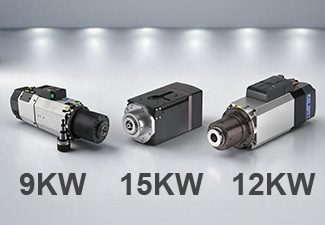
Spindle power affects cutting depth, processing speed, cutting stability, and tool performance. Light engraving or thin material cutting may only require a lower-power spindle, while thick boards, hardwood, dense plastics, and continuous production need a stronger spindle to maintain efficiency, reduce tool stress, and achieve cleaner cutting results.
Machine Structure

Machine Structure

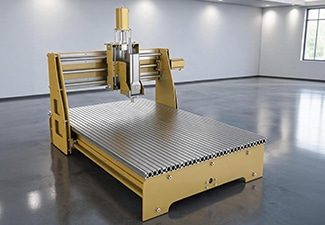
A strong and stable machine structure helps reduce vibration, maintain accuracy, and improve long-term reliability. For heavy cutting, large-format processing, or high-speed production, choose a CNC router with a rigid welded frame, high-quality guide rails, a reliable transmission system, and durable components that can support stable machining over time.
Worktable Type

Worktable Type

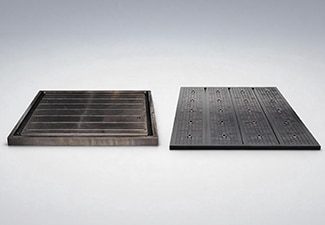
Choose the worktable type according to your material size, clamping method, and production needs. T-slot worktables are flexible for fixing small parts, irregular workpieces, and custom jobs, while vacuum tables are better for holding large sheets quickly and firmly, helping reduce loading time and improve production efficiency.
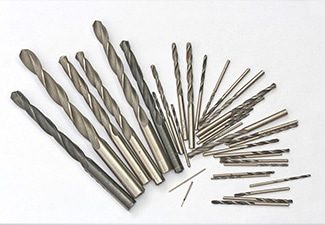
Tool Configuration

Tool Configuration

Different applications require different router bits, engraving tools, drill bits, carving tools, and cutting tools. Proper tool configuration improves cutting quality, reduces edge chipping, extends tool life, and allows the machine to complete more types of processing. Matching the right tools to the material helps achieve more accurate and consistent results.
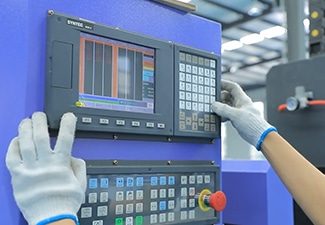
Control System

Control System

The control system affects operation convenience, file compatibility, machining accuracy, and production stability. A user-friendly controller allows operators to set parameters, load programs, manage toolpaths, monitor machine status, and reduce operating errors more easily. A reliable control system can also improve workflow efficiency and support smoother daily production.
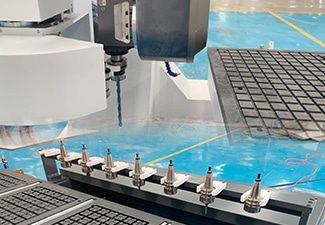
Automatic Tool Changer

Automatic Tool Changer

An automatic tool changer is useful when one job requires multiple operations, such as cutting, engraving, drilling, grooving, and edge trimming. It reduces manual tool changes, saves labor time, improves machining continuity, and increases efficiency for complex designs, customized products, cabinet production, furniture manufacturing, and batch processing.
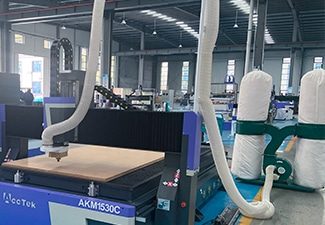
Dust Collection System

Dust Collection System

CNC routing often produces dust, chips, shavings, and fine particles during cutting or engraving. A good dust collection system helps keep the workshop cleaner, protects guide rails and machine components, improves operator visibility, reduces cleanup time, and creates a safer and more comfortable working environment for long-term production.
Supplier Support

Supplier Support

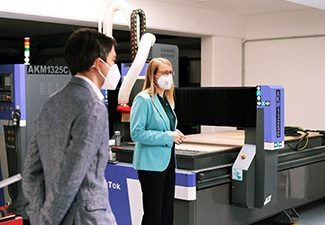
Reliable supplier support is important for machine installation, operator training, troubleshooting, spare parts supply, software guidance, and long-term maintenance. A professional supplier can help you choose the right configuration, solve technical problems faster, reduce downtime, and make the CNC router easier to operate throughout its service life.
Comparison With Other Machines

Comparison ItemCNC RoutersCNC Milling MachinesLaser Cutting Machines3D Printers
Processing MethodUses a rotating cutting tool to cut, engrave, drill, groove, and carve materials.Uses rigid cutting tools to remove material with higher force and precision.Uses a focused laser beam to cut, engrave, or mark materials without direct contact.Builds objects layer by layer from digital 3D models.
Manufacturing TypeSubtractive manufacturing; removes material from a workpiece.Subtractive manufacturing; removes material from a solid block or part.Thermal processing; cuts or engraves by melting, burning, or vaporizing material.Additive manufacturing creates parts by adding material layer by layer.
Main ApplicationsWoodworking, furniture, signage, decoration, crafts, molds, plastics, foam, and panel processing.Precision parts, molds, dies, mechanical components, and industrial machining.Sheet cutting, engraving, marking, signs, packaging, textiles, and decorative products.Prototypes, models, customized parts, design testing, education, and small-batch production.
Suitable MaterialsWood, MDF, plywood, acrylic, PVC, plastics, foam, rubber, leather, composites, and some soft metals.Metals, engineering plastics, hard materials, and precision industrial materials.Wood, acrylic, paper, fabric, leather, plastic, glass, and metals depending on laser type.Plastics, resins, nylon, composites, wax, and some metal powders depending on printer type.
Cutting SpeedFast for boards, panels, signs, and furniture parts.Slower for large sheets but strong for precision machining.Very fast for thin sheets and fine contour cutting.Usually slower because parts are built layer by layer.
Processing AccuracyOffers good accuracy for woodworking, advertising, and general fabrication.Provides higher accuracy for precision mechanical parts.Provides high accuracy for thin materials and detailed patterns.Accuracy depends on printer type, layer height, material, and calibration.
Surface FinishCan produce smooth edges and carved surfaces with proper tools and parameters.Can achieve fine surface finishes through precision tooling and machining strategies.May leave heat marks, discoloration, or slightly burnt edges on some materials.Often leaves visible layer lines and may require post-processing.
3D Processing AbilitySuitable for 2D cutting, 2.5D relief carving, and some 3D carving.Excellent for complex 3D machining and high-precision shapes.Mainly used for 2D cutting and surface engraving; limited in true 3D shaping.Excellent for complex 3D shapes, hollow structures, and internal geometries.
Production EfficiencyEfficient for batch production of furniture parts, signs, panels, and decorative products.Efficient for precision parts but usually needs more setup time.Highly efficient for rapid cutting and engraving of flat materials.Better for prototypes and small batches than mass production.
Tooling RequirementsRequires router bits, drill bits, engraving tools, collets, and fixtures.Requires milling cutters, tool holders, fixtures, coolant, and measuring tools.Requires lenses, mirrors, nozzles, assist gas, and fume extraction systems.Requires filament, resin, powder, nozzles, build plates, and support materials.
Setup ComplexityModerate; needs toolpath programming, material fixing, tool selection, and dust control.Higher; needs precise clamping, tool setting, machining strategy, and coolant control.Moderate; needs focus setting, parameter adjustment, ventilation, and safety control.Moderate; needs slicing, material preparation, bed leveling, and print calibration.
Workspace RequirementsNeeds enough space for machine operation, sheet loading, dust collection, and finished parts.Usually requires a rigid foundation and a more controlled machining environment.Requires ventilation, smoke extraction, fire protection, and laser safety measures.Usually needs less floor space, depending on printer size and material system.
Safety ConsiderationsMain risks include rotating tools, flying chips, dust, noise, and workpiece movement.Main risks include sharp tools, chips, coolant, high cutting force, and machine movement.Main risks include laser radiation, smoke, fumes, fire, and high temperatures.Main risks include hot nozzles, heated beds, resin exposure, fumes, and moving parts.
Cost PositionOften cost-effective for woodworking, signage, and panel-processing businesses.Usually more expensive due to stronger structure, precision components, and tooling needs.Cost varies greatly according to laser type, power, work area, and safety system.Entry-level cost can be low, but industrial systems and materials can be expensive.
Main AdvantageOffers a strong balance of versatility, productivity, and cost for cutting and engraving many materials.Provides high rigidity, precision, and strength for demanding machining work.Offers fast, clean, non-contact cutting and fine engraving.Creates complex 3D parts without molds or traditional cutting tools.

Why To Choose AccTek CNC

AccTek CNC is a professional manufacturer of CNC routers, providing reliable cutting, engraving, drilling, milling, and carving solutions for wood, acrylic, plastic, foam, rubber, and composite materials. Our CNC routers are designed for stable operation, accurate processing, and long-term production performance, making them suitable for furniture manufacturing, signage, decoration, model making, packaging, crafts, and custom fabrication. With strong machine structures, powerful spindles, precise motion systems, and easy-to-use control software, we help customers improve productivity, reduce manual work, and achieve consistent processing quality. From machine selection to customization, installation, training, and after-sales support, we provide complete CNC routing solutions for workshops and factories of different sizes.

High Precision & Efficiency

Our CNC routers are designed to deliver accurate cutting, engraving, drilling, and carving results. With stable motion systems and reliable control, our machines help reduce errors, improve processing speed, and maintain consistent quality during custom and batch production.

Robust And Durable Design

Our CNC routers use strong machine frames, quality guide rails, and reliable transmission components to support long-term operation. The solid structure helps reduce vibration, improve cutting stability, and keep the machine performing well during high-speed and continuous production.

Intelligent Control Systems

Our CNC routers are equipped with user-friendly control systems that make operation easier for both new and experienced users. The machines support smooth toolpath control, stable movement, convenient parameter settings, and compatibility with commonly used design and CAM software.

Flexible Customization

We offer flexible CNC router configurations according to different materials, working sizes, cutting thicknesses, and production needs. Customers can choose suitable spindle power, table type, rotary device, automatic tool changer, drilling unit, dust collection system, and other optional accessories.

Wide Application Range

Our CNC routers can be used in furniture making, advertising signs, woodworking, acrylic processing, foam modeling, crafts, decoration, packaging, and product development. One machine can support many processing tasks, helping customers expand production possibilities and accept more orders.

Complete Technical Support

Our company provides professional support before and after purchase, including machine selection, configuration advice, installation guidance, operation training, and troubleshooting. Our technical team helps customers use the machine correctly, optimize processing parameters, and reduce unnecessary downtime.

Reliable After-Sales Service

We focus on long-term customer use, not only machine delivery. Our company provides spare parts support, maintenance advice, remote assistance, and practical solutions when problems occur, helping customers keep their CNC routers running smoothly and efficiently.

Cost-Effective Production Solution

Choosing Our means investing in a CNC router that balances performance, durability, and value. Our machines help reduce labor costs, improve material use, increase output consistency, and support stable business growth for workshops and production factories.

Customer Reviews

Why To Choose AccTek CNC

Choosing a CNC router is not only about machine size or spindle power. It is about finding a complete solution that matches your materials, products, workshop space, production volume, and future business needs. Whether you need wood cutting, panel processing, acrylic engraving, foam carving, or customized production, AccTek CNC can help you select the right machine configuration for stable and efficient operation.
Tell us your processing materials, working size, cutting thickness, and application requirements. Our team will recommend a suitable CNC router model, spindle power, table type, control system, tooling, and optional accessories according to your actual production needs.

Related Resources

Why-a-4-Axis-CNC-Router-with-Swing-Head-is-Ideal-for-Complex-Cuts

Why a 4-Axis CNC Router with Swing Head is Ideal for Complex Cuts?

In this article, we'll explore the structure, advantages, and applications of a 4-axis CNC router and explain why it's an ideal tool for handling complex cuts with precision and efficiency.
How-to-Improve-Efficiency-and-Precision-with-Stone-CNC-Routers

How to Improve Efficiency and Precision with Stone CNC Routers

This article explores practical strategies and tips to help you improve both efficiency and precision when working with stone CNC routers, boosting productivity and ensuring consistent results.
How-to-Deal-with-Dust-and-Debris-Generated-During-CNC-Routing

How to Deal with Dust and Debris Generated During CNC Routing?

In this article, we'll explore the strategies for capturing and minimizing it. From dust collection systems to maintenance practices, this guide is designed to help you create a safer CNC ...
CNC-Routing-Techniques-for-Wood

CNC Routing Techniques for Wood: Hardwood vs Softwood

This article explores the key differences between hardwood and softwood machining, compares the best tooling and CNC routing strategies for each, and provides practical guidance on finishing techniques.

Frequently Asked Questions

How Do Metal CNC Routers Work?
Metal CNC routers are computer-controlled machines used to cut, engrave, drill, mill, and shape suitable metal materials with rotating cutting tools. Compared with woodworking CNC routers, metal CNC routers usually require stronger machine structures, slower cutting speeds, proper cooling or lubrication, and more rigid workpiece fixing. They are commonly used for aluminum plates, brass parts, copper sheets, soft alloys, nameplates, molds, panels, and precision components.

  • Digital Design: The process starts with a CAD drawing. The design defines the part shape, holes, slots, grooves, engraving details, pockets, or 3D surfaces. After the design is completed, CAM software converts it into toolpaths that the CNC router can understand.
  • Toolpath Programming: Toolpath settings control how the machine cuts the metal. Operators need to set cutting depth, feed speed, spindle speed, tool diameter, cutting direction, step-over, and machining sequence. Metal processing usually requires more careful parameter settings than wood or plastic because cutting resistance is higher.
  • Machine Movement: Most metal CNC routers move along three axes: X, Y, and Z. The X and Y axes move the spindle across the table, while the Z axis controls cutting depth. Some machines may also use 4-axis or 5-axis functions for curved surfaces, side machining, or complex parts.
  • High-Speed Spindle Cutting: The spindle rotates the cutting tool at a controlled speed. As the tool follows the programmed path, it removes metal material gradually. Metal routing usually uses carbide end mills, engraving bits, drilling tools, or special milling cutters. The correct tool helps reduce burrs, vibration, tool wear, and surface marks.
  • Cooling or Lubrication: Metal cutting can generate heat. Depending on the material and cutting method, operators may use mist cooling, air cooling, or cutting fluid to reduce temperature, improve surface finish, and extend tool life. Good chip removal is also important to prevent tool damage.
  • Workpiece Fixing: Metal parts must be clamped firmly before machining. T-slot tables, fixtures, vises, vacuum-assisted systems, or custom clamps may be used. Stable fixing prevents movement, improves accuracy, and reduces the risk of tool breakage.
  • Finished Processing: After CNC machining, metal parts may need deburring, polishing, cleaning, anodizing, coating, or assembly.

Metal CNC routers work by combining digital design, programmed motion control, rigid machine structure, suitable cutting tools, stable clamping, and proper cooling. They help manufacturers produce accurate and repeatable metal parts for many industrial and custom applications.
Metal CNC routers are available in different price ranges depending on machine structure, working size, spindle power, rigidity, controller system, drive components, cooling method, and optional configurations. Since metal cutting requires higher stability and more careful machining than wood or plastic processing, buyers should compare machine specifications and production needs before making a purchase.

  • Standard Metal CNC Routers: Standard metal CNC routers usually cost about $4,000-$5,000. These machines are suitable for light metal engraving, thin sheet cutting, nameplates, small panels, soft metal parts, and simple milling work. They are often used by small workshops, advertising shops, prototype makers, and users who need basic metal processing capability. However, their cutting depth, speed, and long-term heavy-load performance may be limited.
  • Heavy-Duty Metal CNC Routers: Heavy-duty metal CNC routers usually cost about $6,000-$7,000. Compared with basic models, they normally have a stronger frame, better guide rails, more stable transmission systems, and higher machining rigidity. These machines are more suitable for thicker materials, longer working hours, deeper cutting, and more demanding production tasks. A rigid machine body helps reduce vibration, improve surface finish, and protect cutting tools during metal routing.
  • Advanced Metal CNC Routers: Higher-configuration metal CNC routers may cost about $11,000-$12,000. These machines may include more powerful spindles, servo motors, advanced controllers, better cooling or lubrication systems, stronger worktables, and more precise motion control. They are suitable for users who need better accuracy, higher efficiency, smoother cutting, and more reliable performance in continuous production.
  • Spindle and Tooling Cost: The spindle, cutting tools, tool holders, and cooling system also affect the total investment. Metal routing usually requires carbide tools, proper chip removal, and sometimes mist cooling or cutting fluid. Better tooling may increase cost, but it improves cutting quality and tool life.
  • Worktable and Clamping System: Metal workpieces must be held firmly during machining. T-slot tables, clamps, vises, fixtures, or custom holding systems may add to the final price, especially for precision parts or repeated production.
  • Software and Service: CAM software, installation, training, warranty, spare parts, and technical support can also influence the final cost.

Metal CNC router prices vary according to configuration and processing requirements. Buyers should consider machine rigidity, accuracy, spindle power, cooling, tooling, clamping, and after-sales support instead of choosing only based on the lowest price.
Metal CNC routers can provide reliable accuracy for engraving, drilling, milling, slotting, and shaping suitable metal materials. Their accuracy is usually good enough for nameplates, aluminum panels, soft alloy parts, molds, decorative components, prototypes, and small precision parts. However, the final accuracy depends on machine rigidity, spindle quality, tool selection, cutting parameters, material clamping, and operator experience.

  • Positioning Accuracy: Well-built metal CNC routers can move accurately along the programmed toolpath. Machines with strong frames, precision guide rails, ball screws, servo motors, reducers, and stable controllers usually provide better positioning accuracy than light-duty machines. For metal cutting, rigidity is especially important because cutting resistance is higher than with wood or plastic.
  • Repeatability: Repeatability means the machine can return to the same position and produce the same result repeatedly. Good repeatability is important for batch production, hole drilling, pocket milling, panel processing, and parts that need to fit together. A stable transmission system and proper calibration help maintain repeatable results.
  • Machine Structure: The strength of the machine body directly affects accuracy. If the frame, gantry, or worktable vibrates during cutting, the tool may leave marks, create dimensional errors, or reduce surface finish quality. Heavy-duty structures are better for metal routing because they reduce vibration and improve machining stability.
  • Tool Quality: Cutting tools have a major influence on accuracy. Carbide end mills, engraving bits, drilling tools, and milling cutters should be sharp, suitable for the material, and installed correctly. Dull or incorrect tools may cause burrs, tool deflection, rough edges, overheating, or inaccurate dimensions.
  • Cutting Parameters: Feed speed, spindle speed, cutting depth, step-over, and toolpath strategy must be set carefully. If the cutting depth is too large or the feed rate is too aggressive, the tool may bend, vibrate, or break. Proper settings help improve accuracy and surface quality.
  • Cooling and Chip Removal: Metal cutting generates heat and chips. Mist cooling, air cooling, cutting fluid, or effective chip removal can help reduce heat buildup, protect the tool, and maintain dimensional stability.
  • Workpiece Clamping: Metal parts must be fixed firmly with clamps, vises, T-slot fixtures, or custom holding systems. Even small movements during machining can cause visible errors.

Metal CNC routers can achieve accurate and repeatable results when the machine is rigid, properly calibrated, well maintained, and operated with suitable tools, stable clamping, and correct cutting parameters.
Metal CNC routers are useful for engraving, drilling, milling, slotting, and shaping suitable metal materials, but they also have some disadvantages that buyers should understand before choosing a machine. Compared with wood or plastic CNC routers, metal CNC routers usually require stronger structures, more careful cutting parameters, better tooling, and more operator experience.

  • Higher Machine Requirements: Metal cutting creates greater resistance than cutting wood, MDF, plywood, or plastic. The machine must have a rigid frame, stable gantry, strong spindle, quality guide rails, and reliable transmission parts. If the machine structure is too light, vibration may occur and reduce accuracy, surface finish, and tool life.
  • Slower Processing Speed: Metal CNC routing is usually slower than processing softer materials. Operators often need to use smaller cutting depths, slower feed rates, and multiple passes to avoid tool breakage, overheating, or poor surface quality. This can increase production time, especially for thicker or harder materials.
  • Tool Wear: Cutting tools wear faster when processing metal. Carbide end mills, engraving bits, drilling tools, and milling cutters must be sharp and suitable for the material. Dull tools can cause burrs, rough edges, tool marks, heat buildup, and inaccurate dimensions. Frequent tool replacement increases operating costs.
  • Cooling and Lubrication Needs: Metal cutting often generates heat. Depending on the material and cutting operation, air cooling, mist cooling, or cutting fluid may be needed. This adds extra equipment, maintenance, cleaning work, and workshop preparation.
  • Material Limitations: Not all metals are suitable for CNC routers. Many metal CNC routers are better suited for softer metals such as aluminum, brass, copper, and soft alloys. Harder materials may require more rigid CNC milling machines instead of standard CNC routers.
  • Chip Removal Problems: Metal chips are sharper and heavier than wood dust. Poor chip removal can scratch the surface, damage tools, block the cutting path, or reduce machining quality. Operators need proper cleaning and chip management.
  • Higher Skill Requirements: Metal CNC routing requires knowledge of toolpaths, cutting parameters, clamping methods, cooling, tool selection, and troubleshooting. Incorrect settings may quickly cause broken tools, poor accuracy, or damaged workpieces.
  • Clamping Difficulty: Metal parts must be fixed very firmly. Any movement during cutting can cause tool breakage, inaccurate cuts, or machine damage.

Metal CNC routers can be productive and accurate, but they are not ideal for every metalworking task. Buyers should consider rigidity, speed, tooling cost, cooling, clamping, operator skill, and material type before purchasing.
Metal CNC routers can be safe to use when they are installed correctly, operated by trained workers, and maintained according to proper procedures. However, they are not risk-free machines. Because they use high-speed rotating tools to cut, engrave, drill, and mill metal materials, operators must pay attention to chips, heat, noise, tool breakage, workpiece movement, and electrical safety.

  • Flying Chips and Fragments: Metal cutting produces sharp chips and small particles. If the cutting tool breaks or the workpiece is not fixed properly, fragments may fly from the machining area. Operators should wear safety glasses or a face shield and avoid standing too close to the cutting path.
  • Rotating Tool Hazards: The spindle and cutting tool rotate at high speed. Touching the tool during operation can cause serious injury. Tool changes, cleaning, measurement, and adjustment should only be done after the spindle has completely stopped and the machine is in a safe state.
  • Workpiece Clamping Safety: Metal materials must be held firmly before machining. If the workpiece moves during cutting, it may damage the tool, ruin the part, or create a dangerous impact. Clamps, vises, fixtures, and T-slot tables should be checked carefully before starting the job.
  • Heat and Chip Control: Metal routing can generate heat, especially when cutting parameters are incorrect or the tool is dull. Hot chips may burn skin, scratch surfaces, or damage the tool. Air cooling, mist cooling, cutting fluid, and proper chip removal help reduce these risks.
  • Noise Protection: Metal CNC routers can be loud during cutting, especially when machining harder materials or using high spindle speeds. Operators should wear earplugs or earmuffs during long machining operations.
  • Electrical Safety: Stable power supply, proper grounding, protected cables, and a clean control cabinet are important. Loose wires, dust buildup, coolant leakage, or poor grounding may cause electrical faults or machine alarms.
  • PPE and Safe Clothing: Operators should wear eye protection, hearing protection, safety shoes, and fitted work clothes. Gloves may be used when handling raw material or cleaning chips, but they should not be worn near rotating tools.

Metal CNC routers are safe when operators follow correct procedures, use proper PPE, secure the workpiece, control chips and heat, and maintain the machine regularly. Training and careful operation are the most important safety factors.
Metal CNC routers require proper workshop conditions before installation to ensure stable accuracy, safe operation, and long machine life. Since metal routing involves cutting force, vibration, sharp chips, heat, noise, and possible cooling or lubrication systems, the workshop should be prepared more carefully than a basic woodworking workspace.

  • Enough Installation Space: The workshop should provide enough space for the CNC router, control cabinet, cooling or lubrication system, air compressor if needed, chip collection area, tool storage, material loading, and finished part unloading. Operators should also have clear walking space around the machine for setup, inspection, and maintenance.
  • Flat and Strong Floor: Metal CNC routers should be installed on a flat, solid, and vibration-resistant floor. A concrete floor is usually recommended because metal cutting requires better machine stability. If the floor is weak, uneven, or unstable, the machine may be difficult to level, and cutting accuracy may be affected.
  • Stable Power Supply: Metal CNC routers need a reliable power source that matches the machine’s voltage and power requirements. Proper grounding, circuit protection, and voltage stability are important. Unstable electricity may cause controller alarms, spindle faults, motor errors, or unexpected machine stops.
  • Good Ventilation: Metal machining may produce heat, mist, fumes, or fine particles depending on the material and cooling method. Good workshop ventilation helps improve air quality and keeps the working environment safer for operators.
  • Cooling and Lubrication Area: Some metal CNC routers require air cooling, mist cooling, or cutting fluid. The workshop should allow proper placement of coolant equipment, drainage or collection containers, and safe storage of lubricants. Coolant leakage should be prevented because it may create slipping hazards or electrical risks.
  • Chip Management: Metal chips are sharp and can damage tools, scratch surfaces, or create unsafe working conditions. The workshop should include proper chip trays, cleaning tools, and waste collection areas. Operators should avoid allowing chips to accumulate around the machine.
  • Clean and Dry Conditions: The installation area should be clean and dry. Moisture can damage electrical components, guide rails, bearings, and control systems. Metal materials and tools should also be stored properly to prevent rust.
  • Safety Conditions: The workshop should have good lighting, emergency stop access, fire prevention equipment, machine guards, clear walkways, and trained operators. Loose tools, cables, and flammable items should be kept away from the machining area.

Proper workshop conditions for metal CNC routers include enough space, stable flooring, reliable power, ventilation, cooling preparation, chip control, clean surroundings, and safe operating arrangements.
Metal CNC routers are high-speed machining machines, and operators should wear proper personal protective equipment before cutting, engraving, drilling, milling, or slotting metal materials. Although CNC routers follow programmed toolpaths automatically, metal processing still produces sharp chips, hot particles, noise, rotating tool hazards, and possible coolant or lubricant exposure. Proper PPE helps reduce these risks and supports safer production.

  • Safety Glasses or Face Shield: Eye protection is one of the most important requirements. Metal chips, burrs, or broken tool fragments may fly from the cutting area during machining. Safety glasses with side protection should be worn at all times, and a face shield is recommended during tool testing, heavy cutting, chip cleaning, or troubleshooting.
  • Hearing Protection: Metal CNC routers can generate high noise levels from the spindle, cutting tool, vibration, air cooling, chip removal, and auxiliary equipment. Long-term noise exposure may damage hearing. Earplugs or earmuffs are recommended, especially during continuous machining or when working in enclosed workshops.
  • Protective Gloves: Gloves can protect hands when loading raw metal, handling sharp edges, replacing fixtures, moving finished parts, or cleaning chips after the machine stops. However, gloves should not be worn near rotating tools, spindles, or moving parts because loose gloves may be caught by the machine.
  • Safety Shoes: Metal sheets, plates, clamps, tools, and fixtures can be heavy and may injure feet if dropped. Safety shoes with anti-slip soles and toe protection help protect operators during material handling and machine setup.
  • Fitted Work Clothing: Operators should wear close-fitting work clothes without loose sleeves, hanging straps, scarves, or jewelry. Long hair should be tied back. Loose items can become dangerous near moving gantries, rotating tools, and transmission parts.
  • Respiratory Protection: Some metal machining operations may produce fine particles, mist, or fumes, especially when using cooling fluid, coated materials, or high-speed cutting. A suitable mask or respirator may be needed when ventilation is not enough.
  • Skin Protection: Cutting fluids, lubricants, and sharp chips may irritate or cut the skin. Operators should avoid direct contact when possible and clean exposed skin after work.

PPE should be used together with machine guards, emergency stops, stable clamping, correct cutting parameters, chip control, proper ventilation, and regular maintenance. The right PPE helps protect operators and makes metal CNC router operation safer and more reliable.
The lifespan of metal CNC routers depends on machine quality, cutting load, material type, maintenance habits, operating environment, and operator skill. In general, well-built metal CNC routers can last for many years when it is properly installed, used within their rated capacity, cleaned regularly, and maintained correctly. However, metal cutting creates higher resistance, heat, vibration, and tool wear than many softer materials, so maintenance has a strong influence on service life.

  • Machine Structure: The frame, gantry, and worktable are the foundation of the machine. A heavy-duty steel structure usually lasts longer because it can resist vibration, cutting force, and long-term machining stress. If the machine body is too light or poorly built, accuracy may decline faster during metal processing.
  • Spindle Life: The spindle is one of the most important parts of metal CNC routers. Its lifespan depends on cutting load, cooling, lubrication, dust and chip protection, and operating hours. Overloading the spindle, using dull tools, or running incorrect cutting parameters may cause overheating, bearing wear, or reduced performance.
  • Guide Rails and Transmission Parts: Guide rails, ball screws, rack and pinion systems, bearings, reducers, and couplings affect motion accuracy. Metal chips, dust, poor lubrication, or heavy vibration can increase wear. Regular cleaning, lubrication, and inspection help keep the machine moving smoothly.
  • Control System and Electronics: Controllers, drivers, motors, sensors, switches, cables, and electrical cabinets can last a long time if the power supply is stable and the workshop is clean and dry. Poor grounding, voltage fluctuation, coolant leakage, or dust buildup may shorten the life of electrical components.
  • Tooling and Consumables: Cutting tools are consumable parts and need regular replacement. Metal routing wears tools faster than wood or plastic processing. Replacing dull tools on time helps protect the spindle, improve surface finish, and reduce machine stress.
  • Cooling and Chip Management: Proper air cooling, mist cooling, cutting fluid, and chip removal help reduce heat and tool damage. Poor chip control can scratch parts, block cutting paths, and increase wear on machine components.
  • Maintenance Quality: Daily cleaning, lubrication, spindle checks, calibration, electrical inspection, and coolant system care are essential for long-term use.

Metal CNC routers can have a long service life when built with quality components and maintained carefully. Stable power, proper cooling, sharp tools, strong clamping, and trained operation are key factors that determine how long the machine remains accurate and reliable.

Get CNC Routing Solutions

Choosing the right CNC router can make a major difference in production speed, cutting quality, material utilization, and long-term business efficiency. Whether you need a machine for woodworking, cabinet making, furniture production, advertising signs, acrylic processing, foam carving, mold making, or customized product manufacturing, AccTek CNC can provide a suitable CNC routing solution according to your actual needs.
Our team will help you evaluate your processing materials, working size, cutting thickness, production volume, accuracy requirements, and workshop conditions. Based on these details, we can recommend the right machine model, spindle power, table type, control system, transmission system, tooling, and optional accessories such as vacuum tables, rotary devices, automatic tool changers, drilling units, and dust collection systems.
AccTek CNC is committed to providing more than just CNC router machines. We offer professional guidance before purchase, machine customization, installation support, operation training, technical assistance, and after-sales service to help customers use their equipment with confidence. From small workshops to large production factories, our CNC routers are designed to help improve efficiency, reduce manual labor, and expand processing possibilities.
If you are looking for a reliable CNC router for your business, contact AccTek CNC today and get a solution tailored to your production goals.
* We value your privacy. AccTek CNC is committed to protecting your personal information. Any details you provide when submitting the form will be kept strictly confidential and used only to assist with your inquiry. We do not share, sell, or disclose your information to third parties. Your data is securely stored and handled in accordance with our privacy policy.
Unlock Precision With AccTek CNC solutions!
Are you ready to take your CNC routing experience to the next level? At AccTek CNC, we are more than just a manufacturer, we are your gateway to cutting-edge solutions that redefine precision and efficiency. Please leave your details below and our professional team will provide personalized solutions and competitive quotes. Whether prototyping or volume production, we have you covered.
Leave Your Details For A Tailor-Made Solution
*At AccTek CNC, we value and respect your privacy. Rest assured that any information you provide is strictly confidential and will only be used to deliver personalized solutions and quotes.
AccTek Icon
Privacy Overview

This website uses cookies so that we can provide you with the best user experience possible. Cookie information is stored in your browser and performs functions such as recognising you when you return to our website and helping our team to understand which sections of the website you find most interesting and useful.