

- 25-35 Min Read
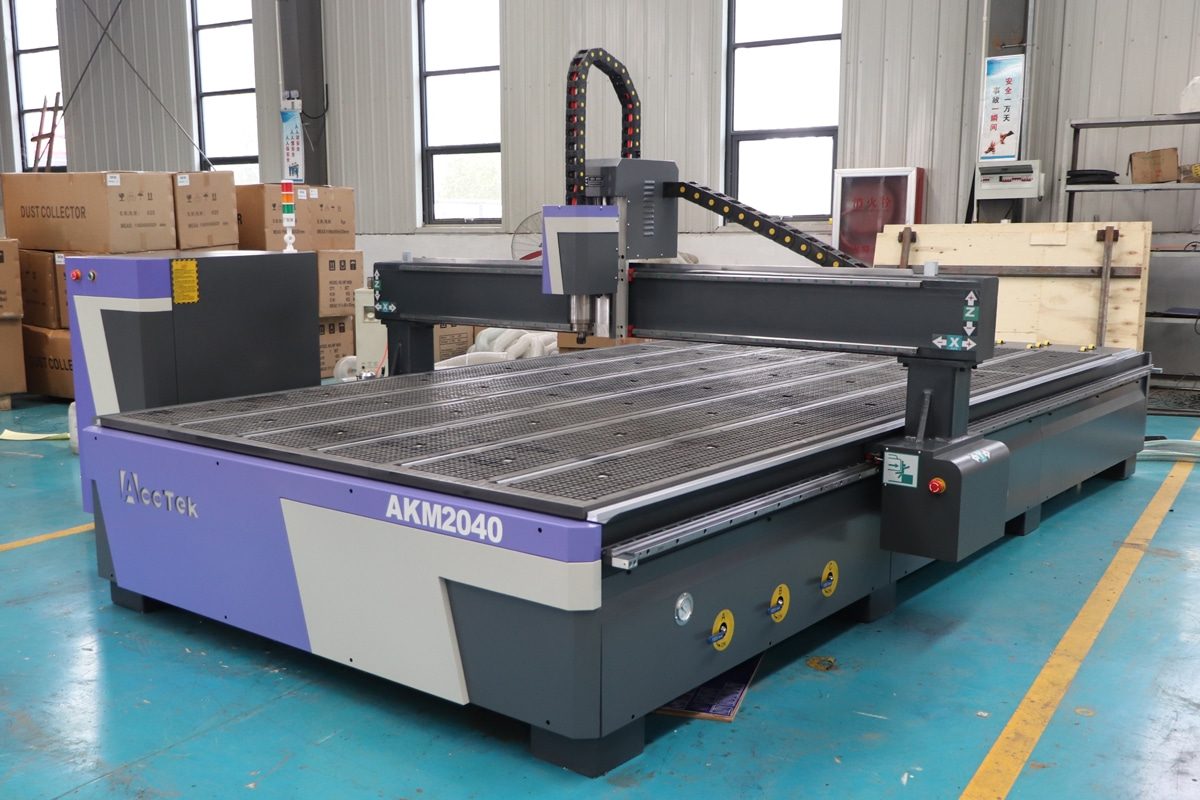
Investing in advanced manufacturing equipment is a major decision for any business, especially when it involves high-value machinery like a large-format CNC router. Designed to handle oversized materials and high-volume production tasks, these machines are widely used in industries such as woodworking and signage. While their capabilities can significantly enhance productivity and precision, the initial investment and ongoing operational costs often raise an important question: Is the return worth it? Understanding this requires a comprehensive evaluation that goes beyond the purchase price and considers long-term financial and operational impacts.
This article provides a structured and in-depth return on investment (ROI) analysis to help decision-makers assess whether a large-format CNC router is a worthwhile investment. By breaking down initial and operating costs, identifying key drivers of profitability, and exploring industry-specific applications, we aim to offer a clear framework for evaluating potential gains. Whether you are looking to scale production, expand into new markets, or improve manufacturing efficiency, this guide will help you make a more informed, data-driven decision.
What Is a Large-Format CNC Router?
A large-format CNC router is a computer-controlled cutting machine specifically designed to process oversized workpieces and full-size material sheets with high precision and efficiency. Unlike standard CNC routers, which typically handle smaller parts, large-format models feature expanded working areas, making them ideal for industrial-scale production. At its core, a CNC router operates by following programmed instructions to move cutting tools along multiple axes. This allows the machine to perform a wide range of operations, including cutting, drilling, engraving, grooving, and shaping, all with consistent accuracy and repeatability. Large-format CNC routers are commonly available in 3-axis, 4-axis, and 5-axis configurations, with optional rotary attachments for processing cylindrical or complex 3D components.
Key Features of Large-Format CNC Routers
Large-format CNC routers are engineered to deliver high performance, scalability, and precision for industrial applications. Their design and capabilities set them apart from smaller machines, making them essential for businesses handling large panels or high-volume production. Below are the most important features that define these machines:
- Expansive Working Area: This allows operators to process full-size sheets of materials such as plywood, MDF, acrylic, aluminum composite panels, and plastics. Common sizes include 4×8 ft,5×10 ft, and even larger custom configurations.
- High Precision and Repeatability: Large-format CNC routers are equipped with advanced motion control systems, precision linear guides, and high-quality spindles. These components ensure consistent quality across large production runs.
- High Automation and Efficiency: Features often include automatic tool changers (ATC), vacuum hold-down tables, and programmable workflows. These functions significantly reduce manual intervention, increase production speed, and improve overall efficiency.
- Versatility Across Materials: Large-format CNC routers can process a wide range of materials, including MDF, plywood, hardwood, plastics, and soft metals. This versatility allows businesses to diversify their production and serve multiple industries.
- Integration with Advanced Software: These machines seamlessly integrate with CAD/CAM software, enabling precise design-to-production workflows, efficient nesting, and easy customization. Software integration enhances both productivity and flexibility.
Typical Applications
Large-format CNC routers are widely used across industries that require precision machining of large panels, complex shapes, and high-volume production. Their versatility and ability to handle full-size materials make them indispensable in modern manufacturing environments. Below are the most common application areas:
- Woodworking and Furniture Manufacturing: They are particularly valuable for manufacturing cabinets, wardrobes, doors, and decorative panels, as they support nesting techniques that maximize material utilization and minimize waste. By automating repetitive processes and ensuring consistent precision, these machines significantly improve productivity and product quality in both custom and mass production environments.
- Signage and Advertising Industry: They are used to cut and shape materials such as acrylic, PVC, and aluminum composite panels into large signboards, 3D letters, and intricate designs. Their ability to deliver smooth edges and precise detailing ensures professional results, while their capacity to handle large sheets makes them ideal for billboards and oversized advertising installations.
- Construction and Architectural Applications: In these fields, large-format CNC routers are used to fabricate facade panels, decorative elements, partitions, and structural components. Their large working area allows for the processing of full-size sheets, making them ideal for custom designs and complex patterns in modern architecture. These machines help streamline production, reduce manual labor, and enable the creation of intricate designs that would be difficult to achieve with traditional methods.
- Mold Making and Industrial Prototyping: They are used to create large molds for casting, thermoforming, and other manufacturing processes. They enable rapid production of prototypes and large-scale models, allowing businesses to test designs and accelerate product development cycles. This capability reduces time-to-market and lowers development costs, making it a valuable tool for innovation-driven industries.
A large-format CNC router is a powerful and versatile machine that combines extended working capacity with advanced automation and precision control. Its ability to process large materials efficiently while maintaining consistent quality makes it an essential tool across a wide range of industries. By understanding its core features and applications, businesses can better assess how this technology fits into their production processes and whether it aligns with their operational and investment goals.
Initial Investment Costs
Investing in a large-format CNC router requires careful consideration of the initial investment costs, which go far beyond the machine’s purchase price. These costs encompass not only the router itself but also essential components such as installation, tooling, accessories, and operator training. Understanding each cost element helps budget accurately, plan for a smooth implementation, and ultimately assess the potential return on investment.
Machine Purchase Cost
The machine purchase cost represents the largest single expense when investing in a large-format CNC router and can vary widely depending on the size, configuration, and included features.
- Size and Working Area: The dimensions of the machine’s working table directly influence the price. Larger cutting beds require more robust structural components, heavier gantries, and longer linear guides, which increase material and manufacturing costs. For example, a 4×8 ft machine may be significantly less expensive than a 5×10 ft model, yet the larger format can process bigger sheets and reduce material handling steps.
- Axis Configuration: CNC routers come in 3-axis, 4-axis, and 5-axis configurations, each adding complexity and capability. A 3-axis CNC router can handle standard cutting and engraving, making it suitable for flat sheet materials. Adding a 4th or 5th axis allows for angled, curved, or 3D machining, which requires more sophisticated electronics, motors, and control systems, resulting in higher purchase costs.
- Brand, Build Quality, and Support: Reputable manufacturers often charge a premium for CNC routers due to superior build quality, precision components, and reliable customer support. Investing in a trusted brand ensures durability, better accuracy, and access to after-sales service, which can reduce downtime and long-term maintenance costs.
Installation and Setup
Once a large-format CNC router is purchased, the next significant component of the initial investment is installation and setup. This phase ensures that the machine operates safely, efficiently, and at its full production capacity.
- Workspace Preparation: Large-format routers require sufficient floor space, stable flooring, and proper clearance for material handling and operator access. Additional considerations include ventilation, lighting, and safety zones around the machine. Proper workspace preparation minimizes operational issues and helps the machine achieve consistent precision.
- Electrical and Power Requirements: These machines typically demand high-voltage power supplies and stable electrical infrastructure. Installing dedicated circuits, transformers, surge protection, and grounding systems ensures the machine runs safely and reliably. Upgrading existing electrical infrastructure may be necessary to meet both the machine’s requirements and local safety regulations.
- Assembly and Commissioning: Many large-format CNC routers are shipped partially assembled. Professional assembly ensures that all mechanical and electrical components are correctly installed, aligned, and calibrated. Commissioning may include test runs, spindle calibration, and verifying accuracy across the full working area.
Tooling and Accessories
Tooling and accessories are essential components of a large-format CNC router setup, enabling the machine to perform a wide range of operations with precision and efficiency. While the machine provides the core mechanical and electronic capabilities, the right tools and supporting accessories determine the quality, versatility, and speed of production.
- Cutting Tools and Bits: The cutting tools, or bits, are the most frequently replaced consumables in a CNC router. They come in various types, including end mills, drill bits, V-bits, and engraving cutters, each designed for specific materials such as wood, plastics, composites, or soft metals. High-quality tools may have a higher upfront cost but deliver better results and reduce downtime caused by frequent replacements or poor-quality cuts.
- Vacuum Tables and Workholding Accessories: Workholding systems, such as vacuum tables and clamps, keep materials securely in place during cutting. Proper workholding prevents movement, improves precision, and reduces scrap, particularly when handling large sheets or irregularly shaped materials. Adjustable supports and specialized fixtures further enhance flexibility and maintain consistent quality across production runs.
- Dust Collection and Extraction Systems: They are vital accessories for both machine longevity and operator safety. By removing dust and debris generated during cutting, these systems prevent buildup on machine components, maintain clean work surfaces, and protect material quality. Efficient dust management also improves visibility and creates a safer, more productive workspace.
- Additional Accessories: Additional accessories, such as rotary axes, edge sensors, probing tools, and calibration devices, expand the capabilities of a large-format CNC router. They enable the machine to handle cylindrical or curved workpieces, maintain precise alignment, and execute complex designs efficiently. These enhancements increase versatility and help maximize the machine’s productivity and ROI.
Training and Onboarding
The training and onboarding process ensures operators, technicians, and supervisors can use the machine safely, efficiently, and effectively. Proper training not only reduces the risk of accidents or errors but also maximizes the machine’s performance, productivity, and return on investment.
- Operator Training: Operator training focuses on teaching personnel how to run a large-format CNC router safely and efficiently. It covers machine operation, material handling, tool management, software workflows, and safety procedures, ensuring operators can perform production tasks accurately while minimizing errors and scrap.
- Onboarding Process: The onboarding process combines hands-on practice with guided instruction to gradually transition operators from learning to independent operation. It includes initial orientation, supervised trial runs, and step-by-step guidance, ensuring operators gain confidence and competence in handling large-format machining tasks from day one.
- Cost Considerations: While training and onboarding require an upfront investment, the benefits far outweigh the costs. Properly trained staff reduce errors, minimize downtime, maintain machine longevity, and optimize production workflows, all of which contribute directly to a stronger return on investment.
The initial investment in a large-format CNC router is a comprehensive combination of machine purchase, installation and setup, tooling, accessories, and training. While the upfront costs may be significant, properly accounting for each component ensures the machine operates efficiently, maintains precision, and delivers long-term value. By carefully evaluating these expenses, businesses can make informed decisions and set the stage for a strong and measurable return on investment.
Operating Costs of a Large-Format CNC Router
Beyond the initial investment, running a large-format CNC router incurs ongoing operating costs that can significantly impact overall profitability and ROI. These costs encompass all expenses associated with daily machine operation, including energy consumption, labor, maintenance, tooling, and material usage. Unlike one-time investments, operating costs accumulate over time and play a critical role in determining overall profitability and return on investment. A clear understanding of these factors enables businesses to plan budgets more accurately, optimize workflows, and identify opportunities for cost savings.
Energy Consumption
Energy consumption with a large-format CNC router directly impacts overall production expenses and profitability. These machines rely on multiple power-intensive systems working together, including cutting, motion control, and auxiliary equipment. Understanding how energy is consumed across different components and operational conditions allows businesses to better estimate costs, improve efficiency, and implement strategies to reduce unnecessary power usage.
- Main Power Consumers: The core components of the CNC router are the primary sources of energy consumption. The spindle uses the most power during cutting, while servo motors consume energy based on movement and workload, and the control system operates continuously to manage machine functions.
- Auxiliary Systems: Auxiliary equipment such as vacuum pumps, dust collection systems, and cooling units also contributes significantly to total energy usage. These systems often run alongside the main machine and can consume substantial power, especially in large-format or high-production environments.
- Cost Estimation: Energy costs are typically calculated by combining the machine’s total power requirements with its operating hours and local electricity rates. Accurate estimation helps businesses forecast monthly operating expenses and evaluate the financial impact of machine usage.
Maintenance and Repairs
These costs ensure that the machine continues to perform reliably, maintain precision, and avoid unexpected breakdowns that can disrupt production. By understanding the different cost components associated with maintenance and repairs, businesses can plan budgets more effectively and implement preventive strategies to minimize downtime and extend equipment lifespan.
- Routine Preventive Maintenance: The costs include expenses related to regular servicing tasks such as lubrication, cleaning, inspection, and minor adjustments. These relatively low, recurring costs help prevent major failures and keep the machine operating efficiently over time.
- Repair and Troubleshooting: Unexpected mechanical or electrical issues can lead to repair costs, including technician labor, spare parts, and diagnostic services. While less predictable, these costs can be minimized through proper maintenance and timely problem resolution.
- Calibration and Accuracy Maintenance: Maintaining precision requires periodic calibration and alignment checks, which may involve professional services or specialized tools. These costs ensure the machine continues to produce accurate and high-quality parts, especially in applications with tight tolerances.
Labor Costs
While CNC routers automate many processes, skilled personnel are still required for operation, programming, material handling, and maintenance. The overall labor cost depends on the level of automation, production complexity, and workforce expertise.
- Machine Operation Labor: Operators are responsible for running the CNC router, monitoring cutting processes, and ensuring that production runs smoothly. Labor costs in this area depend on operator skill level, shift duration, and the level of automation integrated into the machine.
- Programming and Setup Labor: Before production begins, skilled personnel must create CAD/CAM programs, define tool paths, and set up the machine. This includes selecting tools, calibrating settings, and preparing materials. Complex projects or custom jobs may require more advanced programming expertise, increasing labor costs.
- Material Handling Labor: Handling large sheets and heavy materials requires additional labor for loading, positioning, and unloading workpieces. Efficient workflows, such as using vacuum tables or automated loading systems, can help reduce manual effort and associated labor costs.
Material Waste and Consumables
These costs arise from unavoidable material loss during cutting processes and the ongoing use of consumable items required for machine operation. Effectively managing waste and selecting the right consumables can significantly reduce expenses, improve material utilization, and enhance overall return on investment.
- Material Waste from Cutting Processes: During CNC machining, some level of material waste is inevitable due to cutting paths, tool diameters, and part geometry. Inefficient layouts or poor programming can increase scrap rates, leading to higher material costs, especially when working with expensive materials.
- Tool Wear and Replacement: Cutting tools gradually wear down with use, particularly when machining hard or abrasive materials. Frequent tool replacement increases consumable costs, while worn tools can also lead to poor cut quality and additional material waste if not replaced in time.
- Wear Parts Replacement: In addition to cutting tools, certain components, such as bearings, collets, and tool holders, are subject to gradual wear and require periodic replacement. These consumable parts represent ongoing costs that must be budgeted to maintain consistent machine performance and avoid sudden failures.
- Scrap and Rework Costs: Errors in programming, setup, or machine operation can result in defective parts that must be scrapped or reworked. These costs include wasted material, additional labor, and lost production time, all of which can impact profitability if not properly managed.
Operating costs for a large-format CNC router encompass energy consumption, labor, maintenance, tooling, software, and facility overheads. Accurately estimating and managing these ongoing expenses helps maintain efficient production, control costs, and maximize the machine’s return on investment. Effective planning in these areas ensures that the CNC router delivers consistent performance and long-term profitability.
Key ROI Drivers
The financial value of a large-format CNC router extends far beyond its initial purchase price. Key ROI drivers—such as increased production capacity, improved efficiency and automation, enhanced precision, material optimization, and expanded business opportunities—determine how effectively the machine contributes to profitability over time. Understanding these drivers helps businesses identify where the router delivers the most value and how to leverage its capabilities to maximize return on investment.
Increased Production Capacity
The ability to increase production capacity is one of the most significant factors driving the ROI of a large-format CNC router. By handling larger materials and enabling more efficient workflows, these machines allow manufacturers to produce more parts in less time, reduce setup requirements, and improve overall throughput.
- Handling Larger Materials: Large-format CNC routers can accommodate full-size sheets or panels, eliminating the need to cut raw materials into smaller pieces before machining. This capability reduces preparation time, simplifies workflows, and allows for larger, more complex parts to be produced in a single operation.
- Multiple Parts per Run: These machines can process several components simultaneously on the same sheet, increasing throughput without additional labor or machine time. By cutting multiple parts in a single run, manufacturers reduce setup time, minimize idle machine periods, and optimize production schedules.
- Scalability for High-Volume Projects: With increased capacity, large-format CNC routers allow manufacturers to scale operations to meet higher production demands. This scalability supports growth into larger projects or new markets, ensuring the machine remains a valuable asset as business needs expand.
Improved Efficiency and Automation
Efficiency and automation are crucial factors that enhance the productivity and profitability of a large-format CNC router. By integrating advanced technologies and streamlined workflows, these machines reduce manual intervention, minimize errors, and accelerate production cycles.
- Multi-Tasking and Simultaneous Operations: Advanced automation enables the machine to perform multiple operations in a single run, such as drilling, routing, and engraving. This reduces the need for multiple setups, lowers labor input, and shortens overall production cycles.
- Reduced Manual Intervention: Automation features, such as sensor-assisted alignment and automated tool calibration, minimize the need for operator oversight. Fewer manual interventions lead to lower labor costs, more consistent results, and increased machine utilization.
- Optimized Workflow and Production Scheduling: Efficiency-focused automation allows for better workflow planning and scheduling. Machines can run longer, handle larger workloads, and complete projects faster, contributing directly to higher throughput and improved ROI.
Enhanced Precision and Quality
High accuracy reduces errors, minimizes material waste, and ensures that parts meet strict design specifications. By producing repeatable, high-quality output, manufacturers can maintain customer satisfaction, reduce the need for rework, and improve overall operational efficiency, all of which contribute to a stronger return on investment.
- High Positional Accuracy: Large-format CNC routers are engineered to maintain precise positioning across all axes, ensuring that cuts, holes, and engravings are consistently accurate. This reduces the likelihood of defective parts and ensures tight tolerances for complex or large-scale projects.
- Repeatability for Large Runs: Repeatability allows the machine to produce multiple identical parts with minimal variation, which is beneficial for batch production and maintaining product consistency. High repeatability reduces rework and scrap, saving time and material costs.
- Improved Surface Finish and Detail: Accurate cutting and routing improve the surface finish and fine details of parts, reducing the need for secondary finishing operations. This not only saves labor and time but also enhances the perceived quality of the final product.
Material Optimization
Efficient use of raw materials reduces waste, lowers production costs, and ensures that each sheet or panel yields the maximum number of parts possible. By carefully planning cutting strategies, utilizing nesting software, and selecting appropriate tools, manufacturers can significantly improve material utilization and overall profitability.
- Advanced Nesting Software: Nesting software helps arrange parts on a sheet in the most efficient layout, minimizing unused material. By optimizing part placement, manufacturers can reduce scrap and make the most of expensive raw materials.
- Optimized Tool Paths: Well-planned tool paths reduce unnecessary cuts and overlaps, ensuring that the CNC router moves efficiently across the material. Optimized paths not only save time but also reduce material waste and tool wear.
- Reduction of Scrap and Rework: Accurate cutting and efficient layouts minimize errors that lead to scrap or rework. By reducing defective parts, manufacturers save on both material costs and labor, directly contributing to improved ROI.
- Sustainability and Cost Efficiency: Material optimization not only reduces costs but also supports sustainable practices by minimizing waste. Efficient use of resources contributes to environmentally responsible operations and long-term financial savings.
Expanded Business Opportunities
A large-format CNC router opens the door to expanded business opportunities by enabling manufacturers to take on larger, more complex, or higher-value projects. Its capability to handle a wide range of materials and produce precise, large-scale parts allows companies to diversify their offerings, enter new markets, and meet specialized client demands. By leveraging these opportunities, businesses can increase revenue streams, strengthen customer relationships, and achieve a higher return on investment.
- Capability to Handle Large-Scale Projects: Large-format CNC routers can process full-size sheets and panels, allowing manufacturers to take on projects that smaller machines cannot accommodate. This capability attracts clients with large-scale or custom requirements.
- Diversification of Product Offerings: With the ability to work on multiple materials and complex designs, businesses can expand their product lines. This includes signage, furniture components, architectural panels, and specialty parts that require precision and scale.
- Entry into New Markets: The versatility of large-format CNC routers allows companies to enter new markets, such as industrial fabrication, commercial signage, or custom manufacturing. This diversification reduces reliance on a single client base and creates additional revenue opportunities.
- Ability to Offer Customization: High precision and flexibility enable manufacturers to provide tailored solutions for clients, from bespoke designs to unique prototypes. Offering customization enhances customer satisfaction and sets a business apart from competitors.
The ROI of a large-format CNC router is influenced by multiple interconnected factors that impact productivity, cost savings, and revenue potential. By capitalizing on increased capacity, automation, precision, efficient material use, and new business opportunities, manufacturers can optimize operations, reduce costs, and achieve a sustainable and measurable return on their investment. Recognizing and actively managing these key drivers ensures that the machine remains a valuable asset for long-term growth.
Quantifying ROI
Quantifying the return on investment (ROI) of a large-format CNC router is a critical step for businesses to assess the financial value of the machine and make informed purchasing decisions. ROI is a measure that compares the costs of acquiring and operating the CNC router against the financial benefits it generates over time. By calculating ROI, companies can determine how efficiently the investment contributes to profitability, plan budgets, and prioritize capital expenditures.
Components of ROI Calculation
Quantifying the ROI of a large-format CNC router requires breaking down the key financial elements that contribute to both costs and benefits. By analyzing each component individually, businesses can better understand the machine’s impact on profitability, plan budgets effectively, and make informed investment decisions.
- Initial Investment Costs: Initial investment costs represent all upfront expenses required to acquire and implement the CNC router, including the machine purchase price, installation and setup fees, tooling, and operator training. These costs form the foundation of the investment.
- Operating Costs: Operating costs are the ongoing expenses associated with running the CNC router. This includes energy consumption, labor, maintenance and repairs, material waste, and consumables. Monitoring and managing these costs, ensuring sustainable profitability over the machine’s operational life.
- Revenue and Productivity Benefits: Revenue and productivity benefits capture the financial gains generated by the CNC router. These include higher production throughput, faster turnaround times, the ability to handle larger or more complex projects, and access to new business opportunities. Quantifying these benefits helps measure the machine’s direct contribution to business growth.
- Cost Savings: Cost savings arise from efficiencies enabled by the machine, such as reduced labor due to automation, minimized material waste, lower rework rates, and optimized energy usage. These savings enhance overall profitability and are an important factor in determining net ROI.
- Net Gain Calculation: The net gain is calculated by subtracting total costs (initial and operating) from total benefits (revenue and savings). This figure represents the actual financial value the CNC router adds to the business and serves as the basis for ROI percentage calculations and payback period analysis.
ROI Formula
The ROI formula provides a straightforward way to quantify the financial return of a large-format CNC router relative to its investment cost. By converting costs and benefits into a measurable percentage, businesses can evaluate profitability, compare investment options, and make informed purchasing decisions. The most commonly used formula for ROI is:
ROI (%)=Net Gain from Investment/Total Investment Cost×100
- Net Gain from Investment = Total benefits (increased revenue + cost savings) – Total costs (initial + operating)
- Total Investment Cost = All upfront expenses, including purchase price, installation, tooling, and training
This formula provides a clear metric showing how much return a business gains for every dollar invested.
Key Metrics for Quantifying ROI
Beyond the basic ROI percentage, several key metrics provide deeper insight into the financial performance of a large-format CNC router. These metrics help manufacturers evaluate productivity improvements, cost savings, and revenue potential, allowing for a more accurate assessment of the machine’s overall impact on profitability.
- Payback Period: The payback period measures how long it takes for the investment to generate enough net gain to cover its initial costs. A shorter payback period indicates a faster return, which is especially valuable for high-capital equipment like large-format CNC routers.
- Cost-Benefit Ratio: The cost-benefit ratio compares the total benefits generated by the CNC router to its total costs. A ratio above 1 demonstrates that the machine produces more value than it costs, helping businesses justify the investment.
- Productivity Metrics: Productivity metrics include output per hour, parts produced per day, and machine utilization rates. Tracking these figures quantifies the efficiency gains provided by the machine and translates operational improvements into financial benefits.
- Material and Waste Metrics: Measuring material usage efficiency and scrap reduction helps quantify cost savings from better material optimization. Lower waste directly reduces production costs and enhances overall ROI.
- Revenue from New Opportunities: Additional revenue generated from larger, more complex, or higher-value projects made possible by the CNC router captures the financial value of business expansion and market diversification.
Quantifying ROI transforms the financial impact of a large-format CNC router into clear, actionable insights. By analyzing initial costs, operating expenses, revenue gains, cost savings, and applying key metrics such as ROI percentage, payback period, and cost-benefit ratios, businesses can make informed decisions and optimize the value of their investment. A thorough ROI assessment ensures that the machine not only enhances production efficiency but also contributes to long-term profitability and strategic growth.
When Is the Investment Worth It?
Determining when a large-format CNC router is worth the investment requires a careful assessment of both financial and operational factors. While these machines involve significant upfront expenses, their value becomes clear when they generate measurable improvements in productivity, reduce labor and material costs, and enable higher-value projects. The investment is typically justified when the expected return outweighs the total costs over a reasonable payback period, making the router a profitable and strategic addition to the business.
Ideal Business Scenarios
Investing in a large-format CNC router delivers the greatest return when aligned with business operations that can fully leverage its capabilities. Certain scenarios make the machine particularly valuable, allowing companies to maximize productivity, reduce costs, and generate higher revenues. Understanding these ideal conditions helps manufacturers determine whether such an investment is strategically and financially sound for their operations.
- High Production Demand: Businesses with high production volumes benefit greatly from a large-format CNC router. Its ability to process large sheets or multiple parts in a single run reduces cycle times, minimizes bottlenecks, and increases overall throughput, making it ideal for manufacturers looking to scale output efficiently.
- Large Material Processing Requirements: Companies that regularly work with oversized materials or panels gain a significant advantage from a large-format CNC router. The machine can handle full-size sheets without manual segmentation, reducing preparation time and enabling the production of larger or more complex components that smaller equipment cannot accommodate.
- Businesses Seeking Automation and Efficiency: Organizations looking to reduce labor costs, minimize errors, and streamline operations can leverage the automation features of large-format CNC routers, including tool changers, vacuum tables, and CAD/CAM integration, to enhance overall efficiency.
- Skilled Workforce Availability: Having a trained and experienced workforce ensures that the capabilities of a large-format CNC router are fully realized. Skilled operators and programmers can optimize machine performance, implement advanced tool paths, and maintain precision and efficiency, maximizing ROI and minimizing errors or downtime.
Situations Where ROI May Be Limited
While large-format CNC routers offer significant advantages, there are certain scenarios where their return on investment may be limited. Understanding these situations helps businesses avoid overspending on equipment that may not generate proportional financial or operational benefits.
- Low Production Volume: Businesses with low or irregular production demands may not fully utilize a large-format CNC router. Underutilization increases the cost per part and extends the payback period, reducing the overall financial return.
- Small or Standard-Sized Materials: If a company primarily works with small sheets or standard-sized parts, the benefits of a large-format router are diminished. Smaller machines may be sufficient, and the added cost of a large-format system may not be justified.
- Lack of Technical Expertise: Without skilled operators, programmers, or maintenance personnel, businesses cannot fully leverage the capabilities of a large-format CNC router. Insufficient technical expertise can lead to inefficiencies, errors, and underperformance, which negatively impact ROI.
- Limited Workspace or Budget Constraints: Large-format CNC routers require substantial floor space and a significant upfront investment. Companies with limited workspace or tight budgets may find it challenging to accommodate the machine, making it difficult to justify the costs relative to the expected benefits.
- Short-Term or Project-Based Work: Companies that operate on short-term or sporadic projects may not benefit from the long-term efficiencies and material savings provided by the machine. In such cases, renting equipment or using smaller CNC routers might be more cost-effective.
A large-format CNC router is worth the investment when it aligns with high production demands, large material handling requirements, and the availability of skilled personnel. When these conditions are met, the machine enhances efficiency, reduces costs, enables complex or high-value projects, and ultimately delivers a sustainable and measurable return on investment. Careful evaluation of these factors ensures that the investment supports both immediate operational needs and long-term strategic goals.
Risks and Challenges
While a large-format CNC router can deliver substantial productivity and financial benefits, it is equally important to recognize the potential risks and challenges associated with this investment. Factors such as high upfront costs, technical complexity, maintenance requirements, and the risk of underutilization can all influence the overall return on investment. By understanding these challenges in advance, businesses can develop strategies to mitigate risks, optimize performance, and ensure smoother integration into their operations.
High Upfront Cost
One of the most significant challenges of investing in a large-format CNC router is the high upfront cost, which can place considerable financial pressure on a business. This initial expense includes not only the purchase price of the machine but also additional costs such as installation, tooling, accessories, and operator training. For many companies—especially small and medium-sized enterprises—this level of capital investment may require financing, leasing, or reallocation of resources, which can impact cash flow and limit flexibility for other business needs.
The risk associated with high upfront costs lies in the uncertainty of achieving a timely return on investment. If production demand is lower than expected or operational efficiency is not fully optimized, the payback period may be extended, reducing overall profitability. Additionally, committing a large portion of capital to a single piece of equipment can increase financial exposure, particularly in industries with fluctuating demand.
To mitigate this challenge, businesses should conduct a thorough ROI analysis, forecast realistic production volumes, and consider scalable machine configurations that align with current and future needs. Exploring financing options, phased investments, or starting with a machine that matches immediate requirements can also help reduce financial risk while still enabling long-term growth.
Underutilization of Machine Capacity
Underutilization of machine capacity is a common challenge that can significantly reduce the ROI of a large-format CNC router. These machines are designed for high-volume, large-scale production, and when they are not used to their full potential, the cost per part increases and the overall efficiency of the investment declines. Idle time, inconsistent workloads, or limited production demand can all contribute to underutilization, making it difficult to justify the high initial and operating costs.
This issue often arises when businesses overestimate production needs or fail to secure enough projects to keep the machine running at optimal capacity. As a result, fixed costs—such as depreciation, labor, and energy—are spread over fewer output units, reducing profitability. In some cases, companies may also lack the workflow planning or scheduling systems needed to maximize machine uptime, further compounding the problem.
To address underutilization, businesses should carefully assess their production volume before investing and implement strategies to keep the machine consistently active. This may include optimizing production scheduling, diversifying product offerings, targeting new markets, or offering contract manufacturing services to fill unused capacity. By ensuring steady and efficient use of the machine, companies can improve cost efficiency and achieve a stronger return on investment.
Technical Complexity
Technical complexity is a key challenge associated with large-format CNC routers, as these machines integrate advanced mechanical systems, control software, and automation features that require specialized knowledge to operate effectively. From CAD/CAM programming and toolpath optimization to machine calibration and troubleshooting, the learning curve can be steep—especially for businesses new to CNC technology. Without proper expertise, operators may struggle to fully utilize the machine’s capabilities, leading to inefficiencies, errors, or suboptimal production outcomes.
This complexity can also increase the risk of operational issues, such as incorrect tool selection, improper cutting parameters, or software misconfigurations, which may result in material waste, damaged tools, or even machine downtime. Additionally, diagnosing and resolving technical problems often requires skilled technicians, and delays in troubleshooting can disrupt production schedules and increase costs.
To mitigate these challenges, businesses should invest in comprehensive training, user-friendly software, and reliable technical support from the manufacturer. Establishing standardized operating procedures and ensuring ongoing skill development for operators can significantly reduce errors and improve efficiency. By effectively managing technical complexity, companies can unlock the full potential of their large-format CNC router and maintain consistent, high-quality production.
Maintenance Downtime
Maintenance downtime is an important challenge that can impact the productivity and profitability of a large-format CNC router. Even with proper preventive maintenance, machines must occasionally be stopped for servicing, inspections, or repairs. During these periods, production is temporarily halted, which can delay orders, disrupt schedules, and reduce overall output. In high-demand environments, even short periods of downtime can have a noticeable effect on revenue and customer satisfaction.
Unplanned downtime, caused by unexpected mechanical or electrical failures, presents an even greater risk. Issues such as spindle malfunctions, worn components, or control system errors can lead to extended stoppages if spare parts or technical support are not readily available. This not only increases repair costs but also results in lost production time and potential missed deadlines.
To minimize the impact of maintenance downtime, businesses should adopt a proactive approach that includes regular preventive maintenance, timely replacement of wear parts, and maintaining an inventory of critical spare components. Implementing efficient scheduling—such as performing maintenance during off-peak hours—and ensuring access to reliable technical support can further reduce disruptions. By effectively managing maintenance downtime, companies can maintain consistent production flow and protect their overall return on investment.
Although large-format CNC routers offer significant advantages, their success depends on how well potential risks are managed. Addressing challenges such as cost control, efficient utilization, technical training, and maintenance planning helps maintain productivity and profitability. With careful planning and proactive management, businesses can minimize these risks and ensure that their investment delivers consistent, long-term value.
Tips to Maximize ROI
Maximizing the ROI of a large-format CNC router requires more than just purchasing the right machine—it demands a strategic approach to machine selection, workforce training, workflow optimization, and maintenance practices. By implementing effective strategies across production, workforce, and maintenance practices, businesses can significantly enhance efficiency, reduce costs, and increase profitability.
Choosing the Right Machine Configuration
Selecting the appropriate machine configuration is a critical first step in maximizing the ROI of a large-format CNC router. The right configuration ensures that the machine aligns with your production needs, avoids unnecessary costs, and provides the flexibility to support future growth. By carefully evaluating key technical and operational factors, businesses can make informed decisions that balance performance, efficiency, and investment value.
- Working Area and Table Size: The machine’s working area should match the size of the materials you typically process. Choosing a table that accommodates full-size sheets reduces the need for pre-cutting, improves efficiency, and maximizes productivity.
- Spindle Power and Performance: Spindle power determines the machine’s cutting capability across different materials. Higher power is suitable for dense or thick materials, while lower power may be sufficient for lighter applications. Selecting the right spindle ensures optimal performance without unnecessary energy costs.
- Axis Configuration and Capabilities: The choice between 3-axis, 4-axis, or more advanced configurations depends on the complexity of your projects. More axes provide greater flexibility for intricate designs and multi-dimensional machining, but may increase costs and operational complexity.
- Automation Features: Automatic tool changers (ATC), vacuum tables, and automated loading systems can significantly enhance efficiency. Businesses should evaluate which automation options provide real value based on their production volume and workflow requirements.
- Software Compatibility and Integration: Ensuring compatibility with reliable CAD/CAM software is essential for smooth operation. Integrated systems streamline design, programming, and production processes, reducing errors and improving overall efficiency.
- Scalability and Future Needs: A well-chosen configuration should not only meet current requirements but also support future expansion. Considering scalability helps avoid premature upgrades and ensures long-term value from the investment.
Investing in Training and Software
Investing in training and software helps unlock the full potential of a large-format CNC router and maximize its return on investment. Even the most advanced machine will underperform without skilled operators and efficient digital workflows. By prioritizing workforce development and adopting the right software tools, businesses can improve accuracy, reduce errors, streamline production, and achieve higher overall efficiency.
- Operator Training and Skill Development: Comprehensive operator training ensures that staff can safely and effectively run the CNC router. Skilled operators are better equipped to optimize cutting parameters, reduce mistakes, and maintain consistent production quality, leading to improved productivity and lower operational costs.
- Advanced CAD/CAM Software: Investing in advanced software enables more precise machining, faster programming, and better integration between design and production processes.
- Nesting and Optimization Tools: Specialized nesting software helps maximize material utilization by arranging parts efficiently on each sheet. This reduces waste, lowers material costs, and improves overall production efficiency.
- Ongoing Training and Updates: Continuous learning is important as CNC technologies and software evolve. Providing regular training sessions and staying up to date with software updates ensures that operators can take advantage of new features and maintain optimal performance.
- Integration with Production Workflow: Seamless integration between software systems and production workflows enhances efficiency. When design, programming, and machining processes are well-coordinated, businesses can reduce lead times, minimize errors, and improve overall output.
Regular Maintenance and Optimization
Without proper upkeep, machine efficiency can decline, leading to increased downtime, reduced accuracy, and higher operating costs. By implementing structured maintenance routines and ongoing process improvements, businesses can extend equipment lifespan, maintain productivity, and protect their investment.
- Preventive Maintenance Scheduling: Establishing a routine maintenance schedule helps prevent unexpected breakdowns and ensures that all components—such as linear guides, bearings, and drive systems—are properly lubricated, cleaned, and inspected. Regular servicing reduces wear and extends the machine’s operational life.
- Timely Replacement of Wear Parts: Components like belts, collets, and cutting tools naturally wear out over time. Replacing these parts before failure helps maintain cutting accuracy, avoids sudden downtime, and prevents damage to other machine components.
- Spindle Care and Monitoring: The spindle is a critical component that requires careful monitoring. Ensuring proper cooling, avoiding overload, and conducting periodic inspections can extend spindle life and maintain consistent cutting performance.
- Machine Calibration and Accuracy Checks: Periodic calibration ensures that the CNC router maintains precise alignment and positioning. Regular accuracy checks help prevent dimensional errors, reduce rework, and ensure consistent product quality.
- Performance Monitoring and Optimization: Tracking key performance indicators such as machine utilization, cutting efficiency, and error rates allows businesses to identify areas for improvement. Adjusting cutting parameters and workflows based on data helps optimize performance and reduce costs.
Partnering with a Reliable Manufacturer
Choosing to partner with a reliable manufacturer is a crucial factor in maximizing the ROI of a large-format CNC router. Beyond the machine itself, a trustworthy supplier provides technical expertise, consistent support, and long-term service that directly impact performance, uptime, and overall investment value. A strong partnership ensures that businesses receive not only high-quality equipment but also the guidance and resources needed to operate it efficiently and sustainably.
- Quality and Machine Reliability: A reputable manufacturer delivers machines built with high-quality components and strict quality control standards. Reliable equipment reduces the risk of breakdowns, ensures consistent performance, and minimizes maintenance-related costs over time.
- Technical Support and After-Sales Service: Ongoing technical support helps resolve issues quickly and minimizes downtime. A dependable manufacturer offers responsive after-sales service, remote assistance, and access to experienced technicians, ensuring smooth and continuous operation.
- Customization and Application Expertise: An experienced manufacturer can tailor machine configurations to match specific production needs. Their application knowledge helps businesses choose the right features, tooling, and setup, improving efficiency and maximizing machine performance from the start.
- Training and Documentation: Reliable partners provide comprehensive training programs and clear documentation to help operators quickly become proficient. This reduces the learning curve, minimizes errors, and ensures safe and efficient machine operation.
- Spare Parts Availability: Access to readily available spare parts helps minimize downtime during repairs. A strong manufacturer network ensures quick delivery of components, helping maintain consistent production schedules.
Maximizing ROI is achieved through a combination of careful machine selection, skilled personnel, optimized workflows, preventive maintenance, and strategic partnerships with reliable manufacturers. By implementing these best practices, businesses can improve productivity, reduce costs, expand capabilities, and ensure that their large-format CNC router delivers long-term operational and financial benefits.
Summarize
A large-format CNC router can significantly boost production, efficiency, precision, and business opportunities. Its true value, however, depends on careful evaluation of costs, ROI drivers, and operational readiness. By selecting the right machine, investing in training and software, maintaining equipment, and partnering with a reliable manufacturer, businesses can maximize performance and profitability. The investment is worthwhile when it aligns with production needs and delivers measurable, long-term returns. By continuing to read “How to Evaluate CNC Router Quality Before Buying: A Buyer’s Checklist,” you will be able to select a CNC router that delivers high precision, high efficiency, and high reliability for years to come.
For businesses seeking reliable, high-performance CNC routers, AccTek CNC offers an excellent solution. With a wide range of machine sizes and configurations, AccTek CNC provides equipment tailored to meet specific production requirements, from small custom projects to large-scale industrial operations. Backed by expert pre-sales consultation, comprehensive technical support, and responsive after-sales service, their routers help manufacturers maximize efficiency, precision, and ROI. Choosing AccTek CNC ensures a professional, dependable partner for long-term growth and success in CNC machining.