

- 10-14 Min Read
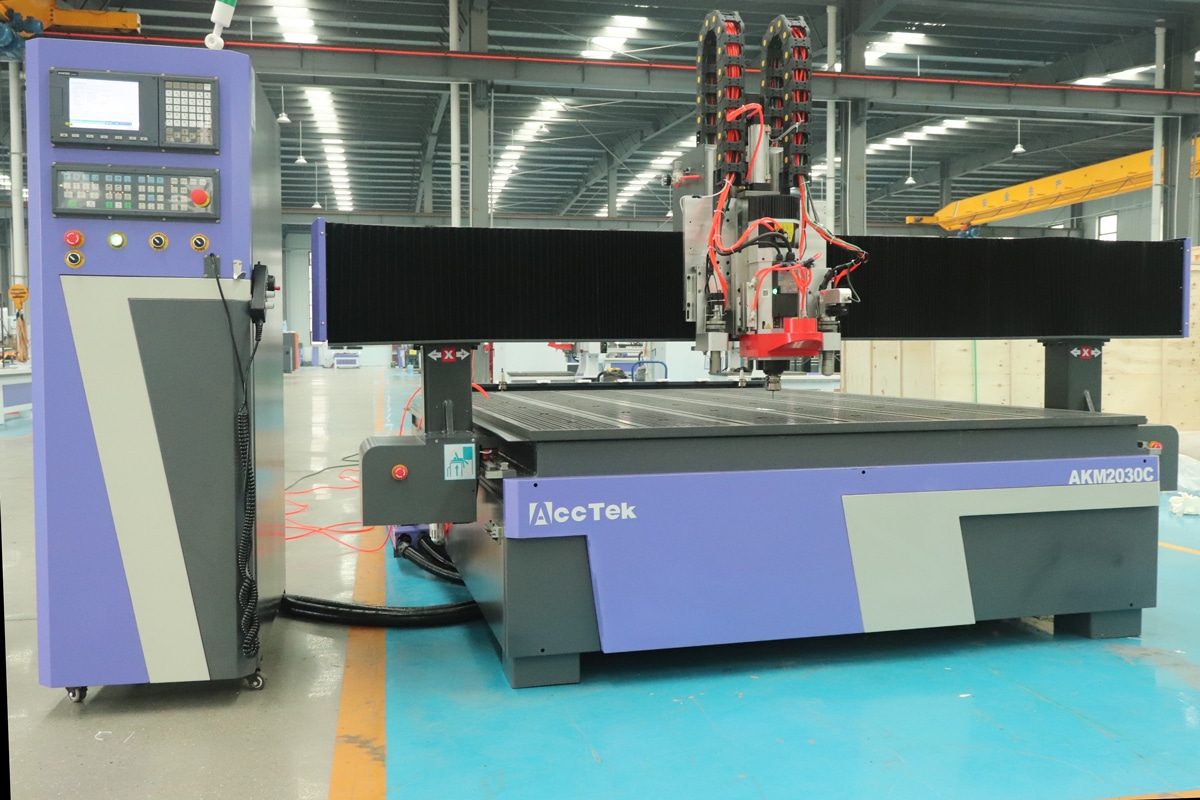
Industrial CNC routers have become indispensable in modern manufacturing, offering businesses a way to achieve high precision, speed, and consistency in production. Unlike hobbyist or entry-level machines, industrial models are built to handle heavy workloads, larger materials, and complex designs. Yet, for companies considering the leap from manual methods or entry-level machines to industrial-grade equipment, one key question arises: Is the investment really worth it?
With higher upfront costs, maintenance requirements, and training needs, an industrial CNC router represents a significant commitment. However, the potential benefits in productivity, accuracy, and long-term cost savings can transform the way a business operates. This article explores the true value of investing in an industrial CNC router, weighing both the advantages and challenges to help you determine whether it’s the right move for your business.
Understanding Industrial CNC Routers
Before weighing the costs and benefits of an industrial CNC router, it’s important to clearly understand what these machines are and how they function. Industrial CNC routers differ significantly from hobbyist or entry-level models, offering advanced capabilities tailored to high-demand manufacturing environments. By exploring their definition, working principles, and key features, we can better appreciate why they have become essential tools across a wide range of industries.
What Is an Industrial CNC Router?
An industrial CNC router is a high-performance, computer-controlled cutting machine designed for large-scale and precision manufacturing. CNC stands for Computer Numerical Control, meaning the machine operates based on programmed instructions rather than manual input. This allows it to cut, engrave, and shape materials with exceptional accuracy and repeatability.
The working principle of a CNC router is based on Computer Numerical Control (CNC). A design is first created in CAD (Computer-Aided Design) software and then converted into machine-readable code through CAM (Computer-Aided Manufacturing) software. The CNC system interprets this code and controls the router’s movement along multiple axes (commonly 3, 4, or 5). A high-speed spindle rotates the cutting tool, while motors move the tool or workpiece according to programmed instructions. This process allows the machine to cut intricate shapes, drill holes, carve patterns, and produce identical parts with minimal human intervention.
Unlike hobbyist or entry-level CNC routers, industrial models are built for continuous operation in demanding environments. They feature heavy-duty frames, powerful spindles, and advanced motion systems that can handle a wide range of materials, including wood, plastics, composites, aluminum, and even certain metals. Their larger worktables accommodate oversized sheets and long parts, making them suitable for industries such as furniture production, cabinetry, and signage manufacturing.
Key Features of Industrial CNC Routers
Industrial CNC routers stand out from hobbyist or entry-level machines due to their advanced capabilities and robust construction. These features are what enable them to deliver the precision, speed, and durability required in professional manufacturing environments. Key characteristics include:
- Large Working Area: Designed to process oversized sheets, panels, and long materials, industrial models can handle full-size boards in a single setup.
- Heavy-Duty Construction: Built with rigid steel frames and reinforced gantries, these machines minimize vibration.
- High Spindle Power: Powerful spindles allow for cutting through dense materials such as hardwood, plastics, composites, aluminum, and certain metals.
- Multi-Axis Capabilities: Available in 3-axis, 4-axis, and 5-axis configurations, industrial CNC routers can perform simple flat cuts or complex three-dimensional machining, expanding their range of applications.
- Automation and software integration: Features like automatic tool changers, vacuum tables, and advanced CAD/CAM software streamline operations and minimize downtime.
Industrial CNC routers combine robust construction, advanced software integration, and multi-axis precision to deliver consistent, high-quality results in demanding production settings. Their ability to handle large materials, diverse applications, and continuous workloads sets them apart from smaller machines. With this foundational understanding, we can now move on to evaluate the investment side—examining the costs, operational requirements, and considerations involved in owning one.
The Investment: Initial Costs and Considerations
Purchasing an industrial CNC router is a major financial decision that goes beyond the base price of the machine. While these routers offer advanced capabilities and long-term productivity gains, businesses must carefully evaluate the financial commitment required to acquire, operate, and maintain one. This includes not only the purchase cost but also ongoing operational expenses and infrastructure requirements. Understanding these considerations helps ensure the investment aligns with long-term production goals.
Purchase Price Range
Industrial CNC routers represent a significant upfront investment, with prices varying according to size, spindle power, axis configuration, and automation features. Typical costs for these machines range from $9,000 to over $100,000. Entry-level industrial models may cost around $9,000–$20,000, mid-range machines with larger working areas and advanced features fall between $20,000–$100,000, and high-end 5-axis systems designed for complex or large-scale applications can exceed $100,000. In addition to the base machine, businesses should account for additional expenses:
- Tooling: Cutting bits, drills, and end mills tailored to the materials being processed.
- Software: CAD/CAM software licenses to design parts and generate machine-ready toolpaths.
- Installation: Professional setup to ensure accuracy, safety, and proper calibration.
- Training: Operator and programmer training to maximize productivity and minimize errors.
Operational Costs
Beyond the initial purchase, running an industrial CNC router involves ongoing expenses that can impact overall profitability. Understanding these operational costs helps businesses plan for the true financial commitment.
- Power Consumption: Industrial CNC routers, particularly those with high-speed spindles and vacuum tables, can consume significant electricity. Operating costs depend on machine size, spindle power, and hours of daily use.
- Maintenance and Repairs: This includes lubrication, replacement of worn parts, calibration, and occasional repairs.
- Consumables and Tooling Replacement: Cutting tools, bits, and end mills wear out over time. These consumables must be regularly replaced to ensure consistent cutting quality.
- Labor and Training: Skilled operators are required to program, monitor, and maintain the machine.
- Software Updates and Licensing: Ongoing CAD/CAM software updates or license renewals can add to annual operational costs, especially if advanced features or multi-user licenses are required.
Space and Infrastructure Requirements
Industrial CNC routers are larger and more powerful than hobbyist machines, meaning they require adequate space and supporting infrastructure to operate efficiently and safely.
- Factory Floor Space: A spacious, stable area is to accommodate the machine’s footprint, workpieces, and the movement of material.
- Electrical Requirements: High-powered spindles and automation systems may require upgraded electrical circuits, dedicated power lines, or higher voltage connections to ensure consistent operation.
- Ventilation and Dust Collection: Cutting certain materials, especially wood, plastics, or composites, produces dust and debris that can affect both machine performance and operator health. Proper ventilation and dust collection systems are necessary.
The total cost of owning an industrial CNC router encompasses far more than the initial purchase price. Operational costs and infrastructure requirements all contribute to the overall investment. By carefully assessing these factors, businesses can make a more informed decision and ensure that their CNC router not only meets production demands but also delivers a sustainable return on investment over time.
Benefits of Investing in an Industrial CNC Router
Investing in an industrial CNC router offers more than just advanced cutting capabilities—it can transform the efficiency, quality, and growth potential of a manufacturing business. These machines combine automation, precision, and versatility to handle complex projects and large production volumes, delivering tangible advantages across multiple industries.
Increased Productivity
Industrial CNC routers provide significant productivity improvements that can transform manufacturing operations.
- Faster Cutting Speeds: Equipped with high-power spindles and optimized motion systems, industrial CNC routers cut through materials much more quickly than manual tools or smaller machines.
- Higher Operational Efficiency: Automation features such as automatic tool changers, vacuum hold-down systems, and multi-axis machining minimize downtime between tasks.
- Capability for Large Production Runs: Industrial CNC routers are designed to handle high-volume workloads with consistent accuracy. Their ability to process large batches of parts without frequent intervention.
Precision and Consistency
Industrial CNC routers excel at delivering high-quality results with minimal variation.
- Repeatable Results: Industrial CNC routers are capable of producing identical parts repeatedly, even in large production runs. This repeatability ensures uniform quality across all pieces.
- Reduced Material Waste: The combination of accurate cutting and repeatable operations minimizes errors that could otherwise result in scrap or rework.
- Enhanced Quality Control: Consistent, precise machining allows businesses to maintain high-quality standards without constant manual inspection.
Versatility in Applications
Industrial CNC routers are highly adaptable machines that can handle a wide range of materials and tasks, making them valuable assets across multiple industries.
- Multi-Material Capability: These CNC routers can work with diverse materials, including wood, plastics, composites, aluminum, and non-ferrous metals. This allows businesses to take on varied projects without investing in multiple specialized machines.
- Applications Across Industries: The adaptability of industrial CNC routers makes them suitable for industries such as furniture, cabinetry, signage, and prototyping. Businesses can diversify their offerings and expand into new markets using the same equipment.
Long-Term Cost Savings
Investing in an industrial CNC router can yield significant savings over time, offsetting the initial high purchase price.
- Reduced Labor Costs: Automation features reduce the need for manual intervention. This allows a single operator to manage multiple machines or tasks, lowering labor expenses without sacrificing productivity.
- Lower Error Rates: Precise and repeatable cutting reduces errors and scrap material, which translates directly into cost savings. Less wasted material also improves efficiency and contributes to sustainable production practices.
- Extended Equipment Lifespan: Industrial CNC routers are built for durability, with heavy-duty frames and high-quality components. Proper maintenance ensures long-term reliability, meaning the investment continues to provide value for many years.
Business Growth and Competitiveness
Investing in an industrial CNC router can help businesses expand their capabilities and strengthen their position in the market.
- Ability to Take on Larger Contracts: With faster production speeds, high precision, and the ability to handle large volumes, companies can accept bigger orders or more complex projects.
- Expansion into New Markets: The versatility of industrial CNC routers allows manufacturers to work with diverse materials and complex designs. This opens opportunities in industries such as signage and custom furniture, enabling businesses to diversify their offerings.
From faster production and precise, repeatable results to the ability to work with diverse materials and expand into new markets, industrial CNC routers support efficiency, quality, and growth. Coupled with long-term cost savings and improved competitiveness, the benefits make industrial CNC routers a powerful tool for companies aiming to meet higher production demands and maintain a leading edge in today’s competitive manufacturing landscape.
Challenges and Drawbacks
While industrial CNC routers offer significant advantages, they are not without challenges. Businesses considering this investment must carefully weigh the potential drawbacks, including high upfront costs, operational complexities, maintenance demands, and facility requirements. Understanding these drawbacks ensures that the decision to purchase aligns with production needs, budget, and long-term goals.
- High Initial Investment: Industrial CNC routers require a substantial upfront financial commitment. For small businesses or workshops with limited budgets, the cost of purchasing a machine, along with tooling, software, installation, and training, can be prohibitive.
- Learning Curve: Operating an industrial CNC router effectively requires skilled operators and programmers. Companies may need to invest in training to ensure staff can use the machine efficiently, which can take time and resources before productivity gains are realized.
- Maintenance and Downtime: Industrial CNC routers are complex machines that require regular maintenance to maintain accuracy and reliability. Mechanical issues, software glitches, or wear on tools can lead to downtime, potentially disrupting production schedules and impacting profitability if not properly managed.
- Not Always Necessary: For smaller-scale operations or businesses with low production volumes, an industrial CNC router may be overkill. In such cases, the benefits may not outweigh the costs, and simpler or smaller machines could provide a more practical solution.
- Space and Infrastructure Requirements: These machines require adequate floor space, electrical capacity, and proper ventilation or dust collection systems. Businesses must evaluate whether their facility can accommodate the equipment safely and efficiently.
The main challenges of industrial CNC routers include substantial initial investment, the need for skilled operators, ongoing maintenance, and facility requirements. For some businesses—particularly smaller workshops or low-volume operations—these factors may outweigh the benefits. Careful evaluation of production needs, budget, and long-term goals is beneficial to determine whether investing in an industrial CNC router is the right choice.
Factors to Consider Before Investing
Before committing to an industrial CNC router, businesses should carefully evaluate several critical factors to ensure the investment aligns with production needs, budget, and long-term growth goals. These considerations help determine whether the machine will deliver a sustainable return on investment.
Production Volume
One of the most important factors to consider when investing in an industrial CNC router is your current and projected production volume. These machines are designed for high-output environments, making them most cost-effective for businesses that regularly process large batches of parts or panels.
For companies with low or sporadic demand, a smaller CNC router or entry-level machine may be more practical, as it requires a lower upfront investment and has reduced operational costs. Conversely, businesses with growing production needs can leverage an industrial CNC router to increase throughput, reduce lead times, and meet tight deadlines, ensuring that the machine delivers a strong return on investment over time.
Material Types and Project Complexity
The materials you work with and the complexity of your projects influence the type of CNC router you need. Machines differ in spindle power, cutting speed, and axis configuration, which determine their ability to handle hardwoods, metals, composites, plastics, or multi-layered materials.
Project complexity is another important consideration. Businesses that frequently produce intricate designs, multi-axis components, or three-dimensional carvings require higher-spec CNC routers capable of precise, repeatable cuts. For simpler tasks, a less advanced machine may suffice, allowing companies to save on initial costs and reduce operational complexity.
Budget and Financing Options
Investing in an industrial CNC router is a substantial financial commitment, and businesses must carefully evaluate how to fund the purchase.
- Purchase vs. Leasing: Buying the machine outright provides full ownership and long-term value, but requires a higher upfront investment. Leasing or financing, on the other hand, spreads the cost over time, making it more manageable for companies with limited capital while still granting access to advanced technology.
- Return on Investment Timeframe: Companies should estimate how long it will take for the machine to pay for itself through increased productivity, reduced labor costs, and minimized material waste. Understanding the ROI helps determine whether the investment is financially viable and aligns with the business’s long-term goals.
Long-Term Business Goals
When evaluating an industrial CNC router investment, it’s essential to align the decision with your company’s future direction and growth strategy. These machines are not just short-term tools; they are long-term assets that can shape your production capabilities for years to come.
If your business anticipates increasing demand, scaling production capacity, or expanding into new markets, an industrial CNC router can provide the flexibility and efficiency to support that growth. Advanced features, such as multi-axis cutting and compatibility with diverse materials, also enable businesses to pursue more complex projects and attract higher-value contracts.
Conversely, if your operations are unlikely to grow significantly or if demand is expected to remain small-scale, the cost of an industrial CNC router may outweigh its benefits. Clearly defining your long-term business goals ensures that the investment is a strategic fit and delivers sustainable value.
The decision to invest in an industrial CNC router should be guided by a thorough understanding of your production needs, financial capacity, and strategic direction. By carefully weighing elements such as output requirements, material complexity, and return on investment, businesses can avoid costly missteps and position themselves to maximize the benefits of this advanced technology. A well-considered approach ensures that the machine becomes a long-term asset rather than a financial burden.
Summarize
The worth of the investment in an industrial CNC router depends on how well the machine aligns with your company’s current needs and future ambitions. While the upfront cost and maintenance requirements can be significant, the gains in productivity, precision, versatility, and competitiveness often outweigh these challenges for manufacturers with growth in mind. For many manufacturers aiming to scale, improve quality, and stay ahead in competitive markets, the answer is clear—an industrial CNC router is not just a purchase, but a long-term investment in success. To determine which machine is best for your project, read “Is a CNC Router Suitable for Hobby or Industrial Use?“.
If you’re considering investing in an industrial CNC router, AccTek CNC is an excellent choice. As a professional manufacturer in China, AccTek offers a wide range of models tailored to different production needs—from compact machines for small workshops to advanced multi-axis systems for large-scale manufacturing. Each machine is built with precision, durability, and efficiency in mind, ensuring reliable performance and long-term value. With flexible customization options, professional technical support, and a strong commitment to customer satisfaction, AccTek CNC provides solutions that help businesses improve productivity, expand capabilities, and stay competitive in demanding markets.