

- 22-27 Min Read
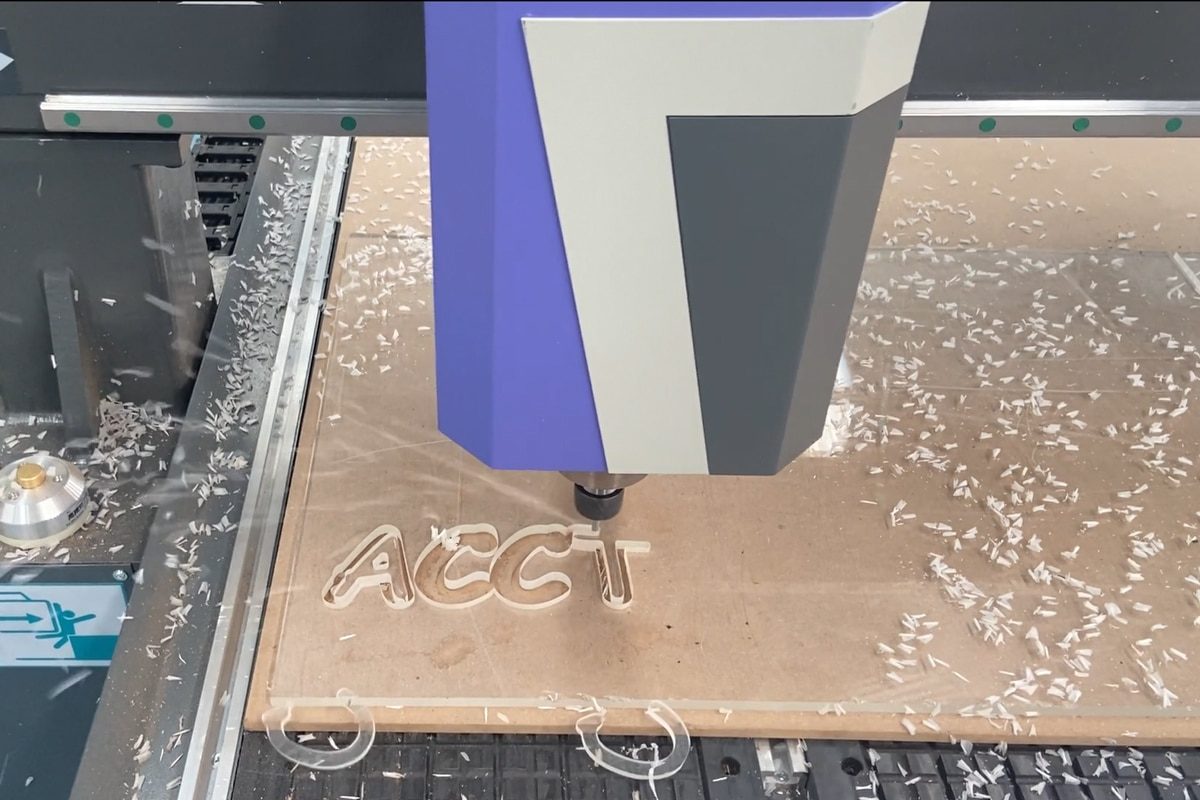
Acrylic and plastic materials are widely used across industries, from signage and display fabrication to precision engineering and prototyping. Their versatility, lightweight nature, and aesthetic appeal make them popular choices, but they also pose unique challenges for machining. Without the right equipment, acrylic and plastic can chip, crack, or even melt during machining, compromising both quality and efficiency. Custom CNC routers offer a solution tailored to these challenges. Unlike standard machines, a CNC router designed specifically for acrylic and plastic processing can deliver the precision, control, and flexibility required to achieve flawless results.
By combining precision engineering, specialized tooling, and adjustable cutting parameters, these machines ensure clean edges, smooth surfaces, and efficient production. Beyond technical capabilities, the right CNC router also supports consistent production and long-term machine longevity. Efficient dust management, proper workholding, and maintenance-friendly design help protect both the materials and the machine, ensuring reliable operation over time. In this article, we will explore the key features of custom CNC routers for acrylic and plastic processing, offering insights to help manufacturers, fabricators, and hobbyists select machines that maximize precision, efficiency, and quality.
Understanding Acrylic and Plastic Materials
Acrylic and plastic materials are widely used across industries for applications ranging from signage and displays to functional components and prototypes. Their versatility, lightweight nature, and aesthetic appeal make them popular choices, but they also present unique challenges for machining. Factors such as brittleness, flexibility, and sensitivity to heat influence how these materials must be handled and processed. Understanding the fundamental properties of acrylic and plastic helps select the right equipment, tooling, and processing methods.
Properties of Acrylic and Plastic
Acrylic and various types of plastics each have unique physical and chemical characteristics that influence how they are processed with CNC routers.
- Softness and Flexibility: Many plastics, including acrylic, are softer than metals and can flex under pressure. This makes them more prone to bending or deformation during machining, especially when clamped improperly.
- Brittleness: Some plastics, particularly cast acrylic, are brittle and can crack or chip if cut too aggressively or subjected to excessive vibration.
- Thermal Sensitivity: Plastics have lower melting points compared to metals. Excessive heat generated from high-speed cutting or friction can cause melting, burning, or surface deformation, leaving rough or uneven edges.
- Surface Finish Requirements: Unlike metal, acrylic and plastic are often used where visual appearance is critical. Scratches, marks, or uneven cuts are more noticeable and can reduce the perceived quality of the product.
Machining Challenges
Acrylic and plastic materials offer versatility and visual appeal, but they also present distinct challenges that must be addressed to achieve high-quality results with a CNC router.
- Chipping and Cracking: Brittle plastics, such as cast acrylic, are prone to chipping at edges or corners when excessive force or improper toolpaths are applied. Even flexible plastics can crack if clamping pressure is uneven or cutting is abrupt.
- Melting and Deformation: Friction generated during cutting can raise the temperature of plastic materials quickly. Overheating can cause melting, sticky residue on the cutting tool, or warping of the workpiece, leading to rough surfaces and dimensional inaccuracies.
- Surface Scratches and Marks: Dull tools, high feed rates, or improper cutting techniques can leave scratches, marks, or cloudiness, compromising the aesthetic and functional quality.
- Static and Dust Accumulation: Cutting plastic generates fine chips and dust that can cling to the material due to static electricity. This can interfere with cutting accuracy, scratch surfaces, and create safety or maintenance concerns if not managed properly.
- Tool Wear and Compatibility: Certain plastics are abrasive or sticky, causing faster tool wear or requiring specialized cutting bits. Using inappropriate tools or feeds can lead to poor edge quality and frequent tool replacement, increasing downtime and costs.
Implications for CNC Machining
The unique properties and challenges of acrylic and plastic materials directly influence how a CNC router must be designed and operated. To achieve precision, maintain surface quality, and prevent material damage, several considerations must be addressed.
- Controlled Cutting Parameters: High spindle speeds are often needed for smooth cuts, but excessive speed can generate heat and cause melting. Variable-speed spindles allow operators to adjust based on material type and thickness. Slow and steady feed rates prevent chipping, cracking, or deformation.
- Machine Rigidity and Vibration Control: Plastics are sensitive to vibration, which can result in uneven cuts or surface marks. A CNC router designed with a rigid frame, precision linear guides, and stable motion systems minimizes vibrations, ensuring smooth edges and consistent accuracy.
- Specialized Tooling and Cutting Techniques: Cutting plastics requires bits specifically designed for the material, such as upcut, downcut, or compression bits. Tool geometry, sharpness, and proper toolpath planning help to avoid chipping, melting, or leaving rough surfaces.
- Cooling and Dust Management: Air or mist cooling systems can prevent material softening and maintain dimensional accuracy. Efficient dust and chip removal not only protects the workpiece but also reduces fire hazards and maintains tool performance.
- Workholding and Fixturing: Secure, evenly distributed clamping prevents material movement, warping, or cracking during cutting. Vacuum tables or adjustable fixtures are often used to support sheets of acrylic or delicate plastic components.
Acrylic and plastic materials offer tremendous design flexibility and practical applications, but their distinct characteristics demand careful consideration during machining. Factors such as brittleness, thermal sensitivity, and surface finish requirements directly influence cutting strategies, tool selection, and machine setup. By understanding these properties, manufacturers and hobbyists can minimize defects, improve efficiency, and maintain the aesthetic and functional quality of their projects. Whether for large-scale production or intricate custom work, knowledge of acrylic and plastic behavior is the foundation for successful CNC processing and reliable, high-quality results.
Core CNC Router Features for Acrylic and Plastic Processing
Machining acrylic and plastic materials requires more than just a standard CNC router. These materials are lightweight, brittle, and heat-sensitive, making them prone to chipping, cracking, and melting if not handled properly. To achieve precise cuts, smooth surfaces, and consistent quality, a CNC router must be equipped with specialized features that address the unique challenges of these materials. We will explore the core components and capabilities that make a CNC router ideal for acrylic and plastic processing. Understanding these features helps manufacturers and hobbyists select machines that deliver both efficiency and professional-grade results.
Spindle Performance
Acrylic and plastic materials are sensitive to heat and stress, so a high-quality spindle ensures clean, precise cuts while minimizing defects such as melting, chipping, or cracking.
- Variable Speed Control: Different plastics and acrylics require different cutting speeds to prevent heat buildup. A spindle with adjustable RPM allows operators to tailor the speed to material type, thickness, and desired surface finish.
- Stability and Low Vibration: Excessive spindle vibration can cause chipping, edge tear-out, or uneven surfaces. High-precision spindles with minimal runout and robust bearings ensure smooth, consistent motion.
- Power and Torque: Adequate spindle power ensures the CNC router can cut through thicker or denser plastic sheets without stalling. Sufficient torque at lower speeds helps control the cutting of heat-sensitive materials.
Motion System
Plastics are sensitive to vibration, flex, and uneven movement, so a high-quality motion system ensures both accuracy and surface quality.
- High-Quality Rails and Ball Screws: Precision linear guides provide smooth, controlled movement along the X, Y, and Z axes. Ball screws offer high accuracy and minimal backlash, maintaining consistent positioning across complex toolpaths.
- Machine Rigidity: A rigid frame minimizes flexing during cutting, which is especially important for large sheets of plastic or intricate designs. Rigidity ensures that the spindle motion translates precisely to the material, producing cleaner edges and consistent cuts.
- Vibration Reduction: Plastics can easily show marks from vibration or jerky movements. Well-designed motion systems with properly tensioned components and dampening features reduce chatter, improving surface finish quality.
Tooling Compatibility
Because acrylic and plastic materials are prone to chipping, cracking, and melting, the tools used must be designed to minimize stress on the material while producing clean edges and smooth surfaces.
- Plastic-Specific Cutting Bits: Upcut bits remove chips efficiently from the cutting area, ideal for through-cuts. Downcut bits push material downward, reducing surface chipping and leaving a smoother top finish. Compression bits combine upcut and downcut action, producing clean cuts on both the top and bottom of acrylic sheets.
- Spindle and Collet Compatibility: The CNC router must accommodate a range of bit sizes and shank types, allowing operators to use the correct tool for each material and cutting operation. Quick-change collets or standardized tool holders improve workflow efficiency and reduce downtime during tool swaps.
- Toolpath Optimization: Advanced CAM software helps create smooth, continuous toolpaths for intricate designs without causing stress on the material.
Efficient Dust Collection
Dust and chips generated during CNC machining of acrylic and plastic can create several challenges, from surface imperfections to machine wear. Efficient dust collection for CNC routers processing these materials can ensure both high-quality results and safe operation.
- Maintaining Surface Quality: Plastic and acrylic are easily scratched or marred by chips and debris. A reliable dust collection system removes debris immediately from the cutting area, preventing scratches and maintaining a smooth, clean finish.
- Improving Cutting Visibility and Accuracy: Clear visibility of the workpiece allows the operator to monitor progress and make adjustments in real time. Accumulated chips can obstruct the cutting path or interfere with sensors, affecting precision.
- Safety and Maintenance: Plastic dust is flammable, and accumulation in the machine can create fire hazards. Efficient collection systems reduce the risk of fire, minimize airborne particles, and keep the CNC router cleaner, reducing wear on components.
Cooling Systems
Excessive heat generated by cutting or friction can cause melting, warping, or surface imperfections when machining acrylic and plastic materials. Effective cooling systems in a CNC router help maintain material integrity, improve surface finish, and extend tool life.
- Air Cooling: Directs a stream of air onto the cutting area to remove heat and prevent localized melting. This cooling method is lightweight, non-invasive, and suitable for most plastics and acrylic sheets.
- Mist Cooling: Delivers a fine spray of coolant mixed with air, reducing friction and keeping the cutting tool and workpiece cooler. Particularly effective for thicker materials or longer cutting operations where heat buildup is more significant.
- Integration with CNC Operations: Cooling systems can be synchronized with spindle speed and feed rate for optimal efficiency. Automatic control ensures that cooling is applied consistently without manual intervention, reducing operator error.
Workholding and Fixturing Options
Acrylic and plastic materials are lightweight, flexible, and sometimes brittle, which makes them prone to shifting, warping, or cracking if not securely supported. A CNC router with versatile and precise workholding solutions ensures accuracy, repeatability, and clean finishes.
- Vacuum Tables: Hold sheets of acrylic or plastic securely in place without the need for mechanical clamps that could leave marks. Distribute holding force evenly across the material, making it ideal for large or thin sheets where conventional clamps may be impractical.
- Adjustable Clamps and Fixtures: Provide flexibility for irregularly shaped or three-dimensional parts. Allow operators to customize holding points to avoid interference with cutting paths while ensuring stability.
- Custom or Modular Fixtures: Modular fixture systems can be reconfigured for different projects, making the router adaptable to a wide variety of part geometries. Custom fixtures are especially useful for complex or repetitive designs, providing consistent positioning and repeatability.
Software and Control System
A powerful software and control system is just as important as the physical components of a CNC router when machining acrylic and plastic. Proper control ensures precision, efficiency, and optimal surface quality, while advanced software simplifies complex operations and reduces the risk of errors.
- User-Friendly Interface: Simplifies machine setup, toolpath programming, and parameter adjustments. Allows operators of varying skill levels to achieve consistent, high-quality results.
- Advanced Toolpath Management: Supports complex cutting patterns, including 3D contours and intricate designs. Optimizes feed rate, spindle speed, and cutting depth for each material to prevent chipping, melting, or deformation.
- Multi-Axis Control: Enables precise coordination of 3-axis, 4-axis, or 5-axis movements for complex geometries. Maintains consistent edge quality and surface finish, even on angled or curved cuts.
- Simulation and Preview Functions: Allows operators to preview toolpaths before cutting, reducing the risk of errors and material waste. Helps plan complex jobs efficiently and ensures that clamps, fixturing, and vacuum tables won’t interfere with the toolpath.
Successfully machining acrylic and plastic depends on the combination of precision, control, and material-specific features in a CNC router. High-performance spindles, accurate motion systems, specialized tooling, effective dust and cooling management, reliable workholding, and advanced software all work together to prevent common issues such as melting, chipping, or surface imperfections. By prioritizing these core features, operators can achieve clean, consistent, and high-quality results while maximizing efficiency and reducing material waste. A CNC router equipped with these capabilities ensures that delicate and heat-sensitive materials are handled with care, allowing for both intricate designs and reliable production.
Customization Options for Enhanced Performance
While standard CNC routers offer a solid foundation for machining acrylic and plastic, customization options allow operators to optimize performance for specific materials, designs, and production requirements. From adjustable cutting parameters and specialized tooling to advanced workholding and multi-axis configurations, these enhancements enable greater precision, efficiency, and versatility. By tailoring the machine to the unique demands of each project, manufacturers and hobbyists can achieve higher-quality results, reduce material waste, and improve overall productivity. Here are the key customization options that elevate a CNC router from capable to exceptional for acrylic and plastic processing.
Adjustable Cutting Parameters
One of the most important customization options for CNC routers processing acrylic and plastic is the ability to fine-tune cutting parameters. Different plastics have unique hardness, brittleness, and thermal sensitivity, meaning that one-size-fits-all settings often lead to chipping, melting, or rough edges. Adjustable parameters allow operators to optimize the machine for each material and project.
- Spindle Speed: High spindle speeds are often required for smooth finishes, but excessive speed can generate heat and melt plastic. Adjustable spindle speed allows precise control for different materials, thicknesses, and cutting operations.
- Feed Rate: The speed at which the tool moves across the material significantly affects surface quality and edge integrity. Slower feed rates are ideal for brittle plastics to prevent cracking, while higher feed rates may be suitable for softer materials.
- Depth of Cut: Controlling how deep each pass goes reduces stress on the material and minimizes the risk of edge chipping. Multi-pass cutting strategies for thicker sheets allow precise, clean cuts without overheating the material.
- Pass Overlap and Stepovers: Fine-tuning the overlap between tool passes ensures smooth surface finishes and reduces visible marks. Smaller stepovers are suitable for delicate or high-precision work, especially on curved or contoured surfaces.
Tooling Flexibility
Tooling flexibility is a critical customization feature that allows a CNC router to adapt to the unique demands of different acrylic and plastic materials. By supporting a wide range of specialized cutting tools and providing options for quick changes or custom profiles, operators can achieve precise, clean cuts while minimizing material stress and tool wear.
- Compatibility with Specialized Bits: Supports upcut, downcut, and compression bits, each designed for specific cutting needs. Upcut bits efficiently remove chips for through-cuts, while downcut bits preserve surface quality on the top layer. Compression bits combine both actions, producing clean edges on both the top and bottom surfaces.
- Quick-Change Tooling Systems: ATC CNC router reduces downtime when switching between different bits or tool types. Enables seamless transitions between cutting, engraving, and finishing operations without compromising precision.
- Tool Length and Diameter Options: Accommodates different material thicknesses and cut depths. Provides flexibility to perform intricate cuts, deep pockets, or complex 3D shapes without compromising accuracy.
- Durability and Coating Options: Bits with specialized coatings or materials reduce heat buildup and prevent plastic from melting onto the cutting edge. Extends tool life, reduces maintenance costs, and maintains consistent cutting quality.
Advanced Workholding Solutions
Effective workholding can maintain accuracy, prevent material damage, and ensure consistent results when machining acrylic and plastic. Customized workholding solutions allow CNC operators to adapt to different part sizes, shapes, and thicknesses, providing stability and precision for even the most complex projects.
- Custom Vacuum Table Configurations: Vacuum tables can be tailored with multiple zones to securely hold large sheets or irregularly shaped acrylic and plastic parts. Even distribution of suction prevents warping, shifting, or surface stress during machining.
- Modular and Adjustable Clamps: Clamps can be repositioned or customized for unique workpiece geometries without interfering with the cutting path. Adjustable fixtures allow for delicate clamping pressure, protecting brittle plastics from cracking.
- Rotary and Multi-Axis Fixturing: Supports 4-axis or 5-axis machining by holding materials securely during rotation or tilting. Ensures stability during complex, multi-directional cuts, maintaining consistent edge quality and dimensional accuracy.
- Support for Thin or Flexible Materials: Specialized supports, such as sacrificial layers or backing boards, prevent thin sheets from bending or vibrating during cutting. Maintains flatness and smoothness, particularly important for transparent or glossy acrylic surfaces.
Machine Size and Axis Configuration
Customizing a CNC router’s size and axis configuration allows operators to match the machine to specific production requirements, material dimensions, and design complexity. Properly chosen dimensions and additional axes enhance versatility, accuracy, and efficiency when working with acrylic and plastic materials.
- Table Size Options: Larger tables accommodate bigger sheets of acrylic or plastic, enabling the production of oversized panels or multiple smaller parts in a single run. Compact tables are ideal for smaller workshops or projects requiring high precision on smaller components.
- Z-Axis Travel Customization: Adjustable Z-axis travel ensures the router can handle thicker materials or multiple stacked sheets without compromising precision. It is key for cutting deep pockets, layered parts, or complex 3D designs.
- Additional Axes: Rotary or tilting axes allow machining on multiple faces or angles without repositioning the workpiece. Facilitates complex cuts, intricate 3D contours, and multi-sided designs with consistent accuracy.
- Optimized Workspace Layout: Customizable frame and working area dimensions allow operators to balance production efficiency with shop space constraints. Ensures the CNC router can handle the full range of projects without overextending machine capacity.
Customization options transform a standard CNC router into a highly adaptable and efficient tool for working with acrylic and plastic materials. Adjustable cutting parameters, flexible tooling, advanced workholding solutions, optimized machine size, and axis configurations—all supported by sophisticated software—ensure precise, clean, and consistent results. By leveraging these enhancements, operators can tackle complex designs, accommodate diverse material types, and streamline production without compromising quality. Customization allows CNC routers to perform at their best, delivering professional-grade results while maximizing efficiency and versatility.
Software and Control Features
A CNC router’s hardware is only part of the equation when it comes to achieving precision and efficiency in acrylic and plastic machining. The software and control systems are equally critical, providing operators with the tools to optimize toolpaths, coordinate multi-axis movements, and integrate auxiliary functions such as cooling and dust management. User-friendly CAM software, advanced control systems, and material-specific presets empower operators to achieve high-quality cuts, smooth surfaces, and consistent repeatability while simplifying complex operations. This section explores how these features enhance both performance and productivity.
User-Friendly CAM Software
The right CAM (Computer-Aided Manufacturing) software helps maximize a CNC router’s efficiency and precision when working with acrylic and plastic. User-friendly CAM software simplifies the process of converting designs into executable toolpaths, enabling operators to focus on quality and creativity rather than technical complexities.
- Intuitive Interface: Simplifies the setup of projects, tool selection, and material-specific parameters. Reduces the learning curve for operators, allowing them to produce professional results quickly.
- Automated Toolpath Generation: Converts CAD designs into optimized toolpaths with minimal manual input. Ensures consistent edge quality and smooth surface finishes, especially important for delicate or brittle plastics.
- Material-Specific Optimization: Allows preset configurations for different types of acrylic and plastic, including spindle speed, feed rate, and depth of cut. Ensures efficient machining without trial-and-error adjustments.
- Simulation and Preview: Provides a visual simulation of the cutting process before machining. Helps identify potential collisions, fixture interference, or design issues, reducing waste and errors.
- Multi-Axis Support: Enables programming for 4-axis and 5-axis operations, including complex contours and 3D shapes. Simplifies the management of intricate designs without the need for manual repositioning of the workpiece.
- Efficiency and Repeatability: Saves toolpath settings and material configurations for repeated jobs. Streamlines production for batch work, ensuring consistent quality across multiple parts.
Advanced Control Systems
Advanced control systems are a vital component of modern CNC routers, particularly when working with delicate and heat-sensitive materials like acrylic and plastic. These systems provide precise coordination of machine movements, optimize cutting parameters in real time, and integrate auxiliary functions such as cooling and dust extraction, ensuring both efficiency and high-quality results.
- Precision Motion Control: High-resolution controllers manage spindle speed, feed rate, and axis movements with extreme accuracy. Minimizes vibrations and jerks, which are critical for brittle plastics that can chip or crack under stress.
- Real-Time Monitoring and Adjustment: Continuously monitors spindle load, axis position, and tool performance. Automatically adjusts cutting speed or feed rates to maintain consistent quality and prevent material damage.
- Multi-Axis Coordination: Synchronizes 3-axis, 4-axis, or 5-axis movements for complex geometries and multi-sided machining. Reduces the need for manual repositioning, ensuring precision on intricate cuts or angled surfaces.
- Integration with Auxiliary Systems: Controls cooling, misting, and dust extraction automatically based on material type and cutting conditions. Maintains optimal cutting conditions without constant operator intervention.
- Error Detection and Safety Features: Detects potential collisions, tool breakage, or unexpected material shifts. Stops or adjusts operations automatically to protect both the machine and the workpiece.
- Customizable Parameters and Presets: Allows operators to save material-specific settings, ensuring repeatable results for recurring jobs. Simplifies setup for complex projects and reduces downtime.
Software and control features are the backbone of a CNC router’s performance when working with acrylic and plastic materials. User-friendly CAM software streamlines toolpath creation and material-specific optimization, while advanced control systems provide precise motion control, real-time monitoring, and integration with auxiliary systems. Together, they ensure clean cuts, accurate dimensions, and consistent results across multiple jobs. By leveraging these technologies, operators can maximize efficiency, reduce errors, and achieve professional-grade finishes, making software and control systems indispensable for enhanced CNC router performance.
Safety and Maintenance Considerations
Working with CNC routers requires attention not only to machine capabilities and customization but also to safety protocols and routine maintenance. Acrylic and plastic machining produce fine dust, sharp edges, and moving parts that can pose hazards. From personal protective equipment and safe operating practices to dust management, tool care, and long-term reliability, understanding safety and maintenance considerations ensures consistent high-quality results while minimizing downtime and preventing accidents. This section explores the key practices and systems that keep both operators and CNC routers operating safely and efficiently.
Operator Safety
Acrylic and plastic materials can generate sharp edges, airborne dust, and debris that pose both physical and respiratory hazards. Implementing safety protocols protects operators, reduces workplace accidents, and ensures smooth, uninterrupted production.
- Personal Protective Equipment (PPE): Safety glasses protect eyes from flying chips and shards of acrylic or plastic. Gloves provide hand protection when handling raw materials, finished parts, or during maintenance (avoid wearing gloves near moving bits). Dust masks prevent inhalation of fine plastic particles, which can be irritating or harmful over time.
- Safe Work Practices: Keep hands, hair, and loose clothing away from moving parts. Never attempt to adjust or reach into the machine while it is operating. Maintain a clean work area to reduce the risk of slipping or tripping over debris.
- Machine Guarding and Emergency Controls: Ensure all guards, covers, and shields are in place before operation. Confirm that emergency stop buttons are accessible and functional.
- Training and Awareness: Operators should receive training on proper machine use, material handling, and emergency procedures. Awareness of material-specific risks, such as melting acrylic from heat buildup, helps avoid accidents.
Dust and Chip Management
Acrylic and plastic materials produce fine particles and chips that can create respiratory hazards, interfere with machine operation, and compromise surface quality. A well-designed dust management system protects both operators and the machine while maintaining a clean, efficient workspace.
- Vacuum Tables: Secure workpieces while simultaneously removing chips and fine dust from the cutting surface. Prevents material shifting, warping, or surface scratches caused by debris.
- Dust Extraction Systems: High-powered extraction hoses or centralized dust collectors remove airborne particles from the work area. Helps maintain a clean workspace and reduces the risk of inhalation hazards.
- Enclosures and Shields: Protective enclosures or shields around the cutting area contain chips and dust. It reduces exposure to operators and prevents contamination of surrounding equipment.
- Regular Cleaning and Maintenance: Empty collection bins and clean hoses regularly to maintain suction efficiency. Prevents buildup that can obstruct airflow, reduce dust collection performance, or create fire hazards.
- Health and Safety Compliance: Proper dust and chip management aligns with workplace safety standards, protecting operators from respiratory issues or long-term exposure to fine plastic particles.
Maintenance Practices
Acrylic and plastic materials can produce fine dust and generate heat, which, if left unchecked, may affect machine components, accuracy, and overall performance. A structured maintenance routine keeps the machine operating at peak efficiency while preventing unexpected downtime.
- Tooling and Spindle Maintenance: Inspect bits regularly for wear, chipping, or dullness, replacing them as needed to maintain cut quality. Keep the spindle and collets clean and properly lubricated to ensure smooth operation and precise movement.
- Motion System Maintenance: Periodically clean and lubricate linear guides, ball screws, and bearings to prevent friction, wear, and loss of accuracy. Check belts, couplings, and tension settings to maintain smooth, vibration-free motion.
- Cooling and Auxiliary Systems: Inspect air or mist cooling systems to ensure they are functioning correctly, preventing heat buildup that could warp or melt plastics. Verify that dust extraction and vacuum systems are operating efficiently and free of blockages.
- Electrical and Control Systems: Check wiring and connections for wear or loose contacts. Ensure software and firmware are up to date for optimal performance and safety features.
- Routine Inspections: Perform a visual inspection of the machine before and after each operation. Look for signs of wear, unusual noises, or vibrations that could indicate mechanical issues. Document maintenance tasks and schedules to ensure regular upkeep.
Long-Term Reliability
Ensuring the long-term reliability of a CNC router helps maintain consistent performance, minimize downtime, and protect your investment. For acrylic and plastic machining, where precision and surface quality are paramount, a well-maintained machine performs reliably over years of operation.
- Quality Components: Using high-quality spindles, linear guides, ball screws, and electronics ensures consistent performance and reduces the likelihood of breakdowns. Durable tooling and coatings help maintain cutting precision while reducing wear on machine parts.
- Monitoring and Diagnostics: Advanced control systems with real-time monitoring detect early signs of stress or abnormal operation, allowing preventative action before failures occur. Tracking machine usage, spindle hours, and tool wear helps plan timely maintenance.
- Environmental Considerations: Operating the CNC router in a clean, temperature-controlled environment reduces dust accumulation, prevents overheating, and protects sensitive electronics. Avoiding excessive vibration, moisture, or corrosive environments prolongs component life.
- Proper Operation Practices: Following manufacturer-recommended operating procedures, including safe feed rates, spindle speeds, and workholding, prevents undue stress on the machine. Ensures precise machining without introducing mechanical strain that could reduce reliability.
Proper safety and maintenance practices are fundamental to the successful operation of CNC routers. Protecting operators through PPE, safe work procedures, and effective dust management ensures a secure working environment, while regular maintenance of spindles, motion systems, cooling, and auxiliary equipment preserves machine accuracy and longevity. By combining operator safety, diligent maintenance, dust and chip control, and attention to long-term reliability, CNC routers can deliver consistent, high-quality results on acrylic and plastic materials while minimizing downtime and extending the life of both the machine and tooling. Safety and maintenance are not just precautions—they are essential pillars of professional, efficient, and reliable CNC machining.
Case Studies / Real-World Applications
Understanding the practical impact of CNC router features and customization options is best illustrated through real-world applications. By examining these case studies, readers can see how different CNC features are applied to meet the unique demands of each industry while improving efficiency, accuracy, and overall production quality.
Signage and Display Fabrication
Acrylic and plastic CNC routers are widely used in the signage and display industry to create polished, professional-grade products. From illuminated letters to 3D logos and decorative panels, these materials require precise cutting and finishing to achieve the high-quality visual effects demanded by clients.
- Application: Signage and display fabrication involves producing 3D acrylic letters, logos, illuminated signs, and exhibition panels. These applications require high precision, clean edges, and visually appealing finishes to meet both functional and aesthetic standards in retail, commercial, and event settings.
- CNC Features Utilized: CNC routers achieve these results through high-speed spindles for smooth cutting, precision motion systems for accurate contouring, tooling flexibility with specialized bits (upcut, downcut, and compression), advanced workholding solutions such as vacuum tables and clamps, and integrated dust and chip management systems to maintain surface quality and operator safety.
- Outcome: The result is professional-quality signage with sharp, polished edges, consistent dimensions across multiple panels, and minimal material waste. Manufacturers benefit from efficient, repeatable production processes, while end products achieve the high-quality visual impact required for signage and display applications.
Furniture and Decorative Panels
Furniture and decorative panels demand high precision, intricate designs, and flawless surface finishes to meet both aesthetic and functional requirements. By leveraging advanced motion systems, customizable tooling, and specialized workholding solutions, CNC routers enable manufacturers and designers to produce detailed inlays, patterned panels, and custom components efficiently, consistently, and with professional-grade quality.
- Application: Furniture and decorative panel fabrication involves creating intricate acrylic or plastic inlays, patterned panels, and custom furniture components. These applications require precise cutting, fine surface finishes, and accurate replication of complex designs to enhance aesthetics and functionality in interior design and furniture production.
- CNC Features Utilized: CNC routers enable these projects using advanced workholding solutions, high-precision motion systems, customizable toolpaths, and multi-pass cutting strategies. Additional features such as rotary fixturing, dust extraction, and vacuum tables ensure the material remains stable and protected, allowing for clean, detailed cuts on both large sheets and delicate components.
- Outcome: The result is high-quality decorative panels and furniture components with consistent surface finishes, precise contours, and intricate designs. CNC machining enhances production efficiency, reduces material waste, and allows for repeatable results, making it ideal for both small-scale bespoke projects and larger production runs.
Educational and Research Applications
CNC routers are increasingly utilized in educational and research settings to create precise plastic and acrylic models, prototypes, and interactive displays. These applications require accuracy, repeatability, and safe operation, allowing students, educators, and researchers to experiment, learn, and develop practical skills.
- Application: Educational and research applications involve using CNC routers to create accurate plastic and acrylic models, prototypes, and interactive displays for STEM education, laboratory experiments, and academic projects. These tasks require precision, repeatability, and safe operation to provide students and researchers with hands-on experience and reliable results.
- CNC Features Utilized: CNC routers in educational and research settings benefit from user-friendly CAM software, adjustable cutting parameters, flexible tooling options, and multi-axis capabilities. Workholding solutions, dust extraction systems, and safety features ensure secure material handling and safe operation, even for beginners or classroom use.
- Outcome: The result is accurate, high-quality models and prototypes that allow students and researchers to explore design concepts, test theories, and develop practical skills. CNC machining improves learning efficiency, minimizes material waste, and provides consistent, repeatable results, making it an invaluable tool in both education and research environments.
These real-world applications highlight the versatility and capability of CNC routers across diverse industries. Whether creating polished signage, intricate decorative panels, or educational models, CNC routers deliver consistent quality, reduced material waste, and enhanced productivity. By leveraging features such as multi-axis machining, advanced workholding, dust management, and user-friendly software, operators can achieve professional-grade results, demonstrating that CNC technology is an indispensable tool for modern acrylic and plastic fabrication.
Summarize
Choosing the best custom CNC router for acrylic and plastic processing involves understanding material properties, machining challenges, and the specific demands of each application. Key features such as high-speed spindles, precision motion systems, flexible tooling, advanced workholding, and effective dust management ensure clean, accurate cuts and smooth finishes, while customizable cutting parameters, user-friendly CAM software, and advanced control systems optimize performance for complex designs. Equally important are safety protocols and regular maintenance, which protect operators, maintain machine reliability, and extend lifespan. By integrating these elements, a well-configured CNC router becomes a versatile, efficient, and reliable tool for precision acrylic and plastic machining. Continue reading “Avoiding Deformation and Melting During Plastic CNC Routing” to achieve the best results in your plastic processing projects.
For businesses and individuals seeking CNC solutions optimized for acrylic and plastic processing, consulting a professional CNC equipment manufacturer is highly recommended. AccTek CNC offers a comprehensive range of routers, including standard and fully customizable models, designed to meet diverse production needs. By working with AccTek CNC, users gain access to expert guidance, tailored machine configurations, and reliable equipment that ensures precision, efficiency, and long-term performance. Whether you are producing signage, decorative panels, industrial components, or prototypes, AccTek CNC provides the expertise and solutions necessary to maximize productivity and achieve high-quality results.