

- 30-38 Min Read
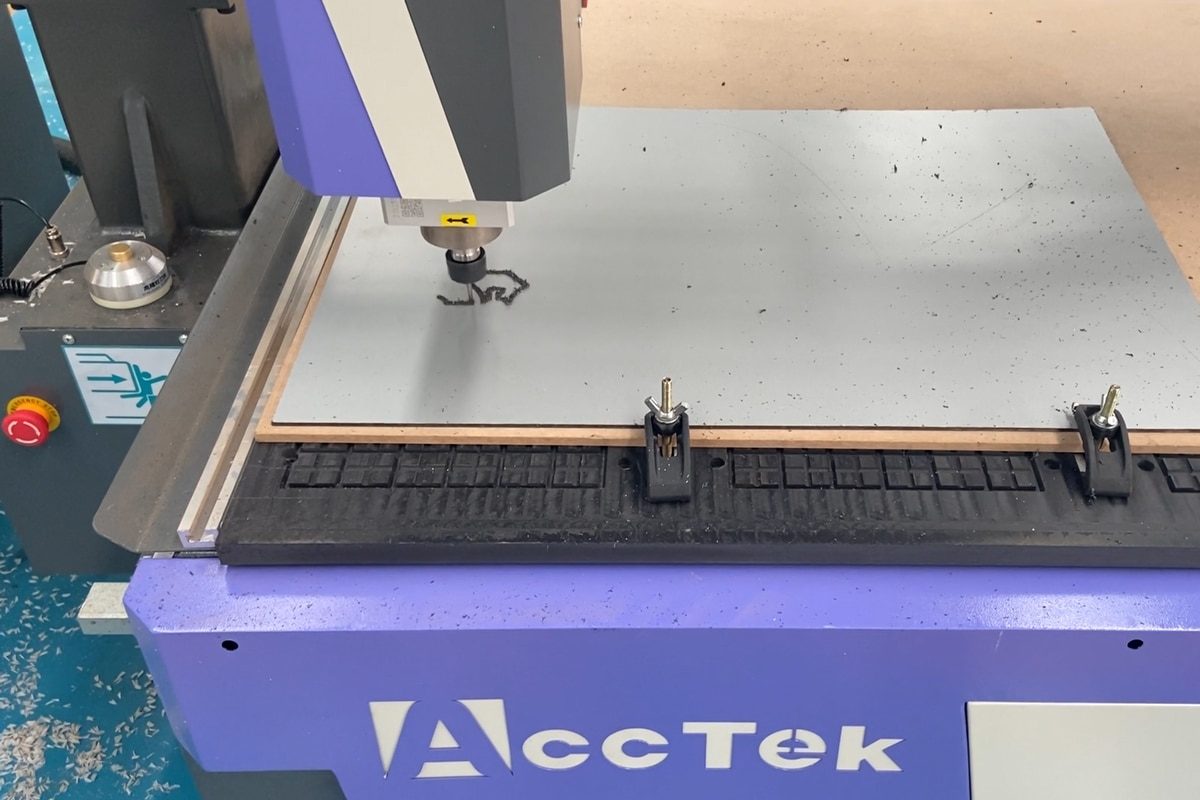
Aluminum has become one of the most widely used materials in modern manufacturing, valued for its excellent strength-to-weight ratio, corrosion resistance, and versatility. With the increasing accessibility of CNC routers, many fabricators and workshops are now turning to these machines to process aluminum components efficiently and cost-effectively. However, while CNC routers excel at cutting softer materials like wood and plastics, machining aluminum presents a distinct set of challenges that require a more refined approach. Unlike traditional materials used in routing, aluminum’s ductility and thermal properties can lead to issues such as tool clogging, heat buildup, and poor surface finishes if not handled correctly.
Achieving clean cuts, maintaining tool life, and ensuring dimensional accuracy all depend on selecting the right tooling, optimizing cutting parameters, and implementing effective cooling and chip evacuation strategies. Without proper understanding, even experienced operators may encounter inconsistent results or premature tool wear. This article explores the key challenges associated with CNC routing aluminum and outlines best practices to overcome them. From understanding material behavior and selecting appropriate cutting tools to fine-tuning machining parameters and improving surface quality, this guide aims to provide practical insights for both beginners and experienced users seeking to enhance their aluminum machining performance.
Understanding Aluminum as a Machining Material
Aluminum is often considered one of the most CNC-friendly metals, but that reputation can be misleading—especially when using CNC routers instead of more rigid milling machines. Its combination of softness, ductility, and high thermal conductivity creates a unique machining profile that requires careful control over tooling, cutting parameters, and chip evacuation. Understanding how aluminum behaves under cutting conditions is the foundation for achieving clean results, longer tool life, and efficient production.
Properties of Aluminum
Aluminum’s machining behavior is defined by a combination of physical and mechanical properties that make it both easy to cut and easy to mishandle. While it is generally considered a “soft” metal, its ductility and thermal properties pose specific challenges that must be understood to achieve successful CNC routing.
- Low Density and Lightweight: Aluminum is significantly lighter than most metals, making it ideal for applications where weight reduction is important. This property does not directly complicate machining but contributes to its widespread use across industries.
- Softness with High Ductility: Although aluminum is relatively soft, it is highly ductile, meaning it tends to deform rather than fracture cleanly during cutting. This can lead to material smearing and make crisp edges more difficult to achieve if cutting conditions are not optimized.
- High Thermal Conductivity: Aluminum transfers heat efficiently, which helps dissipate cutting heat quickly. However, if machining parameters are incorrect, heat can still accumulate at the cutting edge, increasing the risk of tool wear and material adhesion.
- Low Melting Point: Compared to harder metals like steel, aluminum melts at a lower temperature. Under high-speed machining or insufficient cooling, this can cause the material to soften and stick to the cutting tool.
- Tendency to Form Built-Up Edge (BUE): One of the most critical challenges in machining aluminum is its tendency to adhere to the cutting tool. This buildup alters the tool geometry, reduces cutting efficiency, and negatively impacts surface finish.
Common Aluminum Alloys for CNC Routing
Not all aluminum behaves the same during CNC routing. Differences in alloy composition directly affect machinability, chip formation, tool wear, and surface finish. Selecting the right alloy is often the first step toward achieving stable cutting performance and consistent results.
- 6061 Aluminum: The most commonly used alloy for CNC routing due to its good machinability, strength, and versatility. Ideal for general-purpose applications.
- 5052 Aluminum: Known for excellent corrosion resistance and formability, but slightly less machinable than 6061.
- 7075 Aluminum: Much stronger and harder, often used in aerospace applications, but more demanding on tools and cutting parameters.
How Material Properties Affect CNC Routing
The inherent properties of aluminum directly influence every aspect of the CNC routing process—from tool selection and cutting parameters to surface finish and overall efficiency. Even small variations in material behavior can lead to significant differences in machining outcomes.
- Chip Formation and Evacuation: Aluminum’s ductility causes it to produce long, continuous chips rather than short, brittle fragments. While this can result in smooth cutting under ideal conditions, it also increases the risk of chip entanglement and recutting. If chips are not cleared effectively, they can clog tool flutes, generate excess heat, and damage both the tool and the workpiece.
- Heat Generation and Dissipation: Although aluminum has high thermal conductivity and can dissipate heat quickly, heat still tends to concentrate at the cutting edge during high-speed routing. Excessive heat can soften the material locally, increasing the likelihood of adhesion to the tool.
- Tool Wear and Built-Up Edge: One of the most significant challenges in routing aluminum is the formation of a built-up edge, where material sticks to the cutting tool. This occurs due to aluminum’s low melting point and adhesive nature under heat and pressure. BUE alters the effective geometry of the tool, leading to poor surface finish, increased cutting forces, and eventual tool failure.
- Surface Finish and Edge Quality: Aluminum is capable of achieving an excellent surface finish, but only when machining conditions are optimized. If feeds and speeds are too low, the tool may rub instead of cut, causing smearing and a dull finish. On the other hand, improper cutting strategies can lead to burr formation along edges.
By recognizing the differences between alloys and anticipating how aluminum behaves during machining, operators can better control chip evacuation, minimize tool wear, and achieve superior surface finishes. This foundational knowledge sets the stage for selecting appropriate equipment, tooling, and cutting parameters, ultimately leading to more efficient and reliable aluminum routing processes. A solid understanding of aluminum’s behavior allows operators to anticipate common machining issues and adjust their approach accordingly.
Key Challenges in CNC Routing Aluminum
While aluminum is widely valued for its machinability and versatility, it behaves very differently from non-metal materials commonly processed on CNC routers. Its tendency to generate heat, form long chips, adhere to cutting tools, and demand higher machine rigidity introduces a range of challenges that can quickly affect machining quality if not properly managed. By understanding these challenges in detail, operators can better anticipate machining problems and develop more reliable strategies for consistent performance.
Tool Wear and Built-Up Edge (BUE)
Tool wear in aluminum CNC routing is closely linked to the formation of a built-up edge (BUE), a common phenomenon where aluminum material adheres to the cutting edge under heat and pressure. Unlike gradual wear seen in harder materials, BUE can form and break unpredictably, significantly affecting cutting stability.
- Causes of Aluminum Sticking to Tools: Aluminum tends to adhere to cutting tools primarily due to excessive heat and friction at the cutting interface. When spindle speeds are too high or feed rates are too low, the tool may rub rather than cut, generating additional heat that softens the material and promotes adhesion. This issue is further aggravated by poor chip evacuation, where long, continuous chips are recut and pressed against the tool surface. Additionally, dull or improperly coated tools increase friction, making it easier for aluminum to accumulate and form a built-up edge.
- Impact on Cutting Quality and Tool Life: The presence of a built-up edge significantly degrades machining performance by altering the effective geometry of the cutting tool. This leads to poor surface finish, including smearing and burr formation, as well as reduced dimensional accuracy. As BUE forms and breaks irregularly, it introduces unstable cutting forces, which can cause vibration and chatter. Over time, this instability accelerates tool wear, increases the risk of tool breakage, and ultimately reduces overall machining efficiency and reliability.
Heat Management Issues
In CNC routing aluminum, heat management is one of the most critical factors influencing machining stability and surface quality. Although aluminum has relatively high thermal conductivity, excessive heat can still accumulate at the cutting interface due to friction, improper cutting parameters, or inefficient chip evacuation.
- Friction and Heat Buildup: Heat in aluminum machining is primarily generated through friction between the cutting tool and the material. When feed rates are too low or spindle speeds are too high, the tool may rub against the surface instead of cutting cleanly, significantly increasing friction. Poor chip evacuation can also worsen the problem, as recut chips generate additional heat in the cutting zone. Over time, this localized heat buildup softens the aluminum and increases its tendency to stick to the tool, further amplifying machining instability.
- Risk of Tool Damage and Material Deformation: Excessive heat not only accelerates tool wear but can also lead to premature tool failure. High temperatures weaken cutting edges, especially in carbide tools, making them more susceptible to chipping or breakage. At the same time, overheated aluminum may lose dimensional stability, resulting in surface smearing, warped edges, or loss of precision. In severe cases, thermal expansion of the workpiece can also affect tolerances, making it difficult to achieve accurate final dimensions.
Chip Evacuation Problems
Chip behavior directly affects cutting stability, heat generation, and surface quality. Unlike brittle materials that break into small fragments, aluminum tends to form long, continuous chips that can easily interfere with the cutting process if not properly removed from the toolpath.
- Recutting Chips: Recutting occurs when chips are not cleared from the cutting area and are instead cut multiple times by the tool. This leads to a cycle of unnecessary friction and heat generation, which quickly degrades cutting performance. Recut chips can scratch the workpiece surface, reduce dimensional accuracy, and increase tool wear. In aluminum machining, this issue is especially problematic because the material softens under heat and becomes even more prone to sticking, further compounding the problem.
- Chip Clogging in Flutes: Chip clogging happens when aluminum chips accumulate inside the tool flutes and restrict proper cutting action. Once clogged, the tool loses its ability to evacuate new chips effectively, resulting in increased cutting resistance, vibration, and potential tool breakage. In severe cases, clogged flutes can completely halt cutting efficiency and damage both the tool and the workpiece.
Achieving High Surface Finish
While aluminum is capable of excellent finishes, improper machining conditions often lead to visible defects. Among the most common issues are burr formation, rough edges, and loss of dimensional accuracy, all of which are closely tied to tool condition, cutting strategy, and machine stability.
- Burr Formation: In aluminum routing, they are typically caused by tool deflection, dull cutting edges, or improper feed and speed combinations. When the tool tears rather than cleanly shears the material, excess metal is pushed outward instead of being removed, resulting in burrs. These not only affect the visual quality of the part but also require additional post-processing, increasing production time and cost.
- Rough Edges and Poor Dimensional Accuracy: Rough edges occur when the cutting process becomes unstable, often due to vibration, tool wear, or incorrect machining parameters. Instead of producing a smooth, continuous cut, the tool may chatter or smear the material, leaving an uneven surface. At the same time, poor rigidity or inconsistent cutting forces can lead to deviations from the intended toolpath, resulting in reduced dimensional accuracy.
Machine Rigidity and Stability
Because aluminum requires higher cutting forces than wood or plastics, any lack of structural stiffness in the CNC system can quickly translate into vibration, chatter, and reduced precision. This makes rigidity not just a performance factor, but a fundamental requirement for successful aluminum machining.
- Vibration and Chatter: Vibration and chatter occur when the cutting tool and machine structure fail to maintain a stable cutting engagement with the material. In aluminum routing, this is often triggered by excessive spindle load, insufficient machine rigidity, or improper feed and speed settings. Once vibration begins, it creates an unstable cutting environment that leads to poor surface finish, uneven tool marks, and accelerated tool wear. Chatter can also amplify cutting forces unpredictably, further reducing machining accuracy and increasing the risk of tool damage.
- Limitations of Lightweight CNC Routers: Lightweight CNC routers are commonly designed for wood, plastics, and other soft materials, which means their frames and motion systems are not always optimized for metal cutting. When used for aluminum, these machines may struggle to absorb cutting forces effectively, resulting in flexing or micro-movements during operation. This lack of rigidity limits achievable cutting depth, feed rates, and surface quality.
Successfully CNC routing aluminum requires anticipating and managing these challenges rather than reacting to them after problems arise. By recognizing how aluminum interacts with tools, machines, and cutting parameters, operators can make more informed decisions and reduce the likelihood of defects. A clear understanding of these key challenges lays the groundwork for applying effective best practices, ultimately enabling more efficient, precise, and reliable aluminum machining outcomes.
Machine Requirements for Aluminum Routing
Successfully CNC routing aluminum depends not only on cutting tools and parameters but also heavily on the capability of the machine itself. Compared with wood or plastic machining, aluminum places significantly higher demands on rigidity, spindle performance, motion accuracy, and workholding stability. Understanding these requirements is key to selecting or configuring a CNC system that can consistently deliver clean cuts, reliable accuracy, and acceptable tool life when working with aluminum.
CNC Router vs. CNC Mill
While CNC routers and CNC mills follow similar digital manufacturing principles, their structural design, rigidity, and intended applications vary significantly. These differences directly influence cutting performance, surface quality, and the range of aluminum parts each machine can handle.
- Key Differences in Structure and Capability: CNC mills are typically built with heavy, rigid cast-iron or steel frames designed to withstand high cutting forces and maintain extreme precision during metal removal. They use lower spindle speeds with higher torque, making them well-suited for deep cuts and continuous machining of hard materials. In contrast, CNC routers are generally lighter, faster, and optimized for high-speed cutting of softer materials like wood, plastic, and foam. Their gantry-style structures prioritize speed and working area over absolute rigidity, which can impose limitations when machining metals such as aluminum.
- When a CNC Router Is Suitable for Aluminum: Despite their limitations, CNC routers can successfully machine aluminum under the right conditions. They are suitable for thin aluminum sheets, light-duty components, engraving, and non-structural parts where cutting forces are relatively low. High-quality industrial CNC routerswith reinforced frames, ball screw drives, and high-performance spindles are much better equipped for aluminum work than entry-level machines. In these cases, aluminum machining becomes a controlled process rather than a heavy material removal task, allowing routers to produce accurate and clean results within their operational limits.
Essential Machine Features
Achieving consistent and high-quality results when CNC routing aluminum depends heavily on the core capabilities of the machine itself. Unlike softer materials, aluminum requires a balance of speed, stability, and precision. If any of these elements are lacking, issues such as vibration, tool wear, and poor surface finish can quickly arise.
- High Spindle Speed with Sufficient Torque: High spindle speed helps maintain proper chip formation and reduces cutting resistance, while sufficient torque ensures the tool can maintain stable cutting forces under load. If spindle speed is too low, cutting may become inefficient and lead to rubbing, while insufficient torque can cause stalling or inconsistent material removal. A well-balanced spindle allows smooth cutting across varying depths and feed conditions.
- Rigid Frame Construction: A solid machine frame minimizes vibration, deflection, and structural flex during cutting, all of which are common causes of chatter and poor surface finish. Machines with lightweight or poorly reinforced structures tend to absorb cutting forces poorly, resulting in instability. A rigid frame ensures that cutting forces are properly supported, allowing for more aggressive yet controlled machining without sacrificing accuracy.
- Precision Motion System: The motion system determines how accurately and smoothly the machine can follow programmed toolpaths. For aluminum routing, components such as ball screws, linear guides, and high-quality servo or stepper systems are essential. These elements help maintain positional accuracy and reduce backlash or mechanical play during cutting. A precise motion system ensures consistent feed rates and smooth tool movement.
Workholding Considerations
Because aluminum generates higher cutting forces than softer materials, even slight movement of the workpiece can lead to poor surface finish, dimensional inaccuracy, or even tool damage. A stable and secure setup can ensure that all cutting forces are properly absorbed by the machine structure rather than transferred into the workpiece.
- Vacuum Tables vs. Mechanical Clamps: Vacuum tables are commonly used in CNC routing for wood and plastic, but their effectiveness becomes limited when machining aluminum. While they offer fast setup and a clean working surface, vacuum hold-down systems often struggle to generate sufficient force to resist the lateral cutting loads produced during aluminum machining. Mechanical clamps, on the other hand, provide a much more reliable and rigid holding method for aluminum. By physically securing the workpiece to the machine bed, clamps can withstand higher cutting forces and reduce the risk of movement during machining.
- Preventing Vibration and Movement: Any instability in the workpiece can amplify cutting vibrations, leading to chatter marks, poor surface finish, and accelerated tool wear. To minimize these risks, the workpiece should be supported as closely as possible to the cutting zone, with evenly distributed clamping force to avoid distortion. Using proper fixture design, adding sacrificial backing boards, and ensuring clean, flat contact surfaces all help improve stability.
The success of CNC routing aluminum depends heavily on the machine’s ability to maintain stability under load while delivering precise and controlled motion. By ensuring that the CNC system meets the fundamental requirements for aluminum machining, operators can significantly improve process reliability and part quality. A properly equipped and well-configured machine forms the foundation for efficient aluminum routing, enabling smoother cutting performance and more consistent production results.
Cutting Tool Selection for Aluminum Routing
Selecting the right cutting tools is one of the most critical factors in CNC routing aluminum. The soft yet ductile nature of aluminum, along with its tendency to form built-up edges (BUE) and generate heat, requires specialized tooling to achieve optimal results. Whether you’re performing rough cuts, finishing operations, or detailed engraving, the tool material, geometry, and type directly influence cutting efficiency, surface finish, and tool longevity. The correct choice of tool not only ensures better cutting performance but also minimizes issues like built-up edge (BUE), tool wear, and poor surface finish.
Tool Material
Choosing the right material for cutting tools is fundamental to achieving optimal machining performance, especially when working with aluminum. The material properties of the tool directly affect its wear resistance, heat tolerance, and overall efficiency in cutting aluminum.
- Carbide Tools: Carbide is the most commonly recommended material for aluminum cutting due to its excellent hardness, wear resistance, and ability to maintain sharp cutting edges. Carbide tools can withstand higher temperatures and maintain precision even under higher cutting speeds.
- High-Speed Steel (HSS) Tools: While not as durable as carbide, HSS tools can be used for lighter, low-speed aluminum machining. They are less expensive but wear faster, making them less suitable for high-performance applications.
Tool Geometry
Aluminum’s unique properties, such as its tendency to form built-up edge (BUE) and its ability to produce long chips, require careful consideration of tool geometry to achieve optimal results.
- Flute Count: Tools with fewer flutes (e.g., 2-flute or single-flute) are ideal for aluminum because they allow for better chip evacuation and reduce the likelihood of chip recutting. More flutes can lead to clogging, especially when working with aluminum, which forms long chips.
- Tool Shape: For smoother cuts, tools with a larger rake angle are preferred, as they reduce cutting forces and help achieve a cleaner surface finish. Sharp edges with a high positive rake angle reduce the tendency for material to adhere to the tool.
- Coatings: Specialized coatings, such as TiN (Titanium Nitride), TiAlN (Titanium Aluminum Nitride), or ZrN (Zirconium Nitride), can further enhance tool life by providing better heat resistance, reducing friction, and minimizing aluminum’s tendency to stick to the tool.
Tool Type
The tool type you choose can significantly impact the speed, precision, and quality of the final product. The choice of tool type for CNC routing aluminum depends largely on the specific needs of the project, such as the type of cut required, the level of detail, and the volume of material to be removed.
- End Mills: Carbide end mills with a flat bottom and up-cut or down-cut geometry are commonly used for routing aluminum. Up-cut mills allow chips to be removed efficiently, whereas down-cut mills can provide better surface finishes by pushing the material down into the workpiece.
- Ball Nose End Mills: For 3D contouring or finishing cuts, ball nose mills are commonly used to achieve smooth, curved surfaces with minimal tool marks.
- V-Bits: For engraving or fine-detail work, V-bits provide precision with sharp angles and are ideal for detailed designs or lettering.
Cutting Tool Size
Tool size influences cutting efficiency, surface finish, chip evacuation, and overall machining stability. Larger tools are ideal for rapid material removal and roughing cuts, while smaller tools are better suited for precision, detailing, and finishing operations. The tool length should also be chosen based on the workpiece thickness and cutting depth to avoid tool deflection or flexing, which can lead to inaccurate cuts and poor surface finish.
The selection of the right cutting tool for CNC routing aluminum is essential for balancing performance, efficiency, and tool life. With the right tool material, geometry, and size, operators can minimize heat buildup, reduce tool wear, and achieve clean, precise cuts. By making informed decisions based on the specific needs of each project, operators can maximize machining efficiency and achieve superior results, while minimizing tool-related issues such as excessive wear and poor surface finish.
Optimal Cutting Parameters for Aluminum Routing
When CNC routing aluminum, achieving the best possible results depends on selecting the right cutting parameters. Aluminum, being a relatively soft material compared to other metals, offers unique challenges and opportunities in machining. Aluminum, being relatively soft compared to other metals, can be machined at higher speeds and feed rates, but improper settings can lead to issues like excessive heat buildup, poor surface finishes, or tool wear. Understanding and optimizing these parameters is key to achieving smooth, precise, and cost-effective results.
Spindle Speed (RPM)
Spindle speed refers to the rotational speed of the cutting tool and is one of the most critical parameters for achieving efficient and effective aluminum machining. Due to aluminum’s relatively low hardness, it can be machined at much higher spindle speeds compared to harder materials. However, selecting an optimal spindle speed helps prevent problems such as excessive tool wear or poor chip removal. Here are the general guidelines:
- For Carbide Tools: Speeds generally range from 10,000 to 24,000 RPM, depending on the tool diameter and the machining operation.
- For HSS Tools: Slower speeds (around 6,000 to 12,000 RPM) are generally recommended due to lower heat tolerance.
- Factors Affecting Speed: Tool material, tool diameter, and depth of cut all influence the optimal spindle speed. Larger tools typically require lower speeds to avoid overheating, while smaller tools can handle higher RPMs.
Feed Rate (IPM)
The feed rate refers to the speed at which the cutting tool moves through the material along the X, Y, or Z axes. A higher feed rate allows for faster material removal but requires balancing with the spindle speed to maintain optimal cutting conditions. If the feed rate is too high, it may lead to poor surface finish, excessive tool wear, or even tool breakage. Conversely, too slow a feed rate can increase cutting time and cause overheating. Here are the general guidelines:
- Light Cuts: For finishing or light-duty cuts, feed rates are typically set in the range of 100 to 300 inches per minute (IPM).
- Heavy Cuts: For roughing operations or deeper cuts, feed rates can range from 50 to 100 IPM depending on the cutting tool size, spindle speed, and material thickness.
- Chip Load: The feed rate should be adjusted to maintain an optimal chip load per tooth, which helps avoid tool wear and achieve a smooth finish.
Depth of Cut
The depth of cut refers to the thickness of the material removed by the tool in a single pass. This parameter achieves efficient material removal without overstressing the tool or the machine. In aluminum routing, the depth of cut can vary significantly depending on the material’s thickness and the tool’s strength. For roughing operations, deeper cuts can be taken, while finishing cuts should typically be shallower to maintain a high-quality surface finish. Here are the general guidelines:
- Roughing: Depth of cut can typically range from 0.25″to 0.75″, depending on the tool and machine rigidity.
- Finishing: Shallow cuts, usually in the range of 0.05″to 0.2″, are preferred for achieving a smooth surface finish and avoiding tool deflection.
- Factors: Machine rigidity and tool size play significant roles in determining how deep a cut can be taken without compromising accuracy.
Chip Load (Per Tooth)
Chip load is the amount of material removed by each cutting edge per revolution of the tool. It is directly related to the feed rate and spindle speed, and it plays a key role in ensuring efficient cutting and preventing damage to both the tool and the material. Optimal chip load prevents issues such as tool deflection, excessive heat generation, and poor surface finish. Here are the general guidelines:
- For Carbide Tools: A typical chip load for carbide tools ranges from 0.001″to 0.003″ per tooth, depending on the tool’s diameter and application.
- For HSS Tools: Chip loads are generally slightly lower, around 0.001″to 0.002″ per tooth.
- Importance of Maintaining Chip Load: Proper chip load ensures that the tool is engaged enough to efficiently remove material without becoming overloaded, helping to extend tool life and reduce friction-related issues.
Cutting Fluid and Cooling
While aluminum is not as prone to heat buildup as harder metals, cutting fluids and cooling systems are still important in managing heat, improving surface finish, and prolonging tool life. Effective cooling helps to prevent thermal deformation of the material and tool, while also ensuring efficient chip removal.
- Coolants: Water-soluble coolants or air blast systems are often used in aluminum machining. Using the right coolant can improve cutting speeds and surface finishes by reducing friction and heat.
- Dry Cutting: In some cases, dry cutting can be employed with proper chip evacuation, but this often leads to increased tool wear and reduced finish quality in high-speed applications.
The successful machining of aluminum hinges on the careful selection of cutting parameters that align with both the material’s properties and the desired machining outcome. The right combination of spindle speed, feed rate, depth of cut, chip load, and cooling techniques ensures smooth material removal, high-quality surface finishes, and prolonged tool life. By fine-tuning these parameters based on the specific requirements of the aluminum part and the capabilities of the CNC system, operators can achieve optimal machining performance while minimizing costs and avoiding issues like excessive tool wear or poor dimensional accuracy.
Toolpath Strategies and Programming Tip
Effective toolpath strategies and precise programming are fundamental to achieving high-quality results when CNC routing aluminum. Aluminum, with its relatively soft yet ductile nature, presents unique challenges, such as managing heat buildup, preventing tool wear, and ensuring a smooth surface finish. By selecting the right toolpath strategies and programming techniques, operators can optimize material removal rates, minimize machine stress, and extend tool life.
Adaptive Clearing vs. Conventional Milling
Adaptive clearing and conventional milling are two distinct toolpath strategies used in CNC machining. Each has advantages depending on the application and the type of material being machined.
- Adaptive Clearing: This technique uses a toolpath that varies the cutting engagement depending on the geometry of the material being removed. It maintains a constant chip load across the entire tool, resulting in more efficient material removal. Adaptive clearing is ideal for roughing operations in aluminum, as it allows for deeper cuts and higher feed rates while minimizing tool stress and heat buildup.
- Conventional Milling: Conventional milling involves cutting in the traditional method, where the cutting tool moves in the opposite direction of the material feed. This technique is typically used for shallow cuts or when a specific surface finish is required. However, it often generates more heat and tool wear compared to adaptive clearing, especially when working with soft materials like aluminum.
- Programming Tip: Use adaptive clearing for roughing and high-speed operations, and conventional milling for finishing cuts where tool engagement needs to be minimized.
Climb Milling vs. Conventional Milling
Climb milling and conventional milling are two types of milling strategies that determine the direction of tool movement relative to the feed direction.
- Climb Milling: In climb milling, the cutting tool rotates in the same direction as the feed motion, meaning the cutter engages the material from its thickest to thinnest point. This approach reduces cutting forces and tool wear, and it also provides better chip removal, which is especially beneficial when machining aluminum.
- Conventional Milling: In conventional milling, the cutting tool moves against the material feed, meaning the tool enters the material at its thinnest point and exits at the thickest. While this method can offer better control for certain operations, it typically generates more heat and cutting forces, which can result in faster tool wear and potential workpiece distortion.
- Programming Tip: When machining aluminum, use climb milling for better material removal, especially in high-speed operations, as it helps to reduce heat buildup and provides smoother cuts.
Entry and Exit Techniques
These techniques are especially important when machining soft metals like aluminum, which are prone to heat buildup and material adhesion to the tool.
- Entry Techniques: Helical entry involves the tool entering the material in a spiraling motion, which reduces the impact on the tool and material. It’s particularly effective for deep holes or pockets, as it prevents tool deflection and minimizes cutting forces at the start of the cut. Ramp entry involves the tool gradually entering the material along an inclined path, reducing the initial cutting load. It’s ideal for shallow cuts and allows for a smooth, controlled entry.
- Exit Techniques: In linear exit, the tool exits the material in a straight line. It’s often used when making small adjustments or when finishing cuts. A helical exit involves the tool gradually retracting in a spiraling motion, which helps reduce the risk of creating burrs or causing excessive tool wear.
- Programming Tip: Use helical or ramp entry for deep cuts and delicate machining, and linear or helical exit strategies to ensure smooth, burr-free surfaces when finishing cuts.
Avoiding Common Programming Mistakes
Proper programming is key to ensuring that aluminum routing operations are efficient and produce high-quality parts. Here are some common programming mistakes to avoid:
- Too High Cutting Speeds: While aluminum can be machined at high speeds, excessive cutting speeds can lead to premature tool wear, poor surface finishes, and excessive heat buildup. Always adjust spindle speed according to the tool size, material thickness, and cutting operation. Use manufacturer guidelines for optimal cutting speeds.
- Incorrect Toolpath Selection: Choosing the wrong toolpath strategy, such as using conventional milling instead of adaptive clearing, can result in slower material removal rates, unnecessary tool stress, and reduced precision. Choose the appropriate toolpath strategy based on the specific machining task, such as adaptive clearing for roughing and conventional milling for finishing.
- Overloading the Tool: Using too large a step-over or step-down for the tool can cause excessive cutting forces, tool deflection, and poor surface quality, especially when machining softer materials like aluminum. Maintain proper step-over and step-down values according to the tool size and machine rigidity. For roughing, use larger step-overs, and for finishing, smaller step-overs for improved surface quality.
- Failure to Account for Tool Wear: Failing to adjust toolpaths for tool wear can lead to inaccurate cuts, poor finishes, and eventual tool failure. Regularly check tool condition and adjust toolpath parameters or switch to a new tool when necessary.
- Programming Tip: Always simulate toolpaths in your CNC software before running the actual operation to check for potential issues like tool collisions, improper feeds, and cutting forces.
Mastering toolpath strategies and programming techniques helps achieve optimal machining results when routing aluminum. By leveraging strategies such as adaptive clearing, climb milling, and proper entry and exit methods, operators can enhance machining efficiency, reduce tool wear, and improve surface finishes. Additionally, avoiding common programming mistakes ensures smoother operations and more predictable outcomes. When CNC routing aluminum, thoughtful toolpath planning and programming are key to maximizing productivity, ensuring precision, and producing high-quality, cost-effective parts.
Surface Finish Optimization
Achieving a high-quality surface finish is one of the most critical aspects of CNC routing aluminum, as it directly influences both the appearance and functionality of the final product. A smooth surface not only improves the aesthetic appeal of the part but also enhances its performance by reducing friction, preventing corrosion, and ensuring a better fit in assembly. However, achieving this optimal finish requires more than just selecting the right tool; it involves carefully balancing cutting parameters, toolpath strategies, and post-processing methods. By understanding and applying these strategies, manufacturers can ensure that their aluminum parts meet the highest standards of quality and precision.
Minimizing Burr Formation
Burrs are unwanted protrusions of material that form along the edges or holes of a part during the machining process. These can not only affect the surface finish but also impact the functionality and aesthetic quality of aluminum components. Effective strategies to minimize burr formation help achieve clean, precise edges.
- Use Sharp, High-Quality Tools: Always use sharp carbide or coated tools to ensure clean, precise cuts. Replace tools as they wear to prevent them from producing excessive burrs.
- Adjust Cutting Parameters: Lower the feed rate slightly and use moderate cutting speeds to avoid generating excess heat that contributes to burr formation. For certain operations, using a slightly higher depth of cut can reduce burrs by allowing the material to be sheared cleanly.
- Optimized Toolpath Strategies: Use climb milling rather than conventional milling, as climb milling generates less heat and reduces burr formation along the cut edges.
Finishing Pass Techniques
The final finishing pass is key to achieving a smooth, high-quality surface finish on aluminum. The finishing pass refines the part, ensuring that imperfections from roughing passes are removed and the desired finish is achieved.
- Light Passes: A shallow finishing pass (typically 0.05″to 0.2″ deep) ensures that the material is cut with minimal disruption to the surface, preventing gouging or tool deflection. Shallow cuts prevent tool wear and help achieve the smoothest surface.
- Fine Step-Over: Use a smaller step-over (typically 5–10% of the tool diameter) for finishing passes to eliminate tool marks and ensure uniform surface texture.
- Multiple Passes: For intricate surfaces, performing multiple passes with decreasing step-over ensures a finer finish while maintaining tool stability.
- Higher RPM for Finishing: Increase the spindle speed during finishing passes to achieve better material removal rates and a smoother finish. Aluminum, being a relatively soft material, can be machined at high speeds without significant tool wear or heat buildup.
Post-Processing Options
While CNC machining can achieve excellent surface finishes on aluminum, there are still instances where additional post-processing is required to enhance the appearance and performance of the part. Post-processing methods can be used to further smooth surfaces, remove any residual burrs, or add a protective layer.
- Deburring: Manual methods to remove burrs and sharp edges after machining. This process is labor-intensive but effective for small batches or precision parts. For larger batches or more uniform results, automated deburring equipment can be used to remove burrs from part edges and smooth out any rough areas.
- Grinding or Polishing: For parts requiring a high-quality, mirror-like finish, abrasive grinding or polishing with fine abrasives or polishing compounds can provide the desired results. This is often used for decorative parts or components that require high levels of surface quality.
- Anodizing for Improved Finish and Durability: Anodizing is an electrochemical process that thickens the natural oxide layer on aluminum, improving corrosion resistance, surface hardness, and appearance. It can also add color to aluminum parts.
Optimizing surface finishes during CNC routing of aluminum requires a comprehensive approach that includes precise tool selection, well-tuned cutting parameters, and thoughtful toolpath strategies. Minimizing burr formation, refining the final cut with appropriate finishing passes, and incorporating post-processing techniques like deburring, polishing, and coating can significantly improve the overall quality of the part. By applying these methods, operators can not only enhance the visual appeal of aluminum parts but also improve their durability and functionality. With the right combination of strategies, achieving a high-quality, smooth surface finish in aluminum machining becomes both efficient and achievable.
Safety Considerations in CNC Routing Aluminum
When CNC routing aluminum, safety should always be a top priority. While aluminum is relatively easy to machine compared to harder metals, the process still requires strict adherence to safety protocols to protect operators, maintain machine performance, and prevent accidents. Proper safety measures not only protect operators from injury but also ensure the longevity of the equipment and maintain high-quality machining standards.
Chip Management and Fire Risks
Proper chip management can ensure a safe, clean, and efficient working environment when CNC routing aluminum. Aluminum chips are sharp, lightweight, and can accumulate quickly, posing potential hazards to both machine performance and operator safety. Moreover, aluminum chips, particularly when combined with certain cutting fluids or coolants, can be highly flammable, increasing the risk of fires if not properly handled.
- Chip Removal Systems: Implement a reliable chip evacuation system to quickly remove chips from the machine. This can include using air blasts, vacuum systems, or conveyors. Regularly inspect these systems to ensure they are functioning correctly and preventing chips from piling up.
- Fire Prevention: Keep the work area free from flammable materials and ensure that there are fire extinguishers nearby, especially when using flammable cutting fluids or lubricants. Avoid allowing chips to build up near electrical equipment or heat sources. Regularly clean the machine and the surrounding area to prevent the accumulation of aluminum dust.
Proper Machine Operation
Ensuring proper machine operation is not only for the safety of the operator but also for the machine’s longevity and performance. Misoperation or improper setup can lead to accidents, machine damage, and subpar machining results.
- Machine Setup: Before starting any machining operation, verify that the CNC router is properly set up. This includes ensuring that all tools are securely installed, the workpiece is properly aligned, and the machine’s settings (such as speed, feed rate, and depth of cut) are correct. A poorly set-up machine can cause tool breakage, workpiece damage, and even operator injury.
- Monitoring During Operation: Regularly monitor the machine during operation to ensure everything is running smoothly. Pay attention to unusual sounds, vibrations, or tool wear, which may signal an issue. In case of abnormal behavior, stop the machine immediately to avoid further damage or hazards.
Personal Protective Equipment (PPE)
Personal protective equipment (PPE) helps safeguard operators from the hazards present in the CNC machining environment. While the machines and tools are designed to perform with high efficiency, they also pose potential risks such as flying debris, sharp edges, noise, and the heat generated during machining operations.
- Eye Protection: Always wear safety glasses or face shields to protect the eyes from flying debris and chips that can be ejected at high speeds during machining. In addition, goggles with side shields provide extra protection in more hazardous environments.
- Hearing Protection: CNC routers generate significant noise levels, especially when machining at high speeds. Hearing protection, such as earplugs or earmuffs, should be worn to protect against hearing damage from prolonged exposure to high noise levels.
- Gloves: Protective gloves should be worn when handling sharp tools or parts to prevent cuts and abrasions. However, gloves should be removed during machine operation to prevent the risk of them becoming caught in moving parts.
- Respiratory Protection: In cases where aluminum dust or chips may be airborne, such as during grinding or sanding processes, a dust mask or respirator should be worn. This helps to protect operators from inhaling potentially harmful particles that can cause respiratory issues over time.
In CNC routing aluminum, ensuring a safe working environment is as important as achieving precise, high-quality cuts. By addressing key safety factors, operators can mitigate the risks associated with machining aluminum and protect themselves, the equipment, and the workspace. Regular maintenance, adherence to safety protocols, and proper personal protection all contribute to a safer and more efficient machining process. By maintaining a strong focus on safety, manufacturers can optimize both productivity and worker well-being, ensuring the longevity of equipment and the quality of the final products.
Practical Tips for Beginners in CNC Routing Aluminum
CNC routing aluminum offers a wide range of possibilities, but as a beginner, there are essential tips that can help you avoid common pitfalls, ensure safety, and achieve high-quality results. Aluminum, while generally easier to machine than other metals, still requires precision and attention to detail. Small mistakes in the early stages can quickly lead to poor surface finish, tool wear, or even damage to the workpiece. The following tips will help you get started with confidence and improve your results over time.
Start with Softer Aluminum Alloys
As a beginner, it’s best to start with softer aluminum alloys such as 6061 or 1050. These alloys are more forgiving and easier to machine, giving you more room for error while you learn the process. Softer alloys are less likely to cause tool wear or surface defects, allowing you to focus on perfecting your technique without having to worry about material-specific challenges.
Use Conservative Settings and Adjust Gradually
Starting with conservative cutting parameters is key to avoiding mistakes and ensuring a smooth operation. While CNC machines are capable of high speeds and aggressive cuts, beginners should aim for slower feed rates, moderate spindle speeds, and shallow cuts. Once you become more comfortable, you can gradually increase these parameters to improve efficiency without sacrificing surface quality.
- Feed Rate: Start with a moderate feed rate to ensure the tool doesn’t overload.
- Spindle Speed: For soft aluminum, use a spindle speed between 10,000 to 15,000 RPM to prevent overheating.
- Depth of Cut: Begin with a shallow depth of cut to avoid excessive tool wear and potential mistakes.
Regularly Inspect Tools for Wear
Tool wear is inevitable, especially when machining aluminum, which can cause reduced cutting efficiency and poor surface finishes. Regularly inspect tools for signs of wear, such as dull edges or buildup of aluminum on the tool. Dull tools will result in poor surface quality, increased heat, and could even cause tool breakage.
- Check Tool Condition: Before each job, inspect the cutting edges and ensure that tools are sharp and clean.
- Replace Worn Tools Promptly: If a tool appears worn or damaged, replace it before it affects the quality of your cuts.
Keep the Machine Clean and Well-Maintained
A clean and well-maintained CNC router operates more efficiently and produces better results. Regularly clean the machine to prevent aluminum chips from clogging the toolpath, cooling systems, or other components. In addition to cleanliness, routine maintenance like lubricating moving parts, checking for loose components, and recalibrating the machine can prevent errors and improve machining accuracy.
- Chip Removal: Ensure that chips are removed from the machine during and after the operation. Clogged chips can lead to overheating or decreased cutting efficiency.
- Routine Maintenance: Regularly check the machine’s components for wear, tightness, and alignment. This will help you avoid unexpected breakdowns and improve long-term performance.
Test Cuts Before Full Production Runs
One of the best practices for beginners is to always perform test cuts on scrap material before moving to a full production run. Testing ensures that your cutting parameters, tool setup, and material handling are correct, preventing costly mistakes or ruined workpieces.
- Test Settings: Perform small cuts on scrap aluminum to verify feed rates, spindle speeds, and toolpath accuracy.
- Adjust as Needed: If the test cut results in undesirable outcomes such as rough edges or incorrect dimensions, adjust your settings before proceeding with the full run.
Developing good habits early is key to long-term success in CNC routing aluminum. By choosing softer aluminum alloys, using conservative settings, inspecting tools regularly, maintaining a clean workspace, and always performing test cuts, beginners can minimize errors and build a strong foundation for more advanced projects. As you gain experience and confidence, you’ll be able to experiment with more complex machining techniques and aluminum alloys, improving both your skills and the quality of your work.
Summarize
CNC routing aluminum requires a careful balance of machine capability, tool selection, cutting parameters, and programming strategies to manage challenges such as heat buildup, tool wear, chip evacuation, vibration, and surface finish quality. While aluminum is relatively easy to machine compared to harder metals, achieving consistent, high-quality results depends on applying best practices across the entire process, including proper toolpath planning, stable workholding, safe operation, and appropriate finishing techniques. By using well-chosen tools, optimized parameters, and disciplined machining habits, operators can improve efficiency, reduce errors, and produce precise, reliable aluminum parts for a wide range of applications. Continue reading “How Do I Avoid Overheating When CNC Routing Metal?” to significantly reduce heat buildup and its negative effects.
For manufacturers or operators working with CNC routing aluminum, consulting experienced CNC machining experts or equipment manufacturers is highly recommended to ensure the most suitable and efficient solution for specific production needs. AccTek CNC is a professional CNC router manufacturer offering a wide range of machine models designed to meet diverse application requirements, from standard machining tasks to more specialized and customized production demands. With strong technical expertise and flexible equipment configurations, AccTek CNC can help users select or tailor CNC solutions that improve machining stability, enhance efficiency, and achieve better surface quality. By working closely with a reliable equipment provider like AccTek CNC, users can gain more targeted guidance and long-term support, ensuring their CNC routing operations deliver consistent and high-quality results.