

- 10-15 Min Read
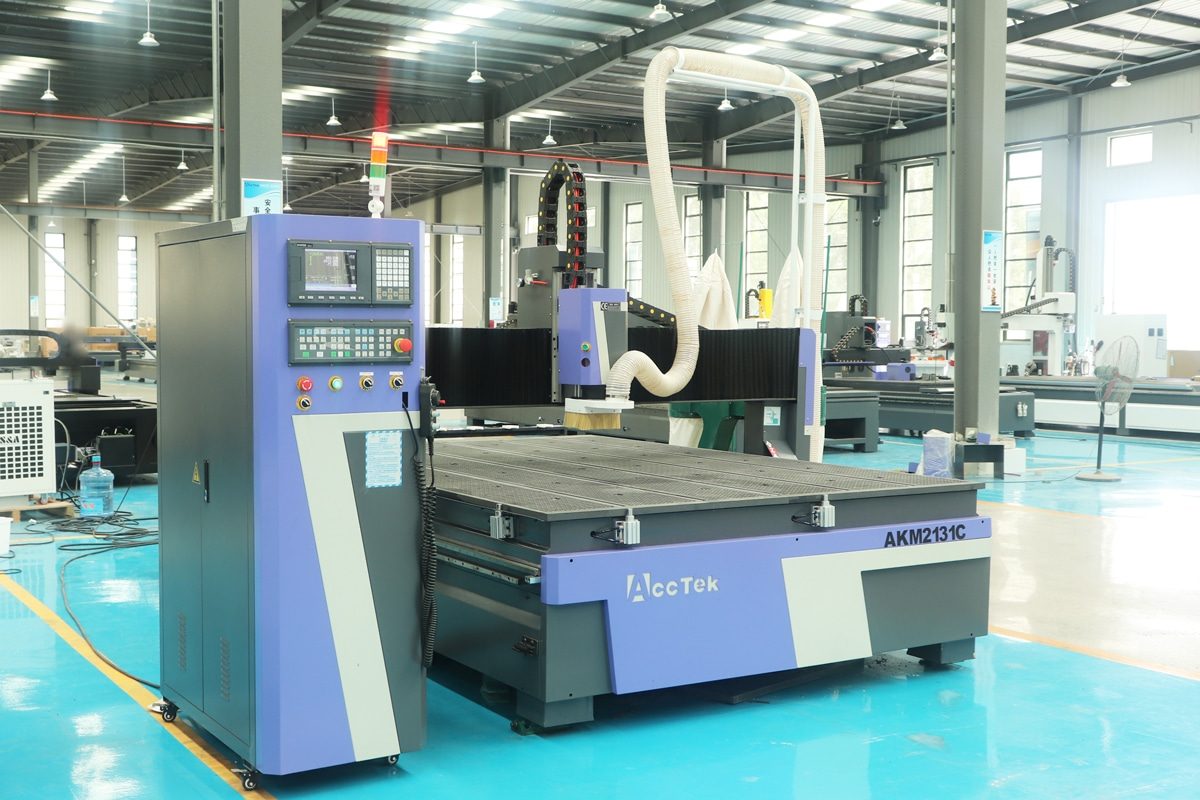
In today’s world of manufacturing, woodworking, and design, precision is more than just a desirable trait—it’s essential. From intricate wood carvings and detailed signage to functional mechanical parts, the demand for accuracy and consistency has never been higher. CNC routers have emerged as indispensable tools in meeting these demands, offering a level of detail and repeatability that traditional manual methods simply cannot match.
But how exactly do these machines achieve such remarkable precision? The answer lies in a combination of advanced mechanical components, sophisticated software, and careful consideration of materials and environmental factors. This article explores the inner workings of CNC routers, the factors that influence their accuracy, and the techniques that allow them to transform digital designs into flawless physical creations. Whether you are a hobbyist, a professional woodworker, or a manufacturer, understanding the precision of CNC routers is key to unlocking their full potential and achieving consistently detailed results.
Basics of CNC Router Technology
To understand how CNC routers achieve their remarkable precision, it’s essential to first grasp the fundamentals of the technology. At their core, CNC routers are computer-controlled machines that translate digital designs into physical objects with high accuracy. Unlike traditional routers that rely on manual operation, CNC routers use programmed instructions to ensure consistent and repeatable results.
Definition of CNC Routers
A CNC router is a computer-controlled cutting machine used to carve, cut, engrave, or shape materials with high precision. CNC stands for Computer Numerical Control, which means the machine’s movements are directed by digital instructions rather than manual operation. These instructions are typically generated from CAD (Computer-Aided Design) files, which are then translated into G-code, a language that tells the router exactly how to move its cutting tool along the X, Y, and Z axes.
Unlike traditional manual routers that rely on the operator’s skill for accuracy, CNC routers automate every movement, ensuring consistent results across multiple parts. They can handle complex shapes, intricate patterns, and detailed 3D designs that would be extremely difficult or time-consuming to achieve by hand. By integrating precision mechanics with intelligent software, CNC routers have become essential tools in woodworking, sign making, prototyping, and even metal or plastic fabrication.
Core Components of CNC Routers
The precision and performance of a CNC router depend heavily on its core components. Each part plays a specific role in ensuring accurate, consistent, and high-quality results. The main components include:
- Frame and Gantry: The machine’s structural foundation provides stability and rigidity. A solid frame minimizes vibrations and deflection during cutting.
- Spindle and Cutting Tools: The spindle holds the cutting tool and controls its rotation speed. The choice of tool and spindle type affects the quality of the cut.
- Motors and Drives: Stepper or servo motors drive the machine along X, Y, and Z axes. Servo motors, often paired with encoders, offer higher precision and smoother motion.
- Control Systems and Software: CNC routers rely on specialized software to interpret CAD designs, generate toolpaths, and control the machine’s movements. This software ensures that every cut follows the intended design with exact dimensions.
Understanding the basic components and functions of a CNC router, it becomes clear how these machines lay the foundation for precise, repeatable, and highly detailed work. This knowledge sets the stage for exploring the factors that influence accuracy and how CNC routers achieve the fine level of detail demanded in modern woodworking, manufacturing, and artistic applications.
Factors Affecting CNC Router Precision
While CNC routers are renowned for their accuracy, several factors influence how precisely they can execute a design. Precision is not solely determined by the machine itself; mechanical quality, software programming, material characteristics, and environmental conditions all play a role. Understanding these factors helps operators optimize performance and maintain high-quality results.
Mechanical Factors
Mechanical factors are the foundation of CNC router precision. A strong, well-maintained machine ensures that every programmed movement is translated into a precise physical cut, forming the basis for high-detail work.
- Frame Rigidity and Stability: A rigid, well-constructed frame minimizes vibration and flexing during operation, which can otherwise cause deviations in the cut. Materials such as steel or aluminum are commonly used to balance strength and weight.
- Linear Guides and Ball Screws: Precision movement along the X, Y, and Z axes depends on high-quality linear guides and ball screws. Smooth, accurately machined components reduce backlash and ensure consistent positioning.
- Spindle Accuracy: The spindle holds the cutting tool and controls its rotation. High-precision spindles, often equipped with bearings designed for minimal runout, help maintain tight tolerances.
- Tool Wear and Maintenance: Dull or damaged tools can tear or deform the material rather than cutting it cleanly, reducing precision. Need to perform regular inspection, sharpening, and replacement of tools to maintain accuracy.
Software and Programming
While the mechanical components of a CNC router provide the foundation for precision, the software and programming determine how accurately that potential is realized. Key aspects include:
- CAM Software Role: Computer-Aided Manufacturing (CAM) software translates a digital design (from CAD files) into a series of toolpaths that guide the router. Well-optimized toolpaths minimize unnecessary movements, reduce stress on the machine, and ensure clean, precise cuts, especially for intricate or 3D designs.
- G-Code Accuracy: G-code is the language that instructs the CNC router on movement, speed, and cutting depth. Errors in G-code can lead to misalignment, incorrect depths, or incomplete cuts. Optimizing code and running simulations helps prevent mistakes.
- Program Optimization: Proper selection of cutting speeds, feed rates, and step-downs directly affects surface finish and dimensional accuracy. Optimized parameters reduce vibrations, tool deflection, and heat buildup, all of which can compromise precision.
Material Considerations
Different materials react differently under cutting forces. Even the most advanced machines and carefully programmed toolpaths can produce imperfect results if the material is not suitable or properly prepared.
- Material Hardness and Density: Harder materials, such as metals or dense plastics, require slower feed rates and more controlled cutting to maintain accuracy. Softer materials, like foam or softwood, can deform or chip if cut too aggressively, resulting in loss of detail.
- Material Consistency: Variations within a material, such as inconsistent grain in wood, density fluctuations in composites, or internal stresses in plastics, can affect how the material responds to cutting forces. Inconsistent material can lead to uneven cuts or minor deviations from the intended design.
Environmental Factors
Even with a high-quality machine, careful programming, and suitable materials, the environment in which a CNC router operates can affect its precision. Small external influences can accumulate, impacting the accuracy of detailed work.
- Temperature and Humidity: Temperature changes can cause the machine components or the material itself to expand or contract, potentially affecting dimensions. Humidity can impact materials such as wood, causing warping or swelling, which may result in deviations from the intended design. Maintaining stable workshop conditions helps ensure consistent precision.
- Vibration and External Disturbances: Nearby machinery, uneven flooring, or other vibrations can affect the router’s accuracy. Properly isolating the machine, using vibration-dampening mounts, and placing it on a level, stable surface minimizes these effects.
The precision of a CNC router is the result of a careful balance between machine mechanics, intelligent software, material suitability, and controlled environmental conditions. By carefully considering and controlling these factors, users can unlock the full potential of their CNC routers, producing intricate designs with consistent accuracy and professional-level detail.
How CNC Routers Achieve High Detail
CNC routers are capable of producing intricate and precise work because they combine advanced mechanics, sophisticated software, and intelligent cutting strategies. It’s not just the machine itself but the way its motors, toolpaths, and digital design integration work together that allows for intricate and consistent results. Understanding these elements reveals how CNC routers can turn complex CAD models into flawless physical creations.
High-Resolution Motors
High-resolution motors in a CNC router allow the machine to execute intricate designs with exceptional accuracy.
- Stepper and Servo Motors: Stepper motors move in fixed increments, making them reliable and cost-effective for many applications. Servo motors, often used in higher-end CNC routers, provide continuous feedback through encoders, allowing the machine to correct deviations in real time. This results in smoother motion and higher precision, especially for complex or detailed cuts.
- Microstepping: Microstepping divides each full step of a stepper motor into smaller increments, enabling finer control over movement. This reduces the chance of overshoot and allows the router to follow curved or intricate paths more accurately.
- Encoder Feedback and Closed-Loop Control: Encoders track the actual position of the motor shaft and compare it to the intended position. In a closed-loop system, the controller makes real-time adjustments to correct any errors, ensuring the CNC router maintains exact positioning throughout the cutting process.
Advanced Toolpaths
Toolpaths define the exact route that a CNC router’s cutting tool follows. The sophistication of these paths directly affects the machine’s ability to produce detailed and intricate designs. Modern CNC routers rely on advanced toolpath strategies to maximize both precision and efficiency.
- Adaptive Toolpaths: CAM software can generate adaptive toolpaths that adjust cutting direction, depth, and speed in real time, allowing smooth curves, 3D contours, and detailed patterns.
- Multi-Axis Routing: CNC routers equipped with 4 axes or 5 axes can approach the material from multiple angles, eliminating the need to reposition the workpiece manually. Multi-axis toolpaths allow for complex shapes, undercuts, and intricate designs that would be impossible with a simple 3-axis CNC router.
Consistent Repeatability
One of the most significant advantages of CNC routers is their ability to reproduce the same design multiple times with exact precision. This feature makes it ideal for projects that require both complete consistency in processing results and attention to fine details.
- Precision in Motion: The combination of high-resolution motors, linear guides, and ball screws ensures that each movement of the cutting tool is accurate and consistent. Even minor deviations are minimized, allowing complex patterns or intricate details to be repeated without variation.
- Software Consistency: CAM-generated toolpaths and G-code instructions are identical for each run, ensuring that the router follows the same precise movements every time. Simulation and verification further guarantee that repeated cuts meet the design specifications.
Integration with Design Software
The connection between digital design and physical execution is what allows CNC routers to achieve high levels of detail. Integration with design software ensures that complex CAD models are accurately translated into precise cutting actions.
- Direct Translation from CAD to CNC: Computer-Aided Design (CAD) software allows designers to create detailed digital models of parts or artwork. These designs are then converted into toolpaths using CAM software, ensuring that every curve, contour, and detail is faithfully reproduced by the CNC router.
- Error Checking and Simulation: Before cutting begins, software can simulate the entire process, identifying potential collisions, overcuts, or inefficiencies in the toolpath. This preemptive step reduces errors and material waste, ensuring that the final output matches the original design with high accuracy.
Through high-resolution motors, advanced toolpaths, consistent repeatability, and seamless integration with design software, CNC routers translate digital designs into precise, detailed physical work. This combination of technology and technique enables craftsmen and manufacturers alike to produce intricate patterns and complex shapes with a level of accuracy that would be difficult or impossible to achieve by hand.
Real-World Applications
CNC routers have found widespread use across a variety of industries due to their ability to produce precise, intricate, and repeatable results. From woodworking and sign-making to custom furniture and craft, these machines have become essential tools in both professional and creative fields. By combining high precision with flexibility, CNC routers offer significant advantages for anyone looking to transform detailed designs into tangible, high-quality products.
Woodworking
CNC routers have revolutionized the woodworking industry, offering both hobbyists and professionals the ability to produce intricate and precise wooden pieces with ease. These machines excel in creating detailed designs that would be time-consuming and difficult to achieve by hand, making them essential tools for modern woodworkers.
- Detailed Carvings and Inlays: CNC routers allow for the creation of highly detailed carvings and intricate inlays in wood, transforming simple planks into works of art. Whether it’s a fine pattern, floral designs, or custom logos, CNC routers provide the precision necessary for consistent, repeatable results, even on complex or multi-dimensional surfaces.
- Furniture Production: In furniture manufacturing, CNC routers are used to create precise cuts for cabinet doors, drawers, and legs, as well as intricate detailing such as chamfers, bevels, and edge profiles. They allow for complex shapes and joinery to be cut with high accuracy, ensuring the parts fit together perfectly every time.
- Moldings and Trim: For architectural woodworking, CNC routers excel at producing custom moldings and trim pieces. The machine’s ability to follow intricate toolpaths ensures that even the most complex profiles are cut with consistent detail, reducing errors and material waste.
Sign Making and Decorative Art
CNC routers allow artists, craftsmen, and businesses to produce eye-catching, professional-quality pieces with consistent accuracy, regardless of size or repetition.
- Precision Lettering and Logos: CNC routers can engrave or cut letters, shapes, and logos with extreme accuracy, ensuring smooth edges and uniform dimensions.
- 3D Reliefs and Artistic Engraving: With the ability to operate on multiple axes, CNC routers can produce 3D reliefs and detailed engravings that add depth and texture to designs. Artists use this capability to craft intricate wall panels, decorative plaques, and sculptural elements that combine beauty with precision.
Custom and Personalized Projects
One of the standout features of CNC routers is their ability to produce highly personalized and custom designs with precision. This makes them invaluable tools for artists, small businesses, and consumers looking to create one-of-a-kind products that reflect personal tastes or specific needs.
- Personalized Gifts and Memorabilia: CNC routers are ideal for creating unique, custom gifts such as engraved plaques, cutting boards, and picture frames. The precision of CNC routers ensures that names, dates, logos, or intricate designs are engraved or cut with accuracy, making each piece truly special.
- Personalized Artworks: Artists use CNC routers to create highly detailed, personalized art pieces, from custom portraits and sculptures to intricate 3D carvings. With the ability to replicate fine details from digital designs, CNC routers enable artists to bring their visions to life with a level of precision that traditional handcrafting methods can’t match.
Whether it’s crafting custom home decor or producing detailed signage, CNC routers deliver the precision and versatility needed to bring creative visions to life. Their ability to handle both complex designs and high-volume production with consistent accuracy makes them indispensable tools for industries that demand both craftsmanship and efficiency.
Challenges in Achieving Precision
Achieving consistent precision with CNC routers requires overcoming several challenges, each of which can impact the quality of the final output. These challenges often stem from a combination of mechanical factors, material limitations, and human programming errors. Understanding these obstacles is beneficial for improving precision and ensuring that the machine operates at its highest potential, consistently delivering detailed and accurate cuts.
Mechanical Wear Over Time
Mechanical wear is an inevitable challenge in CNC router operations, and it significantly affects the accuracy of machines. Components like ball screws, linear guides, spindles, and bearings degrade over time due to constant friction, leading to misalignments, backlash, and vibrations. This degradation can cause dimensional inaccuracies, loss of precision, and reduced cutting quality. Here are the solutions:
- Regular Maintenance and Lubrication: Ensuring that all moving parts, such as ball screws, linear guides, and bearings, are properly lubricated helps minimize friction.
- Routine Calibration and Alignment: Periodically calibrate the CNC router to ensure that all axes are properly aligned. During routine maintenance, recalibrate the machine’s zero points and tool offsets to maintain tight tolerances.
- Replace Worn Components Proactively: Components that show signs of wear or damage should be replaced promptly to avoid compromising precision.
Material Limitations
Material limitations are a significant challenge in CNC routing, as each material behaves differently during the cutting process. Variations in density, moisture content, hardness, and thermal conductivity can all affect the precision and quality of cuts. However, by applying specific techniques and adjustments, many of these material-related issues can be mitigated. Here are the solutions:
- Proper Material Preparation: Prior to cutting, ensure materials are properly prepared. For wood, this may include acclimating it to the shop environment to prevent swelling or warping caused by changes in humidity. For metals and plastics, ensure they are free from contaminants and properly deburred.
- Use of Material-Specific Tools and Cutting Parameters: Adjust cutting parameters based on the material being processed. Different materials require different tooling. For example, harder metals require slow feed rates and tougher cutting tools, while softer materials may need faster speeds.
- Test Cuts and Material Profiling: Before starting full production, conduct test cuts on scrap pieces of the material to verify cutting parameters and tool choices.
Human Error in Programming
Human error in programming is a common cause of inaccuracies in CNC routing, leading to issues such as misalignment, incorrect toolpaths, and wasted material. These errors can result from incorrect G-code, improper toolpath design, or failure to account for material characteristics. Here are strategies for minimizing and managing human programming errors:
- Use of Simulation Software: Before executing the program on the CNC router, use CNC simulation software to virtually test the toolpaths. Simulation software can detect potential issues such as collisions, incorrect tool movements, or mistakes in the toolpath design.
- Double-Check G-code and Toolpaths: Always perform a thorough review of the G-code and toolpaths before running the program on the CNC machine. This includes verifying the correct cutting sequence, tool selection, feed rates, and depths.
- Training and Skill Development for Programmers: Ensure that CNC operators and programmers receive proper training in CNC programming, machine operation, and material behavior.
While the challenges in achieving precision with CNC routers are varied and complex, they can be effectively managed with careful material selection, optimized programming, and a thorough understanding of machine behavior. By addressing mechanical wear, programming errors, material inconsistencies, and calibration needs, operators can maintain high levels of accuracy and efficiency, ensuring that every cut meets the required specifications. With the right strategies in place, CNC routers can continue to produce precise, high-quality results, even under demanding conditions.
Summarize
The precision of CNC routers is the result of a well-orchestrated synergy between advanced technology, precise mechanical components, and careful operational practices. From high-resolution motors and advanced toolpath generation to the crucial role of material selection and machine calibration, every element contributes to achieving fine details and accuracy. By understanding how these factors work together, operators can optimize their machines for maximum performance, minimizing errors, and ensuring consistent, high-quality results. Continue reading “Enhancing CNC Router Efficiency: Toolpath Optimization Guide” to learn practical techniques to keep your business competitive.
If you are looking for a reliable and high-quality CNC router for your business, AccTek CNC is the ideal choice. As a professional manufacturer, AccTek offers a wide range of precision machines designed to meet the needs of various industries, from woodworking and metalworking to signage and custom designs. Our machines are built for durability and exceptional performance, ensuring consistent, high-quality results. In addition, AccTek provides comprehensive after-sales technical support, offering expert assistance with setup, maintenance, and troubleshooting, making them a trusted partner for both experienced professionals and newcomers to CNC technology.