

- 25-35 Min Read
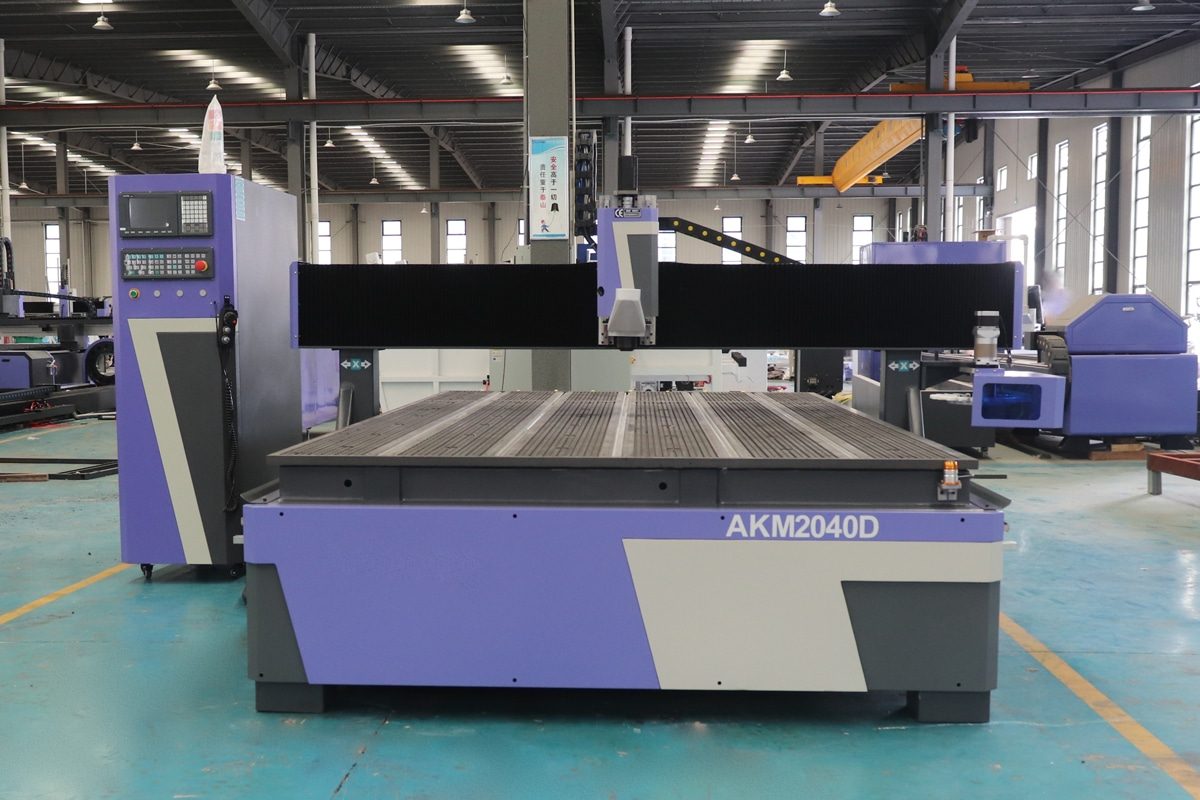
When it comes to selecting the right CNC router, one of the most critical factors to consider is the size of the workpiece. Whether you are crafting intricate designs for small-scale projects or manufacturing large industrial components, the dimensions of the materials you’re working with directly influence the type of CNC router you need. Workpiece size goes beyond just the length, width, and height of the material—it’s also about the overall complexity of the parts being produced and how they fit within the machine’s workspace. A proper match between workpiece size and machine specifications ensures not only optimal performance but also improved efficiency, precision, and cost-effectiveness in your production process.
This article delves into how workpiece size influences CNC router choice, providing an in-depth understanding of the key factors you must consider when selecting a machine. We will explore the relationship between workpiece dimensions and CNC router features. Additionally, we will provide practical examples, case studies, and recommendations based on different workpiece sizes—helping you make an informed decision that best suits your operational needs. From small, detailed items to large, heavy-duty parts, we’ll guide you through the various factors to consider when making your choice. Whether you’re a hobbyist or managing a large-scale operation, choosing the right CNC router for your workpiece size is essential for achieving high-quality results and maximizing productivity.
Understanding Workpiece Size and Its Implications
When selecting a CNC router, the size of the workpiece is one of the first factors to consider. The dimensions of your workpieces—such as length, width, thickness, and overall volume—determine which machine will be most efficient, productive, and cost-effective for your specific needs. But beyond just physical measurements, workpiece size impacts various aspects of the machining process, including setup, handling, material choice, and the complexity of the final product. These elements collectively influence how a workpiece behaves during machining and what kind of equipment is required to process it effectively.
What is Workpiece Size?
Workpiece size refers to the physical dimensions of the material or part being processed using a CNC router. These dimensions typically include the length, width, thickness, and overall volume of the workpiece, and they play a critical role in determining which CNC router is best suited for the job. The size of a workpiece influences not only the choice of machine but also the overall machining process, including setup, material handling, cutting speed, and the type of tools required.
- Length and Width: These refer to the horizontal dimensions of the workpiece, which determine how much surface area the CNC router’s table needs to accommodate. Large workpieces require a machine with an extended table and greater travel range to move the material across the axes.
- Thickness: This refers to the depth or height of the workpiece. The thickness of a workpiece affects both the type of CNC router you need and the cutting process. Thicker materials demand more powerful spindles, increased torque, and enhanced machine rigidity to prevent deflection or vibrations during cutting.
- Volume: It is the overall amount of material the router will handle, combining length, width, and thickness. In some cases, the total volume of the workpiece determines the overall machine capabilities. For instance, some CNC routers are designed for large, bulky components, while others are optimized for small, delicate parts.
- Shape and Complexity: They also play a role in determining the CNC router choice. For example, irregularly shaped workpieces, such as those with curves or intricate details, may require advanced CNC routers with additional axes for precise control over the cutting process.
Factors that Affect Workpiece Size
The size of a workpiece isn’t determined by just one factor—several elements influence how large or small a piece of material can be, and these factors help guide the selection of the most suitable CNC router for a given task. Understanding these influences helps in choosing the right machine and optimizing the manufacturing process. Here are the primary factors that affect workpiece size:
Industry Requirements
Different industries have specific needs that directly impact the size of workpieces they typically process:
- Small-Scale Production: Industries such as signage and custom crafts often deal with smaller workpieces. These industries may require compact CNC routerscapable of handling precise, smaller-scale cuts with limited space.
- Large-Scale Manufacturing: In sectors like large-scale furniture and construction, large, bulky components are common. CNC routers used in these industries need to accommodate vast workpieces, such as door panels or oversized panels for construction projects. These industries typically rely on large-format CNC routers with high precision and powerful capabilities to handle massive workpieces efficiently.
Product Design Considerations
The design of the product being manufactured often dictates the size and complexity of the workpieces:
- Design Dimensions: The dimensions of the final product design influence the size of the workpieces needed. For example, a cabinet door or a furniture piece may be smaller in overall size, but the intricate details and cuts required can affect the machine’s choice.
- Complexity of the Design: Detailed or intricate designs, especially those involving small cutouts, curves, and engravings, may require more precise machinery, regardless of whether the workpiece is large or small. Complex parts may also require a machine with multiple axes to handle detailed cutting on all surfaces.
- Tolerance and Surface Finish: The level of precision required for the final product can affect workpiece size and material choice. Tight tolerances and high-quality surface finishes may necessitate the use of smaller, high-precision routers even for medium-sized workpieces.
Material Selection
The type of material being processed significantly impacts both the size and machine requirements for workpieces:
- Thickness of Material: Different materials come in various thicknesses, which directly influence the size and weight of the workpiece. For example, machining a thick block of steel requires a machine with sufficient power and rigidity, whereas softer materials like foam or wood may require a less powerful, more affordable machine.
- Density and Hardness: They influence the cutting force required. Harder materials, such as steel or dense composites, require machines with greater stability, higher spindle power, and enhanced tool durability, which in turn impacts workpiece size considerations.
- Material Flexibility: Flexible materials like rubber or certain plastics might need a different approach when cutting, as they can shift or deform more easily under the router’s force. For larger or softer workpieces, adjustments may need to be made in the machine’s setup to prevent unwanted material distortion.
Impact of Workpiece Size on Machine Setup
The size of a workpiece has a direct impact on how a CNC router is set up and operated, influencing a range of factors from machine selection to setup time, material handling, and machining process optimization. Understanding these impacts helps ensure that the CNC router is configured for maximum efficiency and precision, especially when dealing with large or complex workpieces.
Clamping and Fixturing
- Larger workpieces require more elaborate clamping and fixturing systems to ensure they are securely held in place during machining. The need for stability increases as the size and weight of the workpiece grow, as any movement during cutting can result in poor quality or damaged parts. For large parts, special fixtures, custom jigs, or vacuum systems might be necessary to hold the material firmly and prevent shifting.
- Smaller workpieces are typically easier to secure with simple clamps, manual adjustments, or even magnetic fixtures. The setup process for small parts is less time-consuming, as they don’t require the same heavy-duty fixtures as larger workpieces.
Material Handling and Loading/Unloading
- Large workpieces require more space for loading and unloading, and their heavier weight often necessitates the use of automated systems or additional labor to move the parts into position. Some CNC routers designed for large workpieces come with integrated loading/unloading systems, such as conveyors or robotic arms, to make this process more efficient.
- With smaller workpieces, loading and unloading are generally simpler and quicker. Manual handling is often sufficient, and workpieces can be quickly repositioned or replaced as needed. For businesses producing smaller batches, this can reduce downtime between machining cycles.
Machine Table Size and Travel Range
- The machine’s table size and the travel range of its X, Y, and Z axes must be large enough to accommodate the workpiece. As the workpiece size increases, so too must the machine’s workspace. CNC routers with larger tables (e.g., 4×8 feet or larger) and longer travel ranges are necessary to handle bigger parts efficiently. Additionally, larger workpieces may require more powerful spindles to cut through thick materials.
- For smaller workpieces, the machine table and travel range can be relatively compact. The machine doesn’t need to have a large workspace, and a smaller machine can be used for tasks that don’t require expansive movements.
Spindle Power and Cutting Tools
- Larger workpieces, particularly those made from hard or thick materials, require CNC routers with higher spindle power and the ability to handle heavier cutting tools. This is because larger parts demand more force to be cut efficiently, which requires a more robust machine with greater torque and higher spindle speed.
- Smaller workpieces generally don’t require as much power, as the material is often softer, and the cuts are less demanding. CNC routers designed for smaller tasks typically have lower spindle power, making them more affordable and energy-efficient. They also use smaller, more precise cutting tools, which allow for finer details in the final product.
Workpiece size is a fundamental concept that directly shapes the entire CNC machining process. It affects not only the physical compatibility between the material and the machine but also influences setup requirements, machining strategies, and overall production outcomes. By thoroughly understanding the dimensions, material characteristics, and practical implications of workpiece size, manufacturers and operators can make more informed decisions when selecting and configuring CNC routers. This knowledge ultimately leads to better machine utilization, improved product quality, and more efficient, cost-effective production workflows.
Key Considerations for CNC Router Selection Based on Workpiece Size
Once the size of the workpiece is clearly defined, the next step is to translate those requirements into the right CNC router specifications. Workpiece dimensions, thickness, weight, and material properties all place specific demands on the machine, making it essential to evaluate key technical factors before making a selection. Simply put, the suitability of a CNC router is determined by how well its capabilities align with the physical and operational needs of the workpieces it will process. The following key considerations will help you align your CNC router selection with the size and characteristics of your workpieces.
Machine Table Size
Machine table size is one of the most fundamental factors in selecting a CNC router, especially when workpiece size is the primary consideration. It defines the maximum usable working area of the machine and directly determines whether your workpieces can be processed efficiently in a single setup. Choosing the right table size is not just about fitting the material—it’s about ensuring stability, accuracy, and productivity throughout the machining process.
- Matching Table Size to Workpiece Dimensions: The CNC router’s table must comfortably accommodate the length and width of your largest workpiece. Ideally, the workpiece should fit entirely within the table boundaries to avoid repositioning, which can introduce alignment errors. Selecting a table that is too small limits your capabilities, while an appropriately sized table ensures smoother workflows and higher accuracy.
- Impact on Machining Accuracy and Stability: Table size also affects how stable the workpiece remains during machining. A properly sized table provides full support for the material, reducing vibration and preventing bending or warping during cutting. Overhanging workpieces can lead to inconsistent cutting depth, tool deflection, and poor surface finish.
- Standard Table Sizes: For sheet-based materials (such as plywood, MDF, or aluminum panels), it’s common practice to select a table size that matches standard sheet dimensions (e.g., 4×8 ft or 5×10 ft). If your workpieces vary in size, selecting a slightly larger table than your maximum requirement provides flexibility for future projects.
Travel Range (X, Y, and Z Axes)
The travel range of a CNC router refers to the maximum distance the cutting tool can move along the X (left–right), Y (front–back), and Z (up–down) axes. While the machine table size defines the physical workspace, the travel range determines the actual usable machining area. Even if a workpiece fits on the table, insufficient axis travel can limit the machine’s ability to fully process it.
- X and Y Axis Travel: They control horizontal movement and are directly related to the length and width of the workpiece. The travel range must be large enough to cover the entire surface area of the material. If the travel is smaller than the workpiece dimensions, the operator will need to reposition the material, which increases setup time and introduces the risk of alignment errors. In most cases, the effective cutting area is slightly smaller than the physical table size, so this distinction should always be considered during machine selection.
- Z Axis Travel: This travel determines how deep the cutting tool can move vertically and how much clearance is available between the spindle and the table. Thicker workpieces require greater Z-axis travel to ensure the tool can reach the full cutting depth. Insufficient Z-axis travel can limit the types of materials you can process or require multiple setups, reducing efficiency. For applications involving 3D carving, mold making, or multi-layer machining, a larger Z-axis range is particularly important.
- Relationship Between Travel Range and Workpiece Size: Large Workpieces require extended X and Y travel to avoid repositioning and ensure consistent accuracy across the entire surface. Thick or multi-dimensional workpieces demand greater Z-axis travel for proper depth control and tool clearance. Irregular or complex parts may benefit from additional travel range or multi-axis configurations to accommodate varied geometries.
Spindle Power and Torque
Workpiece size often correlates with material thickness and cutting load, making spindle performance a key consideration. While table size and travel range define capacity, spindle performance defines the machine’s cutting capability. Selecting the right balance of power and torque ensures efficient material removal, consistent quality, and longer tool life.
- Spindle Power: Typically measured in kilowatts (kW) or horsepower (HP), it indicates how much energy the spindle can deliver during cutting. Larger or thicker workpieces typically require higher spindle power to maintain consistent cutting speeds without stalling. Insufficient spindle power can lead to slower machining, poor surface finish, or excessive tool wear.
- Torque in CNC Machining: This refers to the spindle’s ability to maintain rotational force, especially under load. High torque at lower speeds is necessary for cutting hard or thick materials such as hardwood, aluminum, or steel. It ensures the spindle does not stall when encountering resistance during deep cuts. Stable torque output contributes to smoother cuts and reduces vibration.
- Relationship Between Workpiece Size and Spindle Requirements: Small and Thin Workpieces typically require lower spindle power (e.g., 1.5 kW – 3 kW). Focus is more on speed and precision rather than heavy cutting force. Medium-Sized Workpieces require moderate spindle power (e.g., 3 kW – 6 kW). Balance between cutting efficiency and fine detail processing. Large or Thick Workpieces demand high spindle power (e.g., 6 kW and above). Require strong torque to handle deep cuts and dense materials without compromising performance.
Machine Rigidity and Structural Stability
Machine rigidity and stability are essential factors when selecting a CNC router, especially as workpiece size increases. While table size and spindle power determine whether a machine can process a part, rigidity determines how well it can do so. A rigid and stable machine structure ensures that cutting forces are properly absorbed, minimizing vibration, deflection, and inaccuracies during machining.
- Why Stability Matters in CNC Machining: Stability is closely related to rigidity and refers to how well the machine maintains consistent performance during operation. Stable machines reduce vibration and chatter, which can negatively affect surface finish. They ensure consistent cutting depth and toolpath accuracy, even during long machining cycles.
- Impact of Workpiece Size on Rigidity Requirements: As workpiece size increases, so do the demands placed on the machine. Large workpieces generate greater cutting forces, require a stronger frame and gantry to prevent deflection. Heavy workpieces: add additional load to the machine bed, requiring reinforced support structures. Small workpieces typically generate lower cutting forces, so extreme rigidity is less critical.
- Balancing Rigidity with Cost and Application: While higher rigidity offers better performance, it also increases cost. For small-scale or light-duty applications, a rigid machine may not be necessary. However, for industrial applications involving large or dense workpieces, investing in a rigid machine is essential for long-term performance and reliability.
Tool Selection and Compatibility
The size, material, and geometry of the workpiece directly influence the type of cutting tools required, as well as whether the CNC router can properly support and utilize those tools. Selecting compatible tooling not only improves machining performance but also enhances precision, efficiency, and tool lifespan.
- Relationship Between Workpiece Size and Tool Dimensions: The size of the workpiece determines the appropriate tool diameter, length, and geometry. Small workpieces require smaller diameter tools for fine details and tight corners. Large workpieces often use larger diameter tools for faster material removal. Longer tools may be needed to reach deeper cutting areas.
- Tool Length and Z-Axis Compatibility: Thicker workpieces require longer cutting tools to reach the full depth. The CNC router must provide sufficient clearance to safely accommodate longer tools without collision. Excessively long tools, however, can reduce rigidity and increase vibration. Balancing tool length with machine capability can maintain both safety and machining accuracy.
- Cutting Strategy and Tool Efficiency: Tool selection directly affects machining strategy, especially for different workpiece sizes. Large workpieces often involve a combination of roughing and finishing tools. Larger tools remove material quickly, while smaller tools refine details. Small workpieces typically rely on precision tools for detailed operations.
Selecting a CNC router based on workpiece size requires a holistic approach that considers not only dimensions but also material properties, weight, and production demands. By carefully evaluating factors such as table size, travel range, spindle power, and machine rigidity, you can avoid common pitfalls such as underperformance, inefficiency, or unnecessary investment. A well-matched CNC router not only improves machining accuracy and productivity but also provides the flexibility to adapt to future production needs, ensuring a more sustainable and cost-effective operation over time.
Matching CNC Router Type to Workpiece Size
Selecting the right CNC router is not a one-size-fits-all decision—it requires carefully matching the machine type to the size and characteristics of the workpiece. From small, detail-oriented components to large industrial panels and complex geometries, each category of workpiece places unique demands on the machine’s structure, power, motion capability, and overall configuration. Understanding how different CNC router types align with specific workpiece sizes helps achieve optimal machining performance.
Small Workpieces: Desktop CNC Router
A desktop CNC router is the most suitable machine type for processing small workpieces in hobbyist, educational, and small-scale production environments. These machines are designed to prioritize precision, compact size, and ease of use, making them ideal for detailed machining rather than heavy-duty cutting or large-format production.
Key Features
Desktop CNC routers offer a range of features that make them particularly well-suited for small workpiece machining. Because they are designed for simplicity and precision rather than heavy-duty performance, they provide an accessible and practical solution for users who prioritize fine detail work and flexible, small-scale production.
- Compact and space-efficient design: Their small footprint allows them to be placed on a workbench or in limited workspace environments, making them ideal for home workshops, studios, or classrooms.
- High precision for detailed work: Despite their size, many desktop CNC routers are capable of excellent accuracy, making them well-suited for engraving, carving, and fine-detail machining on small parts.
- Low cost of entry: They are generally more affordable than industrial CNC machines, making them accessible to beginners, hobbyists, and small startups.
- Easy setup and operation: Most desktop models are designed with simplified controls and user-friendly software, reducing the learning curve for new users.
- Low power consumption: Their smaller motors and spindles require less electricity, making them economical to operate over time.
Limitations
Despite their usefulness in small-scale applications, desktop CNC routers also come with inherent limitations that stem from their compact design and lightweight structure. These constraints affect factors such as machining capacity, material compatibility, and long-term production capability.
- Limited working area: The most significant drawback is their small machining envelope, which restricts the size of workpieces that can be processed and prevents large-scale production.
- Lower spindle power: Desktop machines typically use low-power spindles, which limit their ability to cut thick, dense, or hard materials effectively.
- Reduced structural rigidity: Compared to industrial machines, desktop routers are less rigid, which can lead to vibration or reduced accuracy during more demanding cuts.
- Slower material removal rates: Because of their limited power and smaller tool capacity, machining time can be longer, especially for complex designs.
- Not suitable for continuous industrial use: These machines are generally designed for light-duty or intermittent operation rather than long production cycles.
- Limited expandability: Upgrading capabilities such as spindle power, travel range, or automation features is often restricted.
Medium-Sized Workpieces: Standard 3-Axis CNC Router
Medium-sized workpieces represent the most common range in CNC machining, covering a wide variety of industrial and commercial applications. For this category, the standard 3-axis CNC router is the most widely used machine type because it offers an ideal balance of working area, cutting capability, precision, and cost-effectiveness. It is designed to handle moderate workloads efficiently while maintaining consistent accuracy across repetitive production tasks.
Key Features
Medium-sized workpieces often involve a mix of cutting, carving, and drilling operations. A versatile machine can handle different materials and tasks without frequent reconfiguration. Standard 3-axis CNC routers are equipped with a set of features that ensure versatility and stable performance.
- Moderate to large working area: Typically includes standard sheet sizes such as 4×8 ft (1300×2500 mm) or similar formats, allowing full processing of medium-sized panels in a single setup.
- Three-axis motion system (X, Y, Z): Enables precise cutting, carving, drilling, and engraving on flat and moderately contoured surfaces.
- Balanced spindle power (commonly 3 kW–9 kW): Provides sufficient cutting strength for wood, plastics, and light metals without excessive energy consumption.
- Rigid machine structure: Built with reinforced steel or cast iron frames to ensure stability during continuous operation.
- Vacuum table or T-slot workholding system: Improves material fixation for larger panels and improves workflow efficiency.
- Servo or high-performance stepper motors: Deliver reliable motion control and repeatability for batch production.
- Compatible CAD/CAM integration: Supports efficient workflow from design to manufacturing.
Typical Applications
Medium-sized workpieces processed by standard 3-axis CNC routers are widely used across many industries where efficiency, consistency, and versatility are essential. Because these machines can handle full sheet materials and moderately complex geometries, they are ideal for both custom production and repetitive manufacturing tasks.
- Furniture manufacturing: Used for cutting and shaping cabinet doors, wardrobes, tabletops, shelves, and structural panels with consistent accuracy and repeatability.
- Interior decoration and architecture: Applied in producing wall panels, decorative trims, stair components, and custom interior design elements that require both precision and aesthetic quality.
- Signage production: Suitable for cutting and engraving materials such as MDF, acrylic, PVC, and wood to create commercial signs, lettering, and branding displays.
- Woodworking and joinery: Commonly used for producing medium-scale wooden components, joints, and custom parts for construction and carpentry projects.
- Light industrial fabrication: Supports the production of plastic housings, simple molds, and aluminum parts used in prototyping and small-batch manufacturing.
Large Workpieces: Industrial CNC Router
Large workpieces require CNC machines that go beyond standard capacity, both in terms of size and structural performance. For this purpose, the industrial CNC router is specifically designed to handle oversized panels, heavy materials, and continuous production demands. These machines are commonly used in industries where large-format machining, high efficiency, and long-term stability are essential.
Key Features
Larger workpieces generate higher cutting forces and require more stable machines to maintain accuracy over long distances. Efficient handling systems also reduce labor and improve productivity. Industrial CNC routers are engineered with robust configurations to accommodate large workpieces and demanding production environments.
- Extra-large working area: Typically ranges from 5×10 ft (1500×3000 mm) and beyond, allowing full processing of oversized sheets or structural components in a single setup.
- High-power spindle systems (6 kW–12 kW or more): Provide strong cutting capability for thick wood, dense composites, aluminum, and other industrial materials.
- Heavy-duty rigid frame construction: Built with reinforced steel or cast iron structures to minimize vibration and ensure stability during high-load machining.
- Extended X, Y, and Z-axis travel: Enables processing of large and thick workpieces with complex machining requirements.
- Advanced workholding systems: Including multi-zone vacuum tables, automatic clamping, or conveyor-based loading systems for efficient material handling.
- Servo-driven motion systems: Ensure high precision and smooth movement even over long machining distances.
- High automation compatibility: Often supports integration with auto tool changers(ATC), nesting software, and production line systems for mass production efficiency.
Limitations
While industrial CNC routers offer exceptional capability for processing large workpieces, they are not without constraints that must be carefully considered before investment. Their size, power, and advanced features are designed for heavy-duty and high-volume production, which means they may be less suitable or less efficient in certain operational contexts.
- High initial investment cost: These machines require significant capital expenditure due to their size, power, and advanced features.
- Large footprint requirements: They demand substantial factory space for installation, operation, and material handling.
- Higher operational and maintenance costs: Increased energy consumption, tooling wear, and maintenance complexity contribute to higher long-term expenses.
- Complex installation and setup: Requires proper foundation, calibration, and often specialized technical support.
- Less suitable for small-scale production: Using such a large machine for small workpieces can be inefficient and cost-ineffective.
- Operator skill requirements: Requires trained personnel to manage programming, setup, and maintenance effectively.
Irregular or Complex Workpieces: Multi-Axis CNC System
Some workpieces do not conform to standard flat or rectangular shapes, requiring more advanced machine capabilities. For these applications, multi-axis CNC systems (such as 4-axis, 5-axis, or rotary-equipped machines) are specifically designed to handle intricate geometries, curved surfaces, and multi-angle machining tasks.
Key Features
Complex geometries require the cutting tool to approach the workpiece from multiple angles. Standard 3-axis machines may be insufficient for such tasks. Multi-axis CNC systems are built to process complex workpieces by expanding tool movement beyond standard linear motion.
- 4-axis and 5-axis motion capability: Allows the cutting tool to rotate and approach the workpiece from multiple angles, enabling machining of complex geometries in a single setup.
- Rotary axis integration: Enables cylindrical or round workpiece processing, such as carving, engraving, or sculpting on curved surfaces.
- Simultaneous multi-axis movement: Improves efficiency and precision by allowing coordinated motion across multiple axes during cutting.
- Advanced CNC control system: Supports complex programming, toolpath generation, and high-precision interpolation for intricate designs.
- High rigidity and precision structure: Ensures stability during multi-directional cutting forces and reduces vibration during complex operations.
- Flexible fixturing systems: Accommodate irregular shapes and non-standard workpieces securely during machining.
- CAD/CAM software compatibility: Advanced control software for generating advanced toolpaths required for multi-axis operations.
Typical Applications
Multi-axis CNC systems are primarily used in industries that require the machining of complex geometries, curved surfaces, and non-standard workpieces that cannot be efficiently produced using conventional 3-axis CNC routers. Their ability to approach a workpiece from multiple angles in a single setup makes them highly valuable for high-precision and high-complexity manufacturing tasks.
- Furniture Manufacturing: Crafting chair legs, table legs, and decorative columns. Engraving intricate designs on curved wooden components.
- Art and Sculpture: Artists and sculptors use 5-axis CNC routers to create intricate and detailed works of art. The ability to machine from multiple angles allows for the creation of complex and realistic sculptures that would be difficult to achieve by hand.
- 3D Model: The 5-axis CNC router machine is used for 3D milling in mold making, especially for car body making, boat mold building, and other 3D modeling projects.
- Prototyping and Model Making: In industries ranging from product design to architectural modeling, 5-axis CNC routers are used to create prototypes and models of various shapes and sizes with high accuracy. These machines can accurately replicate intricate designs, allowing for rapid prototyping and iterative design processes.
Matching CNC router type to workpiece size is a critical step in building an efficient and reliable machining process. Each machine category offers distinct advantages tailored to specific size ranges and complexity levels, and selecting the appropriate type helps maximize precision, productivity, and cost-effectiveness. By aligning machine capabilities with the physical and technical requirements of the workpiece, manufacturers can avoid common inefficiencies, reduce operational risks, and improve overall output quality. Ultimately, a well-matched CNC router not only enhances current performance but also provides a strong foundation for scalable and sustainable production.
Case Studies and Practical Examples
Understanding CNC router selection becomes much clearer when theoretical concepts are applied to real-world production scenarios. While specifications such as table size, spindle power, and axis travel provide important technical guidance, actual manufacturing environments reveal how these factors interact in practice. The following case studies illustrate how different industries handle small, medium, large, and complex workpieces using appropriately matched CNC router types. These examples help bridge the gap between machine selection theory and practical application, showing how businesses optimize performance, efficiency, and cost based on their specific production needs.
Small Workpieces in the Signage Industry
A small signage workshop focuses on producing custom acrylic and wooden nameplates, logos, and decorative signs. The typical workpieces are compact, but they require high levels of detail, including fine text, intricate logos, and smooth edge finishes. Materials such as acrylic, PVC, MDF, and thin aluminum are commonly used, each demanding precise cutting parameters and careful handling to maintain visual quality.
- Machine Selection: Desktop CNC router. Its smaller footprint fits well in limited workshop environments, while its high spindle speed and fine motion control make it ideal for detailed signage work. The machine also supports small-diameter tools, which can engrave sharp lettering and complex patterns.
- Key Considerations: In this application, precision is the top priority, as even minor deviations can affect the readability and appearance of signage. Fine tool control allows for clean engraving of small fonts and detailed graphics, while a compact machine reduces unnecessary movement and improves operational efficiency. Additionally, proper workholding methods help to keep small, lightweight pieces stable during machining.
- Outcome: The business benefits from a low initial investment, making it accessible for small-scale operations and custom order production. Fast setup times and simplified workflows allow for quick turnaround on personalized signage projects. The ability to process multiple small workpieces in a single batch significantly improves productivity, while precise cutting minimizes the need for post-processing. As a result, the workshop can consistently deliver high-quality, visually appealing products with minimal material waste and reduced operating costs.
This example shows how a small CNC router is ideal when precision, efficiency, and flexibility outweigh the need for large working capacity, making it a perfect fit for detailed, small-format signage production.
Medium Workpieces in Furniture Manufacturing
A furniture manufacturing workshop focuses on producing components such as cabinet doors, side panels, tabletops, and shelving units. These workpieces are typically medium-sized, ranging from 600 × 1200 mm up to full sheets like 4 × 8 ft, and require a combination of structural accuracy, surface quality, and efficient batch production. Materials commonly include plywood, MDF, particleboard, and solid wood, often involving operations such as cutting, drilling, grooving, and edge profiling.
- Machine Selection: Standard 3-axis CNC router (4×8 ft table). This is selected for its ability to handle medium-sized panels efficiently in a single setup. With a working area that accommodates full sheets and a balanced spindle power range, this machine provides the versatility needed for cutting, drilling, and carving typical furniture components. Its compatibility with nesting software and automated workflows makes it well-suited for both custom and batch production.
- Key Considerations: For medium workpieces, a table size that matches standard sheet dimensions is needed, allowing full panels to be processed without repositioning. Moderate spindle power ensures efficient cutting of wood-based materials while maintaining a good surface finish. Effective material handling systems, such as vacuum tables, keep large panels flat and stable during machining. Additionally, nesting optimization helps maximize material usage and reduces waste, while maintaining consistent part quality across batches.
- Outcome: The manufacturer achieves high production efficiency and consistent quality by processing multiple parts from a single sheet in one cycle. Reduced setup time and optimized material usage lead to lower production costs, while stable machine performance ensures accurate dimensions and clean finishes. The integration of automated toolpaths and nesting strategies allows for streamlined workflows and scalable production, supporting both custom orders and larger manufacturing volumes.
This example demonstrates how a standard 3-axis CNC router is the ideal solution when efficiency, versatility, and consistent quality are required for medium-sized furniture components.
Large Workpieces in Industrial Panel Processing
A large-scale manufacturing facility specializes in producing structural panels, wall systems, and oversized components for construction and industrial applications. These workpieces are typically large-format panels, often exceeding 1500 × 3000 mm (5 × 10 ft), and may involve thick materials such as plywood, MDF, or aluminum sheets. Due to their size and weight, these panels require high stability, strong cutting capability, and efficient material handling throughout the machining process.
- Machine Selection: Industrial CNC router. This is selected for its extended working area, high spindle power, and heavy-duty construction, enabling it to process large panels in a single setup. These machines are often equipped with multi-zone vacuum tables, automatic tool changers (ATC), and conveyor systems, making them suitable for continuous, high-volume production environments.
- Key Considerations: For large workpieces, a sufficiently large table size and extended X/Y travel are needed to eliminate repositioning and maintain accuracy. High spindle power ensures efficient cutting through thick or dense materials, while a rigid machine structure minimizes vibration over long cutting distances. Efficient material handling systems, such as roller tables or automatic loading/unloading, are beneficial to safely and quickly manage heavy panels. Additionally, optimized toolpaths and nesting strategies help maintain productivity and reduce waste even at large scales.
- Outcome: The facility achieves high throughput and consistent machining quality by processing full-size panels in a single operation. Automation reduces manual labor and improves workflow efficiency, while the machine’s rigidity ensures precise cutting across large surfaces. The ability to handle oversized materials without repositioning minimizes errors and enhances overall productivity. As a result, the company benefits from reduced cycle times, lower labor costs, and improved production scalability.
This example demonstrates how an industrial CNC router is the ideal solution when capacity, power, and automation are essential for handling large workpieces in demanding production environments.
Complex Workpieces in Artistic Sculptures
A design studio or sculpture workshop specializes in producing artistic pieces, decorative carvings, and custom 3D sculptures with intricate geometries and organic forms. These workpieces often feature curved surfaces, undercuts, and multi-dimensional details, and can vary in size from small decorative items to large statement pieces. Materials commonly include wood, foam, resin, and soft metals, all of which require precise and flexible machining approaches to accurately reproduce complex designs.
- Machine Selection: 4-Axis or 5-Axis CNC router. A multi-axis CNC system is selected for its ability to machine complex shapes from multiple angles in a single setup. With 4-axis or 5-axis capabilities, the machine can rotate the workpiece or tilt the cutting tool, allowing it to reach areas that are inaccessible to standard 3-axis machines. This significantly improves efficiency and enables the creation of highly detailed and continuous 3D forms.
- Key Considerations: For artistic sculptures, the primary requirement is flexibility in tool movement to accurately follow complex contours and freeform surfaces. High precision ensures that fine details and smooth transitions are preserved, while advanced CAD/CAM software helps generate sophisticated toolpaths. Proper fixturing or rotary attachments are also important to securely hold irregularly shaped workpieces during machining. Additionally, careful tool selection and finishing strategies help achieve the desired surface quality with minimal manual post-processing.
- Outcome: The studio achieves highly detailed and accurate reproductions of complex designs, reducing the need for manual carving and significantly shortening production time. Multi-axis machining allows sculptures to be completed in fewer setups, improving both efficiency and consistency. The ability to handle complex geometries expands creative possibilities and enables the production of customized, high-value artistic pieces. As a result, the workshop benefits from enhanced design flexibility, improved productivity, and superior finished quality.
This example demonstrates how a multi-axis CNC system is essential when complexity, precision, and artistic flexibility are the primary requirements in sculpture production.
These case studies demonstrate that CNC router selection is directly driven by workpiece size and complexity. Each scenario highlights how choosing the right machine type directly impacts efficiency, accuracy, and overall productivity. By aligning equipment capabilities with real-world applications, manufacturers can reduce waste, improve workflow consistency, and achieve higher-quality results. In practice, successful CNC machining is not just about machine specifications, but about how effectively those specifications are matched to actual production demands.
How to Choose the Right CNC Router Based on Workpiece Size
Choosing the right CNC router based on workpiece size requires more than simply matching a machine to the largest part you intend to produce. It is a structured decision-making process that must also account for how often those parts are produced, how efficiently they need to be manufactured, and what practical constraints exist in terms of workspace and investment. By matching these factors correctly, users can ensure efficient machining, stable performance, and long-term cost effectiveness.
Define Your Workpiece Size Range
The first step is to clearly identify the typical size of the parts you will process. Workpiece size is not only about physical dimensions, but also about how those parts are produced, arranged, and machined in real production conditions. A clear understanding of your size range helps ensure that the CNC router you choose can handle both individual parts and full production workflows efficiently.
- Small workpieces: Typically used for high-detail applications such as signage, crafts, electronics, and product prototyping. Although compact in size, they often require high precision and fine tool control.
- Medium workpieces: Represent the most common industrial standard, especially in woodworking and interior decoration. These parts often match full sheet materials like plywood or MDF, requiring a CNC router with a table size capable of processing entire panels in one setup.
- Large workpieces: Typically used in heavy manufacturing, construction materials, and industrial fabrication. They require extended machine travel, high structural rigidity, and strong spindle power to handle thick and dense materials.
- Complex workpieces: Focusing instead on geometry and machining accessibility. Multi-axis CNC systems are typically required to achieve full surface machining in a single or minimal number of setups, improving both precision and efficiency.
Consider Production Volume and Efficiency Needs
After defining workpiece size, the next important step is to evaluate how many parts you need to produce and how efficiently they must be manufactured. Production volume directly influences CNC router selection because it determines the required level of automation, machine durability, and overall workflow efficiency. A machine that matches your output demands will help reduce downtime and optimize cost per part.
- Low-volume production: Typically involves one-off designs, small batches, or highly customized workpieces. In this scenario, flexibility and ease of setup are more important than speed. Desktop or benchtop CNC routers are often sufficient, as they allow quick material changes and simple operation. However, manual intervention is more frequent, and production speed is generally lower, which is acceptable for non-repetitive tasks.
- Medium-volume production: Requires a balance between efficiency and versatility. Standard 3-axis CNC routers with features such as vacuum tables and nesting software are commonly used. These machines support repeated batch processing with improved consistency and reduced setup time. At this level, workflow optimization becomes important, including toolpath efficiency, material utilization, and partial automation.
- High-volume production: Demands machines capable of continuous operation with minimal downtime. Industrial CNC routers equipped with automatic tool changers (ATC), conveyor systems, and automated loading/unloading mechanisms are ideal for this category. These systems are designed to maximize throughput, reduce labor costs, and maintain consistent quality across large production runs. Machine reliability and maintenance efficiency become critical factors.
- Complex or mixed production environments: Some operations involve a combination of prototypes, small batches, and large-scale production. In such cases, flexibility and scalability are essential. Multi-functional CNC systems or modular setups allow manufacturers to switch between different production modes while maintaining efficiency. Proper workflow planning and software integration help manage variability without sacrificing productivity.
Space and Budget Considerations
In addition to workpiece size and production volume, available workspace and budget constraints play a decisive role in selecting the right CNC router. Even if a machine matches technical requirements, it must still fit within the physical environment and financial plan of the user. Balancing these two factors ensures a practical investment that supports efficient operation without unnecessary overhead or installation challenges.
- Workspace availability and layout planning: CNC routers vary significantly in size, from compact desktop models to large industrial machines that require dedicated factory space. Users must evaluate not only the machine’s footprint, but also the surrounding clearance needed for material loading, operator movement, and maintenance access. For medium and large workpieces, additional space is often required for raw material storage and finished product handling. Proper layout planning helps maintain a smooth workflow and avoids operational bottlenecks.
- Power supply and infrastructure requirements: Larger CNC routers often require a stable industrial power supply, compressed air systems, or dust collection units. These infrastructure needs must be considered alongside physical space, as they can impact installation feasibility and long-term operating costs. Smaller machines typically have simpler setup requirements, making them more suitable for limited or shared work environments.
- Initial investment cost: CNC routers range widely in price depending on size, configuration, and automation level. Desktop machines offer low entry costs, making them ideal for beginners or small businesses. In contrast, industrial and multi-axis systems require significantly higher investment due to advanced components, larger structures, and automation features. Users must ensure that the selected machine aligns with both current budget limits and expected return on investment.
- Operating and maintenance costs: Beyond purchase price, ongoing costs such as electricity consumption, tooling, maintenance, and spare parts should be considered. Larger and more powerful machines generally incur higher operational expenses but may offer a lower cost per part in high-volume production. Conversely, smaller machines are more economical for light-duty use but may become inefficient for large-scale production.
Selecting a CNC router based on workpiece size is a balance between technical requirements and real-world constraints. Defining the workpiece size range establishes the basic machine capacity needed, while production volume and efficiency considerations determine the level of performance and automation required. Space and budget factors then refine the decision, ensuring the selected equipment is both feasible and sustainable. When these three aspects are evaluated together, users can avoid over- or under-investment and choose a CNC router that delivers consistent performance, efficient workflow, and long-term value across their intended applications.
Summarize
Workpiece size is a key factor in determining the appropriate CNC router because it directly influences the required working area, machine structure, spindle power, and overall production efficiency. Small workpieces are best suited to compact desktop CNC routers that prioritize detail, while medium-sized parts typically require standard 3-axis CNC routers that balance versatility and productivity. Large workpieces demand industrial CNC routers with extended travel and higher rigidity, whereas complex or irregular parts often need multi-axis systems for multi-directional machining. Continue reading “How to Evaluate CNC Router Quality Before Buying: A Buyer’s Checklist”, you’ll be equipped to assess CNC router quality with confidence and choose a machine that truly meets your production needs.
AccTek CNC offers a wide range of CNC router solutions designed to meet diverse production needs, from compact machines for precision work to large-format and multi-axis systems for industrial applications. In addition to providing versatile machine options, consulting directly with CNC experts or manufacturers like AccTek CNC allows businesses to gain valuable insights into machine selection and long-term scalability. Professional guidance can help identify the most suitable table size, spindle power, and automation features, reducing the risk of under- or over-investment. By partnering with a knowledgeable manufacturer, users can make more informed decisions and implement CNC solutions that are tailored to their operational goals, ultimately improving productivity, product quality, and return on investment.