

- 25-35 Min Read
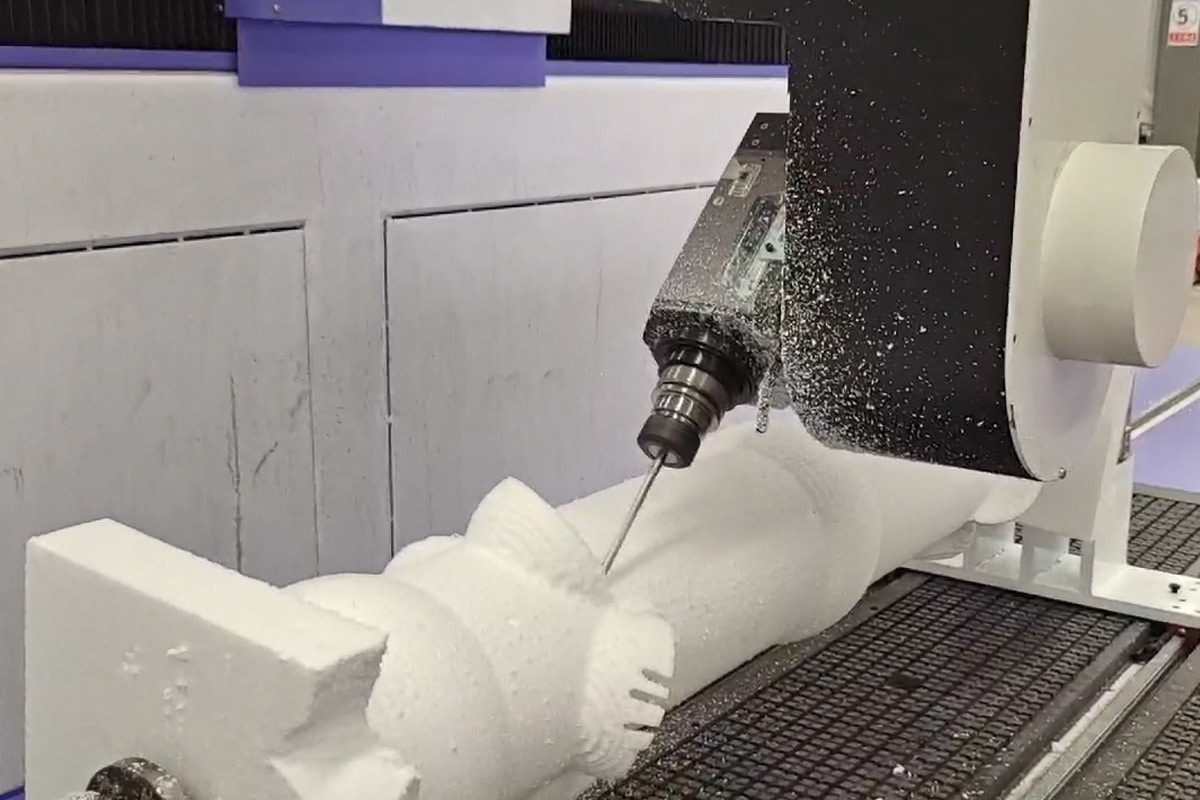
Foam machining with CNC routers has become an indispensable process in various industries, offering precise and efficient solutions for cutting, shaping, and creating foam-based products. From packaging and signage to prototyping and model making, CNC routers provide the accuracy and flexibility needed to work with foam materials, which can be challenging to machine due to their lightweight and unique physical properties. Whether you’re crafting intricate 3D signage, custom packaging inserts, or large-scale theatrical props, understanding the right tools, speeds, and techniques helps achieve high-quality results.
Each application has its own set of challenges and opportunities, and selecting the right techniques for each ensures efficiency and precision. In this article, we’ll explore the critical elements of foam machining, including the tools best suited for cutting different foam types, the optimal speeds and feed rates, and the wide range of applications where CNC routers excel. By the end of this article, you will have a clear understanding of the best practices for foam machining and the specific applications where CNC routers provide a significant advantage. Whether you’re new to CNC routing or looking to refine your skills, this guide will serve as an invaluable resource for mastering the art of foam machining.
Types of Foam Used in CNC Machining
CNC machining offers a precise and efficient way to work with a wide variety of foam materials, each with unique properties that make them ideal for different applications. Whether you’re designing lightweight packaging, crafting detailed prototypes, or producing functional components like insulation or cushioning, the right type of foam can significantly impact the quality and efficiency of your work. Below are the key foam types commonly used in CNC machining.
Polyurethane Foam
Polyurethane foam is one of the most versatile and widely utilized foam materials in CNC machining, offering a unique combination of flexibility and rigidity depending on its formulation. Available in a range of densities and hardness, this foam type is ideal for applications requiring both structural integrity and comfort. Here are the characteristics:
- Versatile: Polyurethane foam is available in both rigid and flexible forms, allowing it to be tailored to a wide range of applications. The material’s adaptability makes it suitable for industries like automotive, furniture, packaging, and prototyping.
- Lightweight: Despite its strength, polyurethane foam is relatively light, making it ideal for applications where weight is a critical factor.
- Insulating Properties: Excellent thermal and acoustic insulation make it a preferred choice for applications requiring soundproofing or temperature control.
- Easy to Machine: Polyurethane foam is easy to machine with CNC routers, especially when softer grades are used.
Polystyrene Foam
Polystyrene foam is a lightweight and cost-effective material commonly used in CNC machining for applications requiring ease of shaping and low weight. Known for its highly porous structure and insulation properties, this foam type is widely used in packaging, model making, and construction. Here are the characteristics:
- Lightweight and Low Density: Polystyrene foam is one of the lightest foam materials, making it ideal for projects that require weight savings.
- Porous Structure: It has a cellular, porous structure, which makes it easy to machine but also more fragile and prone to crumbling.
- Brittleness: Polystyrene foam tends to break or chip under stress, particularly when cut into intricate shapes. It requires careful handling during machining to avoid damage.
- Insulation: It offers thermal insulation properties, though not as effective as some other foams like polyurethane.
Expanded Polystyrene (EPS) Foam
Expanded Polystyrene (EPS) foam, a form of polystyrene foam made from small beads that expand and fuse, is widely used in CNC machining for its low cost, ease of fabrication, and excellent insulating properties. Its lightweight and porous nature makes it ideal for projects where both efficiency and minimal weight are essential. EPS is often seen in packaging and insulation, as well as in the creation of prototypes and models. Here are the characteristics:
- Cost-Effective: EPS foam is often chosen for its low cost and ease of production. It consists of small beads that expand and fuse to form a lightweight material.
- Porous and Lightweight: Like polystyrene foam, EPS is porous and light, which makes it highly efficient for applications that require large quantities of material with minimal weight.
- Brittleness: EPS foam, although highly machinable, is more fragile than some denser foam types and can be prone to crumbling or breaking under pressure.
- Good Insulator: It provides effective thermal insulation and is commonly used in the construction industry for wall and roof insulation.
Other Specialized Foams
This category includes foams with specialized properties that cater to specific industrial, commercial, or creative applications. These foams offer unique characteristics like higher density, moisture resistance, or improved mechanical strength compared to more common foam types.
- Polyethylene Foam: A closed-cell foam known for its durability, moisture resistance, and shock absorption qualities. It is more resistant to chemicals and UV rays than other foam types.
- Polypropylene Foam: Similar to polyethylene, polypropylene foam is highly durable and offers excellent chemical resistance. It also has high tensile strength and low moisture absorption.
- Memory Foam: Known for its ability to return to its original shape after compression. This foam is softer and more flexible than most others, making it ideal for applications where comfort and support are important.
- Latex Foam: A natural foam material with high elasticity and durability. Latex foam is often used in applications requiring both softness and resilience, such as bedding and cushioning.
- Rigid Urethane Foam: Offers excellent strength and rigidity, often used for structural purposes. It is denser and more durable than soft foams like EPS.
- Latex Foam: A natural foam material with high elasticity and durability. Latex foam is often used in applications requiring both softness and resilience, such as bedding and cushioning.
The choice of foam material for CNC machining depends largely on the specific application and the physical properties required for the project. While polyurethane and polystyrene foam are commonly used due to their versatility and ease of machining, expanded polystyrene (EPS) and other specialized foams like polyethylene, polypropylene, and memory foam offer unique advantages for particular industries and applications. By understanding the characteristics of each foam type, operators can optimize CNC machining processes to achieve precise, high-quality results tailored to the material’s strengths and limitations.
CNC Router Tools for Foam Machining
Machining foam with CNC routers requires selecting the right tools to ensure precision, efficiency, and a clean finish. The unique characteristics of foam mean specialized tools and techniques are needed to achieve optimal results without damaging the material or the equipment. CNC routers can be equipped with a variety of cutting tools, each designed to handle different foam types and achieve specific machining outcomes. Understanding the strengths and best use cases for each tool will help operators make informed decisions and achieve optimal results when working with foam.
Cutting Tools for Foam
CNC routers equipped with the right cutting tools can efficiently and precisely machine foam materials. Foam, due to its soft, porous, and sometimes fragile nature, requires specific tool designs to ensure smooth cutting, minimal material distortion, and reduced wear on tools.
- End Mills: One of the most versatile and widely used cutting tools for CNC foam machining. These tools come in various shapes, such as flat, ball-nose, and spiral, and are designed for a range of cutting applications. Flat end mills are ideal for making straight cuts, while ball-nose end mills excel in creating smooth curves and intricate 3D contours. Spiral end mills, particularly those with an up-cut or down-cut design, help minimize material chipping and achieve a smooth finish by controlling the direction of chip removal.
- Foam-Specific Bits: Specially designed tools optimized for cutting foam materials. These bits are engineered to minimize the issues commonly faced when machining foam, such as excessive heat buildup, clogging, and sticking of foam residue to the tool. These bits typically have a unique geometry, like spiral flutes, which help clear foam debris efficiently and prevent it from adhering to the cutting surface. Foam-specific bits come in different variations, such as up-cut or down-cut spiral bits, and each is suited to different foam densities and machining needs.
- Blades: Often used for larger foam machining tasks, especially when cutting thicker sheets of foam or making straight cuts with minimal effort. Oscillating blades, for example, work by rapidly moving back and forth, allowing for fast, clean cuts through dense foam without causing significant heat buildup. They are ideal for projects like foam block cutting, insulation panel shaping, or even creating detailed foam shapes. Blades are typically used in conjunction with CNC routers for more straightforward cutting tasks or when working with foams that are too thick or rigid for traditional milling tools.
Tool Material and Coatings
Choosing the right tool material ensures durability, precision, and resistance to wear and tear, which is especially important when working with different types of foam that may cause rapid tool degradation. Additionally, coatings can enhance tool performance by reducing friction, minimizing heat buildup, and preventing foam residue from sticking to the tool.
Tool Materials
- Carbide Tools: One of the most common materials used for CNC router tools due to its hardness, wear resistance, and ability to maintain sharp edges over long periods. Carbide tools can withstand the stresses of high-speed cutting and abrasive materials, making them ideal for more demanding foam types like high-density polyurethane. They offer long tool life, ensuring that operators can maintain consistent cut quality without frequent tool changes.
- High-Speed Steel (HSS) Tools: Another popular tool material, especially for softer foam types like polystyrene and expanded polystyrene (EPS). While HSS tools are not as durable or wear-resistant as carbide tools, they are more affordable and suitable for less demanding machining tasks. HSS tools are effective for general-purpose cutting and can be sharpened multiple times, making them cost-effective for projects that don’t require constant high-speed cutting or precision.
Coatings
- Titanium Nitride (TiN) Coating: A popular coating for CNC router tools due to its ability to reduce friction, minimize heat buildup, and increase tool life. TiN coatings provide a hard surface that improves cutting performance and helps the tool maintain its sharpness for a longer period. This coating also provides additional protection against corrosion, making the tools more durable when exposed to moisture or other environmental factors.
- Diamond-Like Carbon (DLC) Coating: Offers superior hardness, wear resistance, and friction reduction, making it ideal for cutting applications requiring high precision and durability. The coating’s smooth surface reduces the build-up of foam residue on the tool, leading to cleaner cuts and reduced material deformation. DLC coatings are especially beneficial when working with abrasive foams or dense materials that can cause rapid tool wear.
- Anti-Stick Coatings: Designed to reduce the amount of foam material that adheres to the tool during the cutting process. Foam, particularly soft foams like polyurethane and polystyrene, has a tendency to stick to the cutting surface, which can lead to clogging and uneven cuts. These coatings create a smooth surface that helps prevent foam from sticking, ensuring a cleaner, more efficient machining process.
Tool Wear and Maintenance
Proper tool maintenance and management are critical for ensuring consistent performance and high-quality results when machining foam materials with CNC routers. Foam machining, particularly when working with soft and porous materials, can cause rapid wear on tools if not properly managed.
- Sharpness: Keeping tools sharp is critical for achieving smooth cuts. Dull tools can cause excessive heat buildup, leading to melted foam or poor cut quality.
- Regular Inspection and Monitoring: Frequent inspection of cutting tools can detect wear early and prevent damage to both the tool and the workpiece. Look for signs of dullness, chipped edges, or coating degradation.
- Sharpening and Replacing Tools: Tools should be sharpened or replaced when signs of wear become evident. For carbide tools, professional sharpening is recommended to preserve their performance. HSS tools can often be sharpened multiple times, making them more cost-effective for certain applications.
- Cleaning and Lubrication: Regularly clean tools to remove foam residue, dust, or debris, and use lubrication when needed to reduce friction and improve cutting efficiency. Some foam materials, such as polyurethane, may require periodic cleaning to prevent buildup on the tool.
- Proper Tool Storage: When tools are not in use, store them in a dry, clean environment to prevent rust, corrosion, or damage. Avoid storing tools in places where they may be exposed to excessive moisture or dust. Using tool storage systems that protect cutting edges and keep tools organized can help extend their lifespan.
The selection of CNC router tools for foam machining can achieve clean, precise cuts and minimize issues such as tool wear, material distortion, and excessive dust. By understanding the characteristics of different foam materials and matching them with the appropriate tools, operators can minimize tool wear, reduce machining time, and improve overall accuracy. With the right combination of tools and techniques, CNC routers can efficiently transform foam into a wide variety of products, meeting both functional and aesthetic requirements with precision and ease.
Speeds and Feeds for Foam Machining
In CNC foam machining, achieving the optimal balance of speeds and feeds can ensure smooth, efficient, and high-quality cuts while minimizing material waste and tool wear. Foam materials are lightweight and often brittle, meaning they require specific adjustments to machining parameters, such as spindle speed (RPM) and feed rate (IPM), to achieve the best results. Selecting the right speeds and feeds for different types of foam helps maintain cutting precision, prevent material distortion, and extend the life of the tools.
Key Considerations for Speeds and Feeds
When determining the optimal speeds and feeds for CNC foam machining, several critical factors must be considered to ensure the best results. These considerations help to balance material removal efficiency with the quality of the cut, tool longevity, and overall machining performance.
- Foam Type and Density: The density of the foam material plays a major role in determining the optimal speeds and feeds. Softer foams, such as expanded polystyrene (EPS), require faster feed rates and lower spindle speeds to prevent excessive material compression or melting. Denser foams like rigid polyurethane, on the other hand, require slower feed rates and higher spindle speeds to ensure a clean cut and avoid heat buildup.
- Tool Material and Geometry: The material and geometry of the cutting tool are also key factors in determining the right speeds and feeds. For example, carbide tools, which are harder and more wear-resistant than HSS tools, can typically handle faster speeds without degradation. Additionally, tool geometry, such as the type of end mill (flat, ball-nose, spiral), affects the cutting action and the amount of material removed per pass, influencing both the feed rate and spindle speed.
- Machining Goal: The specific goal of the machining process also influences speeds and feeds. For roughing, higher feed rates are often used to quickly remove material, while for finishing, lower feed rates and slower spindle speeds are preferred to achieve smoother cuts and higher precision.
General Guidelines for Speeds and Feeds
The specific speeds and feeds depend on a variety of factors, including the foam material, tool type, and desired machining outcome. Below are general guidelines to help operators adjust their settings for different foam materials and achieve optimal machining performance.
- Spindle Speed (RPM): Typically measured in revolutions per minute (RPM). For softer foams like EPS and polystyrene, spindle speeds between 12,000 to 18,000 RPM are often recommended. Higher spindle speeds help to prevent heat buildup and allow the tool to cut through the foam efficiently. For denser foams such as polyurethane, slower spindle speeds (between 8,000 to 12,000 RPM) may be required to prevent overheating and excessive wear on the tool.
- Feed Rate (IPM): Measured in inches per minute (IPM), determines how fast the tool moves through the material. A higher feed rate removes material more quickly but can lead to rougher cuts if the tool isn’t sharp enough or the material isn’t properly supported. For softer foams like EPS and polystyrene, feed rates between 60–100 IPM are common, as these materials are easier to cut and don’t require as much force to penetrate. For denser foams like rigid polyurethane, a slower feed rate of about 30–60 IPM is typically recommended to ensure smoother cuts and to avoid stressing the tool or foam material too much.
- Depth of Cut: Refers to how deep the tool penetrates the foam with each pass. A shallower depth of cut is usually preferred to reduce heat generation and ensure cleaner, more accurate cuts. 0.05 to 0.1 inches per pass is a typical range for softer foams, while slightly deeper cuts may be used for denser materials, depending on the material’s rigidity.
Adjusting Speeds and Feeds for Specific Foam Types
Each foam material has unique characteristics that impact the speeds and feeds settings on a CNC router. Understanding how different foam types respond to machining is key to achieving optimal cutting results while minimizing tool wear, heat buildup, and material deformation.
Polyurethane Foam
Polyurethane foam is denser than EPS but still relatively soft. Slower feed rates and moderate spindle speeds are necessary to avoid melting or excessive heat buildup.
- Spindle Speed (RPM): Between 10,000 and 15,000 RPM is ideal for cutting this foam efficiently without generating too much heat.
- Feed Rate (IPM): Between 40 and 80 IPM is recommended to ensure smooth cuts without overloading the tool or creating excessive heat.
- Depth of Cut: For polyurethane foam, it is best to use a shallow depth of cut of around 0.05 to 0.1 inches per pass. Deeper cuts could lead to overheating, melting, and poor surface finishes.
Polystyrene Foam
Polystyrene foam, including both expanded and extruded forms, requires fast feed rates to minimize foam compression and maximize cutting efficiency.
- Spindle Speed (RPM): Between 12,000 and 18,000 RPM is effective in cutting through this material efficiently without excessive heat generation.
- Feed Rate (IPM): Between 80 to 120 IPM should be used to ensure fast and efficient material removal without excessive friction.
- Depth of Cut: For most cutting operations, a depth of cut between 0.05 and 0.1 inches is ideal. Cutting deeper in one pass could cause the material to melt, so using a multi-pass strategy is recommended for deeper cuts.
Expanded Polystyrene (EPS)
EPS is lightweight and easily machined, allowing for higher spindle speeds and faster feed rates. The material is relatively easy to cut, but care must be taken to avoid excessive chipping or tearing.
- Spindle Speed (RPM): Usually between 15,000 and 20,000 RPM, as this helps to quickly remove material without significant buildup. The high spindle speed also helps minimize the chance of chipping the foam during the cutting process.
- Feed Rate (IPM): 100 to 150 IPM is ideal for quickly machining EPS without causing excessive material compression or dust.
- Depth of Cut: For EPS, the depth of cut can be slightly deeper than for softer foams, with an ideal range of 0.1 to 0.15 inches per pass. However, keep in mind that deeper cuts may require additional passes to reduce the risk of overheating or deformation.
Choosing the right speeds and feeds for foam machining helps achieve optimal results in terms of both cut quality and tool longevity. Foam materials vary widely in terms of density, rigidity, and machinability, meaning that different foam types require different approaches to spindle speed, feed rate, and depth of cut. By understanding the material properties and following general guidelines for each foam type, operators can fine-tune their CNC settings to minimize material waste, reduce tool wear, and produce smooth, precise cuts. Regular adjustments and testing are key to mastering foam machining and ensuring consistent, high-quality output across various foam materials.
Key Considerations for Foam Machining
Foam machining, while efficient and versatile, comes with a unique set of challenges that require careful management to ensure high-quality cuts, prolonged tool life, and a smooth machining process. Three critical factors in foam machining are heat management, dust and debris control, and finishing processes. Each of these considerations plays a vital role in optimizing the CNC machining process, reducing material waste, and achieving the desired result.
Heat Management
Heat buildup is a significant concern when machining foam, especially with denser or tougher foam materials. As the cutting tool interacts with the foam, friction is generated, leading to increased temperatures. Foam materials are often sensitive to heat, and excessive temperatures can cause them to melt, deform, or discolor. Effective heat management helps prevent these issues and ensures clean cuts.
- Tool Material and Coating: Using tools with high heat resistance, such as carbide or tools coated with Titanium Nitride (TiN) or Diamond-Like Carbon (DLC), can help reduce friction and heat buildup during machining. These coatings help to dissipate heat more effectively, prolonging tool life and improving cutting efficiency.
- Proper Speeds and Feeds: Selecting the correct spindle speed and feed rate can also help control heat. Lower spindle speeds and feed rates are recommended for denser, heat-sensitive foams (e.g., high-density polyurethane), while higher speeds and feed rates are suitable for softer foams like EPS and polystyrene.
- Cooling Systems: Although foam machining typically does not require traditional coolant systems, mist cooling or air blasts can be used to reduce heat during cutting. These systems help maintain a stable cutting temperature, especially for denser materials that are more prone to overheating.
- Multi-Pass Cutting: When cutting deeper, it’s often better to use multiple shallow passes rather than a single deep cut. This approach reduces the amount of heat generated per pass and prevents material distortion.
Dust and Debris Control
Foam machining generates a significant amount of dust and debris, which can create several challenges during the machining process. Foam dust can clog up equipment, reduce visibility, and contribute to poor surface finishes. Implementing effective dust and debris control measures can maintain a clean working environment.
- Dust Collection Systems: A high-quality dust collection system is designed to remove the fine particles produced during machining, preventing them from accumulating on the workpiece, tools, or in the air.
- Air Blasts and Vacuum Systems: Using air blasts or vacuum systems in conjunction with dust collectors can help clear debris away from the cutting area more effectively. Air jets can push chips and foam particles off the tool and away from the workpiece, while vacuum systems can ensure the work area remains clear of dust buildup.
- Foam-Specific Cutting Tools: Certain tools are designed specifically for foam machining and are optimized for debris removal. Tools with spiral flutes or air vents are especially effective in keeping debris from accumulating on the cutting surface, enhancing the overall efficiency of the cutting process.
Finishing Processes
After the rough machining process, finishing processes refine the foam piece, ensuring smooth surfaces, precise edges, and meeting the required dimensional tolerances. Foam materials, particularly soft ones, can be prone to rough edges, fuzzing, or unwanted surface texture. Using the right techniques and tool choices for finishing helps achieve high-quality results.
- Light Passes for Smooth Finishing: For a clean, smooth finish, use light finishing passes with a slower feed rate and smaller depth of cut. This allows the tool to cut with greater precision and produce smoother surfaces.
- Edge Treatment: Foam, particularly expanded polystyrene (EPS) and polystyrene, can produce rough or fuzzy edges if not properly finished. To mitigate this, use down-cut milling or climb cutting to ensure the material is pressed down while being cut, which helps prevent fuzzing and improves edge quality.
- Post-Processing Techniques: Some foam materials may require post-processing to achieve the desired finish. Methods such as sanding or flame polishing are commonly used to smooth out rough surfaces or edges. These techniques help to remove any remaining tool marks or rough spots from the surface of the foam.
- Tool Selection for Finishing: Fine-toothed end mills and carbide-tipped tools are preferred for fine finishing work, as they can deliver smoother cuts and longer tool life. Additionally, using tools with appropriate coatings reduces heat and friction, improving the quality of the final surface.
Successful foam machining requires careful attention to heat management, dust and debris control, and finishing processes. Proper management of these factors ensures efficient material removal, prolongs tool life, and guarantees a high-quality finish on foam components. By selecting the right tools, optimizing tool paths, and utilizing cooling or dust control systems, operators can maintain a clean, controlled work environment that maximizes production efficiency. Moreover, employing effective finishing techniques ensures that foam parts meet the desired quality and performance standards, whether for industrial applications or aesthetic design.
Applications of CNC Foam Machining
CNC foam machining is a versatile and efficient technique widely used across various industries for producing a range of products. Foam materials, such as polystyrene, polyurethane, and expanded polystyrene (EPS), are lightweight, easy to shape, and offer excellent material properties for specific applications. By leveraging CNC routers, these foam materials can be cut, shaped, and detailed with high precision, making them ideal for a variety of applications. This section highlights the diverse uses of CNC foam machining and demonstrates its adaptability to different industry needs.
Signage and Display Construction
CNC foam machining is commonly used in the creation of signage and displays for both indoor and outdoor applications. Foam materials like high-density polyurethane and expanded polystyrene (EPS) are favored for their ability to be easily cut and shaped into detailed, dimensional lettering, logos, and other graphic elements. CNC routers allow for intricate designs, ensuring that signage has sharp edges, smooth surfaces, and accurate dimensions. These foam signs are lightweight, durable, and cost-effective, making them ideal for retail stores, trade shows, exhibitions, and outdoor advertising.
- Customization: CNC foam machining allows for easy customization of signage, such as sculpted logos, 3D lettering, and bespoke designs, without the limitations associated with traditional materials.
- Material Choices: Different types of foam, such as polystyrene for lightweight signs or polyurethane for more durable outdoor displays, can be selected based on the project’s specific requirements.
- Cost and Efficiency: CNC routers can cut foam quickly and with minimal waste, reducing material costs while maintaining high-quality standards for precision and surface finish.
Packaging and Protective Materials
Another major application of CNC foam machining is in the production of packaging and protective materials. Foam’s excellent cushioning properties make it an ideal material for safeguarding delicate items during shipping and storage. Using CNC routers, foam can be custom-cut into protective inserts, custom-shaped packaging, or protective cases for electronics, automotive parts, and fragile goods.
- Custom Fit: CNC foam machining allows for the creation of foam inserts that perfectly fit specific products, ensuring that items are securely cushioned during transport. This tailored packaging minimizes the risk of damage from impact or vibration.
- Types of Foam: Polyethylene foam and polyurethane foam are often used in packaging for their shock-absorbing qualities and durability, providing long-lasting protection for sensitive items.
- Efficiency: CNC foam machining speeds up the process of cutting foam into custom shapes, providing a quick and precise solution for packaging manufacturers, reducing material waste and increasing overall production efficiency.
Model Making and Prototyping
Model making and prototyping are some of the most popular applications of CNC foam machining, especially in industries like architecture, engineering, and product design. Foam is an excellent material for creating models, mockups, and prototypes due to its ease of machining, lightweight nature, and low cost. CNC routers allow designers and engineers to quickly create scaled models, detailed prototypes, and concept designs for testing, presentations, or client approvals.
- Rapid Prototyping: CNC foam machining is widely used in rapid prototyping, where quick and cost-effective models are required for testing design concepts, ergonomics, and functionality. Foam allows for the creation of prototypes without the expense and time required for traditional materials like metal or plastic.
- Precision and Detail: CNC routers can carve intricate details, such as fine textures and sharp edges, that would otherwise be difficult to achieve with manual methods. This makes foam ideal for architectural models, automotive prototypes, and product mockups.
- Cost-Effective: Foam is much cheaper to work with than materials like wood, metal, or resin, making it an ideal material for prototyping large-scale models or iterative designs.
Theatrical and Movie Set Design
In the entertainment industry, CNC foam machining is extensively used for theatrical and movie set design. Foam’s lightweight and malleable properties make it perfect for creating large, detailed props, scenery, and backdrops. CNC routers allow designers to carve intricate textures and complex shapes that are lightweight yet durable, which are ideal for large-scale productions.
- Set Construction: Foam is used for building large, lightweight structures that need to be transported and assembled quickly on set. CNC routers can produce complex, multi-dimensional elements like rocks, trees, or futuristic buildings that appear realistic on screen while being easy to handle.
- Cost and Time Efficiency: Traditional set construction materials, such as wood or metal, can be time-consuming and expensive to work with. CNC foam machining is an affordable and efficient alternative that reduces both material and labor costs.
- Customization: CNC routers provide the flexibility to create custom props and set pieces that fit the director’s vision. Foam can be shaped into detailed textures, such as bricks, wood, or stone, to mimic real-world materials while keeping the set lightweight and manageable.
CNC foam machining is a versatile and indispensable tool across several industries, offering precise, cost-effective solutions for creating a wide range of products. Whether it’s for signage and displays, packaging and protective materials, model making and prototyping, or theatrical and movie set design, CNC routers provide unmatched accuracy, speed, and customization. The ability to easily shape foam materials into intricate designs with minimal waste and fast turnaround times makes it a preferred choice for professionals in many fields. By adapting CNC foam machining to their specific needs, industries can produce high-quality products with greater efficiency and reduced costs.
Common Challenges in CNC Foam Machining
CNC foam machining offers an array of benefits, including precision, versatility, and the ability to handle complex designs, making it ideal for industries like signage, packaging, and model making. However, foam machining is not without its challenges. The nature of foam materials, tooling limitations, and machining speeds can pose difficulties that need to be managed carefully to achieve high-quality results.
Material-Specific Challenges
Different foam materials present unique challenges during CNC machining due to their varied properties, such as density, porosity, and susceptibility to heat. These factors can affect the cutting process, tool life, and final product quality.
- Soft and Fragile Materials: Softer foams like polystyrene and EPS are lightweight and easy to cut, but can be prone to deformation or fuzzing on the edges. These materials may also generate large amounts of debris, which can clog the tool or interfere with the cut. To prevent this, a slower feed rate and higher spindle speed are often required. Proper dust control and frequent tool maintenance are crucial for managing these materials.
- Heat Sensitivity: Many foam materials, such as polystyrene and polyurethane, are highly sensitive to heat. High spindle speeds and feed rates can lead to melting or burning at the cut edges, causing material distortion or poor surface finishes. Heat buildup can also affect the tool’s performance, leading to rapid wear or failure. This challenge can be mitigated by using multi-pass cutting techniques, adjusting the cutting parameters to slower speeds, and ensuring adequate heat dissipation with air blasts or cooling systems.
- Density Variability: Foam materials like polyurethane come in a range of densities, and this can affect the machining parameters. Denser foams require slower feed rates, lower spindle speeds, and shallower depths of cut to avoid excessive friction and heat generation. Inconsistent foam density can also result in uneven cutting and poor surface finishes. Careful calibration of CNC parameters based on foam density is essential.
Tooling Issues
Tool selection, wear, and maintenance are crucial aspects of CNC foam machining, as tools designed for harder materials may not perform optimally with foam. Choosing the wrong tool or failing to address tool wear can significantly impact both the quality and efficiency of foam machining.
- Tool Wear and Durability: Foam machining can be abrasive to tools, especially when cutting denser foams. The cutting edges may degrade quickly, leading to a rougher finish and decreased machining precision. Over time, tool wear can also increase the risk of material deformation and increase cutting time. To address this, carbide tools or tools with anti-stick coatings like TiN (Titanium Nitride) are recommended, as they offer better resistance to wear and heat.
- Clogging and Chip Removal: Soft foams like EPS can easily clog tools, particularly when using flat-end mills or blades that are not designed for efficient chip removal. Spiral end mills or foam-specific tools are more effective at evacuating foam chips, reducing the risk of clogging and ensuring smoother cuts. Regular cleaning of the tool and work area is also necessary to prevent debris buildup.
- Incorrect Tool Geometry: Using tools with the wrong geometry can lead to inefficient cuts and poor surface finishes. For instance, upcut end mills are often preferred for foam because they pull material upwards, clearing chips effectively. Using downcut mills or tools with steep cutting angles can cause excessive material compression and increase the risk of material sticking to the tool.
Machining Speed
Machining speed, which encompasses both spindle speed and feed rate. Improper adjustments can result in subpar cuts, excessive heat, and even damage to the material.
- Overheating and Material Deformation: Foam materials, particularly softer foams, are prone to melting or warping when exposed to excessive heat. Running the CNC router at too high of a spindle speed or feed rate can cause these materials to soften or deform, leading to poor surface finishes and a loss of precision. Lowering spindle speeds and feed rates, along with using shallow depths of cut, can help reduce heat and prevent these issues.
- Tool Speed vs. Material Speed: The optimal spindle speed for foam machining varies depending on the foam type and its density. Softer foams generally require higher spindle speeds to avoid excessive friction, whereas denser foams require lower speeds to prevent overheating. Feed rates must also be adjusted to complement the spindle speed; too high of a feed rate can cause tool strain, while too slow of a feed rate can lead to a rough finish and reduced material removal efficiency. Striking the right balance between speed and material resistance is key to efficient foam machining.
- Surface Finish and Speed: Achieving a smooth, fine surface finish on foam often requires a slower feed rate and lighter cuts, particularly for finishing passes. Faster machining speeds can lead to rougher edges, fuzzing, and undesirable texture. Therefore, adjusting the machining speed based on the desired surface finish is particularly important for applications like signage or model making, where precision is critical.
CNC foam machining is a powerful and efficient method for creating intricate designs and precise cuts in foam materials, but it comes with several challenges. Foam’s unique properties, such as heat sensitivity and varying densities, require careful adjustments in tool choice and machining parameters to ensure precision and smooth finishes. Tooling problems, including wear, clogging, and improper geometry, can significantly affect the machining process and the quality of the final product. By understanding these common challenges and implementing appropriate strategies, CNC router operators can ensure consistent, reliable results while minimizing waste and maximizing productivity in foam machining operations.
Best Practices for Successful Foam Machining
Achieving the best results in CNC foam machining requires careful attention to several key aspects of the process. From selecting the right tools to managing cutting speeds and ensuring safety, following best practices can optimize machining efficiency, reduce waste, and prolong tool life. This section outlines best practices that can help operators tackle common challenges and achieve high-quality outcomes in foam machining.
Tool Selection and Maintenance
Proper tool selection and regular maintenance help ensure efficient and high-quality foam machining. Choosing the right tool and maintaining it in optimal condition helps avoid premature tool wear, material deformation, and poor surface finishes.
- Choose Foam-Specific Tools: Selecting tools specifically designed for foam can achieve smooth, clean cuts, such as foam cutters, spiral end mills, or ball-nose end mills. These tools are designed to clear foam debris more effectively and reduce the risk of clogging, which can lead to poor machining results.
- Use Coated Tools: Tools with coatings like Titanium Nitride (TiN) or Diamond-Like Carbon (DLC) are excellent for foam machining. These coatings reduce friction, heat buildup, and tool wear, improving cutting efficiency and extending tool life.
- Regular Tool Maintenance: Proper tool maintenance helps prevent issues such as dull blades, excessive wear, and poor performance. Regularly cleaning tools and inspecting them for damage can help keep machining operations running smoothly. Tools should be sharpened or replaced when necessary to ensure consistent cutting quality.
- Monitor Tool Wear: Keep an eye on the condition of tools throughout the machining process. Signs of tool wear, such as a decrease in cutting performance or surface quality, should be addressed promptly to avoid producing defective parts or damaging the foam material.
Speed and Feed Adjustments
Speed and feed rates are key to achieving the optimal balance between material removal rate, surface finish, and tool life. Proper adjustments can significantly improve machining efficiency and prevent issues like overheating, material deformation, and tool wear.
- Match Speed to Foam Type: Different foam materials require different spindle speeds. Softer foams like EPS and polystyrene can handle higher speeds (up to 20,000 RPM), while denser foams like high-density polyurethane require slower speeds (around 8,000 to 12,000 RPM) to prevent overheating and poor finishes.
- Adjust Feed Rate for Material Density: Softer foams can tolerate higher feed rates (80 to 120 IPM), while denser materials should be cut at slower feed rates (40 to 60 IPM). Adjusting the feed rate ensures a smooth cut and reduces the risk of material deformation or tool strain.
- Optimize Depth of Cut: Shallow cuts are generally recommended for foam machining to minimize heat buildup. Use a multi-pass approach for deeper cuts, which helps reduce tool strain, improves material handling, and allows better heat dissipation.
- Test and Refine: It’s important to test different speeds and feeds when working with a new foam material to determine the optimal settings for the specific job. Testing small sections of the foam can help identify the best combination of speed and feed for a smooth and efficient cut.
Optimal Cutting Strategies
Using the right cutting strategy can make a significant difference in both the quality of the finished product and the overall efficiency of the machining process. By considering factors like tool path, cutting direction, and depth of cut, operators can optimize results.
- Spiral Tool Paths: Spiral or helical tool paths are excellent for cutting foam, as they allow for continuous and efficient material removal. This helps minimize the chances of material deformation, overheating, and excessive tool wear.
- Climb Cutting: Climb cutting (upcut milling) is generally preferred for foam machining as it provides a cleaner cut, reduces tool wear, and enhances material removal efficiency. Climb cutting helps prevent the foam from sticking to the tool and ensures smoother surfaces.
- Avoiding Material Deformation: To avoid material deformation, especially with softer foams like polystyrene, it’s best to make shallow cuts, use a slower feed rate, and work with finer tools. This prevents excessive pressure on the foam, which could cause it to compress or lose its shape.
- Using Multi-Pass Cuts: When working with denser foams or making deep cuts, it’s recommended to use multi-pass cutting. This allows the tool to remove smaller amounts of material at a time, reducing the risk of overheating, tool strain, and poor surface finishes.
- Tool Path Direction: Use raster paths for large, flat areas and contour paths for detailed shapes. These strategies ensure smooth, precise cuts while preventing excessive debris buildup and tool engagement.
Safety Considerations
Safety should always be a top priority when working with CNC machines, especially when machining foam materials that can create large amounts of dust and debris. Proper safety measures help protect both the operator and the equipment.
- Dust Collection and Ventilation: Foam machining generates a significant amount of dust, which can be hazardous to the operator’s health if inhaled. Dust collection systems should be used to capture foam particles at the cutting area. Additionally, proper ventilation should be in place to ensure that the work area is free of airborne particles.
- Personal Protective Equipment (PPE): Operators should always wear appropriate PPE, such as safety goggles, ear protection, and dust masks, especially when working with materials that generate fine dust particles. Gloves and arm protection are also recommended to prevent cuts from sharp edges or debris.
- Machine Calibration and Maintenance: Regularly inspect and calibrate the CNC router to ensure that it’s functioning properly. Routine machine maintenance reduces the risk of malfunction, improves safety, and ensures optimal performance throughout the machining process.
- Work Area Safety: Keep the work area organized and free from clutter to minimize the risk of accidents. Make sure that emergency stops and safety switches are easily accessible, and always follow manufacturer guidelines for the operation and maintenance of CNC machines.
By adhering to best practices, CNC foam machining can be executed efficiently and with high-quality results. Selecting the right tools, maintaining them regularly, and adjusting machining parameters to suit the foam material ensure that the cutting process is smooth, effective, and produces the desired outcome. Furthermore, prioritizing safety and maintaining a clean work environment reduces risks and enhances overall productivity. Following these best practices will help operators overcome challenges, reduce waste, and improve both the speed and precision of their foam machining operations.
Summarize
CNC foam machining offers precision, speed, and versatility, making it ideal for various applications such as signage, packaging, model making, and movie set design. By selecting the right tools, adjusting speeds and feeds, and employing proper cutting strategies, operators can achieve optimal results while minimizing tool wear, material deformation, and waste. Understanding foam materials’ specific characteristics, managing heat, dust, and debris, and maintaining equipment can ensure successful machining. With continued advancements in CNC technology, foam machining remains a valuable process for producing high-quality, cost-effective products across multiple industries.
For specific foam processing requirements, it is highly recommended to proactively consult with equipment manufacturers to obtain tailored, professional solutions that meet your unique needs. AccTek CNC, as a specialized manufacturer of CNC routers, offers a wide range of machine types designed to cater to diverse applications and material requirements. Whether you’re working with soft foams like polystyrene or denser materials like polyurethane, AccTek CNC can provide expert guidance and customized solutions to optimize your foam machining process. By consulting with AccTek CNC, you can ensure that your equipment is perfectly suited to your specific foam processing needs, helping you achieve the best results while enhancing efficiency, accuracy, and overall performance.