

- 10-15 Min Read
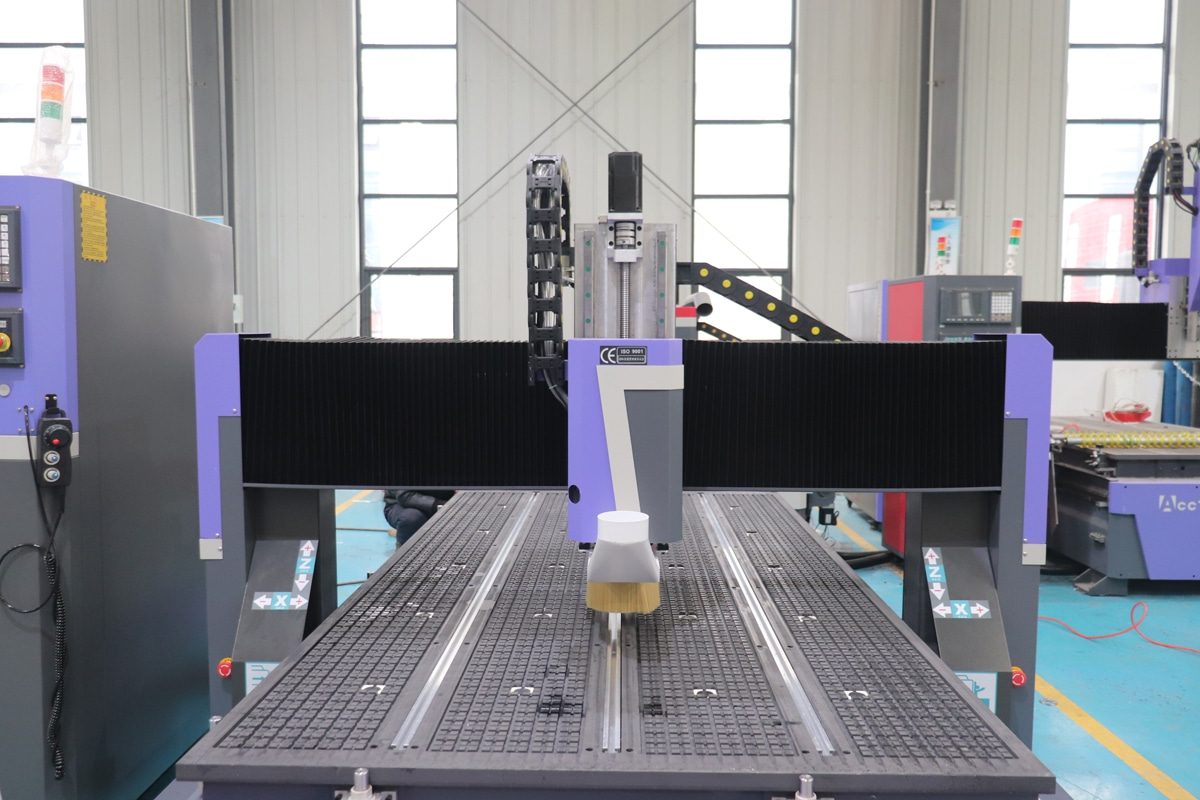
In CNC machining, precision begins with proper workholding. No matter how advanced your CNC router is, unstable material fixation can lead to dimensional errors, poor surface finishes, tool breakage, and wasted materials. Among the various workholding solutions available, vacuum tables and T-slot tables are two of the most widely used options. Each system offers distinct advantages and is designed to meet different production requirements, material types, and workflow demands.
Choosing between a vacuum table and a T-slot table is not simply a matter of preference; it depends on your material type, production volume, part complexity, and budget considerations. From full-sheet processing in high-volume production to flexible clamping for custom or irregular parts, the right table configuration can significantly influence productivity and machining quality. In this article, we will explore how vacuum tables and T-slot tables work, compare their strengths and limitations, and outline the key factors to consider so you can confidently choose the solution that best fits your operational needs.
Understanding CNC Router Workholding Systems
Workholding systems provide the necessary support and stability during CNC operations, from simple 3-axis cutting to complex multi-axis machining. Understanding the different types of workholding systems available and how they integrate with CNC routers is beneficial for selecting the right solution to meet specific production needs and material characteristics.
The Role of Tooling Fixtures in CNC Operations
Tooling fixtures are specialized devices used to accurately locate, support, and secure a workpiece during CNC machining. While the machine tool executes programmed movements with high precision, the fixture ensures the material remains in the exact intended position throughout the operation.
- Preventing Material Movement During Machining: During CNC machining, cutting tools generate significant forces, vibration, and rotational torque. Effective workholding systems restrict the workpiece’s degrees of freedom and keep it firmly in position throughout the entire machining cycle.
- Ensuring Cutting Accuracy and Surface Quality: Accurate machining depends on a stable reference point. When a workpiece is securely held, the CNC machine can follow programmed toolpaths precisely, maintaining tight tolerances and consistent depth control.
- Improving Safety and Reducing Scrap: Stable machining conditions decrease the likelihood of errors, rework, and rejected parts. By preventing scrap and minimizing downtime, an effective workholding system contributes directly to higher productivity and lower overall production costs.
Overview of CNC Router Tables
CNC router tables serve as the foundational platform that supports and secures materials during machining. They are engineered to provide a flat, stable, and rigid surface that maintains consistent alignment between the workpiece and the cutting tool. The design and structure of the table directly influence machining accuracy, vibration control, and overall operational efficiency.
- Common Materials and Structural Designs: CNC router tables are commonly made from aluminum profiles, steel frames, or composite materials to ensure strength and durability. Depending on production requirements, tables may feature different workholding configurations, such as vacuum surfaces for sheet materials or T-slot designs for mechanical clamping. Some advanced systems integrate hybrid designs that combine both methods, offering greater flexibility.
- Compatibility with 3-Axis, 4-Axis, and 5-Axis Systems: 3-Axis CNC routers are the most common type, and worktables typically provide a stable, fixed position and are equipped with simple workpiece clamping mechanisms. For 4-axis systems, tables may incorporate rotary fixtures or indexing systems to hold and rotate the workpiece while the machine cuts. 5-Axis systems are the most advanced CNC routers, table design must be extremely rigid to withstand the complex movements and to maintain accuracy across all axes during high-speed cutting.
Whether using clamps, vacuum systems, or specialized fixtures, each workholding method offers distinct advantages based on the material type, part geometry, and production volume. Properly chosen and implemented workholding systems ultimately enhance the overall performance of CNC routers, enabling consistent, accurate, and efficient machining across a variety of applications.
What Is a Vacuum Table?
A vacuum table is a CNC router workholding system that secures flat materials using suction instead of traditional mechanical clamps. It provides a stable and unobstructed surface, allowing the cutting tool to access the material freely while maintaining high precision. Vacuum tables are widely used in applications such as woodworking, acrylic fabrication, and sign-making, especially for full-sheet or delicate materials.
Working Principle
A vacuum table operates by creating negative air pressure between the table surface and the workpiece. This is achieved through a vacuum pump connected to a series of channels or perforations in the table. When the pump removes air, a suction force is generated, holding the material firmly in place. Many vacuum tables are divided into multiple zones, allowing selective activation depending on the workpiece size and shape. This zoning ensures efficient vacuum usage while maintaining a consistent holding force across the entire material surface.
Key Advantages
Vacuum tables offer several significant benefits that make them a popular choice for CNC routing, especially when working with flat materials or full sheets:
- Fast Setup and Increased Efficiency: Materials can be placed and removed quickly without adjusting clamps, reducing setup time and increasing overall production efficiency.
- Ideal for Large Sheets: Vacuum tables are particularly effective for holding full panels of wood, plastic, or composite materials.
- Even Holding Force Distribution: Suction is spread across the surface, reducing vibration and improving cutting accuracy.
- Clean Surface Clamping: Because there are no clamps pressing on the material, vacuum tables minimize the risk of surface marks, scratches, or other damage.
Limitations
While vacuum tables offer excellent efficiency and convenience, they also have certain limitations that should be carefully considered before making a selection:
- Not Ideal for Small or Narrow Parts: Smaller pieces may not provide enough surface area for sufficient suction.
- Dependence on Material Surface and Porosity: Highly porous materials can allow air to pass through, reducing vacuum holding strength.
- Air Leakage Sensitivity: Damaged seals, worn gaskets, or improperly covered zones may weaken the overall holding force.
- Higher Initial Cost: Vacuum tables typically require additional components such as vacuum pumps, pipelines, and zoning controls, resulting in higher upfront costs.
Typical Applications of a Vacuum Table
Vacuum tables are widely used in industries that require efficient and stable processing of flat sheet materials. Their ability to provide uniform suction across large surfaces makes them particularly suitable for high-speed and high-volume production environments.
- Woodworking and Cabinet Manufacturing: Processing MDF, plywood, and particle board panels.
- Sign-Making and Advertising: Cutting and engraving acrylic, PVC, and composite panels.
- Plastic and Composite Sheet Processing: Handling flat sheets such as ABS or HDPE.
- Door and Decorative Panel Manufacturing: Machining large panels that require stable and mark-free clamping.
A vacuum table offers a fast, efficient, and surface-friendly method of securing flat materials during CNC machining. Utilizing negative pressure and zoning systems, it enables quick setup, improved productivity, and consistent cutting accuracy. However, its performance depends on material characteristics, part size, and proper system maintenance. By carefully evaluating these factors, manufacturers can determine whether a vacuum table aligns with their workflow requirements and long-term production goals.
What Is a T-Slot Table?
A T-slot table is a mechanical workholding system used in CNC routers to secure materials with clamps and bolts. The table surface contains multiple T-shaped grooves that allow flexible positioning of fastening components. Unlike vacuum tables that rely on suction, a T-slot table uses direct mechanical force to hold the workpiece firmly in place, making it suitable for a wide range of materials and part geometries.
Working Principle
A T-slot table features parallel T-shaped grooves machined into an aluminum or steel surface. T-bolts or sliding nuts are inserted into these grooves, and clamps or fixtures are attached to secure the workpiece. The “T” shape prevents the bolts from lifting out during tightening, ensuring strong and stable clamping. Operators can position clamps anywhere along the slots, allowing adjustable and customized workholding configurations based on part size, shape, and machining requirements.
Key Advantages
T-slot tables offer durability, versatility, and strong clamping capability, making them ideal for customized machining tasks and small-batch production environments.
- High Flexibility: Clamps can be positioned freely along the slots to accommodate irregular shapes and various material sizes.
- Strong Mechanical Holding Force: Provides powerful and reliable fixation, making T-slot tables suitable for heavy materials, thick workpieces, and aggressive cutting operations.
- Suitable for Small Parts: Ideal for securing smaller components or narrow strips that may not generate enough suction on a vacuum table.
- Lower Initial Investment: T-slot tables do not require vacuum pumps, pipelines, or sealing systems, which reduces equipment costs.
Limitations
While T-slot tables provide strong and flexible mechanical clamping, they may reduce efficiency in large-scale sheet processing that should be carefully considered before making a selection:
- Longer Setup Time: Unlike vacuum tables that allow quick sheet placement, T-slot tables require manual positioning and tightening of clamps increase preparation time.
- Risk of Toolpath Obstruction: Clamps and fixtures improperly placed can limit machining areas or require additional repositioning during the job.
- Lower Efficiency for Full-Sheet Processing: Securing large panels with multiple clamps can be time-consuming and less practical, making T-slot tables less ideal for nesting or mass sheet production.
- Potential Surface Marks or Deformation: Direct mechanical pressure from clamps may leave marks on soft or finished materials.
Typical Applications
T-slot tables are versatile workholding systems commonly used in CNC machining environments where mechanical clamping is preferred. They are particularly effective for materials and part shapes that are difficult to hold with vacuum systems.
- Custom Woodworking: Handling unique or irregularly shaped pieces.
- Aluminum and Light Metal Machining: Providing strong mechanical clamping for rigid materials.
- Prototype and Small-Batch Production: A flexible setup is ideal for low-volume manufacturing.
- Thick or Heavy Workpieces: Mechanical clamping ensures stability during heavy cutting operations.
T-slot tables offer a versatile, reliable, and cost-effective method for securing materials in CNC operations. Their strong mechanical clamping, flexible positioning, and compatibility with a wide range of workpieces make them ideal for custom, small-batch, and heavy-duty machining tasks. However, they require careful setup, proper clamp placement, and more preparation time compared to vacuum systems. By considering these factors, manufacturers can determine when a T-slot table is the most suitable workholding solution for achieving precise, efficient, and safe machining results.
Factors to Consider When Choosing a Table for Your CNC Router
Choosing the right table for your CNC router is a decision that directly impacts machining accuracy, productivity, and overall workflow efficiency. The table serves as the foundation for material support and workholding, so you need to select a system that aligns with your materials, part sizes, and production requirements. Factors such as material type, production volume, part geometry, budget, and workshop conditions all play a role in determining whether a vacuum table or a T-slot table is the best fit for your operations. Understanding these considerations helps ensure that your CNC router performs at its full potential while minimizing errors, downtime, and material waste.
Material Type
- Porosity and Surface Finish: Vacuum tables require flat, non-porous surfaces for effective suction. Materials like MDF, acrylic, or PVC are ideal, while highly porous or uneven surfaces may reduce holding strength.
- Thickness and Weight: Heavier or thicker materials may be better suited to mechanical clamping on a T-slot table, which can provide strong, stable fixation.
Production Volume
- High-Volume Sheet Processing: Vacuum tables excel in nesting operations and full-sheet machining, allowing fast loading and unloading for mass production.
- Low-Volume or Custom Jobs: T-slot tables are more flexible for small batches, prototypes, or irregularly shaped parts where vacuum suction may be ineffective.
Part Size and Shape
- Large, Flat Sheets: Vacuum tables are ideal for uniform, full panels, maximizing surface area and efficiency.
- Irregular or Small Components: T-slot tables offer adjustable clamping positions, making them more suitable for non-standard shapes or tiny parts.
Budget and ROI
- Initial Investment: Vacuum tables typically cost more upfront due to pumps, seals, and zoning systems.
- Long-Term Productivity: Consider how the table type affects efficiency, material utilization, and operator time. A higher initial cost may be justified if it significantly speeds up production.
Workshop Environment
- Power Requirements: Vacuum tables require a dedicated vacuum pump and may need extra air filtration or maintenance.
- Dust and Debris: T-slot tables may be easier to maintain in dusty environments, while vacuum tables require clean channels and seals for reliable suction.
Flexibility and Future Needs
- Versatility: If your business handles a wide range of materials and part sizes, consider a hybrid solution or a table system that can accommodate both mechanical and vacuum workholding.
- Expansion: Consider whether the table can support future workflow upgrades, such as adding rotary axes or multi-material processing.
Selecting the appropriate CNC router table requires careful evaluation of multiple factors, from material characteristics and part complexity to production volume and budget constraints. By considering these elements, manufacturers can choose a workholding solution that maximizes precision, efficiency, and safety while meeting both current and future workflow needs. Whether opting for a vacuum table, a T-slot table, or a combination of both, making an informed choice ensures consistent, high-quality machining results and long-term operational success.
Hybrid Solutions: Combining Vacuum and T-Slot Tables
In many CNC operations, a single type of workholding system may not meet all production requirements. Large flat sheets, small components, irregular shapes, and varying material types often demand different clamping methods. Hybrid tables, which combine vacuum and T-slot systems, offer a versatile solution by integrating suction-based holding with mechanical clamping in one platform. This combination allows manufacturers to handle diverse materials and part geometries efficiently, improving workflow flexibility, reducing setup times, and maintaining high machining precision.
How Hybrid Tables Work
Hybrid tables typically integrate vacuum zones with T-slot grooves on the same surface. Operators can use the vacuum system for full-sheet machining, where fast loading, even holding, and unobstructed tool access are priorities. Simultaneously, the T-slots allow clamps or fixtures to secure smaller components, irregular shapes, or materials that are porous or difficult to hold with suction alone. Some hybrid systems also include modular or removable sections, enabling the table to be customized for different job requirements.
Advantages of Hybrid Solutions
Hybrid CNC router tables combine the benefits of both vacuum and T-slot systems, offering several distinct advantages for manufacturers dealing with diverse materials and production needs:
- Maximum Flexibility: Hybrid tables can hold a wide variety of materials, sizes, and shapes. Vacuum zones are ideal for large flat sheets, while T-slot clamping secures small, irregular, or heavy workpieces.
- Improved Productivity: Vacuum zones speed up large-sheet processing, while T-slots handle smaller or irregular parts without additional setups, minimizing downtime between different jobs.
- Enhanced Accuracy and Stability: Combining both methods provides consistent and stable holding, reducing vibration and tool deflection, which improves overall machining precision.
- Future-Proofing and Adaptability: Hybrid systems can adapt to changing production demands, supporting both current operations and future material or part requirements.
Considerations
While hybrid tables offer many benefits, they also involve higher initial costs and more complex maintenance. Operators must understand how to switch between vacuum and mechanical clamping effectively and ensure that the table’s zones and fixtures are properly maintained for reliable performance.
Hybrid tables provide the best of both worlds, offering the speed and clean surface benefits of vacuum workholding alongside the strength and adaptability of T-slot clamping. By accommodating a wide range of materials, sizes, and shapes in a single setup, they enhance efficiency, accuracy, and productivity. While they require careful setup and maintenance, hybrid solutions are ideal for CNC shops that demand versatility and long-term adaptability in their machining operations.
How Professional CNC Manufacturers Support Your Decision
Choosing the right CNC router table can be a challenging decision, as it directly affects machining accuracy, efficiency, and workflow flexibility. Professional CNC manufacturers play a vital role in guiding this decision by offering expert advice, tailored solutions, and technical support. Their expertise helps you evaluate whether a vacuum table, T-slot table, or hybrid system best suits your materials, part sizes, and production requirements, ensuring that your investment delivers long-term value and optimal performance.
- Expert Consultation: Professional CNC router manufacturers provide personalized consultation to assess your workflow, materials, part sizes, and production volume. By understanding your specific applications, they can recommend whether a vacuum table, T-slot table, or hybrid system will deliver the best combination of efficiency, precision, and versatility.
- Customization Options: Leading CNC manufacturers often offer customizable table configurations. This includes adjustable vacuum zones, modular T-slot layouts, or hybrid solutions tailored to your material types and production requirements. Such customization ensures that your CNC router can handle current operations and adapt to future workflow changes.
- Technical Support and Training: Manufacturers support your decision by providing technical guidance on the proper setup, operation, and maintenance of the workholding system. Training ensures that operators use the table effectively, minimizing errors, downtime, and material waste while maximizing cutting accuracy and productivity.
- After-Sales Service: Reliable manufacturers offer ongoing after-sales support, including maintenance, spare parts, and troubleshooting assistance. This ensures that your table continues to perform optimally over time, protecting your investment and maintaining consistent machining quality.
Professional CNC manufacturers support your decision by providing customized recommendations, training, and ongoing after-sales service. With their guidance, you can select a workholding system that maximizes productivity, maintains precision, and adapts to evolving production needs. Partnering with a knowledgeable manufacturer ensures that your CNC router operates efficiently and reliably, giving you confidence in both your equipment and your machining results.
Summarize
Choosing between a vacuum table and a T-slot table depends on your materials, part sizes, and production needs. Vacuum tables are ideal for large, flat sheets and high-volume operations, while T-slot tables offer strong mechanical clamping. For shops with diverse requirements, hybrid solutions that combine both systems can provide maximum versatility and efficiency. By carefully assessing your workflow and workpiece characteristics, you can select the table that ensures precision, productivity, and consistent high-quality results for your CNC operations. Continue reading “How to Maintain the CNC Router Vacuum Table Suction Performance?” to learn how to solve common problems related to suction loss.
If you’re looking for reliable CNC routing solutions, AccTek CNC is a professional manufacturer that offers a wide range of machine models to suit different materials, part sizes, and production requirements. Whether you need a standard 3-axis router, a 4- or 5-axis system, or an ATC CNC router for higher efficiency, AccTek can provide machines tailored to your specific workflow. Their ability to customize machines ensures that each system meets your unique operational needs, delivering precision, durability, and consistent high-quality results. For businesses seeking flexible and dependable CNC solutions, AccTek CNC is a trusted partner that can help optimize productivity and achieve professional-grade machining outcomes.