

- 25-35 Min Read
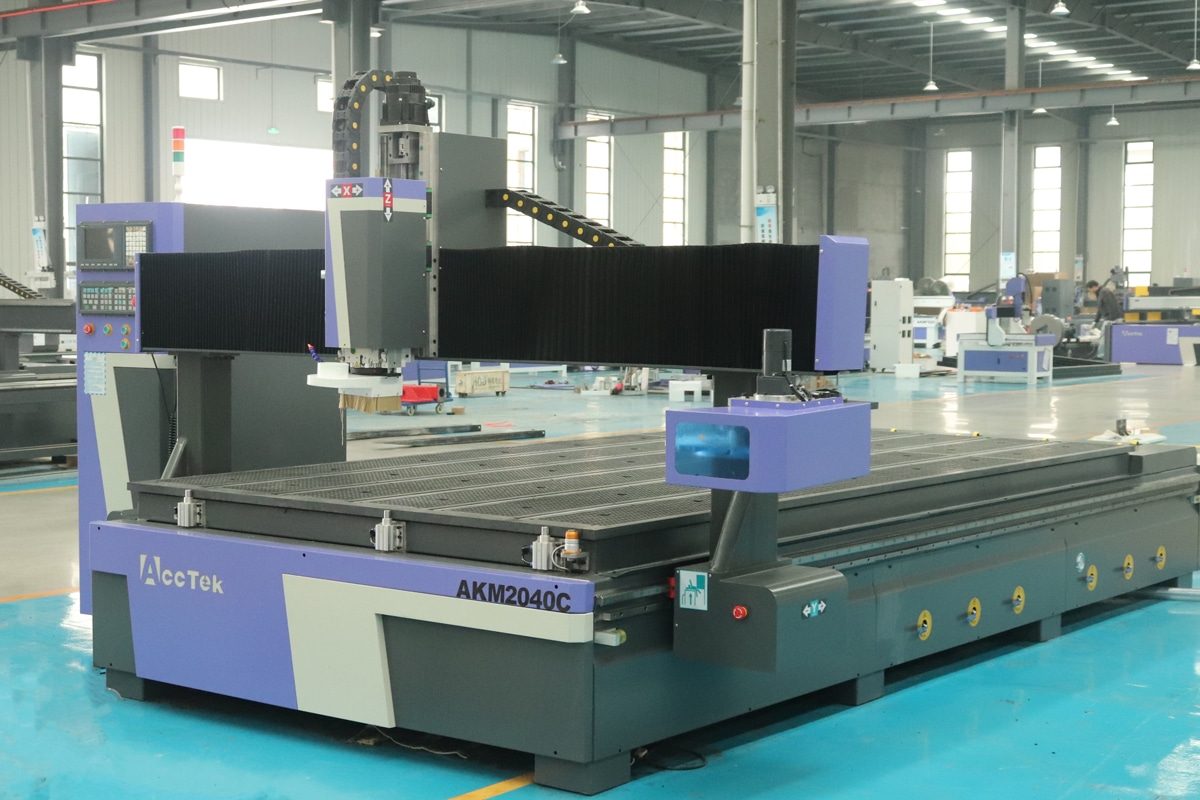
ATC CNC routers have become an essential solution for manufacturers seeking higher productivity, precision, and automation in modern machining operations. Unlike standard CNC routers that require manual tool replacement, ATC CNC routers can automatically switch between multiple tools during a single machining cycle, significantly reducing downtime and improving workflow efficiency. This capability makes them especially valuable for industries such as furniture manufacturing, cabinetry, advertising, and custom woodworking, where complex machining tasks often require multiple cutting, drilling, carving, and engraving operations.
However, not all ATC CNC routers offer the same level of performance, reliability, or functionality. Choosing the right machine involves much more than simply comparing prices or spindle power. Understanding features can help businesses select an ATC CNC router that matches their production requirements, material types, and future growth plans. This article explores the top features you should look for in an ATC CNC router and explains why each feature matters. Whether you are upgrading from a standard CNC router or investing in an advanced automated solution for the first time, this guide will help you make a more informed and confident purchasing decision.
Understanding ATC CNC Routers
As CNC machining continues to evolve toward higher levels of automation and efficiency, ATC CNC routers have emerged as a key solution for modern manufacturing demands. To fully evaluate their value, it is essential to first understand what they are, how they function, and their advantages. By gaining a clear understanding of these core concepts, users can better appreciate how ATC CNC routers enhance production efficiency, improve machining accuracy, and support a wider range of industrial applications.
What Is an ATC CNC Router?
An ATC CNC router is a computer-controlled machining machine equipped with an Automatic Tool Changer system that allows the machine to switch cutting tools automatically during the machining process. This feature enables the router to perform multiple operations—such as cutting, drilling, carving, grooving, and engraving—without requiring the operator to stop the machine and manually replace tools.
- Definition of ATC: ATC stands for “Automatic Tool Changer.”It is a mechanical and automated system integrated into a CNC router that stores multiple cutting tools and changes them automatically according to the machining program. Instead of relying on manual tool replacement, the ATC system allows the machine to quickly select the correct tool for each operation, reducing downtime and minimizing human error. The ATC system is especially important in applications where different tools are required throughout a single machining cycle. For example, a woodworking project may require one tool for rough cutting, another for slotting, and another for detailed engraving. With an ATC system, all these operations can be completed automatically and continuously.
- How ATC Systems Work: An ATC system operates through coordination between the CNC controller, spindle, and tool magazine. The machine stores multiple tools in designated holders, which may be arranged in a linear rack, carousel, or chain-type tool changer. Each tool has a specific position and identification within the system. During machining, the CNC controller follows the programmed tool path and determines when a tool change is required. The spindle automatically moves to the tool changer position, releases the current tool, and picks up the next required tool from the magazine. Once the new tool is secured, the machine continues machining without interrupting production.
Advantages of ATC CNC Routers
ATC CNC routers have become increasingly popular in modern manufacturing because they offer higher efficiency, greater automation, and improved machining precision compared to standard CNC routers. Here are the key advantages that make ATC CNC routers an ideal choice for professional and industrial machining applications.
- Increased Production Efficiency: The automatic tool changer allows the machine to switch between different cutting tools without stopping the machining process, significantly reducing downtime caused by manual tool replacement. This enables faster production cycles and higher overall output.
- Reduced Manual Labor: ATC CNC routers minimize the need for operator intervention during machining. Since the machine automatically changes tools according to the programmed instructions, operators spend less time performing manual adjustments and tool replacements.
- Improved Machining Accuracy: Automatic tool changing systems help maintain consistent tool positioning and alignment during machining. Because tool changes are controlled precisely by the machine, the risk of human error is greatly reduced. This results in higher machining accuracy and improved product quality.
- Ability to Perform Multiple Operations: ATC CNC routers can complete several machining processes within a single work cycle. The machine can automatically switch between tools for cutting, drilling, carving, grooving, slotting, and engraving without interrupting production.
- Faster Processing of Complex Projects: Projects that require multiple tools and intricate machining operations can be completed much more efficiently with an ATC CNC router. The machine can automatically follow programmed tool paths and tool changes, reducing setup time and simplifying the production process for complicated designs.
- Better Consistency in Batch Production: ATC CNC routers ensure that every workpiece is machined using the same automated process, maintaining stable quality across large production runs. This is particularly beneficial for industries such as furniture manufacturing and cabinet production.
- Reduced Risk of Human Error: Manual tool changes on standard CNC routers can sometimes lead to incorrect tool installation, positioning mistakes, or operational delays. ATC CNC routers automate the tool-changing process, reducing the likelihood of operator errors and improving production reliability.
- Enhanced Flexibility: ATC CNC routers can handle a wide variety of materials and machining tasks. By using different tools within one automated process, the machine can adapt to changing production requirements more easily. This flexibility is valuable for customized manufacturing and multi-product production environments.
ATC CNC routers represent a significant advancement in CNC technology by combining precision machining with automated tool management. Understanding their structure, working principles, and advantages provides a solid foundation for evaluating their suitability in different production environments. With this knowledge, users can better appreciate how ATC systems contribute to higher productivity, improved accuracy, and more efficient manufacturing workflows.
Machine Structure and Frame Quality
The machine structure and frame quality are among the most critical factors influencing the performance of an ATC CNC router. As the physical foundation that supports all mechanical and motion components, the frame determines how well the machine can maintain stability during high-speed, multi-axis, and multi-tool machining operations. A properly engineered structure ensures that cutting forces are effectively absorbed and distributed, allowing the machine to operate with precision and consistency even under demanding workloads.
Heavy-Duty Machine Frame
A heavy-duty machine frame directly influences its stability, accuracy, and durability during operation. Since ATC CNC routers are designed for high-speed and multi-tool machining, a rigid and well-built frame withstands continuous cutting forces while maintaining precise motion control.
- Importance of Rigid Steel Construction: Steel offers excellent strength, durability, and load-bearing capacity, making it ideal for supporting heavy machining components and continuous industrial operation. When the frame is welded and properly stress-relieved, it ensures long-term structural integrity and minimizes the risk of deformation over time, even under constant cutting pressure and high-speed movement.
- How Frame Stability Affects Machining Accuracy: A stable structure keeps all mechanical components properly aligned during operation. If the frame lacks rigidity, even slight vibrations or flexing can lead to positioning errors, uneven cutting depths, and reduced dimensional accuracy. In contrast, a highly stable frame allows the machine to maintain consistent tool paths and precise movements.
- Benefits of Vibration Reduction: During high-speed cutting or when processing dense materials, vibrations can negatively impact surface finish, shorten tool life, and increase wear on machine components. A rigid frame effectively absorbs and disperses cutting forces, resulting in smoother operation, cleaner edges, and improved surface quality. Reduced vibration also enhances overall machine reliability and helps maintain consistent performance during long production cycles.
Gantry Design
The gantry structure directly affects the machine’s stability, motion accuracy, and overall cutting performance. Supporting and guiding movement along key axes, the gantry must be both strong and precisely engineered to handle high-speed operation and continuous cutting loads.
- Fixed Gantry vs. Moving Gantry Structures: In a fixed gantry structure, the gantry remains stationary while the worktable moves along the axes. This design offers higher stability and is commonly used for heavy-duty machining applications where precision is a priority. In contrast, a moving gantry structure keeps the worktable fixed while the gantry itself moves, which can provide faster operation and better suitability for larger or lighter materials.
- Importance of Gantry Strength and Balance: A well-engineered gantry must be rigid enough to resist deformation during high-speed movement and cutting pressure. Proper balance ensures that both sides of the gantry move synchronously, preventing uneven force distribution and mechanical stress. High-quality gantry construction typically uses reinforced steel or cast iron components to enhance stability and reduce the risk of vibration or misalignment.
- Impact on Speed and Precision: A strong and stable gantry allows the machine to operate at higher feed rates without sacrificing accuracy. It also ensures smoother motion along the X and Y axes, reducing vibration and improving surface finish quality. When the gantry lacks rigidity or balance, it can lead to positioning errors, reduced cutting quality, and limitations on operating speed.
Table Structure and Work Surface
As the foundation that supports the material during processing, the table must provide secure and consistent holding under different cutting conditions and workpiece types. Various table designs are available to meet different production needs, each offering unique advantages in terms of clamping method, flexibility, and operational convenience.
- Vacuum Table Systems: These use a vacuum pump to securely hold materials in place through suction. This type of work surface is especially effective for processing sheet materials such as MDF, plywood, acrylic, and plastics. It allows for quick loading and unloading, reduces setup time, and ensures even clamping pressure across the entire workpiece, which helps maintain consistent machining accuracy.
- T-Slot Clamping Tables: These use mechanical clamps that are fixed into T-shaped grooves on the table surface. This traditional clamping method provides a strong and reliable holding force, making it suitable for irregular, heavy, or small workpieces that may not be ideal for vacuum suction. T-slot systems offer high flexibility in positioning and are widely used in applications requiring precise manual setup.
- Combined Vacuum and T-Slot Tables: Some ATC CNC routers feature a combination of vacuum and T-slot table designs, offering the advantages of both systems. Users can switch between vacuum suction for sheet materials and mechanical clamping for special or irregular workpieces. This hybrid approach enhances versatility and allows the machine to handle a wider range of production tasks efficiently.
The machine structure and frame quality play a decisive role in the reliability and performance of an ATC CNC router. A rigid, well-designed frame provides the stability needed for precise motion control, reduced vibration, and consistent machining results over time. By supporting all key components in proper alignment, a strong structural foundation not only enhances cutting accuracy but also extends machine lifespan and improves operational efficiency. Investing in a solid and well-engineered structure ultimately leads to better accuracy, reduced vibration, and more reliable production outcomes.
Automatic Tool Changer System
The Automatic Tool Changer (ATC) system is the core feature that distinguishes ATC CNC routers from standard CNC machines. It enables the machine to automatically switch between multiple cutting tools during operation without manual intervention, allowing continuous and efficient multi-process machining. To better understand the value of ATC CNC technology, it is essential to examine how the tool changer integrates with the machine structure, controller system, and spindle to deliver seamless automation in modern manufacturing.
Types of ATC Systems
The Automatic Tool Changer (ATC) system is available in several different configurations, each designed to meet specific production requirements and machining demands. These variations differ in tool storage capacity, change speed, structural design, and overall application suitability.
- Linear Tool Changers: These store cutting tools in a straight-line rack, usually positioned along one side of the machine bed or gantry. During operation, the spindle moves to the tool position to complete automatic tool changes. This structure is simple, cost-effective, and easy to maintain. Linear ATC systems are commonly used in small to medium production setups where tool capacity requirements are moderate and space efficiency is important.
- Carousel Tool Changers: These arrange tools in a circular or rotating disk structure. The system rotates to position the required tool before the spindle picks it up. This design offers faster tool change speeds compared to linear systems and is widely used in mid- to high-performance ATC CNC routers. It provides a good balance between tool capacity, speed, and machine footprint.
- Comparison of Different ATC Configurations: Each ATC system offers distinct advantages depending on production needs. Linear tool changers are simple and economical but have limited tool capacity and a slower change speed. Carousel systems provide faster operation and moderate tool storage, making them suitable for balanced performance requirements. Choosing the right configuration depends on factors such as production volume, machining complexity, and budget.
Tool Capacity
Tool capacity defines how many tools the machine can store and automatically switch between, directly affecting workflow flexibility and production continuity. Before selecting an ATC system, understanding tool capacity helps ensure the machine can meet the complexity and volume requirements of your specific applications.
- Number of Tool Holders: Depending on the machine configuration, this can range from a small set of a few tools to a large library holding dozens of cutting tools. Each tool holder is assigned a specific position, allowing the CNC system to quickly and accurately retrieve the required tool during machining operations.
- Matching Tool Capacity to Production Requirements: Choosing the right tool capacity depends largely on production needs and machining complexity. For simpler tasks that involve limited tool changes, a smaller tool capacity may be sufficient and more cost-effective. However, for complex machining projects that require multiple operations. a larger tool capacity ensures smoother workflow and reduces the need for manual intervention or tool reconfiguration.
- Advantages of Larger Tool Libraries: A larger tool library significantly improves machining flexibility and efficiency. It allows the machine to handle more complex parts in a single setup, reducing downtime and increasing productivity. With more tools available, operators can assign specific tools for different materials and processes, improving precision and reducing tool wear.
Tool Change Speed and Accuracy
Tool change speed and accuracy are key performance indicators of an ATC CNC router, directly influencing overall machining efficiency and product quality. While fast tool switching reduces production time and improves workflow continuity, precise tool positioning ensures consistent cutting performance and dimensional accuracy.
- Importance of Fast Tool Exchange: The quicker the machine can switch between tools, the less idle time is required during machining cycles. This is especially important in complex projects involving multiple operations, where frequent tool changes are necessary. A high-speed ATC system helps shorten production time and increase output capacity.
- Precision Positioning During Tool Changes: Each tool must be positioned and locked precisely to ensure consistent machining results. High-quality ATC systems use precise mechanical alignment and stable tool holders to guarantee that every tool is installed in the correct position. This ensures reliable cutting performance and maintains tight machining tolerances across different operations.
- Reducing Downtime and Production Interruptions: Automating the tool switching process, the machine can continue operating smoothly without manual intervention. This improves workflow continuity, enhances productivity, and allows manufacturers to complete complex machining tasks in a shorter time while maintaining consistent quality.
The Automatic Tool Changer system is a key technology that significantly enhances the efficiency, flexibility, and automation level of CNC routing operations. By reducing downtime associated with manual tool changes and ensuring precise tool selection during machining, the ATC system improves productivity and consistency in manufacturing processes. Its integration is essential for industries that require high-volume, complex, and multi-step machining tasks.
Spindle Performance
As the core component responsible for driving the cutting tool, the spindle directly influences cutting power, machining speed, precision, surface finish quality, and operational stability. Whether processing wood, plastics, composites, or other materials, the spindle must deliver consistent performance under varying workloads and operating conditions. A properly matched spindle improves machining efficiency, reduces tool wear, enhances surface quality, and supports long-term reliable operation. For this reason, evaluating spindle performance is a critical step when choosing an ATC CNC router for industrial or commercial applications.
Spindle Power
Spindle power directly influences cutting strength, processing speed, and overall machine performance. Understanding spindle power helps users select the right configuration to match their production requirements, ensuring both efficiency and machining quality in various applications.
- Common Spindle Power Ranges: ATC CNC router spindles are available in a variety of power ratings, typically ranging from 6 kW to 12 kW for standard industrial applications. Lower-power spindles are generally used for light engraving and precision work, while higher-power spindles are designed for more demanding cutting tasks and continuous operation.
- Matching Spindle Power to Materials and Workloads: Softer materials such as MDF, acrylic, and plastics require less spindle power, while hardwood, composite materials, and dense boards demand higher power for stable and efficient cutting. Matching spindle power to production needs ensures optimal cutting performance, reduces tool wear, and improves overall machining quality.
Spindle Speed
Spindle speed directly affects cutting efficiency, surface finish quality, and tool life. Different materials and machining processes require different RPM settings to achieve the best results. Understanding how spindle speed influences cutting conditions helps operators optimize machining quality while maintaining stable and efficient production performance.
- RPM Considerations for Different Materials: Different materials require different spindle speed settings to achieve optimal results. Softer materials such as wood, MDF, acrylic, and plastics are typically processed at higher RPMs to ensure smooth cutting and clean edges. Harder materials or dense composites may require lower spindle speeds to reduce heat generation, prevent tool damage, and maintain stable cutting performance.
- Balancing Speed and Cutting Quality: Excessively high spindle speeds can cause overheating, burning, or premature tool wear, while speeds that are too low may result in rough surfaces, vibration, or inefficient cutting. Proper spindle speed selection allows the machine to maintain stable cutting conditions, improve surface finish quality, and extend tool lifespan. Optimized speed settings also contribute to higher productivity by enabling smoother and more accurate machining operations.
Air-Cooled vs. Water-Cooled Spindles
Air-cooled and water-cooled spindles each offer unique advantages and limitations in terms of cooling efficiency, maintenance requirements, and noise levels. Understanding the differences between these two spindle types helps users select the most suitable option for their machining environment and production needs.
- Advantages and Disadvantages of Each Type: Air-cooled spindles are simpler in structure and easier to install. They are generally more suitable for environments where portability and low maintenance are priorities. However, they can produce more noise during operation and may provide less stable cooling under long continuous workloads. Water-cooled spindles offer better temperature stability and quieter operation, making them ideal for high-precision and long-duration machining tasks. However, they require additional cooling equipment such as water pumps and tanks, making the system more complex.
- Maintenance Considerations: Air-cooled spindles generally require less maintenance because they do not rely on external cooling systems. Regular cleaning of cooling fans and air passages is usually sufficient to maintain performance. Water-cooled spindles require more attention, including monitoring coolant levels, checking water circulation, and preventing contamination or blockage within the cooling system. In colder environments, coolant freezing protection may also be necessary.
Spindle performance has a direct and lasting impact on the productivity, accuracy, and versatility of an ATC CNC router. Selecting the right spindle configuration ensures that the CNC router can operate efficiently across different materials and applications while maintaining consistent cutting performance over extended production cycles. By carefully evaluating spindle specifications and matching them to production needs, manufacturers can maximize the performance and long-term value of their ATC CNC router investment.
Motion System and Drive Components
The motion system and drive components of an ATC CNC router are responsible for controlling the machine’s movement, positioning accuracy, and overall machining stability. These systems work together to ensure smooth, precise, and reliable motion along the X, Y, and Z axes during high-speed cutting operations. Since ATC CNC routers are designed for automated and continuous production, the quality of the motion system directly affects machining accuracy, operational efficiency, and long-term machine performance. Understanding how these drive components function helps users evaluate the machine’s capability to handle demanding production environments and complex machining tasks.
Servo Motors vs. Stepper Motors
Servo motors and stepper motors are the two most commonly used drive options, each offering different levels of performance, control, and cost. Understanding the differences between these motor systems helps users choose the most suitable solution for their production requirements and machining applications.
- Key Differences: Stepper motors operate through fixed incremental movements and have a lower cost and simpler control structure. However, they can lose steps under heavy loads or high speeds, which may affect machining accuracy. Servo motors, on the other hand, use a closed-loop control system with feedback devices that continuously monitor motor position and movement. Servo systems generally provide smoother motion, higher torque, and better performance at high speeds compared to stepper motors.
- Advantages of Servo Systems in ATC Routers: Because ATC CNC routers are designed for high-speed and continuous machining, servo motors provide the responsiveness and stability needed for rapid acceleration and deceleration during complex tool paths and automatic tool changes. Servo motors also improve operational reliability by reducing the risk of positioning errors and lost motion. Their ability to maintain stable torque output under varying loads makes them ideal for processing dense materials and handling demanding machining tasks.
Precision and Speed Considerations: Servo motors’ closed-loop feedback system enables highly accurate positioning and repeatability, ensuring that the machine follows programmed tool paths precisely. In terms of speed, servo motors can operate efficiently at much higher speeds than stepper motors while maintaining stable performance. Their rapid response capability allows
Linear Guide Rails
Linear guide rails of an ATC CNC router ensure stable, accurate, and smooth movement along the machine axes. As key components supporting the gantry and spindle motion, their quality directly affects machining precision, operational stability, and long-term durability.
- Importance of High-Quality Guide Rails: Linear guide rails are essential components of an ATC CNC router’s motion system, responsible for guiding and supporting precise movement along the machine axes. High-quality guide rails provide excellent rigidity, load-bearing capacity, and wear resistance, ensuring stable operation during continuous machining. Premium guide rail systems are manufactured with high precision, allowing the machine to maintain accurate movement even under heavy cutting loads and high-speed operation.
- Impact on Smooth Motion and Accuracy: The quality of the guide rails directly affects the smoothness and precision of machine movement. Well-designed linear guide systems reduce friction and vibration, enabling the gantry and spindle to move smoothly and consistently along programmed tool paths. This improves positioning accuracy, enhances surface finish quality, and helps maintain tight machining tolerances. In contrast, low-quality or poorly aligned guide rails can cause uneven movement, vibration, and positioning errors, negatively affecting overall machining performance and long-term reliability.
Ball Screws and Rack-and-Pinion Systems
The transmission system is responsible for converting motor power into precise linear movement along each axis. Among the most commonly used transmission methods are ball screw systems and rack-and-pinion systems, each offering different strengths in terms of accuracy, speed, and travel capability.
- Differences Between Transmission Systems: A ball screw system converts rotary motion into linear motion using a precision-ground screw and ball bearing mechanism. This design offers very high positioning accuracy, smooth movement, and excellent repeatability. A rack-and-pinion system uses a rotating gear (pinion) that moves along a straight toothed rack to drive linear motion. This structure is better suited for longer travel distances and higher-speed movement, although it generally offers slightly lower precision compared to ball screw systems.
- Suitable Applications for Each Option: Ball screw systems are best suited for applications that require high precision and fine detailing. They are commonly used in smaller ATC CNC routers and applications involving complex or delicate workpieces where accuracy is the top priority. Rack-and-pinion systems are more suitable for large-scale ATC CNC routers, especially those used in woodworking, furniture production, and industrial manufacturing. They perform well in high-speed, long-stroke operations and are ideal for processing large sheets or heavy materials.
Lubrication Systems
Automatic lubrication systems are designed to deliver consistent and precise lubrication to key moving components of an ATC CNC router. Instead of relying on manual application, the system distributes lubricant at scheduled intervals, ensuring that all critical parts receive adequate lubrication during operation.
- Extending Component Lifespan: By ensuring that moving components are consistently lubricated, the system helps minimize surface damage, overheating, and mechanical stress. As a result, the lifespan of key components such as guide rails and ball screws is significantly extended, improving the overall durability and reliability of the machine.
- Reducing Maintenance Requirements: Since lubrication is delivered automatically and evenly, operators do not need to regularly stop the machine for manual oiling. This not only saves time but also helps prevent maintenance errors such as under-lubrication or over-lubrication. Overall, it improves machine efficiency and reduces downtime in production environments.
The motion system and drive components are fundamental to the precision, speed, and reliability of an ATC CNC router. A well-designed system ensures smooth movement, accurate positioning, and stable performance even under continuous and high-speed machining conditions. By integrating high-quality motors, transmission systems, and guide mechanisms, manufacturers can achieve greater machining efficiency, reduced errors, and longer machine service life. As a result, evaluating the motion system is a crucial step in selecting a CNC router that meets both current production needs and long-term operational goals.
CNC Controller and Software Compatibility
The CNC controller and software system act as the “brain” of an ATC CNC router, coordinating all machine movements, tool changes, and machining operations. A reliable controller ensures that design instructions are accurately translated into precise mechanical actions, enabling smooth and efficient production. At the same time, software compatibility determines how easily users can create, import, and execute machining programs. Before exploring specific controller types and software options, it is first necessary to understand how this integration influences overall machine performance, operational stability, and production efficiency.
CNC Control System
The CNC control system coordinates all machine movements, tool changes, and machining processes. It determines how effectively design data is translated into precise mechanical actions, directly influencing machining accuracy, efficiency, and overall system stability.
- Popular Controller Brands and Systems: CNC control systems are the core interface between the operator and the ATC CNC router, and several well-known brands are widely used in the industry. Common systems include Syntec, Siemens, FANUC, and Mach3/Mach4-based solutions, each offering different levels of performance and functionality.
- Ease of Operation: Ease of operation is an important factor when selecting a CNC control system, especially for users who need efficient production workflows. Modern controllers typically feature intuitive interfaces, touchscreen panels, and simplified programming functions, making it easier for operators to manage tool paths, monitor machining status, and adjust settings.
Stability and Automation Functions: High-quality CNC controllers are designed to maintain consistent performance even during long production cycles, minimizing the risk of system errors or downtime. In addition, advanced automation functions greatly enh
CAD/CAM Software Compatibility
CAD/CAM software compatibility is a crucial factor in ensuring the smooth and efficient operation of an ATC CNC router. It determines how easily design files can be converted into accurate machining instructions and how well the software communicates with the CNC controller.
- Importance of Software Integration: CAD software is used to create detailed drawings and models, while CAM software converts these designs into machine-readable tool paths. Seamless integration between software and the CNC controller ensures that designs are accurately translated into machining instructions, reducing errors and improving production reliability.
- Common Compatible Software Programs: ATC CNC routers are typically compatible with a wide range of CAD/CAM software solutions, depending on the controller system used. Common programs include ArtCAM, Fusion 360, Mastercam, Aspire, SolidWorks (with CAM modules), and UG/NX.
- Workflow Efficiency: Efficient CAD/CAM software usage significantly improves overall production workflow by streamlining the transition from design to manufacturing. Operators can quickly generate optimized tool paths, simulate machining processes, and send programs directly to the CNC controller. This reduces setup time, minimizes programming errors, and enhances overall productivity.
User Interface and Ease of Use
A well-designed control system allows operators to manage machining tasks, monitor processes, and adjust settings with minimal effort, helping to reduce errors and improve workflow efficiency.
- Touchscreen Controls: Modern ATC CNC routers often feature advanced touchscreen control panels that provide a more intuitive and efficient way to operate the machine. These interfaces allow operators to easily monitor machining status, adjust parameters, load programs, and manage tool changes in real time. The visual layout and interactive design of touchscreen systems significantly simplify machine operation compared to traditional button-based controls.
- User-Friendly Operating Systems: Well-designed CNC interfaces present clear menus, logical navigation, and real-time feedback, allowing operators to manage complex machining tasks with greater ease. Many systems also support multiple languages and customizable settings, making them more accessible for different users and production environments.
- Training Requirements for Operators: Although modern CNC control systems are increasingly intuitive, proper training is still important to ensure safe and efficient machine operation. Operators need to understand basic programming, tool management, and system settings to fully utilize the capabilities of an ATC CNC router. With well-structured training, users can quickly become proficient, reducing setup time and improving overall production accuracy and consistency.
CNC controller and software compatibility play a vital role in ensuring smooth operation, accurate machining, and efficient workflow in ATC CNC routers. A stable controller combined with well-matched CAD/CAM software enables seamless data transfer, reduces programming errors, and improves overall production reliability. When combined with compatible CAD/CAM software, it ensures a seamless workflow from design to finished product, making it a key factor in achieving efficient, reliable, and high-quality CNC machining results.
Dust Collection and Safety Features
Dust collection and safety directly influence both machining performance and workplace safety. During high-speed cutting and engraving processes, large amounts of dust and debris are generated, which can affect machine accuracy, reduce component lifespan, and create health risks for operators if not properly controlled. At the same time, integrated safety systems are necessary to ensure stable and secure machine operation under all working conditions. Understand how dust management and safety design work together to support efficient and reliable production.
Dust Collection System
The dust collection system is an important supporting feature of an ATC CNC router, designed to remove dust, chips, and debris generated during machining operations. Effective dust extraction not only keeps the working environment clean but also helps maintain machining accuracy and protect critical machine components from contamination.
- Importance of Clean Working Environments: During ATC CNC routing processes, large amounts of dust, chips, and fine particles are generated, especially when working with wood, MDF, and composite materials. Without proper dust extraction, these particles can accumulate on the work surface and surrounding area, reducing visibility, affecting machining accuracy, and creating an unsafe and inefficient workspace.
- Protecting Machine Components and Operators: Dust and debris can enter moving parts such as guide rails, ball screws, and spindles, leading to increased wear, reduced precision, and potential mechanical failures. For operators, airborne dust can pose health risks, especially during long-term exposure. A well-designed dust collection system helps extend machine lifespan, reduce maintenance needs, and ensure a safer and healthier working environment.
Safety Protection Features
Safety protection features ensure that the machine operates securely while maintaining high levels of productivity and reliability. Given the high-speed motion, powerful spindles, and automated tool changing involved, built-in safety systems are essential to protect both operators and equipment from potential risks.
- Emergency Stop System: This is a fundamental safety feature in ATC CNC routers, designed to immediately halt machine operation in case of an emergency. These systems are typically implemented through easily accessible buttons located on the control panel and around the machine. When activated, all motion and spindle operations stop instantly, helping prevent accidents, reduce damage to the machine, and ensure operator safety during unexpected situations.
- Overload and Overheating Protection: Overload and overheating protection systems are designed to monitor the machine’s operating conditions in real time. If excessive load is detected on motors or the spindle, or if temperatures exceed safe limits, the system will automatically reduce performance or shut down operations to prevent damage. This helps protect key components, extend machine lifespan, and maintain stable performance during continuous or heavy-duty machining tasks.
Effective dust collection and comprehensive safety features play a vital role in maintaining the performance, durability, and safety of an ATC CNC router. A well-designed dust removal system helps ensure cleaner machining, better surface quality, and longer machine life, while integrated safety mechanisms reduce operational risks and protect both operators and equipment. Together, these features support more stable production, improved efficiency, and a safer working environment in industrial CNC applications.
Rotary Axis and Additional Options
The rotary axis and additional optional configurations expand the capabilities of an ATC CNC router beyond standard flat-sheet machining, enabling it to handle more complex and diverse production tasks. By adding extra axes or auxiliary systems, the machine can process cylindrical, curved, or irregular workpieces with greater flexibility and efficiency. Understand how these upgrades enhance overall machining versatility and production potential.
- Rotary Axis Attachments: These are designed to extend the machining capabilities of an ATC CNC router from flat-sheet processing to cylindrical and 3D curved surface machining. By adding a rotary device, the workpiece can rotate continuously or in indexed steps while the spindle performs cutting operations. This allows the machine to produce complex, round components such as columns, furniture legs, stair balusters, sculptures, and decorative parts with high precision. Rotary systems significantly improve machining flexibility and eliminate the need for manual repositioning of workpieces, reducing setup time and increasing production efficiency. Depending on production needs, rotary axes can be configured as single or dual-axis systems, offering different levels of complexity and control for advanced machining tasks.
- Automatic Loading and Unloading Systems: They are advanced automation solutions designed to minimize manual labor and improve production continuity. These systems automatically place raw materials onto the worktable and remove finished parts after machining is complete. By integrating with the CNC control system, they enable fully automated production cycles, allowing the machine to operate continuously with minimal operator supervision. In addition to improving efficiency, automatic loading systems also help reduce human error, improve workplace safety, and ensure more stable production output over long operating periods.
- Tool Measurement and Calibration Systems: Designed to automatically detect and set tool length and position before machining begins. These systems use sensors or probes to accurately measure each tool and compensate for any variations caused by wear or replacement. By eliminating manual measurement, they significantly reduce setup time and minimize the risk of human error. Accurate tool calibration ensures that each cutting tool operates at the correct height and alignment. In high-precision or multi-tool production environments, these systems improve efficiency, reduce scrap rates, and ensure stable, repeatable results across large production batches.
Rotary axis systems and additional options significantly extend the functionality of an ATC CNC router, allowing manufacturers to take on a wider range of applications and improve production efficiency. Whether through rotary machining, automated loading systems, or supporting accessories, these enhancements increase flexibility, reduce manual labor, and improve overall workflow capability. As a result, they are valuable additions for businesses seeking more advanced and adaptable CNC machining solutions.
Maintenance and Technical Support
Maintenance and technical support are critical factors in ensuring the long-term performance, reliability, and operational efficiency of an ATC CNC router. Even the most advanced machines require regular maintenance and professional support to maintain machining accuracy, prevent unexpected failures, and ensure stable production over time. In addition, responsive technical assistance and operator training help users maximize machine performance while minimizing downtime and operational errors. The user should examine specific aspects such as maintenance accessibility, spare parts availability, and technical support services.
Ease of Maintenance
Ease of maintenance is an important consideration when evaluating an ATC CNC router, as it directly affects machine uptime, operating costs, and long-term reliability. A well-designed machine allows for simple inspection, cleaning, and servicing of key components, helping operators keep the equipment in optimal working condition with minimal effort.
- Accessible Machine Components: An ATC CNC router designed for easy maintenance typically features well-organized and accessible machine components. Key parts such as the spindle, tool changer, lubrication system, electrical cabinet, and motion system are positioned for convenient inspection and servicing. This accessibility allows operators and technicians to quickly reach critical areas without extensive disassembly, reducing maintenance time and minimizing production interruptions.
- Routine Maintenance Requirements: Routine maintenance helps keep an ATC CNC router in optimal working condition. Common tasks include cleaning dust and debris, checking lubrication levels, inspecting guide rails and ball screws, tightening mechanical connections, and verifying spindle performance. Regular maintenance ensures smooth machine operation, prevents premature wear of components, and maintains machining accuracy over time.
Availability of Spare Parts
Even high-quality machines may require replacement components over time due to wear, maintenance, or unexpected failures. A dependable spare parts supply system helps ensure that repairs and maintenance can be completed quickly, reducing operational delays and supporting continuous production efficiency.
- Importance of Reliable Supply Chains: A reliable spare parts supply chain is needed to maintain the long-term performance and operational stability of an ATC CNC router. Since CNC machines rely on many precision components, having quick access to replacement components is critical when maintenance or repairs are needed. Manufacturers with strong supply networks and well-established inventory systems can provide parts more efficiently, ensuring that customers receive timely support and reducing the risk of prolonged production interruptions.
- Minimizing Downtime: When critical components fail or wear out, delays in obtaining replacements can significantly affect production schedules and overall productivity. A dependable spare parts system allows repairs to be completed quickly, helping businesses resume operations with minimal disruption.
Technical Support and Training
Technical support and training help users operate and maintain an ATC CNC router efficiently and confidently. In addition to machine quality, reliable support from the manufacturer plays a key role in ensuring smooth installation, reducing operational issues, and maximizing long-term productivity. Proper training and responsive technical assistance help operators quickly adapt to the machine while minimizing downtime and improving overall production efficiency.
- Installation Guidance: Professional installation guidance helps ensure that an ATC CNC router is set up correctly and operates efficiently from the beginning. Manufacturers or technical support teams typically assist with machine assembly, electrical connections, software configuration, and initial calibration. Proper installation helps prevent operational issues, ensures machining accuracy, and allows the machine to achieve optimal performance under production conditions.
- Operator Training Services: These help users understand how to safely and effectively operate the ATC CNC router. Training programs often include machine operation procedures, software usage, tool management, maintenance practices, and troubleshooting methods. Well-trained operators can improve production efficiency, reduce operational errors, and maintain consistent machining quality. Comprehensive training also shortens the learning curve and helps businesses maximize the value of their equipment investment.
- Remote Troubleshooting Support: This allows technical specialists to diagnose and resolve machine issues without requiring an on-site visit. Through internet-based communication tools and remote access systems, technicians can inspect software settings, identify operational problems, and guide operators through corrective procedures in real time. This support method significantly reduces downtime, speeds up problem resolution, and improves overall production continuity.
Effective maintenance and reliable technical support are key to ensuring the stable and efficient operation of an ATC CNC router over time. Regular upkeep helps prevent unexpected failures and maintains machining accuracy, while responsive technical support ensures that any issues can be resolved quickly with minimal disruption. Together, they form an important part of the machine’s overall performance, helping users maximize productivity, reduce downtime, and achieve long-term operational success.
Common Mistakes to Avoid When Choosing an ATC CNC Router
Choosing the right ATC CNC router is a major investment that can significantly affect production efficiency, machining quality, and long-term operating costs. However, many buyers focus only on price or basic specifications without fully considering how the machine will perform in real production environments. Avoiding common selection mistakes is essential for ensuring that the machine matches both current manufacturing needs and future business growth. Understanding these potential issues helps buyers make more informed decisions and avoid costly operational problems later.
- Focusing Only on Price: One of the most common mistakes is selecting a machine based solely on the lowest purchase price. While lower-cost machines may appear attractive initially, they often compromise on frame quality, motion components, spindle performance, or controller systems. This can result in reduced machining accuracy, shorter machine lifespan, higher maintenance costs, and lower production efficiency. Instead of focusing only on upfront cost, buyers should evaluate overall machine quality, reliability, and long-term value.
- Ignoring Production Requirements: Another common mistake is purchasing a machine without carefully evaluating actual production needs. Factors such as material types, production volume, workpiece size, machining complexity, and required automation levels should all influence machine selection. A machine that is too small, underpowered, or lacking sufficient tool capacity may quickly become inefficient as production demands increase. Conversely, purchasing an overly advanced system with unnecessary features can lead to excessive investment and underutilized capacity.
- Overlooking Machine Structure and Build Quality: The structural quality of an ATC CNC router directly affects machining precision and long-term stability. Some buyers focus heavily on software features or spindle power while overlooking the importance of a rigid frame, high-quality guide rails, and reliable transmission systems. Weak machine structures can lead to vibration, reduced accuracy, and faster mechanical wear, especially during high-speed or heavy-duty machining operations.
- Neglecting the Quality of the ATC System: Since the automatic tool changer is one of the defining features of the machine, overlooking ATC quality can create significant production problems. A poorly designed tool changer may result in slow tool exchange, positioning errors, or unreliable operation during continuous machining. Buyers should evaluate the ATC configuration, tool capacity, tool change speed, and long-term reliability to ensure stable and efficient automated production.
- Choosing Incompatible Software or Controllers: Some users fail to confirm whether the CNC controller and CAD/CAM software are compatible with their existing workflow. Poor software integration can lead to programming difficulties, file conversion errors, and inefficient production processes. Selecting a machine with a stable controller and broad software compatibility helps ensure smoother operation and easier integration into existing manufacturing systems.
- Ignoring Maintenance and Technical Support: Many buyers underestimate the importance of after-sales service, technical support, and spare parts availability. Even high-quality CNC routers require maintenance and occasional repairs. Without reliable technical assistance and access to replacement components, machine downtime can become costly and disruptive. Choosing a manufacturer with strong support services and readily available spare parts helps long-term operational stability.
- Overlooking Safety and Dust Collection Systems: Safety features and dust collection systems are sometimes treated as secondary considerations, but they play a crucial role in maintaining a safe and efficient production environment. Poor dust management can reduce machine lifespan and create health hazards for operators, while inadequate safety systems increase operational risks. Buyers should ensure that the machine includes effective dust extraction and comprehensive safety protections.
- Failing to Consider Future Expansion: Some businesses purchase machines based only on current production needs without considering future growth. As production demands increase, limitations in spindle power, tool capacity, automation options, or machine size may become obstacles. Selecting a machine with upgrade potential and flexible configurations can help accommodate future expansion and reduce the need for early equipment replacement.
Avoiding these common mistakes is essential for selecting an ATC CNC router that delivers reliable performance, efficient production, and long-term value. A careful evaluation of machine structure, spindle performance, motion systems, controller compatibility, maintenance support, and automation features helps ensure that the machine meets both current and future manufacturing requirements. By focusing on overall quality and operational suitability rather than short-term cost savings alone, businesses can make a more informed investment and achieve better long-term production results.
Summarize
Selecting the right ATC CNC router requires careful consideration of factors such as machine structure, spindle performance, motion systems, controller compatibility, automation features, safety systems, and maintenance support. A high-quality ATC CNC router not only improves machining precision and production efficiency through automatic tool changing and stable motion control but also enhances long-term reliability and operational flexibility. By evaluating both current production requirements and future expansion needs, businesses can choose a machine that delivers consistent performance, reduced downtime, and long-term value for industrial manufacturing applications. Continue reading “Step-by-Step: How to Operate an ATC CNC Router Safely and Efficiently” to begin your projects with confidence.
AccTek CNC is a professional manufacturer of CNC routers, offering a wide range of machine models tailored to different user requirements and production applications. From standard CNC routers to advanced ATC CNC routing solutions, the company provides customized machine configurations designed to meet diverse processing needs across multiple industries. In addition to high-quality equipment, AccTek CNC offers comprehensive after-sales support services, including installation guidance, operator training, technical assistance, and spare parts support to ensure stable, efficient machine operation. Customers are encouraged to consult with AccTek CNC’s expert equipment specialists for professional recommendations and customized CNC solutions tailored to their specific production requirements.