

- 10-15 Min Read
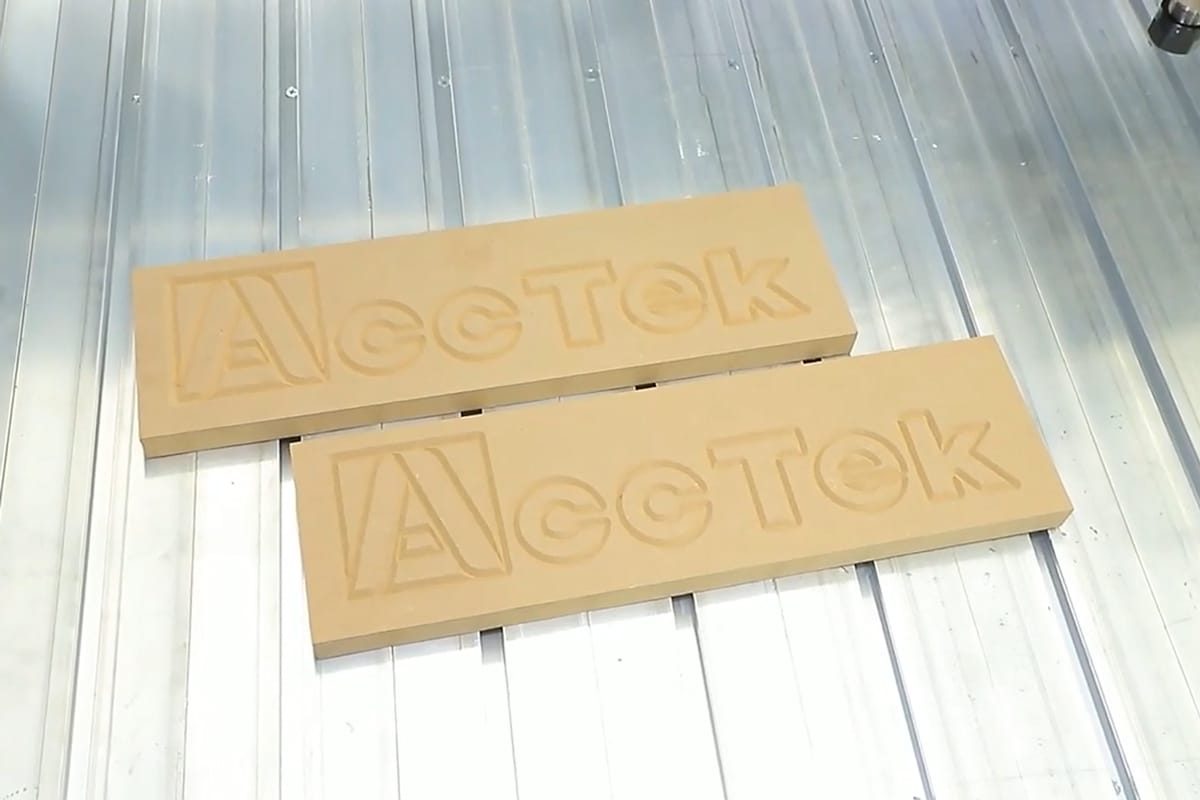
In the fast-paced world of marketing and branding, signage remains a powerful tool for attracting attention, communicating messages, and enhancing brand visibility. From retail storefronts to large-scale event displays, businesses rely on striking and durable signs to stand out in crowded markets. As traditional fabrication methods struggle to keep pace with the growing need for precision, speed, and design complexity, CNC routers are emerging as a game-changing solution.
These precision-driven CNC machines automate the cutting, engraving, and shaping of a wide range of materials, including wood, acrylic, aluminum, and PVC. With the ability to produce highly detailed, customized designs quickly and consistently, CNC routers are revolutionizing signage production. This article explores how CNC routers are streamlining workflows, enabling greater creativity, and reshaping the future of advertising signage.
What Is a CNC Router?
A CNC router, or Computer Numerical Control router, is an automated cutting machine used to carve, engrave, and shape a wide variety of materials based on computer-programmed instructions. Unlike manual tools that require constant human input, CNC routers operate using digital design files, which guide the machine’s movements with high precision and repeatability. First, understand the basic information about a CNC router.
Working Principles of a CNC Router
The working principle of a CNC router begins with a digital design file created in CAD software, which is then converted into machine-readable G-code via CAM software. This code instructs the CNC controller on how to move the spindle and toolpath in three dimensions. Once the job begins, the spindle rotates the cutting tool at high speeds while the drive system guides it along programmed paths. The CNC router removes material from the workpiece in precise layers or patterns to create the desired shape or engraving.
Key Components of a CNC Router
A CNC router is made up of several essential components that work together to execute precise cutting, engraving, and shaping tasks based on digital instructions. The main components include:
- Controller: The brain of the machine, usually interfaced with a computer and CAD/CAM software, it interprets G-code and converts it into movement commands.
- Spindle: The motorized cutting tool that spins at high speeds to mill, engrave, or cut materials.
- Worktable: The surface where the material is fixed during processing, often equipped with a vacuum system or clamps to hold the material securely.
- Drive System: Typically includes stepper or servo motors along with ball screws or rack and pinions that move the router along the X, Y, and Z axes.
- Frame/Gantry: The rigid structure that supports the entire router and ensures accuracy and stability during movement.
Types of Materials CNC Routers Can Process
CNC routers are incredibly versatile machines capable of processing a wide range of materials used in signage and other industries. Below are the most common material types that CNC routers can handle:
- Wood and Wood Composites: Includes solid wood, plywood, MDF (medium-density fiberboard), particleboard, and laminated panels ideal for carved signs, engraved plaques, and dimensional lettering.
- Plastics and Acrylics: Materials like PVC, ABS, HDPE, polycarbonate, and cast acrylic sheets are common in backlit signs, channel letters, and intricate decorative signage.
- Foam and Foam Board: Lightweight materials such as expanded PVC foam (e.g., Sintra), polystyrene, and urethane foam are used for indoor displays, 3D logos, and temporary signage.
- Aluminum and Soft Metals: Includes aluminum sheets and composite panels frequently used for durable outdoor signs and structural sign components.
CNC routers are advanced, computer-controlled machines that bring precision, consistency, and versatility to material processing. With their ability to handle diverse materials, they serve as a powerful tool in advertising signage production. Understanding how CNC routers operate and what they can achieve lays the foundation for appreciating their transformative impact on the signage industry.
Understanding Traditional Signage Production Methods
Before the advent of digital fabrication tools, advertising signs were created using a range of manual and mechanical methods that relied heavily on craftsmanship and hands-on labor. To fully appreciate the impact of CNC routers, it’s important to first understand how signage was produced in the past and the limitations that came with those earlier approaches.
Type of Traditional Sign Production Methods
Before the widespread adoption of CNC technology, signage was crafted using manual tools and mechanical processes that required significant skill, time, and labor. Here are the most common traditional sign production methods:
- Hand Painting: Artists use brushes and paint to create letters, images, and patterns directly on surfaces, giving them a unique artistic feel.
- Stencil Cutting: Cut shapes or letters from a template and then apply paint or ink to the cutouts for repetitive signage.
- Screen Printing: Ink is pushed through a mesh screen onto the sign material using a stencil pattern suitable for large runs of simple, flat designs.
- Manual Routing and Engraving: Uses handheld or table-mounted routers to carve designs into materials like wood or plastic.
- Vinyl Cutting: Adhesive vinyl is cut using plotters and applied to surfaces for text and basic graphics. Common in storefront and vehicle signage.
- Casting and Molding: Involves creating a mold of a design and casting materials like resin or metal.
- Letterpress and Block Printing: Raised letters or shapes are inked and pressed onto the material. Mostly used only for niche, decorative applications.
Limitations of Manual and Conventional Methods
While traditional signage production methods have served the industry for decades, they come with several inherent limitations that hinder efficiency, scalability, and design innovation.
- Labor-Intensive and Time-Consuming: Creating signs manually requires significant physical effort and craftsmanship, especially for intricate or large-scale designs.
- Inconsistent Quality: Small variations in pressure, alignment, or cutting depth can result in noticeable differences between identical pieces, especially when producing large quantities.
- Limited Design Complexity: Manual tools struggle with highly detailed or complex patterns.
- Lack of Scalability: As demand grows, scaling production using manual methods becomes impractical.
Traditional signage production methods laid the groundwork for the visual communication we see in modern advertising. While these techniques offered artistic value and a personal touch, they were often restricted by time, labor, material limitations, and design complexity. As consumer expectations and business demands have evolved, so too has the need for more efficient, precise, and scalable solutions. This shift has paved the way for CNC routers, which have redefined what’s possible in signage production and addressed many of the challenges inherent in traditional methods.
Key Benefits of CNC Routers in Signage Production
CNC routers have revolutionized the signage industry by offering a range of advantages that traditional methods simply cannot match. From increased design flexibility to faster turnaround times, these machines provide a significant boost in both creative and operational efficiency. Below are the key benefits CNC routers bring to signage production:
- High Precision and Accuracy: CNC routers follow computer-generated toolpaths with pinpoint accuracy, allowing for intricate cuts, fine engravings, and complex designs that would be extremely difficult to achieve by hand. This precision ensures professional-quality results with clean edges and consistent dimensions, even for the most detailed signage.
- Faster Production Speeds: By automating cutting and shaping tasks, CNC routers drastically reduce production time. Once a digital design is prepared, the machinecan begin processing immediately and operate continuously. This speed advantage enables faster project completion, helping businesses meet tight deadlines and increase output.
- Design Flexibility and Customization: With CNC routers, creating custom signs in various shapes, sizes, and styles is easy. Whether it’s 2D lettering, 3D logos, or layered designs, the machine can quickly switch between projects and materials, making it ideal for both one-off custom jobs and large production runs.
- Material Versatility: CNC routers can process a wide range of materials commonly used in signage, including wood, acrylic, PVC, aluminum, foam board, and composites. This versatility allows sign makers to meet diverse client needs without investing in multiple specialized tools.
- Consistency and Repeatability: Once a design is programmed into the CNC system, it can be reproduced with perfect consistency across dozens or even hundreds of signs. This repeatability ensures brand consistency for businesses requiring uniform signage across multiple locations.
- Cost Efficiency and Waste Reduction: CNC routers optimize material usage by calculating the most efficient cut paths and nesting layouts. This reduces scrap and saves on material costs. Additionally, automation lowers the need for manual labor, further reducing operational expenses.
- Scalability for Growing Demand: As businesses grow and signage orders increase, CNC routers make it easy to scale up without sacrificing quality or speed. Digital files can be reused or modified quickly, supporting both mass production and rapid prototyping.
By offering these benefits, CNC routers empower signage businesses to deliver high-quality, customized products more efficiently and competitively. They not only improve the production process but also expand the creative possibilities in modern advertising signage.
Applications of CNC Routers in Advertising Signage
CNC routers have opened up a wide range of creative and functional possibilities in the advertising signage industry. Their ability to precisely cut, carve, and engrave various materials allows signage manufacturers to produce high-quality, customized products that stand out in a competitive market. Below are some of the most common and impactful applications of CNC routers in advertising signage:
- 3D Lettering and Dimensional Signs: CNC routers are ideal for producing three-dimensional letters and logos from materials such as wood, foam, acrylic, and PVC. These 3D signs add depth and visual appeal to storefronts, lobbies, and display walls, making them a popular choice for businesses looking to enhance their brand presence.
- Illuminated Channel Letters: Channel letters, often used in backlit or edge-lit signs, require precise, repeatable cuts for the letter shapes and backing structures. CNC routers ensure accurate outlines for housing LEDs, acrylic faces, and aluminum sides, enabling perfect fit and professional-grade finishes.
- Engraved Logos and Graphics: CNC routers can engrave intricate logos, symbols, and patterns onto a wide variety of substrates. This application is ideal for plaques, decorative panels, nameplates, and architectural signage where detail and refinement are important.
- Cut-Out Sign Panels: For signs that require complex cutouts or layered designs, such as stenciled text, shapes, or decorative borders, CNC routers provide clean, precise cuts that are difficult to achieve by hand. This is especially widely used for wall signs, menu boards, and themed installations.
- Trade Show and Exhibition Displays: Custom display elements, such as branded panels, standees, and props, are often created using CNC routers. Their ability to handle lightweight and durable materials like foam board and composite panels makes them a go-to tool for event signage and portable displays.
- Interior and Wayfinding Signage: CNC routers are frequently used to produce directional signs, room markers, and branded interior signage. These signs often require both aesthetics and accuracy to maintain a cohesive look within a space, which CNC machines can consistently deliver.
- Architectural and Decorative Features: Beyond typical signage, CNC routers are also used to produce decorative elements like carved panels, feature walls, and branded art installations. These applications blend functionality with visual design, enhancing both the brand and the environment.
- Prototype and Short-Run Custom Signage: For clients needing short-run or one-of-a-kind signs, CNC routers offer the flexibility to prototype and produce customized signage quickly without the need for expensive molds or dies.
By enabling both mass production and creative customization, CNC routers have become essential tools in modern signage workshops. They not only streamline production but also empower sign makers to offer a wider variety of products that are both visually impressive and functionally effective.
Choosing the Right CNC Router for Signage Production
Investing in a CNC router is a critical decision for any signage business looking to improve quality, efficiency, and creative capability. With so many models and manufacturers on the market, selecting the right machine requires careful consideration of your specific production needs, materials, and long-term business goals. The right machine can dramatically improve productivity, reduce operating costs, and expand your creative possibilities. Here are the key factors to consider:
Machine Factors to Consider
When selecting a CNC router for signage production, it’s essential to look beyond basic specifications and consider how the machine aligns with your specific workflow, materials, and production goals.
- Machine Size and Bed Dimensions: Choose a machine with a working area that fits your typical signage sizes. If you frequently produce large signs or sheet materials like acrylic or aluminum composite panels, a larger bed (e.g., 4×8 feet) will offer greater flexibility and reduce material handling.
- Spindle Power and Tooling Options: The spindle’s power determines what materials theCNC router can cut efficiently. For harder materials like aluminum or thick plastics, a higher-powered spindle (3kW or more) is recommended. Additionally, ensure the machine supports interchangeable tool bits to accommodate a range of cutting, carving, and engraving tasks.
- Material Compatibility: Verify that the CNC router is designed to process the types of materials you use most, whether that’s wood, foam, PVC, acrylic, or metal composites. Some machines are optimized for soft materials, while others are built for heavy-duty applications.
- Motion System and Build Quality: Look for a machine with durable linear guides, a rigid frame, and precision drive systems (like ball screws or rack-and-pinion). These features ensure stability, reduce vibrations and improve cutting accuracy, especially for detailed signage work.
- Software and Control System: An intuitive control system and compatibility with popular design software (like AutoCAD, CorelDRAW, or Adobe Illustrator) will streamline your workflow. A user-friendly interface also reduces training time for operators.
How to Choose a Manufacturer
Selecting the right CNC router manufacturer is just as important as choosing the machine itself. A reliable manufacturer not only provides high-quality equipment but also offers long-term support, technical guidance, and peace of mind. Here’s how to make a smart and informed choice:
- Evaluate Industry Experience: Choose a manufacturer with a proven track record in CNC router production, especially for signage applications. Companies with years of experience tend to offer more refined technology, better engineering, and a deeper understanding of user needs.
- After-Sales Support: Look for manufacturers who provide professional training, installation guidance, fast technical support, and readily available spare parts. A reliable support team can help you quickly resolve issues, optimize machine use, and maintain productivity.
- User Evaluation: Pay attention to feedback on machine reliability, ease of operation, and how the manufacturer handles problems. Check user reviews, testimonials, or ask the manufacturer for references. Positive user evaluations are a strong indicator of a trustworthy and customer-focused company.
Selecting the right CNC router is about finding the right fit for your workflow, material types, and production goals. Equally important is partnering with a reputable manufacturer that offers strong after-sales support and has a proven track record in the industry. With the right machine and partner in place, your signage business will be well-equipped to grow, innovate, and stay competitive.
Future Trends in CNC Router Signage Applications
As technology continues to advance and market demands evolve, CNC routers are playing an increasingly dynamic role in the future of signage production. Here are some key trends shaping how CNC routers will be used in the signage industry moving forward:
- Integration with Digital Design and Automation: Future CNC routers are expected to integrate more seamlessly with advanced design software, cloud-based systems, and automated workflows. From online design customization to real-time machine programming, sign makers will benefit from faster project setup, remote operation, and improved efficiency.
- Growth of Hybrid Machines: The rise of hybrid machines, combining CNC routing with printing, laser engraving, or knife cutting, is giving sign shops all-in-one solutions for producing mixed-media signage. These machines offer greater versatility, reduce production time, and minimize the need for multiple devices.
- Demand for Customization and Short-Run Production: As businesses seek more personalized and branded signage, CNC routers will continue to support on-demand, short-run production with high customization. This shift away from mass production toward personalized solutions favors CNC technology due to its speed and flexibility.
- Use of Sustainable and New Materials: With increasing focus on sustainability, sign makers are exploring eco-friendly substrates like recycled plastics, bamboo composites, and biodegradable materials. CNC routers, known for their material versatility, will play a key role in processing these new media.
- Enhanced Precision with AI and Smart Controls: Artificial intelligence and smart sensors are beginning to enhance CNC router functionality. Future machines may feature adaptive toolpaths, predictive maintenance, and real-time error correction, leading to higher precision, fewer defects, and reduced downtime.
- Expanded 3D Signage and Texturing Capabilities: As brands look for bolder visual effects, 3D signage and textured surfaces are gaining popularity. CNC routers will be increasingly used to create layered, sculpted, or embossed signage that adds depth and uniqueness to visual presentations.
These emerging trends suggest that CNC routers will remain at the forefront of signage innovation, enabling businesses to stay competitive through smarter workflows, greener practices, and more compelling design capabilities.
Summarize
CNC routers have fundamentally transformed the way advertising signage is produced—replacing labor-intensive, manual methods with a faster, more precise, and highly customizable solution. By overcoming the limitations of traditional techniques, CNC routers empower sign makers to deliver high-quality, visually impactful signage across a wide range of materials and applications. As technology continues to advance, CNC routers will remain a driving force behind innovation in signage production. Continue reading “Sign Making with CNC Routers: A Guide for Advertising Professionals” to learn how to effectively operate these machines for sign making.
If you’re looking to enhance your signage production with reliable and high-performance equipment, AccTek is a trusted choice. As a professional CNC router manufacturer, AccTek offers a wide range of advertising CNC router models designed to meet the diverse needs of sign makers. Backed by strong technical support and customization options, AccTek helps you streamline production, expand creative possibilities, and stay competitive in the fast-paced advertising industry.