


Engineering and Technical Development
Our engineering work focuses on bringing machine structure, motion systems, spindles, controls, and application requirements together. Technical development considers how these elements influence accuracy, stability, operating flexibility, and ease of use. Customer feedback provides valuable insight into the improvements that matter in real production environments. By connecting engineering knowledge with practical machining needs, we work to develop configurations that suit different materials, workpiece sizes, processes, and levels of automation.
Manufacturing and Assembly
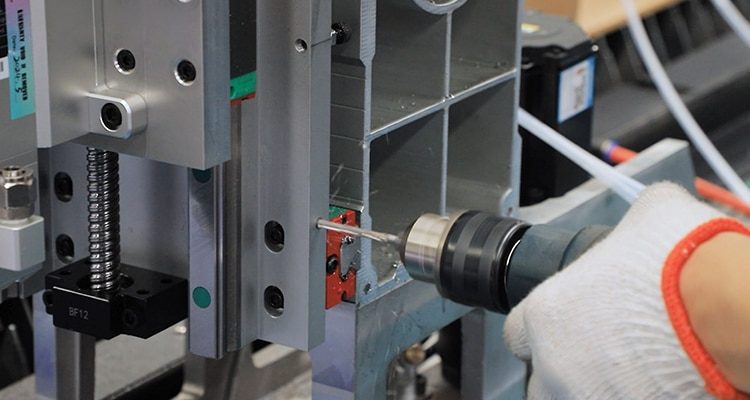
Our production team turns machine designs and specified configurations into assembled CNC routers. This work brings together structural components, mechanical transmission systems, electrical equipment, and supporting accessories. Attention to assembly, alignment, component installation, and coordination between systems helps establish the foundation for reliable operation. Cooperation between production and technical personnel keeps manufacturing focused on the machine's intended application and the requirements agreed for the project.
Quality Inspection
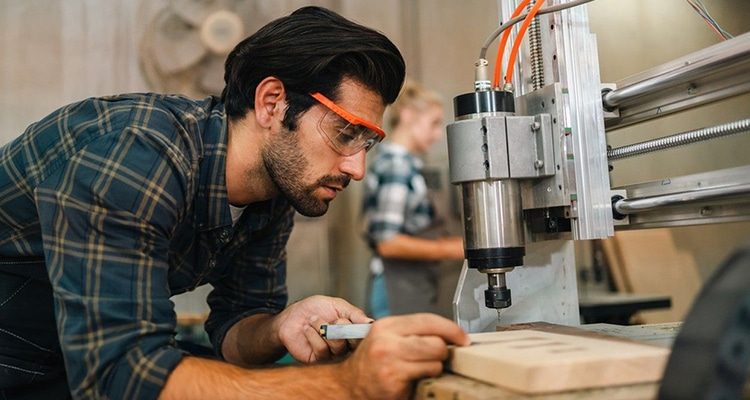
Quality inspection connects manufacturing work with the performance customers expect from their equipment. Our inspection activities include checks of relevant components, machine alignment, positioning and repeatability, spindle operation, control functions, and cutting or engraving results. For applicable configurations, checks also cover tool calibration and automatic tool-changing functions. This attention to machine condition and functional performance helps identify issues that require adjustment and supports a more dependable transition from assembly to customer use.
Sales and Application Guidance
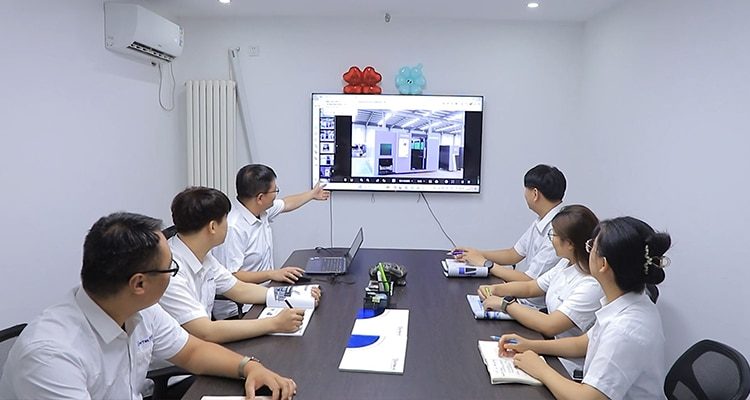
Our sales team helps customers translate production requirements into a suitable equipment specification. The discussion begins with the materials being processed, workpiece dimensions, machining tasks, accuracy expectations, production volume, and available budget. By coordinating with technical colleagues, our sales personnel help explain machine options, configuration differences, and practical considerations. Clear communication helps customers make informed decisions and establish a shared understanding of the proposed CNC routing solution.
Training and After-Sales Support
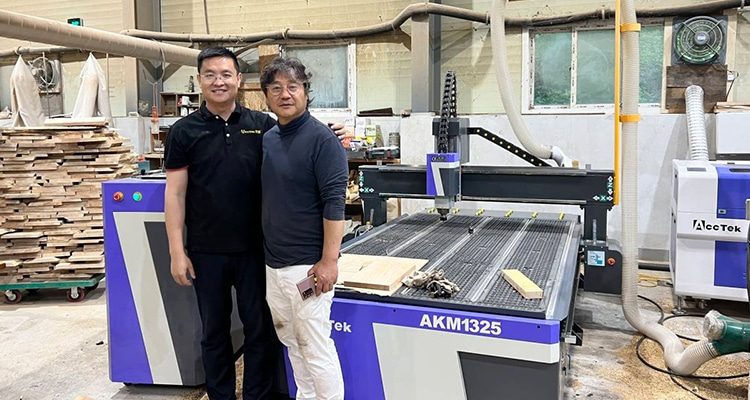
Our training and support personnel help customers develop the knowledge needed to operate and care for their machines. Guidance can cover setup, controller operation, tooling, machining programs, workholding, routine maintenance, and basic troubleshooting, according to the machine configuration and application. When problems arise, technical support can include reviewing alarms, photographs, videos, program files, and available operating information. Remote diagnostic assistance, maintenance recommendations, and spare-parts guidance help customers identify appropriate next steps and work toward restoring normal operation.
Cultures of Collaboration and Improvement
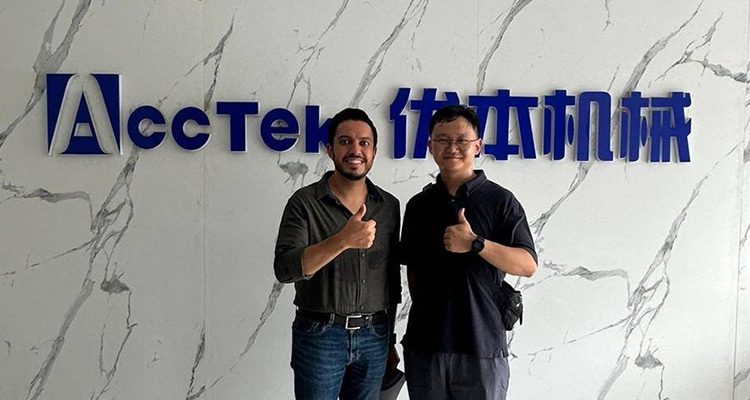
The way we work together matters as much as the responsibilities of each role. We value integrity, clear communication, practical problem-solving, and a willingness to learn. Collaboration helps connect customer feedback with technical discussion, manufacturing decisions, and service improvements. We aim to make each interaction useful, whether a customer needs clarification before purchasing, guidance during setup, or assistance with an established production process. The AccTek CNC team connects manufacturing expertise with customer support, helping businesses put CNC routing technology to productive use.