
Introduction
Advanced Control System
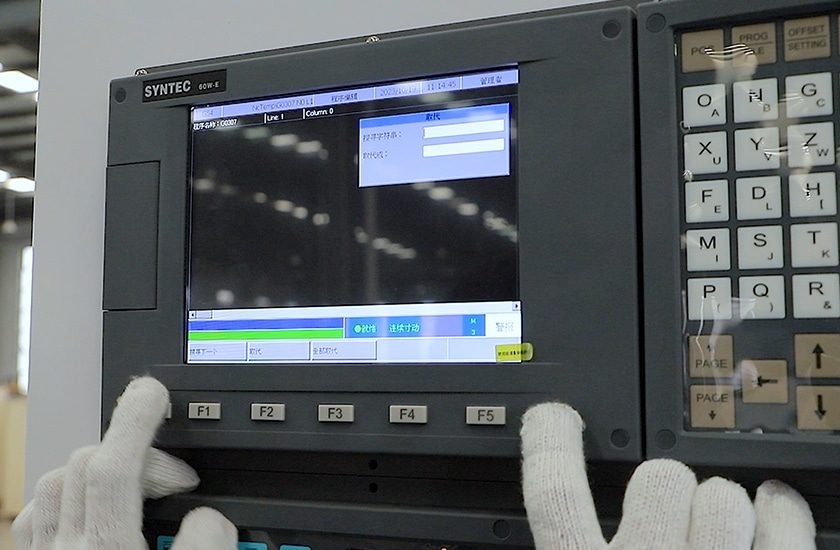
The CNC control system coordinates the machine movements and auxiliary functions that turn a machining program into a finished component. AccTek CNC integrates control platforms selected to suit the router’s axis configuration, tooling requirements, and application complexity. Available configurations include systems such as Mach3 and Syntec, with functionality matched to the selected machine. Clear program management and accessible operating information help operators prepare jobs, establish machining references, adjust supported parameters, and monitor progress. On appropriately configured machines, the controller also coordinates automatic tool changes and additional machining axes. Key areas of control integration include:
- Coordinated Axis Movement: Supports accurate execution of contours, pockets, drilling patterns, and three-dimensional surfaces.
- Practical Parameter Management: Enables appropriate adjustment of feed rates, spindle commands, work coordinates, and tool offsets.
- Operator Visibility: Provides access to relevant machine status, program information, and diagnostic messages.
- Software Compatibility: Connects CAM-generated programs with the machine through a suitable post-processor and supported program format.
Precision Drive Mechanisms
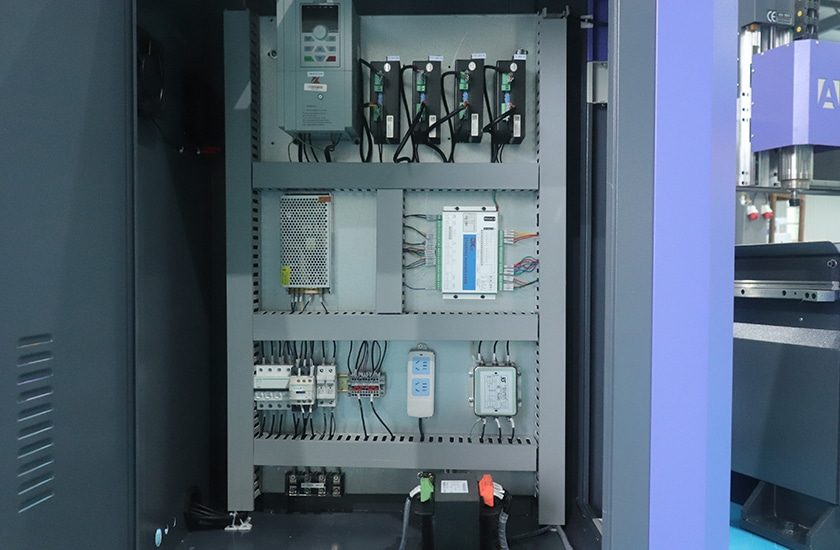
Accurate machining requires the machine axes to move smoothly, respond predictably, and return consistently to their programmed positions. AccTek CNC combines appropriate motors, transmission components, linear guides, and structural support to create motion systems suited to different working areas and production demands. Depending on the model, our routers use stepper or servo drive systems together with ball screw or rack-and-pinion transmission. Servo configurations use encoder feedback within the drive system to support responsive motor control. The final machining result also depends on mechanical alignment, rigidity, workholding, and cutting conditions. Our motion-system approach brings together:
- Suitable Axis Transmission: Ball screws support controlled positioning, while rack-and-pinion systems accommodate efficient travel over larger working areas.
- Precision Linear Guidance: Guide rails and bearing blocks support the moving assemblies and help maintain stable travel.
- Appropriate Motor and Reducer Selection: Matches available torque, response, and travel requirements to the application.
- Mechanical Stability and Lubrication: Helps manage friction, wear, and vibration throughout routine operation.
Adaptive Toolpath Strategy
Efficient routing begins with choosing how the cutter enters, moves through, and leaves the material. AccTek CNC supports the integration of compatible CAD/CAM workflows so customers can select toolpath strategies that match the workpiece, cutting tool, and machine configuration. Where supported by the selected CAM software, adaptive roughing strategies manage tool engagement as the cutter moves through changing geometry. By avoiding abrupt increases in engagement, these paths can help maintain more consistent cutting conditions during suitable roughing operations. The strategy is generated in CAM and then executed by the CNC controller. Our approach to toolpath planning considers:
- Controlled Material Removal: Matches cutting depth, stepover, entry method, and machining direction to the tool and material.
- Purposeful Roughing and Finishing: Uses suitable tools and passes for efficient stock removal followed by the required surface quality.
- Efficient Movement: Reviews linking moves, cutting order, and unnecessary travel to make better use of machining time.
- Program Verification: Uses available simulation and controlled trial machining to check movement, clearances, and process suitability.
- Sheet Utilization: Applies compatible nesting functions to arrange parts efficiently within the available material.
High-Precision Spindle Technology
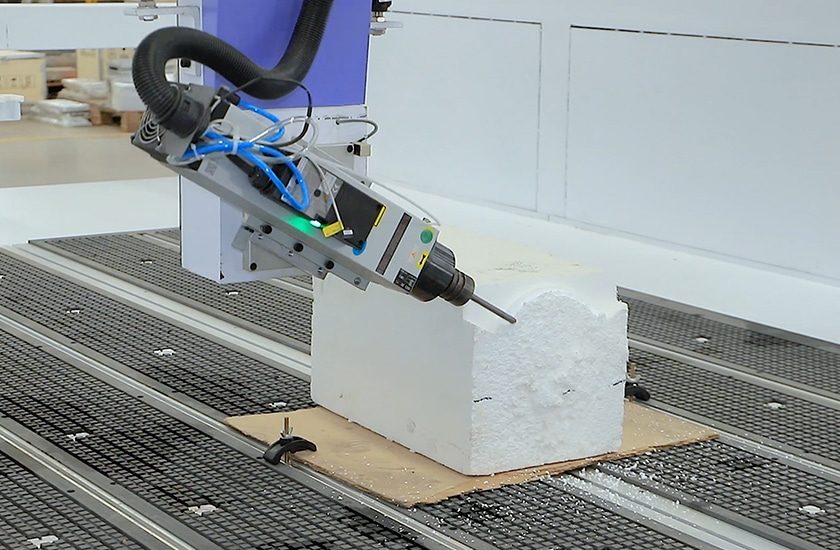
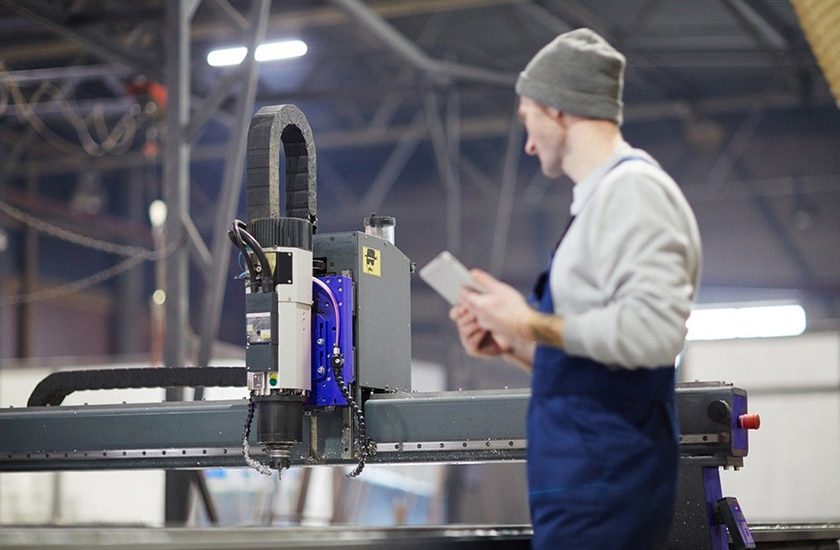
The spindle directly influences cutting stability, surface finish, tool performance, and the range of work a CNC router can undertake. AccTek CNC offers spindle configurations selected around the required material, cutter size, operating speed, machining load, and tool-changing method. Available options include air-cooled and water-cooled spindle packages, with manual or automatic tool-changing arrangements depending on the model. Selected machines use spindle systems from manufacturers such as HQD and HSD. We match the spindle and its supporting equipment to the intended production process. Important considerations include:
- Appropriate Power and Speed Range: Helps match spindle performance to the cutting operation and tooling requirements.
- Stable Tool Holding: Suitable collets or tool holders, correct assembly, and clean contact surfaces support consistent cutter positioning.
- Effective Heat Management: Air or water cooling removes operating heat and helps control thermal effects during extended machining.
- Integrated Speed Control: A compatible inverter and controller coordinate spindle commands with the machining program.
- Process Compatibility: Tool geometry, feed rate, chip removal, and workholding are considered alongside the spindle itself.
Intelligent Automation
Automation improves production when it addresses the tasks that consume time, interrupt machining, or introduce avoidable variation. AccTek CNC offers practical automation options that help connect machine preparation, material handling, machining, and routine servicing. The appropriate level of automation depends on the product mix and production volume. A workshop handling varied custom jobs may benefit most from faster setup and automatic tool changing. A panel-processing operation may gain additional value from automated loading and unloading. Depending on the selected machine, automation options can include:
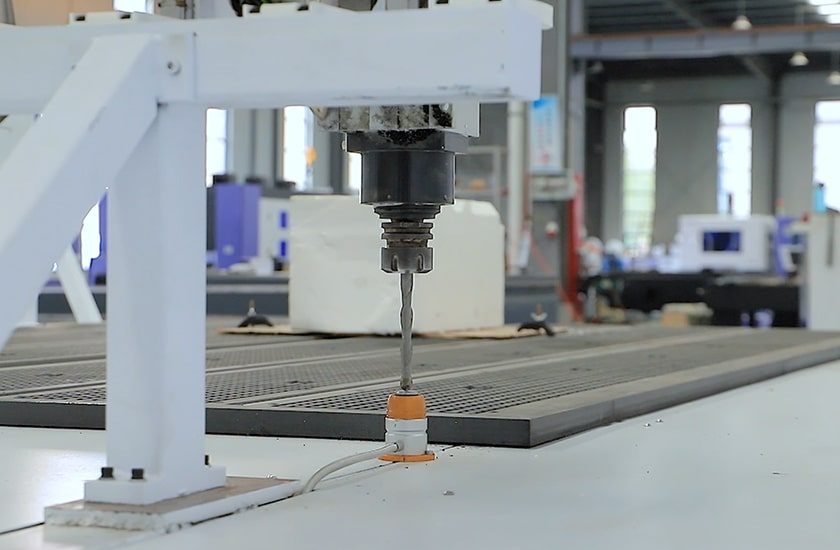
- Automatic Tool Setting: Tool sensors help establish tool-height references and reduce repetitive manual measurement.
- Automatic Lubrication: Supplies lubricant to designated moving components at scheduled intervals.
- Vacuum Workholding: Helps secure suitable sheet materials quickly and supports repeatable preparation.
- Automatic Tool Changing: Allows programmed transitions between machining operations using different cutters.
- Material-Handling Integration: Compatible loading and unloading equipment helps reduce manual handling between production cycles.
Adaptive Tool Changing System
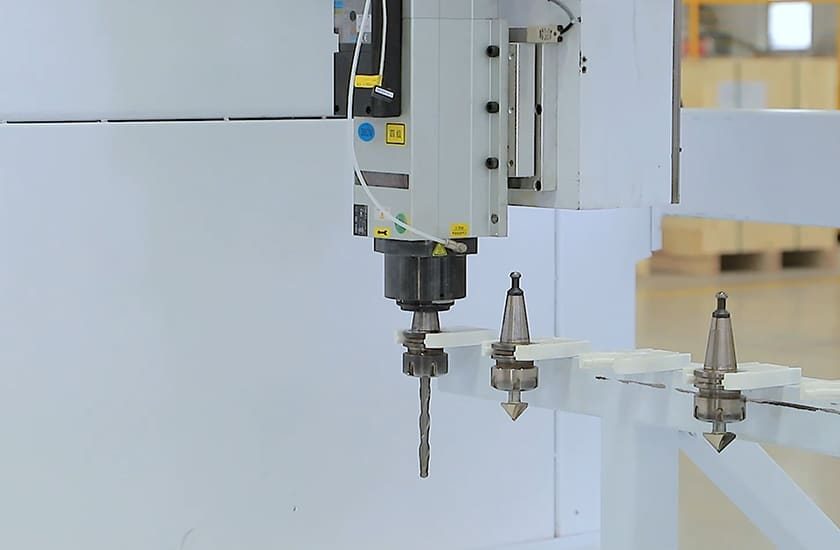
Jobs involving profiling, pocketing, drilling, and detailed engraving often require several cutting tools. AccTek CNC automatic tool-changing solutions allow compatible routers to switch tools according to the machining program, reducing the interruptions associated with manual changes. Our tool-changing configurations can include fixed linear magazines, moving linear arrangements, and disc-style magazines, depending on the machine. The appropriate design depends on the number of tools required, available space, job complexity, and frequency of tool changes. The system brings together the ATC spindle, tool holders, magazine, pneumatic components, controller, and relevant sensing functions. Within a correctly prepared program, each tool is assigned to its required operation and magazine position. Key benefits include:
- Smoother Multi-Process Machining: Moves between suitable cutting, drilling, and engraving tools within the programmed job.
- Reduced Manual Handling: Limits repeated stopping, tool replacement, and restarting.
- Consistent Tool Management: Uses established tool numbers, positions, and offsets to organize machining.
- Greater Process Flexibility: Supports different cutters for roughing, finishing, profiling, and fine details.
Remote Monitoring And Diagnostics
Access to useful machine information helps operators respond quickly when production is interrupted. AccTek CNC provides remote technical assistance to help customers investigate operating problems, review machine behavior, and identify appropriate next steps. Remote support can use controller screenshots, alarm records, photographs, videos, program files, and available operating data. Where compatible connectivity is installed and access is authorized, remote tools may also assist with reviewing software settings and supported controller information. Diagnostic assistance can include:
- Reviewing alarms, fault messages, and reported operating symptoms.
- Checking program compatibility, coordinates, and tool offsets.
- Examining available spindle, drive, sensor, and input/output information.
- Guiding checks of cooling, vacuum, lubrication, and tool-changing systems.
- Recommending adjustments, maintenance, or suitable replacement components.
Continuous R&D And Feedback Integration