

Introdução
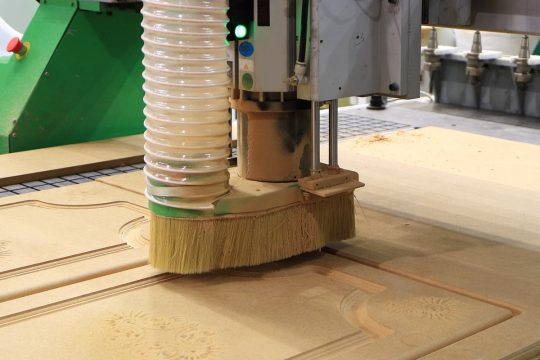
A seleção correta das ferramentas é essencial para obter resultados precisos. Fresas de compressão são frequentemente usadas para reduzir lascas nas superfícies superior e inferior, enquanto ferramentas de corte ascendente e descendente podem ser selecionadas de acordo com os requisitos de remoção de cavacos e acabamento superficial. A taxa de avanço, a velocidade do fuso, a profundidade de corte e a afiação da ferramenta devem ser devidamente equilibradas para evitar queimaduras, vibração excessiva, bordas ásperas e desgaste prematuro da ferramenta. A fixação segura do material é igualmente importante, pois as chapas de compensado podem levantar, deslocar-se ou vibrar durante a usinagem. Mesas de vácuo, grampos e placas de sacrifício adequadas ajudam a estabilizar o painel e a manter as dimensões precisas. Um sistema eficiente de extração de poeira remove cavacos e partículas finas, melhora a visibilidade, protege a ferramenta de corte e mantém a área de trabalho mais limpa. A programação digital também permite que os projetos sejam modificados, dimensionados, aninhados e repetidos rapidamente. As fresadoras CNC ajudam a melhorar a produtividade, reduzir erros manuais, minimizar o desperdício de material e fornecer componentes de compensado precisos e repetíveis, com detalhes nítidos e qualidade consistente.
Tipos adequados para fresagem CNC
- Portas de estantes
- Painéis de Gabinete
- Unidades de prateleiras
- Tabelas
- Cadeiras
- Estruturas de cama
- Componentes do guarda-roupa
- Peças de gaveta
- Painéis de parede decorativos
- Divisores de quarto
- Painéis Acústicos
- Stands de Exposições
- Displays de varejo
- Placas de Publicidade
- Caixas de armazenamento
- Caixas de embalagem
- Brinquedos de madeira
- Tabuleiros de quebra-cabeça
- Modelos Educacionais
- Modelos Arquitetônicos
Indústrias e aplicações
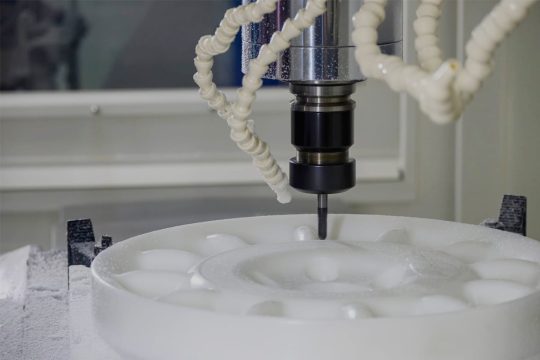

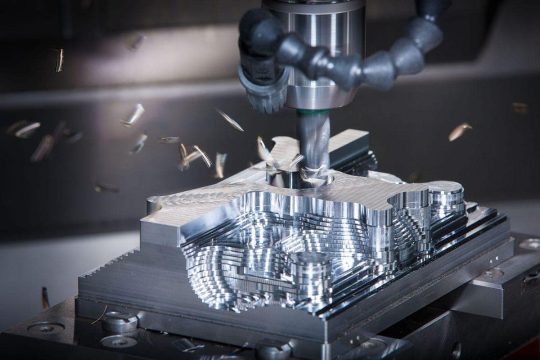

Processos de roteamento CNC utilizados
Corte de Precisão
As fresadoras CNC cortam chapas de compensado com alta precisão dimensional. Os percursos de ferramenta programados produzem bordas retas, curvas, aberturas internas e peças repetidas, reduzindo erros manuais e mantendo resultados consistentes em diferentes tamanhos e espessuras de painéis.
Corte de contorno
O corte de contorno segue formas complexas para criar peças de mobiliário com formatos especiais, painéis decorativos, placas, brinquedos e componentes arquitetônicos. O controle CNC ajuda a manter curvas suaves, cantos precisos e perfis consistentes durante todo o processo de usinagem.
Gravura
As fresadoras CNC gravam textos, logotipos, padrões, texturas e detalhes decorativos em superfícies de madeira compensada. A profundidade de corte pode ser ajustada para produzir marcações rasas, gráficos nítidos ou designs em camadas, preservando o folheado circundante.
Perfuração
A perfuração CNC cria furos posicionados com precisão para parafusos, cavilhas, dobradiças, conexões, cabos e ferragens de montagem. O posicionamento automatizado garante espaçamento e diâmetro consistentes, simplificando a instalação e reduzindo problemas de alinhamento durante a montagem do produto.
Embolsando
O processo de rebaixamento remove material de áreas selecionadas sem cortar o painel por completo. Isso cria reentrâncias para acessórios, juntas, ferragens, detalhes decorativos, encaixes de componentes e seções estruturais leves.
Ranhura
As fresadoras CNC produzem ranhuras retas ou curvas para juntas de painéis, fundos de gavetas, prateleiras, linhas decorativas e canaletas para cabos. O controle preciso da profundidade e da largura garante um encaixe perfeito e uma qualidade de montagem consistente.
Corte de carpintaria
As fresadoras CNC criam encaixes, rebaixos, espigas, juntas de dedo e conexões de encaixe. A marcenaria precisa melhora a velocidade de montagem, a consistência estrutural e o alinhamento dos componentes em móveis, armários, expositores e produtos pré-fabricados.
Chanframento
O chanfro produz bordas angulares em compensado para um acabamento decorativo, melhor encaixe ou transições mais suaves entre componentes. O controle CNC mantém um ângulo e largura consistentes em perfis retos, curvos e irregulares.
Perfil de Borda
Fresas especiais moldam as bordas da madeira compensada em perfis arredondados, chanfrados, escalonados ou decorativos. Esse processo melhora a aparência, a segurança, o encaixe e a qualidade do acabamento, além de reduzir a necessidade de extenso trabalho manual de modelagem das bordas.
Escultura 3D
As fresadoras CNC esculpem desenhos tridimensionais em relevo, rebaixados e contornados em madeira compensada espessa. Esse processo é adequado para painéis decorativos, obras de arte em relevo, maquetes, sinalização, moldes e componentes personalizados com diferentes profundidades.
Nidificação
O software de aninhamento organiza várias peças de forma eficiente em uma folha de madeira compensada. Layouts otimizados reduzem o desperdício de material, encurtam os percursos de corte, controlam os custos de produção e permitem a fabricação simultânea de componentes com diferentes formatos e tamanhos.
Produção em lotes
As fresadoras CNC repetem operações programadas de corte, furação, gravação e ranhuramento com precisão consistente. Isso as torna adequadas para a produção de grandes quantidades de componentes de madeira compensada, reduzindo a necessidade de mão de obra e mantendo a qualidade estável do produto.
Desafios Comuns
Lascas de folheado
A superfície da madeira compensada pode lascar quando a ferramenta de corte entra ou sai do painel. A seleção incorreta da broca, a direção de corte inadequada, taxas de avanço excessivas ou ferramentas cegas podem danificar o folheado superior ou inferior e reduzir a qualidade da borda.
Desgaste da borda
O lascamento ocorre quando as fibras da madeira são arrancadas em vez de cortadas de forma limpa. Esse problema é especialmente comum em cantos, perfis curvos e cortes transversais, aumentando a necessidade de lixamento, preenchimento ou substituição da peça.
Vazios Internos
Compensado de qualidade inferior pode conter espaços ou áreas irregulares entre suas camadas internas. Esses vazios ocultos podem causar resistência inconsistente ao corte, bordas ásperas, seções frágeis e resultados imprevisíveis durante a perfuração, fresagem de cavidades ou corte de contornos.
Danos Superficiais
As superfícies de compensado podem ser arranhadas, amassadas ou marcadas por grampos, lascas, detritos de máquinas ou manuseio brusco. Os folheados decorativos exigem proteção cuidadosa, pois mesmo pequenos danos podem permanecer visíveis após o acabamento.
Movimento do painel
Grandes chapas de compensado podem se deslocar, levantar ou vibrar durante o processamento se a fixação da peça for inadequada. A instabilidade do material pode causar dimensões imprecisas, cortes irregulares, quebra de ferramentas e desalinhamento entre os furos e os elementos de montagem.
Queimadura e descoloração
Velocidade excessiva do fuso, taxas de avanço lentas, cortes profundos ou fresas cegas podem gerar calor em excesso. Isso pode deixar marcas escuras, bordas queimadas, odores desagradáveis e acúmulo de resina na ferramenta de corte.
Acúmulo de poeira e lascas
A usinagem de compensado gera grandes quantidades de cavacos e poeira fina. Uma extração inadequada pode reduzir a visibilidade, interferir no corte, aumentar o calor, contaminar os componentes da máquina e criar um ambiente de trabalho menos eficiente e menos confortável.
Acúmulo de adesivo
Os adesivos entre as camadas de compensado podem aderir às fresas durante usinagem prolongada. Esse acúmulo reduz a eficiência de corte, aumenta o calor, piora a qualidade da borda e pode diminuir a vida útil da ferramenta se a fresa não for limpa regularmente.
Variação de Materiais
A qualidade, a densidade, a espessura da lâmina, o teor de umidade e a construção do núcleo da madeira compensada podem variar entre as chapas. Essas diferenças podem afetar a velocidade de corte, o acabamento superficial, a estabilidade dimensional e o desgaste da ferramenta, exigindo ajustes nos parâmetros de usinagem.
Como o roteamento CNC resolve os desafios
Corte de lâminas limpo
As fresadoras CNC utilizam fresas de compressão ou de corte descendente para reduzir o lascamento em superfícies de compensado. A direção de corte controlada, taxas de avanço adequadas e ferramentas afiadas ajudam a proteger os folheados decorativos e a produzir bordas superiores e inferiores mais limpas.
Redução do lascamento das bordas
Os percursos programados guiam a fresa suavemente através de cantos, curvas e seções transversais à fibra da madeira. Passes de acabamento e direções de corte otimizadas reduzem a quebra de fibras, melhorando a consistência das bordas e limitando a necessidade de lixamento ou reparo.
Retenção estável de material
Mesas de vácuo, grampos e placas de sacrifício mantêm os painéis de madeira compensada seguros durante a usinagem. Uma fixação confiável evita deslocamentos, levantamentos e vibrações, ajudando a manter dimensões precisas, cortes limpos e alinhamento correto entre furos e elementos de montagem.
Parâmetros de corte controlados
As fresadoras CNC permitem o ajuste preciso da velocidade do fuso, da taxa de avanço e da profundidade de corte. Configurações balanceadas reduzem o calor excessivo, queimaduras, descoloração e desgaste da ferramenta, ao mesmo tempo que garantem um desempenho estável em diferentes tipos e espessuras de compensado.
Extração de pó eficiente
Sistemas de extração integrados removem cavacos e poeira fina da área de corte. Um melhor controle da poeira melhora a visibilidade, reduz o acúmulo de calor, protege os componentes da máquina e cria um ambiente de produção mais limpo e eficiente.
Precisão consistente do percurso da ferramenta
O controle computadorizado do movimento mantém a precisão nos cortes, furações, ranhuras e encaixes. Essa consistência ajuda a compensar as variações do material e garante que os componentes de madeira compensada se encaixem corretamente durante a montagem.
Gerenciamento de ferramentas aprimorado
A produção CNC permite que os operadores selecionem as brocas adequadas para operações específicas e monitorem a condição da ferramenta. Inspeções regulares, limpeza e substituição oportuna reduzem o acúmulo de adesivo, mantêm a eficiência de corte e melhoram a qualidade da aresta de corte.
Uso otimizado de materiais
O software de aninhamento organiza as peças de compensado de forma eficiente em cada folha. Layouts melhores reduzem áreas não utilizadas, evitam defeitos visíveis ou vazios internos quando identificados, diminuem os custos de material e permitem maior produtividade com menos desperdício.
Roteadores CNC recomendados
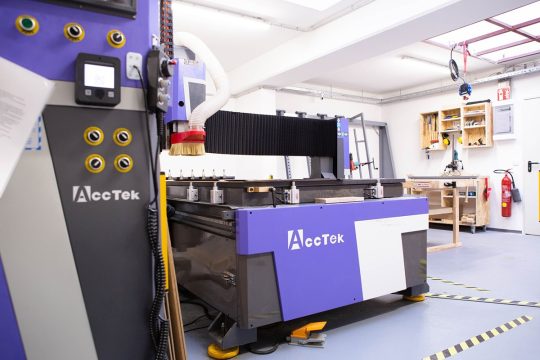
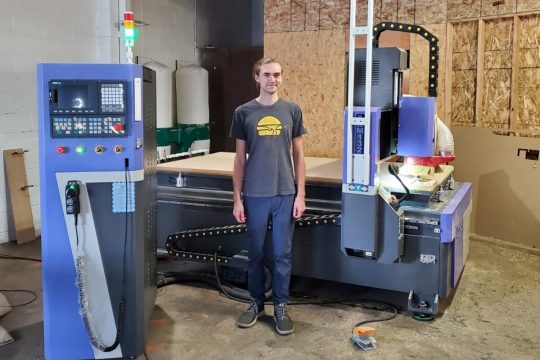
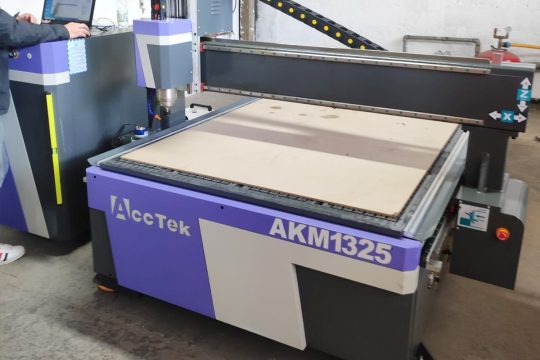
As fresadoras CNC com troca automática de ferramentas são ideais quando um projeto exige diversas operações. Elas permitem a troca entre ferramentas de corte, furação, gravação e acabamento sem a necessidade de trocas manuais frequentes, reduzindo o tempo de inatividade e aumentando a consistência. Fabricantes de painéis para gabinetes ou móveis modulares também podem se beneficiar de máquinas equipadas com unidades de furação e sistemas de alinhamento. Fresadoras CNC de eixo rotativo são recomendadas para componentes cilíndricos ou rotativos de madeira compensada. Fresadoras CNC de 4 e 5 eixos são mais adequadas para superfícies tridimensionais complexas, contornos profundos, peças curvas e usinagem com múltiplas faces. Independentemente da configuração, a máquina escolhida deve oferecer uma estrutura rígida, controle preciso de movimento, forte sistema de vácuo, extração de poeira eficiente, software CAD/CAM compatível e fresas adequadas. Esses recursos ajudam a reduzir lascas, vibrações, queimaduras e erros dimensionais, mantendo a qualidade da produção estável.


Obtenha soluções de roteamento CNC
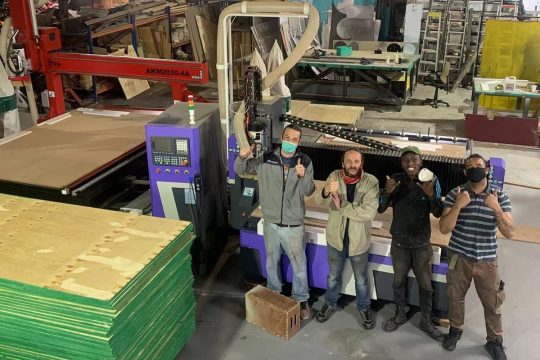
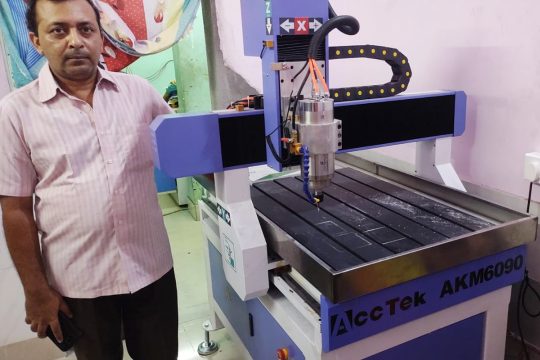
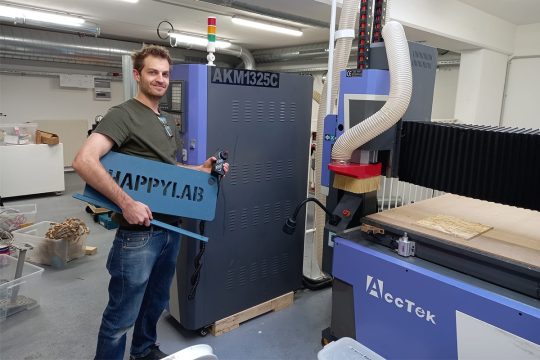
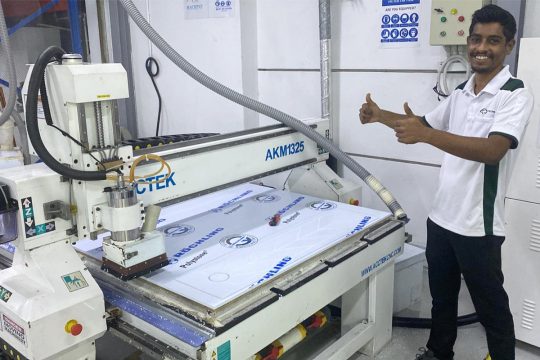
Nossa equipe ajudará você a avaliar os materiais a serem processados, as dimensões da peça, a espessura de corte, o volume de produção, os requisitos de precisão e as condições da oficina. Com base nesses detalhes, podemos recomendar o modelo de máquina, a potência do fuso, o tipo de mesa, o sistema de controle, o sistema de transmissão, as ferramentas e os acessórios opcionais mais adequados, como mesas de vácuo, dispositivos rotativos, trocadores automáticos de ferramentas, unidades de perfuração e sistemas de coleta de pó.
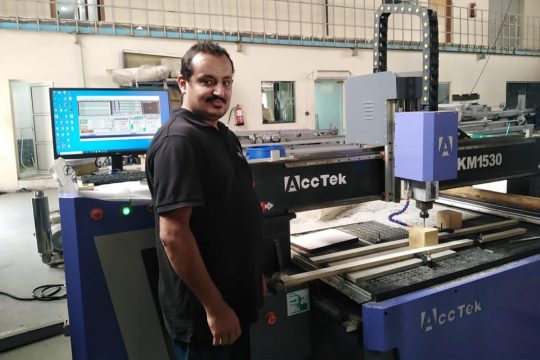
A AccTek CNC se dedica a fornecer mais do que apenas máquinas de roteamento CNC. Oferecemos orientação profissional antes da compra, personalização da máquina, suporte à instalação, treinamento de operação, assistência técnica e serviço pós-venda para ajudar os clientes a usar seus equipamentos com confiança. De pequenas oficinas a grandes fábricas de produção, nossos roteadores CNC são projetados para ajudar a melhorar a eficiência, reduzir o trabalho manual e expandir as possibilidades de processamento.
Se você busca uma fresadora CNC confiável para sua empresa, entre em contato com a AccTek CNC hoje mesmo e obtenha uma solução sob medida para seus objetivos de produção.