

Wprowadzenie
Prawidłowy dobór narzędzi jest kluczowy dla uzyskania czystych rezultatów. Frezy kompresyjne są często stosowane w celu zmniejszenia odprysków zarówno na powierzchni górnej, jak i dolnej, natomiast narzędzia do skrawania w górę i w dół można dobierać w zależności od wymagań dotyczących usuwania wiórów i wykończenia powierzchni. Prędkość posuwu, prędkość obrotowa wrzeciona, głębokość skrawania i ostrość narzędzia muszą być odpowiednio wyważone, aby zapobiec przypalaniu, nadmiernym wibracjom, szorstkim krawędziom i przedwczesnemu zużyciu narzędzia. Niezawodne trzymanie materiału jest równie ważne, ponieważ arkusze sklejki mogą się unosić, przesuwać lub wibrować podczas obróbki. Stoły próżniowe, zaciski i odpowiednie płyty odbojowe pomagają ustabilizować panel i zachować dokładne wymiary. Skuteczne odsysanie pyłu usuwa wióry i drobne cząsteczki, poprawia widoczność, chroni narzędzie skrawające i utrzymuje czystość w miejscu pracy. Programowanie cyfrowe umożliwia również szybką modyfikację, skalowanie, zagnieżdżanie i powtarzanie projektów. Frezarki CNC pomagają zwiększyć wydajność, zmniejszyć liczbę błędów ręcznych, zminimalizować straty materiału i dostarczać precyzyjne, powtarzalne elementy ze sklejki o czystych detalach i stałej jakości.
Typy odpowiednie do frezowania CNC
- Drzwi szafy
- Panele szafek
- Regały
- Stoły
- Krzesła
- Ramy łóżek
- Elementy garderoby
- Części szuflady
- Dekoracyjne panele ścienne
- Dzielniki pomieszczeń
- Panele akustyczne
- Stoiska wystawowe
- Wyświetla detaliczna
- Znaki reklamowe
- Skrzynki
- Skrzynie opakowaniowe
- Zabawki drewniane
- Plansze do układania puzzli
- Modele edukacyjne
- Modele architektoniczne
Branże i aplikacje
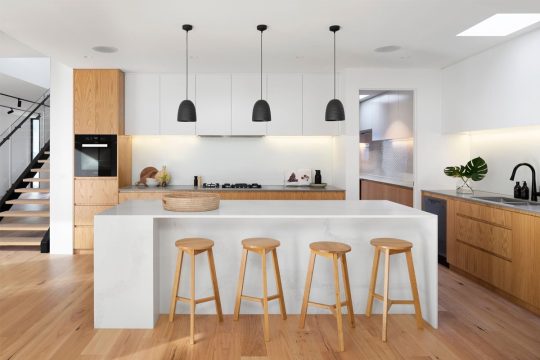
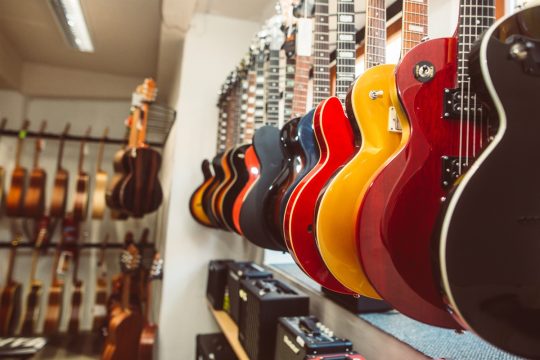
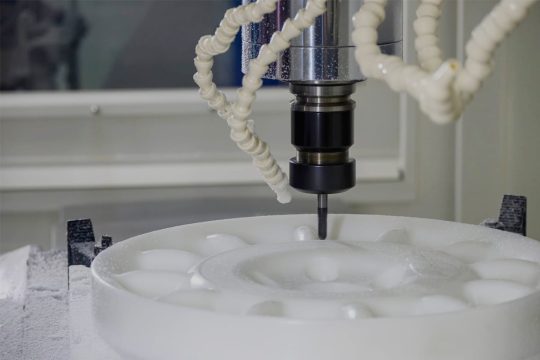
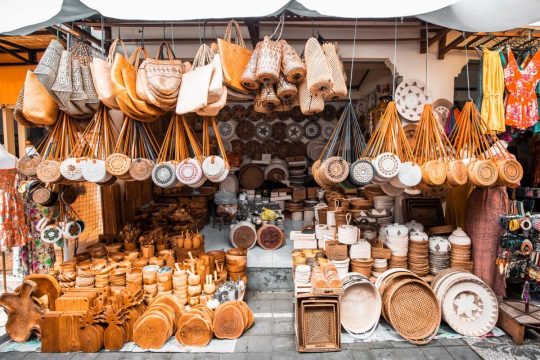
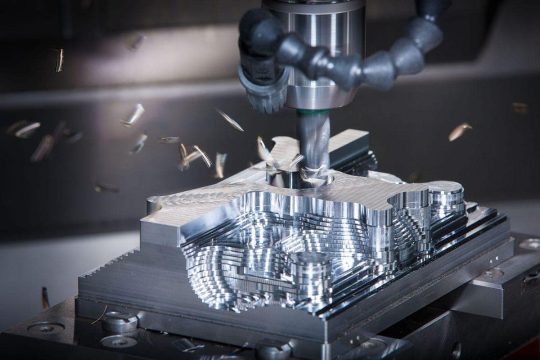
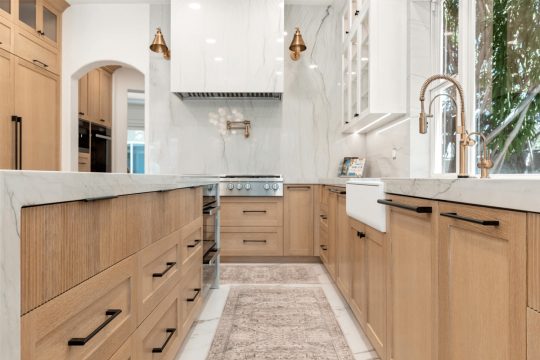

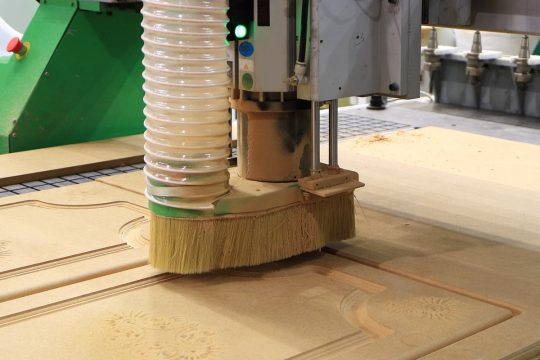
Używane procesy frezowania CNC
Precyzyjne cięcie
Frezarki CNC tną arkusze sklejki z wysoką dokładnością wymiarową. Zaprogramowane ścieżki narzędzi pozwalają na uzyskanie prostych krawędzi, krzywizn, otworów wewnętrznych i powtarzalnych elementów, jednocześnie redukując liczbę błędów ręcznych i zapewniając spójne rezultaty niezależnie od rozmiaru i grubości paneli.
Cięcie konturowe
Cięcie konturowe podąża za złożonymi konturami, tworząc kształtowane elementy mebli, panele dekoracyjne, szyldy, zabawki i elementy architektoniczne. Sterowanie CNC pomaga zachować gładkie krzywizny, precyzyjne narożniki i spójne profile w całym procesie obróbki.
Rytownictwo
Frezarki CNC grawerują tekst, logo, wzory, tekstury i detale dekoracyjne na powierzchniach sklejki. Głębokość cięcia można regulować, aby uzyskać płytkie oznaczenia, wyrazistą grafikę lub wzory warstwowe, jednocześnie zachowując otaczającą okleinę.
Wiercenie
Wiercenie CNC pozwala na precyzyjne pozycjonowanie otworów pod śruby, kołki, zawiasy, okucia, kable i elementy montażowe. Automatyczne pozycjonowanie zapewnia stały odstęp i średnicę, upraszczając instalację i redukując problemy z dopasowaniem podczas montażu produktu.
Pheteting
Proces kieszeniowania usuwa materiał z wybranych obszarów bez przecinania całego panelu. Proces ten tworzy wgłębienia na okucia, złącza, elementy metalowe, detale dekoracyjne, gniazda komponentów i lekkie sekcje konstrukcyjne.
Rowkowanie
Frezarki CNC umożliwiają wykonywanie prostych lub zakrzywionych rowków do łączenia płyt, dna szuflad, półek, linii dekoracyjnych i kanałów kablowych. Kontrolowana głębokość i szerokość zapewniają dokładne dopasowanie i powtarzalną jakość montażu.
Cięcie stolarskie
Frezarki CNC umożliwiają wykonywanie połączeń czopowych, wręgów, gniazd, czopów, połączeń na wczepy klinowe i połączeń zazębiających. Precyzyjne łączenie elementów poprawia szybkość montażu, spójność strukturalną i dopasowanie elementów w meblach, szafkach, witrynach i produktach prefabrykowanych.
Fazowanie
Fazowanie pozwala uzyskać kątowe krawędzie sklejki, co zapewnia dekoracyjny wygląd, lepsze dopasowanie lub płynniejsze przejścia między elementami. Sterowanie CNC utrzymuje stały kąt i szerokość na prostych, zakrzywionych i nieregularnych profilach.
Profilowanie krawędzi
Specjalistyczne frezy kształtują krawędzie sklejki w zaokrąglone, fazowane, schodkowe lub dekoracyjne profile. Proces ten poprawia wygląd, bezpieczeństwo, dopasowanie i jakość wykończenia, jednocześnie redukując potrzebę intensywnego ręcznego kształtowania krawędzi.
Rzeźba 3D
Frezarki CNC wycinają wypukłe, wgłębione i konturowe wzory trójwymiarowe w grubej sklejce. Proces ten nadaje się do produkcji paneli dekoracyjnych, płaskorzeźb, modeli, szyldów, form i niestandardowych elementów o różnej głębokości.
Zagnieżdżanie
Oprogramowanie do zagnieżdżania efektywnie układa wiele elementów na arkuszu sklejki. Zoptymalizowane układy redukują ilość niewykorzystanego materiału, skracają ścieżki cięcia, kontrolują koszty produkcji i wspierają jednoczesną produkcję komponentów o różnych kształtach i rozmiarach.
Produkcja seryjna
Frezarki CNC powtarzają zaprogramowane operacje cięcia, wiercenia, grawerowania i rowkowania z niezmienną dokładnością. Dzięki temu nadają się do produkcji dużych ilości elementów ze sklejki, jednocześnie redukując nakład pracy i utrzymując stabilną jakość produktu.
Wspólne wyzwania
Odpryskiwanie forniru
Powierzchnie sklejki mogą pękać podczas wchodzenia lub wychodzenia narzędzia tnącego z płyty. Nieprawidłowy dobór frezu, niewłaściwy kierunek cięcia, zbyt duże prędkości posuwu lub stępianie narzędzi mogą uszkodzić górną lub dolną warstwę forniru i obniżyć jakość krawędzi.
Odrywanie krawędzi
Wyrywanie występuje, gdy włókna drewna są odrywane zamiast równo ciąć. Problem ten jest szczególnie powszechny w narożnikach, zakrzywionych profilach i cięciach poprzecznych, co zwiększa potrzebę szlifowania, wypełniania lub wymiany części.
Wewnętrzne pustki
Sklejka niższej jakości może zawierać szczeliny lub nierówności między warstwami wewnętrznymi. Te ukryte pustki mogą powodować nierównomierny opór cięcia, nierówne krawędzie, słabe sekcje i nieprzewidywalne rezultaty podczas wiercenia, wycinania kieszeni lub cięcia konturowego.
Uszkodzenie powierzchni
Powierzchnie sklejki mogą ulec zarysowaniu, wgnieceniu lub uszkodzeniu w wyniku zacisków, odprysków, zanieczyszczeń mechanicznych lub nieostrożnego obchodzenia się z materiałem. Okleiny dekoracyjne wymagają starannej ochrony, ponieważ nawet drobne uszkodzenia mogą pozostać widoczne po wykończeniu.
Ruch paneli
Duże arkusze sklejki mogą się przesuwać, unosić lub wibrować podczas obróbki, jeśli mocowanie jest niewystarczające. Niestabilny materiał może powodować niedokładne wymiary, nierówne cięcia, uszkodzenia narzędzi oraz nieprawidłowe dopasowanie wywierconych otworów do elementów montażowych.
Spalenie i przebarwienia
Nadmierna prędkość wrzeciona, wolne posuwy, głębokie cięcia lub stępianie frezów mogą generować zbyt dużo ciepła. Może to powodować powstawanie ciemnych śladów, przypalonych krawędzi, nieprzyjemnych zapachów i osadów żywicy na narzędziu skrawającym.
Gromadzenie się kurzu i wiórów
Frezowanie sklejki generuje duże ilości wiórów i drobnego pyłu. Słaby system odsysania może ograniczać widoczność, utrudniać cięcie, zwiększać temperaturę, zanieczyszczać podzespoły maszyn oraz tworzyć mniej wydajne i komfortowe środowisko pracy.
Nagromadzenie kleju
Kleje między warstwami sklejki mogą przyklejać się do frezów podczas długotrwałej obróbki. To nagromadzenie zmniejsza wydajność cięcia, zwiększa temperaturę, pogarsza jakość krawędzi i może skrócić żywotność narzędzia, jeśli frez nie jest regularnie czyszczony.
Odmiana materiału
Jakość sklejki, gęstość, grubość forniru, wilgotność i konstrukcja rdzenia mogą się różnić w zależności od arkusza. Różnice te mogą wpływać na prędkość cięcia, wykończenie powierzchni, stabilność wymiarową i zużycie narzędzi, co wymaga dostosowania parametrów obróbki.
Jak frezowanie CNC rozwiązuje wyzwania
Czyste cięcie forniru
Frezarki CNC wykorzystują frezy kompresyjne lub frezy z cięciem w dół, aby ograniczyć powstawanie odprysków na powierzchniach sklejki. Kontrolowany kierunek cięcia, odpowiednie prędkości posuwu i ostre narzędzia pomagają chronić dekoracyjne forniry i uzyskać czystsze krawędzie górne i dolne.
Zredukowane odrywanie krawędzi
Zaprogramowane ścieżki narzędzi płynnie prowadzą frez przez narożniki, łuki i sekcje poprzeczne. Wykańczające przejścia i zoptymalizowane kierunki cięcia redukują wyłamywanie włókien, poprawiając spójność krawędzi i ograniczając potrzebę szlifowania lub naprawy.
Stabilne trzymanie materiału
Stoły próżniowe, zaciski i płyty oporowe utrzymują płyty ze sklejki bezpiecznie podczas obróbki. Niezawodne mocowanie zapobiega przesuwaniu, podnoszeniu i wibracjom, pomagając zachować dokładne wymiary, czyste cięcia i prawidłowe wyrównanie otworów i elementów montażowych.
Kontrolowane parametry cięcia
Frezarki CNC umożliwiają precyzyjną regulację prędkości wrzeciona, posuwu i głębokości cięcia. Zrównoważone ustawienia redukują nadmierne nagrzewanie, przypalanie, przebarwienia i obciążenie narzędzia, zapewniając jednocześnie stabilną pracę w przypadku różnych gatunków i grubości sklejki.
Skuteczne odsysanie pyłu
Zintegrowane systemy odciągowe usuwają wióry i drobny pył z obszaru cięcia. Lepsze odprowadzanie pyłu poprawia widoczność, redukuje nagrzewanie, chroni podzespoły maszyny i tworzy czystsze, bardziej wydajne środowisko produkcyjne.
Stała dokładność ścieżki narzędzia
Sterowanie komputerowe zapewnia precyzyjne cięcie, wiercenie, rowkowanie i tworzenie kieszeni. Taka spójność pomaga zniwelować różnice w materiale i gwarantuje, że powtarzające się elementy sklejki będą do siebie idealnie pasować podczas montażu.
Ulepszone zarządzanie narzędziami
Produkcja CNC pozwala operatorom dobrać odpowiednie wiertła do konkretnych operacji i monitorować stan narzędzi. Regularne kontrole, czyszczenie i terminowa wymiana redukują gromadzenie się kleju, utrzymują wydajność cięcia i poprawiają jakość krawędzi.
Zoptymalizowane wykorzystanie materiałów
Oprogramowanie do zagnieżdżania efektywnie układa elementy sklejki na każdym arkuszu. Lepsze układy redukują niewykorzystane obszary, pozwalają uniknąć widocznych defektów lub wewnętrznych pustych przestrzeni po ich zidentyfikowaniu, obniżają koszty materiałów i wspierają wyższą wydajność produkcji przy mniejszej ilości odpadów.
Polecane routery CNC
Frezarki CNC z automatyczną wymianą narzędzi sprawdzają się w przypadku projektów wymagających wielu operacji. Umożliwiają one przełączanie między narzędziami tnącymi, wiercącymi, grawerującymi i wykończeniowymi bez konieczności częstej ręcznej zmiany, co skraca przestoje i poprawia spójność. Producenci paneli meblowych lub mebli modułowych mogą również skorzystać z maszyn wyposażonych w jednostki wiertnicze i systemy wyrównywania. Frezarki CNC z osiami obrotowymi są zalecane do obróbki cylindrycznych lub obrotowych elementów ze sklejki. Frezarki CNC 4- i 5-osiowe lepiej nadają się do obróbki złożonych powierzchni trójwymiarowych, głębokich konturów, części zakrzywionych oraz obróbki wielostronnej. Niezależnie od konfiguracji, wybrana maszyna powinna charakteryzować się sztywną ramą, precyzyjnym sterowaniem ruchem, mocnym podciśnieniem, skutecznym odsysaniem pyłu, kompatybilnym oprogramowaniem CAD/CAM oraz odpowiednimi frezami. Funkcje te pomagają ograniczyć odpryskiwanie, wibracje, przepalenia i błędy wymiarowe, jednocześnie utrzymując stabilną jakość produkcji.


Sprawy klientów
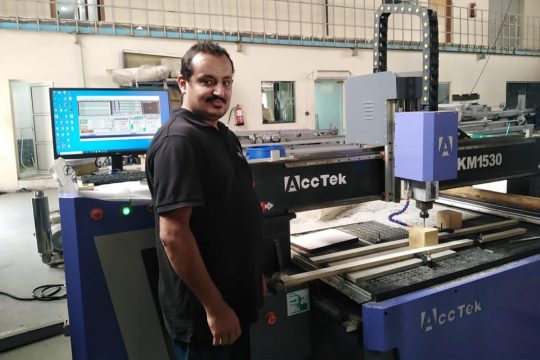
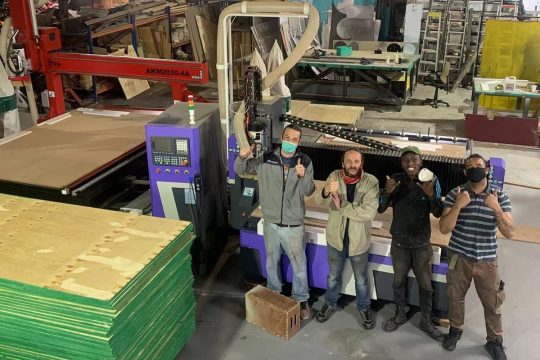
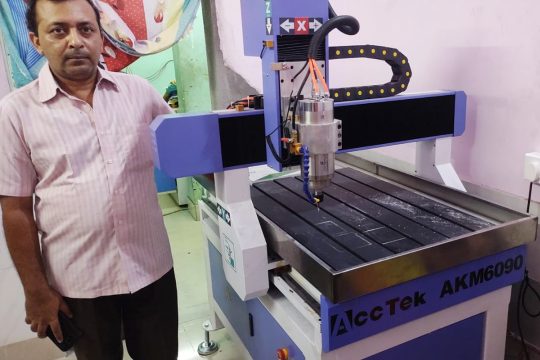
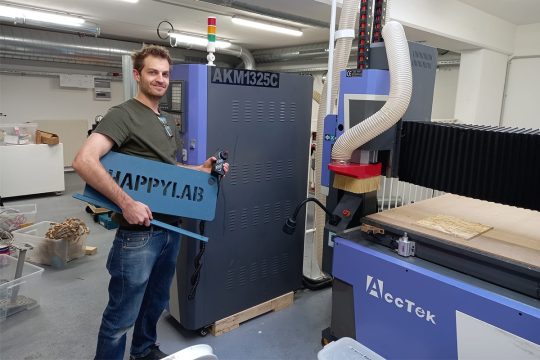
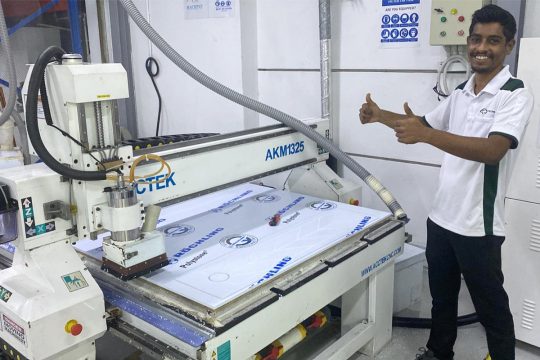
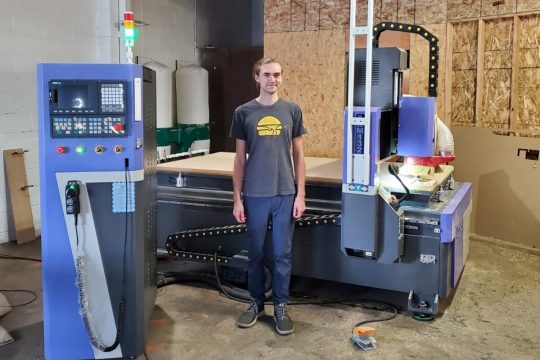
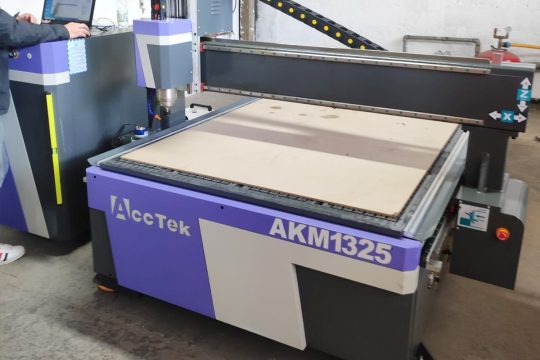
Uzyskaj rozwiązania w zakresie frezowania CNC
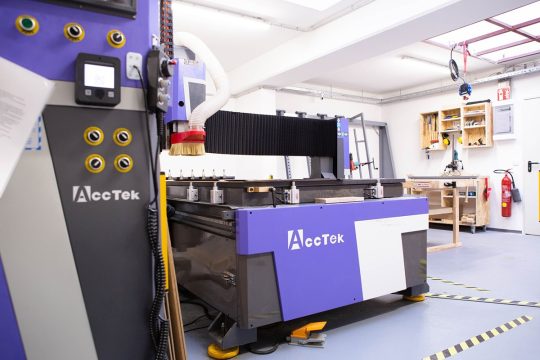
Nasz zespół pomoże Państwu ocenić materiały do obróbki, rozmiar roboczy, grubość cięcia, wolumen produkcji, wymagania dotyczące dokładności oraz warunki panujące w warsztacie. Na podstawie tych danych możemy zarekomendować odpowiedni model maszyny, moc wrzeciona, typ stołu, system sterowania, układ przeniesienia napędu, oprzyrządowanie oraz opcjonalne akcesoria, takie jak stoły próżniowe, urządzenia obrotowe, automatyczne zmieniacze narzędzi, jednostki wiertnicze i systemy odpylania.
Firma AccTek CNC oferuje coś więcej niż tylko frezarki CNC. Oferujemy profesjonalne doradztwo przed zakupem, personalizację maszyn, wsparcie instalacyjne, szkolenia z obsługi, pomoc techniczną i serwis posprzedażowy, aby pomóc klientom w korzystaniu z ich sprzętu z pełnym zaufaniem. Od małych warsztatów po duże fabryki, nasze frezarki CNC zostały zaprojektowane tak, aby pomóc w zwiększeniu wydajności, ograniczeniu nakładu pracy ręcznej i poszerzeniu możliwości obróbki.
Jeśli szukasz niezawodnej maszyny CNC do swojej firmy, skontaktuj się z AccTek CNC już dziś i uzyskaj rozwiązanie dostosowane do Twoich celów produkcyjnych.