

Introducción
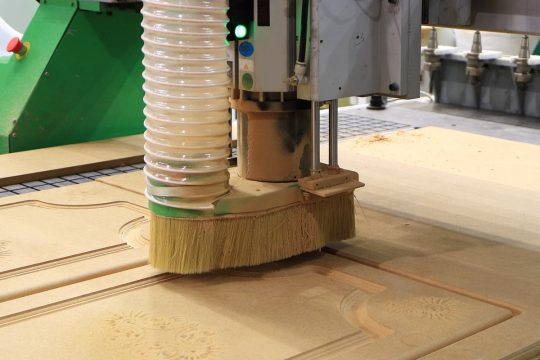
La selección correcta de herramientas es esencial para obtener resultados limpios. Las brocas de compresión se utilizan a menudo para reducir el astillado en las superficies superior e inferior, mientras que las herramientas de corte ascendente y descendente se pueden seleccionar según los requisitos de eliminación de virutas y acabado superficial. La velocidad de avance, la velocidad del husillo, la profundidad de corte y el afilado de la herramienta deben estar correctamente equilibrados para evitar quemaduras, vibraciones excesivas, bordes ásperos y desgaste prematuro de la herramienta. Una sujeción fiable del material es igualmente importante, ya que las láminas de madera contrachapada pueden levantarse, desplazarse o vibrar durante el mecanizado. Las mesas de vacío, las abrazaderas y las bases de sacrificio adecuadas ayudan a estabilizar el panel y mantener las dimensiones exactas. La extracción eficaz del polvo elimina las virutas y las partículas finas, mejora la visibilidad, protege la herramienta de corte y mantiene el área de trabajo más limpia. La programación digital también permite modificar, escalar, anidar y repetir diseños rápidamente. Las fresadoras CNC ayudan a mejorar la productividad, reducir los errores manuales, minimizar el desperdicio de material y ofrecer componentes de madera contrachapada precisos y repetibles con detalles limpios y calidad constante.
Tipos adecuados para fresado CNC
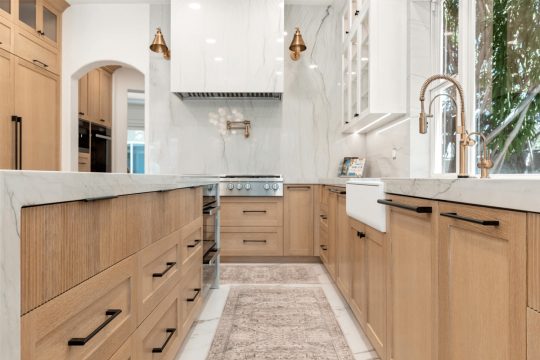
- Puertas de vitrina
- Paneles de gabinete
- Unidades de estantería
- Mesas
- Sillas
- Somieres
- Componentes del armario
- Piezas de cajones
- Paneles de pared decorativos
- Divisores de habitaciones
- Paneles acústicos
- Stands de exposición
- Displays minoristas
- Anuncios
- Cajas de almacenamiento
- Cajas de embalaje
- Juguetes de madera
- Tableros de rompecabezas
- Modelos educativos
- Modelos arquitectonicos
Industrias y aplicaciones


Procesos de fresado CNC utilizados
Corte de precisión
Las fresadoras CNC cortan láminas de madera contrachapada con gran precisión dimensional. Las trayectorias de herramienta programadas generan bordes rectos, curvas, aberturas internas y piezas repetidas, reduciendo los errores manuales y manteniendo resultados uniformes en paneles de diferentes tamaños y grosores.
Corte de contorno
El corte de contorno sigue líneas complejas para crear piezas de mobiliario, paneles decorativos, letreros, juguetes y componentes arquitectónicos. El control CNC ayuda a mantener curvas suaves, esquinas precisas y perfiles uniformes durante todo el proceso de mecanizado.
Grabado
Las fresadoras CNC graban texto, logotipos, patrones, texturas y detalles decorativos en superficies de madera contrachapada. La profundidad de corte se puede ajustar para producir marcas poco profundas, gráficos llamativos o diseños en capas, preservando al mismo tiempo la chapa circundante.
Trío
El taladrado CNC crea orificios con precisión para tornillos, pasadores, bisagras, herrajes, cables y componentes de montaje. El posicionamiento automatizado garantiza un espaciado y diámetro uniformes, lo que simplifica la instalación y reduce los problemas de alineación durante el ensamblaje del producto.
Embolsar
El proceso de recorte consiste en eliminar material de áreas específicas sin cortar el panel por completo. Este proceso crea huecos para herrajes, juntas, accesorios, detalles decorativos, alojamientos de componentes y secciones estructurales ligeras.
Ranurado
Las fresadoras CNC producen ranuras rectas o curvas para juntas de paneles, fondos de cajones, estantes, líneas decorativas y canaletas para cables. El control preciso de la profundidad y el ancho garantiza un ajuste exacto y una calidad de ensamblaje uniforme.
Corte de carpintería
Las fresadoras CNC crean ranuras, rebajes, mortajas, espigas, uniones dentadas y conexiones entrelazadas. Las uniones precisas mejoran la velocidad de ensamblaje, la consistencia estructural y la alineación de los componentes en muebles, gabinetes, exhibidores y productos prefabricados.
Biselado
El biselado produce bordes de madera contrachapada en ángulo para lograr una apariencia decorativa, un mejor ajuste o transiciones más suaves entre componentes. El control CNC mantiene un ángulo y un ancho uniformes en perfiles rectos, curvos e irregulares.
Perfilado de bordes
Las fresas especializadas dan forma a los cantos del contrachapado, creando perfiles redondeados, biselados, escalonados o decorativos. Este proceso mejora la apariencia, la seguridad, el ajuste y la calidad del acabado, a la vez que reduce la necesidad de un extenso trabajo manual de perfilado de cantos.
Talla 3D
Las fresadoras CNC tallan diseños tridimensionales en relieve, con rebajes y contornos en madera contrachapada gruesa. Este proceso es adecuado para paneles decorativos, relieves, maquetas, señalización, moldes y componentes personalizados con diferentes profundidades.
Nesting
El software de anidamiento organiza de forma eficiente varias piezas en una lámina de madera contrachapada. Los diseños optimizados reducen el material desperdiciado, acortan las trayectorias de corte, controlan los costes de producción y permiten la fabricación simultánea de componentes de diferentes formas y tamaños.
La producción de lotes
Las fresadoras CNC repiten operaciones programadas de corte, perforación, grabado y ranurado con precisión constante. Esto las hace idóneas para producir grandes cantidades de componentes de madera contrachapada, reduciendo la mano de obra y manteniendo una calidad de producto estable.
Desafíos comunes
Astillamiento de la chapa
Las superficies de madera contrachapada pueden astillarse cuando la herramienta de corte entra o sale del panel. Una selección incorrecta de la broca, una dirección de corte inadecuada, velocidades de avance excesivas o herramientas desafiladas pueden dañar la chapa superior o inferior y reducir la calidad de los bordes.
Desprendimiento de borde
El desgarro se produce cuando las fibras de la madera se desprenden en lugar de cortarse limpiamente. Este problema es especialmente común en esquinas, perfiles curvos y cortes transversales a la veta, lo que aumenta la necesidad de lijar, rellenar o reemplazar la pieza.
Vacíos internos
Los contrachapados de menor calidad pueden presentar huecos o irregularidades entre sus capas internas. Estos huecos ocultos pueden provocar una resistencia al corte inconsistente, bordes ásperos, secciones débiles y resultados impredecibles durante el taladrado, el mecanizado de cavidades o el corte de contornos.
Daño superficial
Las superficies de madera contrachapada pueden rayarse, abollarse o marcarse con abrazaderas, astillas, residuos de maquinaria o un manejo brusco. Las chapas decorativas requieren una protección cuidadosa, ya que incluso los daños menores pueden permanecer visibles después del acabado.
Movimiento de paneles
Las láminas grandes de madera contrachapada pueden desplazarse, levantarse o vibrar durante el mecanizado si la sujeción de la pieza es inadecuada. Un material inestable puede provocar dimensiones inexactas, cortes irregulares, rotura de herramientas y una mala alineación entre los orificios perforados y las piezas de montaje.
Ardor y decoloración
Una velocidad excesiva del husillo, avances lentos, cortes profundos o fresas desafiladas pueden generar demasiado calor. Esto puede dejar marcas oscuras, bordes quemados, olores desagradables y acumulación de resina en la herramienta de corte.
Acumulación de polvo y virutas
El fresado de madera contrachapada genera grandes cantidades de virutas y polvo fino. Una extracción deficiente puede reducir la visibilidad, interferir con el corte, aumentar el calor, contaminar los componentes de la máquina y crear un entorno de trabajo menos eficiente e incómodo.
Acumulación de adhesivo
Los adhesivos entre las capas de madera contrachapada pueden adherirse a las fresas durante el mecanizado prolongado. Esta acumulación reduce la eficiencia del corte, aumenta el calor, empeora la calidad del filo y puede acortar la vida útil de la herramienta si la fresa no se limpia con regularidad.
Variación de materiales
La calidad, la densidad, el grosor de la chapa, el contenido de humedad y la estructura del núcleo del contrachapado pueden variar entre las láminas. Estas diferencias pueden afectar la velocidad de corte, el acabado superficial, la estabilidad dimensional y el desgaste de las herramientas, lo que requiere ajustes en los parámetros de mecanizado.
Cómo el fresado CNC resuelve los desafíos
Corte limpio de chapas
Las fresadoras CNC utilizan brocas de compresión o de corte descendente para reducir el astillado en las superficies de madera contrachapada. La dirección de corte controlada, las velocidades de avance adecuadas y las herramientas afiladas ayudan a proteger las chapas decorativas y a obtener bordes superiores e inferiores más limpios.
Reducción del desgarro de los bordes
Las trayectorias programadas guían la fresa con precisión a través de esquinas, curvas y secciones transversales a la veta. Las pasadas de acabado y las direcciones de corte optimizadas reducen la rotura de fibras, mejorando la uniformidad del filo y limitando la necesidad de lijado o reparación.
Retención estable de materiales
Las mesas de vacío, las abrazaderas y las mesas de sacrificio mantienen los paneles de madera contrachapada seguros durante el mecanizado. Una sujeción fiable evita el desplazamiento, el levantamiento y la vibración, lo que ayuda a mantener dimensiones precisas, cortes limpios y una alineación correcta entre los orificios y las piezas de ensamblaje.
Parámetros de corte controlados
Las fresadoras CNC permiten un ajuste preciso de la velocidad del husillo, la velocidad de avance y la profundidad de corte. Los ajustes equilibrados reducen el calor excesivo, las quemaduras, la decoloración y la tensión en la herramienta, a la vez que garantizan un rendimiento estable en diferentes tipos y grosores de madera contrachapada.
Extracción eficiente de polvo
Los sistemas de extracción integrados eliminan las virutas y el polvo fino de la zona de corte. Un mejor control del polvo mejora la visibilidad, reduce la acumulación de calor, protege los componentes de la máquina y crea un entorno de producción más limpio y eficiente.
Precisión constante en la trayectoria de la herramienta
El control computarizado del movimiento mantiene posiciones precisas para el corte, la perforación, el ranurado y el mecanizado de cavidades. Esta consistencia ayuda a compensar las variaciones del material y garantiza que los componentes de madera contrachapada se ajusten correctamente durante el ensamblaje.
Gestión de herramientas mejorada
La producción CNC permite a los operarios seleccionar las brocas adecuadas para cada operación y controlar el estado de la herramienta. La inspección, la limpieza y el reemplazo periódicos reducen la acumulación de adhesivo, mantienen la eficiencia de corte y mejoran la calidad del filo.
Uso optimizado de materiales
El software de optimización de la disposición de las piezas de madera contrachapada organiza de forma eficiente cada lámina. Una mejor distribución reduce las áreas sin usar, evita defectos visibles o huecos internos cuando se detectan, disminuye los costos de material y permite una mayor producción con menos desperdicio.
Fresadoras CNC recomendadas
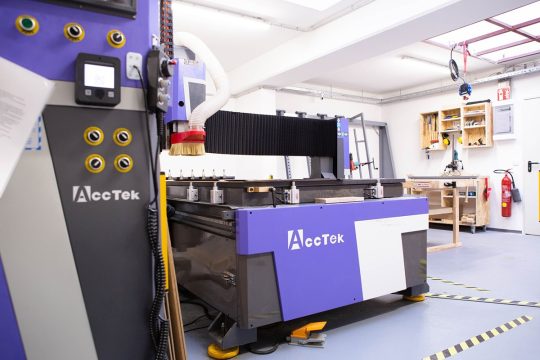
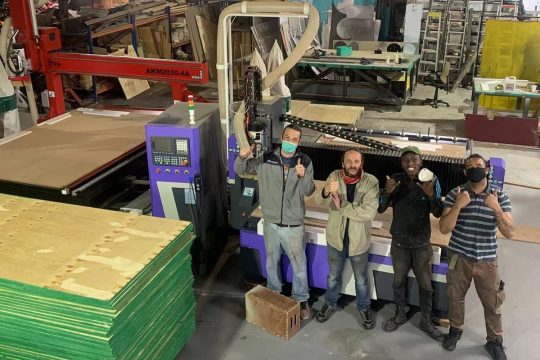
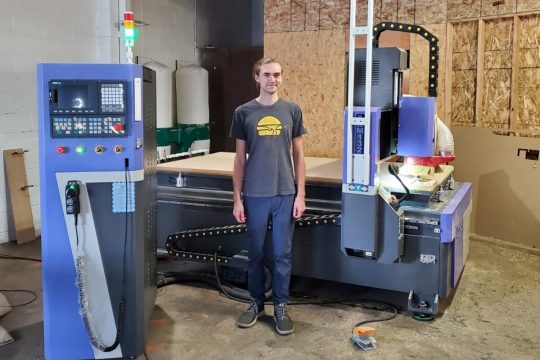
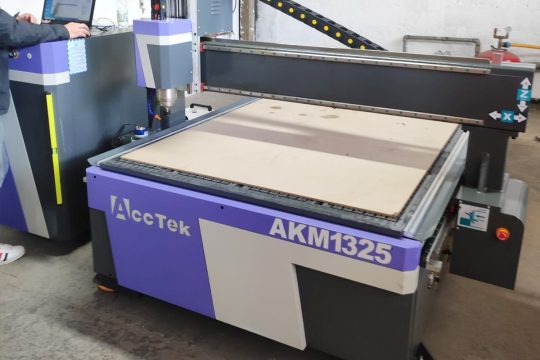
Las fresadoras CNC con cambiador automático de herramientas son ideales cuando un proyecto requiere varias operaciones. Permiten alternar entre herramientas de corte, perforación, grabado y acabado sin necesidad de cambios manuales frecuentes, lo que reduce el tiempo de inactividad y mejora la consistencia. Los fabricantes de paneles para gabinetes o muebles modulares también pueden beneficiarse de máquinas equipadas con unidades de perforación y sistemas de alineación. Las fresadoras CNC de eje rotatorio se recomiendan para componentes cilíndricos o giratorios de madera contrachapada. Las fresadoras CNC de 4 y 5 ejes son más adecuadas para superficies tridimensionales complejas, contornos profundos, piezas curvas y mecanizado de múltiples caras. Independientemente de la configuración, la máquina seleccionada debe contar con un bastidor rígido, control de movimiento preciso, fuerte succión, extracción de polvo eficaz, software CAD/CAM compatible y fresas adecuadas. Estas características ayudan a reducir el astillado, la vibración, el sobrecalentamiento y los errores dimensionales, manteniendo una calidad de producción estable.


Obtenga soluciones de enrutamiento CNC
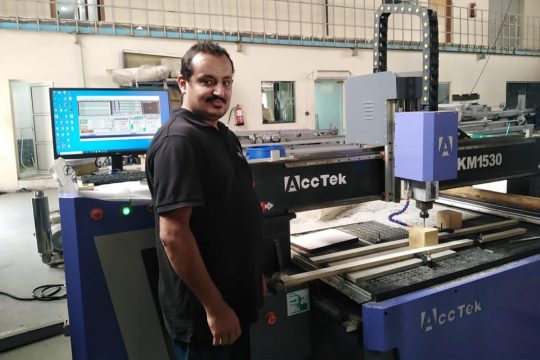
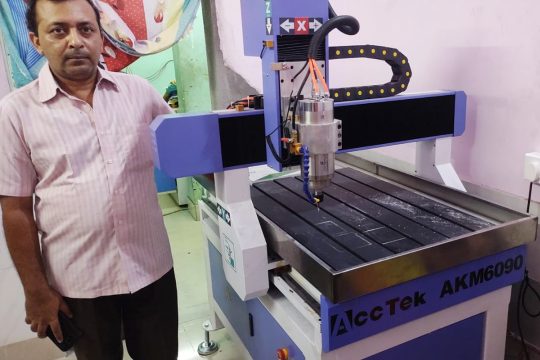
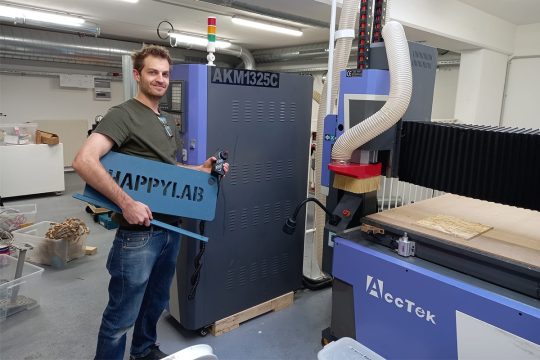
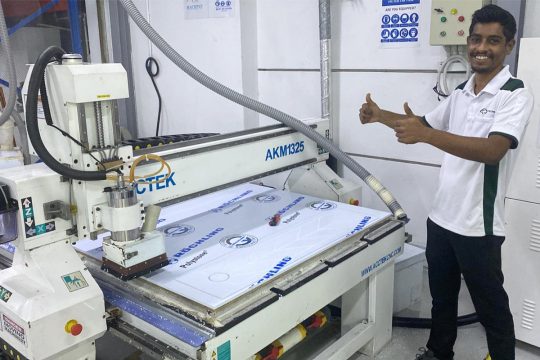
Nuestro equipo le ayudará a evaluar los materiales que necesita procesar, el tamaño de la pieza, el espesor de corte, el volumen de producción, los requisitos de precisión y las condiciones del taller. Con base en estos datos, podemos recomendarle el modelo de máquina, la potencia del husillo, el tipo de mesa, el sistema de control, el sistema de transmisión, las herramientas y los accesorios opcionales adecuados, como mesas de vacío, dispositivos rotativos, cambiadores automáticos de herramientas, unidades de perforación y sistemas de recolección de polvo.
En AccTek CNC nos comprometemos a ofrecer mucho más que simples fresadoras CNC. Brindamos asesoramiento profesional antes de la compra, personalización de la máquina, asistencia para la instalación, capacitación operativa, soporte técnico y servicio posventa para que nuestros clientes utilicen sus equipos con total confianza. Desde pequeños talleres hasta grandes fábricas, nuestras fresadoras CNC están diseñadas para mejorar la eficiencia, reducir el trabajo manual y ampliar las posibilidades de procesamiento.
Si busca una fresadora CNC fiable para su empresa, póngase en contacto hoy mismo con AccTek CNC y obtenga una solución adaptada a sus objetivos de producción.