

- 25-35 Min. Lesezeit
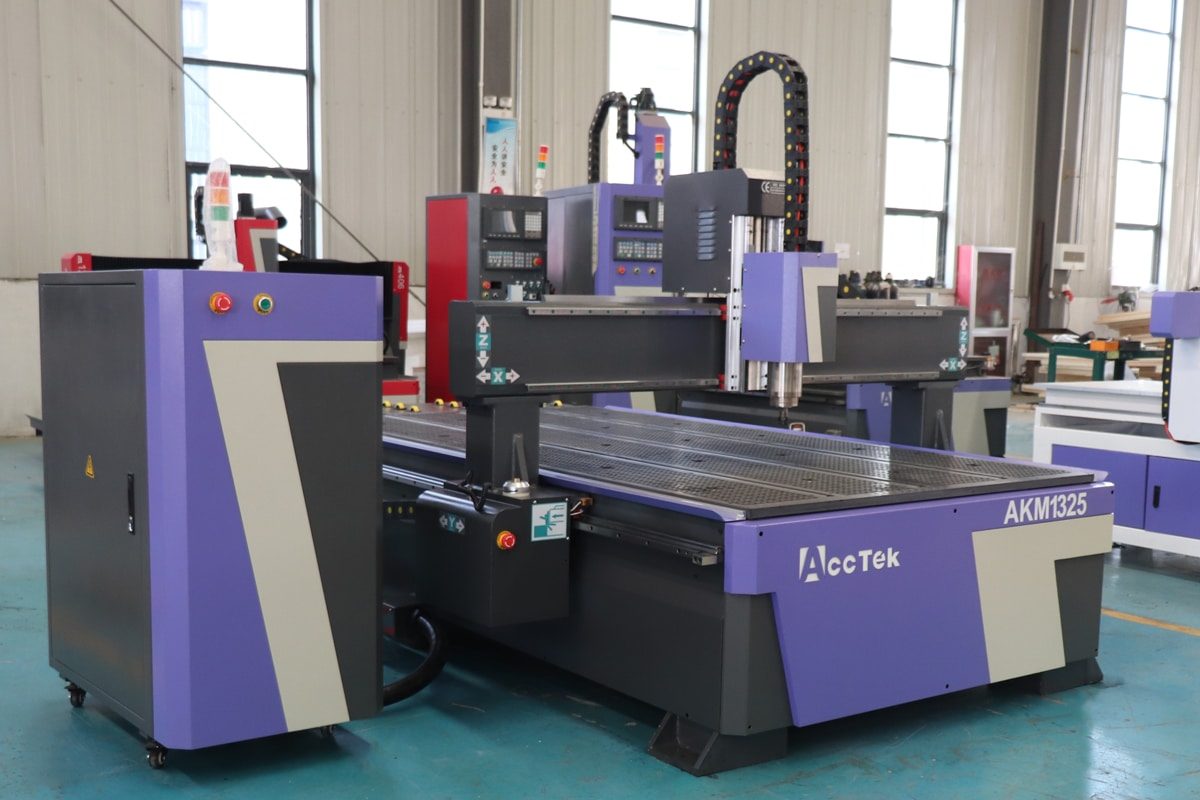
Preisgünstige CNC-Fräsmaschinen erfreuen sich zunehmender Beliebtheit bei Hobbyanwendern, kleinen Unternehmen, Start-up-Werkstätten und sogar Industrieunternehmen, die ihre Produktionskapazitäten erweitern möchten, ohne ihr Budget zu sprengen. Von der Holzbearbeitung und Schilderherstellung über die Kunststoffverarbeitung bis hin zur Leichtmetallbearbeitung – erschwingliche CNC-Maschinen können beeindruckende Leistungen erbringen, wenn sie sorgfältig auf die jeweiligen Produktionsanforderungen abgestimmt sind. Die richtige Maschine zu finden, bedeutet jedoch nicht nur, den niedrigsten Preis zu wählen. Eine wirklich kosteneffiziente CNC-Fräsmaschine sollte die ideale Balance aus Leistung, Langlebigkeit, Präzision, Erweiterungsmöglichkeiten und Kundendienst bieten.
Käufer, die sich nur auf den Anschaffungspreis konzentrieren, stoßen oft auf versteckte Kosten für Wartung, mangelnde Genauigkeit, eingeschränkte Funktionalität oder unzureichenden technischen Support. Dieser Artikel zeigt Ihnen, wie Sie beim Kauf einer erschwinglichen CNC-Fräse das beste Preis-Leistungs-Verhältnis erzielen. Er behandelt die wichtigsten Bewertungskriterien, häufige Fehler, die es zu vermeiden gilt, wichtige Maschinenkomponenten und praktische Strategien zur Optimierung Ihrer Investition. Ob Sie Ihre erste CNC-Fräse kaufen oder eine bestehende Anlage modernisieren möchten – dieser Leitfaden hilft Ihnen, eine fundierte Entscheidung zu treffen, die sowohl Ihren aktuellen Bedarf als auch Ihr zukünftiges Wachstum berücksichtigt.
Preisgünstige CNC-Fräsen verstehen
Erschwingliche CNC-Fräsmaschinen haben die automatisierte Bearbeitungstechnologie einem breiten Anwenderkreis zugänglich gemacht – von Hobbybastlern und kleinen Werkstätten bis hin zu Startups und Bildungseinrichtungen. Diese Maschinen bieten ein optimales Verhältnis von Kosten und Leistung und ermöglichen präzises und effizientes Schneiden, Schnitzen, Gravieren und Formen. Um eine fundierte Kaufentscheidung zu treffen, die Budget und Produktionsanforderungen gleichermaßen berücksichtigt, ist es wichtig zu verstehen, was eine „erschwingliche“ CNC-Fräsmaschine ausmacht und welche Möglichkeiten sie tatsächlich bietet.
Was ist eine erschwingliche CNC-Fräse?
Eine kostengünstige CNC-Fräse ist eine computergesteuerte Schneid- und Bearbeitungsmaschine, die ein optimales Verhältnis von Kosten, Leistung und Funktionalität bietet. Diese Maschinen sind darauf ausgelegt, zuverlässige Bearbeitungsmöglichkeiten zu einem niedrigeren Preis als High-End-Industrie-CNC-Systeme zu bieten und sind somit für Hobbyanwender, kleine Unternehmen, Startups, Bildungseinrichtungen und wachsende Fertigungsbetriebe erschwinglich. Kostengünstige CNC-Fräsen können eine Vielzahl von Aufgaben ausführen, darunter Schneiden, Gravieren, Schnitzen, Bohren und Formen von Materialien mit hoher Präzision und Wiederholgenauigkeit. Kostengünstige CNC-Fräsen sind in verschiedenen Kategorien erhältlich:
- Einsteiger-CNC-Fräsmaschinen für Hobbyanwender: Diese kompakten Maschinen sind primär für Anfänger, Heimwerker, kleine Werkstätten, Bildungseinrichtungen und leichte Produktionsaufgaben konzipiert. Hobby-CNC-Fräsmaschinen zeichnen sich in der Regel durch kleinere Arbeitsbereiche, moderate Spindelleistung und vereinfachte Steuerungssysteme aus.
- Professionelle CNC-Fräsmaschinen der Mittelklasse: Diese Maschinen sind für kleine und mittelständische Unternehmen konzipiert, die im regelmäßigen gewerblichen Einsatz höhere Präzision, gesteigerte Produktivität und längere Lebensdauer benötigen. Professionelle CNC-Fräsmaschinen verfügen oft über stabilere Stahlrahmen, leistungsstärkere Spindeln, größere Arbeitsbereiche, Vakuumtische und hochwertigere Bewegungssysteme.
- Budget-CNC-Industriefräsmaschinen: Obwohl sie im Markt für industrielle CNC-Maschinen als „budget“ gelten, sind diese Maschinen dennoch für anspruchsvolle Produktionsumgebungen und den Dauerbetrieb ausgelegt. Sie verfügen häufig über robuste, geschweißte Stahlrahmen, leistungsstarke Spindeln, fortschrittliche Steuerungssysteme, Servomotoren und Komponenten in Industriequalität, die für langfristige Zuverlässigkeit und Hochgeschwindigkeitsbearbeitung konzipiert sind.
Für wen ist eine erschwingliche CNC-Fräse geeignet?
Preisgünstige CNC-Fräsmaschinen eignen sich für eine breite Anwendergruppe, die ihre Bearbeitungseffizienz steigern, ihre Produktionskapazitäten erhöhen und eine höhere Präzision erreichen möchte, ohne dafür übermäßig viel Geld investieren zu müssen.
- Hobbybastler und Heimwerker: Diese Nutzer widmen sich häufig persönlichen Holzbearbeitungsprojekten, individuellen Handarbeiten, Wohndekorationen, Modellbau, Gravuren oder künstlerischen Kreationen. Eine erschwingliche CNC-Fräse ermöglicht es ihnen, komplexe Schneid- und Schnitzarbeiten zu automatisieren und gleichzeitig CNC-Programmierung und Bearbeitungstechniken zu erlernen – ohne die hohen Kosten industrieller Anlagen.
- Kleinunternehmer: Betriebe, die sich mit individueller Holzbearbeitung, Schilderherstellung, Möbelproduktion, Acrylverarbeitung und personalisierten Produkten befassen, können CNC-Fräsmaschinen einsetzen, um die Fertigungsqualität zu verbessern, manuelle Arbeit zu reduzieren und ihr Leistungsspektrum zu erweitern. Erschwingliche Maschinen helfen kleinen Unternehmen, wettbewerbsfähiger zu werden, ohne hohe Investitionen tätigen zu müssen.
- Fertigungswerkstätten für Startups: Kostengünstige CNC-Fräsmaschinen bieten einen hervorragenden Einstieg in den CNC-Bearbeitungsmarkt. Mit diesen Maschinen können Startups effizient mit der Produktion beginnen und die Kapazitäten schrittweise an die steigende Kundennachfrage anpassen.
- Bildungseinrichtungen und Ausbildungszentren: Schulen, Berufsbildungszentren und Universitäten investieren häufig in kostengünstige CNC-Fräsmaschinen für Ausbildungszwecke. Diese Maschinen ermöglichen den Studierenden praktische Erfahrungen mit CAD/CAM-Software, CNC-Programmierung und automatisierten Fertigungstechnologien.
- Hersteller von kundenspezifischen Produkten: Unternehmen, die kundenspezifische oder Kleinserienprodukte fertigen, profitieren erheblich von kostengünstigen CNC-Fräsmaschinen. Ob personalisierte Schilder, gravierte Geschenkartikel, individuelle Möbel, Dekorplatten oder Prototypenteile – CNC-Fräsmaschinen ermöglichen eine effiziente Produktion mit hoher Wiederholgenauigkeit und Präzision.
- Werbe- und Schilderhersteller: CNC-Fräsmaschinen ermöglichen die schnelle und präzise Fertigung von 3D-Schildern, Schriftzügen, Logos, Displays und Dekorationselementen. Preisgünstige Maschinen bieten oft ausreichend Leistung für die meisten Standardanwendungen in der Schilderproduktion.
Preiswerte vs. Premium-CNC-Fräsmaschinen
Bei der Auswahl einer CNC-Fräsmaschine steht der Käufer vor der wichtigen Entscheidung, ob er in eine kostengünstige Maschine oder ein hochwertiges Industriesystem investieren soll. Beide Kategorien bieten deutliche Vorteile, doch die richtige Wahl hängt von Faktoren wie Produktionsvolumen, Bearbeitungsanforderungen, Budget, gewünschtem Automatisierungsgrad und langfristigen Geschäftszielen ab.
- Verarbeitungsqualität und Maschinenkonstruktion: Preisgünstige CNC-Fräsmaschinen sind typischerweise auf ein ausgewogenes Verhältnis von Leistung und Kosten ausgelegt und verwenden häufig vereinfachte Strukturen oder Standardkomponenten, um die Fertigungskosten zu senken. Während viele dieser Maschinen eine gute Steifigkeit und Stabilität bieten, verfügen Premium-CNC-Fräsmaschinen in der Regel über schwerere, geschweißte Stahlrahmen, verstärkte Portale und mechanische Komponenten in Industriequalität, die für den Dauerbetrieb mit hohen Geschwindigkeiten und maximale Langlebigkeit ausgelegt sind.
- Präzision und Bearbeitungsleistung: Hochwertige CNC-Fräsmaschinen sind oft mit erstklassigen Antriebssystemen, Servomotoren, präzisen Linearführungen und fortschrittlichen Steuerungstechnologien ausgestattet, die für höchste Genauigkeit und schnellere Bearbeitungsgeschwindigkeiten sorgen. Preisgünstigere CNC-Fräsmaschinen verwenden zwar Schrittmotoren und einfachere Antriebssysteme, doch erzielen moderne Modelle dennoch hervorragende Ergebnisse bei der Holzbearbeitung, Schilderherstellung, Acrylverarbeitung, Schaumstoffbearbeitung und Leichtmetallbearbeitung.
- Automatisierung und erweiterte Funktionen: Hochwertige CNC-Fräsmaschinen verfügen häufig über fortschrittliche Automatisierungsfunktionen wie zum Beispiel automatische WerkzeugwechslerAutomatische Be- und Entladesysteme sowie Mehrkopfbearbeitung gehören zu den Merkmalen. Preisgünstige CNC-Fräsmaschinen konzentrieren sich oft auf die wesentlichen Bearbeitungsfunktionen und bieten bei Bedarf optionale Erweiterungen.
- Geschwindigkeit und Produktionskapazität: Hochwertige industrielle CNC-Fräsmaschinen sind für die Serienfertigung und den kontinuierlichen Mehrschichtbetrieb ausgelegt. Sie zeichnen sich typischerweise durch höhere Schnittgeschwindigkeiten, schnellere Beschleunigungswerte und eine höhere Gesamteffizienz aus. Kostengünstigere CNC-Fräsmaschinen eignen sich im Allgemeinen besser für kleinere bis mittlere Produktionsvolumina.
- Software und Benutzererfahrung: Preisgünstige CNC-Fräsmaschinen sind oft mit benutzerfreundlichen Steuerungssystemen ausgestattet, die die Bedienung für Anfänger und kleinere Werkstätten vereinfachen. Premium-CNC-Fräsmaschinen bieten unter Umständen eine fortschrittlichere Softwareintegration, ausgefeiltere Steuerungssysteme und umfangreichere Anpassungsmöglichkeiten.
Preisgünstige CNC-Fräsmaschinen bieten einen idealen Einstieg in die CNC-Bearbeitung, ohne die hohen Investitionen, die für industrielle Systeme erforderlich sind. Auch wenn sie nicht alle fortschrittlichen Funktionen von Premium-Maschinen bieten, sind sie bei optimaler Abstimmung auf die Bedürfnisse des Anwenders oft mehr als ausreichend für alltägliche Produktionsaufgaben. Durch das Verständnis ihrer Stärken, Grenzen und idealen Einsatzgebiete können Käufer eine Maschine auswählen, die zuverlässige Leistung und einen hohen langfristigen Nutzen bietet.
Schlüsselfaktoren zur Bestimmung des Wertes einer CNC-Fräse
Der Wert einer CNC-Fräsmaschine hängt von weit mehr als nur dem Anschaffungspreis ab. Eine wirklich kosteneffiziente Maschine sollte zuverlässige Leistung, gleichbleibende Bearbeitungsgenauigkeit, effizienten Betrieb und lange Lebensdauer bieten und gleichzeitig die spezifischen Produktionsanforderungen des Anwenders erfüllen. Das Verständnis der wichtigsten Wertfaktoren einer Maschine hilft Käufern, unnötige Ausgaben zu vermeiden und eine Maschine auszuwählen, die sowohl den aktuellen Bedürfnissen als auch den zukünftigen Produktionszielen entspricht.
Maschinenrahmenbau
Der Rahmen bildet das strukturelle Fundament der gesamten Maschine und trägt Portal, Spindel, Bewegungssystem und Arbeitstisch während des Betriebs. Ein stabiler Rahmen minimiert Vibrationen, gewährleistet die Ausrichtung und sichert eine gleichbleibende Bearbeitungsgenauigkeit.
- Bedeutung der Rahmensteifigkeit: Ein steifer Rahmen verbessert die Schnittstabilität, die Oberflächenqualität und die Wiederholgenauigkeit, insbesondere bei der Bearbeitung härterer Werkstoffe oder bei Hochgeschwindigkeitsschnitten. Eine stabile Rahmenkonstruktion minimiert zudem den Werkzeugverschleiß und gewährleistet eine gleichbleibende Langzeitleistung.
- Stahlrahmen vs. Aluminiumrahmen: Stahlrahmen bieten überlegene Festigkeit, Vibrationsdämpfung und Langlebigkeit und eignen sich daher ideal für professionelle und industrielle CNC-Fräsmaschinen in anspruchsvollen Produktionsumgebungen. Aluminiumrahmen sind leichter, kostengünstiger und für Hobbyanwendungen oder leichtere Einsätze geeignet, bieten jedoch im Allgemeinen eine geringere Steifigkeit als Stahlkonstruktionen.
- Geschweißte Rahmen vs. Verschraubte Konstruktionen: Geschweißte Rahmen bieten eine höhere Stabilität und Vibrationsfestigkeit, da sie eine solide, einheitliche Maschinenstruktur bilden. Verschraubte Rahmenkonstruktionen sind oft kostengünstiger und einfacher zu transportieren oder zu montieren, erfordern jedoch im Laufe der Zeit möglicherweise zusätzlichen Wartungsaufwand, um ein Lösen der Verbindungen durch Maschinenvibrationen im Betrieb zu verhindern.
- Auswirkungen auf den Langzeitwert: Eine hochwertige Rahmenkonstruktion steigert den Langzeitwert einer CNC-Fräsmaschine erheblich, indem sie die Langlebigkeit erhöht, den Wartungsaufwand reduziert und eine gleichbleibende Bearbeitungsgenauigkeit gewährleistet. Obwohl stabilere Maschinenstrukturen die anfänglichen Investitionskosten erhöhen können, bieten sie im Laufe der Zeit oft eine höhere Zuverlässigkeit, eine längere Lebensdauer und niedrigere Betriebskosten.
Spindelqualität und Leistung
Als Drehachse, die das Schneidwerkzeug mit hoher Geschwindigkeit antreibt, bestimmt die Spindel maßgeblich die Effektivität der Maschine beim Schneiden, Schnitzen, Gravieren und Formen verschiedener Materialien. Die Wahl der richtigen Spindelqualität und -leistung trägt zu einem stabilen Betrieb, guten Oberflächengüten und langfristiger Zuverlässigkeit bei.
- Spindelleistung und Materialverträglichkeit: Die geeignete Spindelleistung hängt von den zu bearbeitenden Materialien und den Produktionsanforderungen der Maschine ab. Spindeln mit geringerer Leistung eignen sich für leichtere Anwendungen wie Gravieren und das Schneiden weicher Materialien, während Spindeln mit höherer Leistung besser für Harthölzer, dickere Materialien, die Aluminiumbearbeitung und die kontinuierliche industrielle Fertigung geeignet sind.
- Luftgekühlte vs. wassergekühlte Spindeln: Luftgekühlte Spindeln sind wartungsfreundlicher und für leichtere Belastungen geeignet, erzeugen jedoch tendenziell mehr Lärm und können bei längeren Betriebszeiten weniger effizient sein. Wassergekühlte Spindeln bieten einen leiseren Betrieb und eine bessere Temperaturkontrolle und eignen sich daher besser für die kontinuierliche Bearbeitung und anspruchsvolle Produktionsumgebungen.
- Variable Drehzahlregelung: Die variable Drehzahlregelung ermöglicht es dem Bediener, die Spindeldrehzahl an unterschiedliche Materialien, Werkzeuge und Schnittanforderungen anzupassen. Eine korrekte Drehzahleinstellung verbessert die Schnittqualität, reduziert den Werkzeugverschleiß, erhöht die Bearbeitungseffizienz und bietet mehr Flexibilität für ein breites Anwendungsspektrum.
- Langfristiger Wert einer Qualitätsspindel: Eine zuverlässige Spindel trägt wesentlich zum langfristigen Wert einer CNC-Fräsmaschine bei, indem sie die Bearbeitungsgenauigkeit verbessert, Wartungsstillstandszeiten reduziert und die Werkzeugstandzeit verlängert. Die Investition in eine hochwertige Spindel sichert einen stabilen Betrieb, eine höhere Produktionseffizienz und niedrigere langfristige Betriebskosten.
Bewegungssystem und Antriebskomponenten
Diese Systeme steuern die präzise Bewegung von Spindel und Portal entlang der X-, Y- und Z-Achse während des Betriebs. Hochwertige Bewegungskomponenten verbessern die Positioniergenauigkeit, reduzieren Vibrationen und gewährleisten eine gleichbleibende Schnittleistung, während minderwertige Systeme zu Spiel, Instabilität und geringerer Bearbeitungspräzision führen können.
- Kugelgewindetriebe vs. Zahnstangenantriebe: Kugelgewindetriebe bieten hohe Präzision, geringes Spiel und einen ruhigen Lauf und eignen sich daher ideal für kleinere CNC-Fräsmaschinen und Anwendungen, die feine Details und Genauigkeit erfordern. Zahnstangenantriebe werden häufiger bei größeren CNC-Fräsmaschinen eingesetzt, da sie höhere Verfahrgeschwindigkeiten und größere Arbeitswege bei gleichbleibender Leistung ermöglichen.
- Schrittmotoren vs. Servomotoren: Schrittmotoren sind in kostengünstigen CNC-Fräsmaschinen weit verbreitet, da sie preiswert und einfach zu steuern sind und sich für leichte bis mittelschwere Bearbeitungsaufgaben eignen. Servomotoren hingegen bieten höhere Geschwindigkeiten, sanftere Beschleunigung, ein höheres Drehmoment und eine verbesserte Positioniergenauigkeit. Sie werden häufig in professionellen und industriellen CNC-Fräsmaschinen eingesetzt, wo hohe Produktionsgeschwindigkeit und Präzision unerlässlich sind.
- Linearführungen und Lager: Hochwertige Führungsschienen reduzieren die Reibung, verbessern die Bewegungsstabilität und gewährleisten eine gleichbleibende Bearbeitungsgenauigkeit über lange Produktionszyklen. Präzisionslager tragen ebenfalls zur Minimierung von Vibrationen und Verschleiß bei und sorgen so für einen ruhigeren Schnitt und eine längere Maschinenlebensdauer.
- Auswirkungen auf Genauigkeit und Geschwindigkeit: Gut konstruierte Antriebssysteme ermöglichen eine schnelle Maschinenbewegung bei gleichzeitig präziser Positionierung, was die Produktivität und Bearbeitungskonsistenz verbessert. Minderwertige Bewegungskomponenten können Positionierfehler, unebene Schnittflächen und im Laufe der Zeit einen erhöhten Wartungsaufwand verursachen.
Arbeitsbereich und Tischgestaltung
Der Arbeitsbereich bestimmt die maximale Größe der von der Maschine bearbeitbaren Materialien, während die Tischkonstruktion Einfluss darauf hat, wie sicher die Materialien während des Schneidvorgangs fixiert werden. Die Wahl der richtigen Kombination trägt dazu bei, die Produktivität zu steigern, die Rüstzeiten zu verkürzen und eine stabile Bearbeitungsleistung zu gewährleisten.
- Die Wahl des richtigen Arbeitsbereichs: Die Größe des Arbeitsbereichs der CNC-Fräse sollte den typischen Projektabmessungen und Produktionsanforderungen des Anwenders entsprechen. Kleinere Maschinen eignen sich für Gravuren, Hobbyprojekte und beengte Arbeitsbereiche, während größere Arbeitsbereiche ideal für die Möbelherstellung, den Schrankbau, die Schilderherstellung und die Bearbeitung von Plattenmaterialien sind.
- Vakuumtische vs. T-Nut-Tische: Vakuumtische fixieren das Material während des Schneidprozesses durch Absaugung. Sie eignen sich besonders für die Bearbeitung großer Bleche, dünner Materialien und die Serienfertigung. T-Nut-Tische hingegen verwenden Klemmen und Vorrichtungen zur mechanischen Fixierung des Materials. Sie bieten mehr Flexibilität beim Spannen unregelmäßig geformter oder kleinerer Werkstücke und werden häufig in Hobby- und Universal-CNC-Fräsmaschinen eingesetzt.
- Materialstabilität und Bearbeitungsgenauigkeit: Ein stabiles Spannsystem ist unerlässlich für die Bearbeitungsgenauigkeit und Oberflächenqualität. Eine unzureichende Materialunterstützung kann während des Schneidens Bewegungen oder Vibrationen verursachen, was zu Maßabweichungen, rauen Kanten oder Werkzeugschäden führen kann. Ein gut konzipiertes Tischsystem verbessert die Schnittkonsistenz und trägt zu reproduzierbaren Produktionsergebnissen bei.
- Anpassung des Tischdesigns an die Produktionsanforderungen: Die ideale Arbeitsfläche und Tischkonfiguration hängen von den Anwendungen, dem Produktionsvolumen, den Materialarten und den Workflow-Anforderungen des Anwenders ab. Kleinunternehmen und Hobbyanwender legen möglicherweise Wert auf kompakte, flexible Lösungen, während industrielle Hersteller oft größere Vakuumtischsysteme für die hocheffiziente Blechbearbeitung benötigen.
Controller- und Softwarekompatibilität
Die Steuerung fungiert als „Gehirn“ der CNC-Fräse, interpretiert Konstruktionsdateien und setzt diese in präzise Maschinenbewegungen um. Ein zuverlässiges Steuerungssystem in Kombination mit kompatibler Software verbessert die Bearbeitungsgenauigkeit, vereinfacht die Bedienung und steigert die Gesamtproduktivität.
- Benutzerfreundliche Bedienung: Für viele Anwender, insbesondere Anfänger und kleine Werkstätten, ist die einfache Bedienung ein wichtiges Kriterium. Benutzerfreundliche Steuerungssysteme vereinfachen die Maschineneinrichtung, das Laden von Programmen, die Parametereinstellung und die Fehlersuche. Intuitive Oberflächen verkürzen die Einarbeitungszeit und helfen den Bedienern, schneller produktiv zu werden.
- CAD/CAM-Softwarekompatibilität: Eine gute Softwarekompatibilität ermöglicht es Anwendern, mit weit verbreiteten Konstruktionsprogrammen und Standarddateiformaten zu arbeiten und so Flexibilität und Workflow-Effizienz zu verbessern. Maschinen, die mehrere Softwareplattformen unterstützen, bieten mehr Freiheit bei der Auswahl von Konstruktions- und Programmierwerkzeugen.
- Dateiformatunterstützung: Kompatible CNC-Steuerungen sollten gängige Dateiformate der CNC-Bearbeitung wie G-Code und andere Industriestandards unterstützen. Eine breite Dateikompatibilität vereinfacht den Datenaustausch zwischen Softwareprogrammen und CNC-Fräse, ohne dass aufwendige Konvertierungen oder zusätzliche Bearbeitungsschritte erforderlich sind.
- Erweiterbarkeit und Upgrades: Einige CNC-Steuerungssysteme bieten Upgrade-Möglichkeiten, mit denen Anwender die Maschinenfunktionalität im Laufe der Zeit erweitern können. Die Wahl einer Steuerung mit Upgrade-Potenzial kann den langfristigen Wert der Maschine steigern und zukünftige Ersatzkosten reduzieren.
Die Bewertung der Schlüsselfaktoren für den Wert einer CNC-Fräsmaschine ist der erste Schritt zur Auswahl einer Maschine, die das beste Verhältnis von Leistung, Zuverlässigkeit und Kosten bietet. Hochwertige Komponenten, eine stabile Konstruktion, effiziente Bewegungssysteme und kompatible Steuerungssoftware tragen zu besseren Bearbeitungsergebnissen, geringerem Wartungsaufwand und höherer langfristiger Produktivität bei. Anstatt sich allein auf den niedrigsten Preis zu konzentrieren, sollten Käufer die Gesamtqualität, die Funktionalität und die zukünftige Skalierbarkeit der Maschine berücksichtigen. Eine gut gewählte CNC-Fräsmaschine bietet über viele Jahre hinweg zuverlässige Leistung und eine hohe Rendite.
Ermitteln Sie Ihren Bedarf an einer CNC-Fräse vor dem Kauf
Die Wahl der richtigen CNC-Fräse beginnt lange vor dem Vergleich von Maschinenspezifikationen oder Preisen. Eine sorgfältige Analyse Ihrer tatsächlichen Produktionsanforderungen stellt sicher, dass die gewählte Ausrüstung Ihre Materialien, Ihr Arbeitsaufkommen, Ihren Arbeitsbereich und Ihre langfristigen Ziele optimal unterstützt. Indem Sie genau wissen, was Sie herstellen möchten, wie oft Sie es produzieren werden und welche Präzision erforderlich ist, vermeiden Sie sowohl leistungsschwache Maschinen als auch unnötige Mehrausgaben. Dieser Schritt legt den Grundstein für eine praktische, effiziente und kostengünstige Investition in CNC-Technologie.
Definition Ihrer primären Anwendungen
CNC-Fräsmaschinen sind für unterschiedliche Anwendungsbereiche konzipiert. Wenn Sie Ihre geplanten Anwendungen kennen, können Sie die passende Maschine mit der richtigen Größe, Spindelleistung, dem passenden Antriebssystem und den erforderlichen Gesamtfunktionen auswählen.
- Anwendungsbereiche in der Holzbearbeitung: Zu den Anwendungsgebieten zählen Möbelherstellung, Schrankbau, dekorative Schnitzereien, Türbearbeitung und individuelle Holzbearbeitungsprojekte. Die Holzbearbeitung erfordert häufig eine stabile Maschinenkonstruktion, ausreichend Spindelleistung und gute Staubabsaugungssysteme.
- Schilderherstellung und Werbung: Diese Anwendungsbereiche erfordern häufig präzise Schneide-, Gravur- und Beschriftungsfunktionen. Schilderhersteller legen daher oft Wert auf hohe Arbeitsgeschwindigkeit, saubere Kantenqualität und flexible Softwarekompatibilität für individuelle Designarbeiten.
- Schaumstoff- und Kunststoffbearbeitung: Diese Anwendungen erfordern eine gleichmäßige Maschinenbewegung und präzise Schnittsteuerung. Je nach Materialart und Projektkomplexität können Anwender der Spindeldrehzahlregelung, der Feinbearbeitung und größeren Arbeitsbereichen für übergroße Schaumstoffmodelle Priorität einräumen.
- Aluminium- und Leichtmetallbearbeitung: Die Metallbearbeitung erfordert eine höhere Maschinensteifigkeit, hochwertigere Bewegungssysteme, eine stabile Spindelleistung und geeignete Schneidwerkzeuge. Anwender, die Aluminium bearbeiten möchten, sollten besonderes Augenmerk auf die Rahmenfestigkeit, die Spindelleistung, die Kühlsysteme und die Gesamtstabilität der Maschine legen.
- Gravur- und künstlerische Anwendungen: Künstler und Hersteller von Sonderanfertigungen nutzen CNC-Fräsen häufig für Gravuren und die individuelle Gestaltung von Produkten. Bei diesen Anwendungen liegt der Fokus eher auf feinen Details, präziser Bewegungssteuerung und flexibler Software als auf hohem Materialabtrag oder hoher Produktionsgeschwindigkeit.
Schätzung des Produktionsvolumens
Eine Maschine, die optimal auf Ihren Produktionsbedarf abgestimmt ist, arbeitet effizienter, benötigt weniger Wartung und bietet einen höheren langfristigen Nutzen. Eine Unter- oder Überschätzung des Produktionsbedarfs kann hingegen zu Leistungseinschränkungen oder unnötigen Investitionskosten führen.
- Geringe Stückzahlen oder gelegentliche Nutzung: Typischerweise umfasst dies Hobbyprojekte, individuelle Einzelanfertigungen oder Kleinserien. In diesen Fällen werden CNC-Fräsmaschinen nur sporadisch und nicht kontinuierlich eingesetzt. Einsteiger- oder Leichtbaumaschinen sind in der Regel ausreichend, da sie keine industrielle Belastbarkeit oder einen Hochgeschwindigkeits-Dauerbetrieb erfordern. Priorität haben oft Wirtschaftlichkeit, Benutzerfreundlichkeit und Flexibilität gegenüber maximaler Produktionskapazität.
- Mittelgroße Serienfertigung: Häufig in kleinen Unternehmen, Werkstätten und Lohnfertigungsbetrieben. Dazu gehören regelmäßige Aufträge wie Möbelteile, Schilder, Dekorplatten oder individuell angefertigte Produkte. In diesem Segment müssen CNC-Fräsmaschinen Effizienz, Stabilität und Langlebigkeit optimal vereinen. Maschinen dieser Kategorie profitieren oft von stabileren Rahmen, leistungsstärkeren Spindeln, verbesserten Bewegungssystemen sowie optimierten Kühl- und Staubabsaugungssystemen für den täglichen Einsatz.
- Serienfertigung oder kontinuierliche Produktion: Hierbei handelt es sich um kontinuierliche oder nahezu kontinuierliche Fertigung, oft im Mehrschichtbetrieb. Diese Anwendungen erfordern CNC-Fräsmaschinen in Industriequalität, die auf langfristige Zuverlässigkeit, hohe Bearbeitungsgeschwindigkeit und minimale Ausfallzeiten ausgelegt sind. Merkmale wie Servomotoren, automatische Werkzeugwechsler, Vakuumtischsysteme und verstärkte Maschinenstrukturen gewinnen zunehmend an Bedeutung, um Produktivität und Konsistenz auch unter hoher Belastung zu gewährleisten.
- Überlegungen zum Einschaltdauerzyklus: Der Einschaltdauerzyklus gibt an, wie lange eine CNC-Fräse kontinuierlich betrieben werden kann, ohne zu überhitzen oder Leistungseinbußen zu erleiden. Maschinen, die für längere Produktionsläufe eingesetzt werden, benötigen effiziente Kühlsysteme, hochwertige Komponenten und stabile elektrische Systeme.
Platz- und Strombedarf
Vor dem Kauf einer CNC-Fräse ist es unerlässlich, sowohl den verfügbaren Arbeitsbereich als auch die elektrischen Anforderungen für einen sicheren und effizienten Betrieb zu prüfen. Diese Faktoren werden beim Kaufprozess oft vernachlässigt, beeinflussen aber direkt die Installationsmöglichkeiten, die Maschinenleistung und den langfristigen Bedienkomfort.
- Werkstattfläche und -aufteilung: CNC-Fräsmaschinen benötigen ausreichend Stellfläche, nicht nur für die Maschine selbst, sondern auch für Materialtransport, Bedienerbewegungen und Wartungszugang. Kompakte CNC-Fräsmaschinen eignen sich für kleinere Werkstätten oder beengte Platzverhältnisse, während größere Produktionsumgebungen Platz für Maschinen im Industriemaßstab mit dedizierten Bearbeitungszonen bieten.
- Elektrischer Leistungsbedarf: Der Leistungsbedarf variiert je nach Maschinengröße, Spindeltyp, Motorkonfiguration und zusätzlichen Komponenten wie Vakuumpumpen oder Kühlsystemen. Kleinere Maschinen können mit Standard-Einphasenstrom betrieben werden, während industrielle CNC-Fräsmaschinen für einen stabilen und effizienten Betrieb häufig Drehstrom benötigen.
- Belüftung und Staubmanagement: Eine ausreichende Belüftung ist bei der Installation einer CNC-Fräse unerlässlich, insbesondere bei der Bearbeitung von Holz, Kunststoffen oder Verbundwerkstoffen. Staubabsaugungssysteme tragen zu einer sauberen Arbeitsumgebung bei, schützen die Maschinenkomponenten und erhöhen die Sicherheit des Bedieners.
- Installation und Zugänglichkeit: Neben Platzbedarf und Stromversorgung spielt die Zugänglichkeit eine entscheidende Rolle für die Bedienbarkeit der Maschine. Die CNC-Fräse sollte so positioniert werden, dass das Einlegen von Materialien, der Zugang zu den Bedienfeldern und die Wartung wichtiger Komponenten wie Spindel und Antriebssysteme problemlos möglich sind.
Budgetplanung über den Kaufpreis hinaus
Bei der Anschaffung einer CNC-Fräsmaschine ist der Kaufpreis nur ein Teil der Gesamtkosten. Eine effektive Budgetplanung erfordert die Berücksichtigung aller zusätzlichen Kosten für Installation, Betrieb, Wartung und langfristige Nutzung.
- Werkzeuge und Verbrauchsmaterialien: CNC-Fräsmaschinen benötigen verschiedene Schneidwerkzeuge wie Schaftfräser, Gravierfräser und Spezialfräser. Diese Werkzeuge verschleißen mit der Zeit und müssen regelmäßig ersetzt werden. Die Berücksichtigung der Verbrauchsmaterialien trägt zu einer präzisen Budgetplanung für den laufenden Produktionsbedarf bei.
- Software- und Lizenzkosten: Während einige CNC-Fräsmaschinen mit grundlegender Steuerungssoftware geliefert werden, benötigen viele Anwender zusätzliche CAD/CAM-Programme für Konstruktion und Werkzeugweggenerierung. Die Investition in zuverlässige Software verbessert die Workflow-Effizienz, die Bearbeitungsgenauigkeit und die Konstruktionsflexibilität, sollte aber stets in die Gesamtbudgetplanung einbezogen werden.
- Installations- und Einrichtungskosten: Die Installationskosten können die Positionierung der Maschine, die Kalibrierung, die elektrische Einrichtung und die Erstinbetriebnahme umfassen. Größere CNC-Fräsmaschinen erfordern unter Umständen auch professionelle Installationsdienste, Hebezeuge oder Werkstattanpassungen.
- Wartung und Ersatzteile: Dazu gehören Schmierung, Reinigung, Teileaustausch und gelegentliche Reparaturen. Komponenten wie Spindeln, Lager, Riemen und Linearführungen müssen möglicherweise im Laufe der Zeit ersetzt werden. Die Budgetierung von Ersatzteilen und Wartung trägt dazu bei, Ausfallzeiten zu reduzieren und die langfristige Zuverlässigkeit der Maschine zu gewährleisten.
- Staubabsaugung und Zusatzausrüstung: Effektive Staubabsaugsysteme sind häufig beim Bearbeiten von Holz, Schaumstoff oder Verbundwerkstoffen erforderlich. Je nach Maschinenkonfiguration können auch zusätzliche Geräte wie Vakuumpumpen, Kältemaschinen, Kompressoren oder Kühlsysteme notwendig sein. Diese Zusatzsysteme tragen sowohl zur Leistungsfähigkeit als auch zur Sicherheit bei und sollten in die Gesamtkostenkalkulation einbezogen werden.
- Schulungs- und Bedienerkosten: Eine angemessene Bedienerschulung verbessert die Maschineneffizienz, reduziert Fehler und verlängert die Lebensdauer der Anlagen. Die Schulung kann durch Herstellerunterstützung, Online-Kurse oder Schulungen vor Ort erfolgen. In manchen Fällen müssen Unternehmen auch die Lohnkosten für qualifizierte Bediener berücksichtigen, die CNC-Programmierung und Wartungsarbeiten durchführen können.
Eine sorgfältige Bedarfsanalyse Ihrer CNC-Fräsmaschine vor dem Kauf minimiert das Risiko einer Fehlauswahl und erhöht die Wahrscheinlichkeit langfristiger Leistung und Rentabilität. Eine Maschine, die optimal auf Ihre Anwendungen, Ihr Produktionsvolumen, Ihre räumlichen Gegebenheiten und Ihre betrieblichen Anforderungen abgestimmt ist, bietet im Laufe der Zeit eine stabilere Leistung und höhere Effizienz. Durch die sorgfältige Bewertung dieser Faktoren können Käufer fundierte Entscheidungen treffen, zukünftige Einschränkungen minimieren und eine CNC-Fräsmaschine auswählen, die sowohl die aktuellen Produktionsanforderungen als auch das zukünftige Unternehmenswachstum optimal unterstützt.
Funktionen, für die es sich zu zahlen lohnt
Bei der Auswahl einer CNC-Fräse bieten einige Funktionen einen deutlich höheren langfristigen Nutzen, als ihre Anschaffungskosten vermuten lassen. Diese Verbesserungen steigern Produktivität, Genauigkeit, Automatisierung und Maschinenzuverlässigkeit unmittelbar – und sollten daher, sofern Ihr Budget es zulässt, priorisiert werden. Zu verstehen, welche Funktionen die Leistung tatsächlich verbessern, hilft, unnötige Ausgaben zu vermeiden und gleichzeitig in Funktionen zu investieren, die messbare Ergebnisse liefern.
Automatische Werkzeugwechsler
Ein automatischer Werkzeugwechsler (ATC) ist eine fortschrittliche Funktion einer CNC-Fräsmaschine, die es der Maschine ermöglicht, während des Betriebs ohne manuelles Eingreifen automatisch zwischen verschiedenen Schneidwerkzeugen zu wechseln.
- Wichtigste Vorteile von automatischen Werkzeugwechslern (ATC): Durch den Wegfall manueller Werkzeugwechsel verbringen Maschinen mehr Zeit mit der aktiven Bearbeitung und weniger Zeit mit Stillstandszeiten, was den Gesamtausstoß steigert. ATC-Systeme verbessern zudem die Präzision, indem sie menschliche Fehler reduzieren und eine gleichbleibende Werkzeugpositionierung gewährleisten.
- Anwendungen in der CNC-Frästechnik: Mit einem automatischen Werkzeugwechsler (ATC) ausgestattete CNC-Fräsmaschinen werden häufig in Branchen eingesetzt, die eine mehrstufige Bearbeitung erfordern, wie z. B. in der Möbelherstellung, im Schrankbau, im Formenbau, in der Schilderherstellung und in der Fertigung von Sonderteilen.
- Warum sich die Investition in einen automatischen Werkzeugwechsler lohnt: CNC-Fräsmaschinen mit automatischen Werkzeugwechslern sind zwar teurer als Maschinen mit manuellem Werkzeugwechsel, bieten aber langfristig einen erheblichen Mehrwert durch geringeren Arbeitsaufwand, schnellere Produktionszyklen und eine verbesserte Konsistenz.
Vakuum-Niederhaltesysteme
Anstatt sich ausschließlich auf Klemmen oder manuelle Vorrichtungen zu verlassen, erzeugt das System einen Unterdruck unter dem Material, der es während des Schneidens, Gravierens oder Fräsens fest an seinem Platz hält.
- Verbesserte Einrichtungseffizienz: Die Bediener müssen die Werkstücke nicht mehr manuell einspannen. Stattdessen können die Materialien direkt auf den Tisch gelegt und sofort fixiert werden, was die Arbeitsabläufe deutlich effizienter gestaltet und die Ausfallzeiten zwischen den Aufträgen reduziert.
- Verbesserte Bearbeitungsstabilität: Ein optimal ausgelegtes Vakuumsystem sorgt für eine gleichmäßige Haltekraft über das gesamte Werkstück. Diese Stabilität verhindert Materialbewegungen während des Schneidens und führt so zu höherer Bearbeitungsgenauigkeit und glatteren Kanten.
- Typische Anwendungsgebiete: Sie eignen sich besonders gut zum Schneiden von MDF, Sperrholz, Acryl, PVC und anderen flachen Materialien in Produktionsumgebungen mit hohem Durchsatz.
Drehachsenaufsätze
Diese Komponente ermöglicht es, das Werkstück während der Bearbeitung zu drehen, wodurch die CNC-Fräse zylindrische, gekrümmte und mehrseitige Objekte mit hoher Präzision bearbeiten kann.
- Erweiterte Bearbeitungsmöglichkeiten: Dank einer Drehachse können CNC-Fräsmaschinen Teile fertigen, deren Herstellung mit herkömmlichen 3-Achs-Systemen schwierig oder unmöglich wäre. Dazu gehören Gravuren um Säulen, das Schnitzen von Möbelbeinen, die Herstellung dekorativer Spindeln und die Bearbeitung zylindrischer Formen.
- Häufige Anwendungsbereiche: Drehachsenaufsätze finden breite Anwendung in der Holzbearbeitung, im Möbelbau, bei der Bildhauerei und der Fertigung von Sonderanfertigungen. Typische Anwendungsbereiche sind Tischbeine, Treppengeländer, Ziersäulen, Baseballschläger, Statuen und zylindrische Formen.
- Vorteile der Verwendung einer Drehachse: Der Hauptvorteil einer Drehachse liegt in ihrer Fähigkeit, komplexe 3D-Bearbeitungen in einer einzigen Aufspannung durchzuführen. Dies reduziert den manuellen Aufwand, verbessert die Ausrichtungsgenauigkeit und spart Produktionszeit.
Servomotor-Upgrades
Die Aufrüstung von Servomotoren ist eine wertvolle Erweiterung für CNC-Fräsmaschinen und verbessert die Bewegungssteuerung, die Bearbeitungsgenauigkeit und die Gesamtproduktionseffizienz erheblich.
- Verbesserte Genauigkeit und Präzision: Einer der Hauptvorteile von Servomotoren ist ihre überragende Positioniergenauigkeit. Da das System seine Bewegung ständig korrigiert, erreichen servogesteuerte CNC-Fräsmaschinen engere Toleranzen und eine höhere Wiederholgenauigkeit.
- Höhere Geschwindigkeit und Effizienz: Servomotoren ermöglichen schnellere Beschleunigung und höhere Verfahrgeschwindigkeiten ohne Kontroll- oder Stabilitätsverlust. Dies verbessert die Gesamteffizienz der Produktion, insbesondere in der Serienfertigung.
- Geringere Geräuschentwicklung und Vibrationen: Servosysteme arbeiten in der Regel ruhiger und vibrationsärmer als Schrittmotorsysteme. Die reduzierten Vibrationen verbessern nicht nur die Arbeitsbedingungen, sondern tragen auch zu einer besseren Oberflächengüte und einer längeren Werkzeugstandzeit bei.
Die Auswahl der richtigen CNC-Fräsmaschine beschränkt sich nicht nur auf die Wahl des Geräts selbst, sondern umfasst auch die Funktionen, die Ihre Produktionsanforderungen heute und in Zukunft erfüllen. Merkmale wie Automatisierungssysteme, fortschrittliche Bewegungssteuerung, optimiertes Materialhandling und erweiterte Werkzeugoptionen können die Effizienz und den Gesamtausstoß deutlich steigern. Durch die Priorisierung von Upgrades, die die Leistung direkt verbessern und die langfristigen Betriebskosten senken, maximieren Käufer ihre Investitionsrendite. Letztendlich gewährleistet die Fokussierung auf Funktionen mit echtem Mehrwert eine produktivere, zuverlässigere und skalierbare CNC-Bearbeitungslösung.
Wie man CNC-Fräsenhersteller vergleicht
Die Wahl des richtigen CNC-Fräsmaschinenherstellers ist genauso wichtig wie die Wahl der richtigen Maschine selbst. Verschiedene Hersteller unterscheiden sich erheblich in Bezug auf Konstruktionsqualität, Produktionserfahrung, Anpassungsmöglichkeiten und Kundendienst. Ein zuverlässiger Hersteller liefert nicht nur langlebige und leistungsstarke Maschinen, sondern bietet auch die technische Beratung und den Service, die für einen langfristigen Erfolg erforderlich sind. Eine strukturierte Evaluierung hilft Ihnen sicherzustellen, dass Sie in einen Partner investieren, der sowohl Ihre aktuellen Produktionsanforderungen als auch Ihr zukünftiges Wachstum erfüllen kann.
Bewertung der Herstellererfahrung
Bei der Auswahl eines Herstellers von CNC-Fräsmaschinen ist Erfahrung einer der zuverlässigsten Indikatoren für Maschinenqualität, technische Kompetenz und langfristigen Support.
- Branchenerfahrung: Einer der wichtigsten Faktoren ist die Erfahrung des Herstellers in der CNC-Maschinenproduktion. Unternehmen mit langjähriger Erfahrung verfügen in der Regel über ausgereiftere Entwicklungsprozesse, eine bessere Komponentenauswahl und stabilere Maschinenkonstruktionen.
- Anwendungsspezifisches Fachwissen: Nicht alle CNC-Hersteller bedienen dieselben Branchen. Ein Hersteller mit Erfahrung in Ihrem spezifischen Bereich wird Ihnen mit größerer Wahrscheinlichkeit die passende Maschinenkonfiguration, Spindelleistung, das geeignete Antriebssystem und die optimale Tischkonstruktion für Ihre Anforderungen empfehlen.
- Fertigungsumfang und -kapazität: Etablierte Hersteller verfügen in der Regel über strukturierte Montagelinien, Qualitätsprüfungsprozesse und geeignete Kalibrierungssysteme, um eine gleichbleibende Maschinenleistung zu gewährleisten. Transparente Produktionskapazitäten deuten auf einen professionelleren und zuverlässigeren Betrieb hin.
Bedeutung von Anpassungsoptionen
Da verschiedene Branchen, Materialien und Arbeitsabläufe unterschiedliche Anforderungen stellen, gewährleistet eine anpassbare CNC-Fräsmaschine eine bessere Leistung, höhere Effizienz und einen stärkeren langfristigen Wert.
- Anpassung der Maschinenspezifikationen an die Anwendungen: Durch die Anpassungsmöglichkeiten können Anwender die optimale Konfiguration für ihre spezifischen Aufgaben auswählen, sei es Holzbearbeitung, Schilderherstellung, Kunststoffverarbeitung oder Leichtmetallbearbeitung. So wird sichergestellt, dass die Maschine weder unterdimensioniert noch überdimensioniert ist, was Effizienz und Wirtschaftlichkeit verbessert.
- Zukunftsperspektiven und Skalierbarkeit: Ein wesentlicher Vorteil der Individualisierung ist die Skalierbarkeit. Steigt der Produktionsbedarf, kann eine anpassbare CNC-Fräse aufgerüstet oder modifiziert werden, anstatt sie komplett zu ersetzen. Dies umfasst die Erweiterung von Arbeitsbereichen, die Modernisierung von Steuerungssystemen oder die Integration von Automatisierungsfunktionen und hilft Unternehmen so, ohne große Neuinvestitionen zu wachsen.
Kundendienst und technischer Service
Auch bei einer gut gebauten Maschine können im Laufe der Zeit Betriebsstörungen auftreten. Daher entscheiden Qualität und Reaktionsfähigkeit des Kundendienstes oft darüber, wie reibungslos ein Unternehmen die Produktion ohne kostspielige Ausfallzeiten fortsetzen kann.
- Fernwartung und -diagnose: Moderne CNC-Hersteller bieten zunehmend Ferndiagnosedienste an, die es Technikern ermöglichen, Probleme zu identifizieren, ohne physisch vor Ort sein zu müssen. Diese Funktion verkürzt die Reaktionszeit und ermöglicht eine schnellere Behebung von Problemen im Zusammenhang mit Steuerungen, Softwareeinstellungen oder der Systemkalibrierung.
- Installation, Schulung und Einrichtung: Ein guter technischer Service geht über die Fehlerbehebung hinaus und umfasst Installationsanleitung, Maschineneinrichtung und Bedienerschulung. Eine fachgerechte Installation gewährleistet von Anfang an optimale Genauigkeit und Stabilität der CNC-Fräse. Schulungen helfen Anwendern zudem, die Maschinenbedienung, Sicherheitsvorkehrungen und grundlegende Wartungsarbeiten zu verstehen und so Bedienungsfehler zu vermeiden.
- Ersatzteile und Wartungsunterstützung: Zuverlässige Hersteller gewährleisten den zeitnahen Zugriff auf Ersatzteile und Wartungsleistungen, sodass Maschinen bei Verschleiß oder Ausfall von Komponenten schnell repariert werden können. Dies umfasst die Unterstützung für Spindeln, Motoren, Steuerungen und andere kritische Komponenten.
Kundenbewertungen und Fallstudien prüfen
Kundenrezensionen und Fallstudien aus der Praxis zählen zu den praktischsten Instrumenten zur Bewertung von CNC-Fräsmaschinenherstellern, da sie aufzeigen, wie die Maschinen außerhalb kontrollierter Vorführungen funktionieren.
- Praxisnahes Feedback zur Leistung: Kundenrezensionen geben direkten Einblick in die Leistung einer CNC-Fräse im realen Arbeitsalltag – weit über die reinen technischen Daten hinaus. Dieses Feedback hilft Käufern zu verstehen, ob eine Maschine die Produktionserwartungen unter realen Arbeitslasten konstant erfüllen kann.
- Branchenspezifische Erfolgsgeschichten: Diese Beispiele zeigen, wie sich unterschiedliche Konfigurationen in realen Produktionsszenarien bewähren, einschließlich Workflow-Effizienz, Materialverträglichkeit und Produktivitätssteigerungen. Branchenbezogene Fallstudien helfen Käufern zu entscheiden, ob eine Maschine für ihre eigenen Anwendungsanforderungen geeignet ist.
- Häufige Beschwerden erkennen: Die Auswertung von Kundenfeedback hilft auch dabei, wiederkehrende Probleme oder Einschränkungen zu identifizieren, die von Nutzern gemeldet werden, wie z. B. Softwareschwierigkeiten, Wartungsprobleme oder uneinheitliche Reaktionszeiten des Supports.
Der Vergleich von CNC-Fräsmaschinenherstellern erfordert weit mehr als nur die Berücksichtigung des Preises. Faktoren wie Fertigungserfahrung, Maschinenqualität, Anpassungsmöglichkeiten, Kundenservice und Anwenderfeedback aus der Praxis tragen maßgeblich zum Wert und zur Zuverlässigkeit der Investition bei. Ein Hersteller mit fundiertem technischem Know-how und zuverlässigem Service gewährleistet einen stabilen Maschinenbetrieb, minimierte Ausfallzeiten und langfristige Produktivität. Ein sorgfältiger Vergleich der Hersteller ermöglicht es Käufern, einen vertrauenswürdigen Partner zu wählen, der sowohl die aktuellen Produktionsanforderungen als auch zukünftiges Unternehmenswachstum unterstützt.
Häufige Fehler, die Sie beim Kauf von günstigen CNC-Fräsmaschinen vermeiden sollten
Der Kauf einer erschwinglichen CNC-Fräsmaschine kann eine hervorragende Möglichkeit sein, die Produktivität zu steigern und die Fertigungskapazitäten zu erweitern, ohne übermäßig investieren zu müssen. Viele Käufer begehen jedoch im Kaufprozess entscheidende Fehler, indem sie sich nur auf den Preis konzentrieren oder wichtige langfristige Aspekte wie Maschinenqualität, zukünftige Skalierbarkeit, Wartungskosten und technischen Support außer Acht lassen. Diese Fehler können im Laufe der Zeit zu geringerer Effizienz, höheren Betriebskosten und kostspieligen Gerätebeschränkungen führen. Das Verständnis der häufigsten Kauffehler hilft Käufern, fundiertere Entscheidungen zu treffen und eine CNC-Fräsmaschine auszuwählen, die zuverlässige Leistung und dauerhaften Wert bietet.
Auswahl nur nach dem Preis
Einer der häufigsten Fehler, den Käufer beim Kauf einer günstigen CNC-Fräse begehen, ist, sich ausschließlich auf den niedrigsten Preis anstatt auf den Gesamtwert der Maschine zu konzentrieren.
- Niedriger Preis bedeutet oft geringere Bauteilqualität: Budget-CNC-Fräsmaschinen verwenden zur Senkung der Herstellungskosten häufig schwächere Rahmen, minderwertige Spindeln, kostengünstige Antriebssysteme oder unzuverlässige elektronische Bauteile. Diese Kompromisse können zu übermäßigen Vibrationen, geringer Schnittpräzision, ungleichmäßiger Leistung und schnellerem Verschleiß wichtiger Maschinenteile führen. Langfristig können diese Probleme die Produktivität und die Bearbeitungsqualität erheblich beeinträchtigen.
- Versteckte Langzeitkosten: Ein niedriger Anschaffungspreis bedeutet nicht zwangsläufig niedrigere Gesamtbetriebskosten. Maschinen mit minderwertigen Komponenten erfordern oft häufigere Reparaturen, Ersatzteile und Wartung. Zusätzliche Ausfallzeiten aufgrund von Maschinenstörungen können zudem die Produktionseffizienz verringern und die Betriebskosten erhöhen.
Zukünftige Expansionsbedürfnisse ignorieren
Die Wahl einer CNC-Fräse ohne Aufrüstungspotenzial kann zu betrieblichen Einschränkungen, geringerer Effizienz und der Notwendigkeit eines vorzeitigen Geräteersatzes führen.
- Begrenzte Produktionskapazität: Eine CNC-Fräsmaschine, die nur für das aktuelle Auftragsvolumen ausgelegt ist, stößt bei steigendem Auftragsvolumen schnell an ihre Grenzen. Maschinen, die für leichte oder gelegentliche Einsätze konzipiert sind, können bei Dauerbetrieb, größeren Losgrößen oder anspruchsvolleren Materialien an ihre Grenzen stoßen. Dies kann mit zunehmendem Unternehmenswachstum zu geringeren Produktionsgeschwindigkeiten, erhöhtem Verschleiß und sinkender Gesamteffizienz führen.
- Mangelnde Upgrade-Kompatibilität: Einige CNC-Fräsmaschinen der Einstiegsklasse bieten nur eingeschränkte Unterstützung für zukünftige Erweiterungen, wie z. B. automatische Werkzeugwechsler (ATC), Drehachsen, Servomotorsysteme oder erweiterte Steuerungssoftware. Ohne diese Upgrade-Flexibilität sind Unternehmen unter Umständen gezwungen, eine komplett neue Maschine anzuschaffen, um zusätzliche Funktionen zu erhalten, anstatt die Leistungsfähigkeit des bestehenden Systems zu erweitern.
Technischen Support übersehen
Auch bei einer hochwertigen CNC-Fräsmaschine können mit der Zeit technische Probleme auftreten, und ohne zuverlässigen Support können kleine Probleme schnell zu kostspieligen Ausfallzeiten und Produktionsverzögerungen führen.
- Schulung und Bedienereinweisung: Ein guter technischer Service umfasst häufig Schulungsmaterialien, Bedienungshinweise und Wartungsempfehlungen. Durch eine angemessene Schulung werden die Bediener befähigt, die Maschine sicher und effizient zu bedienen und gleichzeitig das Risiko von Bedienungsfehlern zu reduzieren, die die Anlage beschädigen oder die Bearbeitungsqualität mindern könnten.
- Risiken mangelhaften Kundendienstes: Maschinen, die mit eingeschränktem oder nicht reagierendem Support verkauft werden, können im Problemfall schwer zu warten sein. Verzögerte Kommunikation, fehlendes technisches Fachwissen oder nicht verfügbare Ersatzteile können zu längeren Ausfallzeiten und finanziellen Verlusten führen. In manchen Fällen sind Käufer gezwungen, Reparaturen durch Dritte in Anspruch zu nehmen oder die Maschine früher als erwartet zu ersetzen.
Kauf einer überdimensionierten Maschine
Viele Käufer gehen davon aus, dass größere, leistungsstärkere oder hochautomatisierte Maschinen automatisch einen besseren Wert bieten, doch Überdimensionierung führt oft zu unnötigen Kosten, erhöhter Komplexität und ungenutzten Kapazitäten.
- Höhere Anfangsinvestitionskosten: CNC-Fräsmaschinen mit überdimensionierter Ausstattung weisen aufgrund größerer Gehäuse, leistungsstärkerer Spindeln, fortschrittlicher Bewegungssysteme und zusätzlicher Automatisierungsfunktionen in der Regel deutlich höhere Anschaffungspreise auf. Werden diese Möglichkeiten nicht voll ausgeschöpft, kann die Mehrinvestition wenig Nutzen bringen und das Gesamtbudget für die Ausrüstung unnötig erhöhen.
- Erhöhte Betriebs- und Wartungskosten: Größere und komplexere Maschinen benötigen oft mehr Energie, teurere Werkzeuge und einen höheren Wartungsaufwand. Funktionen wie automatische Werkzeugwechsler, Servosysteme oder industrielle Kühlanlagen können die Betriebskomplexität und den Wartungsaufwand erhöhen. Für Anwender mit einfachen Produktionsanforderungen können diese Mehrkosten den Nutzen übersteigen.
Unterschätzung der Werkzeug- und Wartungskosten
Viele Käufer konzentrieren sich primär auf den Kaufpreis der Maschine, ohne die langfristigen Betriebskosten für einen effizienten Betrieb ausreichend zu berücksichtigen. Diese Kosten mögen zunächst gering erscheinen, können sich aber im Laufe der Zeit erheblich summieren und die Gesamtrentabilität sowie die Kapitalrendite direkt beeinträchtigen.
- Werkzeugkosten summieren sich schnell: CNC-Fräsmaschinen benötigen eine Vielzahl von Schneidwerkzeugen, darunter Schaftfräser, Gravierfräser, Bohrer und Spezialfräser für verschiedene Materialien und Anwendungen. Diese Werkzeuge verschleißen mit der Zeit und müssen regelmäßig ausgetauscht werden, um die Schnittqualität und Bearbeitungsgenauigkeit zu gewährleisten. Härtere Materialien, höhere Produktionsvolumina und aggressive Schnittparameter können den Werkzeugverschleiß beschleunigen und somit die Austauschhäufigkeit und die Betriebskosten erhöhen.
Regelmäßige Wartung: CNC-Fräsmaschinen benötigen regelmäßige Wartung, um einen stabilen Betrieb und langfristige Zuverlässigkeit zu gewährleisten. Zu den routinemäßigen Aufgaben gehören das Schmieren der Führungsschienen, die Reinigung von Staubablagerungen, die Überprüfung des Spindelzustands, das Festziehen mechanischer Bauteile und die Inspektion der elektrischen Systeme. Vernachlässigte Wartung kann zu geringerer Genauigkeit, unerwarteten Ausfällen und kostspieligen Reparaturen führen.
Um beim Kauf einer kostengünstigen CNC-Fräse häufige Fehler zu vermeiden, ist eine erfolgreiche und kosteneffiziente Investition unerlässlich. Die sorgfältige Prüfung der Maschinenspezifikationen, der Produktionsanforderungen, der Serviceleistungen und der langfristigen Betriebskosten trägt dazu bei, dass die gewählte Maschine stabil arbeitet und zukünftiges Wachstum unterstützt. Anstatt allein auf den niedrigsten Anschaffungspreis zu achten, sollten Käufer den Gesamtwert, die Zuverlässigkeit und die Eignung für ihre Anwendungen in den Vordergrund stellen. Eine fundierte Kaufentscheidung reduziert Betriebsrisiken, steigert die Produktivität und maximiert die langfristige Rendite.
Tipps zur Maximierung der Kapitalrendite
Die Anschaffung einer CNC-Fräsmaschine ist eine bedeutende Investition, und um den Return on Investment (ROI) zu maximieren, reicht es nicht aus, nur die richtige Maschine auszuwählen. Die langfristige Rentabilität hängt davon ab, wie effizient die Maschine betrieben, gewartet und in die Produktionsabläufe integriert wird. Durch die Fokussierung auf Produktivität, Wartung, Bedienerschulung und strategische Produktionsplanung können Anwender die Maschinenleistung verbessern, die Betriebskosten senken und im Laufe der Zeit einen höheren Wert aus ihrer CNC-Fräsmaschine erzielen.
Richtige Maschinenwartung
Regelmäßige Wartung beugt nicht nur unerwarteten Ausfällen vor, sondern gewährleistet auch eine gleichbleibende Bearbeitungsqualität, senkt die Betriebskosten und steigert die Gesamteffizienz der Produktion. Eine gut gewartete CNC-Fräsmaschine arbeitet zuverlässiger, hat weniger Ausfallzeiten und bietet eine höhere langfristige Rentabilität.
- Reinigung und Staubentfernung: CNC-Fräsmaschinen erzeugen beim Bearbeiten Staub, Späne und Abrieb, insbesondere bei der Bearbeitung von Holz, Schaumstoff oder Verbundwerkstoffen. Die regelmäßige Reinigung des Maschinentisches, der Führungsschienen, des Spindelbereichs und der Staubabsaugung trägt zu einem effizienten Betrieb bei.
- Schmierung beweglicher Bauteile: Linearführungen, Lager, Kugelgewindetriebe und andere bewegliche Teile benötigen eine ordnungsgemäße Schmierung, um Reibung zu reduzieren und übermäßigen Verschleiß zu vermeiden. Die Einhaltung des vom Hersteller vorgegebenen Schmierplans trägt zu einem reibungslosen Maschinenbetrieb bei und verlängert die Lebensdauer der Bauteile.
- Spindelwartung: Die Spindel ist eines der am stärksten beanspruchten Bauteile einer CNC-Fräse und muss regelmäßig überprüft werden. Bediener sollten Spindeltemperatur, Geräuschpegel, Vibrationen und Schnittleistung überwachen, um potenzielle Probleme frühzeitig zu erkennen.
- Prüfung von Elektro- und Antriebssystemen: Die regelmäßige Inspektion von Kabeln, Steckverbindern, Motoren, Treibern und Steuerungssystemen beugt elektrischen Ausfällen und Kommunikationsfehlern vor. Antriebssysteme sollten zudem auf Ausrichtung, reibungslosen Lauf und korrekte Spannung geprüft werden, um die Bearbeitungsgenauigkeit zu gewährleisten.
- Werkzeugprüfung und -austausch: Abgenutzte oder beschädigte Schneidwerkzeuge können die Oberflächenqualität beeinträchtigen, die Spindelbelastung erhöhen und die Bearbeitungsgenauigkeit verringern. Regelmäßige Werkzeugprüfung und rechtzeitiger Austausch tragen dazu bei, eine effiziente Zerspanung zu gewährleisten und Maschinenkomponenten vor unnötiger Belastung zu schützen.
Optimierung der Werkzeugauswahl
Das Schneidwerkzeug bildet die direkte Schnittstelle zwischen Maschine und Material. Eine ungeeignete Werkzeugwahl kann zu erhöhtem Verschleiß, geringerer Genauigkeit und unnötiger Maschinenbelastung führen, während eine optimierte Werkzeugauswahl Produktivität und Konsistenz verbessert.
- Werkzeugauswahl für verschiedene Materialien: Unterschiedliche Materialien erfordern unterschiedliche Schneidwerkzeuggeometrien, Beschichtungen und Schneidengeometrien. So werden beispielsweise in der Holzbearbeitung typischerweise Spiralfräser mit Aufwärts- oder Abwärtsschnitt verwendet, während für Kunststoffe polierte Einschneiderfräser zum Schutz vor Schmelzen notwendig sein können. Aluminium und andere Metalle benötigen oft spezielle Schaftfräser, die für höhere Härte und Hitzebeständigkeit ausgelegt sind. Die Wahl des richtigen Werkzeugs für das jeweilige Material gewährleistet einen gleichmäßigeren Schnitt und eine bessere Oberflächenqualität.
- Werkzeugverschleiß und -bruch reduzieren: Durch die richtige Werkzeugnutzung lassen sich vorzeitiger Verschleiß und Beschädigungen minimieren. Dazu gehören die Vermeidung übermäßiger Schnitttiefen, die Gewährleistung einer stabilen Materialspannung sowie die Anwendung geeigneter Ein- und Auslauftechniken. Die Vermeidung von Werkzeugüberlastung reduziert die Austauschhäufigkeit und verbessert die Bearbeitungskonstanz.
- Werkzeugorganisation und -verwaltung: Eine effiziente Werkzeugorganisation optimiert Arbeitsabläufe und reduziert Rüstzeiten. Durch eindeutige Kennzeichnung, sachgemäße Lagerung und die Nachverfolgung der Werkzeugnutzungszyklen können Bediener den Lagerbestand effektiv verwalten und sicherstellen, dass für jeden Auftrag das richtige Werkzeug verfügbar ist.
Verbesserung der Workflow-Effizienz
Selbst mit einer hochwertigen Maschine können ineffiziente Prozesse zu geringerer Produktivität, höheren Lohnkosten und uneinheitlichen Ergebnissen führen. Ein gut organisierter Arbeitsablauf gewährleistet einen reibungslosen und effektiven Ablauf in jeder Phase – von der Konstruktionsvorbereitung bis zur Endbearbeitung – und hilft Unternehmen so, mit weniger Ressourcen eine höhere Produktivität zu erzielen.
- Reduzierung der Rüstzeiten: Rüstzeiten beeinflussen die Gesamteffizienz der Produktion direkt. Der Einsatz von Systemen wie Vakuumtischen, Schnellwechselvorrichtungen oder standardisierten Spannmethoden kann die Zeit zum Laden und Fixieren von Materialien deutlich verkürzen. Schnellere Rüstzeiten ermöglichen mehr Zeit für die eigentliche Bearbeitung und steigern so die Maschinenauslastung und Produktivität.
- Standardisierung von Prozessen: Die Erstellung standardisierter Arbeitsabläufe gewährleistet Konsistenz und verringert die Fehlerwahrscheinlichkeit. Dies umfasst Standardeinstellungen für Schnittgeschwindigkeiten, Werkzeugauswahl, Maschinenkalibrierung und Wartungsroutinen. Die Standardisierung verbessert die Wiederholgenauigkeit und ermöglicht es den Bedienern, effizienter und mit weniger Aufsicht zu arbeiten.
- Nutzung von Automatisierungsfunktionen: Automatisierungswerkzeuge wie automatische Werkzeugwechsler (ATC), Drehachsen und moderne Steuerungssysteme können die Workflow-Effizienz deutlich steigern. Diese Funktionen reduzieren manuelle Eingriffe, verkürzen Produktionszyklen und ermöglichen die Bearbeitung komplexerer Aufträge in einer einzigen Aufspannung. Obwohl sie zusätzliche Investitionen erfordern, führen sie oft zu erheblichen langfristigen Produktivitätssteigerungen.
Bedienerschulung und Kompetenzentwicklung
Gut geschulte CNC-Fräsmaschinenbediener sind besser gerüstet, um Aufträge korrekt einzurichten, Bearbeitungsparameter zu optimieren, Probleme zu beheben und eine gleichbleibende Produktionsqualität zu gewährleisten. Investitionen in die Weiterbildung der Bediener steigern direkt die Effizienz, reduzieren Fehler und verlängern die Lebensdauer der Maschinen.
- CNC-Grundlagen verstehen: Eine effektive Schulung beginnt mit einem soliden Verständnis der CNC-Grundlagen, einschließlich Maschinenstruktur, Achsenbewegung, Spindelbetrieb und Werkzeugwegkonzepten. Bediener sollten verstehen, wie CAD- und CAM-Prozesse digitale Konstruktionen in physische Bearbeitungsvorgänge umsetzen. Dieses Grundlagenwissen trägt dazu bei, Programmierfehler zu reduzieren und die Bearbeitungsgenauigkeit insgesamt zu verbessern.
- Fehlersuche und Problemlösung: Erfahrene Bediener können häufige Bearbeitungsprobleme wie Werkzeugverschleiß, Materialverschiebung, mangelhafte Oberflächengüte oder Kommunikationsfehler zwischen Software und Maschine schnell erkennen und beheben. Grundlegende Kenntnisse in der Fehlersuche reduzieren Ausfallzeiten und minimieren den Bedarf an externer technischer Unterstützung.
- Kontinuierliches Lernen und Verbessern: Die CNC-Technologie entwickelt sich stetig weiter, und ständig kommen neue Software, Werkzeuge und Automatisierungsfunktionen auf den Markt. Laufende Schulungen stellen sicher, dass die Bediener über die neuesten Entwicklungen und Best Practices der Branche informiert bleiben. Kontinuierliches Lernen hilft Unternehmen, wettbewerbsfähig zu bleiben und das Potenzial ihrer CNC-Maschinen voll auszuschöpfen.
Klein anfangen und schrittweise skalieren
Klein anzufangen und schrittweise zu skalieren ist eine der praktischsten Strategien, um den Erfolg einer CNC-Fräsmaschineninvestition zu maximieren, insbesondere für neue Unternehmen oder Werkstätten, die erstmals in die CNC-Fertigung einsteigen. Dieser Ansatz reduziert das finanzielle Risiko und ermöglicht es den Bedienern gleichzeitig, ihre Fähigkeiten auszubauen und die Produktionsprozesse im Laufe der Zeit zu optimieren.
- Lernen durch praktische Erfahrung: Der Einstieg mit einer einfacheren Maschinenkonfiguration ermöglicht es den Bedienern, grundlegende CNC-Kenntnisse in einer kontrollierten und überschaubaren Umgebung zu erwerben. Sie können sich schrittweise mit Programmierung, Werkzeugen, Wartung und Workflow-Optimierung vertraut machen. Diese praktische Erfahrung stärkt das Selbstvertrauen und verringert das Risiko kostspieliger Fehler bei der späteren Umstellung auf komplexere Systeme.
- Sukzessive Erweiterung der Kapazitäten: Mit steigender Produktionsnachfrage können Unternehmen ihre CNC-Anlagen schrittweise modernisieren, beispielsweise durch verbesserte Spindeln, Vakuumtische, Drehachsen oder automatische Werkzeugwechsler. Diese schrittweise Erweiterung ermöglicht es Unternehmen, nur dann in Modernisierungen zu investieren, wenn diese wirklich notwendig sind. So trägt jede Verbesserung direkt zu Produktivität und Rentabilität bei.
- Entwicklung einer nachhaltigen Produktionsstrategie: Eine schrittweise Skalierung fördert ein nachhaltigeres Geschäftsmodell, indem die Investitionen in Anlagen an das tatsächliche Produktionswachstum angepasst werden. Anstatt übereilt in den großflächigen Betrieb zu gehen, können Unternehmen stetige, kontrollierte Expansionspläne entwickeln, die Risiken reduzieren und die langfristige Stabilität verbessern.
Die Verbesserung des ROI einer CNC-Fräsmaschine ist ein kontinuierlicher Prozess, der intelligente Betriebspraktiken mit sorgfältiger langfristiger Planung verbindet. Unternehmen, die auf Effizienz, vorbeugende Wartung, geeignete Werkzeuge und kontinuierliche Weiterbildung setzen, sind besser aufgestellt, um die Produktivität zu maximieren und gleichzeitig unnötige Kosten zu minimieren. In Kombination mit durchdachter Produktionsplanung und schrittweiser Skalierung tragen diese Praktiken dazu bei, dass die CNC-Fräsmaschine ein profitables und leistungsstarkes Asset bleibt. Eine gut gemanagte CNC-Fräsmaschine steigert nicht nur die Produktionskapazität, sondern sorgt auch für höhere Rentabilität und langfristigen Unternehmenswert.
Zusammenfassen
Um den besten Nutzen aus einer erschwinglichen CNC-Fräse zu ziehen, ist es wichtig, Kosten, Leistung, Zuverlässigkeit und langfristige Nutzbarkeit in Einklang zu bringen, anstatt einfach nur den niedrigsten Preis zu wählen. Eine kluge Investition berücksichtigt Maschinenqualität, Bewegungssysteme, Kompatibilität der Steuerung, Werkzeugbedarf und Herstellersupport sowie zukünftige Erweiterungs- und Betriebskosten. In Kombination mit ordnungsgemäßer Wartung, effizienten Arbeitsabläufen und fachkundiger Bedienung kann selbst eine budgetfreundliche CNC-Fräse konstante Produktivität und hohe langfristige Renditen erzielen. Lesen Sie weiter in „ So beurteilen Sie die Qualität einer CNC-Fräse vor dem Kauf: Eine Checkliste für Käufer “, um die Qualität Ihrer CNC-Fräse sicher einzuschätzen und eine Maschine auszuwählen, die Ihre Produktionsanforderungen optimal erfüllt.
AccTek CNC ist ein professioneller Hersteller von CNC-Fräsmaschinen und bietet eine breite Palette an Maschinenmodellen für die vielfältigen Anforderungen unterschiedlicher Branchen und Anwendungen. Ob Holzbearbeitung, Schilderherstellung, Möbelproduktion oder anspruchsvolle Mehrachsenbearbeitung – AccTek CNC bietet Lösungen, die Präzision, Stabilität und Effizienz optimal vereinen. Neben der hohen Leistungsfähigkeit der Maschinen legt AccTek CNC Wert auf zuverlässige Qualitätskontrolle und umfassenden technischen Support. So unterstützt das Unternehmen seine Kunden bei der reibungslosen Installation, dem stabilen Betrieb und der langfristigen Produktivität. Durch die Kombination von Ingenieurskompetenz und kundenorientiertem Service liefert AccTek CNC CNC-Lösungen, die nicht nur die Fertigungseffizienz steigern, sondern Unternehmen in jeder Wachstumsphase nachhaltigen Mehrwert bieten.