

Introductie
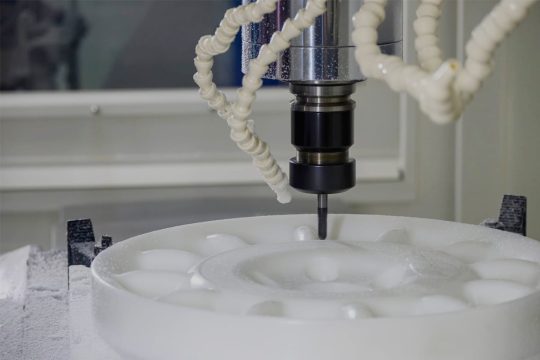
De juiste gereedschapskeuze is essentieel voor het behalen van een schoon resultaat. Compressiefrezen worden vaak gebruikt om spaandering aan zowel de boven- als onderkant te verminderen, terwijl op- en neerwaartse frezen kunnen worden gekozen afhankelijk van de spaanderafvoer en de gewenste oppervlakteafwerking. Voedingssnelheid, spindelsnelheid, snijdiepte en scherpte van het gereedschap moeten goed op elkaar afgestemd zijn om verbranding, overmatige trillingen, ruwe randen en voortijdige slijtage van het gereedschap te voorkomen. Betrouwbare materiaalbevestiging is eveneens belangrijk, omdat multiplexplaten tijdens de bewerking kunnen optillen, verschuiven of trillen. Vacuümtafels, klemmen en geschikte steunplaten helpen het paneel te stabiliseren en nauwkeurige afmetingen te behouden. Effectieve stofafzuiging verwijdert spanen en fijne deeltjes, verbetert het zicht, beschermt het snijgereedschap en houdt de werkplek schoner. Digitale programmering maakt het bovendien mogelijk om ontwerpen snel aan te passen, te schalen, te nesten en te herhalen. CNC-routers dragen bij aan een hogere productiviteit, verminderen handmatige fouten, minimaliseren materiaalverspilling en leveren nauwkeurige, reproduceerbare multiplexcomponenten met schone details en een consistente kwaliteit.
Typen geschikt voor CNC-frezen
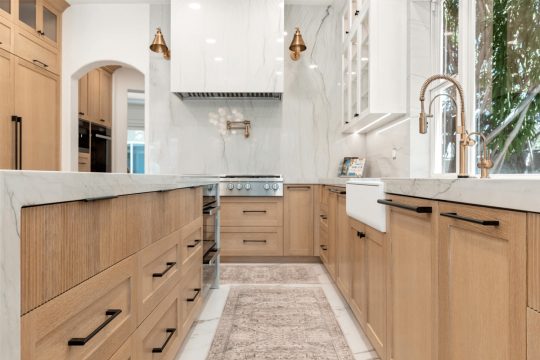
- Kastdeuren
- Kabinet Panelen
- Stellingen
- Tafels
- Stoelen
- Bedframes
- Kledingkastonderdelen
- Ladeonderdelen
- Decoratieve wandpanelen
- Kamerverdelers
- Akoestische panelen
- Beursstands
- Retail Displays
- Reclameborden
- opbergdozen
- Verpakkingskisten
- houten speelgoed
- Puzzelborden
- Educatieve modellen
- Architectonische modellen
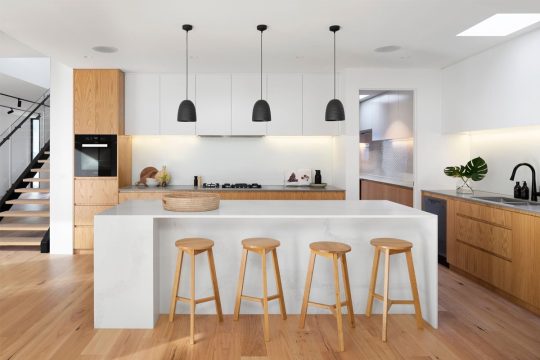
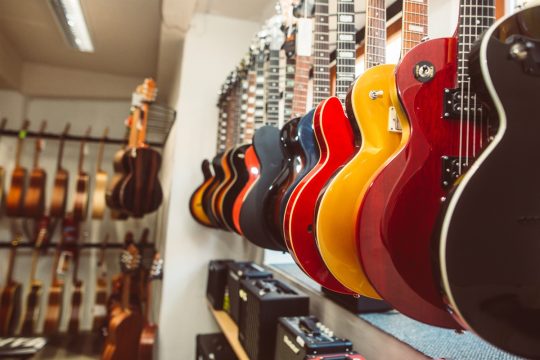
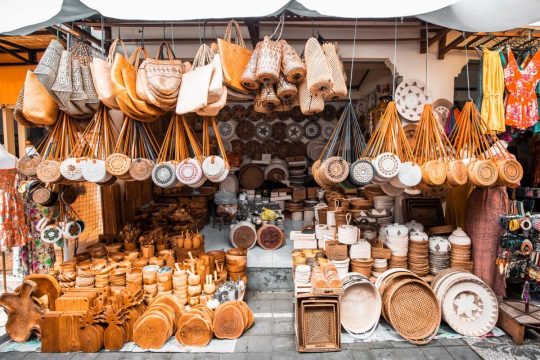
Industrieën en toepassingen

Gebruikte CNC-routerprocessen
Precisie snijden
CNC-freesmachines snijden multiplexplaten met een hoge maatnauwkeurigheid. Geprogrammeerde gereedschapspaden produceren rechte randen, rondingen, interne openingen en herhaalde onderdelen, terwijl handmatige fouten worden verminderd en consistente resultaten worden gegarandeerd bij verschillende paneelformaten en -diktes.
Contour snijden
Contourfrezen volgt complexe contouren om gevormde meubelonderdelen, decoratieve panelen, borden, speelgoed en architectonische elementen te creëren. CNC-besturing zorgt voor vloeiende rondingen, nauwkeurige hoeken en consistente profielen gedurende het hele bewerkingsproces.
Gravure
CNC-freesmachines graveren tekst, logo's, patronen, texturen en decoratieve details in multiplexoppervlakken. De snijdiepte kan worden aangepast om ondiepe markeringen, opvallende afbeeldingen of gelaagde ontwerpen te creëren, terwijl het omringende fineer behouden blijft.
Boren
CNC-boren creëert nauwkeurig gepositioneerde gaten voor schroeven, pluggen, scharnieren, fittingen, kabels en montagemateriaal. Geautomatiseerde positionering zorgt voor een consistente afstand en diameter, wat de installatie vereenvoudigt en uitlijningsproblemen tijdens de productmontage vermindert.
zakkenrollerij
Bij het uitfrezen van uitsparingen wordt materiaal verwijderd uit geselecteerde gebieden zonder het hele paneel door te zagen. Dit proces creëert uitsparingen voor fittingen, verbindingen, bevestigingsmaterialen, decoratieve details, componenthouders en lichtgewicht constructieonderdelen.
Groeven
CNC-freesmachines produceren rechte of gebogen groeven voor paneelverbindingen, ladebodems, planken, decoratieve lijnen en kabelgoten. De gecontroleerde diepte en breedte zorgen voor een nauwkeurige passing en een consistente montagekwaliteit.
Houtbewerkingszaagwerk
CNC-freesmachines maken groeven, sponningen, pen-en-gatverbindingen, vingerverbindingen en in elkaar grijpende verbindingen. Nauwkeurige verbindingen verbeteren de montagesnelheid, de structurele consistentie en de uitlijning van onderdelen in meubels, kasten, displays en geprefabriceerde producten.
Beveling
Door afschuinen ontstaan schuine randen in multiplex, wat zorgt voor een decoratieve uitstraling, een betere pasvorm of vloeiendere overgangen tussen componenten. CNC-besturing garandeert een constante hoek en breedte voor rechte, gebogen en onregelmatige profielen.
Randprofilering
Met speciale freesbits worden multiplexranden gevormd tot afgeronde, afgeschuinde, getrapte of decoratieve profielen. Dit proces verbetert het uiterlijk, de veiligheid, de pasvorm en de afwerkingskwaliteit, terwijl de noodzaak voor uitgebreide handmatige randbewerking wordt verminderd.
3D-snijwerk
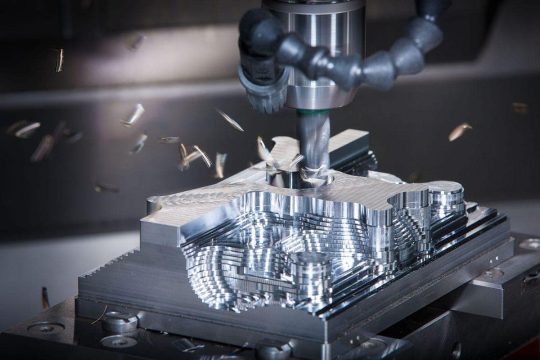
CNC-freesmachines frezen verhoogde, verzonken en gevormde driedimensionale ontwerpen in dik multiplex. Dit proces is geschikt voor decoratieve panelen, reliëfkunst, modellen, bewegwijzering, mallen en op maat gemaakte onderdelen met variërende diepten.
Nesting
Nesting-software rangschikt meerdere onderdelen efficiënt over een multiplexplaat. Geoptimaliseerde lay-outs verminderen ongebruikt materiaal, verkorten de snijpaden, beheersen de productiekosten en maken de gelijktijdige productie van componenten met verschillende vormen en afmetingen mogelijk.
Batchproductie
CNC-routers herhalen geprogrammeerde snij-, boor-, graveer- en groefbewerkingen met constante nauwkeurigheid. Hierdoor zijn ze geschikt voor de productie van grote hoeveelheden multiplexcomponenten, terwijl de arbeidskosten worden verlaagd en een stabiele productkwaliteit wordt gewaarborgd.
Veelvoorkomende uitdagingen
Fineersplintering
Multiplexoppervlakken kunnen splinteren wanneer het snijgereedschap het paneel in- of uitgaat. Een verkeerde frees, een ongeschikte snijrichting, een te hoge aanvoersnelheid of bot gereedschap kunnen de boven- of onderlaag beschadigen en de randkwaliteit verminderen.
Randuitscheuring
Uitscheuring treedt op wanneer houtvezels worden losgetrokken in plaats van netjes te worden doorgesneden. Dit probleem komt vooral vaak voor rond hoeken, gebogen profielen en dwars op de houtnerf, waardoor schuren, opvullen of het vervangen van onderdelen noodzakelijk is.
Interne leegtes
Multiplex van mindere kwaliteit kan openingen of oneffenheden tussen de binnenste lagen bevatten. Deze verborgen holtes kunnen leiden tot een inconsistente snijweerstand, ruwe randen, zwakke plekken en onvoorspelbare resultaten tijdens het boren, uitfrezen of contourzagen.
Oppervlakteschade
Multiplexoppervlakken kunnen krassen, deuken of beschadigingen oplopen door klemmen, spanen, machineonderdelen of ruwe behandeling. Decoratieve fineerlagen vereisen zorgvuldige bescherming, omdat zelfs kleine beschadigingen na de afwerking zichtbaar kunnen blijven.
Paneelbeweging
Grote multiplexplaten kunnen tijdens het bewerken verschuiven, omhoog komen of trillen als de opspanning onvoldoende is. Instabiel materiaal kan leiden tot onnauwkeurige afmetingen, ongelijkmatige sneden, gebroken gereedschap en een slechte uitlijning tussen geboorde gaten en montageonderdelen.
Verbranding en verkleuring
Een te hoge spindelsnelheid, een te lage aanvoersnelheid, diepe sneden of botte freesbits kunnen te veel warmte genereren. Dit kan leiden tot donkere vlekken, verbrande randen, onaangename geuren en harsophoping op het snijgereedschap.
Stof- en spanenophoping
Bij het frezen van multiplex ontstaan grote hoeveelheden spanen en fijnstof. Slechte afzuiging kan het zicht belemmeren, het frezen verstoren, de warmte verhogen, machineonderdelen vervuilen en een minder efficiënte en minder comfortabele werkomgeving creëren.
Ophoping van kleefstof
De lijm tussen de multiplexlagen kan tijdens langdurig frezen aan de frees blijven kleven. Deze ophoping vermindert de snij-efficiëntie, verhoogt de warmteontwikkeling, verslechtert de snijkantkwaliteit en kan de levensduur van het gereedschap verkorten als de frees niet regelmatig wordt gereinigd.
Materiaalvariatie
De kwaliteit, dichtheid, fineerdikte, het vochtgehalte en de kernconstructie van multiplex kunnen per plaat verschillen. Deze verschillen kunnen de snijsnelheid, de oppervlakteafwerking, de vormvastheid en de slijtage van het gereedschap beïnvloeden, waardoor aanpassingen aan de bewerkingsparameters nodig kunnen zijn.
Hoe CNC-frezen de uitdagingen oplost
Netjes fineer snijden
CNC-freesmachines gebruiken compressie- of neerwaartse freesbits om splintervorming op multiplexoppervlakken te verminderen. Een gecontroleerde snijrichting, geschikte aanvoersnelheden en scherpe gereedschappen helpen decoratieve fineerlagen te beschermen en zorgen voor strakkere boven- en onderranden.
Minder kans op uitscheuren aan de rand
Geprogrammeerde gereedschapspaden leiden de frees soepel door hoeken, bochten en dwarsdoorsneden. Nabewerkingen en geoptimaliseerde snijrichtingen verminderen vezelbreuk, verbeteren de consistentie van de snijkant en beperken de noodzaak tot schuren of reparatie.
Stabiele materiaalopslag
Vacuümtafels, klemmen en steunplaten houden multiplexpanelen stevig op hun plaats tijdens de bewerking. Betrouwbare werkstukbevestiging voorkomt verschuiving, optillen en trillingen, waardoor nauwkeurige afmetingen, schone sneden en een correcte uitlijning tussen gaten en montageonderdelen worden gewaarborgd.
Gecontroleerde snijparameters
CNC-freesmachines maken een nauwkeurige afstelling van de spindelsnelheid, de voeding en de snijdiepte mogelijk. Uitgebalanceerde instellingen verminderen overmatige hitte, verbranding, verkleuring en gereedschapsbelasting, terwijl ze tegelijkertijd zorgen voor stabiele prestaties bij verschillende multiplexsoorten en -diktes.
Efficiënte stofafzuiging
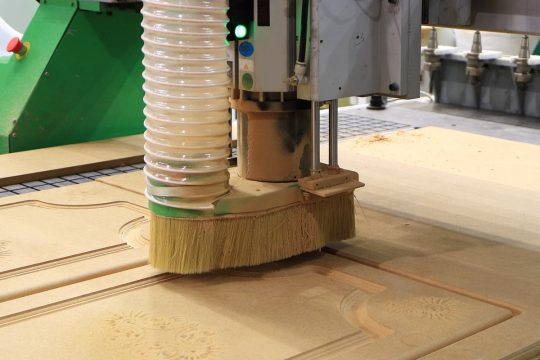
Geïntegreerde afzuigsystemen verwijderen spanen en fijnstof uit het snijgebied. Betere stofbeheersing verbetert het zicht, vermindert warmteontwikkeling, beschermt machineonderdelen en zorgt voor een schonere en efficiëntere productieomgeving.
Constante nauwkeurigheid van het gereedschapspad
Computergestuurde bewegingen zorgen voor nauwkeurige snij-, boor-, groef- en uitsparingposities. Deze consistentie helpt materiaalvariaties te compenseren en garandeert dat herhaalde multiplexcomponenten tijdens de montage correct in elkaar passen.
Verbeterd gereedschapbeheer
CNC-productie stelt operators in staat om geschikte boren voor specifieke bewerkingen te selecteren en de conditie van het gereedschap te bewaken. Regelmatige inspectie, reiniging en tijdige vervanging verminderen de ophoping van lijmresten, behouden de snij-efficiëntie en verbeteren de snijkantkwaliteit.
Geoptimaliseerd materiaalgebruik
Nesting-software rangschikt multiplexonderdelen efficiënt over elke plaat. Betere lay-outs verminderen ongebruikte ruimtes, voorkomen zichtbare defecten of interne holtes, verlagen de materiaalkosten en ondersteunen een hogere productie met minder afval.
Aanbevolen CNC-routers
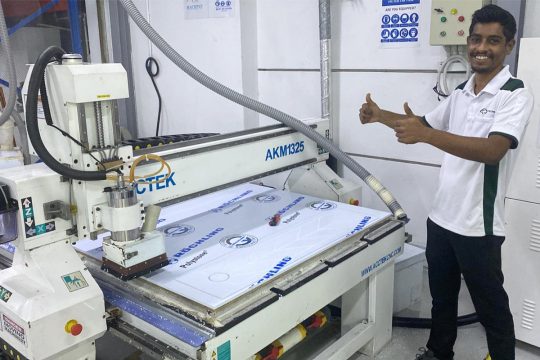
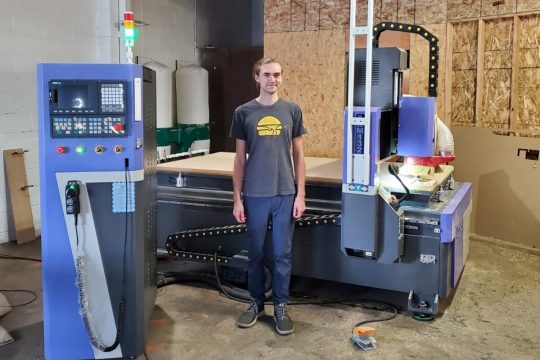
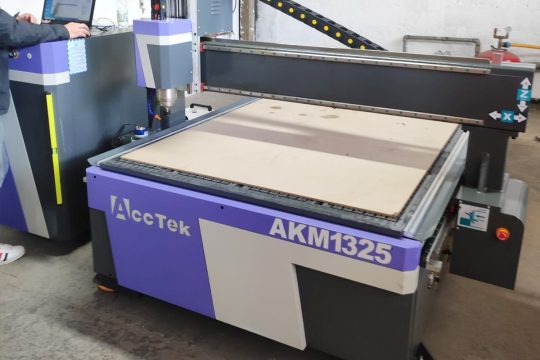
CNC-freesmachines met automatische gereedschapswisselaar zijn geschikt voor projecten die meerdere bewerkingen vereisen. Ze kunnen schakelen tussen snij-, boor-, graveer- en afwerkingsgereedschappen zonder frequente handmatige wisselingen, waardoor stilstandtijd wordt verminderd en de consistentie wordt verbeterd. Fabrikanten van kastpanelen of modulaire meubels kunnen ook profiteren van machines die zijn uitgerust met booreenheden en uitlijnsystemen. CNC-freesmachines met roterende assen worden aanbevolen voor cilindrische of roterende multiplexcomponenten. 4-assige en 5-assige CNC-freesmachines zijn beter geschikt voor complexe driedimensionale oppervlakken, diepe contouren, gebogen onderdelen en bewerkingen aan meerdere zijden. Ongeacht de configuratie moet de gekozen machine beschikken over een stijf frame, nauwkeurige bewegingscontrole, een sterke vacuümwerking, effectieve stofafzuiging, compatibele CAD/CAM-software en geschikte freesbits. Deze eigenschappen helpen splintering, trillingen, verbranding en maatafwijkingen te verminderen en tegelijkertijd een stabiele productiekwaliteit te garanderen.


Ontvang CNC-routeringsoplossingen
Ons team helpt u bij het evalueren van uw te bewerken materialen, werkformaat, snijdikte, productievolume, nauwkeurigheidseisen en werkplaatsomstandigheden. Op basis van deze gegevens kunnen we het juiste machinemodel, spindelvermogen, tafeltype, besturingssysteem, transmissiesysteem, gereedschap en optionele accessoires zoals vacuümtafels, roterende apparaten, automatische gereedschapswisselaars, booreenheden en stofafzuigsystemen aanbevelen.
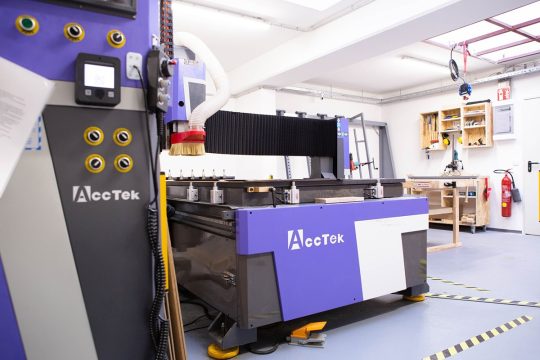
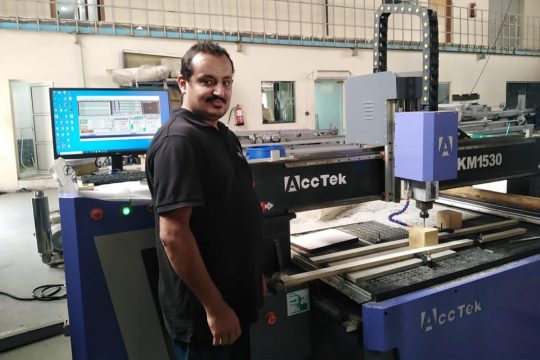
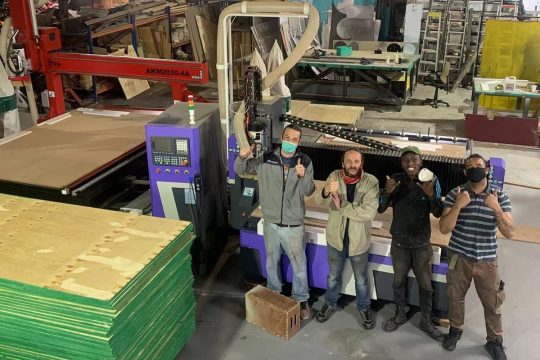
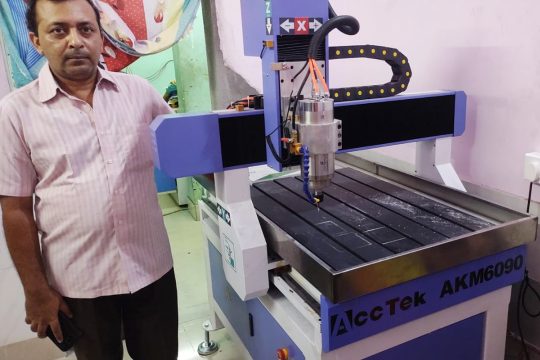
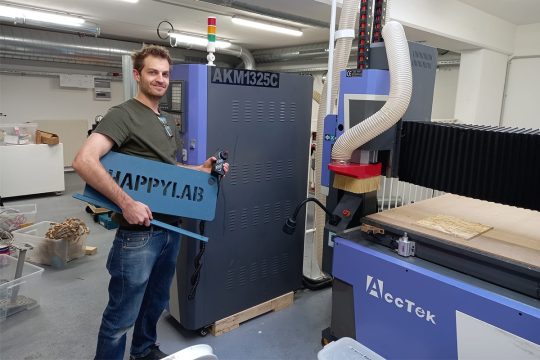
AccTek CNC streeft ernaar meer te bieden dan alleen CNC-freesmachines. We bieden professioneel advies vóór de aankoop, machineaanpassing, installatieondersteuning, training in de bediening, technische assistentie en service na verkoop, zodat klanten hun apparatuur met vertrouwen kunnen gebruiken. Van kleine werkplaatsen tot grote productiebedrijven, onze CNC-freesmachines zijn ontworpen om de efficiëntie te verbeteren, handarbeid te verminderen en de verwerkingsmogelijkheden uit te breiden.
Als u op zoek bent naar een betrouwbare CNC-freesmachine voor uw bedrijf, neem dan vandaag nog contact op met AccTek CNC en ontvang een oplossing op maat voor uw productiedoelen.