

Introduzione
La corretta selezione degli utensili è essenziale per ottenere risultati impeccabili. Le frese a compressione vengono spesso utilizzate per ridurre le scheggiature sia sulla superficie superiore che su quella inferiore, mentre gli utensili con taglio verso l'alto e verso il basso possono essere selezionati in base alle esigenze di rimozione dei trucioli e di finitura superficiale. Velocità di avanzamento, velocità del mandrino, profondità di taglio e affilatura dell'utensile devono essere bilanciate correttamente per prevenire bruciature, vibrazioni eccessive, bordi irregolari e usura prematura dell'utensile. Un fissaggio affidabile del materiale è altrettanto importante, poiché i pannelli di compensato possono sollevarsi, spostarsi o vibrare durante la lavorazione. Tavoli aspiranti, morsetti e appositi supporti contribuiscono a stabilizzare il pannello e a mantenere dimensioni precise. Un'efficace aspirazione della polvere rimuove trucioli e particelle fini, migliora la visibilità, protegge l'utensile da taglio e mantiene l'area di lavoro più pulita. La programmazione digitale consente inoltre di modificare, scalare, annidare e ripetere rapidamente i progetti. Le fresatrici CNC contribuiscono a migliorare la produttività, ridurre gli errori manuali, minimizzare gli sprechi di materiale e realizzare componenti in compensato precisi e ripetibili, con dettagli nitidi e qualità costante.
Tipi adatti alla fresatura CNC
- Cabinet Doors
- Pannelli per armadietti
- Scaffalature
- tavoli
- Sedie
- Strutture del letto
- Componenti dell'armadio
- Componenti per cassetti
- Pannelli murali decorativi
- Divisori
- pannelli acustici
- Stand espositivi
- Display al dettaglio
- Insegne pubblicitarie
- Scatole
- Casse da imballaggio
- Giocattoli di legno
- Tavole puzzle
- Modelli educativi
- Modelli architettonici
Industrie e applicazioni



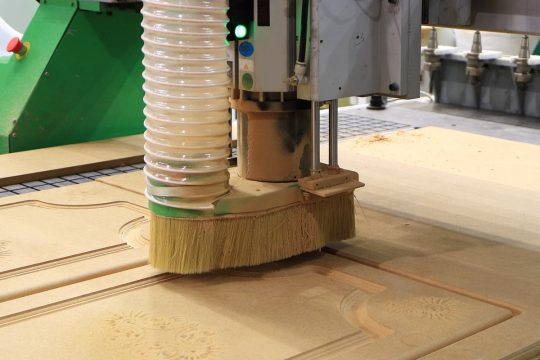
Processi di fresatura CNC utilizzati
Taglio di precisione
Le fresatrici CNC tagliano pannelli di compensato con elevata precisione dimensionale. I percorsi utensile programmati producono bordi dritti, curve, aperture interne e pezzi ripetuti, riducendo al contempo gli errori manuali e mantenendo risultati uniformi su pannelli di diverse dimensioni e spessori.
Taglio del contorno
Il taglio di contorno segue profili complessi per creare componenti di mobili sagomati, pannelli decorativi, insegne, giocattoli e elementi architettonici. Il controllo CNC contribuisce a mantenere curve uniformi, angoli precisi e profili costanti durante l'intero processo di lavorazione.
incisione
Le fresatrici CNC incidono testi, loghi, motivi, texture e dettagli decorativi su superfici di compensato. La profondità di taglio può essere regolata per produrre incisioni poco profonde, grafiche audaci o disegni a strati, preservando al contempo l'impiallacciatura circostante.
Perforazione
La foratura CNC crea fori posizionati con precisione per viti, tasselli, cerniere, raccordi, cavi e componenti di assemblaggio. Il posizionamento automatizzato garantisce spaziatura e diametro uniformi, semplificando l'installazione e riducendo i problemi di allineamento durante l'assemblaggio del prodotto.
intascando
La fresatura consente di rimuovere materiale da aree selezionate senza tagliare l'intero pannello. Questo processo crea incavi per raccordi, giunzioni, ferramenta, dettagli decorativi, sedi per componenti e sezioni strutturali leggere.
scanalatura
Le fresatrici CNC producono scanalature dritte o curve per giunzioni di pannelli, fondi di cassetti, ripiani, linee decorative e canaline per cavi. La profondità e la larghezza controllate contribuiscono a garantire un montaggio preciso e una qualità di assemblaggio costante.
Taglio di falegnameria
Le fresatrici CNC creano scanalature, battute, mortase, tenoni, giunzioni a pettine e connessioni ad incastro. La precisione degli incastri migliora la velocità di assemblaggio, la consistenza strutturale e l'allineamento dei componenti in mobili, armadi, espositori e prodotti prefabbricati.
Smussatrice
La smussatura produce bordi angolati in compensato per un aspetto decorativo, un migliore accoppiamento o transizioni più fluide tra i componenti. Il controllo CNC mantiene un angolo e una larghezza costanti su profili dritti, curvi e irregolari.
Profilatura dei bordi
Le frese specializzate consentono di sagomare i bordi del compensato, conferendo loro profili arrotondati, smussati, a gradini o decorativi. Questo processo migliora l'aspetto, la sicurezza, la precisione dell'assemblaggio e la qualità della finitura, riducendo al contempo la necessità di un'estesa sagomatura manuale dei bordi.
Scultura 3D
Le fresatrici CNC intagliano disegni tridimensionali in rilievo, incavati e sagomati su spessori di compensato. Questo processo è adatto per pannelli decorativi, opere d'arte a rilievo, modelli, segnaletica, stampi e componenti personalizzati di diverse profondità.
Nesting
Il software di nesting dispone in modo efficiente più componenti su un pannello di compensato. I layout ottimizzati riducono il materiale inutilizzato, accorciano i percorsi di taglio, controllano i costi di produzione e consentono la produzione simultanea di componenti di diverse forme e dimensioni.
Produzione in lotti
Le fresatrici CNC ripetono operazioni programmate di taglio, foratura, incisione e scanalatura con precisione costante. Ciò le rende adatte alla produzione di grandi quantità di componenti in compensato, riducendo al contempo la manodopera necessaria e mantenendo una qualità del prodotto stabile.
Sfide comuni
Scheggiatura dell'impiallacciatura
Le superfici in compensato possono scheggiarsi quando l'utensile da taglio entra o esce dal pannello. Una selezione errata della punta, una direzione di taglio inadeguata, velocità di avanzamento eccessive o utensili smussati possono danneggiare l'impiallacciatura superiore o inferiore e ridurre la qualità del bordo.
Strappo del bordo
Lo strappo si verifica quando le fibre del legno vengono strappate via invece di essere tagliate nettamente. Questo problema è particolarmente comune in corrispondenza di angoli, profili curvi e tagli trasversali alle venature, aumentando la necessità di levigatura, stuccatura o sostituzione di parti.
Vuoti interni
Il compensato di qualità inferiore può presentare fessure o irregolarità tra gli strati interni. Questi vuoti nascosti possono causare una resistenza al taglio non uniforme, bordi ruvidi, sezioni deboli e risultati imprevedibili durante la foratura, la fresatura o il taglio di contorno.
Danni superficiali
Le superfici in compensato possono graffiarsi, ammaccarsi o subire segni a causa di morsetti, schegge, residui di lavorazione o manipolazione brusca. Le impiallacciature decorative richiedono un'attenta protezione, poiché anche danni lievi possono rimanere visibili dopo la finitura.
Movimento del pannello
I pannelli di compensato di grandi dimensioni possono spostarsi, sollevarsi o vibrare durante la lavorazione se il sistema di fissaggio del pezzo è inadeguato. Un materiale instabile può causare dimensioni imprecise, tagli irregolari, rottura degli utensili e scarso allineamento tra i fori praticati e i componenti di assemblaggio.
Bruciore e scolorimento
Una velocità del mandrino eccessiva, avanzamenti lenti, tagli profondi o frese smussate possono generare troppo calore. Ciò può lasciare segni scuri, bordi bruciati, odori sgradevoli e accumuli di resina sull'utensile da taglio.
Accumulo di polvere e trucioli
La fresatura del compensato produce grandi quantità di trucioli e polvere fine. Un'aspirazione inadeguata può ridurre la visibilità, interferire con il taglio, aumentare il calore, contaminare i componenti della macchina e creare un ambiente di lavoro meno efficiente e meno confortevole.
Accumulo di adesivo
Gli adesivi tra gli strati di compensato possono aderire alle punte della fresa durante lavorazioni prolungate. Questo accumulo riduce l'efficienza di taglio, aumenta il calore, peggiora la qualità dei bordi e può ridurre la durata dell'utensile se la fresa non viene pulita regolarmente.
Variazione del materiale
La qualità del compensato, la densità, lo spessore dell'impiallacciatura, il contenuto di umidità e la struttura dell'anima possono variare da un foglio all'altro. Queste differenze possono influire sulla velocità di taglio, sulla finitura superficiale, sulla stabilità dimensionale e sull'usura degli utensili, rendendo necessari degli aggiustamenti ai parametri di lavorazione.
Come la fresatura CNC risolve le sfide
Taglio pulito dell'impiallacciatura
Le fresatrici CNC utilizzano frese a compressione o a taglio discendente per ridurre la scheggiatura sulle superfici in compensato. La direzione di taglio controllata, le velocità di avanzamento adeguate e gli utensili affilati contribuiscono a proteggere le impiallacciature decorative e a produrre bordi superiori e inferiori più puliti.
Riduzione del rischio di strappi ai bordi
I percorsi utensile programmati guidano la fresa in modo fluido attraverso angoli, curve e sezioni trasversali alle fibre. Le passate di finitura e le direzioni di taglio ottimizzate riducono la rottura delle fibre, migliorando la consistenza del bordo e limitando la necessità di levigatura o riparazione.
Materiale stabile che mantiene la stabilità
Tavoli aspiranti, morsetti e supporti mantengono i pannelli di compensato saldamente in posizione durante la lavorazione. Un sistema di bloccaggio affidabile previene spostamenti, sollevamenti e vibrazioni, contribuendo a mantenere dimensioni precise, tagli netti e un corretto allineamento tra fori ed elementi di assemblaggio.
Parametri di taglio controllati
Le fresatrici CNC consentono una regolazione precisa della velocità del mandrino, della velocità di avanzamento e della profondità di taglio. Impostazioni bilanciate riducono il surriscaldamento, le bruciature, lo scolorimento e lo stress sull'utensile, garantendo al contempo prestazioni stabili su diversi tipi e spessori di compensato.
Aspirazione efficiente della polvere
I sistemi di aspirazione integrati rimuovono trucioli e polveri sottili dall'area di taglio. Un migliore controllo delle polveri migliora la visibilità, riduce l'accumulo di calore, protegge i componenti della macchina e crea un ambiente di produzione più pulito ed efficiente.
Precisione costante del percorso utensile
Il movimento controllato da computer mantiene posizioni precise per taglio, foratura, scanalatura e incastro. Questa uniformità contribuisce a compensare le variazioni del materiale e garantisce che i componenti in compensato, se ripetuti, si incastrino correttamente durante l'assemblaggio.
Gestione degli strumenti migliorata
La produzione CNC consente agli operatori di selezionare le punte più adatte per specifiche operazioni e di monitorare le condizioni degli utensili. Ispezioni regolari, pulizia e sostituzione tempestiva riducono l'accumulo di adesivo, mantengono l'efficienza di taglio e migliorano la qualità del bordo.
Utilizzo ottimizzato dei materiali
Il software di nesting dispone i componenti in compensato in modo efficiente su ogni foglio. Una migliore disposizione riduce le aree inutilizzate, evita difetti visibili o vuoti interni quando vengono individuati, riduce i costi dei materiali e consente una maggiore produttività con meno sprechi.
Fresatrici CNC consigliate
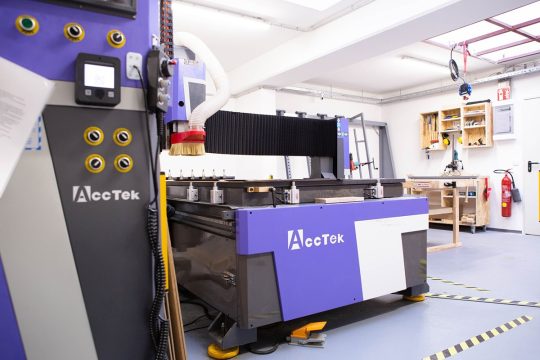
Le fresatrici CNC con cambio utensile automatico sono adatte quando un progetto richiede diverse operazioni. Permettono di passare da un utensile di taglio, foratura, incisione o finitura all'altro senza frequenti cambi manuali, riducendo i tempi di inattività e migliorando la uniformità. Anche i produttori di pannelli per mobili o arredi modulari possono trarre vantaggio da macchine dotate di unità di foratura e sistemi di allineamento. Le fresatrici CNC ad asse rotante sono consigliate per componenti cilindrici o rotanti in compensato. Le fresatrici CNC a 4 e 5 assi sono più adatte a superfici tridimensionali complesse, contorni profondi, pezzi curvi e lavorazioni su più lati. Indipendentemente dalla configurazione, la macchina selezionata deve offrire un telaio rigido, un controllo del movimento preciso, un'elevata capacità di aspirazione, un'efficace aspirazione della polvere, un software CAD/CAM compatibile e frese adatte. Queste caratteristiche contribuiscono a ridurre scheggiature, vibrazioni, bruciature ed errori dimensionali, mantenendo al contempo una qualità di produzione stabile.


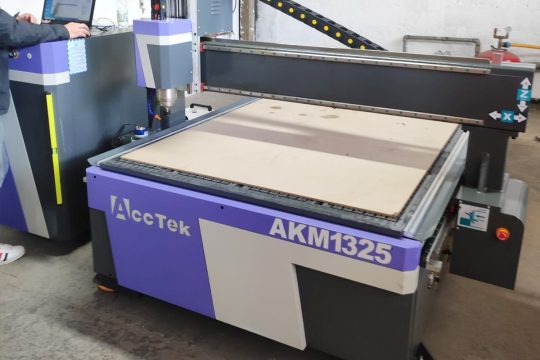
Ottieni soluzioni di routing CNC
Il nostro team vi aiuterà a valutare i materiali da lavorare, le dimensioni di lavoro, lo spessore di taglio, il volume di produzione, i requisiti di precisione e le condizioni dell'officina. Sulla base di questi dettagli, saremo in grado di consigliarvi il modello di macchina, la potenza del mandrino, il tipo di tavola, il sistema di controllo, il sistema di trasmissione, gli utensili e gli accessori opzionali più adatti, come tavole aspiranti, dispositivi rotanti, cambi utensili automatici, unità di foratura e sistemi di aspirazione delle polveri.
AccTek CNC si impegna a fornire molto più che semplici macchine fresatrici CNC. Offriamo consulenza professionale prima dell'acquisto, personalizzazione delle macchine, supporto all'installazione, formazione sull'utilizzo, assistenza tecnica e servizio post-vendita per aiutare i clienti a utilizzare le loro attrezzature con sicurezza. Dalle piccole officine ai grandi stabilimenti di produzione, le nostre fresatrici CNC sono progettate per contribuire a migliorare l'efficienza, ridurre il lavoro manuale ed espandere le possibilità di lavorazione.
Se state cercando una fresatrice CNC affidabile per la vostra azienda, contattate oggi stesso AccTek CNC e ottenete una soluzione su misura per i vostri obiettivi di produzione.