개요
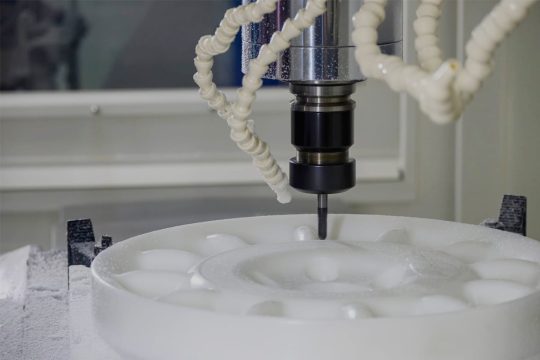
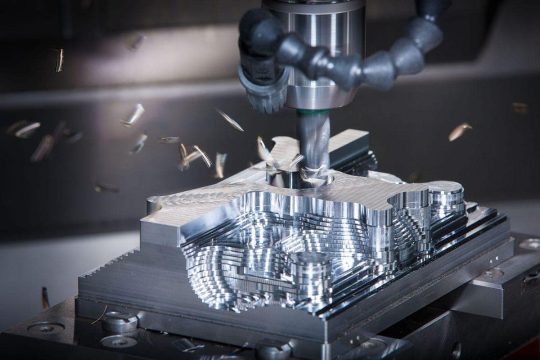
One of the main advantages of CNC routing acrylic is its flexibility. Digital designs can be quickly modified, scaled, duplicated, or optimized without the need for complex manual templates. This supports both one-off custom projects and continuous batch production. A suitable cutting tool, stable machine structure, effective vacuum hold-down system, and proper chip evacuation help reduce vibration and prevent the acrylic sheet from shifting during machining. CNC routing can also produce smooth, well-defined edges when the correct parameters are used. Cast acrylic generally provides excellent machining quality, while extruded acrylic may require additional attention to heat control because it can soften more easily. Cooling methods, air assistance, sharp router bits, and appropriate feed rates are important for preventing material buildup around the cutting tool. CNC routers offer a precise, versatile, and cost-effective method for acrylic fabrication. They help manufacturers improve cutting consistency, reduce manual labor, minimize material waste, and produce customized acrylic parts with clean surfaces and accurate details.
CNC 라우팅에 적합한 유형
- 광고 표시
- 조명된 글자
- 방향 표지판
- 디스플레이 스탠드
- 제품 보유자
- 브로셔 홀더
- 메뉴 판
- 명판
- 로고 패널
- 장식 벽면
- 소매 표시
- 전시 패널
- 기계 커버
- 보호 가드
- Control Panel Windows
- 투명 인클로저
- 스토리지 박스
- 화장품 정리함
- 쥬얼리 디스플레이
- 사진 프레임
산업 및 응용
CNC 라우터 공정 사용
정밀 절단
CNC 라우터는 높은 치수 정밀도로 아크릴 시트와 블록을 절단합니다. 정밀하게 제어되는 공구 경로를 통해 깔끔한 직선, 매끄러운 곡선, 내부 절단면, 세밀한 형상 등을 제작할 수 있으며, 맞춤형 부품 제작 및 반복 생산 과정에서도 일관된 결과를 유지합니다.
윤곽 절단
Contour cutting allows CNC routers to follow complex outlines and curved profiles. This process is suitable for producing letters, logos, decorative shapes, display components, and custom panels with accurate edges and consistent dimensions.
조각
CNC engraving removes a shallow layer from the acrylic surface to create text, patterns, logos, symbols, and decorative details. Different tool shapes and cutting depths can produce fine lines, bold markings, and textured visual effects.
포켓
Pocketing removes material from selected areas without cutting through the entire workpiece. It is commonly used to create recessed sections, component seats, decorative cavities, mounting spaces, and fitted areas in acrylic panels and blocks.
교련
CNC routers can drill accurately positioned holes for screws, fasteners, fittings, cables, and assembly components. Programmed spacing and depth control help ensure that every hole remains consistent, reducing alignment problems during installation or product assembly.
그루 빙
Grooving creates straight or curved channels in acrylic surfaces. These channels can be used for joining parts, inserting panels, routing cables, fitting lighting strips, or adding decorative lines to signs, displays, and customized components.
베벨
Beveling cuts angled edges along acrylic parts to improve appearance, simplify assembly, or create decorative transitions. Precise tool control helps maintain a consistent bevel width and angle across straight, curved, and irregular profiles.
엣지 프로파일링
Edge profiling shapes the outer edges of acrylic components using specialized router bits. Rounded, chamfered, stepped, and decorative edges can be produced to improve visual quality, safety, fit, and the overall finish of the final product.
3D 조각
CNC routers can carve raised, recessed, and contoured three-dimensional features in thick acrylic. This process is suitable for decorative panels, molds, models, branded elements, and customized components that require varying depths and smooth surface transitions.
인레이 커팅
Inlay cutting produces matching recessed areas and fitted inserts. CNC routers can create precise pockets and corresponding acrylic pieces, allowing different colors, textures, or transparent elements to be combined into logos, decorative panels, and personalized designs.
마카 배열
Nesting software arranges multiple parts efficiently across an acrylic sheet before cutting. This process reduces unused space, improves material utilization, lowers production costs, and allows manufacturers to produce different shapes or sizes in a single machining cycle.
배치 생산
CNC routers repeat the same programmed operations with consistent accuracy. This makes them suitable for producing large quantities of acrylic signs, display parts, covers, panels, and customized components while reducing manual work and maintaining stable product quality.
일반적인 과제
열 축적 및 용융
Acrylic can soften or melt when cutting generates excessive heat. Incorrect spindle speed, slow feed rates, or dull tools may cause material to stick to the router bit, producing rough edges and interrupting the machining process.
엣지 치핑
Acrylic edges may chip when unsuitable cutting tools, excessive cutting depth, or unstable machining conditions are used. Chipping reduces visual quality and may require additional sanding, polishing, or complete replacement of the damaged component.
균열 및 파손
Acrylic can crack under excessive cutting pressure, vibration, or improper clamping. Thin sheets and narrow features are especially vulnerable, making careful toolpath planning and stable material support essential throughout the routing process.
표면 긁기
The smooth surface of acrylic is easily scratched by chips, clamps, handling, or machine debris. Surface damage can reduce transparency and appearance, particularly when producing display products, decorative panels, protective covers, or other highly visible components.
Unstable Material Holding
Acrylic sheets may shift, lift, or vibrate during machining if they are not securely held. Poor workholding can cause inaccurate cuts, uneven edges, broken tools, or damaged workpieces, especially when processing small parts and narrow profiles.
불량 칩 제거
Acrylic chips can accumulate around the cutting area and router bit. Ineffective chip evacuation increases heat, blocks visibility, scratches the workpiece, and may cause chips to melt and reattach to the machined edge.
Inconsistent Edge Quality
Producing smooth and uniform acrylic edges can be difficult when machining parameters are not properly balanced. Rough surfaces, visible tool marks, burrs, and uneven finishes may increase the need for time-consuming secondary polishing.
Material Type Variations
Cast and extruded acrylic respond differently to routing. Differences in density, thickness consistency, and heat sensitivity require adjustments to cutting speed, spindle speed, tool geometry, and cutting depth to maintain reliable machining results.
Tool Selection And Wear
Choosing the wrong router bit can lead to melting, chipping, poor chip evacuation, and rough finishes. Tool wear also reduces cutting performance over time, making regular inspection and timely replacement necessary for consistent acrylic processing.
CNC 라우팅이 어떻게 난제를 해결하는가
제어된 절단 매개변수
CNC routers allow precise adjustment of spindle speed, feed rate, cutting depth, and toolpath strategy. Proper parameter control reduces heat buildup, prevents melting, and helps maintain clean, stable cutting conditions across different acrylic thicknesses.
효율적인 칩 배출
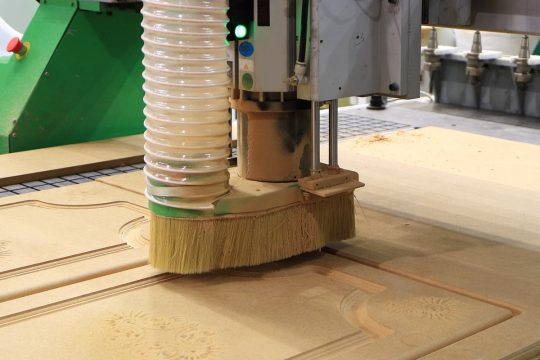
Air assistance and dust extraction systems remove acrylic chips from the cutting area. Effective chip evacuation reduces heat accumulation, prevents chips from sticking to the router bit, and protects the workpiece surface from scratches.
안전한 자재 보관
Vacuum tables, clamps, and customized fixtures keep acrylic sheets stable during routing. Reliable workholding prevents movement, lifting, and vibration, helping maintain accurate dimensions and reducing the risk of cracking or damaged edges.
특수 라우터 비트
Sharp single-flute or polished cutting tools are designed to remove acrylic chips efficiently. Correct tool selection reduces cutting pressure, improves edge quality, and minimizes common problems such as chipping, melting, rough surfaces, and material buildup.
Precise Toolpath Control
Computer-controlled toolpaths guide the cutting tool smoothly around curves, corners, holes, and detailed shapes. Consistent movement reduces sudden pressure changes and helps protect narrow features from cracking or breaking during machining.
향상된 가장자리 품질
Optimized cutting directions, finishing passes, and suitable tool geometry help CNC routers produce smoother acrylic edges. Better edge quality reduces visible tool marks and limits the amount of sanding, polishing, or additional finishing required.
일관된 반복성
CNC routers repeat programmed operations with reliable accuracy. Once the correct settings are established, manufacturers can produce multiple acrylic parts with consistent dimensions, hole positions, contours, and surface details while reducing manual errors.
최적화된 재료 사용
Nesting software arranges parts efficiently across acrylic sheets before cutting. Improved layout planning reduces unused space, controls material costs, and limits waste caused by poor positioning, inaccurate cutting, or unnecessary gaps between components.
추천 CNC 라우터
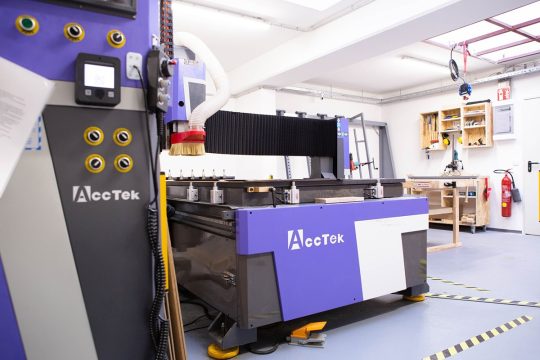
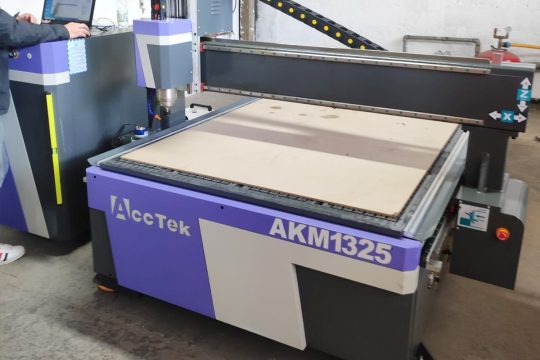
CNC routers equipped with high-speed spindles and polished single-flute tools are especially effective for acrylic because they support efficient chip removal and help reduce heat buildup. Air assistance and suitable extraction systems further improve cutting stability and protect the surface from loose chips. Rotary-axis CNC routers are suitable for cylindrical or curved acrylic components, while four-axis and five-axis machines are better for complex three-dimensional surfaces, deep contours, and multi-sided machining. Regardless of configuration, the recommended machine should provide rigid construction, accurate motion control, adjustable spindle settings, reliable workholding, and compatible control software for consistent, clean, and repeatable acrylic fabrication.
CNC 라우팅 솔루션 받기
저희 팀은 고객님의 가공 재료, 작업 크기, 절삭 두께, 생산량, 정밀도 요구 사항 및 작업장 환경을 평가하는 데 도움을 드립니다. 이러한 세부 정보를 바탕으로 적합한 기계 모델, 스핀들 출력, 테이블 유형, 제어 시스템, 구동 시스템, 공구 및 진공 테이블, 회전 장치, 자동 공구 교환기, 드릴링 장치, 집진 시스템과 같은 옵션 액세서리를 추천해 드릴 수 있습니다.
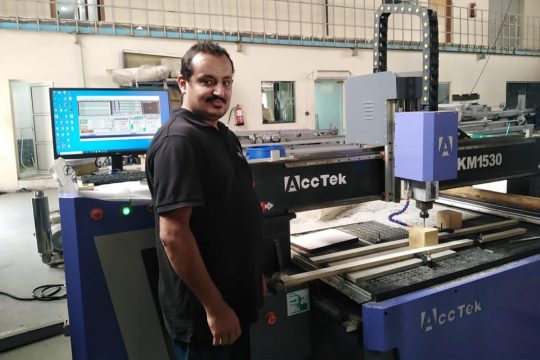
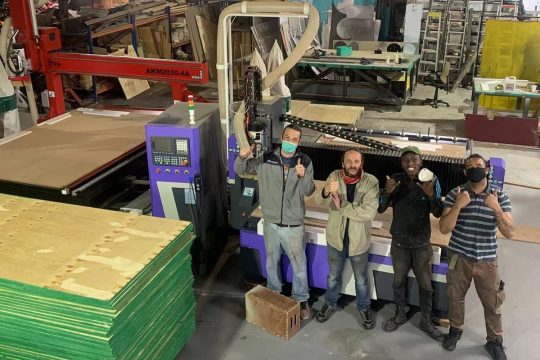
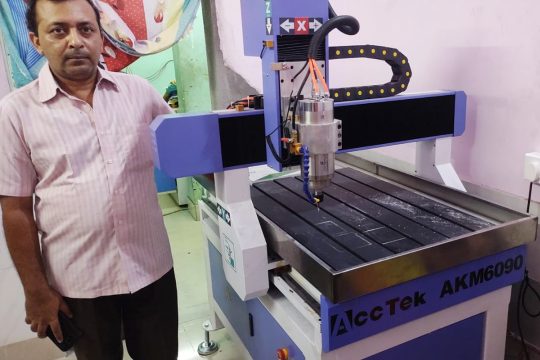
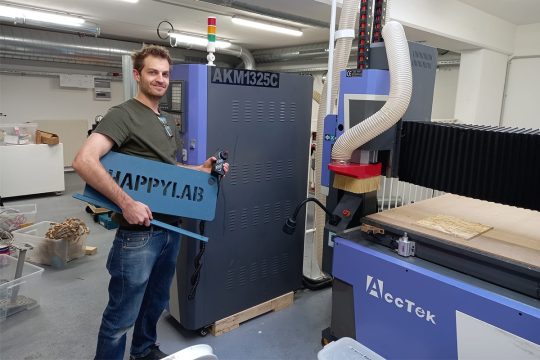
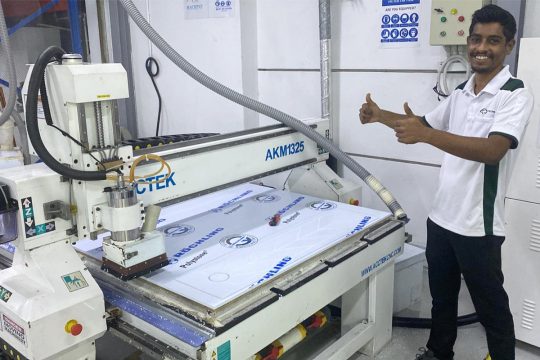
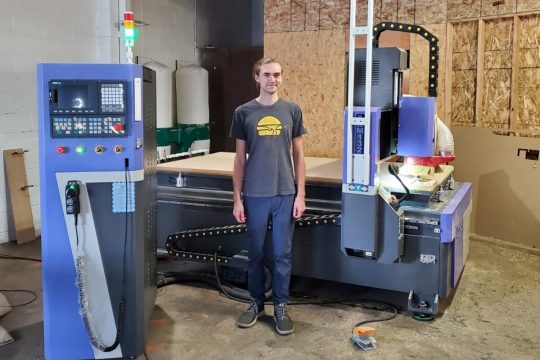
AccTek CNC는 단순한 CNC 라우터 기계 제공을 넘어, 구매 전 전문적인 상담, 맞춤 제작, 설치 지원, 작동 교육, 기술 지원 및 사후 서비스까지 제공하여 고객이 장비를 안심하고 사용할 수 있도록 돕습니다. 소규모 작업장에서부터 대규모 생산 공장에 이르기까지, AccTek CNC 라우터는 효율성 향상, 수작업 감소, 가공 가능성 확장을 지원하도록 설계되었습니다.
사업에 필요한 신뢰할 수 있는 CNC 라우터를 찾고 계신다면, 지금 바로 AccTek CNC에 문의하여 귀사의 생산 목표에 맞는 맞춤형 솔루션을 받아보세요.