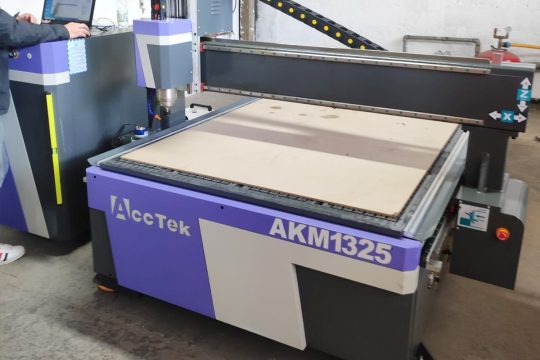
CNC Routers for the Acrylic

CNC routers cut, engrave, drill, groove, and shape acrylic with precision, smooth edges, reliable repeatability, efficient production, and reduced material waste.
ホーム » 用途 » Acrylic

イントロダクション

Acrylic is a widely used thermoplastic material valued for its clarity, smooth surface, lightweight structure, weather resistance, and excellent visual appeal. It is commonly supplied in cast or extruded sheets and is available in transparent, translucent, opaque, mirrored, frosted, and colored finishes. However, producing clean and accurate acrylic components requires careful control of cutting speed, spindle speed, tool selection, chip removal, and material support. Improper machining can lead to melted edges, surface scratches, cracking, chipping, excessive heat buildup, or poor dimensional accuracy. CNC routers provide an efficient and reliable solution for processing acrylic sheets and blocks. By following programmed toolpaths, the machine can perform cutting, engraving, drilling, pocketing, grooving, beveling, and edge profiling with a high level of precision and repeatability. This makes it possible to create simple shapes, detailed patterns, lettering, internal cutouts, curved profiles, and customized components while maintaining consistent dimensions across multiple workpieces.
One of the main advantages of CNC routing acrylic is its flexibility. Digital designs can be quickly modified, scaled, duplicated, or optimized without the need for complex manual templates. This supports both one-off custom projects and continuous batch production. A suitable cutting tool, stable machine structure, effective vacuum hold-down system, and proper chip evacuation help reduce vibration and prevent the acrylic sheet from shifting during machining. CNC routing can also produce smooth, well-defined edges when the correct parameters are used. Cast acrylic generally provides excellent machining quality, while extruded acrylic may require additional attention to heat control because it can soften more easily. Cooling methods, air assistance, sharp router bits, and appropriate feed rates are important for preventing material buildup around the cutting tool. CNC routers offer a precise, versatile, and cost-effective method for acrylic fabrication. They help manufacturers improve cutting consistency, reduce manual labor, minimize material waste, and produce customized acrylic parts with clean surfaces and accurate details.

CNCルーター加工に適したタイプ

CNC routers can process many types of acrylic, including cast acrylic, extruded acrylic, transparent sheets, colored panels, frosted acrylic, mirrored acrylic, opaque sheets, fluorescent acrylic, textured panels, and thick acrylic blocks. Cast acrylic is especially suitable for detailed engraving and clean cutting because it offers stable machining performance and produces smooth edges. Extruded acrylic is economical and consistent in thickness, although careful control of feed rate and spindle speed is required to reduce heat buildup. CNC routing is also suitable for laminated, patterned, and multi-colored acrylic used in decorative and functional products. With appropriate router bits, secure material holding, and effective chip removal, CNC routers can create precise contours, holes, grooves, pockets, lettering, and decorative patterns. Digital programming allows manufacturers to produce customized parts, prototypes, and repeated batches with consistent dimensions. Proper machining parameters help prevent cracking, chipping, melting, and surface damage while improving edge quality and production efficiency. Commonly manufactured products include:

産業とアプリケーション

CNC-routed acrylic is widely used across industries that require clear visibility, attractive presentation, lightweight construction, and precise customization. In the advertising and signage industry, acrylic is used for illuminated letters, logo panels, display boards, nameplates, and directional signs. Retail stores use routed acrylic for product stands, shelving accessories, cosmetic displays, brochure holders, and point-of-sale fixtures. In interior decoration and architecture, CNC routers create decorative panels, partitions, wall features, lighting components, and customized furniture details. The electronics industry uses acrylic for equipment covers, control-panel windows, protective enclosures, and display housings. Acrylic is also common in exhibitions, museums, and event production for information panels, showcase components, display cases, and branded installations. Other applications include trophies, awards, photo frames, aquarium components, laboratory guards, educational models, craft products, and customized storage solutions. CNC routing allows manufacturers to produce detailed shapes, engraved graphics, smooth contours, holes, grooves, and fitted components with consistent accuracy, making it suitable for both personalized projects and batch production.
家具製造における CNC ルーターの応用

家具製造業

楽器業界におけるCNCルーターの応用

楽器産業

プラスチック製造業界における CNC ルーターの応用

プラスチック加工産業

手工芸品業界における CNC ルーターの応用

手工芸品・ギフト産業

金型産業における CNC ルーターの応用

金型・パターン製造業界

浴室業界における CNC ルーターの応用

浴室産業

広告業界における CNC ルーターの応用

広告・看板製作業界

木工業界における CNC ルーターの応用

木工業

CNCルーターで使用されるプロセス

精密切削

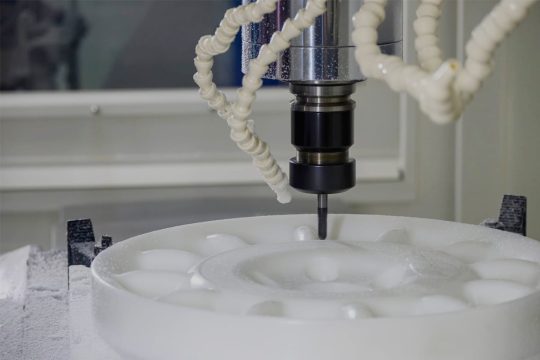
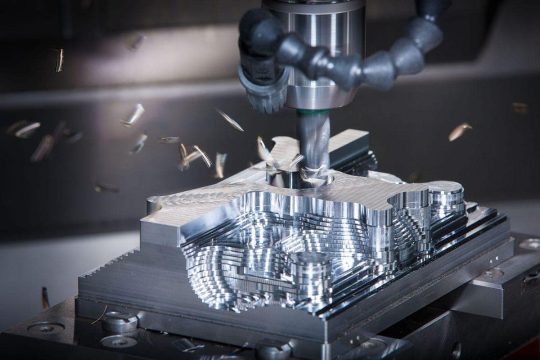
CNC routers cut acrylic sheets and blocks with high dimensional accuracy. Controlled toolpaths help produce clean straight lines, smooth curves, internal cutouts, and detailed shapes while maintaining consistent results across customized parts and repeated production runs.

輪郭切断

Contour cutting allows CNC routers to follow complex outlines and curved profiles. This process is suitable for producing letters, logos, decorative shapes, display components, and custom panels with accurate edges and consistent dimensions.

彫刻

CNC engraving removes a shallow layer from the acrylic surface to create text, patterns, logos, symbols, and decorative details. Different tool shapes and cutting depths can produce fine lines, bold markings, and textured visual effects.

ポケット加工

Pocketing removes material from selected areas without cutting through the entire workpiece. It is commonly used to create recessed sections, component seats, decorative cavities, mounting spaces, and fitted areas in acrylic panels and blocks.

訓練

CNC routers can drill accurately positioned holes for screws, fasteners, fittings, cables, and assembly components. Programmed spacing and depth control help ensure that every hole remains consistent, reducing alignment problems during installation or product assembly.

溝入れ

Grooving creates straight or curved channels in acrylic surfaces. These channels can be used for joining parts, inserting panels, routing cables, fitting lighting strips, or adding decorative lines to signs, displays, and customized components.

面取り

Beveling cuts angled edges along acrylic parts to improve appearance, simplify assembly, or create decorative transitions. Precise tool control helps maintain a consistent bevel width and angle across straight, curved, and irregular profiles.

エッジプロファイリング

Edge profiling shapes the outer edges of acrylic components using specialized router bits. Rounded, chamfered, stepped, and decorative edges can be produced to improve visual quality, safety, fit, and the overall finish of the final product.

3Dカービング

CNC routers can carve raised, recessed, and contoured three-dimensional features in thick acrylic. This process is suitable for decorative panels, molds, models, branded elements, and customized components that require varying depths and smooth surface transitions.

インレーカット

Inlay cutting produces matching recessed areas and fitted inserts. CNC routers can create precise pockets and corresponding acrylic pieces, allowing different colors, textures, or transparent elements to be combined into logos, decorative panels, and personalized designs.

ネスティング

Nesting software arranges multiple parts efficiently across an acrylic sheet before cutting. This process reduces unused space, improves material utilization, lowers production costs, and allows manufacturers to produce different shapes or sizes in a single machining cycle.

バッチ生産

CNC routers repeat the same programmed operations with consistent accuracy. This makes them suitable for producing large quantities of acrylic signs, display parts, covers, panels, and customized components while reducing manual work and maintaining stable product quality.

共通の課題

Heat Buildup And Melting

Acrylic can soften or melt when cutting generates excessive heat. Incorrect spindle speed, slow feed rates, or dull tools may cause material to stick to the router bit, producing rough edges and interrupting the machining process.

エッジ欠け

Acrylic edges may chip when unsuitable cutting tools, excessive cutting depth, or unstable machining conditions are used. Chipping reduces visual quality and may require additional sanding, polishing, or complete replacement of the damaged component.

ひび割れと破損

Acrylic can crack under excessive cutting pressure, vibration, or improper clamping. Thin sheets and narrow features are especially vulnerable, making careful toolpath planning and stable material support essential throughout the routing process.

表面の傷

The smooth surface of acrylic is easily scratched by chips, clamps, handling, or machine debris. Surface damage can reduce transparency and appearance, particularly when producing display products, decorative panels, protective covers, or other highly visible components.

Unstable Material Holding

Acrylic sheets may shift, lift, or vibrate during machining if they are not securely held. Poor workholding can cause inaccurate cuts, uneven edges, broken tools, or damaged workpieces, especially when processing small parts and narrow profiles.

チップの除去不良

Acrylic chips can accumulate around the cutting area and router bit. Ineffective chip evacuation increases heat, blocks visibility, scratches the workpiece, and may cause chips to melt and reattach to the machined edge.

Inconsistent Edge Quality

Producing smooth and uniform acrylic edges can be difficult when machining parameters are not properly balanced. Rough surfaces, visible tool marks, burrs, and uneven finishes may increase the need for time-consuming secondary polishing.

Material Type Variations

Cast and extruded acrylic respond differently to routing. Differences in density, thickness consistency, and heat sensitivity require adjustments to cutting speed, spindle speed, tool geometry, and cutting depth to maintain reliable machining results.

Tool Selection And Wear

Choosing the wrong router bit can lead to melting, chipping, poor chip evacuation, and rough finishes. Tool wear also reduces cutting performance over time, making regular inspection and timely replacement necessary for consistent acrylic processing.

CNCルーター加工が課題を解決する方法

制御された切断パラメータ

CNC routers allow precise adjustment of spindle speed, feed rate, cutting depth, and toolpath strategy. Proper parameter control reduces heat buildup, prevents melting, and helps maintain clean, stable cutting conditions across different acrylic thicknesses.

効率的な切りくず排出

Air assistance and dust extraction systems remove acrylic chips from the cutting area. Effective chip evacuation reduces heat accumulation, prevents chips from sticking to the router bit, and protects the workpiece surface from scratches.

Secure Material Holding

Vacuum tables, clamps, and customized fixtures keep acrylic sheets stable during routing. Reliable workholding prevents movement, lifting, and vibration, helping maintain accurate dimensions and reducing the risk of cracking or damaged edges.

特殊ルータービット

Sharp single-flute or polished cutting tools are designed to remove acrylic chips efficiently. Correct tool selection reduces cutting pressure, improves edge quality, and minimizes common problems such as chipping, melting, rough surfaces, and material buildup.

Precise Toolpath Control

Computer-controlled toolpaths guide the cutting tool smoothly around curves, corners, holes, and detailed shapes. Consistent movement reduces sudden pressure changes and helps protect narrow features from cracking or breaking during machining.

エッジ品質の向上

Optimized cutting directions, finishing passes, and suitable tool geometry help CNC routers produce smoother acrylic edges. Better edge quality reduces visible tool marks and limits the amount of sanding, polishing, or additional finishing required.

一貫した再現性

CNC routers repeat programmed operations with reliable accuracy. Once the correct settings are established, manufacturers can produce multiple acrylic parts with consistent dimensions, hole positions, contours, and surface details while reducing manual errors.

最適化された材料使用

Nesting software arranges parts efficiently across acrylic sheets before cutting. Improved layout planning reduces unused space, controls material costs, and limits waste caused by poor positioning, inaccurate cutting, or unnecessary gaps between components.

推奨CNCルーター

The best CNC router for acrylic processing depends on sheet size, product complexity, production volume, and required finish quality. Standard three-axis CNC routers are suitable for most cutting, engraving, drilling, grooving, pocketing, and edge-profiling tasks. It is a practical choice for signs, display panels, protective covers, nameplates, decorative parts, and customized acrylic components. For continuous production or projects requiring several operations, an automatic tool changer CNC router is recommended. It can switch between cutting, engraving, drilling, and finishing tools without frequent manual intervention, reducing downtime and improving production efficiency. Manufacturers processing large acrylic sheets should choose a machine with a full-size vacuum table, zoned suction, and strong material support to prevent movement and vibration.
CNC routers equipped with high-speed spindles and polished single-flute tools are especially effective for acrylic because they support efficient chip removal and help reduce heat buildup. Air assistance and suitable extraction systems further improve cutting stability and protect the surface from loose chips. Rotary-axis CNC routers are suitable for cylindrical or curved acrylic components, while four-axis and five-axis machines are better for complex three-dimensional surfaces, deep contours, and multi-sided machining. Regardless of configuration, the recommended machine should provide rigid construction, accurate motion control, adjustable spindle settings, reliable workholding, and compatible control software for consistent, clean, and repeatable acrylic fabrication.
AKM1325 CNCルーター

AKM1325 CNCルーター

AKM1530 CNCルーター

AKM1530 CNCルーター

AKM2030 CNCルーター

AKM2030 CNCルーター

AKM2040 CNCルーター

AKM2040 CNCルーター

AKM-C1 CNCルーター

AKM-C1 CNCルーター

AKM-C2 CNCルーター

AKM-C2 CNCルーター

AKM-C3 CNCルーター

AKM-C3 CNCルーター

AKM1325C CNCルーター

AKM1325C CNCルーター

顧客事例

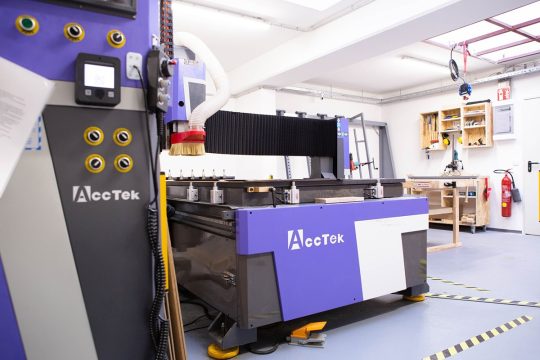
オーストリアのAKM1325 CNCルーター

オーストリアのAKM1325 CNCルーター

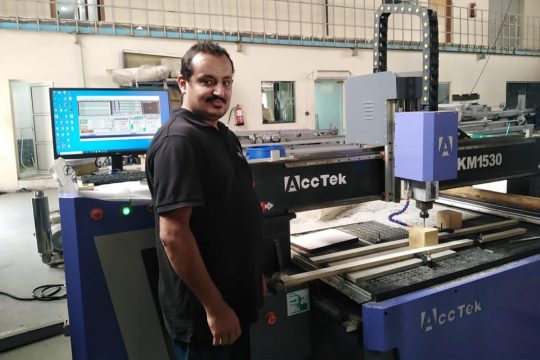
南アフリカのAKM1530 CNCルーター

南アフリカのAKM1530 CNCルーター

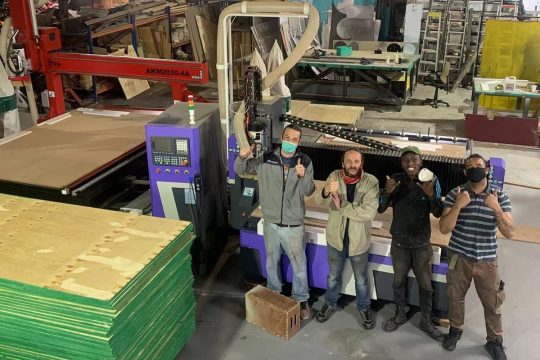
AKM2030C-4A CNCルーター(南アフリカ)

AKM2030C-4A CNCルーター(南アフリカ)

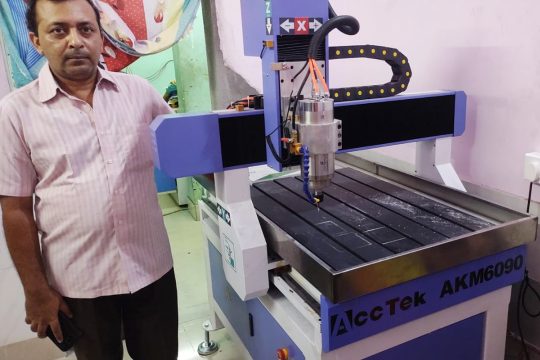
インドのAKM6090 CNCルーター

インドのAKM6090 CNCルーター

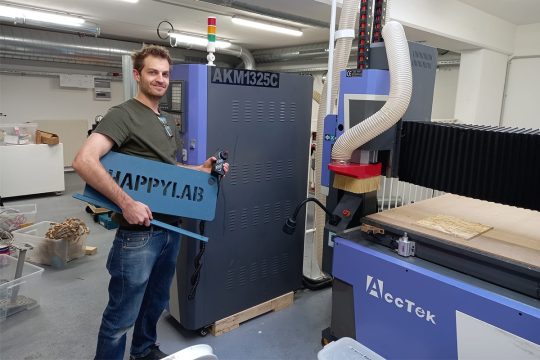
オーストリアのAKM1325C CNCルーター

オーストリアのAKM1325C CNCルーター

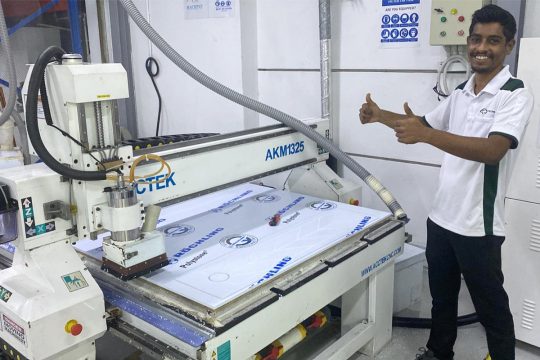
シンガポールのAKM1325 CNCルーター

シンガポールのAKM1325 CNCルーター

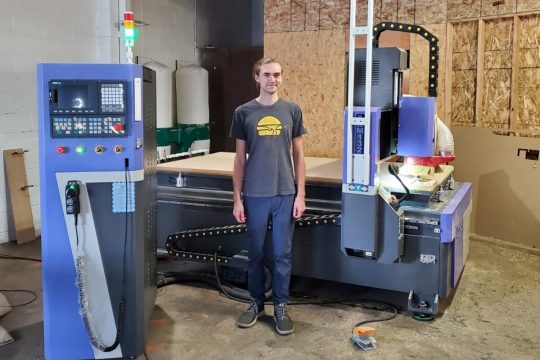
AKM1325C CNCルーター(米国)

AKM1325C CNCルーター(米国)

イタリアのAKM1325 CNCルーター

イタリアのAKM1325 CNCルーター

CNCルーティングソリューションを入手

適切なCNCルーターを選ぶことは、生産速度、切削品質、材料利用率、そして長期的なビジネス効率に大きな違いをもたらします。木工、キャビネット製作、家具製造、広告看板、アクリル加工、発泡スチロール彫刻、金型製作、特注製品製造など、どのような用途であっても、AccTek CNCはお客様の実際のニーズに合わせて最適なCNCルーターソリューションを提供いたします。
弊社のチームは、お客様の加工材料、加工サイズ、切削厚さ、生産量、精度要件、および作業環境を評価するお手伝いをいたします。これらの詳細に基づいて、最適な機械モデル、主軸出力、テーブルタイプ、制御システム、伝動システム、工具、および真空テーブル、回転装置、自動工具交換装置、穴あけ装置、集塵システムなどのオプション付属品をご提案いたします。
AccTek CNCは、単なるCNCルーターマシンを提供するだけでなく、お客様が安心して機器をご利用いただけるよう、購入前の専門的なアドバイス、マシンのカスタマイズ、設置サポート、操作トレーニング、技術支援、アフターサービスなど、幅広いサポートを提供しています。小規模な作業場から大規模な生産工場まで、当社のCNCルーターは、効率性の向上、手作業の削減、加工可能性の拡大に貢献するように設計されています。
ビジネス向けに信頼性の高いCNCルーターをお探しなら、今すぐAccTek CNCにご連絡ください。お客様の生産目標に合わせたソリューションをご提案いたします。
* 当社はお客様のプライバシーを尊重します。AccTek CNCは、お客様の個人情報の保護に努めています。フォーム送信時にご提供いただいた情報は厳重に管理され、お問い合わせへの対応のみに使用されます。お客様の情報を第三者と共有、販売、開示することはありません。お客様のデータは安全に保管され、当社のプライバシーポリシーに従って取り扱われます。
AccTek CNC ソリューションで精度を解放しましょう!
CNC ルーティングの経験を次のレベルに引き上げる準備はできていますか? AccTek CNC は単なるメーカーではなく、精度と効率を再定義する最先端のソリューションへのゲートウェイです。以下にあなたの詳細を残してください。当社の専門チームが個別のソリューションと競争力のある見積もりを提供します。プロトタイピングでも量産でも、当社が対応します。
オーダーメイドのソリューションのために詳細を残してください
*AccTek CNC では、お客様のプライバシーを尊重します。ご提供いただいた情報は機密として厳重に保管され、パーソナライズされたソリューションと見積もりを提供するためにのみ使用されますので、ご安心ください。
アクテックのアイコン
プライバシーの概要

このウェブサイトはクッキーを使用しており、可能な限り最高のユーザーエクスペリエンスを提供しています。 クッキー情報はブラウザに保存され、ウェブサイトに戻ったときにあなたを認識し、最も興味深く有用なウェブサイトのセクションをチームが理解できるようにするなどの機能を果たします。