

- 13-18 minuti di lettura
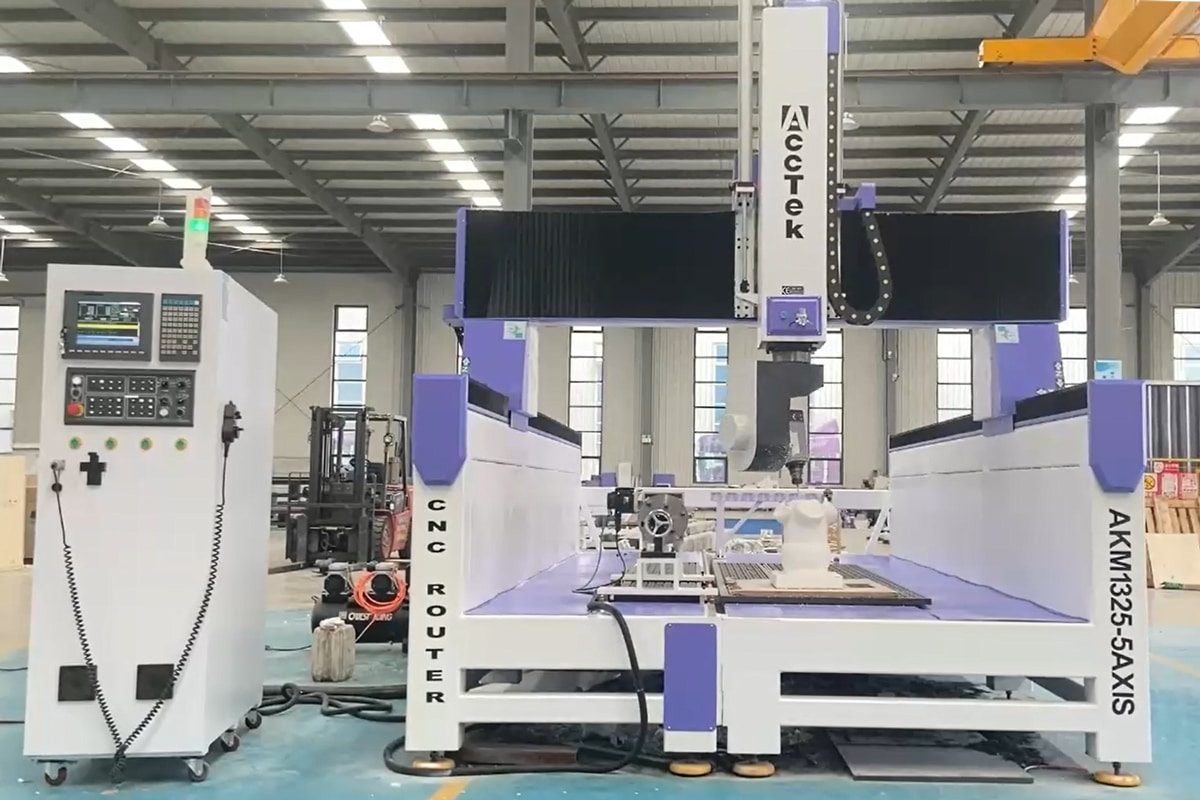
L'arte e la scultura sono da sempre definite dalle mani esperte degli artigiani, capaci di plasmare materie prime in forme belle e complesse. Tuttavia, con l'avvento delle fresatrici CNC a 5 assi , si è aperto un nuovo orizzonte nella creazione artistica. Queste macchine avanzate, in grado di muoversi in cinque direzioni distinte, consentono agli artisti di realizzare progetti complessi e ricchi di dettagli con una precisione che sarebbe difficile, se non impossibile, da raggiungere con i metodi tradizionali. Combinando tecnologia all'avanguardia e visione creativa, le fresatrici CNC a 5 assi permettono agli artisti di spingere i confini del possibile nella scultura e nel design.
Questo articolo approfondisce come le fresatrici CNC a 5 assi stiano trasformando il mondo dell'arte. Esploreremo il funzionamento interno di queste macchine, le loro applicazioni nella creazione artistica e gli immensi vantaggi che offrono, dalle incisioni dettagliate alla libertà di creare forme astratte. Discuteremo anche le sfide che derivano dall'utilizzo di una tecnologia così avanzata nell'arte e come essa stia plasmando il futuro della scultura. Che si tratti della capacità di lavorare con un'ampia gamma di materiali o della precisione necessaria per realizzare progetti complessi e multidimensionali, questo articolo metterà in luce perché le fresatrici CNC a 5 assi stanno rivoluzionando il nostro modo di concepire l'arte e la scultura.
Comprendere la meccanica di una fresatrice CNC a 5 assi
Per apprezzare appieno le potenzialità di una fresatrice CNC a 5 assi nel campo dell'arte e della scultura, è fondamentale comprenderne innanzitutto il funzionamento meccanico. Una fresatrice CNC a 5 assi, a differenza delle tradizionali macchine a 3 assi , è in grado di muovere l'utensile di taglio in cinque direzioni distinte, consentendo di raggiungere maggiore precisione, complessità e flessibilità nella creazione di disegni complessi.
Funzionalità di base di una fresatrice CNC a 5 assi
In sostanza, una fresatrice CNC a 5 assi funziona secondo gli stessi principi fondamentali di una macchina a 3 assi. Utilizza un computer per controllare il movimento dei componenti della macchina lungo assi specifici. Tuttavia, mentre una fresatrice a 3 assi può spostare l'utensile di taglio lungo gli assi X, Y e Z (sinistra-destra, avanti-indietro e su-giù), una fresatrice CNC a 5 assi aggiunge due assi di rotazione (A e B), consentendo all'utensile di ruotare lungo più piani.
- Assi X, Y, Z: Questi sono i tradizionali assi lineari. L'asse X sposta l'utensile orizzontalmente, l'asse Y lo sposta verticalmente e l'asse Z controlla il movimento verticale.
- Assi di rotazione A e B: questi due assi aggiuntivi consentono il movimento di rotazione attorno agli assi X, Y e Z, permettendo all'utensile di inclinare e ruotare il pezzo in lavorazione. Questa capacità di rotazione consente alla fresatrice di avvicinarsi al materiale praticamente da qualsiasi angolazione.
- Questo movimento a 5 assi è fondamentale per creare sculture o disegni complessi e multidimensionali che richiedono l'accesso a tutti i lati del materiale senza dover riposizionare il pezzo. La maggiore flessibilità di rotazione consente agli artisti di intagliare, tagliare e scolpire su superfici intricate e attorno ad angoli stretti, aprendo nuove possibilità di espressione creativa.
Componenti chiave di un router CNC a 5 assi
Una fresatrice CNC a 5 assi è composta da diversi componenti fondamentali che lavorano insieme per eseguire movimenti precisi. Ecco una panoramica degli elementi essenziali che alimentano una fresatrice CNC a 5 assi:
- Mandrino: Il mandrino sostiene l'utensile da taglio ed è responsabile della sua rotazione. In una fresatrice CNC a 5 assi, il mandrino può ruotare lungo più assi, consentendo tagli complessi e dettagli precisi in diverse orientazioni.
- Portautensili: questo dispositivo tiene fermo l'utensile da taglio, assicurando che si muova con precisione secondo le istruzioni del programma della macchina.
- Banco della macchina: Il banco o il piano di lavoro è la superficie su cui viene posizionato il materiale (legno, pietra, metallo, ecc.). In alcune macchine a 5 assi avanzate, il banco stesso può muoversi o inclinarsi per agevolare il processo di taglio.
- Sistema di controllo del movimento: i sistemi avanzati di controllo del movimento nei router CNC a 5 assi integrano motori, azionamenti e sistemi di feedback ad alte prestazioni per mantenere la precisione durante movimenti rapidi e multidirezionali.
In che modo le fresatrici CNC a 5 assi si differenziano dalle macchine a 3 assi?
Sebbene sia le fresatrici CNC a 3 assi che quelle a 5 assi vengano utilizzate per tagliare, intagliare e incidere materiali, gli assi di rotazione aggiuntivi di una macchina a 5 assi la rendono significativamente più versatile. Ecco un confronto:
- Accesso ad angolazioni complesse: una fresatrice CNC a 5 assi può tagliare praticamente da qualsiasi angolazione, eliminando la necessità di riposizionare il materiale. Questo è particolarmente utile per la creazione di sculture con dettagli complessi, dove le tradizionali macchine a 3 assi richiederebbero molteplici cambi di impostazione per raggiungere i diversi lati del pezzo.
- Maggiore precisione: la possibilità di lavorare il materiale da più angolazioni consente tagli più accurati e finiture più lisce, soprattutto su forme complesse o superfici curve.
- Maggiore efficienza: le macchine a 5 assi possono completare attività che normalmente richiederebbero diverse configurazioni, riducendo i tempi e gli sforzi necessari per creare disegni dettagliati. Possono inoltre produrre disegni più complessi in un'unica passata.
La meccanica di una fresatrice CNC a 5 assi rappresenta un passo avanti sia nella produzione che nella creazione artistica. Grazie alla possibilità di movimento lineare e alla flessibilità rotazionale, queste macchine consentono di realizzare disegni precisi e dettagliati praticamente da qualsiasi angolazione. Che si tratti di sculture, motivi complessi o opere d'arte geometriche, la fresatrice CNC a 5 assi permette agli artisti di esplorare nuovi orizzonti creativi con precisione ed efficienza ineguagliabili. Comprendere questi meccanismi è il primo passo per sfruttare appieno il potenziale di questa tecnologia rivoluzionaria.
Applicazioni nell'arte e nella scultura
L'avvento delle fresatrici CNC a 5 assi ha ampliato notevolmente le possibilità per artisti e scultori, consentendo loro di raggiungere maggiore precisione, complessità e creatività nelle proprie opere. Questa tecnologia è diventata indispensabile sia nelle belle arti che nella scultura su larga scala, permettendo agli artisti di esplorare nuove forme, materiali e tecniche che sarebbero incredibilmente difficili o dispendiose in termini di tempo da replicare manualmente. Di seguito sono riportate alcune applicazioni chiave delle fresatrici CNC a 5 assi nell'arte e nella scultura:
- Creazione di disegni complessi e dettagliati: uno dei vantaggi più significativi di una fresatrice CNC a 5 assi è la sua capacità di realizzare con facilità disegni estremamente dettagliati e complessi. Gli artisti possono creare motivi, texture e dettagli raffinati che altrimenti richiederebbero una notevole quantità di lavoro manuale. Esempio: nella creazione di ritratti realistici o sculture figurative, una fresatrice CNC a 5 assi consente il taglio e la modellazione precisi di dettagli minuziosi come capelli, rughe o tratti del viso.
- Sculture multidimensionali e geometriche: le fresatrici CNC a 5 assi eccellono nella creazione di sculture multidimensionali, che richiedono la possibilità di lavorare da tutte le angolazioni senza riposizionare il materiale. Questa capacità di ruotare e inclinare l'utensile di taglio consente agli artisti di scolpire forme intricate e geometricamente complesse, tra cui sfere, spirali e altre forme non lineari. Gli artisti possono creare forme organiche e fluide o motivi geometrici simmetrici e uniformemente spaziati, garantendo precisione e uniformità.
- Accesso ad angoli complessi e superfici curve: una delle caratteristiche principali di una fresatrice CNC a 5 assi è la sua capacità di intagliare o tagliare praticamente da qualsiasi angolazione, risultando particolarmente utile per lavorare su superfici curve e aree difficili da raggiungere. Gli assi di rotazione aggiuntivi consentono alla fresatrice di avvicinarsi al materiale da tutti i lati, garantendo una finitura più liscia e un intaglio più uniforme, anche su superfici non piane o lineari. Esempio: gli scultori che lavorano con materiali rotondi o cilindrici possono utilizzare una fresatrice a 5 assi per intagliare texture o motivi dettagliati sulla superficie, evitando la necessità di riposizionamenti ripetuti o complesse lavorazioni manuali.
- Riproduzione e ridimensionamento di disegni: le fresatrici CNC a 5 assi sono particolarmente utili per riprodurre opere d'arte con elevata fedeltà e ridimensionarle a diverse dimensioni. Gli artisti possono creare un modello digitale 3D del loro disegno e utilizzare la macchina CNC per replicarlo in varie dimensioni senza perdere dettagli. Questo è incredibilmente utile per realizzare sculture in edizione limitata o creare versioni in grande scala di opere originali di dimensioni ridotte. La precisione e la costanza della fresatrice garantiscono che ogni copia dell'opera d'arte sia pressoché identica all'originale.
- Lavorazione di una varietà di materiali: le fresatrici CNC a 5 assi sono estremamente versatili in termini di materiali lavorabili. Gli artisti possono utilizzare queste macchine per intagliare e scolpire un'ampia gamma di materiali, tra cui legno, pietra, schiuma, resina e plastica. La precisione della macchina consente agli artisti di sfruttare le proprietà di ciascun materiale, creando diverse texture, finiture ed effetti.
- Combinazione di design digitale e tecniche tradizionali: sebbene le fresatrici CNC a 5 assi siano uno strumento potente per l'arte digitale, possono essere utilizzate anche per integrare le tecniche artistiche tradizionali. Gli artisti possono iniziare abbozzando o ideando un progetto manualmente, per poi digitalizzarlo con un software di modellazione 3D. La macchina CNC può quindi occuparsi delle operazioni più ripetitive e dispendiose in termini di tempo, come il taglio grezzo o la sagomatura, mentre l'artista si concentra sull'aggiunta dei tocchi finali a mano. Questa collaborazione tra metodi tradizionali e digitali consente un flusso di lavoro più efficiente senza compromettere l'integrità artistica.
Le applicazioni delle fresatrici CNC a 5 assi nell'arte e nella scultura hanno rivoluzionato il processo creativo, offrendo agli artisti gli strumenti per dare vita alle loro idee più innovative con precisione ed efficienza. Che si tratti di creare forme geometriche complesse, lavorare con un'ampia gamma di materiali o riprodurre disegni intricati in scala, queste macchine sono diventate indispensabili nella creazione artistica moderna. Combinando la precisione della tecnologia con la creatività dell'artista, le fresatrici CNC a 5 assi non solo spingono i limiti del possibile nella scultura, ma aprono anche nuove strade all'innovazione e all'espressione artistica nell'era digitale.
Precisione e accuratezza nella creazione artistica
Uno dei motivi principali per cui artisti e scultori scelgono le fresatrici CNC a 5 assi è la loro eccezionale precisione e accuratezza. A differenza dei metodi tradizionali, che spesso si basano sull'abilità manuale e sui limiti della destrezza umana, le fresatrici CNC a 5 assi possono realizzare progetti complessi e altamente dettagliati con una coerenza senza pari. Scopriamo come precisione e accuratezza giocano un ruolo centrale nella creazione artistica con queste macchine all'avanguardia.
- Dettagli ad alta risoluzione: uno dei principali vantaggi delle fresatrici CNC a 5 assi è la loro capacità di raggiungere dettagli ad alta risoluzione, consentendo agli artisti di scolpire elementi fini come espressioni facciali, texture o motivi con una precisione straordinaria. Con una fresatrice CNC, la macchina può eseguire micro-regolazioni, garantendo che ogni taglio o incisione rimanga nitido, uniforme e fedele al disegno originale, anche in sculture di grandi dimensioni o pezzi estremamente complessi.
- Taglio multi-angolo per progetti complessi: l'aggiunta di due assi di rotazione in una fresatrice CNC a 5 assi offre agli artisti la possibilità di tagliare simultaneamente da più angoli. La precisione di questi movimenti consente alla macchina di mantenere la stessa profondità di taglio e la stessa uniformità su tutti gli angoli, garantendo coerenza e precisione in tutto il progetto.
- Riproduzione e ridimensionamento coerenti: la precisione non riguarda solo la realizzazione di dettagli fini, ma anche la capacità di replicare i progetti in modo coerente. Che un artista stia realizzando più copie di un singolo progetto o ingrandendo un'opera originale, una fresatrice CNC a 5 assi garantisce che ogni pezzo sia identico, fin nei minimi dettagli. La possibilità di ridimensionare i progetti senza perdere precisione facilita agli artisti la produzione di opere in edizione limitata o la creazione di installazioni su larga scala che mantengono l'integrità dell'opera originale.
- Precisione specifica per materiale: materiali diversi, come legno, pietra e schiuma, possiedono proprietà distinte che richiedono strategie di taglio differenti. Le fresatrici CNC a 5 assi eccellono nell'adattare la loro precisione in base al materiale lavorato. Utilizzando percorsi utensile specializzati e strategie di taglio adattive, queste macchine possono ottimizzare i loro movimenti per tenere conto della durezza, della consistenza e delle venature del materiale, garantendo che ogni taglio sia pulito, preciso e liscio.
- Messa a punto e regolazioni: un altro vantaggio fondamentale della tecnologia CNC nella creazione artistica è la possibilità di apportare regolazioni precise al progetto. Una volta programmato il progetto iniziale e avviata la macchina, gli artisti possono mettere in pausa e rivedere i progressi. Se necessario, è possibile apportare modifiche ai percorsi utensile, alle profondità di taglio o alle velocità per garantire il risultato desiderato.
La precisione e l'accuratezza offerte dalle fresatrici CNC a 5 assi non solo semplificano il processo artistico, ma elevano anche la qualità dell'opera finale. Queste macchine offrono agli artisti la possibilità di creare opere estremamente dettagliate, raggiungere angoli complessi, replicare i disegni con precisione e lavorare con diversi materiali, riducendo al contempo il rischio di errore umano. La capacità di perfezionare i disegni con tale precisione non solo amplia le possibilità creative dell'artista, ma garantisce anche che l'opera finita soddisfi i più elevati standard di artigianalità. Grazie alla possibilità di affinare ogni aspetto di un disegno, le fresatrici CNC a 5 assi consentono agli artisti di realizzare le proprie idee creative con una precisione e un livello di dettaglio senza pari.
Considerazioni relative alla progettazione e al flusso di lavoro
Quando si integra una fresatrice CNC a 5 assi nel processo di creazione artistica, è fondamentale comprendere non solo le capacità della macchina, ma anche le considerazioni di progettazione e flusso di lavoro che contribuiscono alla buona riuscita del progetto. Dall'idea iniziale al taglio finale, l'ottimizzazione della progettazione e del flusso di lavoro è fondamentale per massimizzare la precisione, l'efficienza e la qualità complessiva dell'opera. Di seguito sono riportati alcuni aspetti chiave che artisti e scultori dovrebbero considerare quando pianificano il loro lavoro con una fresatrice CNC a 5 assi.
Modellazione 3D e strumenti software
Il processo inizia con la modellazione 3D, essenziale per creare la rappresentazione digitale dell'opera d'arte prima che possa essere trasferita alla macchina CNC. La qualità e la precisione del modello determineranno la capacità della macchina di realizzare il progetto.
- Opzioni software: Tra i programmi software più diffusi per la modellazione 3D figurano AutoCAD, Rhino, Fusion 360 e ZBrush. Questi programmi consentono agli artisti di creare modelli 3D complessi e altamente dettagliati, compatibili con le macchine CNC.
- Garantire la precisione: poiché la macchina CNC seguirà scrupolosamente le istruzioni fornite dal modello 3D, è fondamentale assicurarsi che il modello sia privo di errori o discrepanze. Piccoli difetti nella progettazione digitale possono causare problemi più gravi durante la lavorazione, con conseguente spreco di materiale o compromissione dei dettagli.
- Scultura e texturizzazione: molti artisti utilizzano software specializzati (come ZBrush o Blender) per aggiungere texture, motivi e dettagli superficiali ai loro modelli 3D. Questi strumenti consentono di perfezionare gli aspetti artistici del modello prima che venga inviato alla fresatrice CNC per la produzione.
Conversione del progetto in codice G
Una volta finalizzato il modello 3D, è necessario convertirlo in istruzioni leggibili dalla macchina. È qui che entra in gioco il codice G. Il codice G è il linguaggio che le macchine CNC comprendono e seguono per eseguire movimenti e tagli specifici.
- Generazione dei percorsi utensile: il software di progettazione genera i percorsi utensile, ovvero i percorsi specifici che l'utensile da taglio seguirà durante la lavorazione. I percorsi utensile devono essere ottimizzati per il risultato desiderato, che si tratti di un'incisione fine, di un taglio grosso o di una combinazione di entrambi. Questo passaggio garantisce che la fresa si avvicini al materiale dalle angolazioni e dalle profondità corrette.
- Scelta degli utensili giusti: La selezione degli utensili è una parte fondamentale del flusso di lavoro. L'utensile più adatto deve essere scelto in base al materiale da lavorare e alla finitura desiderata. Utensili diversi offrono finiture superficiali e profondità di taglio differenti.
- Ottimizzazione del percorso utensile: una generazione efficiente del percorso utensile è fondamentale per ridurre al minimo i tempi di lavorazione mantenendo la precisione. Gli artisti devono valutare l'equilibrio tra velocità di taglio e qualità dei dettagli, regolando parametri come velocità di avanzamento, profondità di taglio e passo laterale.
Impostazione e calibrazione della macchina
Prima di iniziare il processo di lavorazione, una corretta impostazione e calibrazione della macchina sono fondamentali per garantire che la fresatrice funzioni in modo efficiente e preciso.
- Azzeramento della macchina: la macchina deve essere "azzerata", ovvero l'utensile di taglio deve essere posizionato con precisione nel punto di partenza del materiale. Per le macchine a 5 assi, ciò include la verifica dell'allineamento sia dell'utensile di taglio che del pezzo in lavorazione per garantire che tutti gli assi di rotazione siano calibrati correttamente.
- Controllo dell'utensile e del mandrino: gli artisti devono assicurarsi che l'utensile da taglio sia montato correttamente e affilato, poiché un utensile smussato può causare imprecisioni e finiture scadenti. Anche la velocità del mandrino deve essere regolata in base al materiale e all'utensile utilizzati.
- Test e regolazioni: l'esecuzione di una piccola prova di taglio o di una simulazione può aiutare a identificare potenziali problemi prima di iniziare il processo di lavorazione completo. Questa prova di taglio può verificare la precisione del percorso utensile e aiutare a regolare le impostazioni, se necessario.
Considerando attentamente ogni fase del processo di progettazione e del flusso di lavoro, gli artisti possono sfruttare appieno le potenzialità di una fresatrice CNC a 5 assi, mantenendo al contempo il controllo creativo sul risultato finale. Dalla precisione della modellazione 3D all'accurata selezione degli utensili, l'intero flusso di lavoro deve essere ottimizzato per garantire efficienza e accuratezza. Con la giusta preparazione, gli artisti possono trasformare progetti complessi e dettagliati in realtà, assicurandosi che l'opera finale non solo rispecchi la loro visione artistica, ma rifletta anche la precisione e la maestria artigianale possibili con la moderna tecnologia CNC. Padroneggiando questi aspetti, le possibilità creative con una fresatrice CNC a 5 assi sono praticamente illimitate.
Sfide nell'utilizzo di fresatrici CNC a 5 assi per l'arte e la scultura
Sebbene le fresatrici CNC a 5 assi offrano enormi vantaggi in termini di precisione, efficienza e libertà creativa, presentano anche una serie di sfide che artisti e scultori devono affrontare. La complessità di queste macchine e dei processi coinvolti nel loro utilizzo può rappresentare un ostacolo unico, soprattutto per coloro che hanno meno familiarità con la progettazione digitale e la lavorazione CNC. Ecco le principali sfide che gli artisti incontrano quando integrano le fresatrici CNC a 5 assi nei loro flussi di lavoro artistici.
Ripida curva di apprendimento
Una delle maggiori sfide con le fresatrici CNC a 5 assi è la curva di apprendimento necessaria sia per padroneggiare la tecnologia sia per comprendere i processi sottostanti. A differenza delle tecniche di scultura tradizionali, la lavorazione CNC richiede la conoscenza di software specializzati, calibrazione della macchina, generazione del percorso utensile e gestione del materiale.
- Software di progettazione: gli artisti devono essere esperti nell'utilizzo di software di modellazione 3D come Rhino, AutoCAD o Fusion 360, il cui apprendimento può richiedere tempo e impegno considerevoli. È fondamentale saper creare, modificare e ottimizzare modelli digitali per la lavorazione CNC, soprattutto per sculture dettagliate e complesse.
- Software CAM e codice G: Oltre al software di modellazione, gli artisti devono imparare a usare il software CAM per convertire i loro progetti in percorsi utensile e generare il codice G. Questo processo può risultare complesso, poiché la selezione del percorso utensile, le impostazioni della macchina e l'ottimizzazione influiscono sul risultato finale.
- Funzionamento della macchina: Il funzionamento della fresatrice CNC a 5 assi può essere complesso e richiede la conoscenza di come calibrare la macchina, impostare il materiale ed effettuare regolazioni durante il processo di lavorazione.
Limitazioni e sfide relative ai materiali
Sebbene le fresatrici CNC a 5 assi siano versatili in termini di materiali che possono lavorare, ogni materiale presenta una serie di sfide specifiche in termini di taglio, finitura e precisione.
- Materiali più duri: lavorare con materiali duri come la pietra o il legno denso può usurare rapidamente gli utensili e richiedere velocità di taglio inferiori. Inoltre, questi materiali possono generare vibrazioni che influiscono sulla precisione, soprattutto quando la macchina lavora ad alte velocità.
- Comportamento dei materiali: Materiali diversi reagiscono in modo diverso al processo di taglio. Ad esempio, alcuni materiali, come il legno, possono deformarsi o scheggiarsi durante la lavorazione se non fissati correttamente, mentre materiali più morbidi come la schiuma possono richiedere una manipolazione delicata per evitare danni inutili. Gli artisti devono conoscere il comportamento di ciascun materiale per ottenere i migliori risultati.
- Qualità della finitura: ottenere la finitura superficiale desiderata su alcuni materiali può essere difficile. Ad esempio, la pietra potrebbe richiedere ulteriori lavorazioni successive, come la lucidatura o la levigatura, per raggiungere il livello di levigatezza o la texture immaginata dall'artista.
Costi iniziali e di manutenzione elevati
L'investimento finanziario necessario per l'acquisto e la manutenzione di una fresatrice CNC a 5 assi può rappresentare un ostacolo significativo per molti artisti, soprattutto per coloro che sono agli inizi o che lavorano con budget limitati.
- Investimento iniziale: le fresatrici CNC a 5 assi sono generalmente molto più costose delle macchine a 3 assi, a causa della loro complessità e delle funzionalità aggiuntive. Il costo di acquisto di una macchina di alta qualità può essere proibitivo per molti artisti individuali o piccoli studi.
- Manutenzione continua: Queste macchine richiedono una manutenzione regolare per garantire prestazioni ottimali. Componenti come il mandrino, i motori e gli assi rotanti sono soggetti a usura e una calibrazione frequente è necessaria per mantenere la precisione. Il costo dei pezzi di ricambio e il tempo richiesto per la manutenzione possono essere onerosi.
- Licenze software: Oltre ai costi dell'hardware, il software necessario per la progettazione e le operazioni CNC spesso prevede ingenti costi di licenza, che possono incrementare la spesa complessiva.
Nonostante le difficoltà legate all'utilizzo delle fresatrici CNC a 5 assi, i vantaggi che apportano al mondo dell'arte e della scultura sono innegabili. Comprendendo e superando questi ostacoli, gli artisti possono sfruttare appieno il potenziale di questa potente tecnologia. In definitiva, la capacità di superare tali difficoltà garantisce agli artisti la possibilità di spingere al limite la propria creatività, mantenendo al contempo la precisione e la cura dei dettagli che contraddistinguono le fresatrici CNC a 5 assi. Con la giusta preparazione e il giusto approccio, gli artisti possono trasformare complessi progetti digitali in capolavori fisici con una precisione ed efficienza senza pari.
Riassumere
Le fresatrici CNC a 5 assi hanno trasformato il panorama dell'arte e della scultura, consentendo agli artisti di realizzare disegni estremamente complessi e precisi, un tempo difficili o impossibili da ottenere con i metodi tradizionali. La loro capacità di lavorare su più assi, gestire un'ampia gamma di materiali e replicare forme complesse con eccezionale accuratezza ha aperto nuove possibilità creative. Nonostante le difficoltà legate alla padronanza della tecnologia e alla gestione dei flussi di lavoro, la precisione e l'efficienza offerte da queste macchine permettono agli artisti di spingersi oltre i limiti della propria arte, combinando arte e tecnologia per creare opere d'arte davvero straordinarie. Continua a leggere " Utilizzo di una fresatrice CNC a 5 assi: suggerimenti, tecniche e best practice " per sfruttare appieno il potenziale della macchina.
AccTek è un produttore leader di fresatrici CNC professionali, specializzato nella fornitura di macchine a 3, 4 e 5 assi di alta qualità, adatte a un'ampia gamma di settori e applicazioni. Che si tratti di lavorazione del legno, dei metalli o di scultura, AccTek offre soluzioni CNC affidabili e innovative per soddisfare le esigenze specifiche dei vostri progetti. Con particolare attenzione alla precisione, alla durata e alla tecnologia all'avanguardia, le macchine AccTek sono progettate per offrire prestazioni eccezionali, garantendo agli utenti la possibilità di creare disegni complessi e intricati con facilità ed efficienza. Per aziende e artisti che desiderano migliorare le proprie capacità produttive e ottenere risultati superiori, le fresatrici CNC di AccTek rappresentano un investimento intelligente che eleverà la qualità del vostro lavoro.