

- Lectura de 12 a 17 minutos
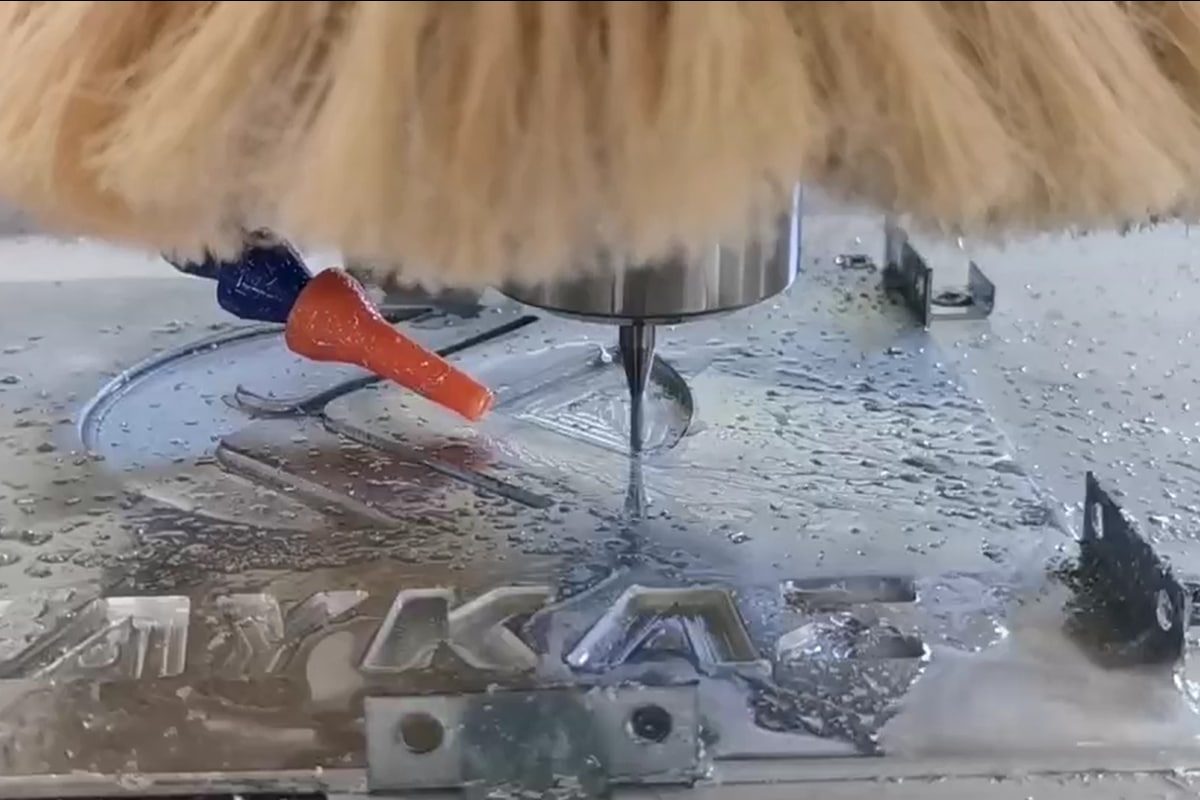
Al mecanizar metal con una fresadora CNC , uno de los factores más importantes, y a menudo pasados por alto, es cómo se sujeta la pieza a la mesa. A diferencia de la madera o el plástico, el metal es mucho más denso y genera fuerzas de corte significativamente mayores, lo que lo hace más propenso a desplazarse si no se sujeta correctamente. Por lo tanto, antes de comenzar a grabar o cortar con la CNC, es necesario elegir el método de sujeción adecuado para la pieza metálica.
Existen diversas técnicas para fijar piezas metálicas en la mesa de una fresadora CNC, cada una con sus ventajas, dependiendo del tipo de material, la forma y la complejidad del trabajo. Desde abrazaderas mecánicas y mesas de vacío hasta plantillas personalizadas y fijaciones magnéticas, conocer las opciones disponibles le ayudará a lograr mayor precisión y eficiencia general de la máquina. En este artículo, analizaremos los métodos más efectivos, le brindaremos las mejores prácticas para la configuración y le guiaremos para evitar errores comunes durante el proceso de fijación.
Consideraciones antes de asegurar piezas metálicas
Antes de elegir un método para fijar la pieza metálica a la mesa de la fresadora CNC, es importante evaluar algunos factores clave que influyen tanto en la resistencia de la sujeción como en la calidad del mecanizado. Una planificación adecuada en esta etapa ayuda a prevenir desplazamientos, vibraciones o colisiones de herramientas durante el funcionamiento.
- Tipo y grosor del material: Los distintos metales presentan diferentes densidades y resistencias al corte. Los materiales más gruesos y duros suelen requerir una mayor fuerza de sujeción o fijaciones más rígidas para soportar las presiones de corte. Los metales ligeros, como el aluminio, permiten opciones de sujeción más flexibles, mientras que los materiales más duros exigen sistemas robustos y resistentes a las vibraciones.
- Tamaño y forma de la pieza: Las dimensiones y la geometría de la pieza determinarán los métodos de sujeción más adecuados. Las piezas planas y cuadradas son más fáciles de sujetar con abrazaderas o sistemas de vacío, mientras que las piezas irregulares o pequeñas pueden requerir plantillas, dispositivos de fijación o adhesivos personalizados para garantizar la estabilidad durante el corte.
- Tipo de mesa de fresado: La configuración de la mesa de su fresadora CNC determinará los métodos de sujeción disponibles. Las mesas con ranuras en T son versátiles para sistemas de sujeción, mientras que las mesas de vacío son ideales para piezas planas y grandes. Algunos trabajos pueden requerir la modificación de la mesa o la adición de placas de herramientas para una mejor compatibilidad.
- Fuerzas de corte y trayectorias de la herramienta: Las trayectorias agresivas o los cortes profundos generan mayores fuerzas laterales y verticales que pueden desplazar piezas mal sujetas. Es fundamental tener en cuenta la dirección y la magnitud de estas fuerzas al seleccionar el método de sujeción, especialmente para cortes profundos o operaciones de varias pasadas.
- Refrigeración y generación de calor: El mecanizado de metales suele generar una cantidad considerable de calor. El uso de refrigerantes, sistemas de nebulización o chorro de aire puede afectar la fuerza de adhesión y provocar dilatación térmica. El método de fijación debe tener en cuenta estas condiciones, especialmente al usar cinta adhesiva, pegamento o materiales propensos a la deformación térmica.
Al revisar cuidadosamente estas consideraciones con anticipación, estará mejor preparado para seleccionar el método más eficaz y seguro para su tarea específica de mecanizado de metales. Esta preparación ayuda a garantizar que la pieza de trabajo se mantenga estable bajo carga, protege sus herramientas de corte y contribuye a obtener resultados uniformes y de alta calidad durante todo el proceso.
Métodos comunes para asegurar piezas metálicas en la mesa de la fresadora CNC
Debido a que los metales son más pesados y duros que materiales como la madera o el plástico, requieren sistemas de sujeción más robustos y fiables para soportar las fuerzas de corte. El método más adecuado depende de factores como el tipo de material, su forma, tamaño y las fuerzas de corte involucradas. A continuación, se describen las técnicas más comunes para sujetar metales de forma segura durante el mecanizado:
Sujeción mecánica
La sujeción mecánica es uno de los métodos más fiables y versátiles para fijar piezas metálicas en una mesa de fresado CNC. Las abrazaderas de ranura en T, las abrazaderas escalonadas y las abrazaderas de punta se utilizan habitualmente en mesas de fresado CNC con bancadas ranuradas o placas de fijación. Proporcionan una fuerte presión hacia abajo y una excelente fuerza de sujeción para mantener el material firmemente en su lugar durante el mecanizado.
Este método funciona especialmente bien para metales densos o pesados como el acero, el aluminio o el latón, donde se requiere una fuerte fuerza de sujeción para resistir las vibraciones de corte y el movimiento lateral. Las mesas con ranuras en T o las placas de fijación con orificios roscados son ideales para este tipo de sujeción, ya que permiten un posicionamiento flexible para adaptarse a diferentes tamaños y formas de piezas.
La sujeción mecánica es ideal para trabajos que requieren cortes agresivos, pasadas profundas o altas velocidades de husillo. Su resistencia, fiabilidad y sencillez la convierten en la solución preferida tanto para trabajos puntuales como para la producción en serie. Sin embargo, puede resultar menos adecuada para piezas pequeñas o delicadas, donde la presión de sujeción podría deformar el material o donde el acceso es limitado.
Sujeción por vacío
La sujeción por vacío es especialmente adecuada para sujetar láminas metálicas planas y de gran tamaño, como aluminio o latón. Proporciona una fuerza de sujeción uniforme en toda la superficie, lo que ayuda a mantener la planitud de la pieza y minimiza la deformación. Esto la hace ideal para aplicaciones con chapa metálica donde el material debe permanecer nivelado y sin obstrucciones para un fresado, grabado o corte precisos.
Una limitación de la sujeción por vacío es su sensibilidad a las fugas de aire, que se acentúa al trabajar con metales gruesos, pesados o con superficies irregulares. Las rebabas, abolladuras o deformaciones pueden romper el vacío, reduciendo la fuerza de sujeción y aumentando el riesgo de movimiento. Para mantener un rendimiento óptimo, es fundamental utilizar una superficie limpia y lisa, y aplicar juntas de sellado o bases de apoyo para minimizar las fugas.
Si bien la sujeción por vacío ofrece una fijación uniforme y eficiente para aplicaciones de carga ligera a media, su fuerza de sujeción general es menor que la de los métodos mecánicos. Puede que no resista cortes agresivos ni fuerzas de corte elevadas, especialmente con metales densos. Por lo tanto, la sujeción por vacío es más adecuada para operaciones de acabado ligero, grabado o mecanizado donde las fuerzas son principalmente verticales y no laterales.
Cinta adhesiva de doble cara y adhesivos
La cinta adhesiva de doble cara de alta resistencia es una solución práctica para fijar piezas metálicas pequeñas, delgadas o ligeras durante operaciones CNC de baja exigencia. Permite una instalación rápida y sencilla sin necesidad de abrazaderas, facilitando el acceso a la superficie superior. Sin embargo, su poder de sujeción es limitado y resulta más adecuada para mecanizados poco intensivos donde las fuerzas de corte son mínimas.
Una variante popular es el método de pegamento de cianoacrilato y cinta adhesiva, que combina resistencia con una fácil remoción. Se aplica cinta adhesiva tanto a la mesa de la máquina CNC como a la parte inferior de la pieza, y se colocan unas gotas de pegamento instantáneo entre las superficies encintadas. Esto crea una unión temporal fuerte, evitando el contacto directo del pegamento con el metal, lo que resulta ideal para el mecanizado de precisión de piezas pequeñas sin dañar el material.
Una de las principales desventajas del uso de adhesivos es su sensibilidad al calor. El corte prolongado o las altas velocidades del husillo pueden ablandar la cinta, lo que podría provocar deslizamientos o desalineación de la pieza. Además, algunas cintas o adhesivos pueden dejar residuos pegajosos, lo que requiere una limpieza laboriosa y conlleva el riesgo de contaminar la máquina o futuras piezas.
Placas de fijación y plantillas personalizadas
Las placas de fijación son placas mecanizadas con precisión que cuentan con una cuadrícula de orificios roscados previamente, ubicaciones para pasadores y topes integrados que permiten un posicionamiento preciso y repetible de las piezas metálicas. Estos elementos ayudan a alinear las piezas de forma precisa y segura, reduciendo el tiempo de preparación y mejorando la uniformidad.
Se pueden diseñar plantillas personalizadas para adaptarse a piezas de trabajo pequeñas o de formas irregulares, ofreciendo una sujeción y estabilidad a medida. Estos métodos son especialmente útiles para la producción en serie o geometrías complejas donde la sujeción estándar no resulta práctica.
Muchos sistemas de placas de fijación admiten la fijación modular, lo que permite a los usuarios reconfigurar pasadores, abrazaderas y topes según las necesidades de cada pieza o requisito del trabajo. Esta flexibilidad facilita la adaptación a diversos tamaños y formas de piezas sin necesidad de construir una nueva plantilla para cada proyecto.
Mandriles magnéticos
Los platos magnéticos son una solución eficaz para sujetar piezas de metales ferromagnéticos, como el acero al carbono, el acero para herramientas y el hierro fundido. Utilizan imanes permanentes o electroimanes para generar una fuerza de sujeción fuerte y uniforme en la base de la pieza. Este método permite una configuración rápida y un acceso completo a la superficie superior, lo que resulta especialmente útil para tareas de acabado.
Para que los platos magnéticos funcionen eficazmente, la pieza de trabajo debe tener una superficie plana y limpia con suficiente área de contacto. Las irregularidades, las deformaciones o la falta de adherencia pueden reducir significativamente la fuerza de sujeción y comprometer la estabilidad durante el mecanizado. Se obtienen resultados óptimos cuando toda la superficie inferior de la pieza metálica está en contacto directo con la placa magnética, lo que garantiza una sujeción segura y uniforme.
Una limitación importante de los platos magnéticos es su ineficacia para materiales no magnéticos, como el aluminio, el latón, el cobre y la mayoría de los aceros inoxidables. Estos metales no responden a los campos magnéticos, lo que hace que este método no sea adecuado para una amplia gama de aplicaciones de mecanizado CNC. Además, pueden requerir topes de seguridad adicionales durante cortes de alta fuerza.
Tornillos de banco y abrazaderas de borde
Las mordazas de maquinista son una opción de sujeción precisa y potente que se puede montar directamente en mesas de fresado CNC o placas de fijación. Estas mordazas sujetan firmemente la pieza metálica entre mordazas endurecidas, proporcionando una excelente estabilidad para piezas metálicas de forma rectangular o de tamaño pequeño a mediano. Son especialmente útiles para tareas que requieren alta rigidez y alineación precisa, como taladrar, mecanizar cavidades o perfilar.
En situaciones donde una mordaza tradicional podría obstruir la herramienta de corte, las abrazaderas de perfil bajo son una valiosa alternativa. Estas abrazaderas sujetan la pieza lateralmente, dejando la superficie superior libre para el mecanizado. Su diseño compacto las hace ideales para usar en espacios reducidos o al mecanizar piezas planas de gran tamaño que requieren acceso total a la superficie sin interferencias de la abrazadera.
Tanto las mordazas como las abrazaderas de borde ejercen una fuerte presión lateral y descendente que ayuda a prevenir vibraciones, movimientos o levantamientos de la pieza durante el mecanizado. Sin embargo, es fundamental alinear correctamente la pieza y evitar interferencias con la trayectoria de la herramienta.
Cada método de fijación tiene sus propias ventajas y limitaciones, y la elección del adecuado depende de la tarea de mecanizado específica. La clave reside en adaptar el método de fijación al tipo de metal, la geometría de la pieza y las fuerzas de corte previstas para garantizar la calidad y la seguridad durante el proceso de mecanizado CNC.
Elija el método de seguridad adecuado para piezas metálicas.
Elegir el método de fijación adecuado ayuda a garantizar la estabilidad, la precisión y la seguridad durante las operaciones de fresado CNC de metal. Los diferentes tipos de piezas metálicas requieren estrategias de sujeción específicas. A continuación, encontrará una guía que le ayudará a seleccionar el mejor método de fijación para su aplicación específica:
Láminas metálicas planas y delgadas
Para láminas grandes y planas de aluminio o latón, especialmente las utilizadas en señalización o cerramientos, la sujeción por vacío es una solución ideal. Proporciona una succión uniforme en toda la superficie, manteniendo la lámina estable durante el corte o grabado a alta velocidad y evitando marcas de sujeción. Este método funciona particularmente bien en una fresadora CNC de metal con mesa de vacío y es el más adecuado para grabado o corte ligero. Cabe señalar que, si se prevén grandes fuerzas laterales, se debe evitar su uso.
Piezas pequeñas o delicadas
Al trabajar con componentes pequeños o de precisión en una fresadora CNC para metal, la cinta adhesiva de doble cara o el método de pegamento CA y cinta de pintor resultan eficaces. Proporcionan una sujeción segura sin dañar la pieza y permiten un acceso completo a la superficie. Estas opciones ofrecen una sujeción suficiente para operaciones de baja fuerza, como marcado, fresado superficial o taladrado, sin dañar la pieza ni obstruir la trayectoria de la herramienta.
Bloques de metal pesados o gruesos
Para materiales densos como el acero o los bloques gruesos de aluminio, la sujeción mecánica, mediante abrazaderas escalonadas, abrazaderas de ranura en T o una mordaza de maquinista, es el método más fiable. Estas abrazaderas ejercen una fuerte presión hacia abajo y resisten altas fuerzas de corte. Garantizan una sujeción uniforme para evitar deformaciones y daños en la superficie al utilizar una fresadora CNC de metal de alta potencia que genera una fuerza de corte considerable. Una correcta colocación y un par de apriete adecuado aseguran que la pieza de trabajo permanezca rígida durante todo el proceso.
Piezas irregulares o con forma personalizada
Si su pieza de trabajo tiene una forma inusual o carece de superficies planas, se recomiendan plantillas y placas de fijación personalizadas. Estas soluciones utilizan pasadores, orificios roscados previamente y topes de borde para sujetar piezas de formas no estándar con precisión y repetibilidad. Para tareas de fresado CNC de metal que implican trabajos repetitivos donde la alineación es crucial o producción en serie, este método mejora tanto la consistencia como la eficiencia del flujo de trabajo.
Metales ferromagnéticos con superficies lisas y planas.
Al mecanizar piezas planas de acero, los platos magnéticos ofrecen una solución limpia y eficiente. Un plato magnético permite una configuración rápida y una sujeción firme sin necesidad de abrazaderas físicas, lo que lo convierte en una excelente opción para operaciones de refrentado o acabado en una fresadora CNC de metal. Sin embargo, este método no es adecuado para metales no magnéticos como el aluminio o el cobre.
Necesidades de mecanizado de superficie completa
Si el trabajo requiere mecanizado de cavidades, refrentado o acabado superficial sin interferencias de la fijación, las abrazaderas de punta o las abrazaderas de borde de perfil bajo son ideales. Estos métodos sujetan la pieza de trabajo lateralmente, dejando la parte superior completamente accesible para el mecanizado. Esto resulta especialmente útil en fresadoras CNC de metal configuradas para mecanizado de superficies complejas o contorneado 3D. Preste atención a posibles levantamientos o movimientos laterales de la pieza durante el corte a alta velocidad.
Al elegir un método de sujeción, priorice siempre la seguridad, el espacio libre para las herramientas y la estabilidad de la pieza. En algunos casos, una combinación de métodos (por ejemplo, sujeción por vacío y topes de borde) puede ofrecer los mejores resultados. Una sujeción adecuada no solo protege la máquina y las herramientas, sino que también garantiza que cada pieza cumpla con sus expectativas de calidad.
Buenas prácticas para asegurar piezas metálicas en mesas de fresadoras CNC
Independientemente del método de sujeción utilizado, seguir una serie de buenas prácticas puede mejorar considerablemente la calidad del mecanizado al usar una fresadora CNC para metal. A continuación, se presentan las pautas más importantes a seguir:
- Preparación adecuada de la superficie: Antes de fijar el metal, asegúrese de que tanto la mesa de la fresadora como la parte inferior de la pieza estén limpias, planas y libres de rebabas o residuos. Incluso pequeñas astillas o irregularidades pueden afectar la correcta sujeción del material, lo que puede provocar una presión de sujeción desigual y posibles vibraciones durante el corte.
- Utilice el método de sujeción adecuado para cada trabajo: adapte la técnica de sujeción al tipo de material, su tamaño y la operación de mecanizado. Por ejemplo, utilice abrazaderas mecánicas o mordazas para bloques de acero pesados, mesas de vacío para láminas planas de aluminio y plantillas personalizadas para formas irregulares. El uso de un método incorrecto puede resultar en piezas de baja calidad o condiciones de trabajo inseguras.
- Evite interferencias con la trayectoria de la herramienta: Planifique siempre la trayectoria para evitar el contacto con abrazaderas, tornillos o componentes de la fijación. Utilice abrazaderas de perfil bajo cuando sea necesario y realice una prueba en seco antes de comenzar el trabajo. Esto ayuda a prevenir costosas colisiones entre el husillo y el sistema de sujeción de la pieza.
- Asegúrese de aplicar una presión de sujeción uniforme y firme: aplique una presión de sujeción equilibrada en toda la pieza para evitar deformaciones, especialmente en metales delgados. Una presión desigual puede provocar que el material se curve o se desplace durante el corte, lo que conlleva imprecisiones dimensionales y un acabado superficial deficiente.
- Supervise y reajuste si es necesario: Durante operaciones largas o de varias pasadas, compruebe periódicamente el apriete de las abrazaderas o del sello de vacío. El metal puede dilatarse con el calor y las vibraciones pueden aflojar las piezas. Para obtener resultados uniformes, puede ser necesario reajustar o volver a apretar durante el proceso.
- Utilice una tabla de sacrificio cuando sea apropiado: Al usar cinta adhesiva, adhesivos o métodos de vacío, una tabla de sacrificio puede mejorar el contacto con la superficie, proteger la mesa y ayudar a mantener la succión del vacío. También evita que se dañe la mesa durante los cortes pasantes.
- Priorice la seguridad y la visibilidad: marque o señalice claramente las abrazaderas y los dispositivos de fijación, especialmente durante los cambios manuales de herramientas o las mediciones. Mantenga un área de trabajo limpia y revise siempre los dispositivos de fijación antes de poner en marcha su fresadora CNC de metal para evitar accidentes o daños en el material.
Seguir estas buenas prácticas no solo mejora los resultados del mecanizado, sino que también prolonga la vida útil de las herramientas y el equipo. Una pieza de trabajo bien sujeta es fundamental para el éxito de cualquier trabajo CNC, especialmente al trabajar con materiales exigentes como el metal.
Solución de problemas comunes en sistemas de sujeción de piezas
Incluso con una preparación minuciosa, pueden surgir problemas al sujetar las piezas metálicas en la mesa de una fresadora CNC. Comprender las causas de los problemas más comunes de sujeción y saber cómo solucionarlos le ayudará a mantener una calidad de mecanizado constante y a evitar errores costosos. A continuación, se describen los problemas más frecuentes y cómo resolverlos.
Desplazamiento de la pieza de trabajo durante el corte
Si la pieza se mueve durante el mecanizado, suele deberse a una fuerza de sujeción insuficiente, un método de fijación incorrecto o fuerzas de corte que superan la resistencia de la mordaza. Esto suele ocurrir cuando metales ligeros o lisos, como el aluminio, se sujetan con cinta adhesiva o abrazaderas débiles durante operaciones de corte agresivas. Aquí está la solución:
- Utilice métodos de sujeción más resistentes, como abrazaderas con ranura en T o un tornillo de banco de mecánico.
- Aumente el número de abrazaderas o utilice topes laterales para resistir las fuerzas laterales.
- Reduzca la velocidad de avance o la profundidad de corte para disminuir la presión de corte.
- Revise y apriete todas las abrazaderas antes de comenzar el trabajo.
Elevación o deformación de la pieza de trabajo
Una presión de sujeción desigual o irregularidades en la superficie pueden provocar que el metal se levante o se curve hacia arriba durante el mecanizado. Esto es especialmente común con láminas delgadas o cuando la mesa o el material no son planos. Aquí está la solución:
- Compruebe y ajuste la posición de la abrazadera para lograr una presión uniforme.
- Verifique que la pieza de trabajo y la superficie de la mesa estén limpias y planas.
- Utilice abrazaderas adicionales para aplicar una presión uniforme hacia abajo.
- Coloca una tabla de soporte debajo de las láminas delgadas para una mejor sujeción.
Vibración o vibración durante el corte
Las vibraciones o el traqueteo suelen ser consecuencia de una sujeción floja, un soporte deficiente del material o fuerzas laterales excesivas de la herramienta. Aquí está la solución:
- Vuelva a apretar todas las abrazaderas y compruebe la estabilidad.
- Utilice almohadillas antivibración entre las abrazaderas y la pieza de trabajo.
- Reduzca la velocidad del husillo o disminuya la profundidad de corte.
- Si es necesario, utilice un soporte más rígido, como una mordaza de máquina para piezas pequeñas.
Colisión del accesorio o abrazadera con la herramienta
Las colisiones de la trayectoria de la herramienta ocurren cuando las abrazaderas o fijaciones se colocan demasiado cerca del área de corte o cuando la trayectoria de la herramienta no se ha simulado correctamente. Aquí está la solución:
- Utilice abrazaderas de perfil bajo y colóquelas fuera de la trayectoria de la herramienta.
- Simule la trayectoria de la herramienta en su software CAM para comprobar si hay interferencias.
- Realice una prueba en seco con el husillo elevado para verificar la holgura.
- Ajuste la fijación o la trayectoria de la herramienta según sea necesario.
Fallo del sello de vacío
Si utilizas un sistema de sujeción por vacío y la pieza pierde agarre, suele deberse a rebabas, superficies irregulares o fugas en el sistema de vacío. Aquí tienes la solución:
- Limpie a fondo la mesa de la fresadora CNC y la parte inferior de la pieza de trabajo.
- Utilice material para juntas o una base de sacrificio para mejorar el contacto con la superficie.
- Compruebe si hay fugas en las mangueras, conexiones o válvulas de vacío.
- Evite cortar las zonas de vacío que mantienen el sellado.
Fallo o residuo del adhesivo/cinta
Al usar cinta adhesiva de doble cara o pegamento, pueden producirse fallos si el calor ablanda el adhesivo o si se utiliza un tipo de cinta incorrecto. Esto puede provocar deslizamientos o dejar residuos en la superficie metálica. Aquí está la solución:
- Utilice pegamento de cianoacrilato con cinta de pintor para una unión fuerte pero removible.
- Controla la acumulación de calor ajustando la velocidad del husillo y la velocidad de avance.
- Pruebe la compatibilidad de la cinta o el pegamento en un trozo de material de desecho antes de realizar el trabajo.
- Limpie los residuos de adhesivo con disolvente después del mecanizado.
Fijación inconsistente en trabajos repetitivos
En la producción por lotes, surgen inconsistencias cuando no existe un sistema de posicionamiento fijo. La alineación manual puede provocar variaciones en las piezas, especialmente si la presión de sujeción o la posición cambian en cada ocasión. Aquí está la solución:
- Utilice placas de fijación con pasadores y topes para una colocación precisa y repetible.
- Diseñamos plantillas a medida para piezas de forma irregular.
- Marque la posición de los accesorios en la mesa para lograr una configuración uniforme.
- Verifique periódicamente la alineación de los dispositivos durante las series de producción prolongadas.
Al identificar la causa raíz y aplicar estas soluciones específicas, podrá mantener una estabilidad óptima de la pieza de trabajo y sacar el máximo provecho de las operaciones de su fresadora CNC de metal.
Resumir
Sujetar una pieza metálica a la mesa de una fresadora CNC no se trata solo de mantenerla en su lugar, sino de garantizar la seguridad, la precisión y la uniformidad durante todo el proceso de mecanizado. Al seleccionar el método de fijación adecuado según el material, la forma y los requisitos de corte, y al seguir las mejores prácticas de configuración y resolución de problemas, puede mejorar significativamente la calidad de su trabajo y proteger su equipo. Una pieza estable y bien sujeta es la base de todo trabajo exitoso de fresado CNC de metal. Continúe leyendo «¿ Qué metales pueden cortar las fresadoras CNC? » para elegir el material adecuado para su proyecto de metal.
Si busca una solución fiable para el mecanizado de metales, AccTek CNC es una opción de confianza. Como fabricante profesional de fresadoras CNC con sede en China, AccTek se especializa en la producción de fresadoras CNC de metal de alta calidad, diseñadas para ofrecer precisión, durabilidad y eficiencia. Además de equipos robustos, ofrecemos un soporte técnico integral, que incluye asesoramiento previo a la venta, guía de instalación y servicio posventa, garantizando que obtenga el máximo rendimiento de su inversión. Para los fabricantes que buscan soluciones de fresado CNC fiables, AccTek es un socio en el que puede confiar.