

- Đọc 30-37 phút
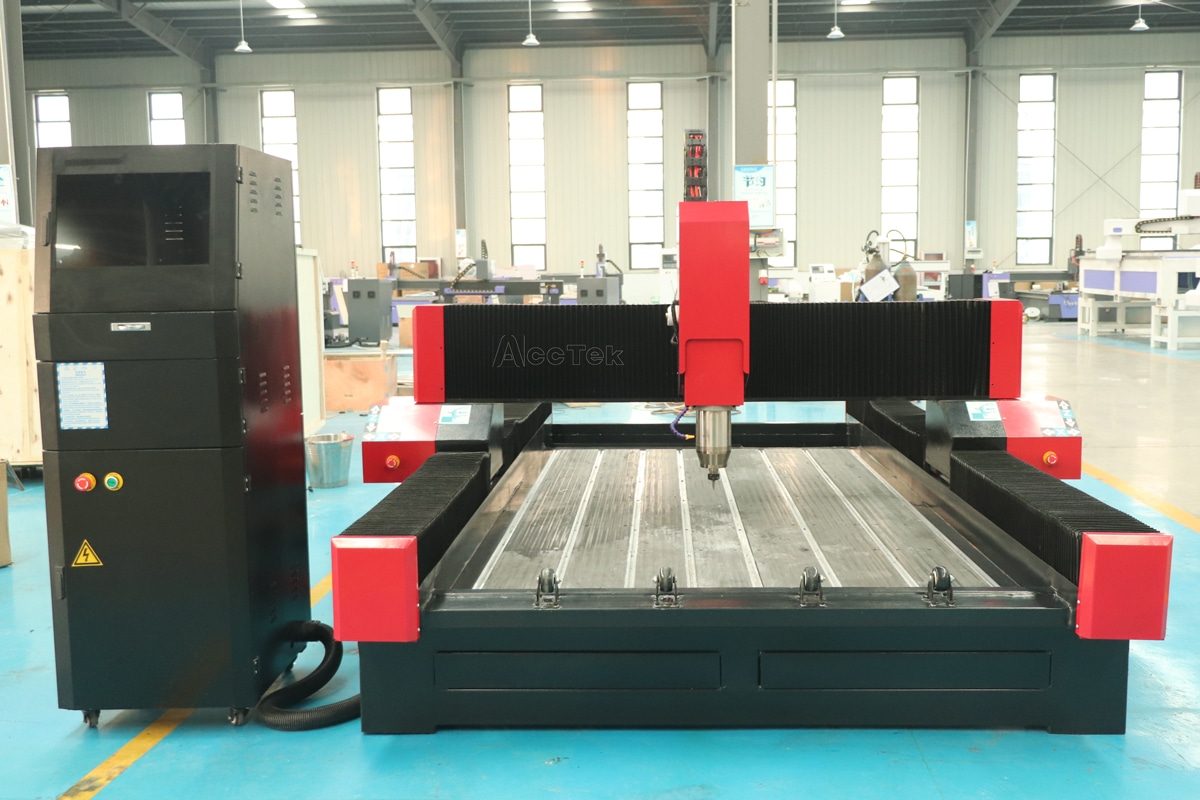
Máy phay đá CNC have revolutionized the stoneworking industry, offering unparalleled precision and efficiency for cutting, shaping, and engraving various types of stone. From marble countertops to intricate granite sculptures, these machines have become indispensable tools in both large-scale production and custom fabrication. However, achieving high performance from a CNC stone router requires more than just installing the machine and running it—it demands a deep understanding of best practices that optimize machine capabilities, enhance cutting accuracy, and extend the router’s lifespan.
This article aims to provide a comprehensive guide to the best practices for operating and maintaining high-performance stone CNC routers. It will cover key aspects such as the importance of accurate machine setup and calibration, selecting the right tools for various stone types, optimizing cutting settings for efficiency and precision, and implementing effective dust and debris management. We will also explore the significance of regular preventive maintenance, ensuring operator safety, and troubleshooting common performance issues. By adhering to these best practices, you can maximize the productivity of your stone CNC router and extend the life of your equipment.
Importance of Proper Setup and Calibration
The performance of a CNC stone router is highly dependent on its initial setup and ongoing calibration. Even with top-tier equipment, the results you achieve can fall short if the machine is not set up correctly or calibrated for optimal performance. Proper setup ensures that the machine operates smoothly, while regular calibration guarantees that each component works in harmony, delivering precise, high-quality cuts. This setup and calibration lay the foundation for achieving consistent results and maintaining the longevity of your CNC router.
Machine Setup: Ensuring Stability and Precision
The setup of your CNC stone router is a critical first step in achieving high-performance results. A well-organized, stable, and precise machine setup ensures smooth operations, minimizes errors, and improves the overall quality of your work.
- Stable and Level Machine Positioning: Before anything else, it is essential to ensure that the CNC stone router is placed on a stable, level surface. A properly leveled machine prevents unnecessary vibrations during operation, which could lead to inaccurate cuts. A strong and steady foundation also protects the machine’s internal components, reducing the risk of wear and tear. The setup location should ideally have minimal traffic and vibrations from nearby machinery to maintain consistency in performance.
- Properly Securing the CNC Router: Once the machine is positioned, secure it firmly to the work surface. Loose or improperly mounted machines can shift during operation, causing disruptions in the cutting process. This can lead to misalignment of cuts, or worse, damage to the machine. Ensure that all bolts, screws, and fasteners are tightly secured, and verify that no movement is possible during operation.
- Mounting the Workpiece Correctly: Mounting the stone piece securely prevents any movement or shifting during cutting. There are several ways to achieve this, depending on the material and machine capabilities. Vacuum tables, clamps, or specialized fixtures are often used to ensure the stone stays in place. A stable workpiece reduces the risk of vibrations, tool misalignment, and cutting inaccuracies.
Calibration: Ensuring Precision and Consistency
Calibration is one of the most critical elements in maintaining the performance of your CNC stone router. Regular and precise calibration ensures that all machine components work together seamlessly, maintaining the accuracy needed for intricate stonework.
- Axis Calibration: The alignment of the X, Y, and Z axes is fundamental to achieving accurate cuts. Misalignment can lead to errors such as uneven or inaccurate cuts, wasting both material and time. Proper axis calibration ensures that the router follows the correct path and maintains the intended depth, especially when cutting intricate or complex designs. Regularly checking and adjusting the axes will keep the machine operating with precision, minimizing discrepancies in the final product.
- Tool Calibration and Offsets: Tool calibration ensures that the CNC router knows the exact position of the cutting tool relative to the material. Accurate tool offsets prevent tool collisions and inaccuracies, particularly when switching between different-sized or shaped tools. Calibration of tool length and diameter ensures that the machine can accurately calculate the tool’s position during each cut, resulting in consistent, high-quality work across all projects.
- Spindle Calibration: Setting the right spindle speed for different stone types ensures that the material is cut efficiently without damaging the stone or the tool. Spindle calibration also minimizes vibration, which can affect the quality of the cut and the precision of the machine. Regular adjustments are needed based on the type of stone and specific cutting requirements.
Environmental Considerations: Maintaining Optimal Conditions for Performance
Factors such as temperature, humidity, and dust can all have significant effects on both the CNC router and the material being worked on. Proper environmental control helps prevent issues like material warping, machine malfunction, and suboptimal cutting quality, ensuring that the router continues to operate at its peak efficiency.
- Temperature and Humidity Control: Temperature and humidity fluctuations can cause stone materials to expand or contract, affecting their dimensions and potentially leading to inaccuracies in cuts. Additionally, extreme temperatures can cause metal parts of the CNC machine to expand or contract, which can alter the machine’s calibration and result in poor performance. Maintaining a stable environment with controlled temperature and humidity levels ensures consistent material properties and machine accuracy, reducing the risk of errors and enhancing overall productivity.
- Ventilation and Air Quality: Proper ventilation is beneficial in preventing the buildup of hazardous dust particles, which can negatively impact both the machine’s components and the health of operators. Good airflow helps remove dust and debris efficiently, while also keeping the machine cool and preventing overheating of sensitive electronics. Maintaining a well-ventilated workspace helps ensure that the CNC stone router operates without obstruction and that the air quality remains safe for all personnel. Additionally, the presence of a suitable air filtration system can further enhance the workspace environment.
A precise and thoughtful setup and calibration process is the cornerstone of high-performance CNC stone routing. By taking the time to properly align the machine, calibrate its components, and ensure a controlled environment, operators can reduce the risk of errors, extend the life of their equipment, and improve the overall quality of the finished products. Regular attention to these aspects can significantly enhance the performance and productivity of a stone CNC router, resulting in a more efficient, reliable, and profitable operation.
Lựa chọn và bảo trì công cụ
The performance and longevity of your CNC stone router largely depend on the tools you select and how well you maintain them. Choosing the right tools for specific materials and cutting tasks is crucial to achieving precise, clean cuts while minimizing tool wear. However, even the best tools will lose their effectiveness over time if they are not properly maintained. Regular inspections, cleaning, sharpening, and timely replacement are essential practices to keep tools performing at their peak. Here are the key aspects of tool selection and maintenance.
Choosing the Right Cutting Tools: A Critical Element in Precision and Efficiency
Selecting the correct cutting tools for your CNC stone router is one of the most important decisions in ensuring high-quality cuts, improved efficiency, and tool longevity. With a wide range of stones and cutting tasks, each material requires a specific type of tool designed to handle its unique properties.
- Matching Tools to Material Hardness: The hardness of the stone being cut plays a significant role in determining the type of tool you should use. Harder stones, like granite and quartz, require tools with a high level of durability, such as diamond-tipped blades or carbide tools. These tools are specifically designed to withstand the intense friction and pressure that come with cutting harder materials. Softer stones, such as marble or limestone, can be cut with less aggressive tools, which are generally faster and less expensive. Understanding the material hardness is the first step in choosing a tool that will deliver clean, precise cuts without causing excessive wear.
- Tool Geometry and Design: Different cutting tasks require tools with varying geometries. For example, straight-edged tools are ideal for making clean, precise cuts, while tools with a radius or curved edges are best suited for shaping or contouring. For engraving tasks, smaller, fine-point tools are often necessary. Additionally, tools with different flute designs or cutting edges can enhance chip removal and improve surface finishes. Selecting the right tool geometry based on the specific cutting requirements will significantly impact the quality and speed of the operation.
- Tool Coatings and Materials: Tool coatings are designed to extend the lifespan of the cutting tools, especially when working with abrasive materials like stone. For example, diamond coatings are ideal for cutting hard stones like granite, while carbide coatings may be better suited for softer stones. Coated tools reduce friction, prevent heat buildup, and improve cutting efficiency. When selecting a tool, consider not only the material but also whether a coating is necessary to improve performance and tool durability.
- Consideration of Tool Size and Cutting Depth: The size and cutting depth of the tool should align with the project specifications. Larger tools are ideal for high-speed, rough cutting, while smaller tools provide greater precision and detail for intricate designs. For deeper cuts, ensure the tool is designed to handle the necessary depth without compromising performance or causing excessive vibration. Matching the tool’s size and depth capabilities with the material and desired cut quality is crucial for a successful project.
- Cost vs. Performance Balance: While premium tools may offer better performance and longevity, they also come at a higher cost. It’s important to assess the cost-effectiveness of a tool based on its expected lifespan, cutting efficiency, and material compatibility. In some cases, a mid-range tool may be sufficient for specific applications, offering an acceptable balance between cost and cutting quality.
Tool Maintenance and Replacement: Maximizing Efficiency and Tool Lifespan
Tools are subjected to significant wear during stone CNC cutting, and neglecting their upkeep can lead to suboptimal results, such as rough surfaces, imprecise cuts, and even machine damage. Maintaining and replacing tools to keep your CNC stone router running smoothly.
- Regular Tool Inspections: Regular tool inspections are the first step in identifying potential issues and preventing tool failure. Check for signs of dullness, chips, cracks, or unusual wear patterns, which could affect the accuracy and quality of your cuts. Inspections should be done after each job or at regular intervals depending on the frequency of use. Early detection of damage allows for timely sharpening or replacement, ensuring tools are always in optimal condition and avoiding the need for costly repairs or rework.
- Cleaning and Sharpening Tools: Stone cutting tools accumulate debris and other residues that can hinder their performance. Regular cleaning is necessary to maintain cutting efficiency. Use appropriate cleaning solutions to remove built-up residue and avoid using harsh chemicals that may damage the tools. For tools that have lost sharpness, sharpening them periodically will restore their cutting edge and prevent the need for premature replacement. Sharpening should be done carefully to avoid altering the tool’s geometry, ensuring it continues to deliver precise and clean cuts.
- Managing Tool Wear and Longevity: Every cutting tool will eventually wear down, especially when working with hard materials like granite or marble. Managing tool wear involves monitoring the frequency of use, the material being cut, and the depth of the cuts. For high-volume production, having a planned schedule for tool replacement based on the tool’s lifespan can prevent unexpected failures. In some cases, rotating tools between different machines or applications can help extend their life, as it distributes wear more evenly.
- Replacing Worn-Out Tools: If a tool is damaged beyond repair or is no longer delivering the desired results despite sharpening, it’s time for a replacement. Continuing to use worn-out tools can lead to poor surface finishes, increased wear on other machine components, and longer production times. It needs to keep a stock of replacement tools on hand to avoid delays, ensuring that production can continue without interruption.
- Tool Life Monitoring Systems: To simplify tool management, many modern CNC systems include tool life monitoring features that track usage and performance. These systems can alert operators when a tool has reached its limit or when maintenance is due, streamlining the process of tool inspection, cleaning, and replacement. Using such systems reduces human error, ensures that no tool is used past its optimal point, and helps maintain consistent quality throughout the production process.
By carefully selecting the right tools for each type of material and task, and committing to regular maintenance practices such as inspections, cleaning, and sharpening, operators can significantly extend the lifespan of their tools and ensure consistently precise, high-quality cuts. Timely tool replacement when necessary further ensures optimal performance and minimizes the risk of costly errors or machine downtime. By following these best practices, you can maximize both productivity and cost-effectiveness, ultimately leading to smoother operations and superior results.
Optimizing CNC Router Settings
Optimizing CNC router settings is essential for achieving high-quality results while maximizing efficiency. The settings you choose—ranging from feed rates and spindle speeds to cutting depths and software configurations—play a pivotal role in the performance of your machine. By fine-tuning these parameters, you can ensure that your CNC router operates at peak efficiency, producing precise cuts while minimizing wear on tools and machine components.
Feed Rates and Speed Adjustments: Achieving Precision and Efficiency
The feed rate determines how quickly the tool moves through the material, while the spindle speed dictates the rotation speed of the cutting tool. Properly adjusting these parameters based on the material being worked with and the desired outcome ensures both cutting efficiency and high-quality results. Finding the ideal balance between feed rate and spindle speed is key to achieving optimal performance and minimizing tool wear and tear.
- Balancing Feed Rate and Spindle Speed: The feed rate and spindle speed must work in harmony to achieve an optimal cutting process. If the feed rate is too high relative to the spindle speed, the cutting tool may not engage with the material properly, leading to excessive heat buildup, poor surface finishes, and tool damage. On the other hand, a slow feed rate with high spindle speed can also cause inefficient cutting, resulting in unnecessary delays. The goal is to adjust both settings to a level where the tool is cutting efficiently without overloading the machine or causing undue wear on the tool. Finding the right balance will help achieve faster processing times while maintaining high cutting precision.
- Adjusting Based on Material Hardness: Feed rates and spindle speeds should always be adjusted to match the material’s hardness. Harder materials, like granite or quartz, require slower feed rates and spindle speeds to prevent tool wear, overheating, and damage. Conversely, softer materials like marble or limestone can generally be cut with higher speeds and feed rates, enabling faster cutting while still achieving a clean finish. Slower speeds help preserve tool life and maintain cut quality when working with tougher, more abrasive stones, while higher speeds are more efficient for softer materials.
- Increasing Efficiency Without Sacrificing Quality: For many projects, especially in high-volume production, increasing the feed rate and spindle speed can help reduce cycle times and improve efficiency. However, this should always be done carefully to avoid compromising cut quality. While increasing the feed rate can speed up the process, it’s essential to ensure the tool does not lose contact with the material or generate excessive vibrations that could affect the precision of the cut. Similarly, boosting spindle speed can reduce cutting time, but it must be balanced with feed rate adjustments to maintain the desired surface finish.
Cutting Depth and Passes: Balancing Efficiency and Precision
The cutting depth refers to how deep the tool cuts into the material with each pass, while the number of passes indicates how many times the tool goes over the same area to achieve the desired depth. Properly adjusting these parameters is key to balancing speed, precision, and the longevity of both the tool and the machine.
- Setting the Optimal Cutting Depth: For harder stones like granite, a shallower cutting depth is generally recommended to reduce wear on the tool and prevent overheating. Softer materials, such as marble or limestone, can tolerate slightly deeper cuts without causing damage to the tool. It’s essential to strike a balance—cutting too deep in a single pass may lead to poor surface finishes and a greater risk of tool damage, while cutting too shallow could result in longer cycle times. Optimal cutting depth ensures a smooth, efficient cutting process while maintaining tool and machine health.
- Multiple Passes for Material Removal: For thicker or harder materials, it’s often more effective to make multiple shallow passes rather than attempting to remove too much material in one go. Using a series of shallow cuts reduces the load on the tool and the machine, preventing overheating and premature wear. For example, a 10mm deep cut may be split into two 5mm passes, depending on the material and tool. This technique helps maintain cutting precision, enhances surface finishes, and reduces vibrations that could otherwise affect accuracy.
Software Settings: Optimizing Performance and Precision
Properly configuring software settings ensures that the CNC router follows the correct toolpaths, optimizes cutting strategies, and minimizes errors. Effective software settings can significantly reduce cycle times, improve the quality of the finished product, and protect the machine and tools from unnecessary wear.
- Toolpath Optimization: Optimizing the toolpath ensures that the cutting tool follows the most efficient route, minimizing unnecessary movements and reducing cycle time. Proper toolpath design can improve both speed and accuracy by eliminating redundant passes or inefficient directions. Utilizing the right software algorithms, such as adaptive or spiral toolpaths, can significantly improve both cutting speed and surface quality.
- Tool Change Automation: For machines with bộ thay đổi công cụ tự động (ATC), software settings govern the sequence of tool changes during operation. Proper configuration ensures that the machine switches tools efficiently without disrupting the cutting process. This includes setting up the correct tool offsets and ensuring that the tool paths correspond with the right tools in the tool library. Having the right tool change protocol minimizes downtime and maximizes machine efficiency by preventing unnecessary tool changes or incorrect selections during the cutting process.
- Post-Processing and Compatibility: Post-processing refers to the translation of the CAD/CAM design into a machine-readable code, typically G-code. It nend to ensure that the post-processor is properly set up for your specific CNC stone router. The software must be compatible with the router’s controller to ensure accurate communication between the machine and the program. Regularly updating or adjusting the post-processor ensures that the machine executes the G-code accurately, preventing errors such as incorrect tool movements or cutting speeds.
Optimizing CNC router settings is a critical step toward maximizing machine performance and ensuring high-quality outcomes. By carefully adjusting feed rates, spindle speeds, cutting depths, and software parameters, you can achieve a balance of precision, speed, and tool longevity. Properly optimized settings not only improve the cutting efficiency but also minimize the risk of tool wear and machine strain, resulting in smoother operations and cost-effective production. With the right settings in place, your CNC stone router can deliver consistent, top-tier results, enhancing both the quality of your work and the efficiency of your processes.
Quản lý bụi và mảnh vụn
Dust and debris management is a crucial aspect of maintaining both the performance and safety of CNC stone routers. Stone cutting generates significant amounts of fine dust and waste materials, which can accumulate on the machine and throughout the workspace, leading to potential operational inefficiencies and safety risks. Effective dust and debris management ensures that the router operates smoothly, reduces wear on components, and provides a cleaner, safer work environment for operators.
Dust Collection Systems: Essential for Clean and Efficient Operations
Stone cutting generates fine dust that can accumulate on the machine, surrounding areas, and the air, negatively affecting machine performance, surface finishes, and operator health. Implementing an effective dust collection system prevents this buildup, ensuring the machine operates efficiently and safely.
- Importance of Dust Collection Systems: Dust collection systems can prevent these particles from interfering with machine components and maintain a clean work environment. Without proper dust collection, fine dust can clog the machine, causing overheating, excessive wear, and reduced accuracy. Furthermore, airborne stone dust can pose health risks to operators if not controlled. A well-designed dust collection system effectively removes dust at the source, preserving machine performance, extending tool life, and safeguarding operator health.
- Types of Dust Collection Systems: There are several types of dust collection systems available for CNC routers, each suited to different workshop sizes and production needs. Centralized systems provide powerful suction for multiple machines, while portable dust collectors are ideal for smaller setups or individual machines. Downdraft tables and workbenches offer localized dust control for specific tasks. Each system has its advantages and limitations, and selecting the right type depends on the scale of operation, the volume of dust generated, and the desired efficiency.
- Key Features of a Dust Collection System: The effectiveness of a dust collection system depends on several key features, including suction power, filtration efficiency, noise levels, and ease of maintenance. A strong suction system ensures that dust is efficiently captured, while high-quality filters like HEPA prevent fine particles from escaping into the air. Low noise levels are important for maintaining a comfortable work environment, and easy maintenance ensures that the system continues to function effectively over time. It needs regular maintenance of these features to maximize dust collection efficiency and keep the workspace clean.
Work Area Cleanliness: Ensuring Optimal Performance and Safety
Stone cutting generates significant amounts of dust, debris, and waste materials, which can accumulate on the machine and in the surrounding workspace. If left unchecked, this buildup can lead to machine malfunctions, reduced accuracy, and increased wear on equipment. Additionally, a cluttered and dirty environment can pose safety risks to operators. Maintaining a clean work area helps the efficient operation of a CNC stone router. performance and operator safety.
- Regular Cleaning of the CNC Router: Routine cleaning of the CNC stone router is crucial for maintaining its precision and performance. Stone dust can accumulate on moving parts, rails, motors, and the spindle, affecting the machine’s efficiency and leading to potential overheating or malfunction. Regularly wiping down surfaces and cleaning key areas, such as the tool holders and dust collection ports, ensures that debris does not obstruct these components. A well-maintained machine operates more smoothly and accurately, reducing downtime and repair costs.
- Cleaning the Surrounding Work Area: In addition to cleaning the CNC machine itself, it’s important to keep the surrounding work area free of debris. Stone dust can quickly spread throughout the workspace, potentially causing slips, falls, and making it harder to spot problems in the machine. Using floor vacuums or air blowers to remove dust from the floor and surrounding surfaces helps maintain a safe and efficient environment. A clean work area not only improves safety but also makes it easier to monitor the machine’s performance and identify any potential issues that may arise during operation.
- Waste Material Management: Proper disposal of waste materials generated during cutting is another key aspect of maintaining a clean work area. Stone cutting often results in leftover pieces, dust, and waste, which can accumulate if not managed properly. Ensuring that waste materials are collected, stored, and disposed of regularly prevents unnecessary clutter and reduces the risk of dust inhalation or fire hazards. Implementing a waste management system within the workshop, such as designated containers for scrap materials, helps maintain order and cleanliness throughout the workspace.
Effective dust and debris management is essential for ensuring the long-term performance, safety, and efficiency of CNC stone routers. Implementing a robust dust collection system, regularly cleaning the machine and workspace, and managing waste materials help prevent the buildup of debris that can cause machine malfunctions, reduce precision, and create health hazards for operators. By adopting these best practices, operators can maintain a cleaner, safer work environment, prolong the lifespan of the equipment, and ensure that each cutting operation is performed with the highest level of accuracy and efficiency.
Bảo trì phòng ngừa thường xuyên
Regular preventive maintenance can ensure both longevity and optimal performance. Preventive maintenance involves routine checks, adjustments, and replacements of critical components before they experience failures, minimizing unexpected downtime and costly repairs. By adhering to a proactive maintenance schedule, operators can avoid major machine breakdowns, maintain consistent cut quality, and extend the lifespan of the equipment.
Scheduled Inspections: Ensuring Optimal Machine Performance and Longevity
Scheduled inspections help identify potential issues before they escalate into costly problems. These inspections involve regularly checking the machine’s key components, adjusting settings, and replacing worn-out parts. By adhering to a well-defined inspection schedule, operators can keep the machine running efficiently, improve the accuracy of cuts, and extend the lifespan of the equipment.
- Visual Inspection of Machine Components: The first step in any scheduled inspection is a visual check of the machine’s components. This includes looking for any signs of wear, such as loose bolts, cracks, or rust on the machine’s frame and components. Inspecting the surface of the rails, spindles, and motors for signs of damage or contamination can help detect issues early, preventing more severe damage. Regular visual inspections ensure that no parts are overlooked and that any damage or wear is addressed immediately before it affects the machine’s performance.
- Checking the Alignment of Axes: Over time, vibrations and regular use can cause misalignment, which can negatively affect the quality of the workpiece. Scheduled inspections should include verifying that the axes are properly aligned and making adjustments if needed. This step also involves checking the machine’s tool offsets and recalibrating them to ensure they remain accurate, maintaining the machine’s cutting precision.
- Inspecting the Bearings and Linear Guides: Over time, they can wear out or become contaminated with dust and debris, which can cause friction, misalignment, and decreased accuracy. During scheduled inspections, it’s important to check for signs of wear on bearings and linear guides, as well as to clean and lubricate them as necessary. Replacing worn-out bearings before they fail will prevent further damage and maintain smooth operation.
- Inspecting the Spindle: The spindle directly impacts cutting quality and efficiency. Regular inspections should include checking for excessive wear or damage to the spindle, including any unusual noises or vibrations during operation. The condition of the spindle bearings should be checked, and any necessary maintenance, such as lubrication or cleaning, should be performed. If the spindle shows signs of degradation, it should be replaced or repaired to avoid costly downtime and ensure high-quality cuts.
- Verifying Electrical Components and Wiring: CNC routers rely heavily on electrical components, including motors, sensors, and wiring, for proper operation. Over time, electrical components can become loose, damaged, or corroded, leading to operational issues. Scheduled inspections should include checking the wiring and connections for any signs of wear or damage, inspecting motor connections, and ensuring that all electrical components are functioning properly. Verifying the functionality of sensors and limit switches ensures that the machine operates as intended, with no risk of malfunction or failure.
Software Updates: Ensuring Optimal Functionality and Efficiency
As technology advances and new features are introduced, updating the software ensures that the CNC router can take full advantage of the latest capabilities and improvements. These updates typically address bug fixes, system optimizations, and compatibility enhancements, which help improve machine performance, reduce errors, and enhance the accuracy of cuts.
- Improving System Performance: Software updates often include optimizations that enhance the router’s processing speed, toolpath generation, and cutting efficiency. By applying these updates, operators can benefit from smoother operation, faster cycle times, and reduced downtime. Keeping the software up to date ensures that the CNC router is operating at its full potential, maximizing productivity without compromising on cutting precision.
- Addressing Bug Fixes and System Errors: Software updates frequently include patches that fix bugs or resolve system errors. These bugs can range from minor issues like interface glitches to more significant problems that can cause machine malfunctions or inaccurate cuts. Regularly updating the software helps eliminate these errors and ensures that the CNC router continues to operate smoothly.
- Enhancing Compatibility with New Tools and Features: As CNC stone routers evolve, new tools, features, and attachments may become available that require updated software for compatibility. Regular software updates ensure that the router can interface with new technologies, such as improved tool changers, advanced cutting heads, or more sophisticated control systems. These updates also allow for the integration of additional capabilities, such as enhanced automation, adaptive toolpaths, or more advanced machining strategies, which can significantly improve cutting efficiency and quality.
Regular preventive maintenance is a vital practice for maximizing the performance, reliability, and lifespan of CNC stone routers. By adhering to a consistent maintenance schedule—conducting routine inspections, lubrication, calibration, and component checks—operators can minimize the risk of unexpected machine failures, improve cut quality, and reduce operational costs. Preventive maintenance not only ensures the machine operates smoothly but also enhances overall productivity, helping to keep projects on track and avoid costly repairs in the future.
Thực hành An toàn
Stone CNC routers are powerful and precise, but they also come with inherent risks, including sharp tools, high-speed machinery, and airborne dust. Implementing proper safety measures helps protect operators from injury, reduces the risk of accidents, and ensures that the work environment complies with industry safety standards. Prioritizing safety is key to maintaining a productive, long-term CNC stone cutting operation.
Operator Safety: Protecting the Well-Being of CNC Router Operators
Operator safety is paramount when working with CNC stone routers, as these machines involve high-speed cutting, sharp tools, and the potential for harmful airborne dust. Implementing strong safety protocols helps protect operators from injuries and ensures that the work environment is compliant with health and safety standards. Personal protective equipment (PPE) and preventive safety measures help reduce risks and create a secure, efficient workspace.
- Personal Protective Equipment (PPE): Operators should always wear dust masks or respirators to prevent inhalation of harmful stone dust, safety glasses to protect their eyes from flying debris, and hearing protection to minimize exposure to loud machine noise. Additionally, protective gloves and clothing should be worn to shield hands and body from sharp edges or rough materials. Proper PPE is the last line of defense in ensuring operator safety.
- Ergonomics and Safe Work Practices: These can prevent physical strain and injury during CNC stone router operations. Proper workstation setup, such as adjustable seating and correct working height, reduces the risk of repetitive stress injuries. Additionally, operators should be trained in safe lifting techniques when handling heavy materials and avoid leaning over the machine or reaching into moving parts. By promoting proper posture and minimizing physical stress, operators can work more comfortably and safely.
- Lockout/Tagout (LOTO) Procedures: Lockout/Tagout (LOTO) procedures can ensure operator safety during machine maintenance or repair. LOTO procedures involve disconnecting the power supply to the machine and physically locking it out to prevent accidental startup while maintenance work is being carried out. These procedures help protect operators from electrical shocks, moving parts, and other hazards that could arise during repair or troubleshooting, ensuring that they are working in a safe, controlled environment.
Machine Safety Features: Ensuring Safe Operation and Protection
Machine safety features are designed to minimize the risks associated with sharp tools, high-speed machinery, and airborne dust during CNC stone router operations. By incorporating protective mechanisms such as safety enclosures, emergency stop buttons, and automatic shutdown systems, CNC routers can significantly reduce the potential for injuries.
- Protective Guards and Enclosures: These safety features are designed to contain dust, debris, and sharp tools within the machine, preventing them from coming into contact with operators. Enclosures also help reduce the exposure to harmful airborne dust by directing it to dust collection systems. Properly maintained protective guards and enclosures provide an added layer of safety, ensuring that the operator is shielded from potential hazards during the cutting process.
- Emergency Stop Buttons: Located in easily accessible areas, these buttons enable operators to stop the machine immediately if an unsafe situation arises, such as a malfunction, tool breakage, or unexpected material movement. E-stop buttons should be tested regularly to ensure they function properly, providing a quick and reliable way to stop the machine and prevent further damage or injury.
- Automatic Shutoff Systems: It is designed to stop machine operation if abnormal conditions are detected, such as overheating, excessive vibration, or mechanical failure. These systems are programmed to detect unsafe operating conditions and immediately cease machine movement to prevent damage to the machine, tools, or workpieces, as well as protect the operator from harm. Regular inspection and calibration of these shutoff systems are necessary to ensure they function correctly when needed.
Establishing and adhering to proper safety practices is key to maintaining a safe, efficient, and productive CNC stone router operation. By utilizing appropriate PPE, maintaining machine safeguards, and conducting routine inspections, the risks associated with CNC routing can be significantly minimized. These practices not only protect operators from harm but also ensure a safer, more efficient work environment that adheres to industry safety standards.
Đào tạo và phát triển kỹ năng
Training and skill development are fundamental to ensuring CNC stone router operators can perform their tasks safely, efficiently, and accurately. As the demands of modern manufacturing grow, operators must be well-versed in both the foundational and advanced aspects of CNC technology. A structured training program, complemented by ongoing skill development, equips operators with the knowledge needed to handle complex tasks, troubleshoot problems, and optimize machine performance.
Operator Training: Ensuring Safe and Effective CNC Router Operation
Operator training is the cornerstone of ensuring that CNC stone routers are used safely and effectively. Properly trained operators are equipped with the knowledge and skills to handle the complexities of CNC machines, avoid hazards, and maximize machine performance. Training programs should cover the basics of machine operation, safety procedures, troubleshooting, and programming, empowering operators to perform their tasks with confidence and competence.
- Machine Setup and Operation: Operator training should start with a thorough understanding of how to set up and operate the CNC stone router. This includes learning how to load and secure materials, install and adjust tools, input settings into the control panel, and execute basic cuts. Training should also include an understanding of the machine’s different modes of operation, such as manual and automatic modes, and how to switch between them. A solid foundation in setup and operation ensures that operators can run the machine efficiently while minimizing the risk of mistakes and accidents.
- Safety Procedures: Operators must be thoroughly educated on the potential hazards associated with CNC routers. Training should cover the proper use of personal protective equipment (PPE), such as dust masks, goggles, hearing protection, and gloves. Additionally, operators should be trained on machine safeguards, emergency stop procedures, and the importance of locking out machines during maintenance. Safety procedures must be ingrained in operators’ routines to prevent accidents and ensure a secure work environment.
- Troubleshooting and Problem Solving: Training should include guidance on how to identify and troubleshoot common issues that may arise during CNC router operation. Operators should be taught to recognize signs of machine malfunction, such as vibrations, unusual sounds, or poor cutting results. Understanding how to address problems, whether it’s adjusting the machine’s settings, recalibrating components, or replacing worn-out tools. Developing problem-solving skills helps operators address issues efficiently and maintain continuous production.
- Advanced Programming and Software: As operators become more experienced, training should progress to include advanced programming and software skills. Operators should be introduced to CNC programming concepts, such as creating and editing toolpaths, optimizing cutting strategies, and using CAD/CAM software. Understanding how to work with design files and input parameters into the machine’s software allows operators to fine-tune operations, improve efficiency, and create more complex, detailed designs. Advanced training in programming helps operators unlock the full potential of the CNC stone router, enabling them to handle more challenging tasks with ease.
Continuous Learning: Staying Current with CNC Technology
The world of CNC machining is constantly evolving, with new tools, software updates, and cutting techniques emerging regularly. To remain competitive and efficient, operators must be committed to ongoing education, whether through formal training, industry events, or self-directed learning.
- Adapting to Technological Advancements: CNC technology is constantly evolving, with advancements in software, hardware, and cutting techniques that can enhance the efficiency and accuracy of operations. Continuous learning helps operators stay up to date with the latest machine capabilities, tool developments, and software upgrades. By learning about new technologies and how to use them effectively, operators can take full advantage of the latest features, improving productivity, reducing cycle times, and achieving higher-quality results. Staying current with technological advancements allows operators to adapt to changing industry demands and remain competitive in their field.
- Participating in Industry Events and Workshops: Attending industry events, workshops, and trade shows is a valuable way for operators to gain hands-on experience with new technologies and network with other professionals in the field. These events often feature demonstrations of the latest CNC machines, tools, and software, allowing operators to learn directly from industry experts and manufacturers. Participating in workshops and seminars also allows operators to gain insights into best practices, emerging trends, and new applications of CNC technology. Networking with peers and professionals in the industry helps operators share knowledge and stay informed about developments in the field.
- Pursuing Certifications and Specialized Training: To further develop their expertise, operators can pursue certifications and specialized training programs that focus on specific aspects of CNC machining. Certifications in CNC programming, CAD/CAM design, or machine maintenance demonstrate a higher level of competence and can enhance career prospects. Specialized training courses, such as advanced toolpath optimization or automation, provide operators with the skills needed to tackle more complex projects. These credentials not only improve technical abilities but also increase an operator’s value within the organization, making them more versatile and capable of handling diverse machining tasks.
- Learning Through Peer Collaboration and Mentorship: Continuous learning doesn’t always have to come from formal programs; peer collaboration and mentorship can be equally valuable. Experienced operators can share knowledge, insights, and techniques with newer team members, fostering an environment of shared learning and improvement. Mentorship programs can guide troubleshooting, machine optimization, and advanced machining techniques. Working closely with colleagues allows operators to exchange ideas and solutions, ensuring that they continually refine their skills and knowledge in real-world applications.
Continuous training and skill development for CNC stone router operators can help them stay at the top of their profession. By investing in comprehensive onboarding, technical skill enhancement, and advanced learning opportunities, operators can improve their performance, reduce errors, and contribute to a safer, more efficient work environment. Encouraging lifelong learning not only benefits operators by broadening their expertise but also enhances the overall productivity and quality of CNC operations, ensuring that both individuals and organizations continue to thrive in a competitive industry.
Troubleshooting High-Performance Issues
Troubleshooting high-performance issues is a critical skill for CNC stone router operators. Even with well-maintained equipment, operators may encounter performance issues that affect cutting quality, machine efficiency, or overall productivity. Identifying and addressing these issues promptly can prevent downtime, reduce costly repairs, and ensure the machine continues to produce accurate, high-quality results.
Performance Degradation: Identifying and Resolving Common CNC Router Issues
Performance degradation in CNC stone routers can significantly impact production quality and efficiency. Over time, even well-maintained machines may experience a decline in cutting precision, speed, or overall efficiency due to wear and tear, improper settings, or other operational issues. Identifying the causes of performance degradation and implementing corrective measures helps ensure the router continues to operate at its best.
- Dull or Worn Cutting Tools: Over time, the tool edges become less sharp, resulting in slower cutting speeds, poor cut quality, and increased material wastage. To resolve this, operators should regularly inspect tools for signs of wear, such as chipping or blunting. Tools should be sharpened or replaced as needed to maintain cutting efficiency. Using high-quality, durable tools suited to the material being cut can also extend tool life and reduce replacement frequency.
- Improper Machine Calibration: As a CNC router operates, mechanical components such as the X, Y, and Z axes may drift out of alignment, leading to inconsistent cuts and dimensional errors. To address this issue, operators should regularly check and calibrate the machine’s axes using precision tools or calibration software. Ensuring that all components, such as the spindle, motors, and bearings, are properly aligned will restore cutting accuracy and improve performance.
- Incorrect Machine Settings: Using incorrect machine settings, such as improper feed rates, cutting depths, or spindle speeds, can lead to suboptimal performance and quality issues. These settings may be inappropriate for the specific material being cut or the tool being used, resulting in slow cutting speeds, poor finishes, and increased tool wear. To prevent this, operators should consult material-specific guidelines and adjust settings accordingly. Regularly reviewing and optimizing machine parameters helps ensure the CNC router operates at its full potential, achieving optimal cutting results.
Noise and Vibration: Identifying and Addressing CNC Router Performance Issues
Excessive noise and vibration are common indicators of underlying performance issues in CNC stone routers. These problems can not only affect the quality of the final product but also lead to premature wear and tear on machine components. In addition, excessive noise and vibration can compromise operator safety and overall workplace comfort. Understanding the causes of noise and vibration, and taking proactive steps to mitigate them.
- Loose or Worn Machine Components: Over time, bolts, screws, or mounts can loosen due to vibration, leading to increased machine movement, noise, and unwanted vibration during operation. Additionally, worn-out components like bearings, rails, or spindles can create irregular motion, further amplifying noise. To address this, operators should regularly inspect and tighten all machine components, ensuring that parts such as rails, spindles, and motors are properly secured. Replacing worn-out bearings or other components that show signs of excessive wear will also help reduce vibration and noise.
- Improper Tool Selection or Tool Wear: Using the wrong cutting tool or operating a worn-out tool can increase cutting noise and vibration. If the tool is not suited to the material being cut or has become dull, it can generate uneven cutting forces, leading to machine instability, excessive vibration, and noise. To resolve this, operators should ensure they use the correct tool for the material and the specified cutting parameters. Regular inspection and replacement of worn tools can also maintain optimal cutting performance and reduce the risk of vibrations.
- Inadequate Machine Supports or Material Fixation: Insufficient support for the CNC router or the workpiece can contribute to vibration and instability during cutting. If the machine is not mounted on a stable surface or the workpiece is not securely clamped, this can cause unwanted movement that amplifies vibration and noise. To mitigate this, operators should ensure the CNC router is properly installed on a stable, level surface that can absorb vibrations. Additionally, using appropriate clamping or fixation techniques for the workpiece ensures it remains secure during cutting, reducing the risk of vibrations that could degrade quality.
Effective troubleshooting helps maintain the high performance and reliability of CNC stone routers. By understanding common issues such as poor cut quality and vibrations, operators can quickly identify the root causes and implement corrective actions. Regular inspections, proper machine calibration, and attention to operational settings are key to preventing performance degradation. With the right troubleshooting techniques, operators can ensure that the CNC router continues to deliver precise, high-quality results while reducing downtime and improving overall productivity.
Tóm tắt
Maintaining high performance in CNC stone routers requires proper setup, regular maintenance, optimal tool selection, and continuous operator training. By calibrating machines correctly, using the right tools, optimizing settings, and managing dust, operators can boost efficiency and product quality. Addressing performance issues promptly through troubleshooting is equally crucial. Together, these best practices ensure that CNC routers operate smoothly, delivering consistent, high-quality results while minimizing downtime and maximizing productivity in the stone machining industry. Continue reading “A Complete Guide to Stone CNC Router Tools: Types, Applications, and Selection Tips” to select the tools required for specific stone materials and projects.
AccTek CNC is a leading professional manufacturer of high-quality CNC routers, offering a diverse range of machines designed to meet the specific needs of different materials. Whether you’re working with wood, stone, plastics, or composites, AccTek provides reliable, precision-engineered machines that deliver consistent, high-performance results. With customizable options and advanced technology, we ensure that each machine is tailored to optimize your production processes. Their commitment to quality, coupled with exceptional customer service and comprehensive support, makes AccTek a top choice for businesses seeking durable, efficient CNC solutions. If you’re looking for a partner to help take your manufacturing to the next level, AccTek CNC is the ideal choice.