

Giới thiệu
Việc lựa chọn dụng cụ chính xác là rất cần thiết để đạt được kết quả gia công tốt. Mũi khoan nén thường được sử dụng để giảm hiện tượng sứt mẻ ở cả mặt trên và mặt dưới, trong khi các dụng cụ cắt lên và cắt xuống có thể được lựa chọn tùy thuộc vào yêu cầu loại bỏ phoi và độ hoàn thiện bề mặt. Tốc độ tiến dao, tốc độ trục chính, độ sâu cắt và độ sắc bén của dụng cụ phải được cân bằng hợp lý để tránh cháy, rung động quá mức, cạnh thô và mòn dụng cụ sớm. Việc giữ vật liệu chắc chắn cũng quan trọng không kém vì các tấm ván ép có thể bị nâng lên, dịch chuyển hoặc rung trong quá trình gia công. Bàn hút chân không, kẹp và tấm lót phù hợp giúp ổn định tấm ván và duy trì kích thước chính xác. Hệ thống hút bụi hiệu quả loại bỏ phoi và các hạt nhỏ, cải thiện tầm nhìn, bảo vệ dụng cụ cắt và giữ cho khu vực làm việc sạch sẽ hơn. Lập trình kỹ thuật số cũng cho phép sửa đổi, thu phóng, lồng ghép và lặp lại các thiết kế một cách nhanh chóng. Máy phay CNC giúp cải thiện năng suất, giảm lỗi thủ công, giảm thiểu lãng phí vật liệu và cung cấp các bộ phận ván ép chính xác, có thể lặp lại với các chi tiết sắc nét và chất lượng nhất quán.
Các loại phù hợp cho máy phay CNC
- Cửa tủ
- Tấm tủ
- đơn vị kệ
- Bàn
- Nhieu cai ghe
- Khung giường
- Các thành phần tủ quần áo
- Bộ phận ngăn kéo
- Tấm ốp tường trang trí
- Bộ chia phòng
- Tấm cách âm
- Gian hàng triển lãm
- Màn hình bán lẻ
- Dấu hiệu quảng cáo
- Những cái hộp lưu trữ
- Thùng đóng gói
- Đồ chơi bằng gỗ
- Bảng xếp hình
- Mô hình giáo dục
- Mô hình kiến trúc
Các ngành và ứng dụng





Các quy trình máy cắt CNC được sử dụng
Cắt chính xác
Máy cắt CNC cắt các tấm ván ép với độ chính xác kích thước cao. Các đường chạy dao được lập trình tạo ra các cạnh thẳng, đường cong, các lỗ bên trong và các chi tiết lặp lại, đồng thời giảm thiểu lỗi thủ công và duy trì kết quả nhất quán trên các kích thước và độ dày tấm khác nhau.
Cắt đường viền
Cắt theo đường viền phức tạp để tạo ra các bộ phận đồ nội thất có hình dạng đặc biệt, tấm trang trí, biển hiệu, đồ chơi và các cấu kiện kiến trúc. Hệ thống điều khiển CNC giúp duy trì các đường cong mượt mà, các góc chính xác và hình dạng nhất quán trong suốt quá trình gia công.
khắc
Máy khắc CNC khắc chữ, logo, hoa văn, họa tiết và các chi tiết trang trí lên bề mặt ván ép. Độ sâu cắt có thể được điều chỉnh để tạo ra các vết khắc nông, hình ảnh đậm hoặc các thiết kế nhiều lớp mà vẫn giữ nguyên lớp veneer xung quanh.
Khoan
Máy khoan CNC tạo ra các lỗ được định vị chính xác cho ốc vít, chốt, bản lề, phụ kiện, dây cáp và các phần cứng lắp ráp. Định vị tự động đảm bảo khoảng cách và đường kính nhất quán, đơn giản hóa việc lắp đặt và giảm các vấn đề về căn chỉnh trong quá trình lắp ráp sản phẩm.
Bỏ túi
Kỹ thuật khoét rãnh loại bỏ vật liệu khỏi các khu vực được chọn mà không cần cắt xuyên qua toàn bộ tấm ván. Quá trình này tạo ra các rãnh để lắp đặt phụ kiện, mối nối, phần cứng, chi tiết trang trí, vị trí đặt linh kiện và các phần kết cấu nhẹ.
Rãnh
Máy phay CNC tạo ra các rãnh thẳng hoặc cong cho các mối nối tấm, đáy ngăn kéo, kệ, đường trang trí và rãnh dẫn cáp. Độ sâu và chiều rộng được kiểm soát giúp đảm bảo sự khớp nối chính xác và chất lượng lắp ráp nhất quán.
Cắt gỗ
Máy phay CNC tạo ra các rãnh, mộng, lỗ mộng, khớp nối ngón tay và các mối nối lồng vào nhau. Kỹ thuật ghép nối chính xác giúp cải thiện tốc độ lắp ráp, tính nhất quán về cấu trúc và sự thẳng hàng của các bộ phận trong đồ nội thất, tủ kệ, giá trưng bày và các sản phẩm lắp ghép sẵn.
Vát
Việc vát cạnh tạo ra các cạnh ván ép góc cạnh để trang trí, cải thiện độ khít hoặc tạo sự chuyển tiếp mượt mà hơn giữa các bộ phận. Hệ thống điều khiển CNC duy trì góc và độ rộng nhất quán trên các đường thẳng, đường cong và hình dạng bất thường.
Hồ sơ cạnh
Mũi phay chuyên dụng tạo hình các cạnh ván ép thành các đường viền tròn, vát cạnh, bậc thang hoặc trang trí. Quá trình này cải thiện vẻ ngoài, độ an toàn, độ khít và chất lượng hoàn thiện, đồng thời giảm thiểu nhu cầu tạo hình cạnh thủ công tốn nhiều công sức.
Khắc 3D
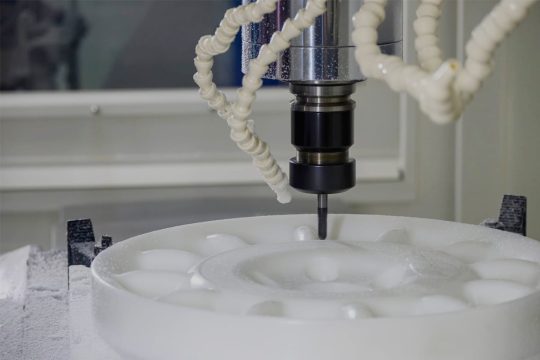
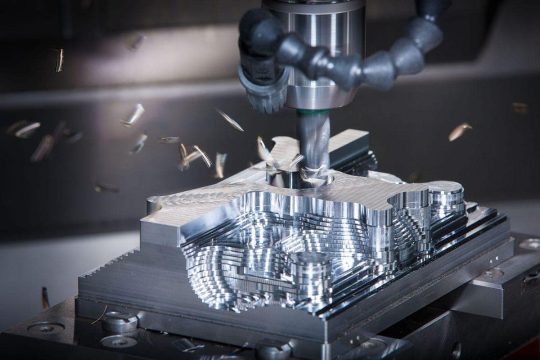
Máy khắc CNC tạo ra các thiết kế ba chiều nổi, lõm và uốn lượn trên ván ép dày. Quy trình này phù hợp cho các tấm trang trí, tác phẩm nghệ thuật phù điêu, mô hình, biển báo, khuôn mẫu và các bộ phận tùy chỉnh với độ sâu khác nhau.
Làm tổ
Phần mềm sắp xếp bố cục giúp sắp xếp nhiều chi tiết một cách hiệu quả trên tấm ván ép. Bố cục tối ưu giúp giảm thiểu vật liệu thừa, rút ngắn đường cắt, kiểm soát chi phí sản xuất và hỗ trợ sản xuất đồng thời các chi tiết có hình dạng và kích thước khác nhau.
Sản xuất hàng loạt
Máy phay CNC lặp lại các thao tác cắt, khoan, khắc và tạo rãnh đã được lập trình với độ chính xác nhất quán. Điều này làm cho chúng phù hợp để sản xuất số lượng lớn các bộ phận bằng ván ép, đồng thời giảm thiểu yêu cầu về nhân công và duy trì chất lượng sản phẩm ổn định.
Những thách thức chung
Vỡ vụn lớp phủ
Bề mặt ván ép có thể bị vỡ vụn khi dụng cụ cắt đi vào hoặc ra khỏi tấm ván. Việc lựa chọn mũi cắt không phù hợp, hướng cắt không thích hợp, tốc độ cắt quá nhanh hoặc dụng cụ cùn có thể làm hỏng lớp veneer trên cùng hoặc dưới cùng và làm giảm chất lượng cạnh.
Rách mép
Hiện tượng rách thớ gỗ xảy ra khi các sợi gỗ bị kéo ra thay vì cắt gọn gàng. Vấn đề này đặc biệt phổ biến ở các góc, các đường cong và các vết cắt ngang thớ gỗ, làm tăng nhu cầu chà nhám, trám hoặc thay thế bộ phận.
Khoảng trống bên trong
Ván ép chất lượng thấp có thể có các khe hở hoặc vùng không đồng đều giữa các lớp bên trong. Những khoảng trống ẩn này có thể gây ra hiện tượng lực cắt không nhất quán, các cạnh thô ráp, các phần yếu và kết quả khó lường trong quá trình khoan, khoét rãnh hoặc cắt theo đường viền.
Thiệt hại bề mặt
Bề mặt ván ép có thể bị trầy xước, lõm hoặc có vết do kẹp, mảnh vụn, bụi bẩn máy móc hoặc thao tác thô bạo. Lớp phủ trang trí cần được bảo vệ cẩn thận vì ngay cả những hư hại nhỏ cũng có thể vẫn nhìn thấy được sau khi hoàn thiện.
Chuyển động bảng
Các tấm ván ép lớn có thể bị xê dịch, nhấc lên hoặc rung lắc trong quá trình gia công nếu dụng cụ kẹp phôi không chắc chắn. Vật liệu không ổn định có thể gây ra kích thước không chính xác, vết cắt không đều, gãy dụng cụ và sự căn chỉnh kém giữa các lỗ khoan và các chi tiết lắp ráp.
Cảm giác nóng rát và đổi màu
Tốc độ trục chính quá cao, tốc độ cấp liệu quá chậm, các vết cắt quá sâu hoặc mũi phay cùn có thể tạo ra quá nhiều nhiệt. Điều này có thể để lại các vết đen, cạnh bị cháy, mùi khó chịu và cặn nhựa tích tụ trên dụng cụ cắt.
Tích tụ bụi và vụn
Gia công ván ép tạo ra lượng lớn vụn gỗ và bụi mịn. Hệ thống hút bụi kém có thể làm giảm tầm nhìn, cản trở quá trình cắt, tăng nhiệt độ, làm ô nhiễm các bộ phận máy móc và tạo ra môi trường làm việc kém hiệu quả và không thoải mái.
Sự tích tụ chất kết dính
Keo dán giữa các lớp ván ép có thể bám vào mũi phay trong quá trình gia công kéo dài. Sự tích tụ này làm giảm hiệu quả cắt, tăng nhiệt độ, làm giảm chất lượng cạnh cắt và có thể làm giảm tuổi thọ dụng cụ nếu không được vệ sinh thường xuyên.
Biến thể vật liệu
Chất lượng, mật độ, độ dày lớp veneer, độ ẩm và cấu trúc lõi của ván ép có thể khác nhau giữa các tấm. Những khác biệt này có thể ảnh hưởng đến tốc độ cắt, độ hoàn thiện bề mặt, độ ổn định kích thước và độ mài mòn dụng cụ, đòi hỏi phải điều chỉnh các thông số gia công.
Làm thế nào máy phay CNC giải quyết được những thách thức?
Cắt ván lạng sạch
Máy phay CNC sử dụng mũi phay nén hoặc cắt xuống để giảm hiện tượng vỡ vụn trên bề mặt ván ép. Hướng cắt được kiểm soát, tốc độ cấp liệu phù hợp và dụng cụ sắc bén giúp bảo vệ lớp veneer trang trí và tạo ra các cạnh trên và dưới sạch hơn.
Giảm hiện tượng rách mép
Các đường chạy dao được lập trình sẵn giúp dao cắt di chuyển mượt mà qua các góc, đường cong và các phần thớ gỗ ngang. Các đường cắt hoàn thiện và hướng cắt được tối ưu hóa giúp giảm hiện tượng đứt sợi, cải thiện độ đồng nhất của cạnh và hạn chế nhu cầu chà nhám hoặc sửa chữa.
Giữ vật liệu ổn định
Bàn hút chân không, kẹp và tấm lót giữ cho các tấm ván ép được cố định chắc chắn trong quá trình gia công. Hệ thống kẹp phôi đáng tin cậy ngăn ngừa sự dịch chuyển, nâng đỡ và rung động, giúp duy trì kích thước chính xác, đường cắt sạch sẽ và sự thẳng hàng chính xác giữa các lỗ và các chi tiết lắp ráp.
Thông số cắt được kiểm soát
Máy phay CNC cho phép điều chỉnh chính xác tốc độ trục chính, tốc độ tiến dao và độ sâu cắt. Các thiết lập cân bằng giúp giảm thiểu hiện tượng quá nhiệt, cháy xém, đổi màu và ứng suất dụng cụ, đồng thời hỗ trợ hiệu suất ổn định trên các loại ván ép có độ dày khác nhau.
Hút bụi hiệu quả
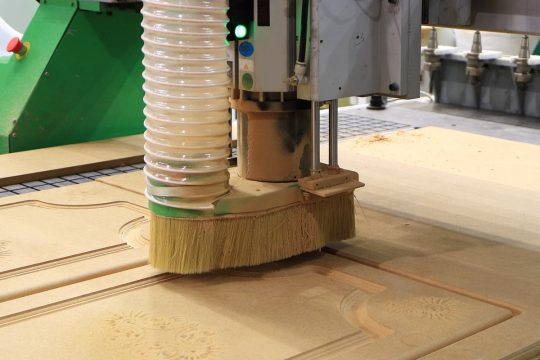
Hệ thống hút bụi tích hợp loại bỏ phoi và bụi mịn khỏi khu vực cắt. Kiểm soát bụi tốt hơn giúp cải thiện tầm nhìn, giảm tích tụ nhiệt, bảo vệ các bộ phận máy móc và tạo ra môi trường sản xuất sạch hơn, hiệu quả hơn.
Độ chính xác đường chạy dao nhất quán
Hệ thống điều khiển bằng máy tính giúp duy trì độ chính xác cao trong việc cắt, khoan, tạo rãnh và khoét hốc. Sự nhất quán này giúp khắc phục sự khác biệt về vật liệu và đảm bảo các chi tiết ván ép lặp lại khớp với nhau chính xác trong quá trình lắp ráp.
Cải thiện quản lý công cụ
Sản xuất CNC cho phép người vận hành lựa chọn mũi khoan phù hợp cho từng thao tác cụ thể và theo dõi tình trạng dụng cụ. Việc kiểm tra, vệ sinh thường xuyên và thay thế kịp thời giúp giảm sự tích tụ keo, duy trì hiệu quả cắt và cải thiện chất lượng cạnh cắt.
Sử dụng vật liệu được tối ưu hóa
Phần mềm sắp xếp bố cục giúp phân chia các mảnh ván ép một cách hiệu quả trên từng tấm. Bố cục tốt hơn giúp giảm diện tích không sử dụng, tránh các khuyết tật hoặc khoảng trống bên trong có thể nhìn thấy, giảm chi phí vật liệu và hỗ trợ sản lượng cao hơn với ít chất thải hơn.
Các máy phay CNC được đề xuất
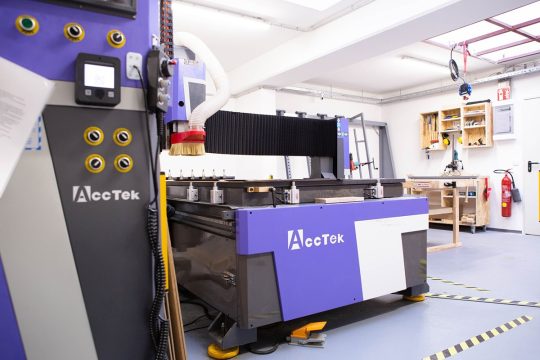
Máy phay CNC thay dao tự động phù hợp khi dự án yêu cầu nhiều thao tác. Nó có thể chuyển đổi giữa các công cụ cắt, khoan, khắc và hoàn thiện mà không cần thay đổi thủ công thường xuyên, giảm thời gian ngừng hoạt động và cải thiện tính nhất quán. Các nhà sản xuất tấm tủ hoặc đồ nội thất mô-đun cũng có thể hưởng lợi từ các máy được trang bị bộ phận khoan và hệ thống căn chỉnh. Máy phay CNC trục quay được khuyến nghị cho các bộ phận ván ép hình trụ hoặc xoay. Máy phay CNC 4 trục và 5 trục phù hợp hơn cho các bề mặt ba chiều phức tạp, đường viền sâu, các bộ phận cong và gia công nhiều mặt. Bất kể cấu hình nào, máy được chọn cần phải có khung chắc chắn, điều khiển chuyển động chính xác, lực hút chân không mạnh, khả năng hút bụi hiệu quả, phần mềm CAD/CAM tương thích và mũi phay phù hợp. Những tính năng này giúp giảm hiện tượng vỡ vụn, rung động, cháy và sai số kích thước trong khi vẫn duy trì chất lượng sản xuất ổn định.


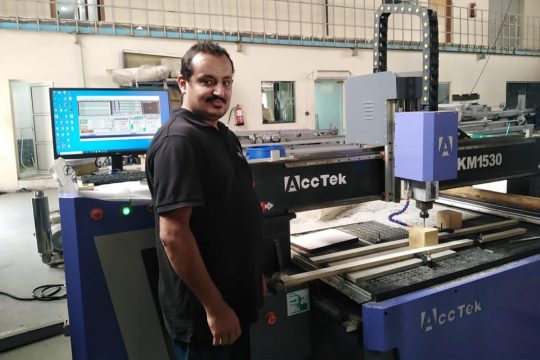
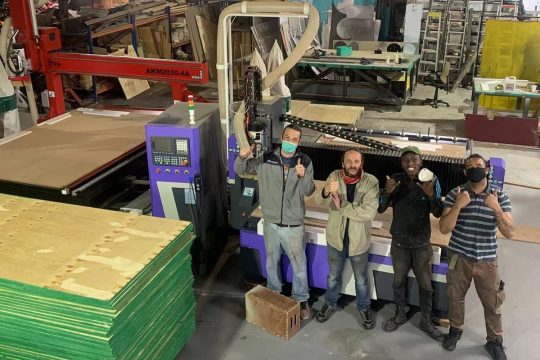
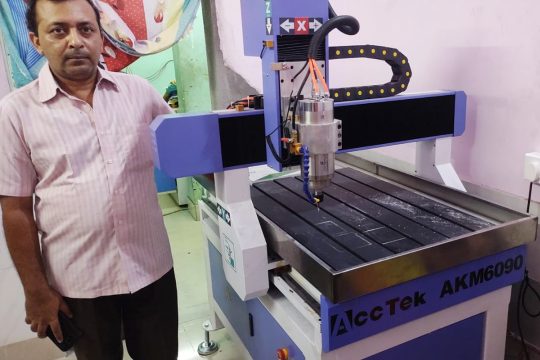
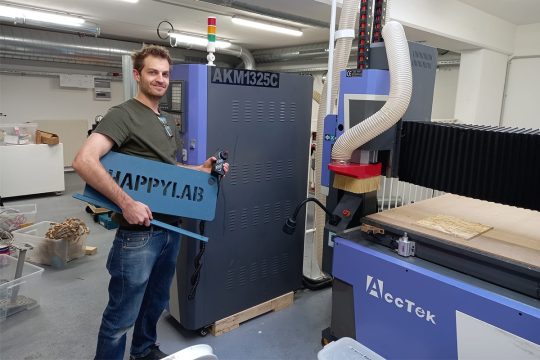
Trường hợp khách hàng
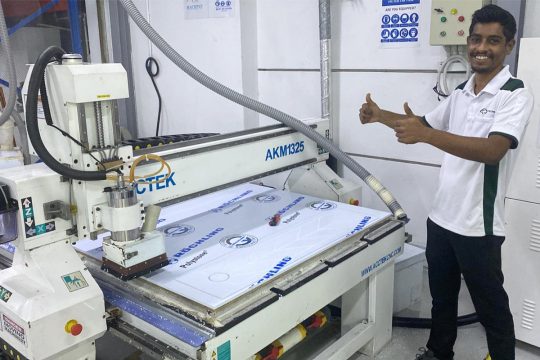
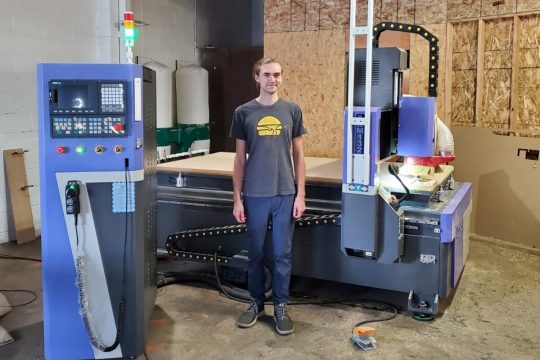
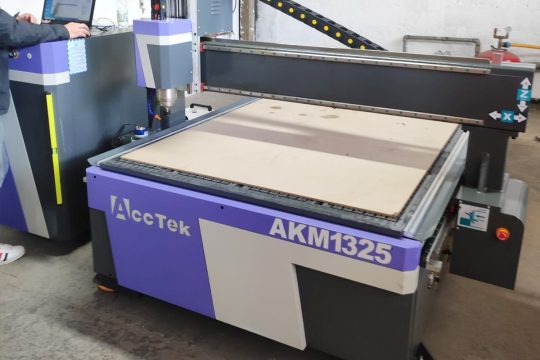
Nhận giải pháp định tuyến CNC
Đội ngũ của chúng tôi sẽ giúp bạn đánh giá vật liệu gia công, kích thước phôi, độ dày cắt, khối lượng sản xuất, yêu cầu độ chính xác và điều kiện xưởng. Dựa trên những thông tin này, chúng tôi có thể đề xuất mô hình máy phù hợp, công suất trục chính, loại bàn máy, hệ thống điều khiển, hệ thống truyền động, dụng cụ và các phụ kiện tùy chọn như bàn hút chân không, thiết bị xoay, bộ thay dao tự động, bộ khoan và hệ thống hút bụi.
AccTek CNC cam kết cung cấp nhiều hơn chỉ là máy phay CNC. Chúng tôi cung cấp tư vấn chuyên nghiệp trước khi mua hàng, tùy chỉnh máy móc, hỗ trợ lắp đặt, đào tạo vận hành, hỗ trợ kỹ thuật và dịch vụ hậu mãi để giúp khách hàng sử dụng thiết bị của mình một cách tự tin. Từ các xưởng nhỏ đến các nhà máy sản xuất lớn, máy phay CNC của chúng tôi được thiết kế để giúp nâng cao hiệu quả, giảm thiểu lao động thủ công và mở rộng khả năng gia công.
Nếu bạn đang tìm kiếm một máy phay CNC đáng tin cậy cho doanh nghiệp của mình, hãy liên hệ với AccTek CNC ngay hôm nay để nhận được giải pháp phù hợp với mục tiêu sản xuất của bạn.