

- 13-18 Dakika Okuma
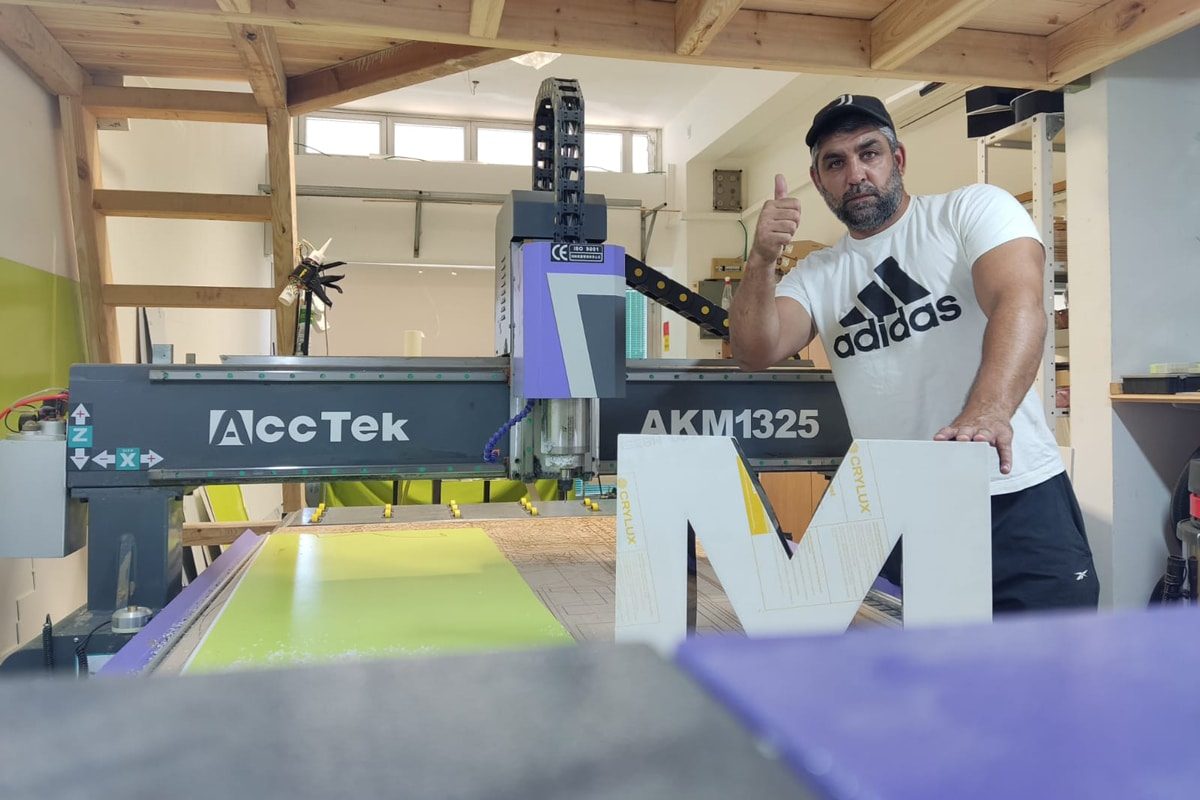
Günümüzün küreselleşmiş üretim ortamında, CNC router'ları uluslararası üreticilerden temin etmek birçok işletme için norm haline gelmiştir. Ancak doğru üreticiyi seçme süreci, sadece fiyat karşılaştırmasının ötesine geçer. Makine kalitesi, teknik yetenekler, satış sonrası hizmet ve işletme itibarı gibi faktörler, bilinçli bir karar vermede çok önemli roller oynar. Mevcut seçeneklerin çeşitliliği göz önüne alındığında, güçlü destek ve uzun vadeli güvenilirlik sunarken özel ihtiyaçlarınızı karşılayabilecek bir tedarikçi seçtiğinizden nasıl emin olabilirsiniz?
Güvenilir bir CNC router üreticisi sadece bir ürün sunmakla kalmaz; ilk satın alımdan satış sonrası desteğe kadar uzanan bir ortaklık sunarak, işletmenizin yıllarca sorunsuz çalışmasını sağlar. Bu makalede, küresel pazarda güvenilir bir CNC router üreticisini belirlemenize yardımcı olacak temel hususlarda size rehberlik edeceğiz. Ürün kalitesini değerlendirmekten, hizmet yeteneklerini değerlendirmeye ve sektör deneyimini doğrulamaya kadar, işletmeniz için en iyi seçimi yapmanıza yardımcı olacak adımları özetleyeceğiz.
Öncelikle CNC Router Gereksinimlerinizi Anlayın
Potansiyel CNC router üreticilerini değerlendirmeye başlamadan önce, kendi ihtiyaçlarınızı net bir şekilde anlamanız çok önemlidir. Gereksinimlerinizi önceden belirlemek, uygulamanız için en uygun makineleri sağlayabilecek üreticileri daraltmanıza yardımcı olacaktır. Bu adım ayrıca, işletmeniz için hangi özelliklerin ve yeteneklerin gerekli olduğunu belirlemenizi sağlayarak gereksiz maliyetlerden veya performans ödünlerinden kaçınmanıza yardımcı olur.
Uygulama ve Sektör İhtiyaçları
İlk adım, işlemeyi planladığınız malzemeleri net bir şekilde tanımlamaktır. CNC routerlar, ahşap, taş, metal, kompozitler, plastikler ve daha fazlası gibi çeşitli malzemelerle çalışabilen çok yönlü makinelerdir. Her malzeme farklı kesme hızları, takım tipleri ve makine özellikleri gerektirir. Örneğin:
- Ağaç işleme: Eğer odak noktanız ağaç işleme ise, hassas kesim ve oyma yapabilen, ayrıca frezeleme ve gravür için özel aletlere sahip bir makineye ihtiyacınız olacaktır.
- Taş ve Metal: Taş veya metal gibi daha sert malzemeleri işliyorsanız, kesim sırasında ısıyı yönetmek için daha sağlam bir iş mili, daha yüksek tork ve özel soğutma mekanizmalarına sahip bir makineye ihtiyacınız olabilir.
- Kompozit Malzemeler: Fiberglas veya karbon fiber gibi kompozitlerle çalışmak, toz yönetimi sistemleri ve malzemeleri etkili bir şekilde işlemek için özel aletler gerektirir.
Makine Yapılandırma Gereksinimleri
Ardından, makineden ihtiyaç duyduğunuz belirli özellikleri göz önünde bulundurun. Bu, birkaç önemli faktörü içerir:
- Eksen Yapılandırması: CNC router'lar çeşitli eksen yapılandırmalarında mevcuttur. En yaygın olanları şunlardır: 3 eksenliAncak daha karmaşık tasarımlar için şunlara ihtiyacınız olabilir: 4 eksenli or 5 eksenli CNC yönlendirici Daha fazla çok yönlülük için. İşlemleriniz dönen parçalar veya silindirik kesim gerektiriyorsa, ayrıca şu özelliklere sahip bir makineye de ihtiyacınız olabilir: döner eksen.
- Çalışma Alanı ve Masa Boyutu: Projelerinizin boyutu, CNC router'ın çalışma alanının boyutunu belirleyecektir. İş parçalarınızı yerleştirmek için yeterince büyük bir masaya sahip bir makine seçtiğinizden emin olun ve gelecekteki büyümeyi de göz önünde bulundurun.
- Mil Tipi ve Gücü: Mil, kesme hızını ve malzeme uyumluluğunu belirler. Daha yüksek güçlü bir mil, daha sert malzemelerin kesilmesi için uygundur. Üreticinin malzeme ihtiyaçlarınıza uygun miller sağlayabildiğinden emin olun.
- Kontrol Sistemi ve Yazılım Uyumluluğu: CNC router'lar, programlama ve çalıştırma için belirli kontrol sistemlerine ve yazılımlara bağlıdır. Syntec, Siemens veya Mach3/4 gibi bazı sistemler endüstri standardıdır. Makinenin yazılımının mevcut sistemlerinizle uyumlu olduğundan veya iş akışınıza kolay entegrasyon sağladığından emin olun.
Bütçe ve Uzun Vadeli Maliyet Hususları
En ucuz seçeneği tercih etmek cazip gelse de, yatırımınızın ömür boyu maliyetini değerlendirmeniz gerekir. Makinenin ilk fiyatı denklemin sadece bir parçasıdır. Dikkate alınması gereken diğer maliyetler şunlardır:
- İşletme Maliyetleri: Makinenin enerji tüketimi, takım ve malzeme açısından işletme maliyeti ne kadar olacak? Düşük maliyetli bir makine, zaman içinde daha yüksek işletme giderlerine yol açabilir.
- Bakım ve Sarf Malzemeleri: Düzenli bakımı mutlaka hesaba katın; bu, mil veya kılavuz raylar gibi parçaların değiştirilmesini içerebilir. Kesici takımlar veya yağlayıcılar gibi sarf malzemeleri, toplam sahip olma maliyetini artırabilir.
- Yükseltme Potansiyeli: Bazı CNC router üreticileri, tamamen yeni bir sistem satın almadan yetenekleri genişletmenize veya performansı iyileştirmenize olanak tanıyan kolay yükseltme yollarına sahip makineler sunmaktadır. Makine seçeneklerini değerlendirirken gelecekteki ihtiyaçlarınızı göz önünde bulundurun.
CNC router gereksinimlerinizi net bir şekilde tanımlamak, üretici seçme sürecinde kritik bir ilk adımdır. İşletmenizin tam ihtiyaçlarını anladığınızda, potansiyel tedarikçileri daha etkili bir şekilde değerlendirebileceksiniz. Bu temel adım, işletmenizin tam özelliklerine göre uyarlanmış bir makine sağlayabilecek bir CNC router üreticisi seçmenizi sağlayarak hem kısa hem de uzun vadede başarıya ulaşmanızı sağlar.
Üreticinin sektördeki deneyimini ve itibarını değerlendirin.
Küresel pazardan bir CNC router tedarik ederken, bir üreticinin sektördeki deneyimini ve itibarını değerlendirmek, güvenilir bir tedarikçi belirlemenin en kritik adımlarından biridir. Sağlam bir deneyime sahip bir üretici, yüksek kaliteli ürünler, güvenilir hizmet ve gerçek üretim ihtiyaçlarına göre uyarlanmış çözümler sunma olasılığı daha yüksektir. Aynı derecede önemli olan bir diğer husus ise itibardır; mevcut müşterilerin ve sektördeki diğer firmaların şirketin performansı, güvenilirliği ve satış sonrası hizmeti hakkında söyledikleridir.
Şirket Geçmişi ve Sektördeki Deneyim Süresi
Bir CNC router üreticisinin geçmişi, şirketin istikrarlılığı, büyümesi ve değişen pazar ihtiyaçlarına uyum sağlama yeteneği hakkında fikir verir:
- İşletme Deneyimi: On yıl veya daha fazla deneyime sahip şirketler genellikle birden fazla teknoloji döngüsünden geçmiştir; bu da daha olgun ürünlere ve iyileştirilmiş süreçlere dönüşebilir.
- Ürün Yelpazesi Gelişimi: Ürün hatlarının zaman içinde nasıl geliştiğini inceleyin. Ürün yelpazesini düzenli olarak güncelleyen veya genişleten bir üretici, Ar-Ge'ye sürekli yatırım yaptığını ve piyasa geri bildirimlerine yanıt verdiğini gösterir.
- Kuruluş Amacı ve Odak Noktası: Bazı üreticiler giriş seviyesi makinelere odaklanırken, diğerleri yüksek hassasiyetli endüstriyel CNC router'larda uzmanlaşmıştır. Bunu anlamak, ihtiyaçlarınızı onların güçlü yönleriyle uyumlu hale getirmenize yardımcı olur.
İpucu: Kısa ömürlü şirketler veya sık isim değişiklikleri, istikrarsızlık veya uzun vadeli bağlılık eksikliğinin göstergesi olabilir.
Sertifikalar ve Endüstri Uyumluluğu
Sertifikalar, bir CNC router üreticisinin kaliteye, tutarlılığa ve uluslararası standartlara uyuma olan bağlılığının somut kanıtıdır.
- ISO Kalite Yönetim Sertifikaları (örneğin, ISO 9001): Bunlar, tasarımdan üretime ve son kontrole kadar sağlam kalite süreçlerini gösterir.
- Güvenlik ve Düzenleyici İşaretler: Uluslararası güvenlik işaretlerini (örneğin, Avrupa pazarları için CE) ve pazarınızla ilgili önemli bölgesel standartlara uyumu arayın.
- Sektöre Özgü Onaylar: Bazı sektörler özel standartlar gerektirebilir. Bu sektörlerde deneyimli bir üreticinin gelişmiş üretim kontrollerine sahip olması muhtemeldir.
Bu neden önemli: Sertifikalar, ürünlerin tutarlı standartlara göre üretilmesini ve dokümantasyonun (malzeme sertifikaları ve test raporları gibi) güvenilir olmasını sağlamaya yardımcı olur.
Fabrika Kapasitesi ve Üretim Ölçeği
Bir üreticinin üretim tesislerinin ölçeği ve kapasitesi, CNC router'ların kalitesini, tutarlılığını ve teslimat güvenilirliğini doğrudan etkiler:
- Üretim Ekipmanları: Gelişmiş freze tezgahları, otomatik kaynak sistemleri ve hassas kontrol makineleri genellikle daha tutarlı ve doğru çerçeveler ve bileşenler üretir.
- Şirket İçi Üretim vs. Dışarıdan Tedarik Edilen Parçalar: Anahtar bileşenleri (çerçeve veya kontrol kabini gibi) şirket içinde üreten üreticiler, her şeyi dışarıdan tedarik edenlere göre genellikle daha iyi kalite kontrolüne sahiptir.
- Üretim Kapasitesi: Yüksek üretim kapasitesi, büyük siparişleri karşılayabilme ve teslimat programlarına uyabilme yeteneğini gösterir.
Mümkünse fabrikanın fotoğraflarını veya sanal turlarını isteyin; şeffaf üreticiler genellikle üretim süreçlerinin görsellerini memnuniyetle paylaşırlar.
Müşteri Referansları ve Vaka Çalışmaları
Gerçek müşteri geri bildirimleri ve vaka çalışmaları, itibar değerlendirmesi yapılırken bilgi açısından altın madeni niteliğindedir:
- Müşteri Yorumları ve Değerlendirmeleri: Özellikle sektörünüzdeki veya bölgenizdeki şirketlerden gelen gerçek müşteri geri bildirimleri, performans, güvenilirlik ve hizmet kalitesi hakkında ipuçları verebilir.
- Ölçülebilir Sonuçlar İçeren Vaka Çalışmaları: Üreticinin müşterilerinin üretim hacmini artırmasına, hurda miktarını azaltmasına veya hassasiyeti iyileştirmesine yardımcı olduğu örnekleri arayın.
- Tekrarlayan Müşteriler ve Uzun Vadeli İlişkiler: Yüksek oranda tekrarlayan iş ve uzun süreli ortaklıklar genellikle müşteri memnuniyetinin bir göstergesidir.
İpucu: Doğrudan üreticiden iletişime geçebileceğiniz referanslar isteyin. Güvenilir tedarikçiler bilgi paylaşmaya istekli olmalıdır ve teslimat, kalite, eğitim ve hizmete yanıt verme hızı hakkında hedefli sorular sorabilirsiniz.
Sektördeki Varlık ve Profesyonel Tanınma
CNC ve imalat sektöründe daha geniş bir tanınırlığa sahip olan bir üretici, muhtemelen daha saygın ve ileri görüşlüdür:
- Ticaret Fuarları ve Sergileri: Büyük sektör etkinliklerine katılım, pazara katılım ve teknolojiye görünürlük sağlama konusundaki kararlılığı gösterir.
- Ortaklıklar ve Dağıtımcılar: Güçlü bir küresel dağıtım ağı genellikle güvenilirliği ve müşteri desteğine yapılan yatırımı yansıtır.
- Medya ve Sektör Yayınları: Saygın sektör yayınlarından çıkan makaleler, ürün incelemeleri ve ödüller, bir üreticinin güvenilirliğini doğrulayabilir.
Bir üreticinin sektördeki deneyimini ve itibarını değerlendirmek, sadece işletmede geçirdiği yılların ötesine geçer; sertifikaları, fabrika kapasitesini, müşteri geri bildirimlerini ve pazar varlığını incelemeyi içerir. Bu alanlarda iyi puan alan bir şirket, güvenilir, yüksek kaliteli CNC router'lar sunma ve makinenin yaşam döngüsü boyunca size etkili bir şekilde destek verme olasılığı daha yüksektir. Bu titiz inceleme, nihayetinde yatırımınızı korur ve uzun vadeli operasyonel başarıyı sağlar.
Ürün Kalitesi ve Teknik Yeterliliğin Değerlendirilmesi
Bir üreticinin deneyimini ve itibarını doğruladıktan sonra, bir sonraki kritik adım, CNC router'larının kalitesini ve bunların arkasındaki teknik yetenekleri yakından incelemektir. Ürün kalitesi, işleme doğruluğunu, üretim verimliliğini ve makine ömrünü doğrudan etkilerken, teknik yetenek bir üreticinin belirli uygulama gereksinimlerini karşılayıp karşılayamayacağını ve güvenilir uzun vadeli destek sağlayıp sağlayamayacağını belirler. Alıcılar, makine yapısını, temel bileşenleri ve mühendislik uzmanlığını dikkatlice değerlendirerek, sadece makine montajı yapan üreticiler ile gerçekten endüstriyel sınıf çözümler sunan üreticiler arasında ayrım yapabilirler.
Makine Yapısı ve Üretim Kalitesi
Herhangi bir CNC router'ın temeli mekanik yapısıdır. Sağlam bir çerçeve ve hassas montaj, titreşimleri azaltır, kesme doğruluğunu artırır ve makinenin kullanım ömrünü uzatır:
- Gövde Tasarımı ve Malzemeleri: Yüksek kaliteli çelik veya alüminyumdan yapılmış ve uygun gerilim giderme işlemlerinden geçirilmiş makineleri tercih edin. Sağlam gövdeler, ağır yükler altında deformasyona karşı direnç gösterir ve uzun vadeli hassasiyeti korur.
- Lineer Kılavuzlar ve Bilyalı Vidalar: Yüksek kaliteli lineer kılavuzlar ve bilyalı vidalar, düzgün ve hassas hareket sağlar. Marka ve türü kontrol edin; tanınmış uluslararası markalar genellikle daha iyi güvenilirlik ve uzun ömür sunar.
- Elektrik Tesisatı ve Kablolama: Doğru kablo yönetimi, düzenli kablolama ve koruyucu kapaklar, elektrik arızası riskini azaltır ve bakımı kolaylaştırır.
Temel Bileşenler ve Tedarikçiler
Bir CNC router'ın temel bileşenleri, performansını ve dayanıklılığını büyük ölçüde belirler. Bu unsurların değerlendirilmesi, üreticinin teknik standartlarını ortaya koyar:
- İş mili kalitesi: İş milinin gücü, torku ve soğutma sistemi, malzeme gereksinimlerinize uygun olmalıdır. Yüksek performanslı markalar genellikle daha iyi doğruluk ve daha uzun kullanım ömrü sağlar.
- Motorlar ve Sürücüler: Servo motorlar veya step motorlar ve bunların sürücüleri, hassasiyet, hız ve tekrarlanabilirlik üzerinde büyük etkiye sahiptir. Köklü markalar genellikle daha yüksek güvenilirlik ve tutarlı performans sunar.
- Kontrol Sistemleri ve Yazılım: CNC kontrol sistemi makinenin beynidir. Syntec, Siemens veya Mach3/4 gibi güvenilir sistemler sezgisel kullanım, daha akıcı hareket ve karmaşık tasarımlar için daha iyi destek sağlar.
Özelleştirme ve Mühendislik Desteği
Bir üreticinin teknik kapasitesi yalnızca standart makinelerde değil, aynı zamanda özelleştirilmiş çözümler sunabilme yeteneğinde de kendini gösterir:
- Özel Tasarımlar: Üretici, benzersiz üretim gereksinimlerinizi karşılamak için makine boyutunu, iş mili tipini veya eksen konfigürasyonunu ayarlayabilir mi?
- Mühendislik Danışmanlığı: Deneyimli üreticiler, iş akışı, takım ve üretim verimliliği konusunda teknik rehberlik sağlayarak makinenin operasyonel ihtiyaçlarınıza uygun olmasını garanti eder.
- Problem Çözme Yeteneği: Üretici, özel malzemeler, karmaşık şekiller veya yüksek hacimli üretim için çözümler tasarlayabilme yeteneğine sahip olmalıdır.
Ürün kalitesini ve teknik yeteneklerini değerlendirmek, bir CNC router'ın gerçek üretim koşullarında tutarlı performans gösterecek şekilde tasarlandığından emin olmaya yardımcı olur. Sağlam bir makine yapısı, yüksek kaliteli bileşenler, güvenilir kontrol sistemleri ve özelleştirme olanağı, bir üreticinin teknik gücünü yansıtır. Bu faktörleri değerlendirmek için zaman ayırmak, beklenmedik arıza süreleri, düşük performans veya maliyetli değişiklikler riskini azaltır ve sonuç olarak istikrarlı performans ve uzun vadeli değer sağlayan bir CNC router yatırımına yol açar.
Satış Sonrası Servis ve Teknik Desteği İnceleyin
CNC router'ın gerçek değerinin yalnızca bir kısmı makine performansı ve üretim kalitesiyle temsil edilir. Satış sonrası servis ve teknik destek, özellikle küresel pazardaki üreticilerle çalışırken, sorunsuz kurulum, istikrarlı çalışma ve uzun vadeli verimliliğin sağlanmasında belirleyici bir rol oynar. Bir tedarikçinin servis yeteneklerini değerlendirmek, alıcıların üreticinin ilk satıştan sonra sürekli destek sağlayıp sağlayamayacağını belirlemelerine yardımcı olur.
Kurulum, Devreye Alma ve Eğitim
Makinenin en iyi performansını baştan itibaren elde etmek için doğru kurulum ve eğitim faydalıdır:
- Kurulum Desteği: Üreticinin uzaktan kurulum rehberliği, yerinde devreye alma veya her ikisinin bir kombinasyonunu sunup sunmadığını değerlendirin. Açık kurulum prosedürleri, kurulum hatalarını ve arıza sürelerini azaltır.
- Operatör Eğitimi: Kapsamlı eğitim programları, operatörlerin makine kullanımı, programlama ve temel bakım konularını anlamalarına yardımcı olarak verimliliği artırır ve yanlış kullanımdan kaynaklanan arızaları azaltır.
- Dokümantasyon Kalitesi: İyi hazırlanmış kullanım kılavuzları, bağlantı şemaları ve bakım rehberleri, üreticinin profesyonel olduğunu gösterir ve makinenin uzun vadeli yönetimini kolaylaştırır.
Garanti Politikası ve Yedek Parça Temin Edilebilirliği
Şeffaf bir garanti ve güvenilir yedek parça tedariği, bir CNC router üreticisinin ürünlerine olan güvenini gösterir:
- Garanti Kapsamı: Garanti süresini ve hangi bileşenlerin kapsandığını inceleyin. Açık ve net garanti koşulları, sorumluluğu ve ürün güvenilirliğini yansıtır.
- Yedek Parça Stoku: Özellikle temel bileşenler için yedek parçaları kolayca temin edebilen üreticiler, arıza sürelerini önemli ölçüde azaltabilirler.
- Uzun Vadeli Parça Desteği: CNC router'lar uzun vadeli yatırımlardır. Güvenilir bir tedarikçi, satın alımdan sonraki yıllar boyunca parça bulunabilirliğini garanti etmelidir.
Teknik Destek ve Sorun Çözümü
Hızlı ve etkili teknik destek, üretim aksamalarını en aza indirir:
- Yanıt Süresi: Üreticinin servis taleplerine ve teknik sorunlara ne kadar hızlı yanıt verdiğini değerlendirin.
- Uzaktan Teşhis: Modern üreticiler genellikle video görüşmeleri veya uzaktan sistem erişimi yoluyla çevrimiçi teşhis olanağı sunarak sorun gidermeyi hızlandırır.
- Yükseltme ve Yenileme Desteği: Güçlü teknik ekipler, üretim ihtiyaçları geliştikçe yazılım güncellemeleri, performans iyileştirmeleri veya makine genişletmeleri konusunda yardımcı olabilir.
Satış sonrası servis ve teknik desteği incelemek, CNC router'ınızın kullanım ömrü boyunca verimli, güvenilir ve bakımlı kalmasını sağlamaya yardımcı olur. Güçlü kurulum desteği, net garanti politikaları, hızlı teknik yardım ve güvenilir yedek parça tedariği sunan üreticiler, uzun vadeli müşteri başarısına olan bağlılıklarını gösterirler. Bu tür bir ortağı seçmek, operasyonel riskleri azaltır ve küresel CNC router pazarında gönül rahatlığı sağlar.
İletişim, Şeffaflık ve İş Uygulamaları
Küresel CNC router pazarında, güçlü iletişim ve şeffaf iş uygulamaları, güvenilir bir üreticinin olmazsa olmaz göstergeleridir. Alıcılar ve tedarikçiler genellikle mesafe, zaman dilimleri ve kültürel farklılıklar nedeniyle birbirinden ayrı olduğundan, açık iletişim ve etik iş uygulamaları yanlış anlaşılmaları önlemeye, riski azaltmaya ve uzun vadeli ortaklıklar kurmaya yardımcı olur. Güvenilir bir üretici, iş birliğinin her aşamasında açık iletişim kurar, doğru bilgi sağlar ve profesyonellikle hareket eder.
Satış İletişimi ve Teknik Bilgi
İlk iletişimin kalitesi genellikle üreticinin genel profesyonelliğini yansıtır:
- Gereksinim Analizi: Güvenilir üreticiler, bir çözüm önermeden önce uygulamanızı, malzemelerinizi, üretim hedeflerinizi ve bütçenizi anlamak için zaman ayırırlar.
- Teknik Bilgi: Satış ekipleri, makine özelliklerini, performans sınırlarını ve yapılandırma seçeneklerini abartmadan net bir şekilde açıklayabilmelidir.
- Çözüm Odaklı Yaklaşım: Deneyimli üreticiler, standart bir modeli dayatmak yerine, gerçek üretim ihtiyaçlarına dayalı olarak özel öneriler sunarlar.
Teknik Özellikler, Fiyatlandırma ve Teslim Süresinde Şeffaflık
Şeffaflık, uluslararası işlemlerde belirsizliği azaltır ve güveni artırır:
- Net Teknik Özellikler: Makine parametreleri, bileşen markaları ve opsiyonel özellikler, teklifler ve sözleşmeler genelinde açık ve tutarlı bir şekilde listelenmelidir.
- Detaylı ve Dürüst Fiyatlandırma: Güvenilir bir tedarikçi, standart ekipman, isteğe bağlı yükseltmeler ve servis maliyetleri arasında net bir ayrım yaparak ayrıntılı fiyat teklifleri sunar.
- Gerçekçi Teslim Süreleri: Doğru üretim ve teslimat zaman çizelgeleri, planlama yeteneğini ve alıcının zaman çizelgesine saygıyı gösterir.
Sözleşme Şartları, Ödeme Yöntemleri ve Risk Yönetimi
Profesyonel iş uygulamaları her iki tarafı da korur:
- Adil Sözleşme Şartları: İyi tanımlanmış sözleşmeler, makine özelliklerini, muayene standartlarını, teslimat şartlarını, garanti kapsamını ve sorumlulukları ana hatlarıyla belirtir.
- Güvenli Ödeme Seçenekleri: Köklü üreticiler genellikle net aşamaları olan güvenli ve yaygın olarak kabul gören ödeme yöntemleri sunarlar.
- Uyuşmazlık Çözüm Politikaları: Kalite sorunları, gecikmeler veya şikayetlerin ele alınmasına yönelik net prosedürler, olgun ve sorumlu bir işletme anlayışını yansıtır.
Güçlü iletişim, şeffaflık ve profesyonel iş uygulamaları, başarılı uluslararası CNC router tedarikinin temelini oluşturur. Açık iletişim kuran, doğru bilgi sağlayan ve dürüstlükle çalışan üreticiler riskleri azaltır ve istikrarlı, uzun vadeli ortaklıklar kurar. Alıcılar, bu teknik olmayan faktörleri dikkatlice değerlendirerek hem tedarikçinin güvenilirliğine hem de CNC router yatırımlarının genel başarısına güven duyabilirler.
Üretici Seçerken Dikkat Edilmesi Gereken Uyarı İşaretleri
Birçok CNC router üreticisi profesyonelce çalışırken, küresel pazarda teknik yetenek, istikrar veya etik iş uygulamalarından yoksun tedarikçiler de bulunmaktadır. Uyarı işaretlerini erken tespit etmek, maliyetli hatalardan, üretim gecikmelerinden ve uzun vadeli hizmet sorunlarından kaçınmanıza yardımcı olabilir. Aşağıdaki uyarı işaretleri, ekstra dikkatli olmanızı veya alternatif bir tedarikçi aramanın en iyisi olabileceğini göstermelidir.
- Gerçekçi Olmayan Düşük Fiyatlandırma: Piyasa ortalamasının çok altında olan fiyatlandırma, bir CNC router üreticisini değerlendirirken genellikle en erken uyarı işaretlerinden biridir. Küresel pazarda rekabetçi fiyatlandırma normal olsa da, aşırı düşük fiyat teklifleri, kalitesiz bileşenlerin kullanımını, kalite kontrolünün azalmasını veya uzun vadeli servis desteğinin eksikliğini gösterebilir. Alıcılar, daha sonra gizli maliyetlerden veya performans ödünlerinden kaçınmak için fiyata nelerin dahil olduğunu dikkatlice incelemelidir.
- Belirsiz veya Tutarsız Teknik Bilgiler: Güvenilir bir üretici, net, tutarlı ve ayrıntılı teknik özellikler sunabilmelidir. Makine parametreleri, bileşen markaları veya performans iddiaları belirsiz olduğunda veya sık sık değiştiğinde, bu durum sınırlı teknik uzmanlığı veya kasıtlı yanlış bilgilendirmeyi gösterebilir. Tutarsız bilgiler, gerçek üretim gereksinimlerini karşılamayan bir makine alma riskini artırır.
- Fabrika Şeffaflığının Eksikliği: Üretim kapasitelerine güvenen üreticiler genellikle tesisleri ve süreçleri konusunda şeffaftır. Fabrika fotoğrafları, videoları, denetim seçenekleri veya üretim detaylarını paylaşma konusundaki isteksizlik, dış kaynak kullanımı, sınırlı üretim kapasitesi veya düşük kalite kontrolüne işaret edebilir. Şeffaflık, küresel tedarikte profesyonellik ve güvenilirliğin önemli bir göstergesidir.
- Zayıf veya Tanımlanmamış Satış Sonrası Destek: CNC router performansının zaman içinde korunması için satış sonrası servis gereklidir. Bir üretici garanti kapsamını, yedek parça bulunabilirliğini veya teknik destek prosedürlerini açıkça açıklayamazsa, teslimattan sonra makineyi destekleme yetenekleri konusunda endişeler ortaya çıkar. Zayıf servis yapıları genellikle uzun süreli arıza sürelerine ve daha yüksek operasyonel riske yol açar.
- Zayıf İletişim ve Yavaş Yanıt Süreleri: Müzakerelerin erken aşamalarındaki iletişim kalitesi, satış sonrasında sorunların nasıl ele alınacağını sıklıkla yansıtır. Yavaş yanıtlar, belirsiz cevaplar veya sık sık yaşanan yanlış anlamalar, iç düzensizliği veya müşteri odaklılığın eksikliğini gösterebilir. Güvenilir üreticiler, tüm iş birliği süreci boyunca zamanında, doğru ve profesyonel iletişime öncelik verirler.
- Doğrulanabilir Müşteri Referansı veya Vaka Çalışması Yok: Saygın CNC router üreticileri genellikle gerçek müşteri referansları, vaka çalışmaları veya uygulama örnekleri sunabilir. Bir tedarikçi başarılı kurulumların veya uzun vadeli müşterilerin doğrulanabilir kanıtını sunamıyorsa, bu sınırlı deneyime veya düşük pazar itibarına işaret edebilir. Müşteri doğrulaması, bir üreticinin güvenilirliğini teyit etmede önemli bir adımdır.
Uyarı işaretlerine dikkat etmek, alıcıları maliyetli hatalardan ve uzun vadeli operasyonel zorluklardan koruyabilir. Gerçekçi olmayan fiyatlandırma, belirsiz teknik bilgiler, zayıf iletişim ve yetersiz satış sonrası destek gibi işaretler genellikle daha derin güvenilirlik sorunlarına işaret eder. Bu uyarı sinyallerini dikkatlice değerlendirerek ve kapsamlı bir durum tespiti yaparak, alıcılar riski önemli ölçüde azaltabilir ve güvenilir kalite, şeffaf iş birliği ve uzun vadeli destek sunan bir CNC router üreticisi seçebilirler.
Satın Almadan Önce Son Değerlendirme Nasıl Yapılır?
Potansiyel CNC router üreticileri belirlendikten sonra, satın alma kararı verilmeden önce son bir değerlendirme yapılır. Bu aşama, teknik performansı doğrulamaya, hizmet taahhütlerini teyit etmeye ve tüm ticari şartların açıkça tanımlanmasını sağlamaya odaklanır. Kapsamlı bir son değerlendirme yapmak, alıcıların riski en aza indirmesine, önceki görüşmeler sırasında yapılan iddiaları doğrulamasına ve seçilen üreticinin hem teknik hem de operasyonel beklentileri karşılayabileceğinden emin olmasına yardımcı olur.
- Fabrika Denetimleri veya Üçüncü Taraf İncelemeleri: Üreticinin fabrikasını (şahsen veya sanal olarak) ziyaret etmek, üretim kapasitesini ve kalite kontrol standartlarını doğrulamak için en etkili yollardan biridir. Yerinde ziyaret mümkün olmadığında, saygın bir üçüncü taraf denetim kuruluşundan fabrika koşulları, makine kalitesi ve kararlaştırılan şartnamelere uygunluk konusunda bağımsız bir değerlendirme almak mümkündür.
- Örnek Testler ve Makine Gösterimleri: Örnek kesim testleri veya canlı makine gösterimleri talep etmek, alıcıların gerçek dünya performansını değerlendirmesine olanak tanır. Kendi malzemelerinizi ve çizimlerinizi sağlayarak, kesim doğruluğunu, yüzey kalitesini, işlem hızını ve genel kararlılığı doğrulayabilirsiniz. Bu adım, makinenin üretim beklentilerini gerçekten karşılayıp karşılamadığını teyit eder.
- Fabrika Kabul Testi (FAT): Fabrika Kabul Testi, sevkiyattan önce kritik bir adımdır. FAT sırasında, alıcılar veya temsilcileri, makinenin sözleşme şartlarını karşıladığını, sorunsuz çalıştığını ve performans kontrollerinden geçtiğini onaylar. FAT genellikle mekanik muayene, elektrik testi, yazılım doğrulaması ve deneme işleme işlemlerini içerir. FAT'ın tamamlanması, teslimattan sonra ortaya çıkabilecek anlaşmazlık ve beklenmedik sorun riskini azaltır.
- Sözleşme İncelemesi ve Nihai Onay: Ödeme ve sevkiyattan önce, tüm ticari ve teknik detaylar gözden geçirilip onaylanmalıdır. Bu, makine konfigürasyonunu, aksesuarları, teslimat koşullarını, garanti kapsamını, satış sonrası hizmet taahhütlerini ve ödeme aşamalarını içerir. Açık ve detaylı bir sözleşme, her iki tarafı da korur ve sorumluluklar ile beklentilerin karşılıklı olarak anlaşılmasını sağlar.
Küresel bir üreticiden CNC router satın almadan önce yapılacak son ve en önemli güvence, dikkatli bir nihai değerlendirmedir. Fabrika yeteneklerini doğrulayarak, makine performansını test ederek, kabul kontrolleri yaparak ve sözleşme detaylarını teyit ederek, alıcılar riski önemli ölçüde azaltabilir ve güvenle ilerleyebilirler. Bu disiplinli yaklaşım, nihai satın almanın güvenilir performans, uzun vadeli değer ve seçilen üreticiyle başarılı bir ortaklık sağlamasına yardımcı olur.
Özetlemek
Küresel pazarda güvenilir bir CNC router üreticisi seçmek, teknik değerlendirme, iş anlayışı ve pratik durum tespiti arasında dikkatli bir denge gerektirir. Makaledeki bu adımları izlemek, CNC router'ın performans beklentilerini karşılamasını sağlamakla kalmaz, aynı zamanda işletmenizin büyümesini ve operasyonel başarısını destekleyen uzun vadeli, güvenilir bir ortaklığın temelini de atar. " Bir CNC Router'ı İncelemek: Üreticiye Sorulacak Temel Sorular " başlıklı makaleyi okumaya devam ederek, üreticinin kaliteye ve müşteri hizmetlerine olan bağlılığını değerlendirebilirsiniz.
AccTek CNC , dünya çapındaki müşterilerine yüksek kaliteli makineler ve kapsamlı servis çözümleri sunmaya kendini adamış profesyonel bir CNC router üreticisidir. Güvenilirlik ve hassasiyete büyük önem veren AccTek CNC, çeşitli sektörlerin ve uygulamaların ihtiyaçlarını karşılamak üzere tasarlanmış geniş bir CNC router yelpazesi sunmaktadır. Profesyonel satış öncesi danışmanlık ve özelleştirilmiş makine çözümlerinden, verimli satış içi desteğe ve güvenilir satış sonrası servise kadar AccTek CNC, yalnızca gelişmiş ekipman değil, aynı zamanda her müşteri için uzun vadeli değer ve güvenilir destek sunmayı taahhüt eder.