

- อ่าน 12-17 นาที
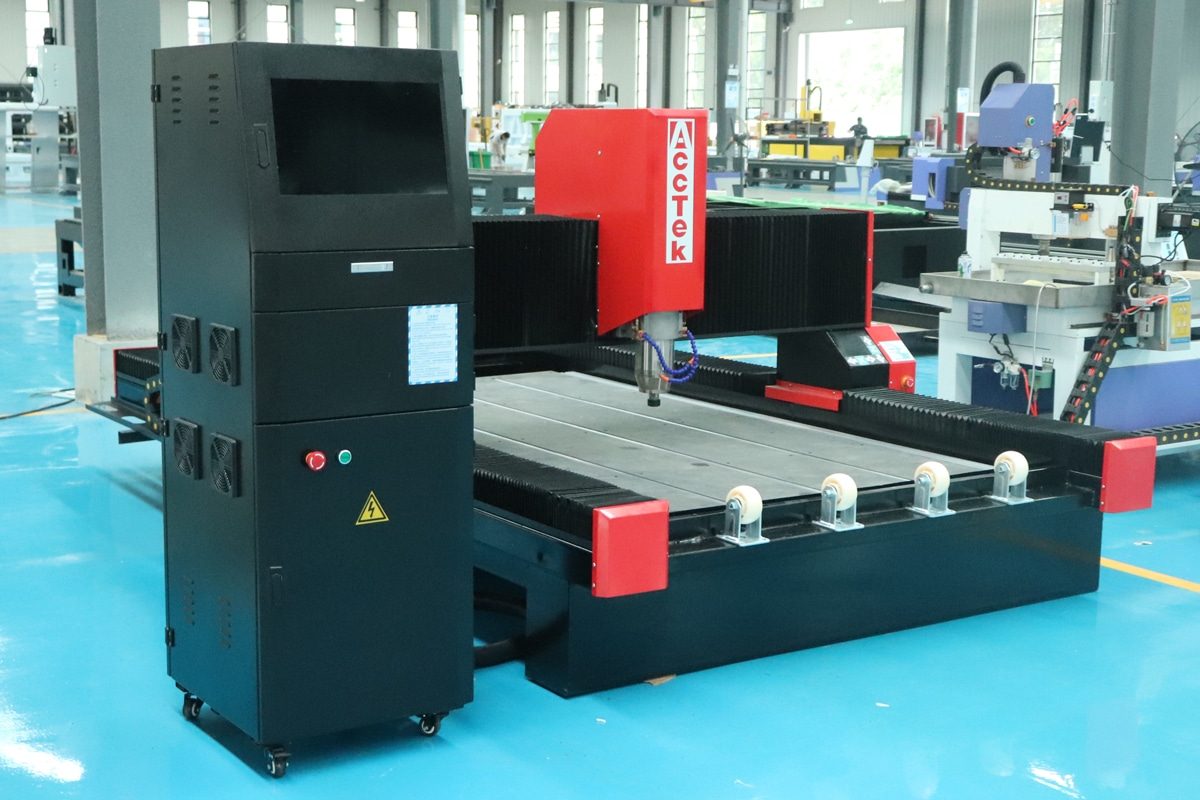
ในอุตสาหกรรมการแปรรูปหินที่มีการแข่งขันสูงในปัจจุบัน ความแม่นยำและประสิทธิภาพการผลิตมีความสำคัญยิ่งกว่าที่เคยเครื่องเราเตอร์ CNC สำหรับหินได้กลายเป็นเครื่องมือสำคัญในการผลิตทุกสิ่งตั้งแต่เคาน์เตอร์และกระเบื้องไปจนถึงงานแกะสลักทางสถาปัตยกรรมที่ซับซ้อน เครื่องจักรเหล่านี้สามารถให้ผลลัพธ์ที่มีคุณภาพสูงและสม่ำเสมอในวัสดุที่แข็งแกร่ง เช่น หินแกรนิต หินอ่อน และควอตซ์ อย่างไรก็ตาม การมีเครื่องเราเตอร์ CNC สำหรับหินเพียงอย่างเดียวไม่เพียงพอ การใช้งานอุปกรณ์ให้ได้ประสิทธิภาพสูงสุดนั้นต้องอาศัยการใช้งานอย่างรอบคอบ การอัปเกรดอย่างชาญฉลาด และการบำรุงรักษาที่เหมาะสม
บทความนี้จะแนะนำวิธีการที่ได้รับการพิสูจน์แล้วเพื่อเพิ่มประสิทธิภาพและความแม่นยำในการทำงานของเครื่องตัดหิน CNC ของคุณ ตั้งแต่การเลือกเครื่องมือที่เหมาะสมและการปรับพารามิเตอร์การตัดให้เหมาะสม ไปจนถึงการปรับปรุงขั้นตอนการทำงานของซอฟต์แวร์และการลดเวลาหยุดทำงาน เราจะสำรวจกลยุทธ์สำคัญที่จะช่วยให้กระบวนการผลิตของคุณราบรื่นยิ่งขึ้น ไม่ว่าคุณจะดำเนินงานในโรงงานขนาดเล็กหรือสายการผลิตขนาดใหญ่ ข้อมูลเชิงลึกเหล่านี้จะช่วยให้คุณได้รับผลตอบแทนสูงสุดจากการลงทุนในเครื่อง CNC พร้อมทั้งส่งมอบผลลัพธ์ที่ไร้ที่ติทุกครั้ง
ทำความเข้าใจเกี่ยวกับเครื่องเราเตอร์ CNC สำหรับหิน
เครื่องตัดหิน CNC เป็นเครื่องตัดที่ควบคุมด้วยคอมพิวเตอร์ ซึ่งออกแบบมาโดยเฉพาะเพื่อแปรรูปวัสดุหินแข็ง เช่น หินแกรนิต หินอ่อน หินควอตซ์ หินชนวน และหินทราย CNC ย่อมาจาก Computer Numerical Control ซึ่งหมายความว่าเครื่องจักรทำงานโดยอาศัยคำสั่งดิจิทัลที่แม่นยำ (G-code) ที่สร้างขึ้นจากซอฟต์แวร์ CAD/CAM
ฟังก์ชันหลักของเราเตอร์ CNC หิน
แตกต่างจาก เครื่องเราเตอร์ CNCมาตรฐานที่ใช้กับไม้หรือพลาสติก เครื่องเราเตอร์ CNC สำหรับหินถูกสร้างขึ้นด้วยโครงสร้างเสริมแรง แกนหมุนกำลังสูง ระบบระบายความร้อนด้วยน้ำ และเครื่องมือตัดเพชร เพื่อให้ทนทานต่อความแข็งและความหนาแน่นสูงของหิน นี่คือคุณสมบัติหลักของมัน:
- การตัดและการขึ้นรูป: ช่วยให้ผู้ใช้สามารถสร้างรอยตัดตรง เส้นโค้ง รูปทรง และรูปทรงที่ซับซ้อนในวัสดุต่างๆ เช่น หินแกรнит หินอ่อน และหินควอตซ์
- การแกะสลักลวดลายที่ซับซ้อน: เช่น ตัวอักษร ลวดลาย หรือรูปภาพ ทำให้เหมาะสำหรับงานตกแต่งและหินอนุสรณ์
- การเจาะและการทำรู: มักจำเป็นสำหรับการเจาะรูเพื่อติดตั้งอ่างล้างหน้า ก๊อกน้ำ หรืออุปกรณ์ยึดต่างๆ
- การแกะสลักสามมิติและการแกะสลักนูนต่ำ: ช่วยให้สามารถสร้างสรรค์องค์ประกอบหินทางศิลปะหรือสถาปัตยกรรมที่มีรายละเอียดที่ยอดเยี่ยม
ส่วนประกอบหลักของเราเตอร์ CNC หิน
เราเตอร์ CNC สำหรับหินได้รับการออกแบบมาเป็นพิเศษเพื่อรองรับน้ำหนัก ความแข็ง และการกัดกร่อนของวัสดุหิน ตั้งแต่โครงสร้างรองรับหินที่แข็งแรงทนทานไปจนถึงแกนหมุนกำลังสูงที่ขับเคลื่อนเครื่องมือตัด ส่วนประกอบเหล่านี้ทำงานร่วมกันเพื่อมอบความเสถียร ความแม่นยำ และประสิทธิภาพ
- โครงสร้างเตียงเครื่องจักร: โครงสร้างเชื่อมหรือเหล็กหล่อสำหรับงานหนักเพื่อรองรับน้ำหนักของแผ่นหินและลดแรงสั่นสะเทือนระหว่างการทำงาน
- มอเตอร์แกนหมุน: จ่ายพลังงานให้กับเครื่องมือตัดสำหรับการแกะสลัก การแกะสลัก และการตัดหิน โดยมีกำลังไฟฟ้าโดยทั่วไปตั้งแต่ 3 กิโลวัตต์ถึง 15 กิโลวัตต์
- ตัวจับยึดเครื่องมือและเครื่องมือตัด: ใช้คอลเล็ตในการยึดเครื่องมือต่างๆ เช่น ดอกสว่านเพชร ดอกตัดรูปตัววี และดอกสว่านเจาะแกน เลือกใช้เครื่องมือตามวัสดุและลักษณะการใช้งานที่ต้องการ
- รางนำทางและระบบส่งกำลัง: ช่วยให้สามารถเคลื่อนหัวตัดไปตามแกน X, Y และ Z ได้อย่างแม่นยำ เพื่อการเคลื่อนไหวที่ราบรื่นและแม่นยำ
- ระบบควบคุม: รับคำสั่งจากซอฟต์แวร์และควบคุมการเคลื่อนไหวของเครื่องจักรทั้งหมด ประกอบด้วยตัวควบคุมและส่วนติดต่อผู้ใช้
- ระบบระบายความร้อน: ลดความร้อนที่เกิดจากแกนหมุนและเครื่องมือตัด มักใช้ระบบระบายความร้อนด้วยน้ำ และบางระบบอาจใช้ละอองน้ำหรือสเปรย์น้ำเต็มพื้นที่ทำงานเพื่อลดฝุ่นและระบายความร้อนให้กับเครื่องมือ
- โต๊ะทำงาน: รองรับชิ้นงานหินระหว่างการตัดเฉือน อาจมีโต๊ะอะลูมิเนียมแบบมีร่อง แคลมป์หิน หรือโต๊ะสุญญากาศ มักมีระบบเก็บน้ำอยู่ด้านล่าง
การใช้งานทั่วไปของเครื่องเราเตอร์ CNC สำหรับงานหิน
เครื่องเราเตอร์ CNC สำหรับงานหินถูกนำมาใช้กันอย่างแพร่หลายในอุตสาหกรรมต่างๆ เนื่องจากสามารถสร้างชิ้นงานที่แม่นยำและละเอียดบนวัสดุแข็งได้ ต่อไปนี้คือตัวอย่างการใช้งานทั่วไป:
- การผลิตเคาน์เตอร์: ในการผลิตเคาน์เตอร์ครัวและห้องน้ำ จะใช้เครื่องตัด CNC ในการตัดแผ่นหินให้ได้ขนาดที่แม่นยำ สร้างช่องสำหรับอ่างล้างจานและก๊อกน้ำ และขัดเงาขอบให้เรียบร้อย
- การผลิตกระเบื้องและแผ่นตกแต่งทางสถาปัตยกรรม: ในงานก่อสร้างและการออกแบบตกแต่งภายใน เครื่องตัด CNC ถูกนำมาใช้ในการผลิตกระเบื้องหินและแผ่นตกแต่งตามสั่ง สำหรับใช้ปูพื้น ผนัง และส่วนหน้าอาคาร
- การแกะสลักอนุสาวรีย์และอนุสรณ์: อุตสาหกรรมอนุสาวรีย์พึ่งพาเครื่องแกะสลักหิน CNC อย่างมากในการแกะสลักข้อความ ภาพบุคคล สัญลักษณ์ทางศาสนา และงานศิลปะตกแต่งลงบนแผ่นหินหลุมศพและแผ่นป้ายอนุสรณ์
- งานแกะสลักและประติมากรรมเชิงศิลปะ: ไม่ว่าจะเป็นงานนูนต่ำตกแต่ง รูปปั้น หรือเสาประดับ เทคโนโลยี CNC ช่วยให้สามารถแกะสลักได้อย่างประณีตด้วยรายละเอียดสูงและความสม่ำเสมอ
- ส่วนประกอบทางสถาปัตยกรรมและองค์ประกอบอาคาร: เครื่องเราเตอร์ CNC ยังถูกนำมาใช้ในการผลิตส่วนประกอบโครงสร้างและตกแต่งอาคาร เช่น เสา ราวบันได บัว และกรอบเตาผิง
เครื่องจักรเอนกประสงค์เหล่านี้เป็นเครื่องมือสำคัญในทุกที่ที่ต้องการการตัดและแกะสลักหินอย่างแม่นยำ ไม่ว่าคุณจะสร้างงานศิลปะจากหินหรือพื้นผิวใช้งาน การทำความเข้าใจพื้นฐานของเครื่องแกะสลักหิน CNC คือขั้นตอนแรกสู่การใช้งานเครื่องมืออเนกประสงค์นี้อย่างเชี่ยวชาญ
ปัจจัยที่มีผลต่อประสิทธิภาพและความแม่นยำ
การทำงานให้ได้ประสิทธิภาพและความแม่นยำสูงสุดด้วยเครื่องเราเตอร์ CNC สำหรับงานหินนั้น ขึ้นอยู่กับการผสมผสานระหว่างสมรรถนะทางกล เครื่องมือ ซอฟต์แวร์ และทักษะของผู้ปฏิบัติงาน การทำความเข้าใจปัจจัยเหล่านี้เป็นกุญแจสำคัญในการระบุจุดที่สามารถปรับปรุงได้ในขั้นตอนการผลิตของคุณ
- คุณภาพและความแข็งแรงของโครงสร้างเครื่องจักร: ความแข็งแรงของโครงสร้างเครื่องเราเตอร์ CNC มีผลโดยตรงต่อเสถียรภาพระหว่างการทำงาน โครงสร้างเครื่องจักรที่แข็งแรงช่วยลดการสั่นสะเทือน เพิ่มความแม่นยำในการตัด และยืดอายุการใช้งานของเครื่องมือ เครื่องจักรคุณภาพต่ำหรือไม่เสถียร มักให้ผลลัพธ์ที่ไม่สม่ำเสมอและนำไปสู่ความต้องการในการบำรุงรักษาที่สูงขึ้น
- การเลือกและสภาพของเครื่องมือตัด: ประเภท ขนาด และความคมของเครื่องมือตัดมีผลอย่างมากต่อทั้งความแม่นยำและประสิทธิภาพ การใช้เครื่องมือที่ถูกต้องกับวัสดุจะช่วยให้ได้งานตัดที่สะอาดกว่าและกระบวนการทำงานที่รวดเร็วกว่า เครื่องมือที่สึกหรอหรือไม่เหมาะสมจะทำให้ได้งานที่เรียบร้อยไม่ดีและอาจทำให้เครื่องจักรทำงานหนักเกินไป
- คุณสมบัติของวัสดุ: หินแต่ละชนิดมีความแข็ง โครงสร้างเนื้อหิน และความหนาแน่นแตกต่างกัน ความแตกต่างเหล่านี้ส่งผลต่อการตอบสนองของวัสดุต่อแรงตัด ตัวอย่างเช่น การตัดควอตซ์ต้องใช้ความเร็วในการป้อนและรอบการหมุนของแกนหมุนที่แตกต่างจากการตัดวัสดุที่อ่อนกว่า เช่น หินทราย ปรับพารามิเตอร์ตามประเภทของวัสดุเพื่อรักษาความแม่นยำและหลีกเลี่ยงการสึกหรอของเครื่องมือ
- ความแม่นยำของซอฟต์แวร์และการเขียนโปรแกรม: คุณภาพของซอฟต์แวร์ CAM และการเขียนโปรแกรม G-code มีบทบาทสำคัญในการควบคุมเส้นทางการเคลื่อนที่ของเครื่องมือและลำดับการตัด ข้อผิดพลาดในการออกแบบดิจิทัลหรือการเขียนโปรแกรมอาจส่งผลให้สิ้นเปลืองวัสดุและต้องทำงานซ้ำ ซอฟต์แวร์ขั้นสูงช่วยให้การควบคุมการเคลื่อนที่ราบรื่นขึ้น การจัดเรียงชิ้นงานดีขึ้น และลดเวลาในการทำงานลง
- ทักษะและประสบการณ์ของผู้ปฏิบัติงาน: แม้แต่เครื่องเราเตอร์ CNC ที่ทันสมัยที่สุดก็อาจทำงานได้ไม่เต็มประสิทธิภาพหากอยู่ในมือของผู้ปฏิบัติงานที่ไม่มีประสบการณ์ ความรู้เกี่ยวกับการจัดการวัสดุ เครื่องมือ การปรับพารามิเตอร์ และการแก้ไขปัญหา จะเป็นประโยชน์อย่างยิ่งในการเพิ่มผลผลิตและป้องกันข้อผิดพลาดที่มีค่าใช้จ่ายสูง การฝึกอบรมและประสบการณ์อย่างต่อเนื่องมีส่วนช่วยโดยตรงต่อการพัฒนาประสิทธิภาพการทำงาน
- การบำรุงรักษาและการปรับเทียบ: การบำรุงรักษาอย่างสม่ำเสมอ เช่น การหล่อลื่น การทำความสะอาด และการตรวจสอบชิ้นส่วน จะช่วยให้เครื่องจักรทำงานได้อย่างมีประสิทธิภาพสูงสุด การปรับเทียบแกนหมุน แกน และเซ็นเซอร์ความสูงของเครื่องมืออย่างถูกต้อง จะช่วยให้เครื่องจักรอยู่ในแนวที่ถูกต้องและแม่นยำตลอดเวลา
ไม่ว่าจะเป็นความแข็งแรงของโครงสร้างเครื่องจักร สภาพของเครื่องมือ หรือความแม่นยำของเส้นทางการเคลื่อนที่ที่ตั้งโปรแกรมไว้ การใส่ใจในรายละเอียดสามารถสร้างความแตกต่างระหว่างผลผลิตเฉลี่ยและผลลัพธ์ที่ยอดเยี่ยมได้ การทำความเข้าใจและจัดการกับตัวแปรเหล่านี้ช่วยให้ผู้ใช้สามารถใช้งานเครื่องจักรได้อย่างมีประสิทธิภาพมากขึ้น ลดของเสีย และบรรลุระดับความแม่นยำและประสิทธิภาพสูงอย่างสม่ำเสมอในทุกโครงการ
เคล็ดลับในการเพิ่มประสิทธิภาพการทำงานของเครื่องเราเตอร์ CNC สำหรับงานหิน
การเพิ่มประสิทธิภาพการทำงานของเครื่องแกะสลักหิน CNC หมายถึงการทำงานให้ได้มากขึ้นในเวลาที่น้อยลง โดยไม่ลดทอนคุณภาพ ตั้งแต่การเลือกอุปกรณ์ที่เหมาะสมไปจนถึงการปรับปรุงกระบวนการทำงานประจำวัน การปรับเปลี่ยนเล็กน้อยสามารถนำไปสู่การปรับปรุงประสิทธิภาพการผลิตได้อย่างมาก นี่คือเคล็ดลับเชิงปฏิบัติหลายประการที่จะช่วยเพิ่มประสิทธิภาพการทำงานของเครื่องจักรของคุณให้สูงสุด:
เลือกเราเตอร์ CNC ที่เหมาะกับความต้องการของคุณ
การเลือกเครื่องเราเตอร์ CNC สำหรับหินที่เหมาะสมเป็นพื้นฐานของการผลิตที่มีประสิทธิภาพ เครื่องจักรที่เหมาะสมควรตรงกับลักษณะการใช้งาน ปริมาณงาน และพื้นที่ทำงานของคุณ
- ขนาดเครื่องและพื้นที่ทำงาน: สำหรับงานขนาดใหญ่ เช่น เคาน์เตอร์ครัว จำเป็นต้องใช้เครื่องขนาดมาตรฐานที่มีพื้นที่ทำงานกว้าง สำหรับชิ้นงานขนาดเล็ก เช่น แผ่นหินหรือกระเบื้อง เครื่องรุ่นกะทัดรัดอาจคุ้มค่ากว่าและประหยัดพื้นที่มากกว่า
- กำลังของแกนหมุนและประเภทมอเตอร์: สำหรับงานตัดหนัก จำเป็นต้องใช้แกนหมุนที่มีกำลังสูง (เช่น 5.5 กิโลวัตต์ขึ้นไป) นอกจากนี้ มอเตอร์เซอร์โวโดยทั่วไปให้ความแม่นยำและการตอบสนองที่ดีกว่าเมื่อเทียบกับมอเตอร์สเต็ปเปอร์ โดยเฉพาะอย่างยิ่งในการทำงานที่ความเร็วสูง
- ข้อกำหนดด้านพื้นที่และการติดตั้ง: ตรวจสอบให้แน่ใจว่าพื้นที่ทำงานของคุณสามารถรองรับเครื่องจักรได้ รวมถึงมีพื้นที่สำหรับขนถ่ายวัสดุและทำการบำรุงรักษา
ปรับพารามิเตอร์การตัดให้เหมาะสม
การปรับอัตราการป้อน ความเร็วรอบแกนหมุน และความลึกของการตัดตามวัสดุและเครื่องมือที่ใช้ จะช่วยลดเวลาในการตัดและยืดอายุการใช้งานของเครื่องมือได้อย่างมาก
- อัตราการป้อน: หากเร็วเกินไป อาจทำให้เกิดการบิ่นหรือแตกหัก โดยเฉพาะอย่างยิ่งกับหินที่เปราะบาง เช่น หินอ่อน หากช้าเกินไป อาจทำให้เครื่องมือร้อนเกินไปและใช้เวลาในการผลิตนานขึ้น การปรับอัตราการป้อนตามความแข็งของวัสดุและประเภทของเครื่องมือจะช่วยให้การตัดราบรื่นขึ้นและลดภาระบนแกนหมุน
- ความเร็วรอบแกนหมุน (RPM): วัสดุที่แข็งกว่า เช่น หินแกรนิต ต้องใช้ความเร็วรอบแกนหมุนที่ต่ำกว่า ร่วมกับอัตราการป้อนที่คงที่ เพื่อป้องกันการไหม้หรือทื่อของเครื่องมือ ส่วนหินที่อ่อนกว่า สามารถตัดได้ที่ความเร็วรอบสูงกว่า เพื่อให้ได้ผลผลิตที่เร็วขึ้น
- ความลึกของการตัด: ความลึกของการตัดหมายถึงความลึกที่เครื่องมือจุ่มลงไปในวัสดุในการตัดแต่ละครั้ง การตัดตื้นอาจแม่นยำกว่าแต่ช้ากว่า ในขณะที่การตัดลึกอาจเสี่ยงต่อการทำให้เครื่องมือหรือมอเตอร์ทำงานหนักเกินไป การหาจุดสมดุลที่เหมาะสมจะช่วยเพิ่มประสิทธิภาพได้อย่างมาก
ใช้ซอฟต์แวร์ CAM ขั้นสูง
ซอฟต์แวร์ CAM ขั้นสูงช่วยเชื่อมช่องว่างระหว่างการออกแบบและการผลิต โดยการสร้างเส้นทางการตัดที่แม่นยำ ซึ่งควบคุมวิธีการที่เครื่องจักรตัด แกะสลัก หรือสลักลวดลายบนวัสดุหิน
- การเพิ่มประสิทธิภาพเส้นทางการเคลื่อนที่ของเครื่องมือโดยอัตโนมัติ: ซอฟต์แวร์ CAM ระดับสูงมีคุณสมบัติการสร้างและการเพิ่มประสิทธิภาพเส้นทางการเคลื่อนที่ของเครื่องมือโดยอัตโนมัติ ซึ่งช่วยลดการตั้งค่าด้วยตนเองและกำจัดขั้นตอนการเคลื่อนที่ที่ไม่จำเป็น การปรับปรุงการเคลื่อนที่ของเครื่องมือให้มีประสิทธิภาพยิ่งขึ้นจะช่วยลดเวลาในการตัดเฉือนและลดการสึกหรอของเครื่องมือ
- เครื่องมือจัดวางและจัดเรียงชิ้นงานอย่างมีประสิทธิภาพ: ระบบ CAM บางระบบมีคุณสมบัติการจัดวางชิ้นงานอัจฉริยะที่ช่วยให้ใช้ประโยชน์จากแผ่นวัสดุแต่ละแผ่นได้อย่างเต็มที่ ในขณะที่เส้นทางการตัดเฉือนที่เหมาะสมจะช่วยลดระยะเวลาการตัดเฉือนและลดของเสียให้น้อยที่สุด
ลดเวลาหยุดทำงานให้น้อยที่สุด
การหยุดทำงานอาจลดประสิทธิภาพการทำงานของเครื่องเราเตอร์ CNC สำหรับหินได้อย่างมาก การลดเวลาหยุดทำงานให้น้อยที่สุดจำเป็นต้องมีแนวทางเชิงรุกในการบำรุงรักษา การจัดระเบียบขั้นตอนการทำงาน และการเตรียมความพร้อมของอุปกรณ์
- ดำเนินการบำรุงรักษาตามปกติ: เครื่องจักรที่ได้รับการบำรุงรักษาอย่างดีจะทำงานได้อย่างราบรื่นและมีประสิทธิภาพมากขึ้น ควรหล่อลื่นชิ้นส่วนที่เคลื่อนไหว ตรวจสอบการจัดแนว และเปลี่ยนชิ้นส่วนที่สึกหรอเป็นประจำ การบำรุงรักษาเชิงป้องกันช่วยลดการชำรุดเสียหายที่เกิดขึ้นโดยไม่คาดคิด และช่วยให้การผลิตเป็นไปตามกำหนดเวลา
- กำหนดขั้นตอนการเตรียมงานให้เป็นมาตรฐาน: เวลาที่ใช้ในการเตรียมวัสดุ เครื่องมือ และเอกสารอาจเพิ่มขึ้นอย่างรวดเร็ว ใช้ขั้นตอนการเตรียมงานและอุปกรณ์ยึดที่เป็นมาตรฐานเพื่อเร่งกระบวนการนี้ ติดป้ายกำกับเครื่องมือที่ใช้บ่อยและจัดเก็บไว้ในที่ที่เข้าถึงได้ง่ายเพื่อลดเวลาในการเตรียมงานระหว่างงานแต่ละครั้ง
- ใช้ระบบเปลี่ยนเครื่องมือแบบรวดเร็ว: ตัวจับยึดเครื่องมือแบบเปลี่ยนเร็วและ เครื่องเปลี่ยนเครื่องมืออัตโนมัติ (ATC) ลดเวลาในการเปลี่ยนเครื่องมือลงอย่างมาก แทนที่จะเปลี่ยนเครื่องมือระหว่างการทำงานด้วยตนเอง เครื่องจักรสามารถทำได้โดยอัตโนมัติ ทำให้การผลิตดำเนินไปอย่างต่อเนื่องโดยไม่หยุดชะงัก
การเพิ่มประสิทธิภาพของเครื่องเราเตอร์ CNC สำหรับตัดหินนั้นขึ้นอยู่กับการเลือกอย่างชาญฉลาดและการปฏิบัติอย่างสม่ำเสมอ ไม่ว่าจะเป็นการปรับพารามิเตอร์การตัด การใช้ซอฟต์แวร์ขั้นสูง หรือการปรับปรุงขั้นตอนการตั้งค่า การปรับเปลี่ยนแต่ละอย่างจะช่วยให้การทำงานราบรื่นและรวดเร็วยิ่งขึ้น ด้วยการนำกลยุทธ์ที่กล่าวมาข้างต้นไปใช้ ผู้ผลิตสามารถใช้ประโยชน์จากอุปกรณ์ได้ดียิ่งขึ้น ประหยัดเวลาและวัสดุอันมีค่า และรักษาความสามารถในการแข่งขันในอุตสาหกรรมที่มีความต้องการสูง
เคล็ดลับเพื่อเพิ่มความแม่นยำในการใช้งานเครื่องเราเตอร์ CNC สำหรับงานหิน
ความแม่นยำเป็นปัจจัยสำคัญที่กำหนดความสำเร็จของโครงการแกะสลักหินด้วยเครื่อง CNC ทุกโครงการ เพื่อให้ได้ขอบที่เรียบเนียน การวัดที่แม่นยำ และรายละเอียดที่ประณีตอย่างสม่ำเสมอ จำเป็นต้องให้ความสำคัญทั้งการตั้งค่าเครื่องจักรและขั้นตอนการใช้งาน ด้านล่างนี้คือเคล็ดลับที่เป็นประโยชน์เพื่อเพิ่มความแม่นยำในการทำงานแกะสลักหินด้วยเครื่อง CNC ของคุณ
ใช้เครื่องมือคุณภาพสูง
เครื่องมือคุณภาพสูงที่ออกแบบมาโดยเฉพาะจะช่วยลดการสึกหรอ ป้องกันการบิ่น และช่วยรักษาความแม่นยำให้สม่ำเสมอในระหว่างการทำงาน
- เลือกใช้เครื่องมือที่เหมาะสมกับชนิดของหิน: ใช้เครื่องมือที่ออกแบบมาโดยเฉพาะสำหรับหินที่คุณกำลังใช้งาน ตัวอย่างเช่น ดอกสว่านปลายเพชรเหมาะสำหรับหินแกรนิตและหินแข็งอื่นๆ ในขณะที่หินที่อ่อนกว่า เช่น หินอ่อน อาจต้องใช้เครื่องมือที่ละเอียดกว่าเพื่อหลีกเลี่ยงความเสียหายต่อพื้นผิว
- เลือกใช้รูปทรงของเครื่องมือให้ถูกต้อง: สำหรับงานแกะสลักหรือรายละเอียดเล็กๆ ให้ใช้ดอกกัดรูปตัววีหรือดอกกัดปลายเรียว สำหรับงานขึ้นรูปและงานขึ้นรูปทรง ดอกกัดปลายแบนหรือปลายกลมอาจเหมาะสมกว่า การเลือกใช้เครื่องมือให้เหมาะสมกับงานจะช่วยให้ได้ผลลัพธ์ที่ดีขึ้นและลดความเครียดของเครื่องมือ
ควรปรับเทียบเครื่องจักรอย่างสม่ำเสมอ
การสอบเทียบควรเป็นส่วนหนึ่งของตารางการบำรุงรักษาประจำของคุณ เพื่อให้มั่นใจได้ว่าการเคลื่อนไหวและการวางตำแหน่งของเครื่องมือมีความแม่นยำ
- ตรวจสอบการจัดแนวแกน: ใช้เครื่องวัดความคลาดเคลื่อนแบบหน้าปัดหรือไม้ฉากวัดความแม่นยำเพื่อตรวจสอบว่าแกน X, Y และ Z เคลื่อนที่ตรงตามเส้นทางที่ต้องการหรือไม่ ปรับแต่งตามความจำเป็นเพื่อคืนสู่การจัดแนวที่ถูกต้อง
- ปรับเทียบเซ็นเซอร์วัดความสูงของเครื่องมือใหม่: ทำความสะอาดและปรับเทียบเซ็นเซอร์เป็นประจำเพื่อให้มั่นใจได้ว่าค่าความสูงของเครื่องมือที่วัดได้มีความสม่ำเสมอ
- ตรวจสอบและปรับแกนหมุน: ใช้เกจวัดความตรงเพื่อตรวจสอบการเอียงหรือการเบี่ยงเบน และทำการปรับแต่งอย่างละเอียดเพื่อให้แกนหมุนอยู่ในแนวที่ถูกต้อง
ทำให้ชิ้นงานคงที่
การจับยึดชิ้นงานอย่างเหมาะสมช่วยให้ชิ้นงานอยู่กับที่อย่างมั่นคงตลอดกระบวนการตัดเฉือน ซึ่งช่วยรักษาทั้งความแม่นยำและความปลอดภัย
- ใช้ระบบยึดจับที่แข็งแรงและเชื่อถือได้: เลือกแคลมป์ที่ออกแบบมาสำหรับแผ่นหินขนาดใหญ่และสามารถทนต่อแรงที่เกิดขึ้นระหว่างการตัดได้ ควรวางแคลมป์แบบกลไก แคลมป์ยึดหิน หรือแคลมป์แบบสปริงให้กระจายอย่างสม่ำเสมอรอบชิ้นงานเพื่อป้องกันการเลื่อนหรือยกตัว โดยเฉพาะบริเวณขอบและมุม
- ใช้โต๊ะดูดสุญญากาศหรือแท่นดูด: โต๊ะดูดสุญญากาศมีประสิทธิภาพสูงในการยึดพื้นผิวหินเรียบโดยไม่ต้องใช้แรงกดทางกล ช่วยกระจายแรงกดได้อย่างสม่ำเสมอ และเหมาะสำหรับวัสดุที่บอบบางหรือขัดเงาซึ่งอาจเกิดรอยขีดข่วนหรือแตกได้จากแคลมป์โลหะ ตรวจสอบให้แน่ใจว่าการดูดสุญญากาศแน่นสนิทและโต๊ะสะอาดก่อนใช้งานทุกครั้ง
- กำจัดช่องว่างและพื้นผิวที่ไม่เรียบ: ก่อนทำการหนีบหรือดูด ให้แน่ใจว่าหินวางราบเรียบอยู่บนฐานเครื่อง ความไม่เรียบใดๆ อาจทำให้เกิดการสั่นสะเทือนและความไม่แม่นยำ ใช้แผ่นรองหรืออุปกรณ์ปรับระดับหากจำเป็นเพื่อกำจัดช่องว่างและรักษาวัสดุให้มั่นคงอย่างสมบูรณ์
ควบคุมปัจจัยด้านสิ่งแวดล้อม
สภาพแวดล้อมในโรงงานของคุณส่งผลกระทบอย่างมากต่อประสิทธิภาพและความแม่นยำของเครื่องแกะสลักหิน CNC การจัดการปัจจัยเหล่านี้จะช่วยให้การทำงานมีความสม่ำเสมอและเชื่อถือได้มากขึ้น
- รักษาความสะอาดของสภาพแวดล้อมการทำงาน: การทำงานกับหินก่อให้เกิดฝุ่นผงจำนวนมาก ซึ่งอาจสะสมอยู่บนราง สกรูนำ และเซ็นเซอร์ การสะสมนี้อาจลดความแม่นยำในการเคลื่อนที่และทำให้เกิดการสึกหรอเร็วกว่ากำหนด ควรใช้ระบบเก็บฝุ่นประสิทธิภาพสูงหรือเครื่องดูดฝุ่นเพื่อรักษาความสะอาดของพื้นที่ทำงานทั้งในระหว่างและหลังการทำงานแต่ละครั้ง
- ควบคุมอุณหภูมิและความชื้น: อุณหภูมิที่ผันผวนอาจทำให้เกิดการขยายตัวทางความร้อนทั้งในโครงเครื่องและวัสดุหิน ส่งผลให้การตัดไม่แม่นยำหรือผิดแนว ควรควบคุมอุณหภูมิและความชื้นในห้องทำงานให้คงที่ เพื่อลดการเคลื่อนตัวของวัสดุและรักษาเงื่อนไขการตัดให้สม่ำเสมอ
- ตรวจสอบให้แน่ใจว่ามีการระบายอากาศและการระบายความร้อนที่เหมาะสม: การทำงานของเครื่อง CNC บางอย่าง โดยเฉพาะการตัดหรือขัดเงาเป็นเวลานาน จะสร้างความร้อนสูง ตรวจสอบให้แน่ใจว่าเครื่องเราเตอร์ของคุณมีระบบระบายความร้อนที่มีประสิทธิภาพสำหรับทั้งแกนหมุนและเครื่องมือ การระบายอากาศที่ดีจะช่วยกระจายความร้อนและลดการสะสมของความชื้นหรือฝุ่นละอองรอบๆ ชิ้นส่วนไฟฟ้าด้วย
การเพิ่มความแม่นยำในการใช้เครื่องเราเตอร์ CNC สำหรับงานหินนั้น เกิดจากการใช้เครื่องมือที่เหมาะสม การบำรุงรักษาอุปกรณ์อย่างสม่ำเสมอ การจัดเก็บวัสดุอย่างถูกวิธี และการจัดการสภาพแวดล้อมในการทำงาน โดยการนำแนวทางปฏิบัติที่ดีที่สุดเหล่านี้ไปใช้อย่างสม่ำเสมอ คุณจะสามารถลดข้อผิดพลาด ได้งานที่เรียบร้อยสวยงาม และตอบสนองความต้องการที่เข้มงวดของการผลิตหินระดับมืออาชีพได้
ข้อผิดพลาดทั่วไปที่ควรหลีกเลี่ยงในการใช้งานเครื่อง CNC สำหรับงานหิน
แม้แต่เครื่องแกะสลักหิน CNC ที่ทันสมัยที่สุดก็ไม่สามารถให้ประสิทธิภาพสูงสุดได้หากใช้งานไม่ถูกต้อง โรงงานหลายแห่งพบปัญหาซ้ำซากที่ไม่ได้เกิดจากตัวเครื่องเอง แต่เกิดจากข้อผิดพลาดของมนุษย์ที่สามารถหลีกเลี่ยงได้ หรือขั้นตอนที่ถูกมองข้าม การทำความเข้าใจและหลีกเลี่ยงข้อผิดพลาดทั่วไปเหล่านี้จะเป็นประโยชน์ในการใช้งานเครื่องแกะสลักหิน CNC ให้ได้ผลลัพธ์ที่ดีที่สุดและยืดอายุการใช้งานของเครื่อง
การโอเวอร์โหลดเครื่อง
หนึ่งในข้อผิดพลาดที่ร้ายแรงที่สุดในการตัดหินด้วยเครื่อง CNC คือการใช้งานเครื่องเกินกำลังที่กำหนดไว้ ซึ่งอาจเกิดขึ้นได้หลายวิธี เช่น การใช้งานแกนหมุนด้วยภาระสูงสุดเป็นเวลานาน การใช้ความเร็วในการป้อนที่สูงเกินไป หรือการพยายามตัดวัสดุที่มีน้ำหนักหรือความแข็งเกินกว่าข้อกำหนดของเครื่อง
เพื่อหลีกเลี่ยงการใช้งานเกินกำลัง ควรปฏิบัติตามคำแนะนำของผู้ผลิตเสมอเกี่ยวกับขนาดวัสดุ น้ำหนักบรรทุกของเครื่องมือ และขีดจำกัดการใช้งาน แบ่งงานที่ซับซ้อนหรือหนักออกเป็นหลายรอบ ตรวจสอบตัวบ่งชี้ภาระมอเตอร์หากมี และปรับพารามิเตอร์การตัดให้เหมาะสมกับประเภทหินและเครื่องมือที่คุณใช้ วิธีการที่สมดุลจะช่วยปกป้องอุปกรณ์ของคุณและรับประกันผลลัพธ์ที่มีคุณภาพสูงสม่ำเสมอ
การละเลยการบำรุงรักษาตามปกติ
การละเลยการบำรุงรักษาตามปกติเป็นความผิดพลาดร้ายแรงที่อาจส่งผลเสียอย่างร้ายแรงต่อทั้งประสิทธิภาพและอายุการใช้งานของเครื่องเราเตอร์ CNC สำหรับงานหิน การแปรรูปหินก่อให้เกิดฝุ่นละอองและเศษผงละเอียดที่มีฤทธิ์กัดกร่อน ซึ่งสามารถสะสมได้อย่างรวดเร็วในชิ้นส่วนที่บอบบาง เช่น รางเลื่อน สกรูบอล ตลับลูกปืน และอุปกรณ์อิเล็กทรอนิกส์ เมื่อเวลาผ่านไป การสะสมนี้จะนำไปสู่แรงเสียดทานที่เพิ่มขึ้น การสึกหรอทางกล และความแม่นยำในการตัดที่ลดลง
เพื่อหลีกเลี่ยงปัญหาเหล่านี้ ควรจัดทำตารางการบำรุงรักษาเชิงป้องกัน ซึ่งรวมถึงการทำความสะอาดประจำวัน การหล่อลื่นอย่างสม่ำเสมอ การตรวจสอบเครื่องมือ การอัปเดตซอฟต์แวร์ และการสอบเทียบเป็นระยะ บันทึกรายละเอียดการบำรุงรักษาอย่างละเอียด และฝึกอบรมผู้ปฏิบัติงานให้สังเกตสัญญาณเตือนล่วงหน้า การดูแลเชิงรุกไม่เพียงแต่ช่วยเพิ่มความน่าเชื่อถือและความแม่นยำเท่านั้น แต่ยังช่วยยืดอายุการใช้งานของเครื่องจักรอีกด้วย
การใช้เครื่องมือที่ไม่ถูกต้อง
การเลือกใช้เครื่องมือผิดประเภทเป็นความผิดพลาดที่พบได้บ่อยแต่มีค่าใช้จ่ายสูงในการตัดเฉือนหินด้วยเครื่อง CNC หินเป็นวัสดุที่มีฤทธิ์กัดกร่อนและต้องการความแม่นยำสูง จึงจำเป็นต้องใช้เครื่องมือเฉพาะทาง เช่น ดอกกัดเคลือบเพชรหรือดอกกัดคาร์ไบด์แข็ง การใช้เครื่องมือทั่วไปหรือเครื่องมือที่ออกแบบมาสำหรับวัสดุที่อ่อนกว่า เช่น ไม้หรือพลาสติก อาจทำให้ประสิทธิภาพการตัดต่ำลง เกิดการสั่นสะเทือนมากเกินไป และอาจทำให้เครื่องมือแตกหักได้
เพื่อรักษาประสิทธิภาพและความแม่นยำสูง ควรใช้เครื่องมือที่ออกแบบมาสำหรับวัสดุหินโดยเฉพาะเสมอ และตรวจสอบการสึกหรอของเครื่องมืออย่างใกล้ชิด เปลี่ยนดอกสว่านเมื่อพบร่องรอยการเสื่อมสภาพ และตรวจสอบให้แน่ใจว่าตัวจับยึดเครื่องมือสะอาดและยึดแน่นดี การลงทุนในเครื่องมือคุณภาพสูงและการใช้งานอย่างถูกต้องจะช่วยให้ได้งานตัดที่สะอาดกว่า ลดข้อผิดพลาด และยืดอายุการใช้งานของเครื่องจักร
การเตรียมไฟล์ไม่ถูกต้องหรือข้อผิดพลาดในโค้ด G
แม้จะมีเครื่องจักรที่ปรับเทียบอย่างสมบูรณ์แบบและเครื่องมือคุณภาพสูง แต่การเตรียมไฟล์ที่ไม่ดีอาจบั่นทอนกระบวนการผลิตทั้งหมดได้ ข้อผิดพลาดในการออกแบบ CAD เส้นทางการเคลื่อนที่ของเครื่องมือที่ไม่ถูกต้องในซอฟต์แวร์ CAM หรือการสร้าง G-code ที่ผิดพลาด อาจนำไปสู่การชนกัน การตัดที่ไม่สมบูรณ์ ขนาดที่ไม่ถูกต้อง และวัสดุที่สูญเปล่า ข้อผิดพลาดเหล่านี้มักแก้ไขได้ยากเมื่อเริ่มการผลิตแล้ว ส่งผลให้ต้องเสียค่าใช้จ่ายในการแก้ไขงานใหม่หรือทิ้งชิ้นงานไปโดยเปล่าประโยชน์
เพื่อหลีกเลี่ยงปัญหาเหล่านี้ โปรดตรวจสอบและจำลองไฟล์ของคุณอย่างละเอียดก่อนเริ่มงาน ใช้ซอฟต์แวร์ CAM ที่เชื่อถือได้และเข้ากันได้กับเครื่อง CNC ของคุณ ตรวจสอบเส้นทางการทำงานและค่าการตั้งค่าทั้งหมดอีกครั้ง และดูตัวอย่าง G-code ในสภาพแวดล้อมเสมือนจริงเสมอ เพื่อตรวจจับปัญหาที่อาจเกิดขึ้นตั้งแต่เนิ่นๆ ไฟล์ที่เตรียมไว้เป็นอย่างดีและโค้ดที่ได้รับการตรวจสอบแล้วเป็นกุญแจสำคัญในการทำงานกับหินอย่างปลอดภัย มีประสิทธิภาพ และแม่นยำ
การลดงบประมาณในการฝึกอบรมผู้ปฏิบัติงาน
การมองข้ามความสำคัญของการฝึกอบรมผู้ปฏิบัติงานอย่างถูกต้องเป็นความผิดพลาดที่เกิดขึ้นบ่อยและร้ายแรง ซึ่งอาจนำไปสู่ข้อผิดพลาดที่มีค่าใช้จ่ายสูง ความเสี่ยงด้านความปลอดภัย และการใช้งานอุปกรณ์ที่ไม่เต็มประสิทธิภาพ แม้แต่เครื่องแกะสลักหิน CNC ที่ทันสมัยที่สุดก็ยังต้องการทักษะการใช้งานเพื่อให้ทำงานได้อย่างมีประสิทธิภาพ หากปราศจากความรู้ที่เพียงพอ ผู้ปฏิบัติงานอาจประสบปัญหาในการตั้งค่าเครื่องมือ การปรับพารามิเตอร์ การเตรียมไฟล์ หรือขั้นตอนการบำรุงรักษา
เพื่อป้องกันปัญหาเหล่านี้ ควรลงทุนในการฝึกอบรมอย่างครอบคลุมและต่อเนื่องสำหรับผู้ควบคุมเครื่อง CNC ทุกคน การฝึกอบรมควรครอบคลุมถึงการใช้งานเครื่องจักร การใช้ซอฟต์แวร์ การเลือกเครื่องมือ ขั้นตอนการบำรุงรักษา เทคนิคการแก้ไขปัญหา และระเบียบปฏิบัติด้านความปลอดภัย ผู้ควบคุมเครื่องจักรที่ได้รับการฝึกอบรมมาอย่างดีจะมีความมั่นใจ มีประสิทธิภาพ และสามารถใช้ศักยภาพของเครื่องจักรได้อย่างเต็มที่ พร้อมทั้งรับประกันผลลัพธ์ที่สม่ำเสมอและแม่นยำ
การหลีกเลี่ยงข้อผิดพลาดทั่วไปเหล่านี้จะช่วยให้ขั้นตอนการทำงานราบรื่นขึ้น ได้ผลลัพธ์ที่มีคุณภาพสูงขึ้น และเครื่องจักรมีอายุการใช้งานยาวนานขึ้น การใช้เวลาในการฝึกอบรมทีมงาน ตรวจสอบการตั้งค่า และปฏิบัติตามแนวทางปฏิบัติที่ดีที่สุดจะส่งผลดีต่อประสิทธิภาพและความแม่นยำในการทำงาน
สรุป
การเพิ่มประสิทธิภาพและความแม่นยำในการแกะสลักหินด้วยเครื่อง CNC นั้นต้องอาศัยแนวทางที่ครอบคลุม ซึ่งรวมถึงการเลือกเครื่องจักรที่เหมาะสม การปรับพารามิเตอร์การตัดให้เหมาะสม การใช้เครื่องมือที่มีคุณภาพ และการรักษาสภาพแวดล้อมการทำงานที่สะอาดและควบคุมได้ บทบาทของผู้ปฏิบัติงานที่มีทักษะ การบำรุงรักษาที่เหมาะสม และการหลีกเลี่ยงข้อผิดพลาดทั่วไปที่อาจส่งผลกระทบต่อประสิทธิภาพก็มีความสำคัญไม่แพ้กัน ด้วยการนำกลยุทธ์และแนวทางปฏิบัติที่ดีที่สุดที่กล่าวไว้ในบทความนี้ไปใช้ โรงงานต่างๆ ไม่เพียงแต่จะสามารถเพิ่มผลผลิตและความแม่นยำเท่านั้น แต่ยังสามารถยืดอายุการใช้งานของอุปกรณ์และลดต้นทุนการดำเนินงานได้อีกด้วย หากต้องการทราบเคล็ดลับเพิ่มเติมเกี่ยวกับการแกะสลักหินด้วยเครื่อง CNC คุณสามารถอ่านต่อได้ในบทความ “ วิธีการแกะสลักหินด้วยเครื่อง CNC ”
หากคุณกำลังมองหาเครื่องมือที่จะช่วยเพิ่มทั้งประสิทธิภาพและความแม่นยำในการทำงานเครื่องจักร CNC สำหรับงานหินAccTek CNCคือผู้ผลิตที่ควรพิจารณา ด้วยชื่อเสียงที่แข็งแกร่งในอุตสาหกรรม AccTek นำเสนอโซลูชันเครื่อง CNC หลากหลายรุ่นที่ออกแบบมาเพื่อรองรับวัสดุที่หลากหลาย รวมถึงหิน ไม้ และพลาสติก เครื่องจักรของเราถูกสร้างขึ้นโดยคำนึงถึงความทนทาน ความแม่นยำ และประสิทธิภาพ ทำให้เหมาะสำหรับโรงงานที่ต้องการเพิ่มผลผลิตในขณะที่ยังคงรักษาคุณภาพของงานไว้ ไม่ว่าคุณจะอัปเกรดอุปกรณ์ที่มีอยู่หรือเริ่มต้นการดำเนินงานใหม่ AccTek ก็มีเทคโนโลยีขั้นสูงและการสนับสนุนอย่างมืออาชีพที่จำเป็นเพื่อให้ได้ผลลัพธ์ที่สม่ำเสมอและแม่นยำ