

- 25-35 minuti di lettura
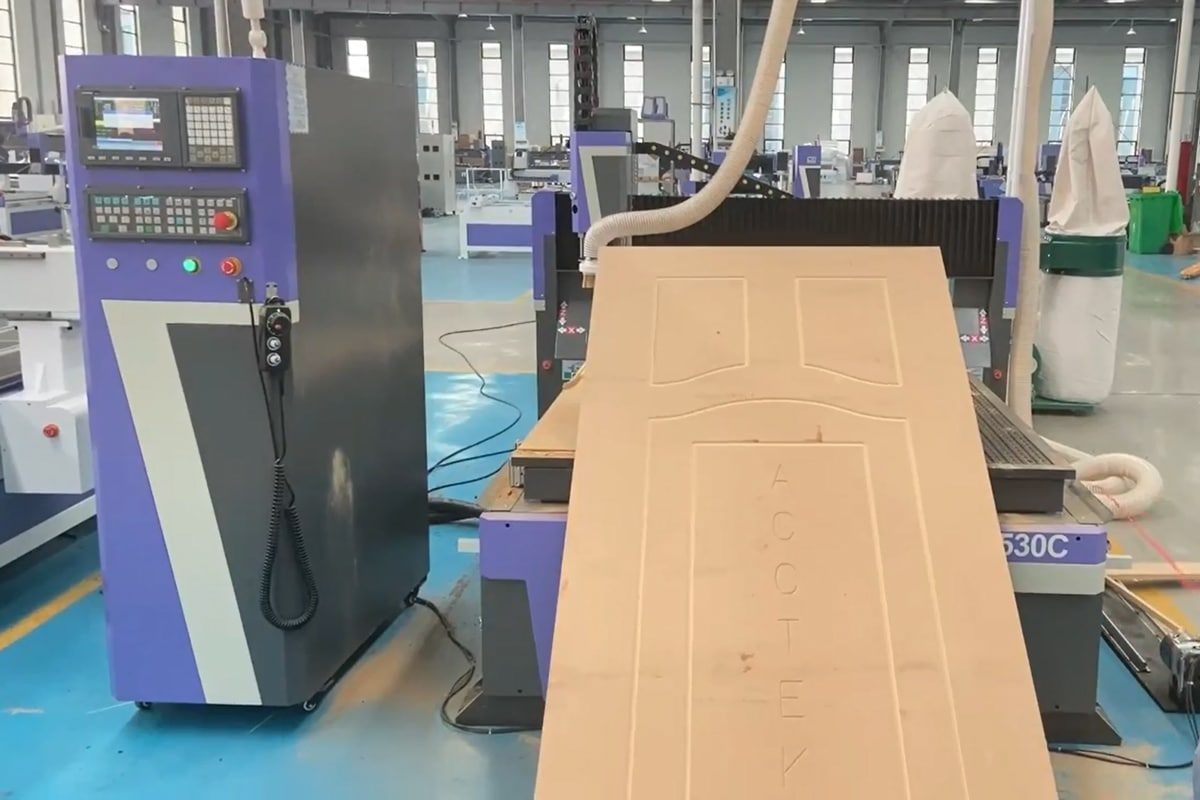
Le fresatrici CNC hanno trasformato l'industria della produzione di mobili, consentendo ai produttori di realizzare componenti di alta precisione, uniformità e personalizzabilità con maggiore velocità ed efficienza rispetto ai metodi tradizionali di lavorazione del legno. Da mobili e tavoli a pannelli decorativi e arredi su misura, la tecnologia di fresatura CNC supporta un'ampia gamma di applicazioni sia nella produzione di massa che nella produzione personalizzata. Tuttavia, il raggiungimento di risultati di alta qualità dipende non solo dalle capacità della macchina CNC stessa, ma anche dalla scelta dei materiali più adatti al design, alla funzionalità e al processo di lavorazione desiderati.
Materiali diversi reagiscono in modo diverso durante la lavorazione CNC, influenzando le prestazioni di taglio, la durata degli utensili, la finitura superficiale, l'efficienza produttiva e la durabilità complessiva del prodotto. Legno massello, prodotti in legno ingegnerizzato e persino le materie plastiche presentano vantaggi e sfide specifici nella produzione di mobili. Comprendere queste caratteristiche dei materiali aiuta a ottimizzare i parametri di lavorazione, ridurre gli sprechi, migliorare la qualità della finitura e garantire prestazioni durature dei mobili. Questo articolo esplora le principali considerazioni sui materiali da tenere presenti nella produzione di mobili con fresatrici CNC, aiutando i produttori a scegliere i materiali più adatti alle loro specifiche applicazioni e obiettivi di produzione.
Comprendere i router CNC nella produzione di mobili
Le fresatrici CNC sono diventate una delle tecnologie più importanti nella moderna produzione di mobili, consentendo ai produttori di raggiungere una maggiore precisione, velocità di produzione più elevate e una maggiore flessibilità di progettazione rispetto ai metodi tradizionali di lavorazione del legno. Dagli armadi e mobili modulari prodotti in serie ai pezzi decorativi altamente personalizzati, le fresatrici CNC supportano le diverse esigenze produttive dell'industria del mobile. I diversi tipi di macchine offrono capacità uniche per la gestione di vari materiali, stili di arredamento e requisiti di produzione. Comprendendo le configurazioni più comuni delle fresatrici CNC e i loro vantaggi, i produttori di mobili possono migliorare la produttività, ridurre gli sprechi e ottenere prodotti finiti di qualità superiore.
Che cosa è un router CNC?
Una fresatrice CNC è una macchina da taglio controllata da computer progettata per intagliare, tagliare, forare, incidere e modellare un'ampia varietà di materiali con elevata precisione e uniformità. L'acronimo "CNC" sta per Computer Numerical Control (Controllo Numerico Computerizzato), il che significa che la macchina funziona tramite istruzioni digitali programmate anziché manualmente. I produttori di mobili utilizzano diverse configurazioni di fresatrici CNC a seconda del volume di produzione, del tipo di materiale, della complessità del prodotto e dei requisiti di automazione. Ogni configurazione offre vantaggi specifici per determinate applicazioni nella produzione di mobili, che vanno dal semplice taglio di pannelli alla lavorazione avanzata di superfici multiple.
- Router CNC a 3 assi: La configurazione più comune utilizzata nella produzione di mobili. Queste macchine si muovono lungo gli assi X, Y e Z, consentendo di tagliare materiali piani ed eseguire operazioni come foratura, scanalatura, taglio di contorno, incisione e fresatura. Sono ampiamente utilizzate per la produzione di armadi, guardaroba, porte, tavoli e pannelli decorativi da materiali come compensato, MDF e legno massello.
- Fresatrici CNC ad asse rotante: Aggiungendo un asse rotante al tradizionale sistema a 3 assi, la macchina è in grado di lavorare componenti cilindrici o curvi. Questa configurazione è comunemente utilizzata per la produzione di gambe per mobili, componenti per scale, colonne, corrimano ed elementi decorativi intagliati.
- Router CNC a 4 assiUna testa oscillante aggiunge la possibilità di inclinare l'utensile di taglio lungo un asse di rotazione aggiuntivo, spesso chiamato asse A. Ciò consente alla macchina di tagliare superfici angolate, cavità e contorni complessi senza riposizionare manualmente il pezzo. Offre maggiore flessibilità per progetti complessi o artistici, pur mantenendo la precisione delle tradizionali operazioni a 3 assi.
- Router CNC a 5 assiOffrono funzionalità di lavorazione multidirezionale avanzate, consentendo al mandrino di muoversi simultaneamente lungo cinque assi diversi. Queste macchine sono ideali per la produzione di componenti d'arredo tridimensionali complessi, superfici curve, stampi personalizzati e design d'arredo artistici di alta gamma.
- Fresatrici CNC con cambio utensile automaticoI modelli ATC includono sistemi di cambio utensile automatico che consentono alla macchina di passare da un utensile di taglio all'altro senza intervento manuale. Ciò migliora notevolmente l'efficienza di lavorazione quando si eseguono più operazioni come taglio, foratura, scanalatura e incisione in un unico ciclo di produzione.
- Router CNC multitesta: Sono dotate di più mandrini che possono lavorare simultaneamente o indipendentemente sulla stessa macchina. Questa configurazione aumenta l'efficienza produttiva per attività ripetitive come l'incisione, la foratura e il taglio di componenti identici per mobili. I sistemi multitesta sono spesso utilizzati in ambienti di produzione in serie dove un'elevata produttività è essenziale.
Vantaggi delle fresatrici CNC per la produzione di mobili
Le fresatrici CNC offrono vantaggi significativi in termini di precisione, produttività, flessibilità ed efficienza dei costi. Automatizzando processi di lavorazione complessi, le fresatrici CNC aiutano i produttori a migliorare la qualità del prodotto, riducendo al contempo i tempi di produzione e la manodopera necessaria.
- Elevata precisione e uniformità: uno dei maggiori vantaggi delle fresatrici CNC è la loro capacità di produrre risultati estremamente precisi e ripetibili. La lavorazione a controllo numerico garantisce che ogni componente venga realizzato secondo le specifiche di progettazione esatte, riducendo al minimo errori dimensionali e incongruenze. Questo livello di precisione è particolarmente importante nella produzione di mobili, dove l'accuratezza degli incastri e l'allineamento dei componenti influiscono direttamente sulla qualità dell'assemblaggio e sulla durata del prodotto.
- Riduzione degli sprechi di materiale: il software CNC avanzato ottimizza i percorsi di taglio e la disposizione dei materiali per massimizzare l'utilizzo degli stessi. I sistemi di nesting dispongono i componenti in modo efficiente sui fogli di materiale, riducendo gli scarti e minimizzando gli sprechi. La maggiore precisione diminuisce inoltre la probabilità di errori di produzione e di pezzi difettosi, aiutando i produttori a ridurre i costi delle materie prime.
- Maggiore efficienza produttiva: le fresatrici CNC migliorano significativamente la velocità di produzione rispetto ai metodi di lavorazione manuali tradizionali. Una volta creato il programma di lavorazione, la macchina può eseguire continuamente operazioni di taglio, foratura, incisione e sagomatura con un intervento minimo da parte dell'operatore. I processi automatizzati riducono i tempi di setup, accelerano i cicli di produzione e consentono ai produttori di gestire grandi volumi di produzione in modo più efficiente.
- Maggiore flessibilità progettuale: i produttori di mobili possono creare progetti complessi e ricchi di dettagli utilizzando le fresatrici CNC. Intagli elaborati, superfici curve, motivi personalizzati, incisioni decorative e forme di mobili uniche possono essere realizzati con precisione e uniformità. Le modifiche al progetto possono inoltre essere implementate rapidamente tramite aggiornamenti software, senza la necessità di importanti cambi di utensili, rendendo le fresatrici CNC ideali per la produzione di mobili su misura.
- Versatilità nei materiali: le fresatrici CNC sono compatibili con molti materiali comunemente utilizzati nella produzione di mobili, tra cui legno massello, compensato, MDF, truciolato, plastica, materiali compositi, schiuma e metalli leggeri. Questa versatilità consente ai produttori di realizzare un'ampia gamma di prodotti d'arredamento su un'unica piattaforma.
Le fresatrici CNC sono in grado di lavorare un'ampia varietà di materiali, creare design complessi e mantenere una qualità di produzione costante, rivoluzionando il modo in cui i mobili vengono progettati e realizzati. Che si tratti di macchine standard a 3 assi per la lavorazione di pannelli o di sistemi multiasse avanzati per mobili personalizzati complessi, le fresatrici CNC offrono ai produttori la flessibilità e l'efficienza necessarie per rimanere competitivi nel mercato odierno. Scegliere la configurazione di fresatrice CNC più adatta e sfruttarne appieno le potenzialità può aiutare i produttori a migliorare l'efficienza del flusso di lavoro, la qualità del prodotto, a ridurre i costi di produzione e a sostenere la crescita aziendale a lungo termine.
L'importanza della selezione dei materiali nella produzione di mobili tramite macchine a controllo numerico (CNC).
La scelta del materiale è una decisione fondamentale nella produzione di mobili con macchine CNC, che influenza quasi ogni fase della produzione, dalle prestazioni di lavorazione e dal comportamento degli utensili alla qualità del prodotto finale e all'efficienza dei costi. Sebbene le fresatrici CNC offrano la precisione e la flessibilità necessarie per realizzare progetti di mobili complessi, il successo del processo dipende in larga misura da quanto bene il materiale scelto si allinei all'applicazione prevista e ai requisiti di lavorazione. Materiali diversi reagiscono in modo diverso alle forze di taglio, influenzando la stabilità, la finitura superficiale, la velocità di produzione e la durata nel tempo. Per questo motivo, comprendere l'importanza della scelta del materiale è fondamentale per ottenere risultati costanti e di alta qualità nella produzione di mobili con macchine CNC.
Come le proprietà dei materiali influenzano la lavorazione meccanica
Le proprietà fisiche e meccaniche di un materiale influenzano notevolmente le prestazioni delle macchine CNC, la qualità del taglio, la durata degli utensili e l'efficienza produttiva complessiva.
- Densità: La densità del materiale influisce sulla resistenza al taglio, sulla stabilità della lavorazione e sul carico del mandrino durante la fresatura CNC. I materiali densi generalmente richiedono una maggiore forza di taglio e sollecitano maggiormente il mandrino e gli utensili da taglio. I materiali a bassa densità sono più facili da lavorare e consentono velocità di taglio più elevate.
- Durezza: La durezza del materiale influenza direttamente la difficoltà di taglio, l'usura dell'utensile e la precisione di lavorazione. I materiali duri resistono maggiormente alle forze di taglio, richiedendo utensili da taglio resistenti e parametri di lavorazione ottimizzati. I materiali più morbidi sono generalmente più facili da lavorare e consentono velocità di taglio più elevate, ma possono creare altre problematiche come la deformazione o una qualità dei bordi non uniforme.
- Contenuto di umidità: un'umidità eccessiva può causare rigonfiamenti, deformazioni, instabilità dimensionale e risultati di taglio non uniformi. D'altra parte, il legno eccessivamente secco può diventare fragile e più soggetto a crepe o scheggiature. Le variazioni del contenuto di umidità possono influire sulla precisione dei componenti dei mobili e creare problemi di assemblaggio in fasi successive della produzione.
- Caratteristiche della finitura superficiale: Le caratteristiche superficiali di un materiale influenzano la qualità della lavorazione, i requisiti di post-elaborazione e l'aspetto finale del prodotto. Materiali lisci e uniformi come l'MDF in genere producono bordi puliti e finiture uniformi. Materiali con venature irregolari, nodi o strutture stratificate possono richiedere utensili speciali per evitare strappi, scheggiature o delaminazione.
Influenza dei materiali sulla qualità del prodotto
Oltre alle prestazioni di lavorazione, il materiale scelto influisce direttamente sulla resistenza del prodotto finito, sul suo aspetto, sulla sua consistenza e sulle sue prestazioni nel tempo.
- Resistenza strutturale: determina la capacità di un elemento di resistere a carichi, sollecitazioni e all'uso prolungato senza deformazioni o cedimenti. I legni masselli offrono generalmente un'eccellente capacità portante, e anche i materiali ingegnerizzati garantiscono elevate prestazioni strutturali grazie alla loro struttura a strati incrociati. Al contrario, materiali come il truciolato possono avere una resistenza inferiore. La scelta del materiale giusto assicura che il prodotto finale soddisfi gli standard di sicurezza e funzioni in modo affidabile nell'applicazione prevista.
- Aspetto e consistenza: i materiali naturali come il legno massello offrono venature, variazioni di colore e texture uniche che ne esaltano l'aspetto estetico e conferiscono una sensazione di pregio. I materiali ingegnerizzati offrono superfici lisce e uniformi, ideali per la verniciatura, la laminazione o l'applicazione di finiture decorative. Anche le materie plastiche e i materiali compositi possono garantire texture uniformi e moderne possibilità di design.
- Durabilità e longevità: i legni duri e il compensato di alta qualità offrono generalmente una notevole durabilità, soprattutto se adeguatamente sigillati o rifiniti. L'MDF e il truciolato possono essere più sensibili all'umidità e agli urti fisici, risultando quindi più adatti ad applicazioni interne o a basso impatto. Le materie plastiche e i materiali compositi offrono un'eccellente resistenza all'acqua e alla corrosione, risultando ideali per ambienti specifici come cucine, bagni o mobili da esterno.
Impatto sull'efficienza produttiva
La scelta del materiale ha un impatto diretto e misurabile sull'efficienza della produzione di mobili con macchine CNC. Anche utilizzando la stessa fresatrice CNC, materiali diversi possono modificare significativamente la velocità di taglio, il carico di lavoro della macchina e le esigenze complessive di manutenzione.
- Compatibilità della velocità di taglio: materiali diversi consentono velocità di taglio diverse, che influiscono direttamente sui tempi del ciclo di produzione. I materiali più morbidi, come l'MDF o alcuni legni teneri, possono generalmente essere lavorati a velocità di avanzamento e velocità del mandrino più elevate, consentendo una produzione più rapida. Al contrario, i materiali più duri o densi, come i legni duri o i laminati, richiedono velocità di taglio inferiori per evitare danni all'utensile, bruciature o difetti superficiali.
- Usura degli utensili: i materiali abrasivi, come l'MDF ad alto contenuto di resina o il truciolato, possono ridurre significativamente la durata degli utensili da taglio. Anche i legni duri e densi esercitano una maggiore sollecitazione meccanica sui taglienti, causando un'usura più rapida nel tempo. La scelta di materiali con un comportamento di lavorazione prevedibile e l'utilizzo di utensili appropriati possono contribuire a prolungare la durata degli utensili e a stabilizzare la produzione.
- Requisiti di manutenzione: Materiali diversi impongono livelli di manutenzione variabili alle macchine CNC. I materiali che generano polvere eccessiva, accumuli di resina o particelle abrasive fini possono aumentare l'usura dei componenti della macchina, come guide, mandrini e sistemi di aspirazione della polvere. I materiali duri o pesanti possono inoltre esercitare una maggiore sollecitazione meccanica sulla struttura della macchina, richiedendo calibrazioni e ispezioni più frequenti per mantenere la precisione.
Considerazioni sui costi
Nella produzione di mobili con macchine a controllo numerico (CNC), la scelta dei materiali non è solo una decisione tecnica, ma anche un fattore economico fondamentale che incide direttamente sui costi di produzione complessivi e sulla redditività. Il costo reale di un materiale va oltre il suo prezzo di acquisto e deve essere valutato in termini di prestazioni di lavorazione, efficienza produttiva e utilizzo del materiale stesso.
- Costo delle materie prime: materiali come il truciolato e l'MDF sono generalmente più economici e ampiamente disponibili, mentre i legni masselli tendono ad essere più costosi. Tuttavia, scegliere il materiale più economico non è sempre la decisione più conveniente. Materiali di qualità superiore possono ridurre i difetti e aumentare il valore del prodotto finale, compensando così il costo iniziale. Pertanto, i produttori devono considerare sia il prezzo del materiale sia la sua idoneità all'applicazione prevista per il mobile.
- Efficienza di lavorazione: i materiali che consentono velocità di taglio più elevate, prestazioni stabili degli utensili e interruzioni minime contribuiscono a ridurre i tempi di produzione e i costi di manodopera. Ad esempio, l'MDF e alcuni pannelli di truciolato offrono in genere un'eccellente efficienza di lavorazione grazie alla loro struttura uniforme e al comportamento di taglio prevedibile. D'altra parte, i materiali più duri o irregolari possono richiedere velocità di avanzamento inferiori, passaggi multipli o frequenti cambi utensile, il che aumenta i tempi di funzionamento della macchina e i costi operativi.
- Riduzione degli scarti: il software di nesting CNC consente ai produttori di ottimizzare la disposizione dei materiali, ma anche le proprietà intrinseche del materiale influenzano i livelli di scarto. Materiali stabili e uniformi come MDF e compensato generalmente consentono un nesting più efficiente e percorsi di taglio prevedibili, con conseguente riduzione degli scarti. Al contrario, i materiali naturali come il legno massello possono produrre più scarti a causa di difetti come nodi, irregolarità delle venature o deformazioni.
Nella produzione di mobili con macchine a controllo numerico (CNC), la scelta del materiale non è una semplice fase preliminare, bensì un fattore critico che determina l'efficienza, la qualità e il successo complessivo del processo produttivo. Il materiale giusto garantisce una lavorazione più fluida, una maggiore durata degli utensili, una riduzione degli sprechi e prestazioni superiori del prodotto, mentre scelte inadeguate possono causare inefficienze, difetti e un aumento dei costi. Valutando attentamente le proprietà del materiale in relazione al comportamento in fase di lavorazione e ai requisiti di utilizzo finale, i produttori possono ottimizzare i flussi di lavoro e migliorare i risultati sia funzionali che estetici.
Materiali in legno massello per la produzione di mobili tramite macchine a controllo numerico (CNC).
Il legno massello rimane uno dei materiali più tradizionali e apprezzati nella produzione di mobili grazie alla sua bellezza naturale, alla resistenza strutturale e alla lunga durata. Tuttavia, essendo un materiale naturale con venature, densità e livelli di umidità variabili, il legno presenta anche specifiche problematiche di lavorazione che richiedono un'attenta selezione del materiale e strategie di lavorazione CNC ottimizzate. La comprensione delle caratteristiche delle diverse specie di legno duro e tenero contribuisce a ottenere risultati di lavorazione precisi, finiture superficiali di qualità superiore e mobili durevoli.
Caratteristiche del legno massello
Il legno massello è ampiamente utilizzato nella produzione di mobili per la sua estetica naturale e le sue elevate prestazioni strutturali. Tuttavia, il suo comportamento durante la lavorazione CNC è fortemente influenzato dalle sue caratteristiche fisiche intrinseche.
- Venature naturali: la struttura delle venature varia a seconda della specie legnosa, delle condizioni di crescita e della direzione di taglio. Nella produzione di mobili, le venature conferiscono a ogni pezzo un aspetto unico. Tuttavia, anche la direzione delle venature influenza il comportamento della lavorazione CNC. Per questo motivo, la programmazione CNC e la pianificazione del percorso utensile devono tenere attentamente conto dell'orientamento delle venature.
- Resistenza e durata: il legno massello è noto per la sua eccellente resistenza e durata nel tempo, caratteristiche che lo rendono adatto alla realizzazione di componenti portanti per mobili, come telai, gambe e supporti strutturali. In particolare, i legni duri offrono un'elevata densità e resistenza all'usura, agli urti e alla deformazione, aumentando la durata complessiva dei prodotti d'arredo.
- Sensibilità all'umidità: La sensibilità all'umidità è una delle sfide più importanti quando si lavora il legno massello. Il legno assorbe e rilascia umidità in modo naturale a seconda delle condizioni ambientali, il che può causare rigonfiamento, restringimento, deformazione o fessurazione. Per garantire prestazioni di lavorazione stabili, il legno massello deve essere adeguatamente essiccato, conservato e acclimatato prima della lavorazione.
Materiali per legno duro
I legni duri derivano in genere da alberi a foglia larga a crescita lenta, il che si traduce in una struttura delle venature più compatta e una maggiore durabilità. Sebbene i legni duri richiedano una lavorazione più accurata e parametri di taglio ottimizzati, sono molto apprezzati per la produzione di mobili di alta gamma e di lunga durata.
- Rovere: noto per la sua struttura robusta, la venatura a grana grossa e l'eccellente durabilità, il rovere si presta bene alla realizzazione di mobili portanti come tavoli, sedie, armadi e pavimenti. Se lavorato correttamente, il rovere produce venature naturali molto attraenti e una finitura resistente e affidabile, adatta sia a design d'arredo tradizionali che moderni.
- Acero: Un legno duro, denso e a grana fine, noto per la sua superficie liscia e l'eccellente resistenza. Viene comunemente utilizzato nella realizzazione di mobili che richiedono un aspetto pulito e uniforme, come piani di tavoli, armadi e pannelli interni. La sua grana fine consente finiture di alta qualità, rendendolo ideale per applicazioni su mobili verniciati o con finitura naturale.
- Noce: Un legno duro di prima qualità, molto apprezzato per le sue ricche tonalità di colore e le eleganti venature. Viene spesso utilizzato in mobili di lusso, pannelli decorativi ed elementi di design d'interni di alta gamma. Si presta bene all'incisione e alla lavorazione CNC, il che lo rende una scelta popolare per mobili su misura e di pregio artistico.
- Ciliegio: noto per il suo caldo colore bruno-rossastro che si intensifica con il tempo, conferendo ai mobili un aspetto raffinato e classico. Presenta una venatura fine e diritta e una durezza moderata, caratteristiche che lo rendono un materiale apprezzato per mobili residenziali di alta qualità. La sua lavorabilità equilibrata e le attraenti caratteristiche di invecchiamento lo rendono una scelta privilegiata per stili di arredamento eleganti e tradizionali.
Materiali in legno tenero
I legni teneri sono comunemente utilizzati nella produzione di mobili con macchine a controllo numerico (CNC) grazie alla loro minore densità, alla facilità di lavorazione e al rapporto costo-efficacia. Derivati da conifere a crescita rapida, i legni teneri hanno generalmente un peso inferiore e una struttura a venatura più aperta rispetto ai legni duri.
- Pino: Uno dei legni teneri più utilizzati nella produzione di mobili grazie alla sua disponibilità e al basso costo. Ha un colore chiaro, venature ben visibili e una struttura relativamente morbida che lo rende facile da tagliare, sagomare e incidere con fresatrici CNC. Nella lavorazione, il pino consente elevate velocità di taglio e un'elaborazione efficiente, risultando ideale per la produzione in serie e per progetti CNC di livello base.
- Legno di cedro: apprezzato per la sua naturale resistenza all'umidità, al deterioramento e agli insetti, è una scelta popolare per mobili da esterno e semi-esterno. Possiede un aroma caratteristico, venature attraenti e calde tonalità rossastre che ne esaltano l'aspetto estetico. Il cedro è spesso utilizzato in mobili decorativi, contenitori e sedute da esterno, dove sia l'aspetto che la durata sono importanti.
- Abete: Un legno tenero resistente e a venatura dritta, comunemente utilizzato per la realizzazione di componenti strutturali e telai di mobili. Offre una maggiore resistenza rispetto a molti altri legni teneri, risultando adatto ad applicazioni che richiedono stabilità e capacità portante. L'abete offre un buon equilibrio tra lavorabilità e prestazioni strutturali, risultando ideale sia per mobili funzionali che semi-decorativi.
Considerazioni sulla lavorazione CNC del legno massello
Fattori come l'orientamento delle venature, le differenze di densità, il contenuto di umidità nella produzione di mobili e i livelli di resina possono influenzare significativamente la qualità del taglio e la stabilità della lavorazione. Strategie di lavorazione CNC adeguate contribuiscono a ottenere tagli netti, a ridurre al minimo i difetti e a mantenere una produzione efficiente.
- Gestione della direzione delle fibre: Poiché le fibre del legno corrono in direzioni specifiche, tagliare controvena può causare scheggiature, strappi o finiture superficiali irregolari. Per migliorare la qualità della lavorazione, i percorsi utensile dovrebbero essere pianificati in modo da seguire, ove possibile, la direzione favorevole delle fibre. Le strategie di taglio in concordanza e di taglio convenzionale possono essere adattate in base all'orientamento delle fibre e alla finitura superficiale desiderata.
- Rimozione dei trucioli: una rimozione efficiente dei trucioli è essenziale nella lavorazione del legno massello, poiché trucioli e polvere possono accumularsi rapidamente intorno all'area di taglio. I sistemi di raccolta della polvere e un'adeguata aspirazione contribuiscono a mantenere un ambiente di lavoro pulito e a migliorare la visibilità durante la produzione. Anche velocità di avanzamento adeguate e un design delle scanalature appropriato sulle frese contribuiscono a evacuare efficacemente i trucioli.
- Scelta degli utensili: diverse specie di legno e applicazioni richiedono diverse geometrie, rivestimenti e stili di taglio delle punte. Gli utensili in metallo duro integrale sono generalmente preferiti per la loro durata e i taglienti affilati. L'affilatura dell'utensile è particolarmente importante nella lavorazione dei legni duri, poiché utensili smussati possono aumentare l'accumulo di calore, la rugosità superficiale e la resistenza al taglio.
- Prevenzione di strappi e bruciature: per ridurre al minimo questi problemi, i produttori dovrebbero utilizzare utensili da taglio affilati, impostazioni di velocità e avanzamento ottimizzate e strategie di taglio appropriate per la specie legnosa in lavorazione. Una corretta pianificazione del percorso utensile e sistemi di fissaggio del materiale stabili contribuiscono inoltre a ridurre le vibrazioni e a migliorare la qualità della superficie.
Il legno massello offre un'eccezionale attrattiva estetica, resistenza e potenziale di lavorazione nella produzione di mobili con macchine a controllo numerico (CNC), rendendolo un materiale intramontabile per un'ampia gamma di applicazioni nel settore dell'arredamento. Sia i legni duri che quelli teneri offrono vantaggi specifici a seconda dell'equilibrio desiderato tra durata, aspetto, efficienza di lavorazione e costo. Comprendendo le proprietà e il comportamento di lavorazione delle diverse specie legnose, i produttori possono ottimizzare l'efficienza produttiva, creando al contempo mobili che combinano durata, precisione e bellezza naturale.
Materiali in legno ingegnerizzato
I materiali in legno ingegnerizzato svolgono un ruolo centrale nella moderna produzione di mobili con macchine a controllo numerico (CNC) grazie alla loro uniformità, economicità e idoneità ai processi di produzione automatizzati. A differenza del legno massello, questi materiali sono realizzati unendo fibre, impiallacciature o particelle di legno con adesivi in condizioni controllate, ottenendo pannelli uniformi con un comportamento di lavorazione prevedibile. Questa stabilità rende il legno ingegnerizzato altamente compatibile con le fresatrici CNC, consentendo un taglio, una sagomatura e una produzione in serie efficienti di componenti per mobili. Comprendere le caratteristiche e le applicazioni dei diversi tipi di legno ingegnerizzato aiuta a selezionare il materiale più adatto in base alle esigenze di prestazioni, estetica e costi nella produzione di mobili.
Compensato
Il compensato viene prodotto incollando insieme più sottili strati di impiallacciatura di legno con venature alternate, creando un materiale in pannelli resistente e dimensionalmente stabile, adatto a una vasta gamma di applicazioni nell'arredamento.
- Proprietà strutturali: La struttura a strati incrociati del compensato gli conferisce una stabilità strutturale superiore rispetto a molti altri materiali a base di legno. L'alternanza delle venature contribuisce a ridurre la deformazione, il restringimento e l'espansione causati dalle variazioni di umidità, rendendo il compensato estremamente affidabile per la produzione di mobili. Il compensato di qualità superiore offre inoltre una maggiore durata e una migliore tenuta delle viti, risultando adatto per armadi, scaffalature, piani di tavoli e componenti strutturali di mobili.
- Prestazioni di taglio CNC: Il compensato generalmente offre buone prestazioni nella lavorazione CNC grazie alla sua struttura stabile e alla densità relativamente uniforme. Supporta operazioni di taglio ad alta velocità e mantiene una buona precisione dimensionale durante la lavorazione. Tuttavia, poiché il compensato è costituito da più strati di impiallacciatura incollati, la qualità della lavorazione può variare a seconda del grado del materiale e della qualità dell'impiallacciatura. Una sfida comune nella lavorazione è la scheggiatura o la delaminazione dei bordi, soprattutto quando si taglia perpendicolarmente alla venatura dell'impiallacciatura. Il contenuto di adesivo nel compensato può aumentare l'usura degli utensili nel tempo, in particolare nei pannelli di qualità inferiore con linee di colla più dure.
MDF (Pannello di fibra a media densità)
L'MDF viene prodotto comprimendo sottili fibre di legno con resina e cera ad alta temperatura e pressione, creando un materiale in pannelli denso e stabile, adatto al taglio di precisione e ad applicazioni decorative.
- Vantaggi della superficie liscia: Poiché l'MDF è realizzato con fibre di legno finemente lavorate e compresse sotto pressione, non presenta venature naturali, nodi o vuoti interni, elementi comuni nel legno massello. Questa struttura omogenea consente alle macchine a controllo numerico (CNC) di produrre bordi netti, tagli precisi e risultati di lavorazione estremamente uniformi. Offre inoltre un'eccellente adesione per vernici, laminati, impiallacciature e rivestimenti, risultando ideale per prodotti d'arredamento che richiedono una superficie raffinata e un aspetto moderno.
- Usi ideali per intaglio e verniciatura: l'MDF è particolarmente adatto per intaglio, incisione e lavorazioni decorative con macchine CNC. La sua densità uniforme consente di realizzare motivi dettagliati, scanalature e disegni complessi con elevata precisione e minima scheggiatura. L'MDF è inoltre considerato uno dei migliori materiali per finiture verniciate. Se opportunamente sigillato e primerizzato, l'MDF può ottenere finiture opache, lucide o testurizzate di alta qualità, adatte alla moderna produzione di mobili.
Pannello truciolare
Il pannello di particelle viene prodotto comprimendo trucioli di legno, segatura e piccole particelle di legno insieme ad adesivi resinosi ad alta pressione e temperatura. Questo processo crea pannelli piatti e uniformi ampiamente utilizzati nella produzione di mobili economici, soprattutto per applicazioni interne come armadi, scaffalature, scrivanie, guardaroba e mobili componibili.
- Vantaggi in termini di costi: essendo prodotto con particelle di legno, segatura e resina, è uno dei materiali in pannelli più economici disponibili. Questo utilizzo efficiente degli scarti di legno riduce significativamente i costi delle materie prime, rendendo il pannello di particelle ideale per la produzione di mobili su larga scala a prezzi contenuti. La sua convenienza, unita alla buona disponibilità e alla compatibilità con i processi di nesting CNC, consente ai produttori di realizzare armadi, scaffalature e mobili componibili in modo efficiente, mantenendo prezzi competitivi.
- Limitazioni in termini di resistenza e durata: nonostante il suo basso costo, il pannello di particelle presenta notevoli limitazioni in termini di resistenza strutturale e durata, che ne restringono l'utilizzo in applicazioni di arredamento più impegnative. In genere ha una minore capacità di carico ed è più soggetto a cedimenti, scheggiature dei bordi e allentamento delle viti nel tempo. Inoltre, il pannello di particelle è molto sensibile all'umidità, che può causare rigonfiamenti e deformazioni se esposto ad ambienti umidi o bagnati. Queste debolezze lo rendono più adatto per mobili da interni leggeri, dove le esigenze strutturali sono relativamente basse e l'efficienza dei costi è la priorità principale.
Pannelli laminati
I pannelli laminati sono generalmente realizzati incollando fogli di melamina, impiallacciatura o laminato decorativo su substrati come MDF o truciolato. Questi materiali consentono ai produttori di ottenere finiture estetiche uniformi senza necessità di verniciatura o trattamenti superficiali aggiuntivi. Di conseguenza, i pannelli laminati sono particolarmente diffusi nella produzione di mobili moderni.
- Sfide di lavorazione: lo strato superficiale incollato può essere soggetto a scheggiature, crepe o delaminazione se si utilizzano utensili o parametri di taglio inadeguati. La differenza di durezza tra il laminato superficiale e il materiale del nucleo può inoltre creare una resistenza al taglio non uniforme, influenzando la stabilità dell'utensile e la precisione di lavorazione. Per mantenere una qualità costante, i produttori devono controllare attentamente la velocità del mandrino, la velocità di avanzamento e la scelta dell'utensile durante la lavorazione di pannelli laminati.
- Gestione della qualità dei bordi: una lavorazione scadente può causare scheggiature sui bordi, esposizione del substrato o distacco degli strati di laminato, con conseguenze negative sia sull'aspetto che sulla durata. Per ovviare a questo problema, gli operatori CNC utilizzano spesso utensili specializzati come frese a compressione e applicano tecniche di post-elaborazione come la bordatura o la sigillatura. Una corretta gestione dei bordi garantisce una finitura liscia e professionale che soddisfa i requisiti funzionali ed estetici nella produzione di mobili.
Considerazioni relative alle macchine a controllo numerico (CNC) per il legno ingegnerizzato.
La composizione unica del legno ingegnerizzato fa sì che si comporti in modo diverso durante la lavorazione rispetto al legno massello. Fattori come il contenuto di adesivo, la densità del materiale e la struttura interna possono influenzare significativamente le prestazioni di taglio, l'usura degli utensili, la produzione di polvere e la qualità complessiva della lavorazione. Per questo motivo, è fondamentale comprendere le principali considerazioni relative alle macchine CNC quando si lavora con il legno ingegnerizzato.
- Usura degli utensili causata dagli adesivi: i materiali in legno ingegnerizzato spesso contengono adesivi e resine, che possono accelerare l'usura degli utensili da taglio durante una produzione prolungata. Per mantenere una qualità di lavorazione costante, i produttori utilizzano in genere utensili da taglio in metallo duro integrale o rivestiti, progettati per resistere all'abrasione e al calore generato dai materiali ricchi di adesivi.
- Requisiti per l'aspirazione delle polveri: la lavorazione CNC del legno ingegnerizzato genera un grande volume di polveri sottili e particolato, in particolare durante la lavorazione di MDF e pannelli di particelle. Pertanto, è necessario disporre di sistemi di aspirazione delle polveri efficaci per mantenere un ambiente di lavoro pulito, proteggere i componenti della macchina e garantire la sicurezza dell'operatore. Un flusso d'aria e una filtrazione adeguati contribuiscono inoltre a migliorare la stabilità complessiva della lavorazione e la qualità del prodotto.
- Ottimizzazione della velocità di avanzamento: se la velocità di avanzamento è troppo bassa, l'eccessivo attrito può causare bruciature, usura dell'utensile e una finitura superficiale scadente. Se è troppo alta, può provocare scheggiature, strappi o imprecisioni dimensionali. Raggiungere il giusto equilibrio tra velocità del mandrino, velocità di avanzamento e profondità di taglio contribuisce a garantire prestazioni di lavorazione fluide e bordi di alta qualità.
Nella produzione di mobili con macchine a controllo numerico (CNC), i materiali in legno ingegnerizzato offrono un equilibrio ideale tra convenienza, lavorabilità e flessibilità progettuale, risultando indispensabili in un'ampia gamma di applicazioni. Dal compensato strutturale all'MDF liscio e al pannello di particelle economico, ogni materiale offre vantaggi specifici a seconda dell'uso previsto e degli obiettivi di produzione. Tuttavia, per ottenere risultati ottimali è necessario valutare attentamente i parametri di lavorazione, la scelta degli utensili e le caratteristiche specifiche del materiale, come il contenuto di adesivo e la produzione di polvere. Comprendendo e applicando correttamente i materiali in legno ingegnerizzato, i produttori possono migliorare l'efficienza, mantenere una qualità costante del prodotto e soddisfare efficacemente le diverse esigenze di progettazione di mobili.
Materiali plastici utilizzati nella produzione di mobili
A differenza dei materiali tradizionali a base di legno, le materie plastiche offrono proprietà uniche come leggerezza, resistenza all'umidità e un'ampia gamma di finiture estetiche, che le rendono adatte sia ad applicazioni di arredamento funzionali che decorative. Grazie alla tecnologia di fresatura CNC, materie plastiche come acrilico, PVC, HDPE e policarbonato possono essere tagliate, incise e sagomate con precisione, consentendo ai produttori di creare design innovativi ed espandere la propria offerta di prodotti oltre i materiali convenzionali.
Materie plastiche comuni
I materiali plastici sono ampiamente utilizzati nella produzione di mobili tramite macchine a controllo numerico (CNC) grazie alla loro versatilità, durata e idoneità sia per applicazioni funzionali che decorative. Ogni tipo di plastica offre caratteristiche fisiche e di lavorazione distinte, consentendo ai produttori di selezionare il materiale più appropriato in base ai requisiti di progettazione, alle condizioni ambientali e alle aspettative in termini di prestazioni.
- Acrilico: un materiale termoplastico trasparente noto per la sua trasparenza simile al vetro e l'elevato valore estetico. Viene comunemente utilizzato in componenti decorativi per mobili, pannelli espositivi, elementi di illuminazione e applicazioni di design d'interni moderno. L'acrilico può essere facilmente tagliato, inciso e lucidato con frese a controllo numerico (CNC), consentendo di ottenere risultati precisi e di grande impatto visivo.
- PVC: un materiale plastico ampiamente utilizzato, apprezzato per la sua durata, resistenza chimica e convenienza economica. Nell'industria del mobile, viene spesso impiegato per pannelli, bordature e componenti strutturali leggeri. La sua versatilità lo rende adatto sia ad applicazioni di arredamento residenziale che commerciale.
- HDPE: una plastica resistente, flessibile e impermeabile, comunemente utilizzata in applicazioni industriali e per mobili da esterno. Offre un'eccellente resistenza agli urti e basse proprietà di attrito, che la rendono adatta per componenti di mobili robusti o funzionali.
- Policarbonato: una plastica tecnica ad alte prestazioni nota per la sua eccezionale resistenza agli urti e tenacità. Viene spesso utilizzata nella progettazione di mobili con particolare attenzione alla sicurezza, pannelli protettivi e componenti strutturali trasparenti.
Vantaggi della plastica nella produzione di mobili
Nella produzione di mobili con macchine a controllo numerico (CNC), le materie plastiche offrono vantaggi funzionali ed estetici unici, che si integrano perfettamente con i materiali tradizionali a base di legno. La loro adattabilità, durata e facilità di lavorazione le rendono adatte a un'ampia gamma di applicazioni nell'arredamento moderno, soprattutto laddove prestazioni e resistenza agli agenti atmosferici sono requisiti fondamentali.
- Strutture leggere: rispetto al legno massello, al legno ingegnerizzato o ai componenti metallici, le materie plastiche sono notevolmente più leggere, il che semplifica la movimentazione, il trasporto e l'installazione. Nonostante il loro peso ridotto, molte materie plastiche offrono comunque una resistenza sufficiente per componenti di mobili non portanti o semi-strutturali.
- Resistenza all'umidità: a differenza dei materiali a base di legno, la plastica non si gonfia, non si deforma e non marcisce se esposta all'umidità, garantendo stabilità dimensionale a lungo termine. Questo la rende ideale per mobili da cucina, sanitari, sedute da esterno e ambienti commerciali.
- Versatilità di progettazione: possono essere modellati, tagliati, incisi e sagomati in un'ampia varietà di forme utilizzando fresatrici CNC, consentendo la realizzazione di mobili dal design altamente creativo e personalizzato. Le materie plastiche sono disponibili in numerosi colori, texture e livelli di trasparenza, permettendo ai designer di ottenere effetti sia funzionali che decorativi.
Sfide della lavorazione CNC
Sebbene i materiali plastici offrano molti vantaggi nella produzione di mobili, presentano anche specifiche sfide di lavorazione CNC che devono essere gestite con attenzione per garantire risultati di alta qualità.
- Fusione e accumulo di calore: Poiché le materie plastiche hanno punti di fusione relativamente bassi rispetto ai legni duri e densi, un attrito eccessivo dovuto a una velocità del mandrino o a un'avanzamento non corretti può causare l'ammorbidimento o la fusione del materiale. Ciò spesso si traduce in bordi irregolari, percorsi di taglio fusi o deformazioni del materiale.
- Aspirazione dei trucioli: a differenza dei trucioli di legno, i trucioli di plastica possono diventare appiccicosi o filamentosi a causa del calore generato durante il taglio. Se i trucioli non vengono rimossi correttamente dall'area di taglio, possono riattaccarsi al pezzo in lavorazione o accumularsi attorno all'utensile, compromettendo le prestazioni di taglio e causando potenziali difetti superficiali.
- Graffi superficiali: I graffi superficiali rappresentano un'altra problematica comune nella lavorazione delle materie plastiche, soprattutto di materiali trasparenti o lucidi come acrilico e policarbonato. Una scelta errata degli utensili, lame usurate o un fissaggio inadeguato del pezzo possono causare segni visibili che compromettono l'aspetto finale del prodotto.
Migliori pratiche per la lavorazione delle materie plastiche
La lavorazione CNC di materiali plastici nella produzione di mobili dipende in larga misura dal controllo del processo e dalla strategia di attrezzaggio. Poiché le materie plastiche sono sensibili al calore e all'attrito, l'adozione di corrette procedure di lavorazione contribuisce a evitare deformazioni, a mantenere la qualità della superficie e a garantire risultati di produzione costanti.
- Velocità del mandrino adeguate: la velocità del mandrino ideale dipende dal tipo di plastica da lavorare. Le plastiche più morbide, come l'HDPE, generalmente richiedono velocità inferiori, mentre i materiali più duri, come l'acrilico o il policarbonato, possono tollerare velocità più elevate, ma richiedono comunque un avanzamento bilanciato per evitare il surriscaldamento. In ogni caso, mantenere un corretto equilibrio tra velocità del mandrino e velocità di avanzamento è fondamentale per ottenere prestazioni di taglio precise e stabili.
- Tecniche di raffreddamento: Poiché le materie plastiche non dissipano il calore con la stessa efficacia del legno, temperature eccessive possono compromettere rapidamente la qualità del taglio. Tecniche di raffreddamento adeguate contribuiscono a preservare l'integrità del materiale e a migliorare la finitura superficiale. A differenza della lavorazione dei metalli, i refrigeranti liquidi sono generalmente evitati per molte materie plastiche perché possono causare danni superficiali o reazioni chimiche. Si preferiscono invece metodi di raffreddamento ad aria per mantenere condizioni di lavorazione pulite e stabili.
- Utensili da taglio specializzati: gli utensili standard per la lavorazione del legno potrebbero non sempre garantire prestazioni ottimali a causa delle differenze nel comportamento dei materiali e nella sensibilità al calore. Gli utensili in carburo sono generalmente preferiti per la loro durata e la capacità di mantenere un filo affilato anche durante lunghi cicli di produzione. Per le plastiche trasparenti o lucide come l'acrilico, gli utensili lucidati contribuiscono a ridurre al minimo i graffi superficiali e a migliorare la trasparenza ottica.
Nella produzione di mobili con macchine a controllo numerico (CNC), i materiali plastici offrono valide alternative al legno e al legno ingegnerizzato, garantendo maggiore resistenza agli agenti atmosferici, flessibilità di progettazione e prestazioni specifiche per ogni applicazione. Tuttavia, il loro utilizzo efficace richiede un'attenta gestione dei parametri di lavorazione, degli utensili e del calore, al fine di evitare problemi come fusione, graffi superficiali e scarsa evacuazione dei trucioli. Se lavorati correttamente, i materiali plastici possono fornire componenti per mobili di alta qualità, durevoli e di bell'aspetto, in grado di soddisfare le esigenze del design moderno, sia d'interni che industriale. Con l'evoluzione continua della produzione di mobili, la plastica rimarrà un gruppo di materiali essenziale a supporto dell'innovazione, dell'efficienza e dell'ampliamento delle possibilità di progettazione.
Considerazioni relative allo spessore del materiale e alle dimensioni dei fogli
Lo spessore del materiale e le dimensioni della lamiera influenzano direttamente le prestazioni strutturali, la strategia di lavorazione e l'efficienza di utilizzo del materiale nella produzione di mobili con macchine CNC. I diversi componenti dei mobili richiedono spessori specifici per garantire resistenza, stabilità e un corretto assemblaggio, mentre le dimensioni della lamiera determinano l'efficacia con cui i pezzi possono essere posizionati e prodotti con il minimo spreco. Nella fresatura CNC, l'ottimizzazione di questi parametri non solo migliora l'efficienza produttiva, ma riduce anche i costi e garantisce una qualità del prodotto costante in progetti di produzione di mobili su larga scala o personalizzati.
Selezione dello spessore del materiale appropriato
Nella produzione di mobili con macchine a controllo numerico (CNC), la scelta dello spessore del materiale influisce direttamente sulla resistenza, la stabilità, il peso e la funzionalità complessiva del prodotto finale. I diversi componenti dei mobili richiedono spessori differenti per garantire una capacità di carico sicura e un corretto equilibrio strutturale.
- Requisiti strutturali: Il fattore principale da considerare nella scelta dello spessore del materiale per la progettazione di mobili. I componenti portanti, come piani di tavoli, telai di armadi e scaffalature, richiedono in genere materiali più spessi per garantire sufficiente resistenza e capacità di sopportare flessioni o deformazioni. Le fresatrici CNC devono essere programmate di conseguenza per eseguire tagli più profondi e mantenere la precisione anche su materiali più spessi.
- Considerazioni sul peso: i materiali più spessi generalmente offrono maggiore resistenza, ma aumentano anche il peso complessivo del prodotto, il che può influire sulla praticità d'uso e sulla logistica. In applicazioni come mobili modulari, arredi per ufficio o design a parete, i produttori spesso bilanciano resistenza e peso selezionando livelli di spessore ottimizzati che mantengano le prestazioni migliorando al contempo la facilità di movimentazione.
- Limitazioni di progettazione: design complessi come intagli elaborati, dettagli fini o giunzioni precise richiedono un'attenta valutazione dello spessore del materiale per garantire la lavorabilità e l'integrità strutturale. Materiali estremamente sottili possono limitare la capacità portante, mentre materiali eccessivamente spessi possono limitare la flessibilità di progettazione e aumentare i tempi di lavorazione. Allineando la scelta dello spessore sia agli obiettivi estetici che alle capacità di lavorazione, i produttori possono realizzare mobili funzionali e visivamente accattivanti.
Dimensioni foglio standard
Le dimensioni standard dei pannelli determinano l'efficienza con cui i materiali possono essere lavorati, impilati e utilizzati durante la produzione di mobili con macchine a controllo numerico (CNC). La maggior parte dei pannelli in legno ingegnerizzato e plastica viene fornita in dimensioni standardizzate, consentendo ai produttori di pianificare in anticipo i layout di taglio e di ottimizzare le operazioni CNC.
- Ottimizzazione del nesting: nella produzione di mobili con macchine CNC, il software di nesting viene utilizzato per posizionare automaticamente i componenti in modo da ridurre lo spazio tra le parti, mantenendo al contempo l'efficienza di taglio. Un nesting corretto contribuisce a ridurre i tempi di lavorazione, a migliorare i percorsi di taglio e a garantire che la fresatrice CNC operi alla massima produttività. Riduce inoltre i movimenti superflui degli utensili, contribuendo a cicli di produzione più rapidi ed efficienti.
- Strategie di utilizzo dei materiali: queste includono la progettazione di componenti che si adattino bene alle dimensioni standard dei fogli, il riutilizzo degli scarti ove possibile e la selezione di layout dei pezzi che riducano al minimo la produzione di scarti. I produttori possono anche standardizzare i design dei mobili o modularizzare i componenti per migliorare la ripetibilità e l'efficienza dei materiali. Combinando un'attenta pianificazione della progettazione con le tecniche di nesting CNC, le aziende possono migliorare significativamente i tassi di resa e ridurre i costi di produzione, mantenendo al contempo una qualità del prodotto costante.
Riduzione degli sprechi grazie a una pianificazione efficiente del layout.
Disponendo strategicamente i componenti dei mobili su fogli standard prima della lavorazione, i produttori possono ridurre significativamente gli sprechi e migliorare l'efficienza complessiva della produzione. I moderni flussi di lavoro CNC si basano in larga misura su strumenti di nesting digitali e strategie di pianificazione intelligenti per garantire che ogni pezzo di materiale venga utilizzato nel modo più efficace possibile, riducendo al minimo gli scarti e mantenendo al contempo la precisione di lavorazione e la qualità del prodotto.
- Vantaggi del software di nesting: questi sistemi utilizzano algoritmi avanzati per ridurre al minimo gli spazi tra i componenti, diminuire la distanza di spostamento dell'utensile e ottimizzare i percorsi di taglio per le fresatrici CNC. Di conseguenza, i produttori possono ottenere una maggiore resa del materiale, tempi di lavorazione più brevi e una migliore uniformità della produzione. Il software di nesting consente inoltre rapide modifiche al progetto, semplificando la gestione di ordini personalizzati e layout di mobili complessi senza compromettere l'efficienza.
- Gestione degli scarti: anziché scartare tutti i ritagli, i produttori possono classificarli e immagazzinarli per la produzione futura, ad esempio per realizzare componenti di mobili più piccoli, rinforzi o prototipi. Una corretta gestione degli scarti riduce gli sprechi di materiale, abbassa i costi di produzione e promuove pratiche di produzione più sostenibili. Se combinata con strategie di nesting intelligenti, contribuisce a massimizzare il valore del materiale e a migliorare l'efficienza complessiva delle risorse nella produzione di mobili.
Nella produzione di mobili con macchine a controllo numerico (CNC), un'attenta valutazione dello spessore del materiale e delle dimensioni delle lamiere contribuisce a bilanciare i requisiti strutturali, l'efficienza di lavorazione e il controllo dei costi. La scelta dello spessore appropriato garantisce che i componenti del mobile soddisfino i requisiti di durata e capacità portante, mentre l'ottimizzazione dell'utilizzo delle lamiere attraverso tecniche di nesting contribuisce a massimizzare la resa del materiale e a ridurre gli sprechi. Pianificando correttamente questi fattori, i produttori possono ottenere flussi di lavoro più fluidi, una maggiore precisione e un utilizzo più economico dei materiali, migliorando in definitiva sia la produttività che la qualità complessiva del prodotto.
Considerazioni sulla finitura superficiale e sulla post-elaborazione
Nella produzione di mobili con macchine a controllo numerico (CNC), la finitura superficiale e la post-lavorazione determinano direttamente l'aspetto finale, la funzionalità e la qualità percepita del prodotto. Anche quando la lavorazione CNC raggiunge un'elevata precisione, la maggior parte dei materiali richiede comunque ulteriori fasi di finitura per migliorarne la levigatezza, rimuovere i segni degli utensili e preparare le superfici per la verniciatura o l'assemblaggio. Materiali diversi reagiscono in modo diverso alla lavorazione, il che significa che le strategie di post-lavorazione devono essere adattate per ottenere risultati uniformi e professionali.
Requisiti di levigatura in base al materiale
L'entità e il metodo di levigatura variano notevolmente a seconda del tipo di materiale. Legno massello, MDF e plastica reagiscono in modo diverso ai processi di lavorazione e finitura, rendendo necessario comprenderne le specifiche esigenze di levigatura per ottenere risultati uniformi e di alta qualità nei mobili.
- Legno massello: in genere richiede la levigatura più approfondita nella produzione di mobili con macchine a controllo numerico (CNC) a causa della sua venatura naturale e della sua variabilità. I produttori spesso utilizzano più fasi di levigatura, iniziando con grane più grosse per rimuovere i segni di lavorazione e passando gradualmente a grane più fini per ottenere una superficie liscia e lucida. Una levigatura adeguata non solo migliora l'aspetto, ma aumenta anche l'assorbimento della vernice e la qualità complessiva del mobile.
- MDF: Una leggera levigatura è generalmente sufficiente per rifinire i bordi e preparare la superficie alla verniciatura o al rivestimento. Poiché l'MDF è comunemente utilizzato per i mobili verniciati, una levigatura adeguata contribuisce a garantire un assorbimento uniforme del primer e una finitura verniciata liscia e di alta qualità. Una levigatura eccessiva è solitamente superflua e dovrebbe essere evitata per mantenere la precisione dimensionale.
- Materiali plastici: in genere richiedono una levigatura minima rispetto ai materiali a base di legno, ma è fondamentale maneggiarli con cura per evitare danni alla superficie. Materiali come l'acrilico e il policarbonato si graffiano facilmente, quindi la levigatura deve essere eseguita delicatamente utilizzando abrasivi a grana fine quando necessario. In molti casi, la lavorazione CNC combinata con la lucidatura a fiamma o la lucidatura meccanica offre una finitura migliore rispetto alla sola levigatura.
Tecniche di finitura dei bordi
Dopo la lavorazione CNC, i bordi grezzi spesso espongono strutture interne del materiale che possono risultare ruvide, porose o visivamente non uniformi alla finitura superficiale. Un trattamento adeguato dei bordi non solo migliora la qualità estetica, ma aumenta anche la resistenza all'umidità, la protezione strutturale e la sicurezza dell'utente.
- Bordatura: una delle tecniche più comunemente utilizzate nella produzione di mobili in legno ingegnerizzato, soprattutto per materiali come MDF, truciolato e compensato. Consiste nell'applicare una sottile striscia di materiale sui bordi a vista dei pannelli per creare una finitura liscia e uniforme. La bordatura migliora sia l'aspetto che la durata, nascondendo gli strati interni, prevenendo l'assorbimento di umidità e riducendo le scheggiature dei bordi.
- Smussatura: questa tecnica è comunemente applicata al legno massello e ad alcuni mobili in legno ingegnerizzato per migliorare la sicurezza, ridurre gli angoli vivi e valorizzare l'aspetto estetico. Le fresatrici CNC possono eseguire la smussatura con elevata precisione, consentendo ai produttori di creare angoli di bordo uniformi su più componenti. Oltre all'aspetto estetico, la smussatura contribuisce anche a ridurre i danni ai bordi durante la movimentazione e l'assemblaggio, rendendo i mobili più resistenti e facili da usare.
- Lucidatura: Utilizzata principalmente per materiali come plastica, acrilico e alcune finiture in legno duro per ottenere una superficie liscia, lucida o riflettente. Dopo la lavorazione CNC, la lucidatura aiuta a rimuovere graffi sottili, segni degli utensili e imperfezioni superficiali, garantendo una finitura estetica di alta qualità. Le tecniche possono includere lucidatura meccanica, lucidatura a tampone o lucidatura a fiamma, a seconda del tipo di materiale.
Compatibilità con vernici, coloranti e rivestimenti
Verniciatura, colorazione e rivestimento influenzano l'aspetto finale, la durata e il valore di mercato dei prodotti d'arredamento. Materiali diversi reagiscono in modo diverso ai trattamenti superficiali, pertanto la compatibilità deve essere attentamente valutata durante le fasi di progettazione e produzione.
- Preparazione della superficie: nella produzione di mobili con macchine a controllo numerico (CNC), le superfici appena lavorate spesso presentano segni di utensili, polvere o texture irregolari che devono essere eliminate per garantire una finitura liscia e uniforme. Il legno massello in genere richiede la levigatura per aprire le venature e rimuovere le imperfezioni di lavorazione, mentre l'MDF beneficia della sigillatura della sua superficie porosa per prevenire un eccessivo assorbimento di vernice. I materiali in legno ingegnerizzato possono richiedere la bordatura o l'applicazione di un primer per creare una superficie uniforme, e le materie plastiche spesso necessitano di pulizia e leggera abrasione per migliorare le prestazioni del rivestimento. Una preparazione adeguata garantisce un'applicazione uniforme, un aspetto migliore e una maggiore durata del rivestimento.
- Problemi di adesione: quando si applicano finiture a diversi materiali per mobili, una scarsa adesione può causare scrostature, screpolature o una copertura non uniforme nel tempo. L'MDF e il truciolato generalmente offrono una buona adesione grazie alla loro struttura porosa, mentre le superfici laminate possono richiedere primer o trattamenti superficiali speciali per garantire un'adesione efficace dei rivestimenti. Il legno massello può presentare una variabilità di adesione a seconda della densità delle venature e del contenuto di umidità, richiedendo un attento controllo delle condizioni ambientali. La plastica spesso rappresenta la sfida maggiore, poiché le sue superfici lisce e non porose possono ostacolare l'adesione di vernici o rivestimenti senza primer o trattamenti superficiali specifici. Risolvere i problemi di adesione è essenziale per ottenere finiture per mobili di alta qualità e di lunga durata.
Nella produzione di mobili con macchine a controllo numerico (CNC), una finitura superficiale e una post-lavorazione efficaci sono importanti quanto la fase di lavorazione stessa, poiché determinano in ultima analisi la qualità estetica e funzionale del prodotto finale. Una corretta levigatura, il trattamento dei bordi e l'applicazione della finitura garantiscono che i materiali si comportino come previsto, soddisfacendo al contempo le aspettative in termini di durata e design. Adattando i metodi di post-lavorazione alle specifiche caratteristiche dei materiali, i produttori possono migliorare la uniformità del prodotto, ridurre i difetti e fornire mobili che soddisfino elevati standard di artigianalità e soddisfazione del cliente.
Riassumere
La scelta del materiale è un fattore chiave nella produzione di mobili con macchine CNC, in quanto influenza le prestazioni di lavorazione, l'efficienza, i costi e la qualità del prodotto finale. Il legno massello offre bellezza e resistenza naturali, ma richiede un'attenta manipolazione a causa delle variazioni di venatura e della sensibilità all'umidità, mentre i legni ingegnerizzati offrono maggiore uniformità, convenienza e facilità di lavorazione CNC. Le materie plastiche aggiungono versatilità, resistenza all'umidità e possibilità di design moderno, ma richiedono un controllo rigoroso del calore, degli utensili e dell'evacuazione dei trucioli durante la lavorazione. Comprendere il comportamento dei materiali e abbinarlo a strategie CNC appropriate consente ai produttori di migliorare la produttività, ridurre gli sprechi e ottenere mobili durevoli e di bell'aspetto. Continua a leggere " Come prevenire strappi o bruciature durante la fresatura CNC del legno? " per ottimizzare il processo di fresatura CNC e ottenere risultati superiori.
AccTek CNC è un produttore professionale di fresatrici CNC, specializzato nella fornitura di soluzioni di lavorazione affidabili e ad alte prestazioni per la moderna produzione di mobili e per un'ampia gamma di applicazioni industriali. Offriamo una vasta gamma di macchine, tra cui fresatrici CNC a 3, 4, 5 assi e ad asse rotante, progettate per soddisfare le diverse esigenze sia delle piccole officine che delle grandi aziende manifatturiere. Che si tratti di mobili in legno massello, lavorazione di pannelli in legno ingegnerizzato o progetti complessi e personalizzati, le nostre macchine sono costruite per garantire prestazioni stabili, taglio efficiente e qualità di produzione costante. Combinando la tecnologia CNC avanzata con la flessibilità di personalizzazione e un'affidabile qualità di produzione, AccTek CNC aiuta le aziende a migliorare l'efficienza, ampliare le capacità produttive e raggiungere livelli di precisione più elevati nella produzione di mobili e non solo.
Nella produzione di mobili con macchine a controllo numerico (CNC), i materiali plastici offrono valide alternative al legno e al legno ingegnerizzato, garantendo maggiore resistenza agli agenti atmosferici, flessibilità di progettazione e prestazioni specifiche per ogni applicazione. Tuttavia, il loro utilizzo efficace richiede un'attenta gestione dei parametri di lavorazione, degli utensili e del calore, al fine di evitare problemi come fusione, graffi superficiali e scarsa evacuazione dei trucioli. Se lavorati correttamente, i materiali plastici possono fornire componenti per mobili di alta qualità, durevoli e di bell'aspetto, in grado di soddisfare le esigenze del design moderno, sia d'interni che industriale. Con l'evoluzione continua della produzione di mobili, la plastica rimarrà un gruppo di materiali essenziale a supporto dell'innovazione, dell'efficienza e dell'ampliamento delle possibilità di progettazione.