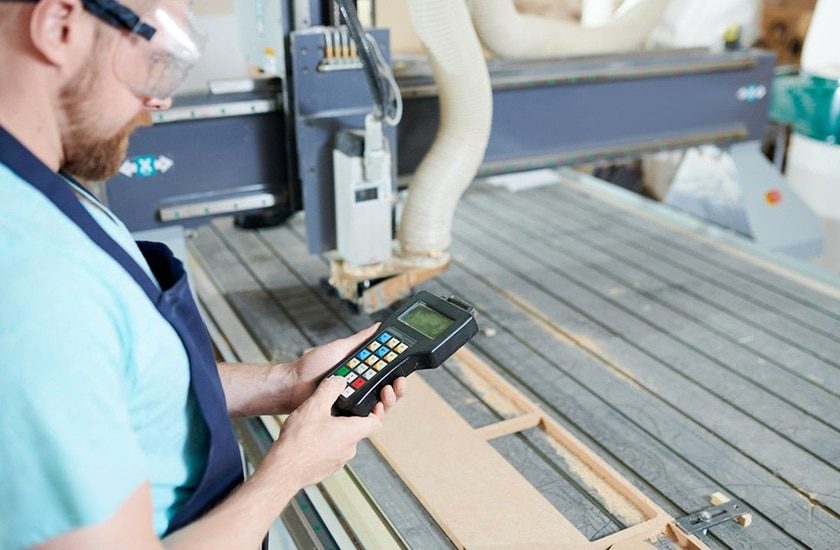
Výrobní kapacita AccTek CNC

Learn about AccTek CNC’s manufacturing capacity, covering CNC router production, strict quality control, precision testing, and customized machine sizes, tooling, and functions.
Home » O nás » Výrobní kapacita

Úvod

AccTek CNC manufactures CNC routers for businesses that need reliable cutting, engraving, drilling, and carving capabilities. Based in Shandong, China, we combine standardized machine platforms with customizable configurations to serve workshops, growing manufacturers, and industrial production facilities. Our focus is on building machines that match the customer’s materials, machining tasks, and operating requirements. Our product range includes 3-axis, 4-axis, 5-axis, automatic tool changer, rotary axis, and multi-head CNC routers. These configurations support applications ranging from flat panel cutting and decorative engraving to cylindrical carving and complex three-dimensional machining. Material suitability depends on the selected machine, spindle, tooling, and processing conditions.
Our manufacturing approach brings together configuration planning, component selection, mechanical assembly, electrical integration, controller setup, and performance testing. Each stage contributes to the accuracy, stability, and usability of the finished machine. By coordinating these elements, we help customers establish a practical CNC routing solution for their production environment. Whether you are purchasing your first CNC router, replacing existing equipment, or expanding your machining capabilities, AccTek CNC offers the manufacturing flexibility and technical support needed to move from application requirements to a suitable machine configuration.

Kontrola a testování kvality
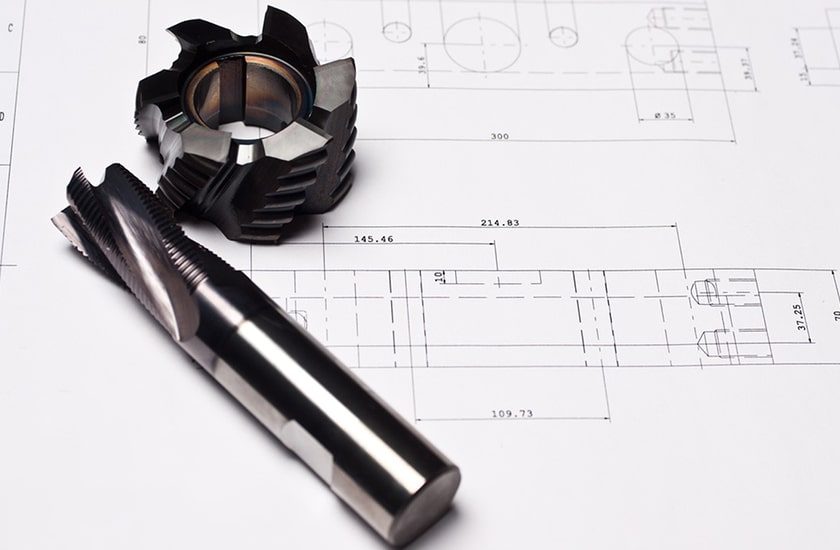
Reliable CNC routing begins with consistent manufacturing quality. AccTek CNC applies quality checks throughout production, covering incoming materials and components, mechanical assembly, electrical systems, machine operation, and finished machining results. Our inspection process evaluates how individual components perform and how they work together as a complete system.
Material and Component Inspection

Material and Component Inspection

Machine quality depends on the parts used to build it. We inspect materials and components against the selected configuration, checking their condition, specification, and suitability for assembly. This includes the mechanical, electrical, and electronic components that contribute to machine movement, spindle operation, and control. Checking these items before and during assembly helps identify mismatched specifications, visible defects, and installation issues before they affect the completed machine.

Machine Structure and Mechanical Alignment

The machine bed, gantry, worktable, and motion components provide the foundation for stable machining. Inspection focuses on bed leveling, structural condition, assembly alignment, and dimensional consistency. A correctly assembled structure helps the machine resist cutting forces and maintain smooth movement. Rigidity and vibration are also relevant to machining quality, particularly when processing larger workpieces or using demanding cutting parameters.

Přesnost a opakovatelnost polohování

Accurate motion requires the controller, motors, transmission components, and guide systems to work together. Positioning and repeatability checks evaluate whether the machine reaches commanded locations consistently. These checks help assess the performance of the motion system. Finished-part accuracy is then considered alongside tooling, material behavior, workholding, and machining parameters, since each can influence the final result.

Spindle, Tooling, and Tool Change Performance
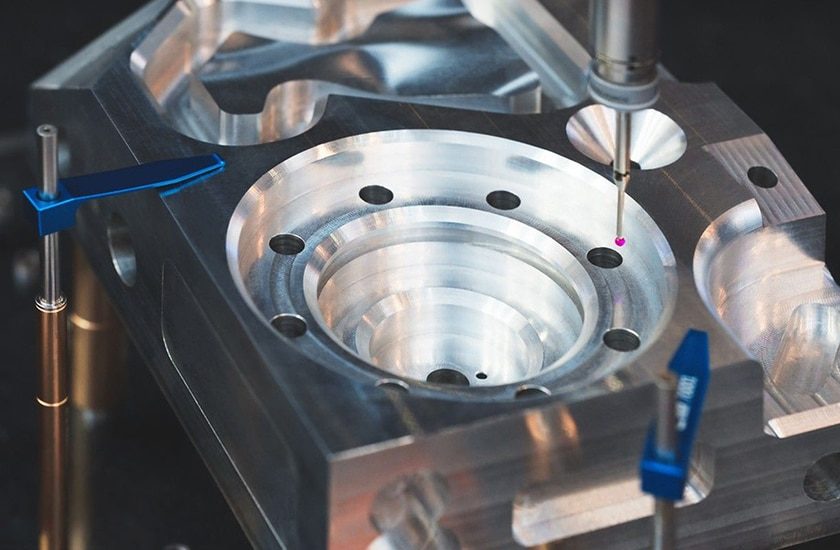
Spindle performance affects cutting stability, surface finish, and tool life. Relevant checks assess spindle operation, vibration, cooling performance, and tool calibration. For automatic tool changer models, testing also covers the interaction between the spindle, tool magazine, tool positions, and programmed change sequence. Reliable tool changes help maintain a continuous workflow when a job requires several cutting, drilling, or engraving tools.
Přesnost a opakovatelnost polohování
Controller and Software Verification

Controller and Software Verification

The CNC controller must interpret machining instructions correctly and coordinate the installed machine functions. Verification can include axis directions, homing, travel limits, spindle commands, tool offsets, and supported auxiliary outputs. Where software integration forms part of the project, testing also considers file preparation, post-processor output, coordinate settings, and machining sequences. Controlled program checks and trial operation help identify configuration problems before routine production begins.

Electrical and Safety Function Checks

Electrical and electronic components are checked as part of the completed machine inspection. Functional testing includes emergency stop responses and the relevant protective functions installed on the selected model. The inspection scope reflects the actual machine configuration. Safety functions, operating instructions, and installation requirements should be reviewed together so that the equipment can be integrated appropriately into the customer’s workplace.

Trial Machining and Surface Quality Evaluation

Trial machining provides a practical view of machine performance. Cutting and engraving results can reveal issues that are less apparent during movement checks alone, including vibration marks, inconsistent depth, poor workholding, and unsuitable machining settings. Where an application requires sample testing, representative materials and drawings help establish a meaningful comparison. Dimensions, edge quality, detail reproduction, and surface finish can then be assessed against the intended production task.

Operating Stability and Pre-Delivery Review
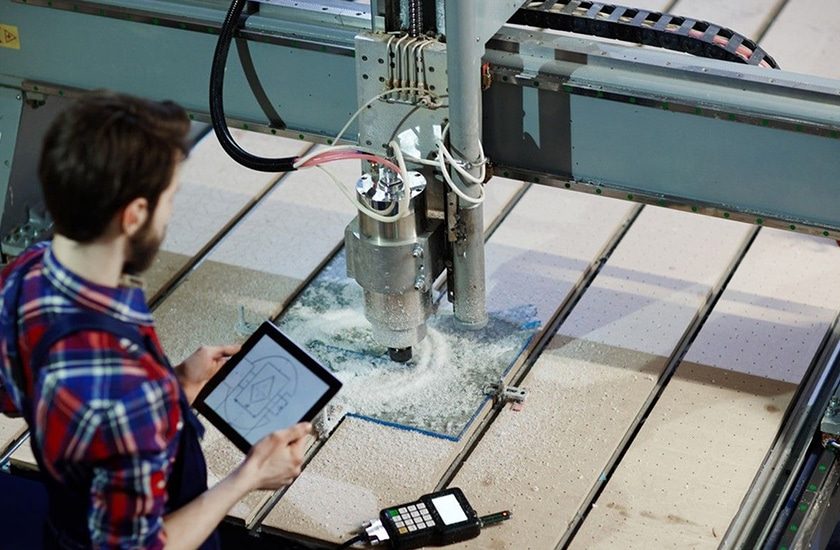
Additional checks address feed rate, acceleration, temperature behavior, power consumption, and applicable auxiliary systems, including dust collection. The purpose is to assess machine operation under the conditions relevant to its configuration. For projects with specific acceptance requirements, discuss the inspection scope, sample materials, tolerances, and requested records during technical planning. Agreeing on these details early creates a clear basis for reviewing the machine before shipment.
Trial Machining and Surface Quality Evaluation

Zakázková výroba

Different production tasks require different machine configurations. AccTek CNC provides customized manufacturing options that help customers match CNC router capabilities to their workpieces, processes, and workshop conditions. Customization may involve machine dimensions, tooling arrangements, component selection, or additional functions, subject to technical feasibility.

Application Assessment and Configuration Planning

We begin with the work you need to complete. Useful information includes material type, maximum workpiece dimensions, thickness, required machining operations, surface finish expectations, and production volume. These details help determine an appropriate working area, spindle, worktable, control system, tooling arrangement, and accessory package. Reviewing the complete application also helps identify practical requirements such as loading access, dust extraction, and operator workflow.

Spindle and Cutting Tool Configuration

Spindle selection depends on the material, cutting depth, tool diameter, machining strategy, and expected workload. Power, operating speed, cooling method, and tool compatibility should be considered together. For applications involving several operations, the tooling configuration can be planned around rough cutting, finishing, drilling, grooving, and engraving. This helps create a more efficient machining sequence and reduces unnecessary setup changes.

Worktable and Material Holding Options

Secure workholding is essential for repeatable results. Depending on the model and application, suitable arrangements may include vacuum holding, mechanical clamping, or T-slot fixtures. The choice depends on material size, surface condition, part geometry, and cutting forces. Effective workholding helps prevent movement during machining while maintaining practical access for loading, tool travel, and finished-part removal.

Working Area and Workpiece Clearance

Machine dimensions should suit both the material and the way it will be processed. We help customers evaluate working area, workpiece clearance, and access requirements for sheet materials, thick components, or three-dimensional parts. The configuration must also account for fixtures and cutting tools. A suitable machining envelope provides room for the complete setup while fitting the available workshop space.

Automatic Tool Changing and Multi-Head Configurations

Automatic tool changer configurations support jobs that require several tools within one machining program. They help reduce manual intervention between operations and are useful for products involving cutting, drilling, profiling, and detailed finishing. Multi-head configurations offer another approach to production efficiency. Depending on the design, multiple heads can repeat the same pattern across several workpieces or support different processing steps. Selecting between these arrangements depends on part variety, batch size, and the required workflow.

Rotary and Multi-Axis Machining

Rotary axis configurations support suitable cylindrical and curved workpieces, including furniture legs, decorative posts, and carved columns. The rotary device, workpiece dimensions, tooling, and programming method must be considered as a coordinated setup. For more complex shapes, suitable multi-axis configurations provide additional tool access. Five-axis CNC routers can approach surfaces from different angles, helping reduce repeated repositioning when machining appropriate three-dimensional components.

Control Systems, Software, and Auxiliary Equipment

Customization also includes how the machine fits into the customer's digital and physical workflow. Controller functions, CAD/CAM compatibility, post-processors, file transfer, and tool information should match the selected machine and machining tasks. Depending on the model and project, supporting equipment may include dust collection, vacuum systems, tool measurement, lubrication, and other compatible accessories. Integration requirements are reviewed according to the functions available on the proposed configuration.

Technical Confirmation Before Manufacturing

A clear configuration provides a shared reference for the project. Before placing an order, review the machine model, working dimensions, major components, included accessories, electrical supply requirements, software scope, and agreed testing arrangements. This review helps connect the quotation with the actual production requirement and gives both teams a clear basis for manufacturing, inspection, and delivery planning.

Certifikace a shoda

Build Your CNC Routing Capacity With AccTek CNC

Choose CNC routers configured for the work your business needs to complete. Whether your priority is accurate panel cutting, detailed engraving, automatic tool changing, cylindrical carving, or complex three-dimensional machining, AccTek CNC can help you evaluate a solution that matches your application and production goals.
Tell us about your materials and thicknesses, maximum workpiece dimensions, required operations, finish expectations, production volume, and installation location. Drawings, photographs, or sample part details help our team understand your requirements and prepare a relevant recommendation and quotation.
We can discuss suitable working areas, spindle specifications, control systems, workholding methods, and automation options, together with practical requirements such as workshop space, electrical supply, and dust extraction. If you need to assess machining results before purchasing, contact us to discuss sample suitability, testing arrangements, and evaluation criteria before sending materials. Testing can focus on dimensions, edge quality, surface finish, and other agreed application requirements.
Our support extends to machine operation, operator training, software integration, maintenance guidance, and spare parts, helping you plan for daily equipment use. Contact AccTek CNC today to discuss your application, compare suitable configurations, and take the next step toward your CNC routing solution.
* Vážíme si vašeho soukromí. Společnost AccTek CNC se zavazuje chránit vaše osobní údaje. Veškeré údaje, které poskytnete při odeslání formuláře, budou přísně důvěrné a použity pouze k vyřízení vašeho dotazu. Vaše informace nesdílíme, neprodáváme ani nezveřejňujeme třetím stranám. Vaše data jsou bezpečně uložena a zpracovávána v souladu s našimi zásadami ochrany osobních údajů.
Ikona AccTek
Přehled o ochraně osobních údajů

Tento web používá soubory cookie, abychom vám mohli poskytnout nejlepší uživatelskou zkušenost. Informace o souborech cookie jsou uloženy ve vašem prohlížeči a provádějí funkce, jako je rozpoznávání vás při návratu na naše webové stránky a pomoci našemu týmu porozumět, které části webu považujete za zajímavé a užitečné.