

- 8-13 Dakika Okuma
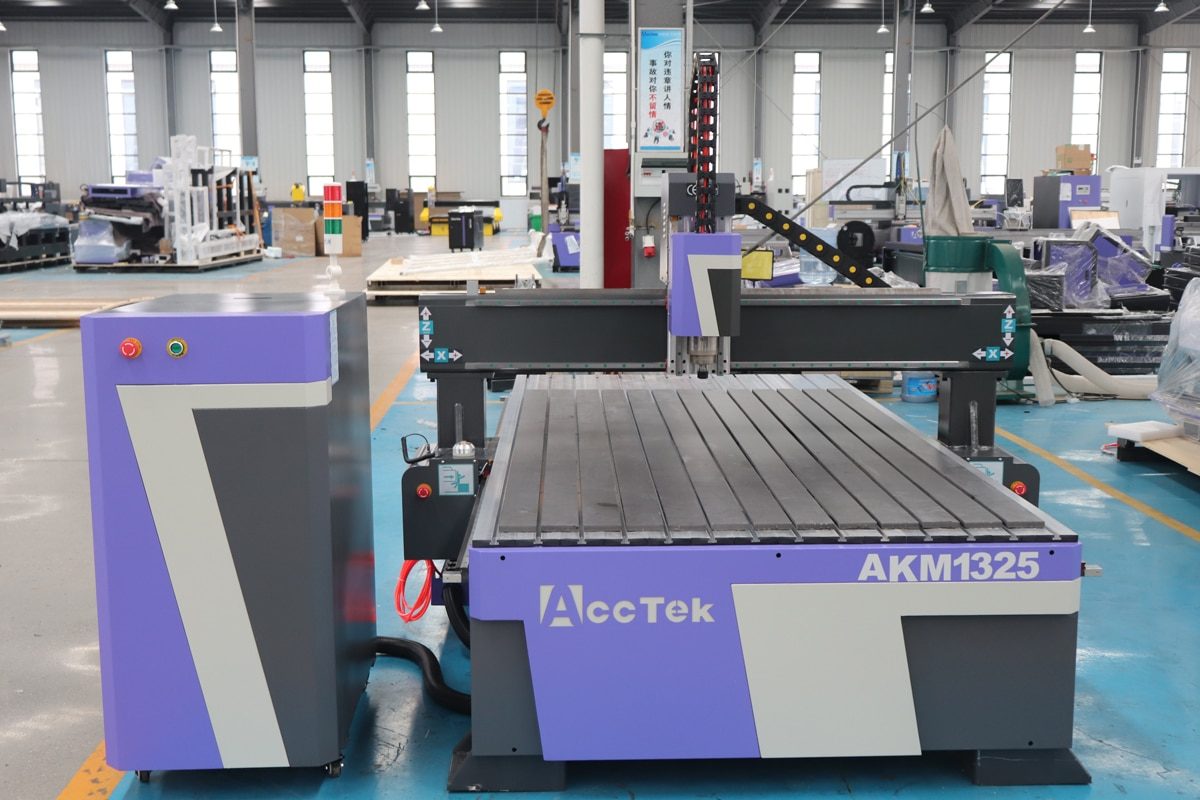
CNC router kullanırken , işinizin kalitesini ve aletlerinizin ömrünü belirleyen en önemli faktörlerden biri, malzemeniz için doğru ilerleme hızı ve iş mili hızını seçmektir. Bu iki ayar, malzemenin ne kadar verimli bir şekilde çıkarıldığını, bitmiş yüzeyin pürüzsüzlüğünü ve makinenize ve kesici uçlarınıza binen stresi doğrudan etkiler. Yanlış ayarlar kullanmak, yanmış kenarlara, kırık aletlere veya yetersiz kesimlere neden olabilir.
Bu makale, ilerleme hızı ve iş mili hızının temellerini açıklayacak, bunların nasıl etkileşimde bulunduğunu anlatacak ve malzemenize ve takımınıza göre doğru kombinasyonu nasıl seçeceğinizi gösterecektir. Bu ayarları etkileyen ana faktörleri ele alacak, çeşitli malzemeler için genel öneriler sunacak ve kurulumunuzu nasıl test edip ayarlayacağınıza dair pratik ipuçları vereceğiz. İster CNC yönlendirmeye yeni başlıyor olun ister tekniklerinizi geliştirmek istiyor olun, ilerleme hızı ve hızı anlamak çalışmalarınızı bir üst seviyeye taşıyacaktır.
Temel Kavramları Anlamak
CNC router'ınız için en uygun ayarları belirlemeden önce, ilerleme hızı ve iş mili hızı gibi temel kavramları anlamak önemlidir. Bu değerler, malzemenin nasıl kesileceğini belirlemek için birlikte çalışır ve bunları doğru şekilde ayarlamak, temiz, doğru ve verimli sonuçlar elde etmenin temelidir. Her bir terimin ne anlama geldiğini ve birbirleriyle nasıl ilişkili olduklarını inceleyelim.
Besleme Oranı Nedir?
Besleme hızı, CNC frezeleme sırasında kesici takımın X, Y veya Z ekseni boyunca malzeme içinden hareket ettiği hızı ifade eder. Genellikle milimetre/dakika (mm/dak) veya inç/dakika (in/dak) olarak ölçülür. Daha basit bir ifadeyle, kesici ucun iş parçasına ne kadar hızlı bir şekilde ilerlediğini gösterir.
Daha yüksek ilerleme hızı, kesici ucun iş parçası boyunca daha hızlı hareket etmesi anlamına gelir; bu da verimliliği artırabilir ancak yanlış ayarlanırsa kaliteyi tehlikeye atabilir veya aleti zorlayabilir. Tersine, yavaş ilerleme hızı aşırı ısınmaya, yanmaya veya kesici ucun körelmesine neden olabilir. Doğru ilerleme hızı, malzeme türüne, takım geometrisine ve makine kapasitesine bağlıdır.
Mil hızı nedir?
İş mili hızı, bir CNC router'da kesici takımın veya freze ucunun dönüş hızını ifade eder ve dakikadaki devir sayısı (RPM) olarak ölçülür. Bu hız, iş mili motorunun dönüş hızını belirler ve bu da ucun kesilen malzemeyle etkileşimini doğrudan etkiler. İş mili hızı, kesme sıcaklığını, yüzey kalitesini ve işleme sürecinin genel verimliliğini kontrol etmede önemli bir rol oynar.
Daha yüksek iş mili hızı, genellikle daha yumuşak malzemeler ve daha küçük uçlar için kullanılır, çünkü bu daha temiz kesimler ve daha düşük direnç sağlar. Öte yandan, daha sert malzemeler ve daha büyük uçlar genellikle aşırı ısınmayı ve takım aşınmasını önlemek için daha düşük iş mili hızları gerektirir. Doğru iş mili hızının ayarlanması, daha düzgün çalışma sağlar, takım ömrünü uzatır ve yanma, kırılma veya erime gibi kusurların önlenmesine yardımcı olur.
İlerleme Hızı ve Mil Hızı Arasındaki İlişki
İlerleme hızı ve iş mili hızı, talaş yükü olarak bilinen şeyi kontrol etmek için birlikte çalışır; bu, kesici ucun her bir kenarı tarafından kaldırılan malzemenin kalınlığıdır. İdeal bir talaş yükü, aleti aşırı yüklemeden veya malzemeye zarar vermeden verimli kesim sağlar. Talaş yükü şu formül kullanılarak hesaplanabilir:
İlerleme Hızı = Mil Hızı × Oluk Sayısı × Talaş Yükü
Bu, bir değeri ayarlamanın genellikle optimum performansı korumak için diğerinde de değişiklikler gerektirdiği anlamına gelir. Örneğin, iş mili hızını artırmak, talaş yükünü tutarlı tutmak için genellikle daha yüksek bir ilerleme hızı gerektirir. Benzer şekilde, oluk sayısını azaltırsanız veya farklı bir malzemeye geçerseniz, ayarlarınızı buna göre düzenlemeniz gerekecektir.
İlerleme Hızı ve İş Mili Hızını Etkileyen Faktörler
CNC router kullanırken optimum ilerleme hızı ve iş mili hızını etkileyen birçok faktör vardır. Bu değişkenleri anlamak, daha iyi performans, takım ömrü ve malzeme kalitesi için bilinçli ayarlamalar yapmanıza yardımcı olur. İşte dikkate alınması gereken temel noktalar:
Malzeme Türü
- Yumuşak Malzemeler: Çam, köpük, yumuşak plastikler veya yumuşak ağaçlar gibi malzemeler genellikle daha kolay kesilir ve daha yüksek ilerleme hızlarına ve daha yüksek mil hızlarına olanak tanır. Bununla birlikte, lifli yapıları nedeniyle, aşırı agresif ayarlar yırtılmaya veya kıymıklanmaya neden olabilir. Keskin bir uç ve orta derinlikte kesim önerilir.
- Sert Malzemeler: Meşe, alüminyum, sert ağaçlar veya kompozitler gibi malzemeler daha yoğundur ve kesime karşı daha dirençlidir. Aşırı ısınmayı, takımın körelmesini veya kırılmasını önlemek için daha yavaş ilerleme hızları ve daha düşük iş mili hızları gerektirirler. Daha yavaş ayarlar, işleme süresini artırsa da, kontrolü korumaya, titreşimi azaltmaya ve yüzey kalitesini iyileştirmeye yardımcı olur.
Takım Özellikleri
- Takım Çapı: Daha büyük çaplı takımlar, devir başına daha fazla malzeme çıkardıkları ve daha fazla stabilite sağladıkları için daha düşük iş mili hızlarına izin verir ancak daha yüksek ilerleme hızlarına olanak tanır. Daha küçük çaplı takımlar, takım kenarında uygun kesme hızını korumak için daha yüksek iş mili hızlarına ve takımın sapmasını veya kırılmasını önlemek için daha düşük ilerleme hızlarına ihtiyaç duyar.
- Oluk Sayısı: Oluk sayısı, takımın her dönüşte malzemeyle kaç kez temas ettiğini belirler. Daha fazla oluk, takımın her devirde daha fazla malzeme çıkarabileceği anlamına gelir ve bu da daha yüksek ilerleme hızlarına olanak tanır, ancak talaş sıkışmasını önlemek için daha düşük iş mili hızları gerektirir.
- Takım Kaplaması: Kaplamalı takımlar daha yüksek sıcaklıklara dayanabilir, sürtünmeyi azaltabilir ve takım ömrünü uzatabilir. Bu, özellikle aşındırıcı veya ısıya duyarlı malzemeleri keserken, kaplamasız takımlara kıyasla daha yüksek iş mili hızlarında ve daha hızlı ilerleme hızlarında güvenli bir şekilde çalışabilecekleri anlamına gelir.
Makinenin Sertliği ve Gücü
- Masaüstü CNC Routerlar: Düşük rijitlikleri ve sınırlı güçleri nedeniyle yüksek kesme kuvvetlerini veya ağır malzeme kaldırma işlemlerini kaldıramazlar. Sonuç olarak, titreşimleri, adım atlamalarını ve mekanik zorlanmayı önlemek için daha yavaş ilerleme hızlarına ve orta düzeyde iş mili hızlarına ihtiyaç duyarlar. Bu makineleri çok zorlamak, takım titremesine, kötü yüzey kalitesine veya hatta yapısal hasara yol açabilir.
- Endüstriyel CNC Router'larÜstün rijitlikleri sayesinde kesme kuvvetlerini daha etkili bir şekilde emebilirler ve güçlü motorları, zorlu koşullar altında bile yüksek performanslarını korumalarını sağlar. Bu makineler, daha yüksek ilerleme hızlarında ve daha yüksek iş mili hızlarında güvenli bir şekilde çalışabilir, böylece verimliliği artırır ve hassasiyetten ödün vermeden daha derin veya daha hızlı kesimler yapılmasına olanak tanır.
Kesim Derinliği ve Genişliği
- Kesme Derinliği (DoC): Daha büyük bir kesme derinliği, her geçişte daha fazla malzeme çıkarır ancak kesme direncini, takım sapmasını ve ısı oluşumunu artırır. Sonuç olarak, daha derin bir kesim kullanırken, genellikle stabiliteyi korumak ve takım kırılmasını önlemek için ilerleme hızını azaltmanız veya iş mili hızını düşürmeniz gerekir.
- Kesme Genişliği (WoC): Daha geniş bir kesim, daha fazla takım teması ve daha yüksek kesme kuvvetleri anlamına gelir ve derin kesimlerde olduğu gibi ayarlamalar gerektirir. Genellikle temiz kesim sağlamak için daha yavaş bir ilerleme hızı ve orta düzeyde iş mili hızı kullanılır. Dar kesme genişlikleri daha az direnç oluşturur ve daha hızlı ilerlemeye olanak tanır.
Bu faktörleri birlikte değerlendirerek, CNC router ayarlarınızı her işin özel gereksinimlerine uyacak şekilde düzenleyebilir, optimum verimlilik ve yüksek kaliteli sonuçlar elde edebilirsiniz.
Malzemeye Göre Önerilen Başlangıç Noktaları
Her malzeme için doğru ilerleme hızı ve iş mili hızını seçmek, temiz kesimler, güvenli çalışma ve takım ömrünün uzaması için faydalıdır. Aşağıda yaygın malzemeler için genel başlangıç noktaları verilmiştir. Bu değerler bir temel teşkil eder ve özel takımınıza, makinenize ve istenen kesim kalitesine göre ince ayar yapılmalıdır. Her zaman test kesimleri yapın ve mümkün olduğunca takım üreticisinin yönergelerine başvurun.
yumuşak kereste
Çam, sedir ve köknar gibi yumuşak ağaçlar, düşük yoğunlukları ve lif yapıları nedeniyle nispeten kolay işlenir. Bununla birlikte, çok sert veya kör aletlerle kesildiklerinde kıymıklaşmaya eğilimli olabilirler.
- İş mili hızı: 18,000 – 21,000 devir/dakika
- Besleme Hızı: 3,000 – 5,000 mm/dak (120 – 200 inç/dak)
- Notlar: Yumuşak ağaç kolay kesildiği için, verimliliği artırmak amacıyla nispeten yüksek ilerleme hızları ve mil hızları kullanabilirsiniz. Ancak kırılgan veya düğümlü bölgelerde dikkatli olun ve yırtılma ve pürüzlü kenarları önlemek için uçunuzun her zaman keskin olduğundan emin olun.
Parke
Meşe, akçaağaç, ceviz ve huş ağacı gibi sert ağaçlar, yumuşak ağaçlara göre daha yoğun ve serttir; bu nedenle yanmayı, alet aşınmasını veya yırtılmayı önlemek için daha dikkatli besleme ve hız ayarları gerektirir.
- İş mili hızı: 16,000 – 18,000 devir/dakika
- Besleme Hızı: 2,000 – 3,500 mm/dak (80 – 140 inç/dak)
- Notlar: Sert ağaçlar kesim sırasında daha fazla direnç ve ısı üretir, bu nedenle tek seferde çok derine inmekten kaçının. Yanma belirtileri olup olmadığını kontrol edin ve gerekirse mil hızını azaltın veya ilerleme hızını biraz artırın.
MDF ve Kontrplak
MDF ve kontrplak, tutarlı yoğunluğa sahip işlenmiş ahşap ürünlerdir, ancak aşındırıcı olabilen ve takım aşınmasını artırabilen yapıştırıcılar ve reçineler içerirler. Yüksek iş mili hızlarına ve orta ilerleme hızlarına iyi yanıt verirler, ancak temiz kesim için keskin ve dayanıklı uçlar gereklidir.
- İş mili hızı: 18,000 – 20,000 devir/dakika
- Besleme Hızı: 2,500 – 4,000 mm/dak (100 – 160 inç/dak)
- Notlar: Özellikle kontrplak kullanırken, talaşlanmayı en aza indirmek için yüksek kaliteli, keskin bir karbür sıkıştırma ucu kullanın. Isı birikmesini önlemek için çok yavaş kesmekten kaçının.
Akrilik ve Plastikler
Akrilik ve diğer plastikler ahşaptan daha yumuşaktır ancak ısıya karşı oldukça hassastır. Mil hızı çok yüksek veya ilerleme hızı çok yavaş olursa, malzeme eriyebilir, uç tıkanabilir veya pürüzlü kenarlar oluşabilir.
- İş mili hızı: 12,000 – 16,000 devir/dakika
- Besleme Hızı: 1,500 – 3,000 mm/dak (60 – 120 inç/dak)
- Notlar: Erimeyi önlemek için, yüksek iş mili hızlarından ziyade daha hızlı ilerleme hızlarına öncelik verin ve takım yolunu talaşlardan temiz tutun. Talaş tahliyesini iyileştirmek ve ısı birikimini azaltmak için plastikler için tasarlanmış tek kanallı yukarı kesimli veya O kanallı uç kullanın.
Alüminyum ve Demir Dışı Metaller
Alüminyum ve pirinç, bakır gibi diğer demir dışı metaller, sertlikleri ve ısıya duyarlılıkları nedeniyle ilerleme hızı ve iş mili hızının dikkatli bir şekilde kontrol edilmesini gerektirir.
- İş mili hızı: 10,000 – 14,000 devir/dakika
- Besleme Hızı: 800 – 1,800 mm/dak (30 – 70 inç/dak)
- Notlar: Isıyı azaltmak ve talaş tahliyesini iyileştirmek için yağlayıcı veya basınçlı hava kullanın. Özellikle düşük güçlü veya daha az rijit makinelerde kesimi sığ ve tutarlı tutun. Talaş temizliğinin yetersiz olduğunu veya aşırı ısınmayı gösteren uçta birikmiş kenar (BUE) olup olmadığına dikkat edin.
Kompozitler ve Karbon Fiber
Karbon fiber, fiberglas ve G10 gibi kompozitler aşındırıcı, kırılgan ve katman ayrılmasına eğilimlidir. Katmanların yıpranmasını veya hasar görmesini önlemek için dikkatli takım kullanımı ve hassas ayarlar gerektirirler.
- İş mili hızı: 12,000 – 18,000 devir/dakika
- Besleme Hızı: 1,000 – 2,000 mm/dak (40 – 80 inç/dak)
- Notlar: Aşınmayı ve takım yıpranmasını azaltmak için kompozitler için tasarlanmış özel elmas kaplı veya katı karbür freze uçları kullanın. Katman ayrılmasına veya çatlamaya neden olabileceğinden, asla agresif kesme ayarları kullanmayın. Daima uygun havalandırma sağlayın ve koruyucu ekipman giyin.
Bu ayarlar önerilen başlangıç noktalarıdır ve takım çapına, yiv sayısına, makine rijitliğine ve kesme derinliğine bağlı olarak ayarlanması gerekebilir. Sonuçları daima izleyin ve en iyi performansı elde etmek için kademeli olarak ayarlama yapın.
Besleme ve Hız Ayarlarını İnce Ayarlama
Önerilen başlangıç noktalarıyla bile, CNC router'da optimum performansa ulaşmak genellikle ilerleme hızı ve iş mili hızının ince ayarını gerektirir. Ayarlamalar, malzeme davranışına, makine tepkisine ve kesim kalitesine göre yapılmalıdır. İşte ayarlarınızı sistematik olarak nasıl iyileştireceğiniz:
- Üretici Kılavuzları veya Hesaplayıcılarla Başlayın: Takım üreticisinin önerileriyle başlayın veya çevrimiçi bir ilerleme ve hız hesaplayıcısı kullanın. Bu araçlar, güvenilir temel değerler oluşturmak için takım çapı, yiv sayısı, malzeme türü ve talaş yükü gibi faktörleri dikkate alır. Bu veri odaklı yaklaşım size güçlü bir başlangıç noktası sağlar ve tahmini azaltır.
- Test Kesimleri Yapın: Takım davranışını ve yüzey kalitesini gözlemlemek için hurda malzeme üzerinde küçük test kesimleri yapın. Gördüklerinize ve duyduklarınıza göre ilerleme hızını ve devir sayısını küçük artışlarla ayarlayın. Bu, genellikle belirli makineniz ve uç için ideal ayarları belirlemenin en güvenilir yoludur.
- Kesim Sesini Dinleyin: Çalışma sırasında kesim sesine dikkatlice kulak verin. Temiz ve istikrarlı bir ses genellikle ilerleme hızı ve devir hızının iyi eşleştiğini gösterir. Gıcırdama, tıkırtı veya düzensiz taşlama sesleri genellikle takımın aşırı yüklendiği veya temiz kesim yapmadığı anlamına gelir ve ilerleme hızı, iş mili hızı veya kesim derinliğinde ayarlamalar gerektirir.
- Talaş oluşumunu izleyin: İyi şekillenmiş, kıvrılmış talaşlar optimum kesme koşullarını gösterir. Toz benzeri kalıntılar çok yüksek mil hızı veya çok düşük ilerleme hızı anlamına gelebilirken, kalın, düzensiz talaşlar aşırı agresif kesimleri gösterebilir.
- Yüzey İşlemini ve Kenar Kalitesini Kontrol Edin: Test kesiminden sonra, kesilen kenarları inceleyin. Pürüzsüz, temiz kenarlar, ilerleme hızı ve devir hızı arasında iyi bir uyum olduğunu gösterir. Pürüzlü, yanmış veya kırık kenarlar, bir parametrede dengesizlik olduğunu, genellikle çok hızlı veya çok yavaş olduğunu gösterir.
- Değişkenlerden yalnızca birini aynı anda ayarlayın: Değişikliklerin etkilerini izole etmek için, ilerleme hızını veya iş mili hızını aynı anda değil, yalnızca birini ayarlayın. Bu, hangi parametrenin soruna neden olduğunu veya sorunu çözdüğünü net bir şekilde belirlemenizi sağlar.
- Başarılı Ayarları Kaydedin: Başarılı bir yapılandırma elde ettikten sonra, bunu kaydedin. Farklı malzemeler ve aletler için kanıtlanmış ayarların kaydını tutmak, gelecekteki projelerde zamandan tasarruf sağlayacak ve tutarlılığın korunmasına yardımcı olacaktır.
Besleme ve iş mili hızının ince ayarı, gözlem, ayarlama ve test etme sürecidir. Ses, talaş kalitesi, yüzey kalitesi ve makine performansına dikkat ederek, CNC router'ınızın verimliliğini ve kesim kalitesini çok çeşitli malzeme ve uygulamalarda optimize edebilirsiniz.
Güvenlik Hususları
CNC router'ı ayarlarken ve çalıştırırken güvenlik her zaman öncelikli olmalıdır. Besleme hızı ve iş mili hızı ayarları sadece kesme performansını etklemekle kalmaz, aynı zamanda makinenin ne kadar güvenli çalıştığını da etkiler. İşte akılda tutulması gereken önemli güvenlik hususları:
- Öncelikle ihtiyatlı Ayarlarla Başlayın: Özellikle alışılmadık malzemeler veya aletlerle çalışırken, her zaman ihtiyatlı ilerleme hızı ve devir değerleriyle başlayın. Agresif ayarlar, takım kırılmasına, iş parçasının geri tepmesine veya makine kontrolünün kaybına neden olabilir.
- Uygun Aletler Kullanın ve İş Parçasını Güvenli Bir Şekilde Sabitleyin: Malzeme için doğru tipte uç kullandığınızdan ve ucun iyi durumda olduğundan emin olun. Körelmiş veya uygun olmayan uçlar basınç altında kırılma olasılığı daha yüksektir. İş parçasını daima sıkıca kelepçeleyin veya sabitleyin.
- Aşırı Isınmayı Önleyin: Yüksek iş mili hızları düşük ilerleme hızlarıyla birleştiğinde aşırı ısı üretebilir; bu da malzeme yanmasına, takım arızasına veya ahşap veya plastik gibi yanıcı malzemelerde yangın riskine yol açabilir. Sıcaklıkları izleyin ve gerektiğinde soğutma veya toz emme sistemleri kullanın.
- Uygun Kişisel Koruyucu Ekipman Kullanın: Gözlerinizi talaş veya tozdan korumak için daima koruyucu gözlük takın ve uzun süreli gürültüye maruz kalmaktan kaynaklanan işitme hasarını önlemek için kulak koruyucu kullanın. Tehlikeli maddeleri keserken toz maskesi veya solunum cihazı takın.
- Çalışma Sırasında Güvenli Mesafeyi Koruyun: Makine hareket halindeyken asla çalışma alanına elinizi uzatmayın. Ayarlamalar gerekiyorsa, önce makineyi duraklatın veya tamamen durdurun. Dikkat dağıtıcı unsurlardan kaçının ve makine çalışırken asla gözetimsiz bırakmayın.
- Düzenli Bakım ve Kontrol: Her seans öncesinde gevşek vidaları, aşınmış rulmanları ve hasarlı telleri kontrol edin. İyi bakımlı bir makinenin mekanik arıza nedeniyle kaza yapma olasılığı çok daha düşüktür.
CNC router'ın güvenli kullanımı, hassas kesim kadar önemlidir. Yukarıdaki güvenlik önlemlerini uygulayarak riski en aza indirebilir ve güvenle hassas, yüksek kaliteli sonuçlar elde etmeye odaklanabilirsiniz. Güvenliğe öncelik vermek, hem operatörün hem de ekipmanın en iyi performansını sergilediği kontrollü, verimli ve güvenli bir çalışma ortamı yaratmaya yardımcı olur.
Özetlemek
Doğru ilerleme hızı ve iş mili hızını seçmek büyük ölçüde kestiğiniz malzemenin türüne bağlıdır. Her malzemenin, nasıl işlenmesi gerektiğini etkileyen benzersiz özellikleri vardır. Daha yumuşak malzemeler genellikle daha yüksek hızlara ve ilerleme hızlarına dayanırken, daha sert veya daha kırılgan malzemeler daha yavaş ve daha hassas ayarlara ihtiyaç duyar. Önerilen değerlerle başlayarak, doğru aletleri kullanarak ve performansa ve kesim kalitesine bağlı olarak küçük ayarlamalar yaparak, verimli, doğru ve güvenli CNC işleme sonuçları elde edebilirsiniz.
AccTek CNC, dayanıklılık, hassasiyet ve çok yönlülüğü bir araya getiren geniş bir makine yelpazesi sunmasıyla tanınan, Çin'de profesyonel bir CNC router üreticisidir. 3 eksenli , 4 eksenli , 5 eksenli ve otomatik takım değiştirici (ATC) modelleri de dahil olmak üzere seçeneklerle, hem küçük atölyeler hem de büyük ölçekli üreticiler için özel çözümler sunuyoruz. Uygun maliyetli, güvenilir ve özelleştirme seçenekleri sunan CNC router arayan işletmeler için AccTek CNC, dikkate değer bir üreticidir.