

- 25-35 Dakika Okuma
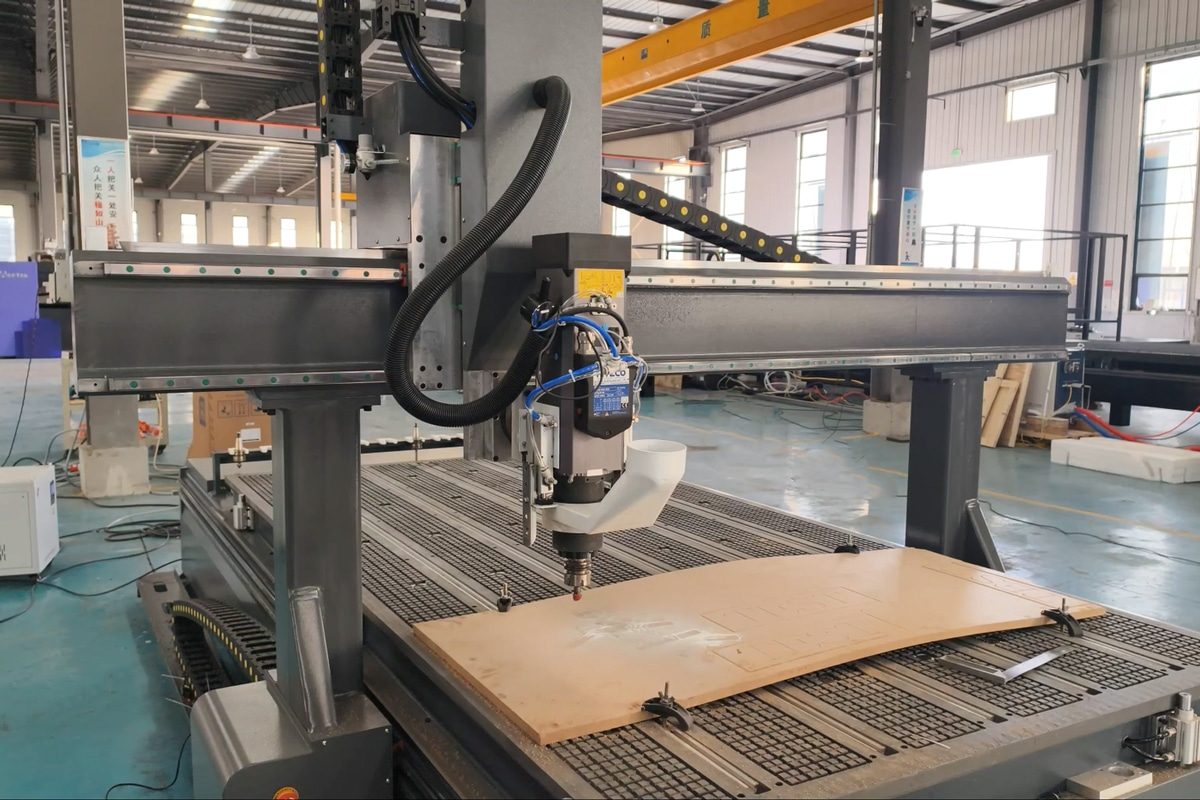
Ahşap , çok yönlülüğü, doğal görünümü ve geniş uygulama yelpazesi nedeniyle CNC işlemede en yaygın kullanılan malzemelerden biri olmaya devam etmektedir. Özel mobilya ve dolaplardan dekoratif oymalara ve tabelalara kadar, CNC routerlar ahşap işçilerine ve üreticilerine yüksek hassasiyet, tekrarlanabilirlik ve verimlilik elde etme olanağı sağlar. Bununla birlikte, başarılı ahşap işleme, işlenen malzemenin özelliklerini anlamaya büyük ölçüde bağlıdır. Sert ağaç ve yumuşak ağaç ilk bakışta benzer görünebilir, ancak yoğunluk, tane yapısı, nem davranışı ve işleme tepkisindeki farklılıklar, kesme performansını, yüzey kalitesini, takım aşınmasını ve genel üretim verimliliğini önemli ölçüde etkileyebilir.
Sert ağaçlar, yoğunlukları ve dayanıklılıkları nedeniyle genellikle daha muhafazakar kesme parametreleri ve dayanıklı takımlar gerektirirken, yumuşak ağaçlar genellikle daha yüksek işleme hızlarına izin verir ancak kıymık oluşumu, tüylenme veya reçine birikimi gibi zorluklar ortaya çıkarabilir. Bu makale, sert ve yumuşak ağaç işleme arasındaki temel farklılıkları inceliyor, her biri için en iyi takım ve kesme stratejilerini karşılaştırıyor ve ilerleme hızları, devir hızları, son işlem teknikleri ve yaygın sorun giderme yöntemleri hakkında pratik rehberlik sağlıyor. İster yeni başlayan ister deneyimli bir CNC operatörü olun, bu ayrımları anlamak, işleme sonuçlarını optimize etmenize ve ahşap bazlı CNC projelerinin kalitesini artırmanıza yardımcı olacaktır.
Sert Ağaç ve Yumuşak Ağaç Türlerini Anlamak
CNC ahşap frezeleme için kesme parametrelerini, takımları veya işleme stratejilerini seçmeden önce, sert ağaç ve yumuşak ağaç arasındaki temel farklılıkları anlamak çok önemlidir. Her iki malzeme de ağaç işleme ve imalatta yaygın olarak kullanılsa da, yoğunluk, tane yapısı, nem davranışı, dayanıklılık ve işleme performansı açısından önemli ölçüde farklılık gösterirler. Bu farklılıklar, kesme verimliliğini, yüzey kalitesini, takım aşınmasını ve genel üretim sonuçlarını doğrudan etkiler. Her ağaç türünün özelliklerini anlayarak, CNC operatörleri daha bilinçli kararlar verebilir ve daha iyi hassasiyet, verimlilik ve malzeme kullanımı için işleme süreçlerini optimize edebilirler.
Sert ağaç nedir?
Sert ağaç, yapraklarını mevsimsel olarak döken geniş yapraklı ağaçlardan elde edilen ağaçtır. Bu ağaçlar genellikle yumuşak ağaç türlerine göre daha yavaş büyür, bu da daha yoğun, daha sıkı damar desenlerine sahip ve daha yüksek yapısal mukavemete sahip bir ağaç elde edilmesini sağlar. Sert ağaç, dayanıklılığı, boyutsal kararlılığı ve çekici görünümü nedeniyle ağaç işleme ve CNC yönlendirme uygulamalarında yaygın olarak kullanılır. Yaygın sert ağaç türleri arasında meşe, akçaağaç, ceviz, kiraz, maun ve huş ağacı bulunur ve her biri benzersiz damar dokuları, renkler ve işleme özellikleri sunar.
Yumuşak ağaç nedir?
Yumuşak ağaç, genellikle geniş yapraklar yerine iğne ve kozalak üreten, her daim yeşil kalan iğne yapraklı ağaçlardan elde edilen ağaçtır. Bu ağaçlar genellikle sert ağaç türlerinden daha hızlı büyür, bu da genellikle daha hafif yoğunlukta ve işlenmesi daha kolay bir ağaç elde edilmesini sağlar. CNC yönlendirmede kullanılan yaygın yumuşak ağaç türleri arasında çam, sedir, ladin, köknar ve sekoya bulunur. Geniş bulunabilirliği, düşük maliyeti ve işlenmesinin kolaylığı nedeniyle yumuşak ağaçlar sıklıkla inşaat, tabela, mobilya bileşenleri, dekoratif projeler ve prototip üretiminde kullanılır.
Sert ağaç ve yumuşak ağaç arasındaki temel farklar
CNC ağaç işlemede hem sert ağaç hem de yumuşak ağaç yaygın olarak kullanılsa da, fiziksel özellikleri, işleme davranışları ve genel performansları bakımından önemli farklılıklar gösterirler.
- Yoğunluk Karşılaştırması: Sert ağaç türleri genellikle daha yoğun ve ağırdır. Meşe, akçaağaç ve ceviz gibi ağaçlar yüksek mukavemet ve dayanıklılık sunar, ancak yoğunlukları ve sertlikleri nedeniyle daha dikkatli işlenmeleri gerekir. Çam, sedir ve ladin gibi yumuşak ağaçlar ise genellikle daha hafif ve daha az yoğundur. Daha yumuşak lif yapıları, daha kolay kesim ve daha hızlı işlemeye olanak tanır, ancak yüzey kusurlarını düzeltmek için ek son işlem gerektirebilir.
- Tanecik Yapısı Farklılıkları: Sert ağaçlar genellikle daha sıkı ve karmaşık tanecik desenlerine sahiptir; bu da görünümü iyileştirebilir ancak tanecik yönüne dik kesimlerde yırtılma riskini artırır. Yumuşak ağaçlar genellikle daha düz ve açık tanecik yapılarına sahiptir; bu da işlenmelerini kolaylaştırır ancak bazen kıymık oluşumuna daha yatkın hale getirir.
- Nem Davranışı: Sert ağaçlar, yoğun yapıları nedeniyle nemi daha yavaş emer; bu da kontrollü ortamlarda stabiliteyi artırabilir. Yumuşak ağaçlar ise daha açık hücre yapısı nedeniyle nemi daha hızlı emer ve salar. Bu durum genleşme, büzülme ve eğilme riskini artırabilir.
- Reçine ve Özsu İçeriği: Birçok yumuşak ağaç türü yüksek miktarda doğal reçine ve özsu içerir. CNC frezeleme sırasında bu maddeler kesici takımlarda birikerek kesme verimliliğini düşürür ve ısı birikimini artırır. Sert ağaçlar genellikle daha az reçine içerir, ancak bazı türlerde işleme davranışını etkileyebilecek doğal yağlar bulunur. Sert ağaçlar daha az yapışkan kalıntı ürettiği için, genellikle daha az takım kirlenmesiyle daha temiz kesme işlemleri sağlarlar.
- Boyutsal Stabilite: Sert ağaç, yoğunluğu ve daha yavaş büyüme özellikleri nedeniyle genellikle daha iyi boyutsal stabilite sunar. Yumuşak ağaç ise değişen çevresel koşullar altında genleşme, büzülme ve deformasyona daha yatkın olabilir. Yumuşak ağacı CNC projelerinde kullanırken uygun kurutma, yalıtım ve depolama özellikle önemlidir.
- Yüzey İşleme Özellikleri: Sert ağaç, CNC frezeleme işleminden sonra genellikle daha pürüzsüz ve daha rafine yüzey işlemleri sağlar. Yoğun lif yapısı, keskin kenarları, detaylı oymaları ve minimum lif kalkmasıyla yüksek kaliteli işlemeyi destekler. Yumuşak ağaç, daha yumuşak lifleri nedeniyle işleme sırasında bulanık yüzeyler, kıymık oluşumu veya sıkıştırma izleri oluşturma olasılığı daha yüksek olduğundan, ek zımparalama ve işleme gerektirebilir.
- Maliyet ve Bulunabilirlik: Sert ağaç, daha yavaş büyüme oranları, artan işleme süresi ve üst düzey ağaç işleme endüstrilerindeki daha yüksek talep nedeniyle genellikle yumuşak ağaçtan daha pahalıdır. Bazı egzotik sert ağaçlar özellikle maliyetli olabilir ve özel işleme teknikleri gerektirebilir. Yumuşak ağaç genellikle daha uygun fiyatlı ve yaygın olarak bulunur, bu da onu büyük ölçekli üretim, inşaat projeleri, prototipleme ve bütçe bilincine sahip ağaç işleme uygulamaları için popüler bir seçim haline getirir.
Sert ağaç ve yumuşak ağaç arasındaki farkları anlamak, başarılı CNC ahşap işleme için kritik bir temeldir. Sert ağaç genellikle daha fazla mukavemet, dayanıklılık ve incelikli işleme yetenekleri sunarken, yumuşak ağaç daha kolay işlenebilirlik, daha yüksek kesme hızları ve daha düşük malzeme maliyetleri sağlar. Her malzeme, uygun takım, ilerleme hızı, iş mili hızı ve işleme teknikleri gerektiren benzersiz avantajlar ve işleme zorlukları sunar. Bu ağaç türlerinin CNC işleme sırasında nasıl davrandığını anlayarak, operatörler kesme performansını iyileştirebilir, kusurları azaltabilir, takım ömrünü uzatabilir ve çok çeşitli uygulamalarda daha yüksek kaliteli ahşap işleme sonuçları elde edebilir.
Ağaç İşleme için CNC Router Yapılandırması
Doğru CNC router konfigürasyonu, güvenilir ve yüksek kaliteli ağaç işleme sonuçları elde etmede kritik bir adımdır. Genel işleme kurulumlarının aksine, ağaç işleme, sert ağaç ve yumuşak ağaç arasındaki farklılıklar da dahil olmak üzere malzeme davranışının yanı sıra kesme kuvvetlerine, ısıya ve talaş oluşumuna verdikleri tepkilerin dikkatli bir şekilde değerlendirilmesini gerektirir. Makine rijitliği, mil seçimi, iş parçası tutma sistemleri ve toz toplama, bir CNC router'ın ne kadar verimli ve doğru çalışabileceğini belirlemek için birlikte çalışır. İyi yapılandırılmış bir CNC sistemi, kesme kuvvetlerinin kontrol edilmesini, titreşimin en aza indirilmesini ve farklı ağaç türlerinde tutarlı performans için malzeme kaldırmanın optimize edilmesini sağlar.
Makine Sertliği ve Kararlılığı
Bir CNC router'ın esneme veya titreşim olmadan kesme kuvvetlerine dayanabilme yeteneği, işleme doğruluğunu, yüzey kalitesini ve takım ömrünü doğrudan etkiler. İstikrarlı bir sistem, zorlu kesme koşullarında bile kesici takımların programlanmış takım yolunu hassas bir şekilde takip etmesini sağlar.
- Gövde Mukavemeti: Genellikle kaynaklı çelik veya ağır hizmet tipi dökme alüminyumdan üretilen güçlü bir makine gövdesi, kesme sırasında deformasyona karşı direnç göstermek için gereken yapısal bütünlüğü sağlar. Rijit bir gövde, tutarlı takım temasını sağlar, bileşenler üzerindeki mekanik stresi azaltır ve her iki malzeme türü için de genel işleme güvenilirliğini artırır.
- Titreşim Kontrolü: Etkin titreşim kontrolü, sağlam yapısal tasarım, yüksek kaliteli doğrusal kılavuz sistemleri ve uygun makine seviyelemesinin birleşimiyle sağlanır. Güçlendirilmiş portal destekleri ve ağır makine tabanları gibi ek sönümleme özellikleri, istenmeyen hareketi daha da azaltır.
- Sert ağaçlar için ağır hizmet tipi CNC frezelerin avantajları: Güçlendirilmiş çerçeveleri, güçlü milleri ve yüksek torklu tahrik sistemleri, ağır kesme yükleri altında bile dengeyi korumalarını sağlar. Bu da meşe, akçaağaç veya ceviz gibi yoğun malzemeleri işlerken daha düzgün kesme performansı, daha az takım sapması ve daha iyi yüzey kalitesiyle sonuçlanır.
Mil Seçimi
İş mili, kesici takımın sert ve yumuşak ağaç malzemelerle ne kadar etkili bir şekilde temas ettiğini belirler ve tork, hız kararlılığı, ısı üretimi ve genel takım ömrü gibi faktörleri etkiler. Doğru iş milini seçmek, CNC makinesinin farklı ağaç yoğunluklarını hassasiyet ve verimlilikten ödün vermeden işleyebilmesini sağlar.
- Güç Gereksinimleri: Sert ağaç, yoğunluğu ve direnci nedeniyle daha yüksek kesme kuvveti gerektirir; bu nedenle daha yüksek güçlü miller, istikrarlı ve verimli işleme için daha uygundur. Yumuşak ağaç ise daha geniş bir mil gücü aralığında etkili bir şekilde işlenebilir.
- RPM Aralığı ve Hız Kontrolü: Sert ağaç işleme genellikle yanmayı ve aşırı ısı birikimini önlemek için optimize edilmiş orta-düşük RPM ayarları ve kontrollü ilerleme hızları gerektirir. Yumuşak ağaç işleme ise genellikle daha yüksek RPM ayarlarından fayda sağlar; bu da daha hızlı kesme hızlarına ve verimli malzeme kaldırmaya olanak tanır. Geniş ve istikrarlı bir RPM aralığına sahip bir iş mili, farklı ağaç türleri ve işleme stratejileri için daha fazla esneklik sağlar.
- Hava Soğutmalı ve Su Soğutmalı İş Milleri: Hava soğutmalı iş milleri bakımı daha kolaydır ve genel ağaç işleme uygulamaları için uygundur; hem sert ağaç hem de yumuşak ağaç işleme için güvenilir performans sunar. Su soğutmalı iş milleri daha iyi sıcaklık kontrolü ve daha sessiz çalışma sağlar, bu da onları uzun süreli veya yüksek hassasiyetli işleme görevleri için ideal hale getirir.
Vakum Masası ve İş Parçası Tutucu
İş parçasının doğru şekilde tutulması, kesme doğruluğunu, yüzey kalitesini, takım güvenliğini ve genel işleme verimliliğini doğrudan etkiler. Hem sert ağaç hem de yumuşak ağaç kesme kuvvetlerine farklı tepki verdiğinden, doğru tutma yönteminin seçilmesi, frezeleme işlemleri sırasında hareket, titreşim ve boyut hatalarını önlemeye yardımcı olur.
- Vakumlu Tabla Sistemleri: Sert ağaçlar için vakumlu sistemler, özellikle mobilya parçaları veya detaylı oyma işleri üretilirken, hassas işleme sırasında düzlüğü ve stabiliteyi korumaya yardımcı olur. Yumuşak ağaçlar için ise vakumlu tablalar, yüksek hızlı kesim sırasında kalkma veya titreşim riskini azalttığı için özellikle faydalıdır. Maksimum tutma verimliliğine ulaşmak için uygun sızdırmazlık, bölgeleme ve vakum basıncı kontrolü önemlidir.
- Mekanik Sıkıştırma Yöntemleri: Sıkıştırma, özellikle yüksek kesme kuvvetleri üreten yoğun sert ağaçların işlenmesinde çok önemlidir. Sağlam bir sıkıştırma düzeneği, kaymayı önler ve malzemenin agresif kesme koşullarında bile stabil kalmasını sağlar. Yumuşak ağaçlar için ise, daha yumuşak yapısı nedeniyle ezilme veya deformasyonu önlemek için dikkatli bir sıkıştırma gereklidir.
- Hibrit İş Parçası Tutma Çözümleri: Birçok CNC işlemi, optimum stabiliteyi sağlamak için vakum ve mekanik sıkıştırmanın bir kombinasyonunu kullanır. Hibrit kurulumlar, hem geniş düz alanları hem de daha küçük detaylı bölümleri içeren karmaşık projeler için özellikle kullanışlıdır. Bu yaklaşım, farklı malzeme türleri ve geometriler için esnekliği korurken maksimum tutma gücü sağlar.
Toz Toplama Sistemleri
CNC işleme sırasında, hem sert ağaç hem de yumuşak ağaç, kesim doğruluğunu etkileyebilecek, takım verimliliğini düşürebilecek ve sağlık ve güvenlik riskleri oluşturabilecek büyük miktarda talaş ve ince toz üretir. Etkili bir toz emme sistemi, talaşların kesim alanından sürekli olarak uzaklaştırılmasını sağlayarak istikrarlı işleme koşulları ve tutarlı sonuçlar elde edilmesini mümkün kılar.
- Toz ve Talaş Temizliğinin Önemi: Talaşlar düzgün bir şekilde uzaklaştırılmazsa, iş parçasına tekrar girerek kötü yüzey kalitesine, artan ısı üretimine ve hızlanan takım aşınmasına yol açabilir. Biriken toz ayrıca görüş mesafesini azaltarak işleme ilerlemesini izlemeyi ve çalışma sırasında olası sorunları tespit etmeyi zorlaştırabilir.
- Sert Ağaç Toz Toplama Sistemleri Hakkında Dikkat Edilmesi Gerekenler: Sert ağaç işlenirken, toz toplama sistemlerinin ince partikül maddeleri verimli bir şekilde işleyebilmesi gerekir. Yoğun sert ağaçlar, kolayca havaya karışabilen ince toz üretir; bu nedenle etkili toz emme, hem makine performansı hem de operatör sağlığı için önemlidir. Temiz bir kesim ortamı sağlamak için genellikle güçlü hava akışına sahip yüksek verimli toz toplayıcılara ihtiyaç duyulur.
- Yumuşak Ağaç Tozu ve Talaş Yönetimi: Yumuşak ağaç işleme genellikle talaş ve reçineli artıkların bir karışımını üretir. Talaşların uzaklaştırılması genellikle daha kolay olsa da, yumuşak ağaç lifleri doğal özsuyu ve reçine içeriği nedeniyle bazen aletlere veya makine yüzeylerine yapışabilir. Etkili toz toplama, reçine kaplı talaşların takım yolu çevresinde birikmesini önlemeye yardımcı olur.
CNC ağaç işlemede, makine konfigürasyonu, takım seçimi ve kesme stratejisi kadar önemlidir. Doğru şekilde ayarlanmış bir CNC router, hem sert ağaçların hem de yumuşak ağaçların verimli, güvenli ve tutarlı kalitede işlenmesini sağlar. Güçlü makine rijitliği, uygun iş mili gücü, güvenli iş parçası tutma ve etkili toz toplama, istikrarlı kesme koşullarına ve iyileştirilmiş üretim performansına katkıda bulunur. CNC kurulumunun her bir bileşenini optimize ederek, operatörler hataları azaltabilir, takım ömrünü uzatabilir ve çok çeşitli malzeme ve proje gereksinimlerinde daha hassas ve profesyonel ağaç işleme sonuçları elde edebilirler.
Sert ve yumuşak ağaçlar için kesme aletleri
Kesici takımlar, CNC ahşap frezeleme performansında merkezi bir rol oynar ve yüzey kalitesi, işleme verimliliği ve takım ömrünü doğrudan etkiler. Sert ağaç ve yumuşak ağaç yoğunluk, lif yapısı ve reçine içeriği bakımından önemli ölçüde farklılık gösterdiğinden, freze uçlarının ve takım geometrisinin seçimi, işlenen malzemeye dikkatlice uyarlanmalıdır. Doğru kesici takımların seçilmesi, yırtılma, yanma, tüylenme ve takım aşınması gibi kusurları azaltırken, genel işleme stabilitesini ve verimliliğini artırmaya yardımcı olur.
Ahşap için Yaygın CNC Router Uçları
CNC ağaç işleme, kaba işleme, ince işleme, oyma ve kenar profilleme gibi belirli kesme işlemlerini gerçekleştirmek üzere tasarlanmış çeşitli freze uçlarına dayanır. Bu aletlerin performansı, işlenen ağaç türünden büyük ölçüde etkilenir.
- Düz Uçlar: Genellikle kanal açma, oluk açma ve basit malzeme kaldırma işlemlerinde kullanılırlar. Düz tabanlı kesim sağlarlar ve sıklıkla kaba işleme işlemlerinde kullanılırlar.
- Spiral Yukarı Doğru Kesim Uçları: Talaşları kesme alanından yukarı doğru çekmek üzere tasarlanmıştır, bu da onları derin kesim ve verimli talaş tahliyesi için son derece etkili kılar.
- Spiral aşağı doğru kesen uçlar: Talaşları aşağı doğru iterek temiz bir üst yüzey elde edilmesini sağlar. Dolap veya dekoratif paneller gibi yüzey görünümünün kritik olduğu uygulamalar için idealdirler.
- Sıkıştırma Uçları: Hem yukarı doğru hem de aşağı doğru kesim geometrilerini bir araya getirerek kontrplak, MDF ve laminat gibi levha malzemeler için idealdirler. Lifleri malzemenin merkezine doğru sıkıştırarak hem üst hem de alt yüzeylerde temiz kenarlar oluştururlar.
- Yuvarlak Uçlu Matkap Uçları: Esas olarak 3 boyutlu oyma, konturlama ve rölyef işleme için kullanılır. Yuvarlak uçları, pürüzsüz geçişler ve detaylı yüzey modellemesi sağlar.
- V-oluklu uçlar: Oyma, yazı yazma ve dekoratif detaylandırma için kullanılır. Genellikle tabela ve sanatsal ahşap işleme projelerinde kullanılırlar.
Sert Ağaç İçin En İyi Freze Uçları
CNC frezeleme yöntemiyle sert ağaç işleme, daha yüksek dirençlere dayanabilen, yük altında keskinliğini koruyabilen ve temiz, hassas yüzeyler sağlayan kesici takımlar gerektirir.
- Karbür Takımların Avantajları: Karbür freze uçları, üstün sertlikleri, aşınma dirençleri ve ısıya dayanıklılıkları nedeniyle sert ağaç işleme için standart tercihtir. Yüksek hız çeliği takımlarla karşılaştırıldığında, karbür, yoğun ahşap malzemelerin oluşturduğu yüksek sürtünme koşullarında bile çok daha uzun süre keskin bir kesme kenarı sağlar.
- Temiz Kenarlar için Sıkıştırma Uçları: Bu uçlar yukarı ve aşağı kesme geometrilerini birleştirerek ahşap liflerini kesimin merkezine doğru sıkıştırır. Bu işlem, hem üst hem de alt yüzeylerdeki yırtılmayı önemli ölçüde azaltır. Sert ağaç CNC frezelemede, sıkıştırma uçları özellikle dolaplar, mobilya bileşenleri ve iç içe geçmeli üretim için değerlidir.
- Isıya Dayanıklı Takım Kullanımıyla İlgili Hususlar: Bu nedenle, ısıya dayanıklı takımlar ve kaplamalar sert ağaç uygulamalarında son derece faydalıdır. Özel kaplamalara sahip yüksek kaliteli karbür uçlar, sürekli kesme koşullarında sürtünmeyi azaltmaya, talaş akışını iyileştirmeye ve takım ömrünü uzatmaya yardımcı olur.
Yumuşak Ağaç İçin En İyi Freze Uçları
Yumuşak ağaçların CNC ile işlenmesi, verimli talaş tahliyesi, temiz kesim hareketi ve lif kopması üzerinde kontrol sağlayan freze uçları gerektirir. Yumuşak ağaçlar sert ağaçlara göre daha az yoğun ve daha reçineli olduğundan, doğru takım geometrisi, kıymık oluşumu, tüylenme ve reçine birikimi gibi sorunları önlerken düzgün kesim performansını korumaya yardımcı olur.
- Verimli Talaş Kaldırma için Yukarı Doğru Kesici Uçlar: Helisel oluklu tasarımları, talaşları yukarı ve kesme bölgesinden dışarı çeker; bu da takım yolunu temiz tutar ve daha derin geçişler sırasında kesme verimliliğini artırır. Bu güçlü talaş tahliyesi, özellikle hızlı malzeme kaldırmanın sıklıkla istendiği yumuşak ağaçlarda faydalıdır.
- Daha Geniş Oluk Tasarımları: Yumuşak ağaç işleme, genellikle daha geniş oluk aralığına veya daha az oluğa sahip freze uçlarından fayda sağlar. Bu tasarımlar, talaş temizliği için daha fazla alan yaratır, bu da tıkanmayı azaltır ve daha yüksek ilerleme hızlarında daha düzgün kesim sağlamaya yardımcı olur. Daha geniş oluk geometrisi, özellikle talaş birikimi ve ısı oluşumunun takım performansını hızla etkileyebildiği çam gibi reçineli yumuşak ağaçlarda kullanışlıdır.
- Reçineli Ağaçlar İçin Optimize Edilmiş Aletler: Birçok yumuşak ağaç türü, işleme sırasında kesici aletlere yapışabilen doğal reçineler ve özsu içerir. Reçineli ağaçlar için optimize edilmiş freze uçları genellikle cilalı oluklara, yapışmaz kaplamalara veya birikmeye karşı direnç göstermek üzere tasarlanmış özel karbür formülasyonlarına sahiptir.
Araç Geometrisi Hususları
CNC ağaç işlemede, takım geometrisi kesme verimliliği, yüzey kalitesi, talaş tahliyesi ve takım ömrü üzerinde doğrudan etkiye sahiptir. Sert ağaç ve yumuşak ağaç, kesme kuvvetlerine farklı tepki verir; bu nedenle doğru oluk tasarımı, kenar keskinliği, helis açısı ve takım çapının seçilmesi, istikrarlı ve yüksek kaliteli işleme sonuçları elde etmeye yardımcı olur.
- Oluk Sayısı Seçimi: Yumuşak ağaç işlemede, daha düşük oluk sayıları (tipik olarak 1-2 oluk) tercih edilir çünkü daha geniş talaş boşluğu sağlayarak daha hızlı malzeme kaldırmaya ve tıkanma veya reçine birikme riskini azaltmaya olanak tanır. Sert ağaç işlemede ise, daha yüksek oluk sayıları (son işlem takımlarında 2-3 oluk veya daha fazla) yüzey kalitesini iyileştirebilir ve daha istikrarlı kesim sağlayabilir.
- Keskin Kenar: Sert ağaçlarda, keskin aletler kesme direncini azaltır, ısı oluşumunu en aza indirir ve yanık izlerini veya yırtılmaları önlemeye yardımcı olur. Yumuşak ağaçlarda ise, liflerin kalkmasını ve tüylü yüzeyleri önlemek için keskin kenarlar aynı derecede önemlidir. Yumuşak lifler temiz bir şekilde kesilmek yerine bükülme eğilimindedir, bu nedenle keskin bir kesme kenarı daha temiz bir kesim sağlar.
- Helis Açısının Etkisi: Daha yüksek bir helis açısı, talaş tahliyesini ve kesme düzgünlüğünü iyileştirir; bu da özellikle hızlı kesim ve verimli talaş uzaklaştırmanın öncelikli olduğu yumuşak ağaç işleme uygulamalarında faydalı olmasını sağlar. Sert ağaç uygulamalarında ise orta düzeyde bir helis açısı, kesme kuvveti ve dengeyi dengelemeye yardımcı olur.
- Takım Çapı Seçimi: Daha büyük çaplı takımlar daha rijit olup malzemeyi daha hızlı kaldırabilirler, bu da onları hem sert ağaç hem de yumuşak ağaçta kaba işleme işlemleri için ideal kılar. Daha küçük çaplı takımlar ise ince detay işleri, karmaşık oymalar ve dar iç özellikler için kullanılır.
Doğru kesici takımların seçimi, farklı ağaç türlerinde istikrarlı işleme koşulları ve tutarlı sonuçlar sağlar. Temiz kenarlar için karbür sıkıştırma uçlarından, verimli talaş kaldırma için tasarlanmış spiral takımlara kadar, her freze ucu, malzeme özelliklerine ve işleme gereksinimlerine bağlı olarak belirli bir amaca hizmet eder. Sert ağaç genellikle yüksek direnç altında keskinliğini koruyan daha güçlü, ısıya dayanıklı takımlar gerektirirken, yumuşak ağaç hızlı kesim ve etkili talaş tahliyesini önceliklendiren geometrilerden faydalanır. Freze ucu tasarımını ve geometrisini sert ve yumuşak ağacın özel özelliklerine uyarlayarak, CNC freze operatörleri ağaç işleme uygulamalarında hem verimliliği hem de işleme hassasiyetini önemli ölçüde artırabilirler.
Sert Ağaç İçin CNC Yönlendirme Teknikleri
Sert ağaç CNC işleme, malzemenin yüksek yoğunluğu, sıkı lif yapısı ve daha yüksek kesme direnci nedeniyle dikkatlice kontrol edilen işleme stratejileri gerektirir. Yumuşak ağaçtan farklı olarak, sert ağaç kesme kuvvetleri altında kolayca deforme olmaz; bu da yanlış parametrelerin hızla takım aşınmasına, yanmasına, yırtılmasına veya titreşime yol açabileceği anlamına gelir. Yüksek kaliteli sonuçlar elde etmek için operatörler, meşe, akçaağaç, ceviz ve kiraz gibi yoğun ağaç türlerinin davranışına uyacak şekilde ilerleme hızlarını, iş mili hızlarını, takım yollarını ve son işlem stratejilerini optimize etmelidir.
Önerilen Kesme Parametreleri
Sert ağaçların CNC frezeleme işleminde başarı, doğru dengelenmiş kesme parametrelerinin kullanılmasına büyük ölçüde bağlıdır. Amaç, işleme süreci boyunca istikrarlı kesme koşullarını sağlarken optimum talaş yükünü korumaktır.
- İlerleme Hızı: Sert ağaçlar için ilerleme hızları genellikle orta veya yavaş olmalıdır. Daha yavaş bir ilerleme hızı, kesme kuvvetleri üzerinde daha iyi kontrol sağlar ve aletin aşırı yüklenmesini önlemeye yardımcı olur.
- İş mili hızı (RPM): İş mili hızı, ilerleme hızı ve takım çapıyla dikkatlice eşleştirilmelidir. Sert ağaç işlemede, ısı birikimini azaltmak için genellikle orta RPM ayarları tercih edilir.
- Kesme Derinliği (Geçiş Derinliği): Sert ağaçta, hem takım hem de CNC makinesi üzerindeki stresi azaltmak için geçiş başına daha sığ kesme derinliği gereklidir. Bu, özellikle hassas veya detaylı çalışmalarda stabiliteyi artırır, takım sapmasını azaltır ve genel yüzey kalitesini iyileştirir.
- Takım yolu stratejisi: Sert ağaçlar için, adaptif kesim veya kademeli kavrama gibi ani yük değişimlerini azaltan stratejiler, stabilitenin korunmasına yardımcı olur. Tırmanma kesimi, genellikle kenar kalitesini iyileştirmek ve lif yönü izin verdiğinde yırtılmayı azaltmak için son işlem operasyonlarında kullanılır.
Yanık İzlerini Önleme
Yanık izleri, sert ağaç CNC frezelemesinde en sık görülen yüzey kusurlarından biridir ve genellikle kesim sırasında oluşan aşırı ısıdan kaynaklanır. Yanık izlerini önlemek için doğru takım seçimi, optimize edilmiş kesim parametreleri ve etkili talaş tahliyesi gereklidir.
- Doğru İlerleme Hızı ve Mil Hızı Dengesini Korumak: Yanık izlerinin başlıca nedenlerinden biri, ilerleme hızı ve mil hızı arasındaki dengesizliktir. Doğru talaş yükünü korumak, takımın aktif olarak kesim yapmasını ve ısıyı talaşlarla birlikte uzaklaştırmasını, ahşap yüzeyine aktarmamasını sağlar.
- Keskin ve Uygun Kesici Takımların Kullanımı: Körelmiş veya aşınmış takımlar, işleme sırasında sürtünmeyi önemli ölçüde artırarak yanık izlerinin oluşma olasılığını yükseltir. Keskin karbür takımlar, kesme direncini azaltır ve sert ağaç frezelemesinde temiz talaş oluşumuna olanak tanır. Sert ağaç için tasarlanmış spiral uçlar, talaş tahliyesini iyileştirmeye ve ısı birikimini azaltmaya yardımcı olur.
- Talaş Tahliyesinin İyileştirilmesi: Talaşlar kesme bölgesinde kaldığında, aletin etrafında ısıyı hapsederek yanma riskini artırır. Sert ağaç işleme sırasında yukarı doğru kesen veya sıkıştırmalı spiral uçların doğru kullanımı, etkili toz toplama sistemleriyle birlikte, talaşların hızlı bir şekilde uzaklaştırılmasına ve daha serin bir kesme ortamının korunmasına yardımcı olur.
- Kesme Derinliğinin Ayarlanması: Aşırı kesme derinliği, alet yükünü ve sürtünmeyi artırarak ısı birikimine ve yanık izlerine yol açabilir. Daha sığ geçişler kullanmak, aletin daha verimli kesmesini sağlar ve hem mil hem de malzeme üzerindeki stresi azaltır. Özellikle yoğun sert ağaçlarda, tek bir agresif kesim yerine çoklu kontrollü geçişler tercih edilir.
Yırtılmayı En Aza İndirmek
Sert ağaç CNC frezelemesinde sık karşılaşılan bir sorun, ahşap liflerinin temiz bir şekilde kesilmek yerine yüzeyden kopması veya ayrılmasıdır. Bu sorun, özellikle meşe, dişbudak veya ceviz gibi yoğun veya belirgin damarlı sert ağaçlarda daha belirgindir; çünkü bu ağaçlarda damar yönü, birbirine kenetlenen lifler ve doğal tutarsızlıklar işleme kalitesini önemli ölçüde etkileyebilir.
- Lif Yönünü Anlamak: Lif yönünün tersine kesim, özellikle kırılgan sert ağaçlarda lif kalkması ve yüzeyde kırılma olasılığını artırır. Mümkün olduğunca, daha temiz bir kesim işlemi sağlamak için takım yolları doğal lif yönünü takip edecek şekilde planlanmalıdır. Karmaşık lif desenlerinde veya düzensiz ağaç yapılarında, takım yolu yönlendirmesinin dikkatli yapılması daha da kritik hale gelir.
- Stratejik Olarak Tırmanma Kesimi Kullanımı: Tırmanma kesimi, kesicinin ilerleme yönüyle aynı yönde hareket ettiği ve aletin lifleri daha temiz bir şekilde kesmesini sağlayan bir tekniktir. Sert ağaç işlemede, yırtılmayı azalttığı ve daha pürüzsüz kenarlar ürettiği için tırmanma kesimi genellikle son işlem operasyonlarında kullanılır.
- Doğru Freze Uçlarını Seçmek: Sıkıştırma uçları, özellikle sert ağaç levha malzemeler için etkilidir çünkü yukarı ve aşağı kesme hareketlerini birleştirerek lifleri malzemenin merkezine doğru sıkıştırırlar. Bu, hem üst hem de alt yüzeylerde temiz kenarlar elde edilmesini sağlar.
- Son İşlem Stratejileri: Özel bir son işlem aşaması eklemek, yırtılmayı azaltmanın en etkili yollarından biridir. Hafif bir son işlem, yalnızca az miktarda malzeme çıkarır ve aletin ahşap liflerine minimum stres uygulayarak kenarları iyileştirmesine olanak tanır. Son işlem sırasında daha küçük adım aralıkları ve daha yavaş ilerleme hızları, kenar düzgünlüğünü daha da artırır.
Yüksek Kaliteli Yüzey İşlemleri Elde Etmek
Ahşap CNC frezeleme işlemlerinde yüksek kaliteli bir yüzey elde etmek, mobilya, dolap, dekoratif paneller ve sanatsal oymalar gibi hassas ağaç işleme uygulamalarında önemli bir hedeftir. İyi planlanmış bir yaklaşım, zımparalama gereksinimlerini önemli ölçüde azaltabilir ve CNC makinesinden doğrudan pürüzsüz, görsel olarak çekici sonuçlar üretebilir.
- İnce Adım Aralığı Ayarları: Daha küçük adım aralığı değerleri, takım yolları arasında daha yumuşak geçişler oluşturarak görünür çıkıntıları azaltır ve yüzey düzgünlüğünü artırır. Sert ağaç işlemede, ince adım aralığı kullanmak özellikle etkilidir çünkü yoğun ağaç lifleri kademeli malzeme kaldırmaya iyi yanıt verir.
- Çoklu Son İşleme Geçişleri: Kaba işleme geçişi, malzemenin büyük kısmını hızlıca uzaklaştırırken, bir veya daha fazla son işleme geçişi, daha hafif kesimler ve daha hassas takım kontrolü ile yüzeyi iyileştirir. Bu yaklaşım, son kesme aşamasında takım yükünü azaltır, titreşimi en aza indirir ve kenar belirginliğini artırır.
- Zımparalama Azaltma Teknikleri: Keskin bilye uçlu veya aşağı doğru kesen uçlar gibi doğru takım seçimi, doğrudan makineden daha pürüzsüz yüzeyler elde edilmesine yardımcı olur. Uyarlanabilir takım yolları kullanmak ve gereksiz takım temasından kaçınmak da yüzey hasarını en aza indirir. Son işlem geçişleri doğru şekilde yapıldığında, zımparalama genellikle kapsamlı manuel düzeltme yerine hafif rötuşlarla sınırlı kalır, bu da zamandan tasarruf sağlar ve üretim verimliliğini artırır.
- Gelişmiş Yüzey İşleme Stratejileri: Gelişmiş yüzey işleme teknikleri, takım yolu optimizasyonu, kesme stratejisi iyileştirmesi ve malzemeye duyarlı işleme yaklaşımlarını bir araya getirir. Raster yüzey işleme, spiral takım yolları ve adaptif talaş kaldırma gibi stratejiler, kesme kuvvetlerinin daha eşit dağıtılmasına ve görünür işleme izlerinin azaltılmasına yardımcı olur.
CNC frezeleme yöntemiyle sert ağaç işleme, hassasiyet, kontrol ve doğru şekilde optimize edilmiş işleme stratejileri gerektirir. Uygun kesme parametreleri kullanarak, yanık izlerini ve yırtılmaları önleyerek ve etkili son işlem teknikleri uygulayarak, operatörler yoğun ve zorlu ağaç türlerinde bile yüksek kaliteli sonuçlar elde edebilirler. Bu frezeleme tekniklerinde ustalaşmak, çok çeşitli sert ağaç işleme uygulamalarında tutarlı, yüksek kaliteli çıktı ve daha verimli üretim sağlar.
Yumuşak Ağaçlar İçin CNC Yönlendirme Teknikleri
Yumuşak ağaç, uygun fiyatı, kolay işlenmesi ve tabela, mobilya, dekoratif paneller ve inşaat bileşenleri gibi çeşitli uygulamalardaki çok yönlülüğü nedeniyle CNC ağaç işlemede yaygın olarak kullanılmaktadır. Sert ağaca kıyasla, yumuşak ağaç daha hızlı kesim hızlarına ve daha verimli malzeme kaldırmaya olanak tanıyarak yüksek üretim ortamları için idealdir. Bununla birlikte, daha yumuşak lif yapısı ve doğal reçine içeriği, bulanık kenarlar, kıymık oluşumu, yüzey sıkışması ve reçine birikimi gibi benzersiz işleme zorlukları da ortaya çıkarır. Yumuşak ağaç için CNC yönlendirme tekniklerinin optimize edilmesi, temiz kesimler, istikrarlı işleme ve yüksek üretim verimliliği sağlayabilir.
Önerilen Kesme Parametreleri
Yumuşak ağaç CNC frezeleme, malzemenin daha düşük yoğunluğu ve daha yumuşak lif yapısı nedeniyle sert ağaca kıyasla genellikle daha hızlı ve daha agresif işleme olanağı sağlar. Bununla birlikte, temiz kesimler ve istikrarlı işleme elde etmek için yine de doğru dengelenmiş kesme parametreleri gereklidir.
- İlerleme Hızı: Yumuşak ağaçlar, daha az kesme direnci sundukları için genellikle daha yüksek ilerleme hızlarıyla işlenebilir. Bununla birlikte, aşırı yüksek ilerleme hızları titreşime, pürüzlü kenarlara veya takım sapmasına neden olabilir. İdeal ilerleme hızı, istikrarlı talaş tahliyesini korurken düzgün bir kesme hareketi sağlamalıdır.
- İş mili hızı (RPM): Yumuşak ağaç işleme, düzgün kesim ve verimli malzeme kaldırma sağlayan orta ila yüksek iş mili hızlarından genellikle fayda görür. Doğru RPM seçimi, daha temiz kenarlar oluşturmaya ve daha yumuşak ağaç liflerinin yırtılmasını en aza indirmeye yardımcı olur.
- Kesme Derinliği: Yumuşak ağaç daha kolay kesildiği için, sert ağaç işlemeye kıyasla genellikle daha derin geçişler mümkündür. Artan geçiş derinliği, malzeme kaldırma verimliliğini artırır ve genel işleme süresini azaltır.
- Takım Yoluyla İlgili Hususlar: Verimli takım yolları, yumuşak ağaç frezeleme işleminde hem kesme kalitesini hem de işleme hızını artırır. Uyarlanabilir talaş kaldırma, düzgün kontur geçişleri ve kontrollü giriş hareketleri, ani takım yüklenmesini azaltmaya ve lif yırtılmasını en aza indirmeye yardımcı olur.
Bulanık Kenarlardan ve Parçalanmadan Kaçınma
Yumuşak ağaç CNC frezeleme işlemlerinde pürüzlü kenarlar ve kıymık oluşumu sık karşılaşılan yüzey kalitesi sorunlarıdır. Pürüzlü kenarların ve kıymık oluşumunun önlenmesi, doğru takım seçimi, optimize edilmiş kesme parametreleri ve etkili işleme stratejileri gerektirir.
- Keskin Kesici Aletler Kullanmak: Yumuşak ağaç işlemede keskin freze uçları şarttır. Kör aletler, lifleri temiz bir şekilde kesmek yerine ezme veya çekme eğilimindedir; bu da tüylenme ve kenar yırtılması olasılığını artırır.
- Besleme Hızı ve Mil Hızının Optimizasyonu: Dengeli kesme parametreleri, uygun talaş oluşumunu ve daha temiz bir kesme işlemini sağlar. Uygun talaş yükünün korunması, kesici kenarın malzemeyi verimli bir şekilde uzaklaştırmasına ve lif deformasyonunu en aza indirmesine yardımcı olur.
- Aşırı Kesme Kuvvetlerini Azaltma: Ağır kesme yükleri veya derin geçişler, yumuşak ağaç liflerine aşırı stres uygulayarak kenarlar ve köşeler boyunca kıymık oluşumuna neden olabilir. Orta düzeyde geçiş derinlikleri ve kademeli takım kullanımı, kesme basıncını azaltır ve kenar kalitesini iyileştirir.
- Lif Yönünün Kontrolü: Lif yönünün tersine kesim, özellikle köşeler veya hassas detayların yakınında lif yırtılmasını ve kenar kırılmasını artırabilir. Mümkün olduğunca, takım yolları uygun lif yönlerini takip edecek şekilde planlanmalıdır. Doğru lif yönü farkındalığı, kıymık oluşumunu azaltmaya ve işlenmiş yüzeylerin tutarlılığını iyileştirmeye yardımcı olur.
Reçine ve Zift Birikiminin Yönetimi
Özellikle çam, köknar, sedir ve ladin gibi yumuşak ağaç türlerinin işlenmesinde reçine ve zift birikimi sık karşılaşılan bir sorundur. Doğru şekilde yönetilmezse, reçine birikimi kötü işleme performansına, takım aşınmasına ve tutarsız kesim sonuçlarına yol açabilir.
- Düzenli Alet Temizliği: Özellikle yüksek oranda reçineli malzemeler içeren uzun üretim süreçlerinde, yumuşak ağaç işleme sırasında freze uçları sık sık kontrol edilmelidir. Kesici aletlerden reçine ve özsuyu çözmek için özel reçine giderici temizleyiciler veya güvenli endüstriyel yağ çözücüler kullanılabilir.
- Reçineye Dayanıklı Takım Kullanımı: Bazı freze uçları, reçineli ağaçları işlemek için özel olarak tasarlanmıştır. Parlatılmış oluklara veya yapışmaz kaplamalara sahip takımlar, özsuyun ve reçinenin kesme yüzeyine yapışmasını azaltmaya yardımcı olur. Yüksek kaliteli karbür takımlar, keskinliklerini daha uzun süre korudukları ve sürtünme ve ısıdan kaynaklanan aşınmaya karşı dirençli oldukları için özellikle faydalıdır.
- Talaş Tahliyesinin İyileştirilmesi: Spiral yukarı kesme veya sıkıştırma uçları ve etkili toz toplama sistemleri kullanmak, talaşların hızlı bir şekilde uzaklaştırılmasına ve daha temiz bir kesme ortamının korunmasına yardımcı olur. Uygun hava akışı ve emme sistemi ayrıca genel işleme stabilitesini de artırır.
Yüzey Kaplamasını İyileştirme
Yumuşak ağaçtan CNC frezeleme ile pürüzsüz ve profesyonel bir yüzey elde etmek, işleme sürecinin son aşamalarına dikkatli bir şekilde yaklaşmayı gerektirir. Doğru son işlem stratejileri, görsel görünümü iyileştirmeye, manuel iş gücünü azaltmaya ve malzemeyi boyama, vernikleme veya cilalama için hazırlamaya yardımcı olur.
- Son İşlem Geçişlerinin Kullanımı: Son işlem geçişleri, kaba işleme işlemlerinden sonra yumuşak ağaç yüzeylerini iyileştirmek için oldukça etkilidir. Hafif bir son işlem geçişi, yalnızca az miktarda malzeme çıkarır, kesme basıncını azaltır ve önceki kesimlerden kalan yüzey kusurlarını en aza indirir. Bu yaklaşım, kenar keskinliğini artırır, görünür takım izlerini azaltır ve daha pürüzsüz bir genel yüzey oluşturur.
- Zımparalama Hazırlığı: Doğru CNC işleme teknikleri, frezeleme işleminden sonra gereken zımparalama miktarını önemli ölçüde azaltabilir. Düzgün takım yolları, dengeli ilerleme ve hız ayarları ve keskin kesici takımlar, doğrudan makineden daha temiz yüzeyler oluşturmaya yardımcı olur. Optimize edilmiş işleme ile bile, yumuşak ağaç uygulamalarında küçük lif topaklarını veya takım izlerini gidermek için hafif zımparalama genellikle yine de gereklidir.
- Yüzey Ezilmesinin Önlenmesi: Yumuşak ağaç lifleri, özellikle aşırı kesme basıncı veya yetersiz iş parçası tutma koşulları altında, sert ağaç liflerine göre sıkışmaya daha yatkındır. Yüzey ezilmesini önlemek için keskin takımlar, kontrollü ilerleme hızları ve orta düzeyde kesme derinlikleri gereklidir. Aşırı sıkıştırma basıncından da kaçınılmalıdır, çünkü aşırı sıkı iş parçası tutma, işleme başlamadan önce bile daha yumuşak malzemeleri deforme edebilir.
Yumuşak ağaçların CNC ile başarılı bir şekilde işlenmesi, yüksek işleme verimliliğini lif davranışının ve yüzey kalitesinin dikkatli kontrolüyle dengelemeyi gerektirir. Kesme parametrelerini optimize ederek, keskin ve uygun takımlar kullanarak, reçine birikimini yöneterek ve etkili son işlem stratejileri uygulayarak, operatörler kıymık oluşumu, tüylenme ve yüzey ezilmesi gibi yaygın kusurları önemli ölçüde azaltabilirler. Yumuşak ağaç genellikle sert ağaçtan daha kolay işlense de, profesyonel kalitede sonuçlar elde etmek yine de doğru kurulum ve rafine işleme tekniklerine bağlıdır. Doğru yaklaşımla, CNC router'lar yumuşak ağacı çok çeşitli ağaç işleme uygulamalarında hızlı, doğru ve tutarlı bir şekilde işleyebilir.
CNC Router İşlemlerinde Sık Karşılaşılan Sorunlar ve Çözümleri
CNC ağaç işleme operasyonlarında, yüzey kalitesini, boyutsal hassasiyeti, takım ömrünü ve genel üretim verimliliğini etkileyen çeşitli işleme sorunlarıyla karşılaşılabilir. Sert ağaç ve yumuşak ağaç kesim sırasında farklı davrandığı için, bu sorunların nedenleri ve çözümleri işlenen malzemeye bağlı olarak değişebilir. Yaygın CNC yönlendirme sorunlarını ve bunların nasıl çözüleceğini anlamak, CNC operatörlerinin işleme güvenilirliğini ve verimliliğini önemli ölçüde artırmasına olanak tanır.
Yanık izleri
CNC ağaç işlemede yanık izleri, ahşap yüzeyinde koyu veya kavrulmuş alanlar olarak görünür; en sık sert ağaç işleme sırasında meydana gelir, ancak reçineli yumuşak ağaçlarda da mümkündür. Bunlar, sürtünmenin verimli talaş kesiminin yerini aldığı kesme arayüzünde oluşan aşırı ısıdan kaynaklanır. İşte çözümler:
- İlerleme Hızı ve Mil Hızını Optimize Edin: İlerleme hızını artırmak, takımın aktif olarak kesim yapmasını ve talaşlarla birlikte ısıyı uzaklaştırmasını sağlar. Aynı zamanda, kesimin aşırı sürtünme olmadan verimli kalması için mil hızı, malzeme ve takım çapına uygun şekilde ayarlanmalıdır.
- Keskin ve Uygun Kesici Aletler Kullanın: Keskin karbür freze uçları kesme direncini azaltır ve ahşap liflerinin temiz bir şekilde kesilmesini sağlar. Alet geometrisi de önemlidir; ahşap için tasarlanmış spiral uçlar, düz veya kötü optimize edilmiş kesicilere kıyasla talaş tahliyesini iyileştirir ve ısı birikimini azaltır.
- Talaş Tahliyesini ve Toz Giderimini İyileştirin: Talaşlar verimli bir şekilde uzaklaştırılmadığında, takım tarafından tekrar kesilebilir ve bu da ek sürtünmeye ve yüzeyde yanmaya neden olabilir. Etkili toz toplama sistemleri, spiral yukarı kesme veya sıkıştırma uçlarıyla birlikte kullanıldığında, talaşların kesme alanından hızlı bir şekilde uzaklaştırılmasına yardımcı olur.
Yırtılma ve Kırılma
Kesim sırasında ahşap lifleri yüzeyden koparak pürüzlü kenarlar veya kırık alanlar oluşturur. Bu durum özellikle karmaşık damar desenlerine sahip sert ağaçlarda ve gevşek lifli yumuşak ağaçlarda yaygındır. Yırtılma genellikle kenarlar boyunca, çıkış noktalarında veya damara dik kesimlerde meydana gelir ve yüzey kalitesini önemli ölçüde düşürebilir, bitirme süresini uzatabilir ve hassas ağaç işleme uygulamalarında boyutsal doğruluğu etkileyebilir. İşte çözümler:
- Uygun Kesici Takımların Seçimi: Takım seçimi, yırtılmayı önlemede büyük rol oynar. Spiral aşağı doğru kesen uçlar, lifleri aşağı doğru bastırarak daha temiz üst kenarlar oluşturmaya yardımcı olurken, sıkıştırma uçları yukarı ve aşağı doğru kesme hareketlerini birleştirerek levha malzemelerin her iki tarafında da temiz yüzeyler sağlar. Keskin karbür takımlar, lif kırılmasını en aza indirmek için faydalıdır.
- Kesme Yönü ve Takım Yollarının Optimizasyonu: Tırmanma kesimi, geleneksel kesime kıyasla lifleri daha temiz bir şekilde kestiği için genellikle son işlem operasyonlarında kullanılır. Kenarlarda kesme yönünü ayarlamak veya son işlem geçişleri kullanmak gibi stratejik takım yolu planlaması, talaşlanmanın en olası olduğu çıkış noktalarındaki gerilimi azaltmaya yardımcı olur.
- İlerleme Hızı ve Kesme Derinliğinin Kontrolü: Aşırı ilerleme hızları veya agresif kesme derinlikleri, ahşap lifleri üzerindeki mekanik stresi artırarak kırılma olasılığını yükseltir. Sığ geçişler, her temasta uygulanan kesme kuvvetini azaltır ve daha düzgün lif ayrımı sağlar. Dengeli kesme parametreleri, aletin malzemeyi yırtmak yerine dilimlemesini sağlar.
Aşırı Takım Aşınması
CNC ağaç işleme makinelerinde aşırı takım aşınması, freze uçlarının beklenenden daha hızlı bir şekilde keskinliğini kaybetmesiyle ortaya çıkar ve bu da işleme performansının düşmesine, yüzey kalitesinin bozulmasına, kesme kuvvetlerinin artmasına ve üretim maliyetlerinin yükselmesine yol açar. Takımlar aşındıkça, operatörler yanma, yırtılma, pürüzlü kenarlar ve artan mil yükü gibi kesme verimliliğinin azaldığını gösteren belirtiler fark edebilirler. İşte çözümler:
- Yüksek Kaliteli Karbür Takımlar Kullanın: Karbür takımlar, sertlikleri ve ısıya dayanıklılıkları nedeniyle genellikle ağaç işleme için tercih edilir. Özel kaplamalar, zorlu işleme koşullarında dayanıklılığı daha da artırabilir.
- Sert ağaçlarda kesim derinliğini azaltın: Birden fazla sığ kesim kullanmak, kesim başına yükü azaltır, aletin keskinliğini daha uzun süre korumasını sağlar ve genel işleme stabilitesini artırır.
- Etkili Toz ve Talaş Giderimi Sağlayın: Yukarı doğru kesen spiral uçlar ve etkili toz toplama sistemleri, temiz bir kesim alanı sağlamaya yardımcı olur. Verimli talaş giderme, ısı birikimini azaltır ve daha düzgün kesim koşulları sağlayarak takım ömrünü uzatır.
Kötü Yüzey Cilası
CNC ağaç işlemede kötü yüzey kalitesi, frezeleme işleminden sonra iş parçasında kalan görünür takım izleri, düzensiz dokular, pürüzlü kenarlar veya tutarsız işleme desenleri anlamına gelir. Kötü bir yüzey kalitesi sadece ürünün görsel kalitesini etklemekle kalmaz, aynı zamanda işlem sonrası süreyi uzatabilir ve üretim verimliliğini düşürebilir. İşte çözümler:
- Daha Küçük Adım Aralığı Değerleri Kullanın: Adım aralığı değerlerini azaltmak, daha düzgün takım yolu örtüşmesi oluşturarak yüzey düzgünlüğünü artırır ve görünür işleme çizgilerini azaltır. Bu, işleme süresini artırsa da, nihai yüzey kalitesini önemli ölçüde iyileştirir.
- Özel Son İşleme Geçişleri Ekleyin: Kaba işleme işlemleri nihai yüzey işlemleri üretmek için tasarlanmamıştır ve uygun son işleme geçişleri yapılmadığında, takım izleri ve kusurlar görünür kalır. Azaltılmış adım aralığı ve optimize edilmiş kesme parametreleriyle yapılan hafif son işleme geçişleri, yüzeyleri iyileştirmeye ve nihai görünümü önemli ölçüde geliştirmeye yardımcı olur.
- Keskin Son İşlem Aletleri Kullanın: Keskin karbür aletler kullanmak ve doğru geometriyi seçmek (örneğin, temiz yüzeyler için spiral aşağı doğru kesen uçlar veya 3 boyutlu son işlem için küresel uçlu uçlar), daha pürüzsüz bir kesme işlemi ve daha iyi yüzey tutarlılığı sağlamaya yardımcı olur.
- İş parçası tutma stabilitesini iyileştirme: Makine stabilitesini iyileştirmek, mümkün olduğunca daha kısa takımlar kullanmak ve kesme kuvvetlerini azaltmak, takımın tutarlı bir şekilde temas etmesini sağlamaya ve yüzey kalitesini iyileştirmeye yardımcı olur.
Aşırı Titreşim ve Titreşim
CNC ağaç işlemede aşırı titreşim ve gürültü, işleme sırasında takımın veya iş parçasının salınım yapması sonucu oluşan kararsız kesme koşullarını ifade eder ve bu durum pürüzlü yüzeylere, hatalı boyutlara, duyulabilir gürültüye ve takım ömrünün kısalmasına yol açar. Bu sorun genellikle hem sert ağaç hem de yumuşak ağaç işlemede ortaya çıkar, ancak daha yüksek kesme direnci nedeniyle sert ağaçlarda daha belirgindir. İşte çözümler:
- Makine Rijitliğini ve Stabilitesini İyileştirin: Rijit bir makine yapısı, titreşim ve gürültüyü önlemenin temelidir. Ağır hizmet tipi çerçeveler, düzgün şekilde sıkılmış mekanik aksamlar ve iyi bakımlı doğrusal kılavuz sistemleri, yapısal esnemeyi azaltmaya ve istikrarlı kesme koşullarını korumaya yardımcı olur. Düzenli makine muayenesi ve bakımı ayrıca uzun vadeli titreşim kontrolünü sağlar.
- Kesme Parametrelerini Optimize Edin: Agresif kesme ayarları, titreşime büyük katkıda bulunur. Kesme derinliğini azaltmak ve uygun talaş yükünü korumak için ilerleme hızını ayarlamak, işleme stabilitesini sağlamaya yardımcı olur. Dengeli iş mili hızı, aşırı sürtünme veya takım sekmesi olmadan düzgün kesme işlemi sağlar.
- Takım Seçimini ve Takım Durumunu İyileştirin: Takım geometrisi ve durumu titreşim seviyelerini önemli ölçüde etkiler. Uygun yiv tasarımına sahip keskin karbür takımlar kullanmak ve mümkün olduğunda daha kısa takım uzunlukları seçmek, rijitliği artırır ve sapmayı azaltır. Düzenli takım kontrolü, tutarlı kesme performansının korunmasına yardımcı olur.
- İş parçasının tutma stabilitesini artırın: Zayıf iş parçası tutma, işleme sırasında malzemenin kaymasına veya titreşmesine izin vererek titreşim etkilerini artırır. Hafif yumuşak ağaçlar, kesme basıncı altında harekete karşı özellikle hassastır. Vakumlu tablalar, mekanik kelepçeler veya hibrit fikstürler kullanmak, iş parçasının güvenli bir şekilde sabit kalmasını sağlar.
Ağaç işleme sektöründe CNC frezeleme sorunlarının çoğu, tekil sorunlar değil, takım, makine kurulumu, kesme parametreleri ve malzeme davranışı arasındaki dengesizliklerin sonucudur. İster yoğun sert ağaçlarla ister reçineli yumuşak ağaçlarla çalışılsın, istikrarlı ve yüksek kaliteli işleme, ısı, titreşim, talaş tahliyesi ve kesme kuvvetlerinin kontrolüne bağlıdır. Doğru sorun giderme tekniklerinin bir kombinasyonunu uygulayarak, operatörler yaygın kusurları giderebilir ve genel performansı artırabilir. Sistematik bir problem çözme yaklaşımı, daha verimli üretim, daha uzun takım ömrü ve sürekli olarak üstün CNC ağaç işleme sonuçları sağlar.
CNC Ahşap Frezeleme İşleminde Güvenlik Hususları
CNC ahşap işleme, yüksek hızlı dönen takımlar, güçlü miller ve hızla hareket eden makine bileşenlerini içerir; bunların tümü, doğru şekilde yönetilmediği takdirde potansiyel güvenlik riskleri oluşturur. Mekanik tehlikelere ek olarak, ahşap işleme aynı zamanda zamanla operatör sağlığını etkileyebilecek ince toz, gürültü ve havada uçuşan parçacıklar da üretir. Sert ağaç veya yumuşak ağaçla çalışırken, kazaları önlemek, ekipmanı korumak ve istikrarlı, verimli üretim sağlamak için doğru güvenlik uygulamalarını anlamak ve uygulamak çok önemlidir. İyi yapılandırılmış bir güvenlik yaklaşımı, kişisel koruyucu ekipman ve toz yönetiminden güvenli makine işletimine ve yangın önlemeye kadar her şeyi kapsar.
Kişisel koruyucu ekipman
CNC ahşap işleme işlemlerinde yüksek hızlı talaşlar, ince toz parçacıkları ve yüksek gürültü seviyeleri oluştuğu için Kişisel Koruyucu Ekipman (KKD) temel bir güvenlik gereksinimidir. KKD'nin doğru kullanımı, yaralanma riskini önemli ölçüde azaltır ve hem sert ağaç hem de yumuşak ağaç malzemelerinin işlenmesinde daha güvenli ve kontrollü bir çalışma ortamının korunmasına yardımcı olur.
- Göz Koruması: CNC router kullanırken güvenlik gözlükleri veya koruyucu gözlükler şarttır. Göz koruması, uçuşan parçacıklardan kaynaklanan yaralanmaları önler ve ayrıca router kullanımı sırasında havaya karışabilecek ince toz parçacıklarına karşı da koruma sağlar.
- Solunum Koruması: Toz maskeleri veya solunum cihazları, özellikle uzun süreli işleme operasyonları sırasında veya kapalı atölyelerde çalışırken havada bulunan partiküllere maruz kalmayı azaltmaya yardımcı olur. Profesyonel ortamlarda, daha iyi koruma için daha yüksek filtreli solunum cihazları önerilir.
- İşitme Koruması: CNC router'lar yüksek hızlı miller, kesici takımlar ve toz emme sistemlerinden sürekli gürültü üretir. Kulak tıkaçları veya kulaklık tipi işitme koruyucuları, operatörlerin makine çalışmasını güvenli bir şekilde izlemelerine olanak sağlarken gürültüye maruz kalmayı azaltmaya yardımcı olur.
- Koruyucu Giysiler ve Eldivenler: Uygun giysiler, takılma ve keskin parçalara maruz kalma riskini azaltmaya yardımcı olur. Takılma riski nedeniyle aktif makine çalışması sırasında genellikle eldiven önerilmezken, malzeme taşıma, takım değiştirme ve bakım işleri sırasında keskin kenarlara ve kıymıklara karşı koruma sağlamak için kullanılabilirler.
Toz ve Talaş Yönetimi
Sert ağaç genellikle daha ağır ve yoğun talaş üretirken, yumuşak ağaç daha hafif talaş ve daha kolay havaya karışabilen daha ince toz üretir. Etkili toz ve talaş yönetimi, daha temiz bir çalışma ortamı, daha istikrarlı işleme koşulları ve daha uzun ekipman ömrü sağlar.
- CNC Router İşlemlerinde Toz Kontrolünün Önemi: Ahşap tozu sadece temizlik sorunu değil, aynı zamanda bir güvenlik sorunudur. İnce parçacıklar havada asılı kalabilir ve özellikle kapalı atölyelerde zamanla solunum yolu riskleri oluşturabilir. Doğru toz kontrolü, işleme sırasında görünürlüğü artırır, ince ahşap parçacıklarıyla ilişkili yangın riskini azaltır ve daha temiz bir çalışma alanı sağlayarak genel üretim verimliliğini artırır.
- Toz Toplama Sistemleri: Yüksek performanslı bir toz toplama sistemi, talaş ve ince tozların yönetimi için en etkili çözümlerden biridir. Bu sistemler, talaşları doğrudan kesme bölgesinden uzaklaştırarak, takım ve iş parçası çevresinde birikmeyi önler. CNC router'lar için, iş mili yakınına monte edilen toz emiciler veya emme başlıkları, partikülleri kaynağında yakalamaya yardımcı olur.
- Atölyede Hava Akışı Optimizasyonu: Yetersiz havalandırma, havada ince parçacıkların birikmesine, sağlık risklerinin artmasına ve görüş mesafesinin azalmasına neden olabilir. Genel hava filtreleme üniteleriyle birlikte stratejik olarak yerleştirilmiş havalandırma sistemleri, daha temiz ve güvenli bir çalışma ortamının korunmasına yardımcı olur. Bu, makinelerin sürekli çalıştığı yüksek üretim kapasiteli CNC tesislerinde özellikle önemlidir.
Güvenli Makine İşletimi
CNC routerlar otomatik sistemler olsa da, yüksek hızlı dönen takımlar, güçlü miller ve çoklu eksenler boyunca hızlı hareket içerirler. Bu faktörler, kurulum, çalıştırma ve bakım sırasında potansiyel riskler yaratır. İster sert ağaç ister yumuşak ağaç işleniyor olsun, güvenli çalışma uygulamaları hataları en aza indirmeye, arıza sürelerini azaltmaya ve kontrollü bir üretim ortamı sağlamaya yardımcı olur.
- İşlem Öncesi Kontrol: Herhangi bir CNC işlemine başlamadan önce, makinenin kapsamlı bir şekilde incelenmesi yapılmalıdır. Bu, takımın durumunun kontrol edilmesini, takımın sıkılığının doğrulanmasını, iş parçası tutma stabilitesinin sağlanmasını ve doğru program ve parametrelerin yüklendiğinin teyit edilmesini içerir.
- İş parçasının doğru şekilde yerleştirilmesi: Malzemenin işlem boyunca sabit kalmasını sağlamak için vakumlu tablalar, mekanik kelepçeler veya hibrit iş parçası tutma sistemleri kullanılmalıdır. Özellikle hafif yumuşak ağaçları işlerken veya sert ağaçlarda derin oyuklar açarken stabilite çok önemlidir.
- Çalışma Sırasında İzleme: CNC makineleri, özellikle yeni programlar veya karmaşık takım yolları çalıştırılırken, çalışma sırasında asla tamamen gözetimsiz bırakılmamalıdır. Düzensiz durumlarda hızlı müdahale, makine hasarını önlemeye ve güvensiz durum riskini azaltmaya yardımcı olur.
- Acil Durdurma Bilinci: Operatörler her zaman acil durdurma düğmelerinin yerini ve işlevini bilmelidir. Bu kontroller, arıza veya tehlike durumunda makine hareketini ve mil dönüşünü anında durdurmak için tasarlanmıştır.
Yangın Önleme Tedbirleri
Hem sert ağaç hem de yumuşak ağaç işleme süreçlerinde, aşırı sürtünme, yetersiz talaş tahliyesi ve toz birikimi gibi koşullar tutuşma riskini artırabilir. İyi yönetilen CNC ortamlarında gerçek yangınlar nispeten nadir olsa da, sonuçları ciddi olabilir; bu nedenle güvenli bir atölye ortamı sağlamak için önleyici tedbirler şarttır.
- Takım Kaynaklı Isı Birikimini Önleme: Aşınmış veya körelmiş kesici takımlar daha fazla sürtünme yaratır ve bu da işleme sırasında ısı üretimini artırır. Keskin karbür takımlar kullanmak ve aşınmış uçları derhal değiştirmek, verimli kesme işlemini sürdürmeye ve gereksiz ısı üretimini azaltmaya yardımcı olur.
- Elektrik Güvenliği ve Ekipman Bakımı: Elektrik arızaları, aşırı ısınan bileşenler veya hasarlı kablolar da CNC ortamlarında yangın riskine katkıda bulunabilir. Motorlar, kontrol panelleri ve güç bağlantıları dahil olmak üzere elektrik sistemlerinin düzenli olarak incelenmesi gerekir. Makineler bakım öncesinde her zaman düzgün bir şekilde kapatılmalı ve elektrik aşırı ısınmasının herhangi bir belirtisi derhal yetkili personel tarafından giderilmelidir.
- Atölye Temizliği ve Düzeni: Temiz bir atölye, en etkili yangın önleme önlemlerinden biridir. Zeminlerde, makinelerde veya havalandırma sistemlerinde biriken toz, kıvılcım veya aşırı ısınma olayında yakıt görevi görebilir. Düzenli temizlik programları, talaş ve tozun uygun şekilde bertaraf edilmesiyle birleştiğinde, daha güvenli bir çalışma ortamının korunmasına yardımcı olur.
Güvenli CNC ahşap işleme, disiplinli işletme prosedürleri, uygun koruyucu önlemler ve iyi bakımlı ekipmanın bir kombinasyonuna bağlıdır. Kişisel koruyucu ekipmanların sürekli kullanımı, etkili toz ve talaş kontrolünün sağlanması, güvenli makine çalıştırma uygulamalarının izlenmesi ve titreşim, aşırı ısınma ve yangın tehlikeleri gibi risklerin yönetilmesiyle operatörler, işyeri tehlikelerini önemli ölçüde azaltabilirler. Güvenliği işleme sürecinin her aşamasına entegre etmek, yalnızca personeli ve ekipmanı korumakla kalmaz, aynı zamanda genel üretim güvenilirliğini ve kalitesini de artırır. Güçlü bir güvenlik kültürü, hem sert ağaç hem de yumuşak ağaç uygulamalarında verimli, tutarlı ve sürdürülebilir CNC ahşap işleme operasyonlarının elde edilmesine yardımcı olur.
Özetlemek
Sert ağaç ve yumuşak ağaçtan CNC frezeleme, farklı malzeme özelliklerinden dolayı temelde farklı yaklaşımlar gerektirir; ancak her ikisi de optimum sonuçlar elde etmek için takım, kesme parametreleri ve işleme stratejileri üzerinde hassas kontrol gerektirir. Her iki malzeme türünde de başarı, nihayetinde uygun takımların seçilmesine, ilerleme ve hız ayarlarının optimize edilmesine, etkili talaş tahliyesinin sağlanmasına ve uygun son işlem tekniklerinin uygulanmasına bağlıdır. Bu farklılıkların üstesinden gelmek, çok çeşitli uygulamalarda daha güvenilir, tutarlı ve yüksek kaliteli CNC ağaç işleme sonuçları sağlar. " Ağaç CNC Freze Bileşenleri ve Performansına İlişkin Teknik Kılavuz "u okumaya devam ederek, kullanıcılar ekipman seçerken, çalışmayı optimize ederken ve bakım planlarken bilinçli kararlar verebilirler.
AccTek CNC, ağaç işleme ve endüstriyel uygulamaların geniş bir yelpazesi için güvenilir, yüksek performanslı çözümler sunmaya odaklanmış profesyonel bir CNC router üreticisidir. 3 eksenli , 4 eksenli , 5 eksenli ve döner eksenli CNC router'lar da dahil olmak üzere çeşitli ürün yelpazesiyle AccTek CNC, küçük atölyelerden büyük ölçekli üretim tesislerine kadar farklı kullanıcıların özel ihtiyaçlarını karşılayabilmektedir. AccTek CNC'yi diğerlerinden ayıran özellik, malzeme türüne, işleme gereksinimlerine ve üretim hedeflerine göre uyarlanmış çözümler sunabilmesidir. Müşteriler sert ağaç, yumuşak ağaç veya diğer mühendislik malzemeleriyle çalışıyor olsunlar, makineler istikrarlı performans, hassas kesim ve verimli işleme yetenekleri sunacak şekilde tasarlanmıştır. Bu esneklik, AccTek CNC'yi hem standart ekipman hem de özelleştirilmiş CNC çözümleri arayan işletmeler için güvenilir bir tercih haline getirmektedir.